When to Get Help
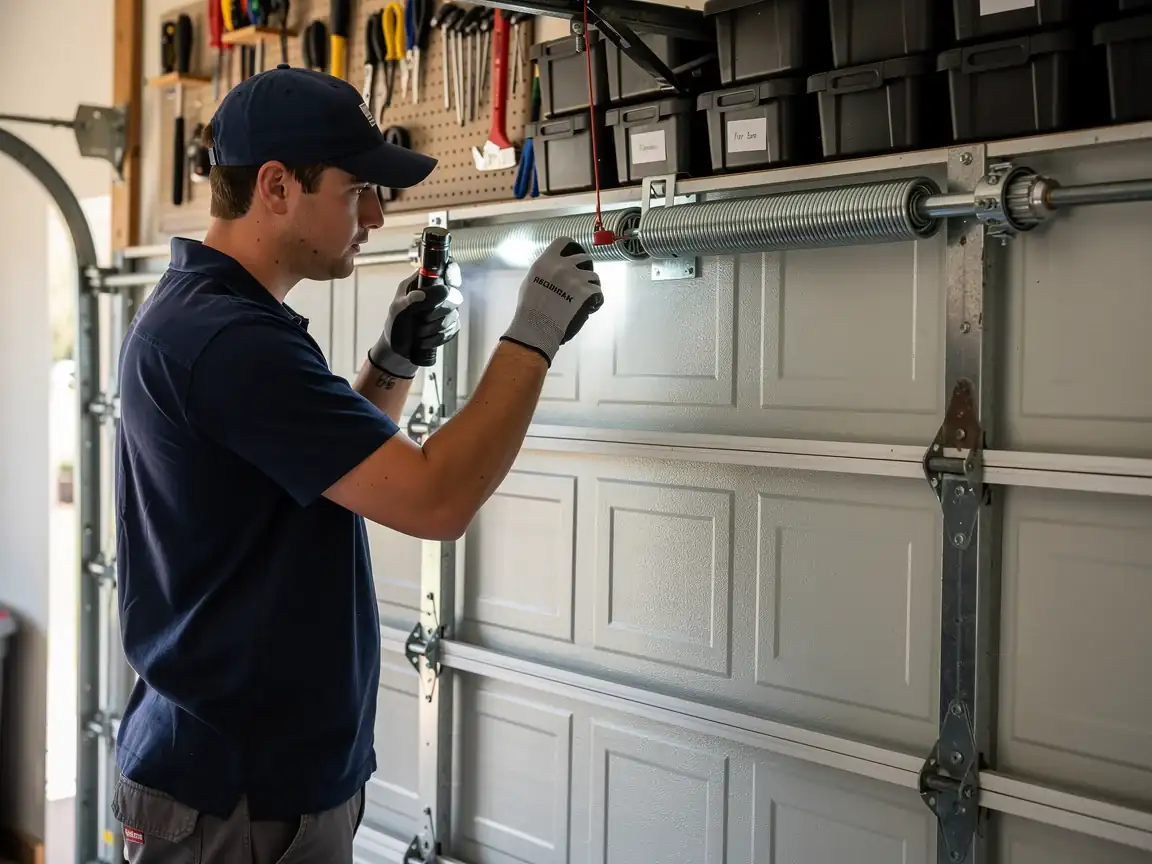
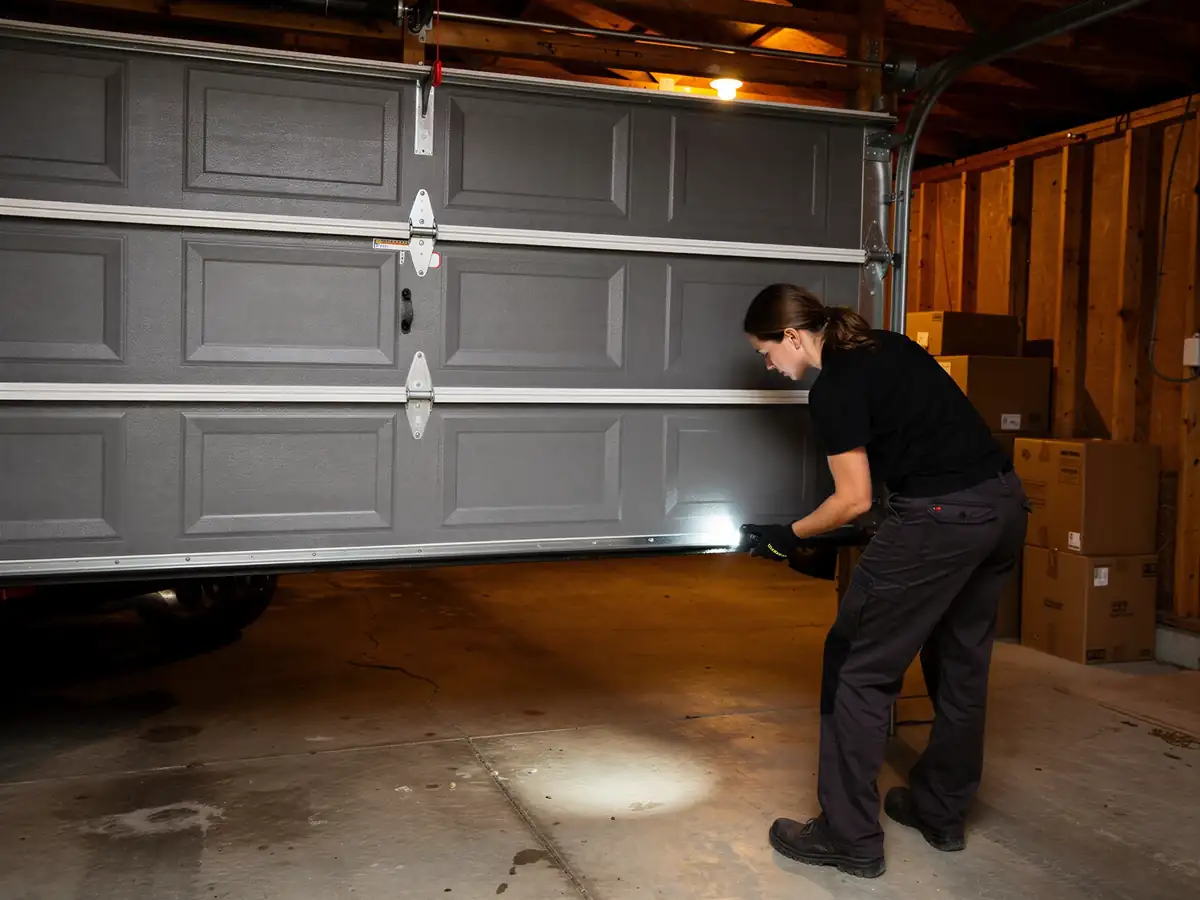
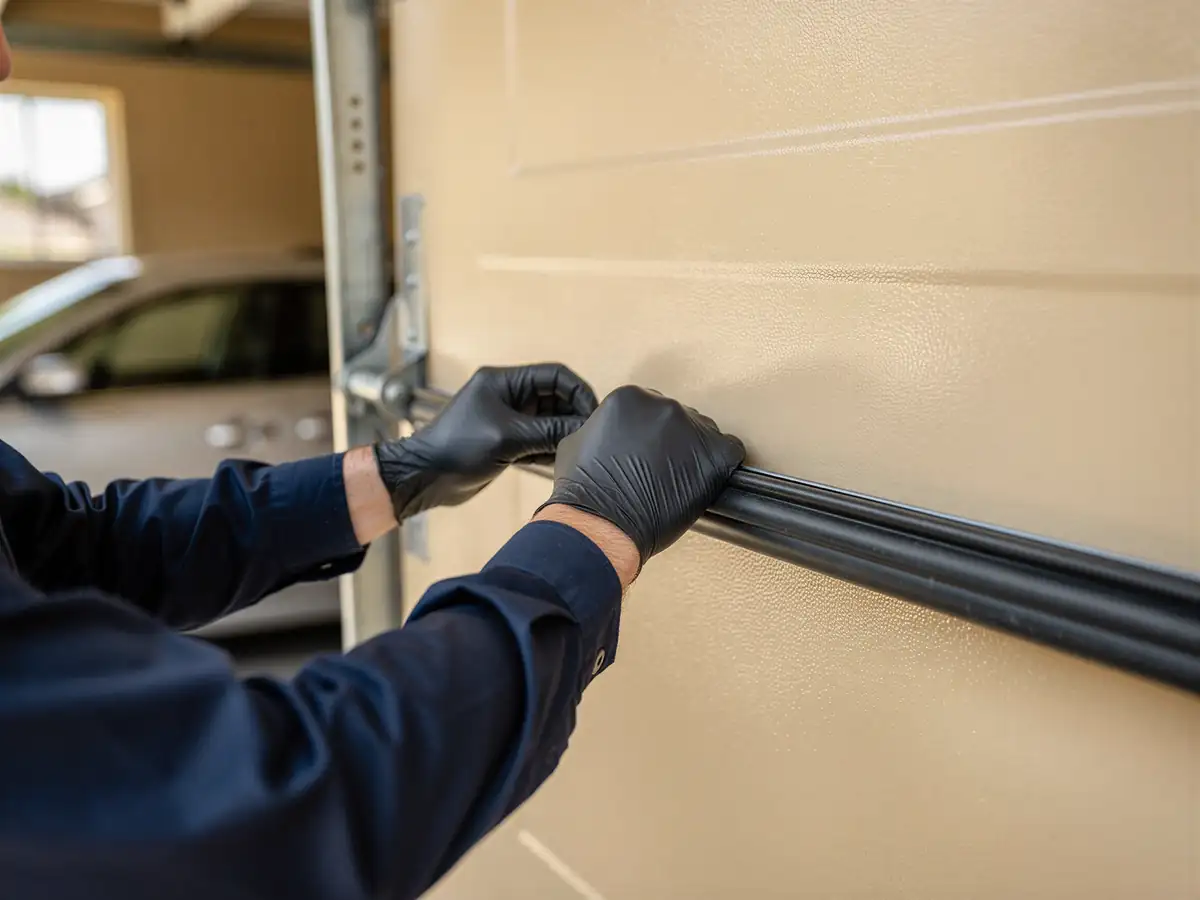
A door that's cracked at the bottom panel, pulling away from its track, or sagging on one side has stopped being a repair candidate and started being a replacement decision. If the springs are original to a house from the 1960s or 70s, they've likely outlived their rated cycle count regardless of how the door looks from the driveway. The honest answer here: if the panels are intact and the opener is newer than the door, a repair can still make sense, and we'll say so rather than push a full swap. But once the bottom seal is gone and the track is bent from age, patching it just delays a bigger bill. Severe cold makes failing seals worse fast, so a door that's marginal in October is often unusable by January. Get someone to look at it before the hardware fails mid-cycle, not after a spring snaps with the door half open.
How Local Conditions Play In
This area sits in a cold climate band rated severe, which changes what a replacement door actually needs to do. A worn bottom seal here isn't just an aesthetic gap, it's a path for real cold air into an attached garage, and that matters more on an older house where the garage shares a wall with living space. With a median household income of $143,796 across the service area, a lot of owners choose an insulated steel door over the bare minimum, because the difference shows up on a heating bill every winter, not just in curb appeal. Insulation value matters more here than it would in a mild climate, and it's worth asking for the R-value spec rather than taking a salesperson's word for