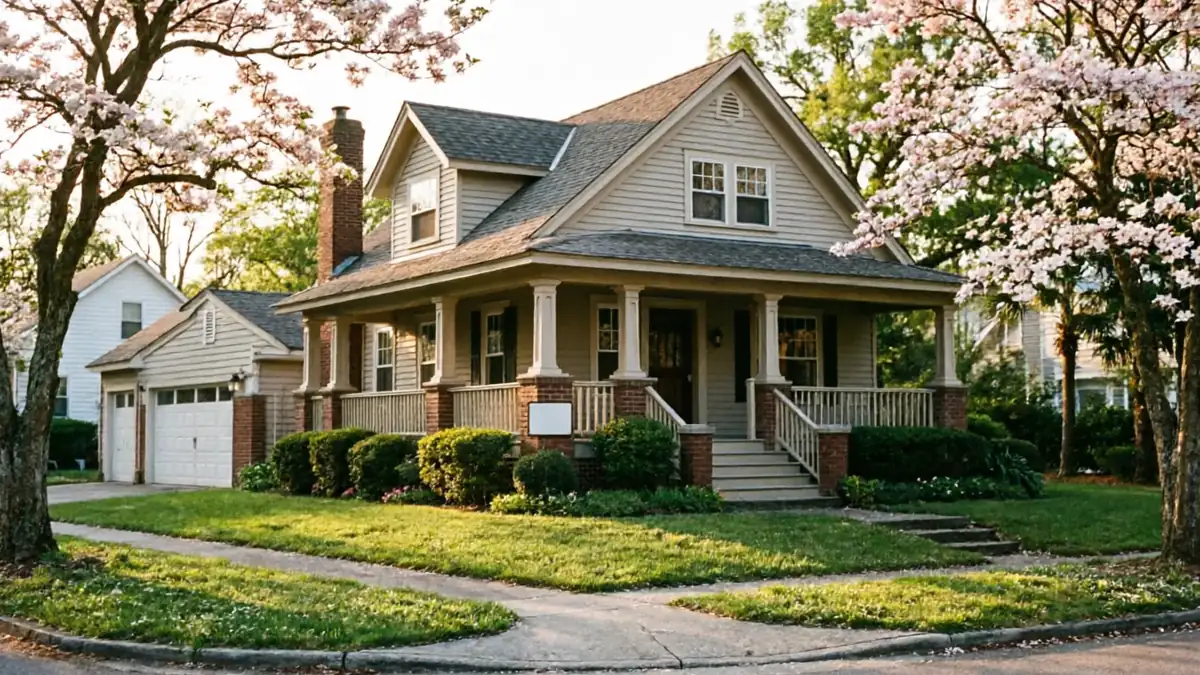
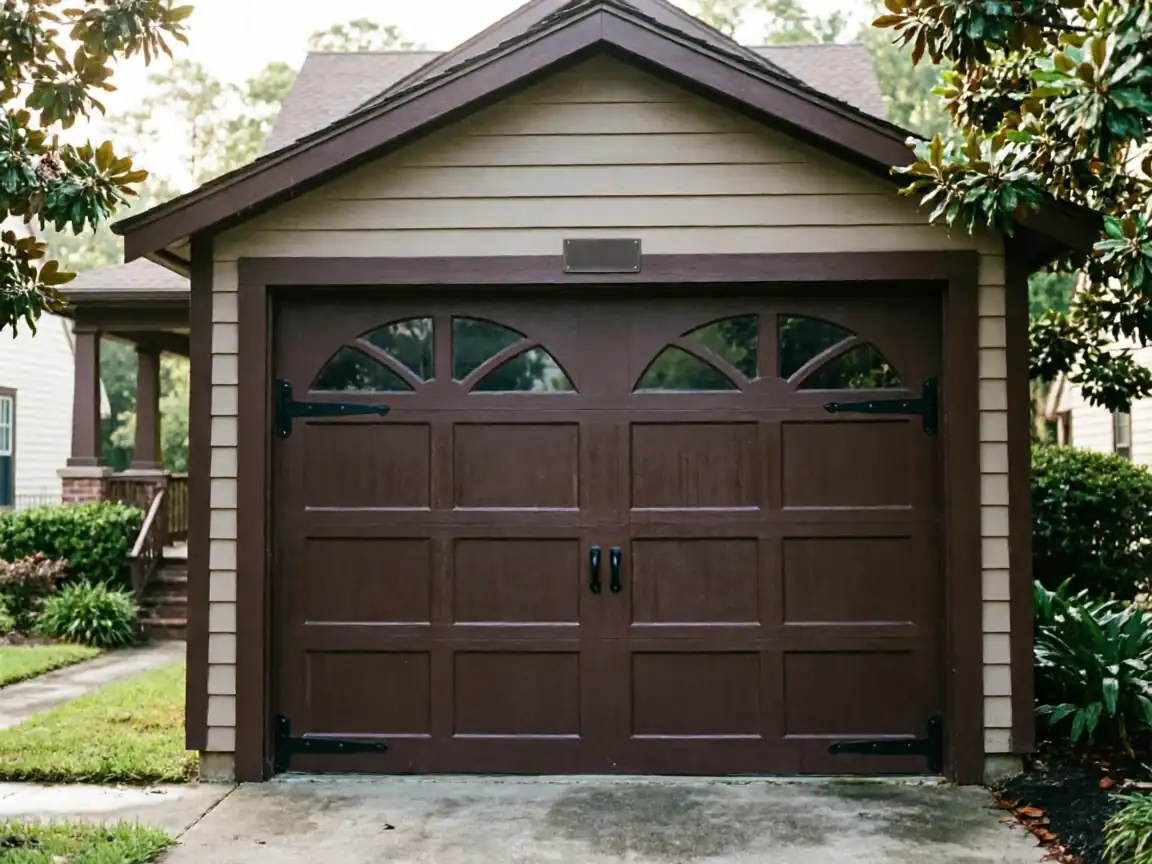
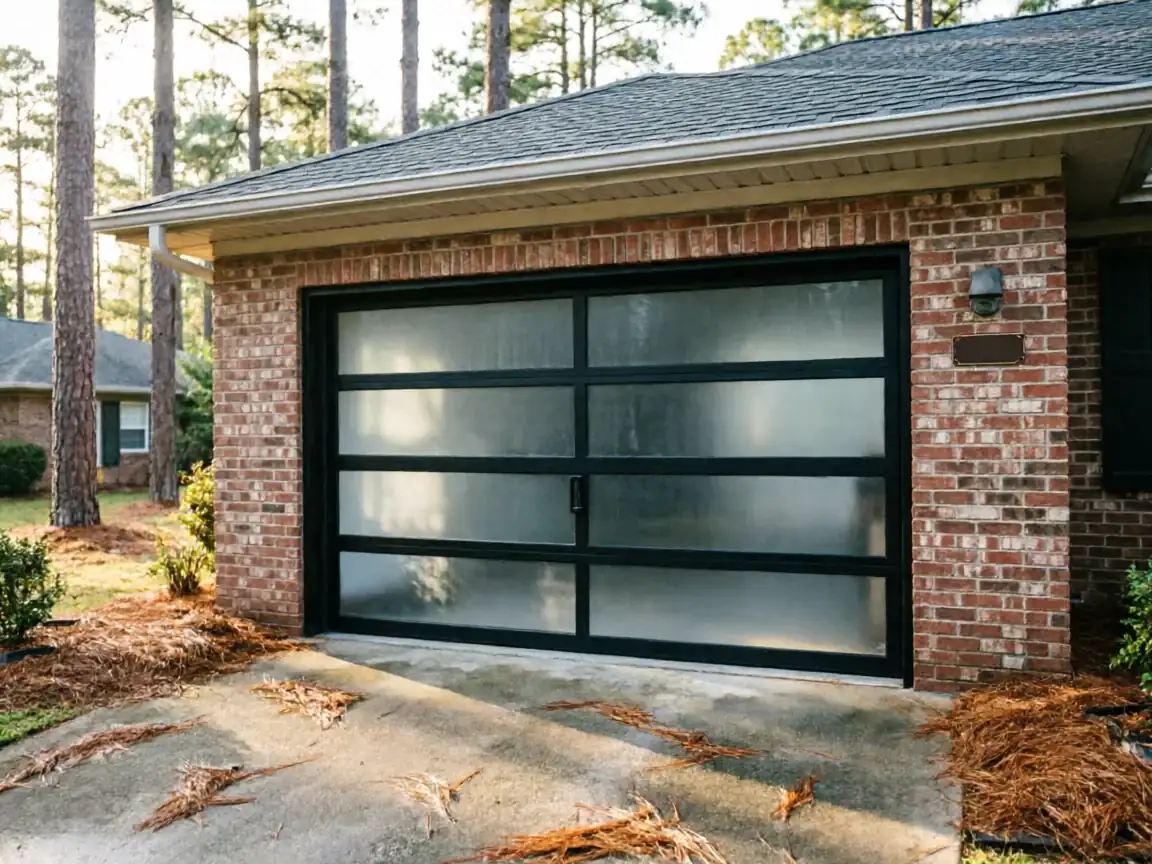
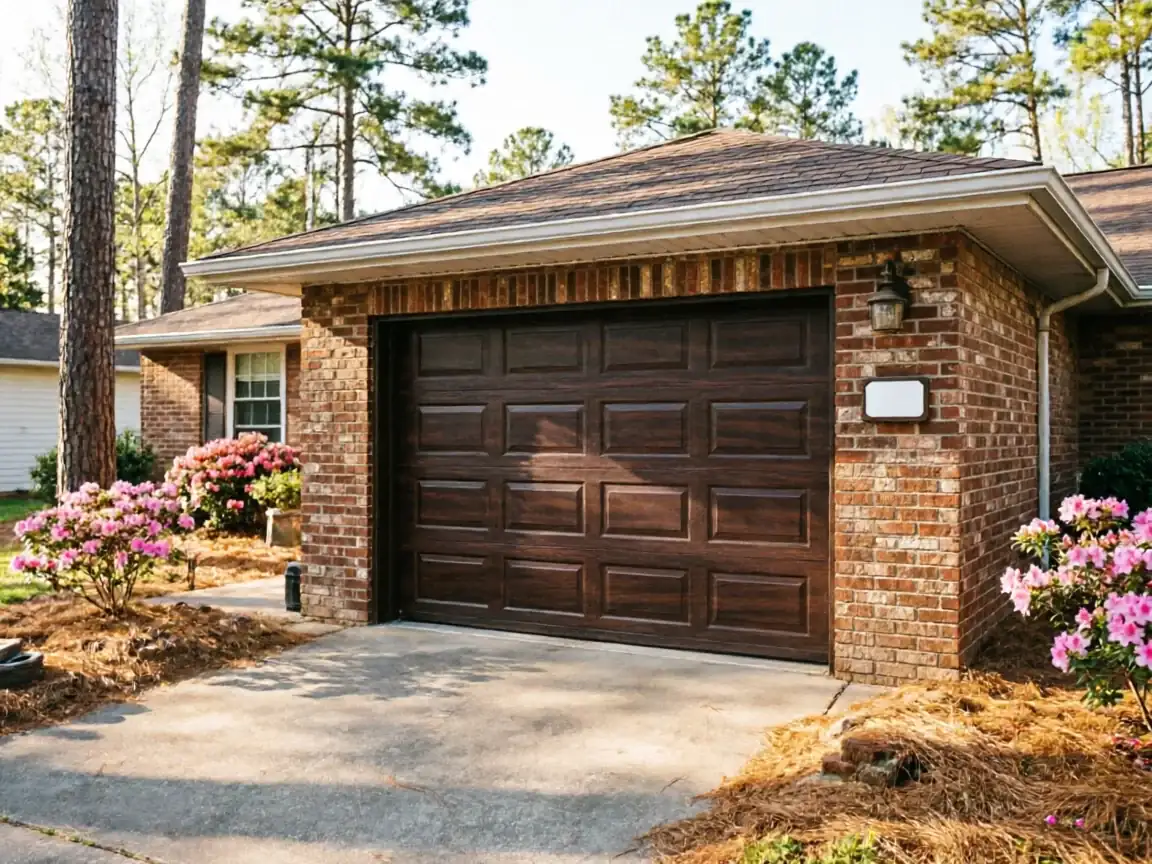
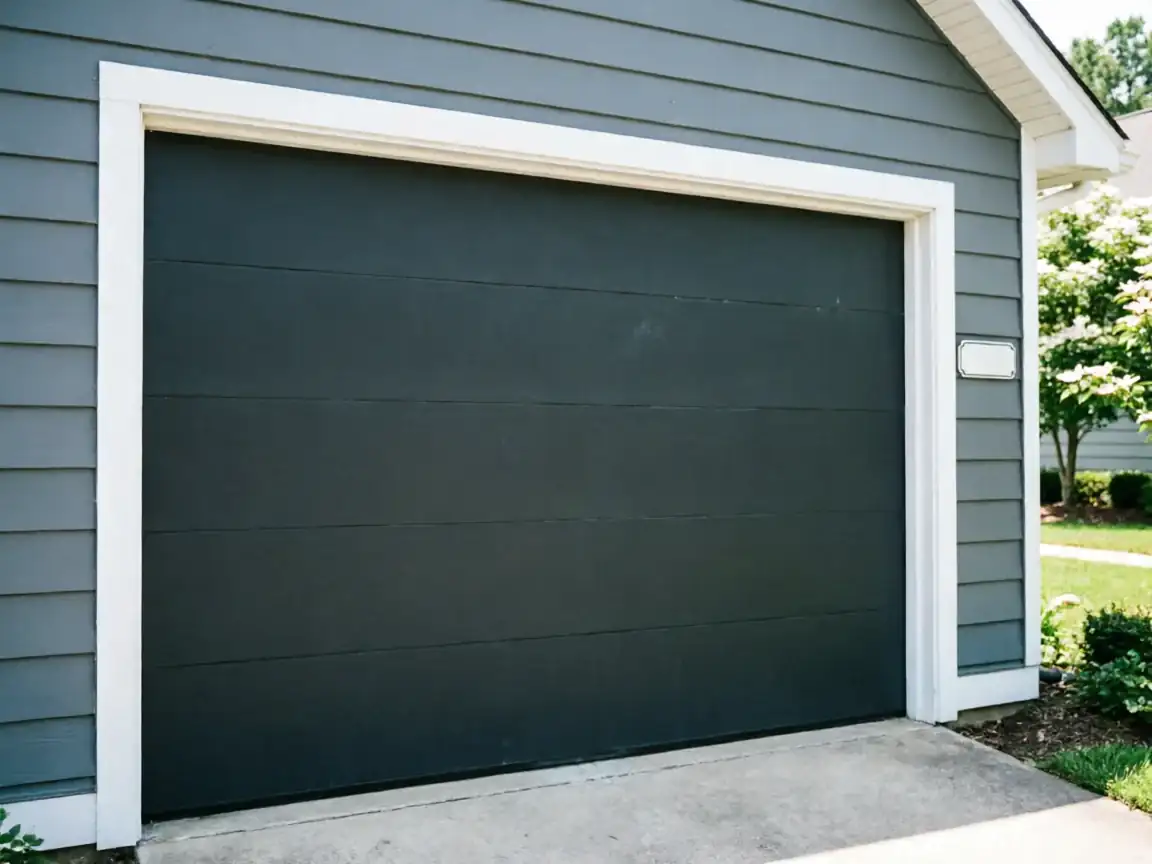
Serving Wakefield from Fairfax, 4 miles out. Built mostly in 1968, this area runs older torsion springs and steel doors that need parts stock, not guesswork.
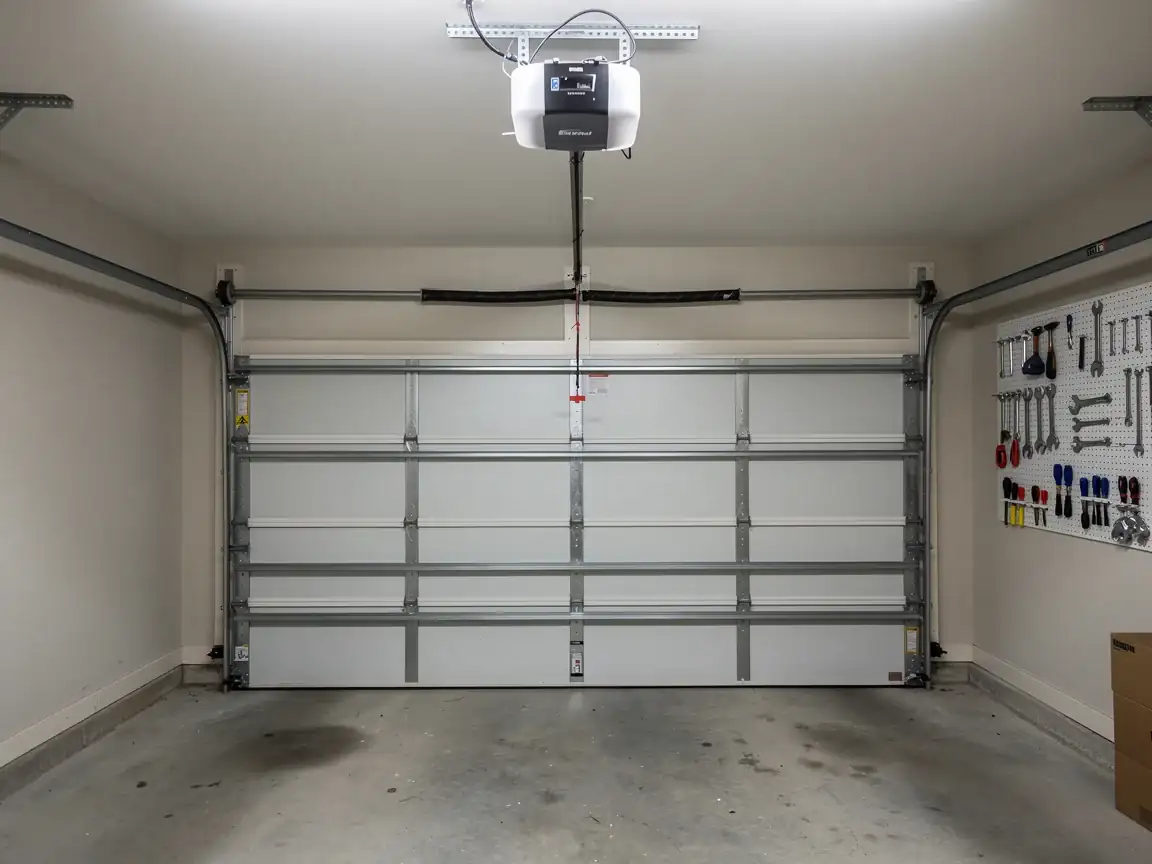
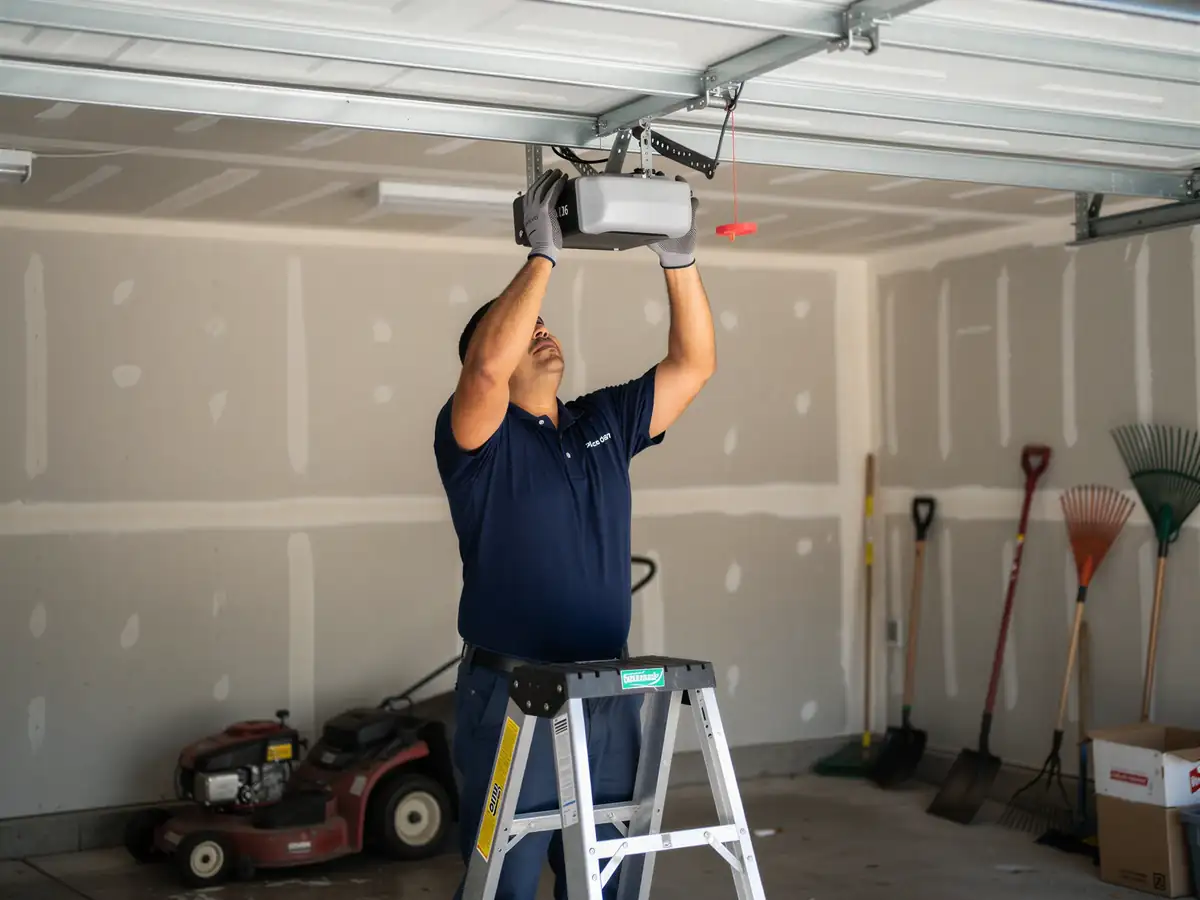
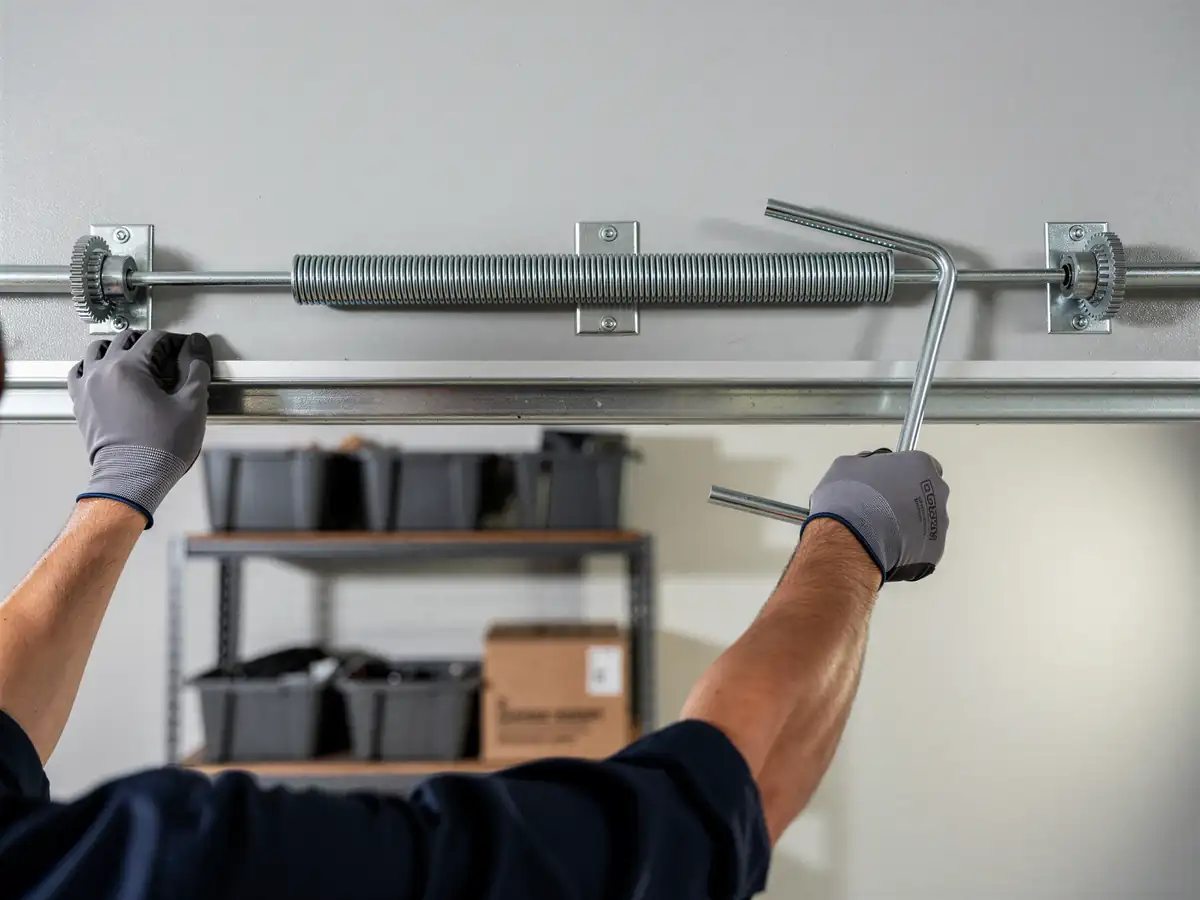
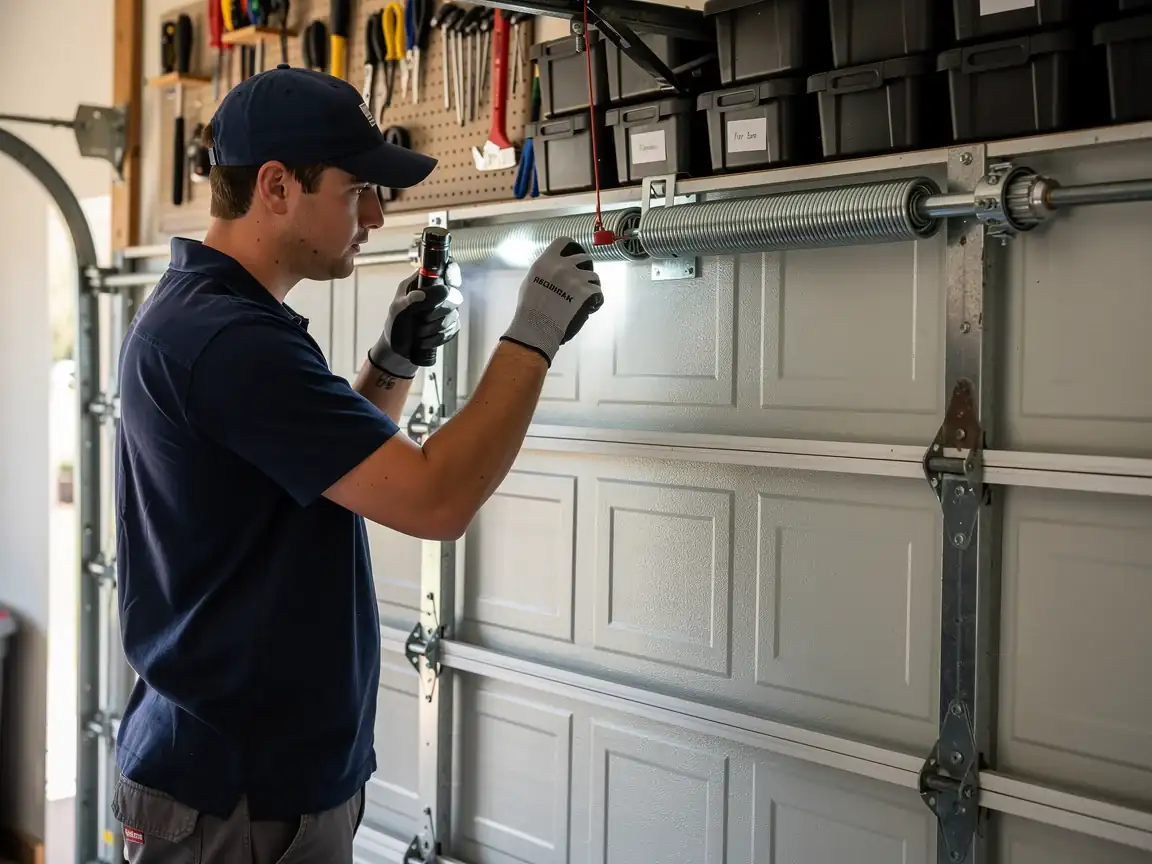
Wakefield's housing stock centers on 1968, a good decade before the rest of the Fairfax service area, where the median build year runs closer to 1978. That ten-year gap matters more than it sounds. A door and opener installed in 1968 almost never match what a home built in the late 70s or 80s got from the factory. You're more likely to find steel doors on older torsion springs mounted directly to the header, with hardware sized for lighter panels than what's sold today. When a spring snaps on one of these doors, the replacement often isn't a straight swap - the drum size, the wind direction, or the shaft diameter can be a step off from what a newer truck stocks by default. We check the actual hardware on the door before we quote, not just the model year of the house. One honest limit: if the opener is original to a 1968 install and the motor housing is cracked or the gear set is stripped, we're not going to chase parts for a unit that old. At that point replacement is the cheaper, saner call.
How We Get to You
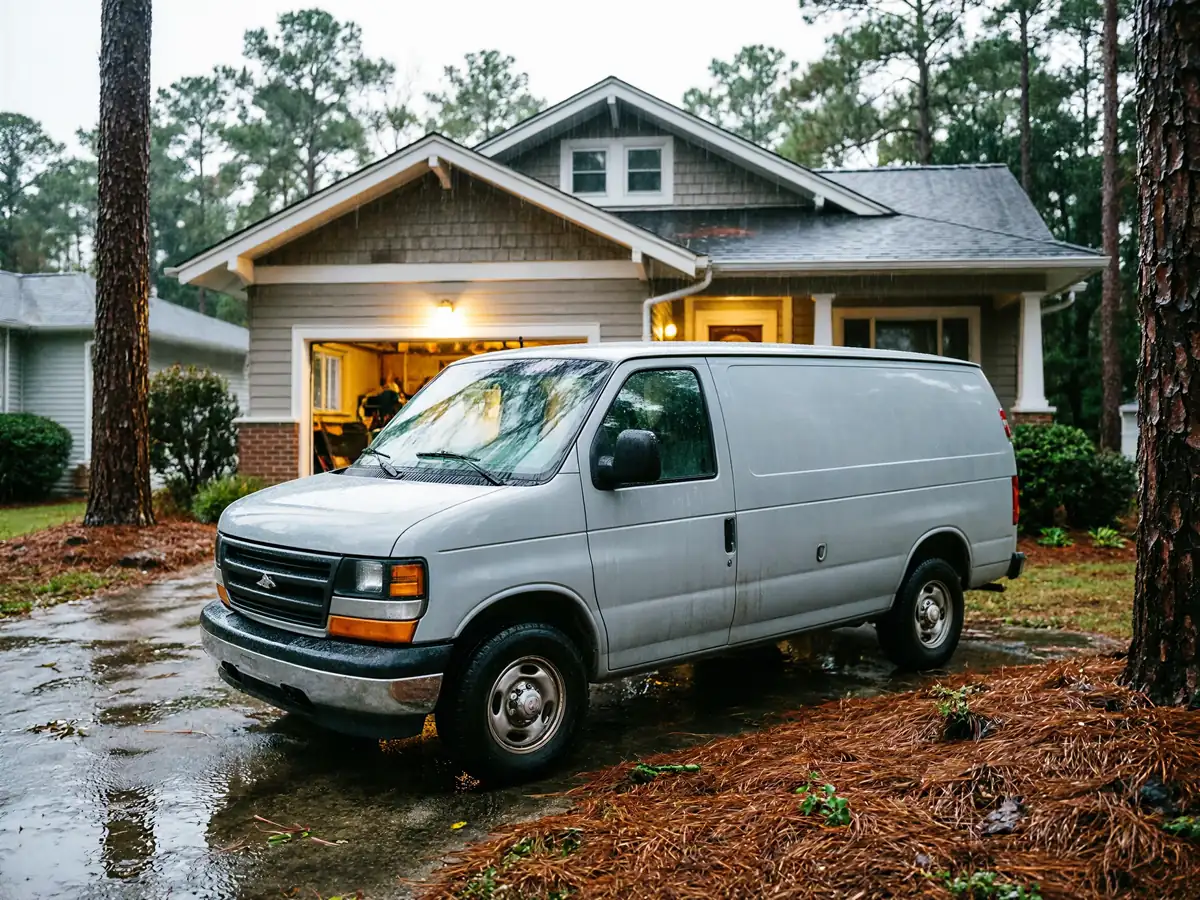
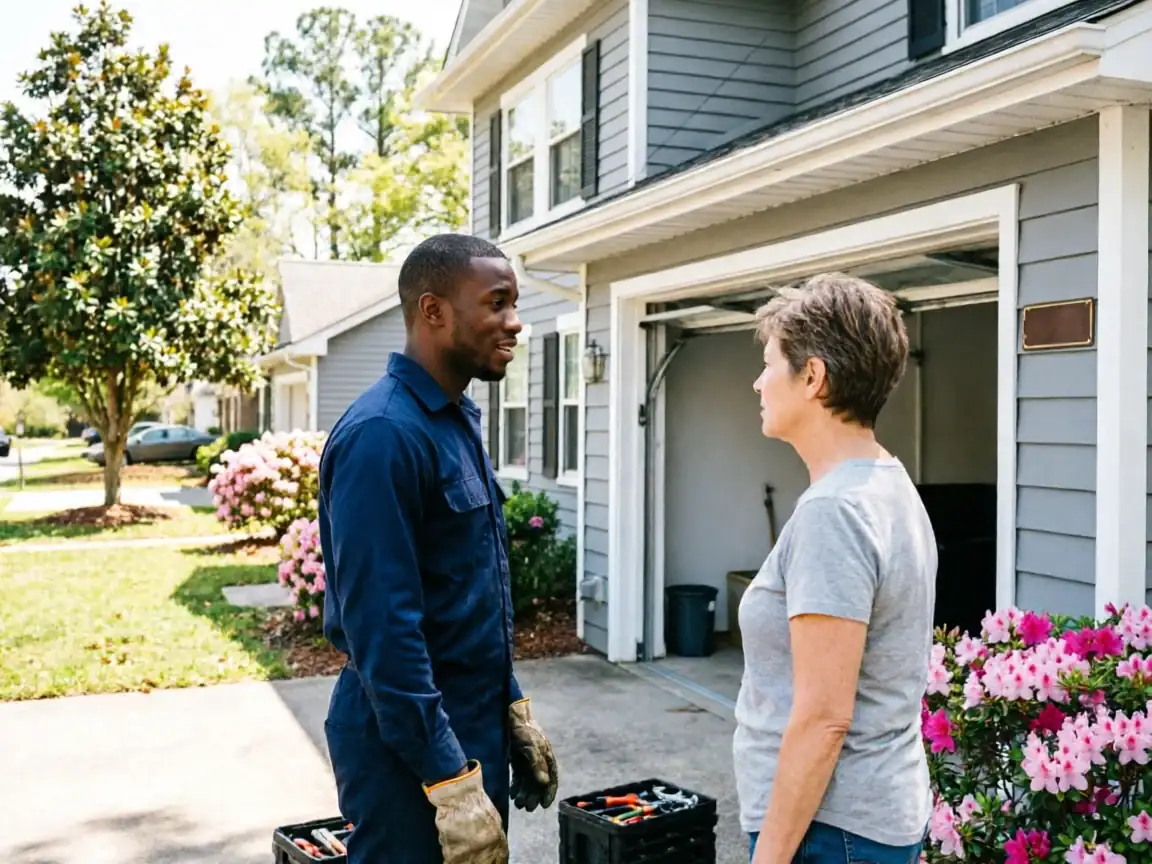
We run out of Fairfax, and Wakefield sits about 4 miles from the shop - close enough that a morning call doesn't eat the whole day waiting. We don't keep a depot or a crew stationed in Wakefield itself; every job here starts with a truck leaving Fairfax, loaded for whatever the call sheet says. That means the truck carries spring sizes and track hardware based on what you tell us about the door, which is why we ask specific questions on the phone - panel count, approximate age, whether it's a torsion or extension spring setup. Get that right up front and the first trip usually finishes the job instead of becoming a parts run.
Older vs Newer Streets
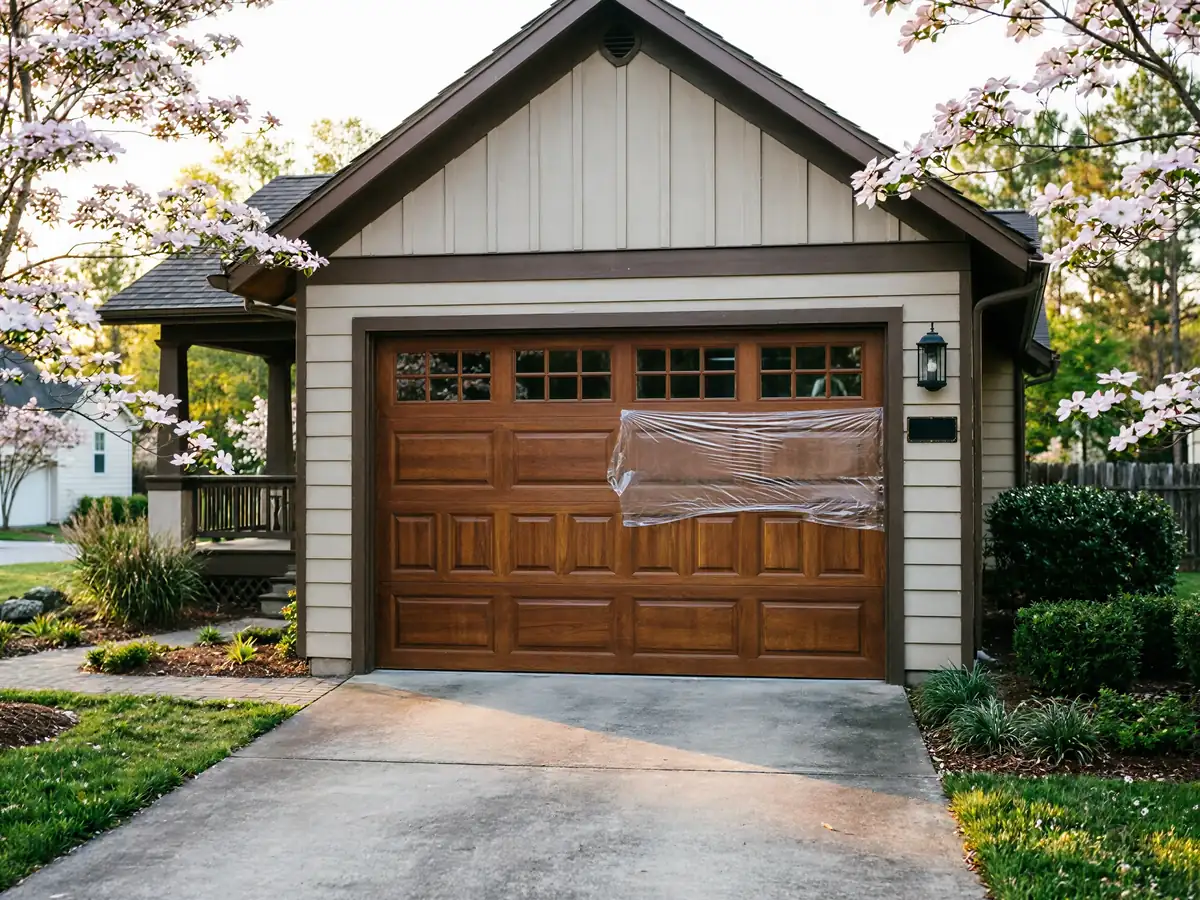
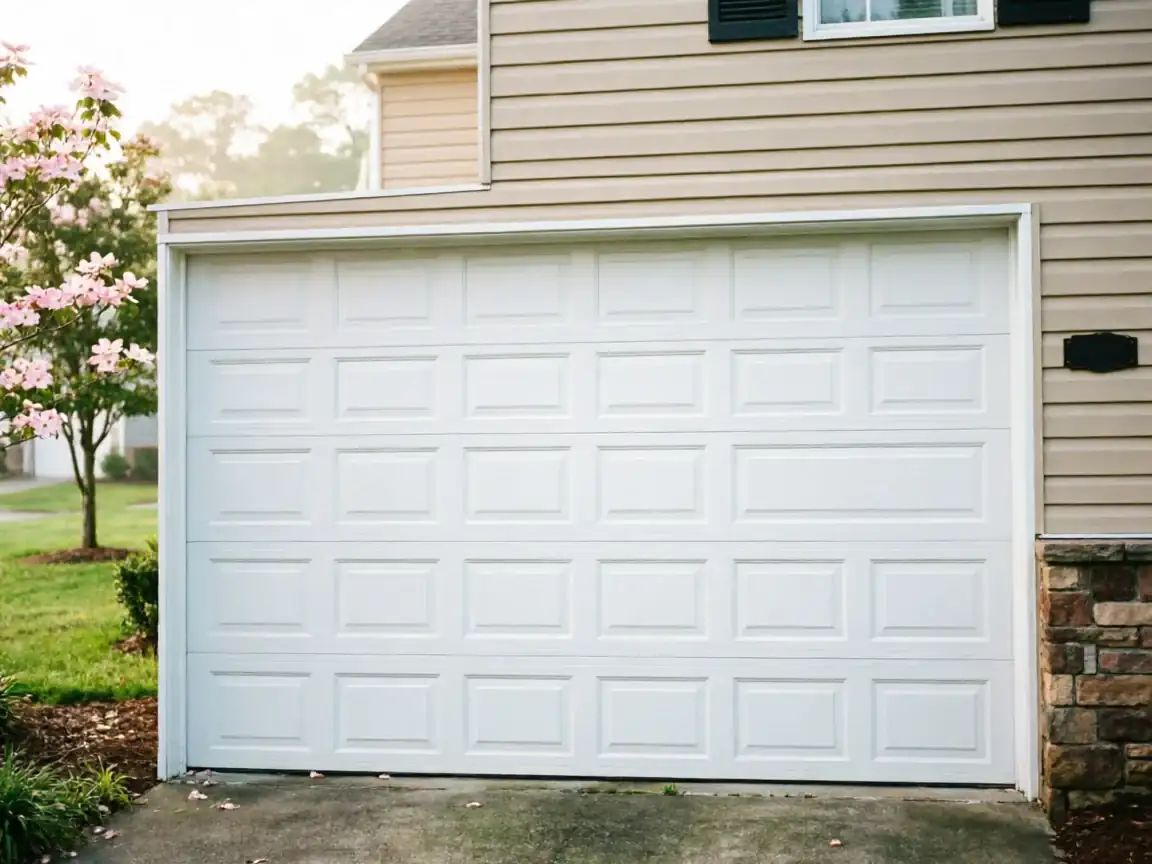
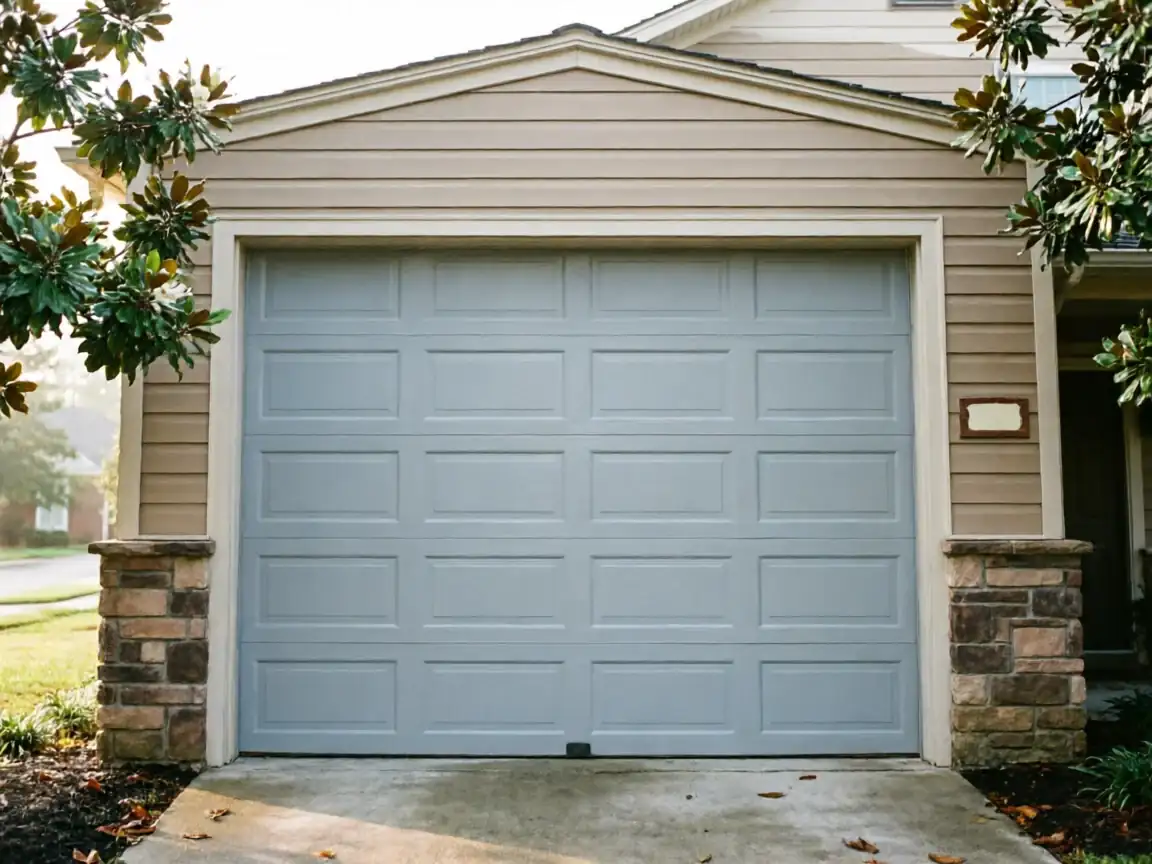
Not every block in Wakefield dates to the same year, even with a 1968 median. Streets that filled in earlier in that build wave tend to have the original steel sectional doors with roller tracks bolted straight to the framing - no vinyl weatherstripping to speak of, and galvanized hardware that's held up fine but wasn't built with today's insulation standards in mind. Streets that filled in closer to the tail end of that era sometimes got slightly heavier doors and the earliest version of the extension-spring safety cable, which is worth checking if nobody's touched it since installation. Across the broader Fairfax service area, home construction spans 1940 through 2015, so the fact that Wakefield clusters tightly around 1968 tells you something: this isn't a mixed-era neighborhood where every third house is a different decade. Most of the doors we see here face the same basic wear pattern, which makes diagnosing a stuck door or a slipping cable faster than it is in a newer subdivision with ten different builders.
What Was Built Here
With roughly 3,765 households in Wakefield and a median income of $221,793, this is a higher-income pocket compared to the broader Fairfax area's $143,796 median - and it shows in maintenance habits more than in door brand. Owners here tend to call before a spring fully fails, when the door is just starting to sag on one side or the opener strains on the way up. The region sits in a cold, severe winter climate band, and on a door built around 1968 that means steel panels that have gone through five-plus decades of freeze-thaw cycling on the same hardware. Cold tightens steel and stiffens old grease, so a torsion spring that's been fine for years can snap on the first hard cold snap of the season. We don't treat every call here as an emergency replacement - plenty of these doors just need the hardware cleaned, re-lubed, and re-tensioned to run another decade.
How it works
From “it’s stuck” to “it’s fixed”
01
Tell us what’s wrong
Describe the symptom - won’t open, loud bang, opener runs but the door won’t move.
02
On-site diagnosis
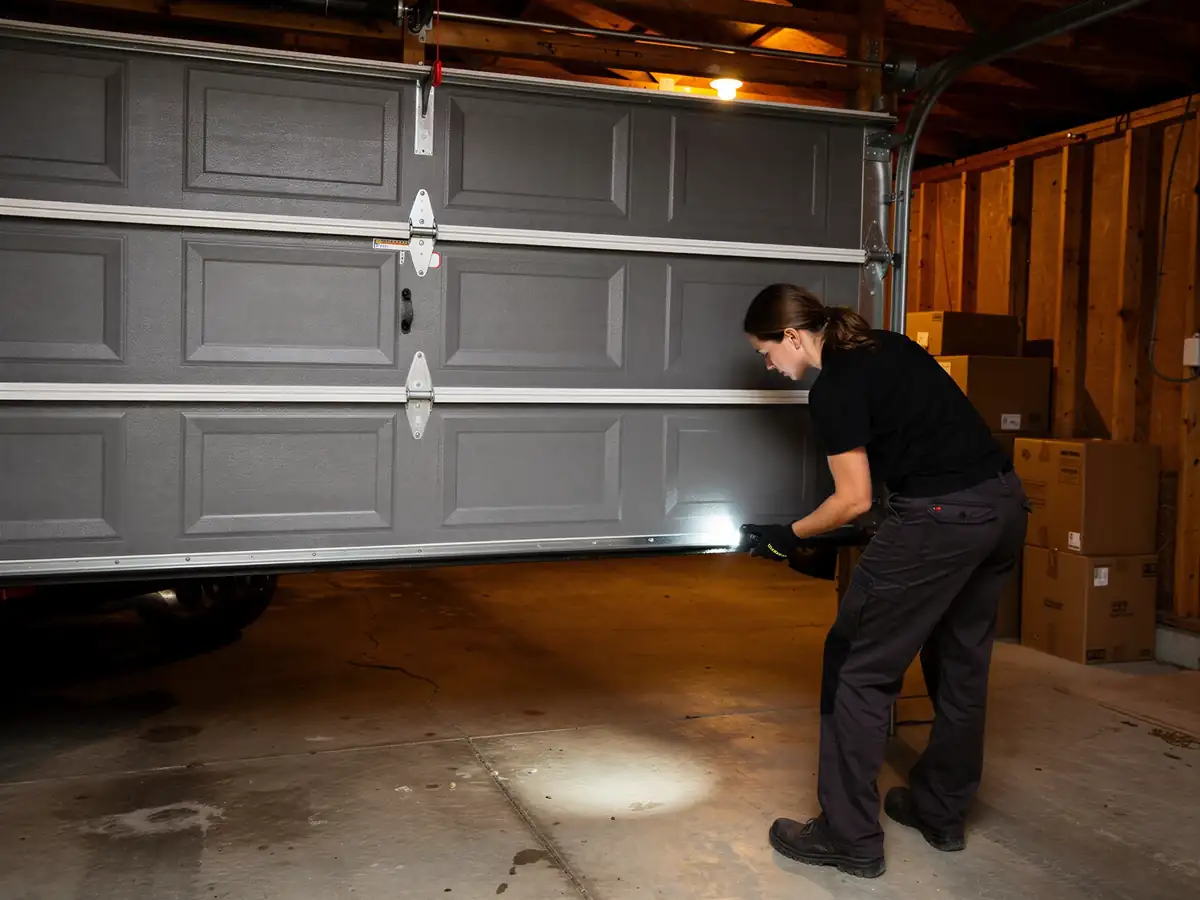
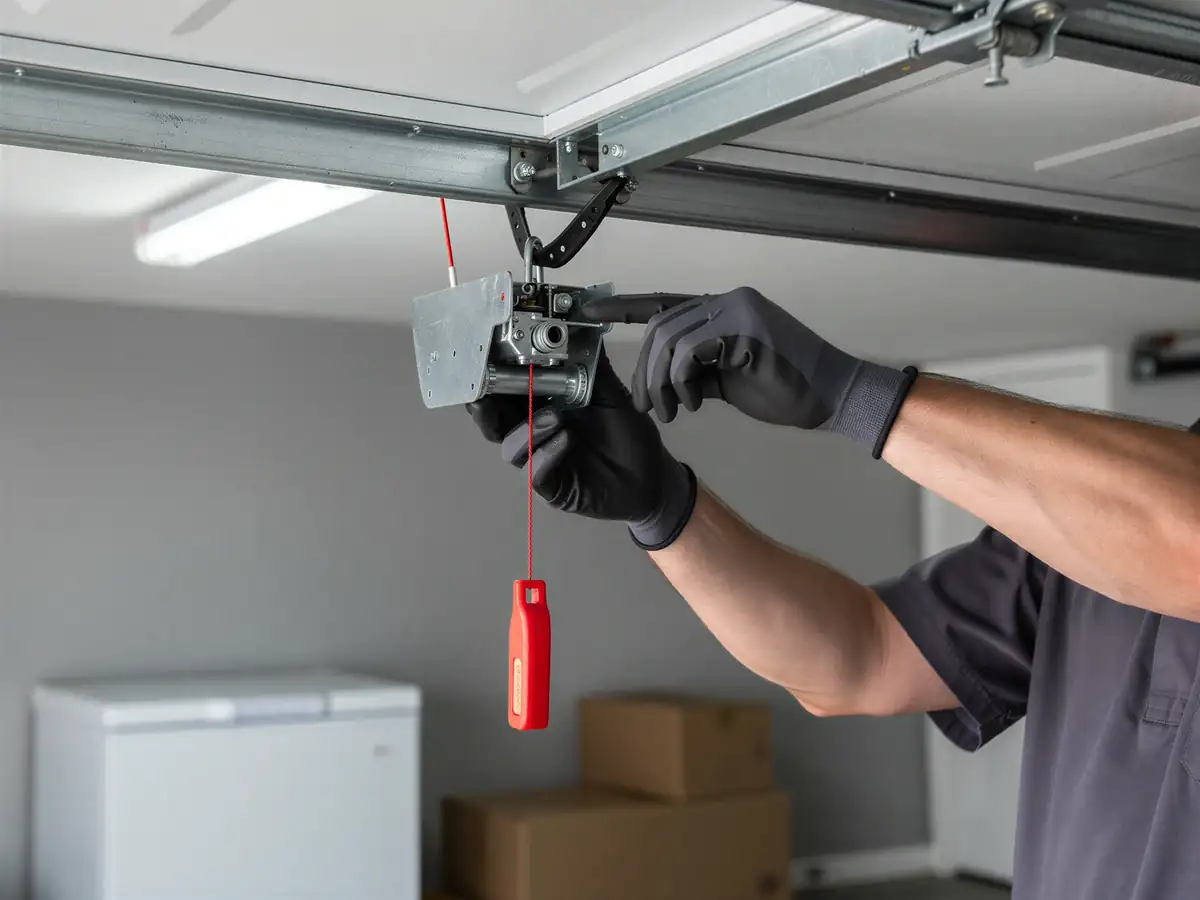
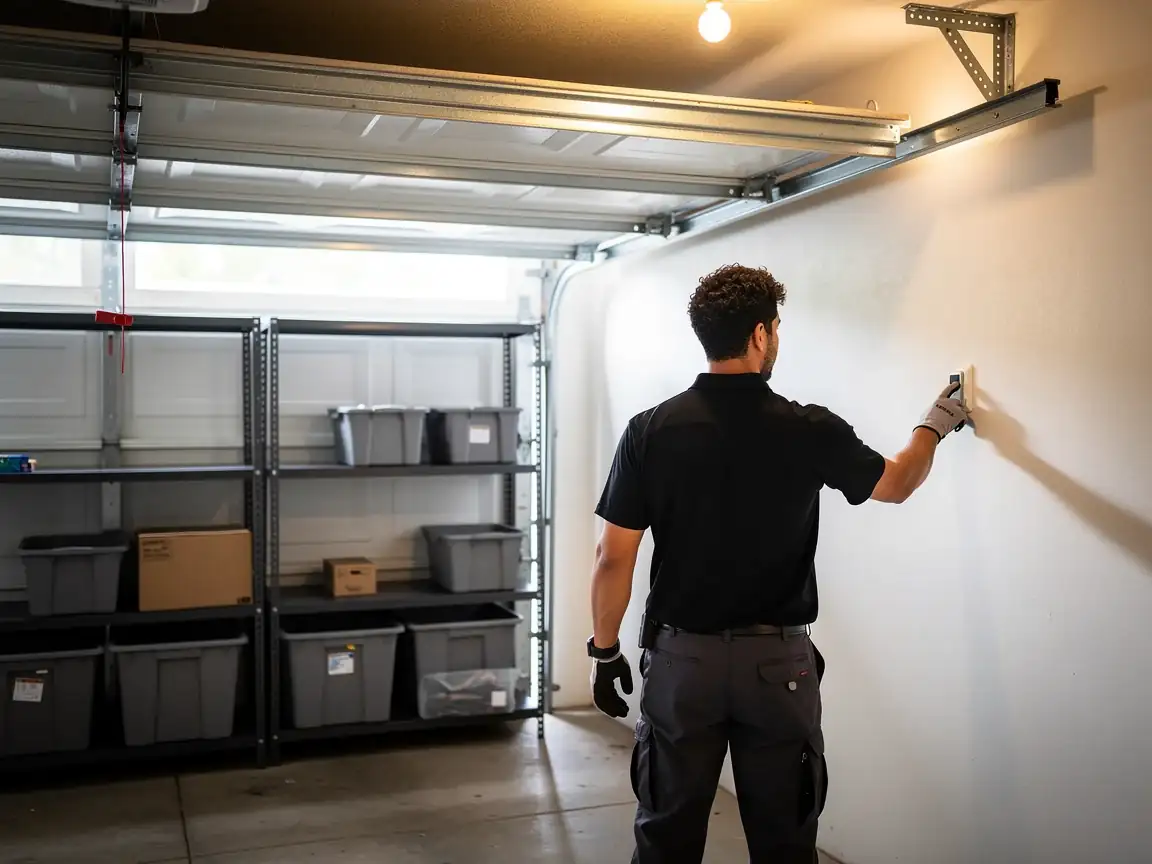
A technician tests the door under power and by hand and finds what actually failed.
03
Clear, up-front plan
You get the fix that’s needed and what drives the cost - before any work starts.
04
Repaired & tested
The repair is done, the door is set true and tested, and the work area left clean.
Not sure which repair your door needs in Fairfax, VA? Describe what it’s doing - every job starts with a diagnosis.
Straight answers about garage door repair in Fairfax. Still unsure? Ask us directly.
Is Fairfax Garage Door Pros based in Wakefield?
No. We run out of Fairfax, about 4 miles away, and send a truck out for every Wakefield call. We don't keep a crew or depot stationed in the area, so the specifics you give us on the phone - door age, spring type, panel count - help us load the right parts before we leave the shop.
Why does my 1968 door use different spring hardware than my neighbor's newer garage?
Houses in Wakefield cluster tightly around a 1968 build year, which is about a decade earlier than the broader Fairfax area's median. Doors from that era often have torsion hardware sized for lighter panels and mounted differently than what's standard on doors built in the late 70s or 80s, so parts aren't always interchangeable.
Should I repair or replace a door this old?
Depends on what's failing. A worn spring, cable, or roller on a 1968 door is usually a straightforward repair. If the opener motor housing is cracked or the gear set has stripped from age, we won't chase parts for a unit that old - replacement ends up cheaper and more reliable.
Does winter weather cause more breakdowns here?
The area sits in a cold, severe winter climate band, and older steel hardware stiffens up in hard cold snaps. A torsion spring that's run fine for years can snap on the season's first deep freeze, especially on original 1968-era hardware that hasn't been re-lubed in a while.