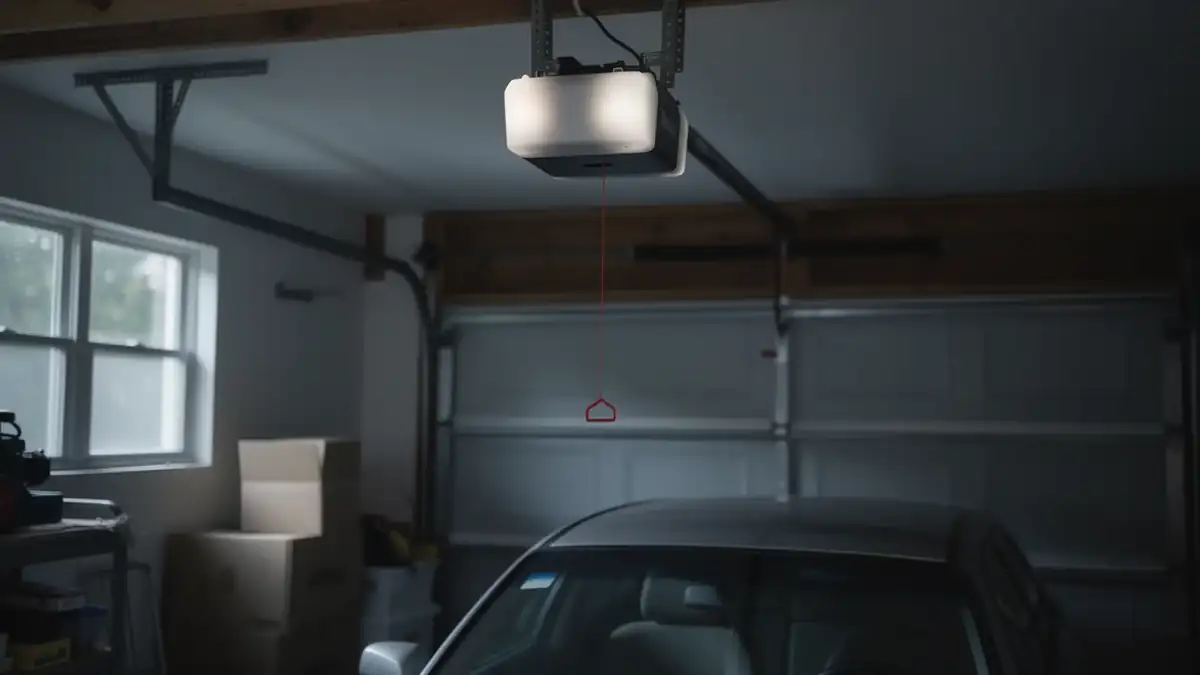
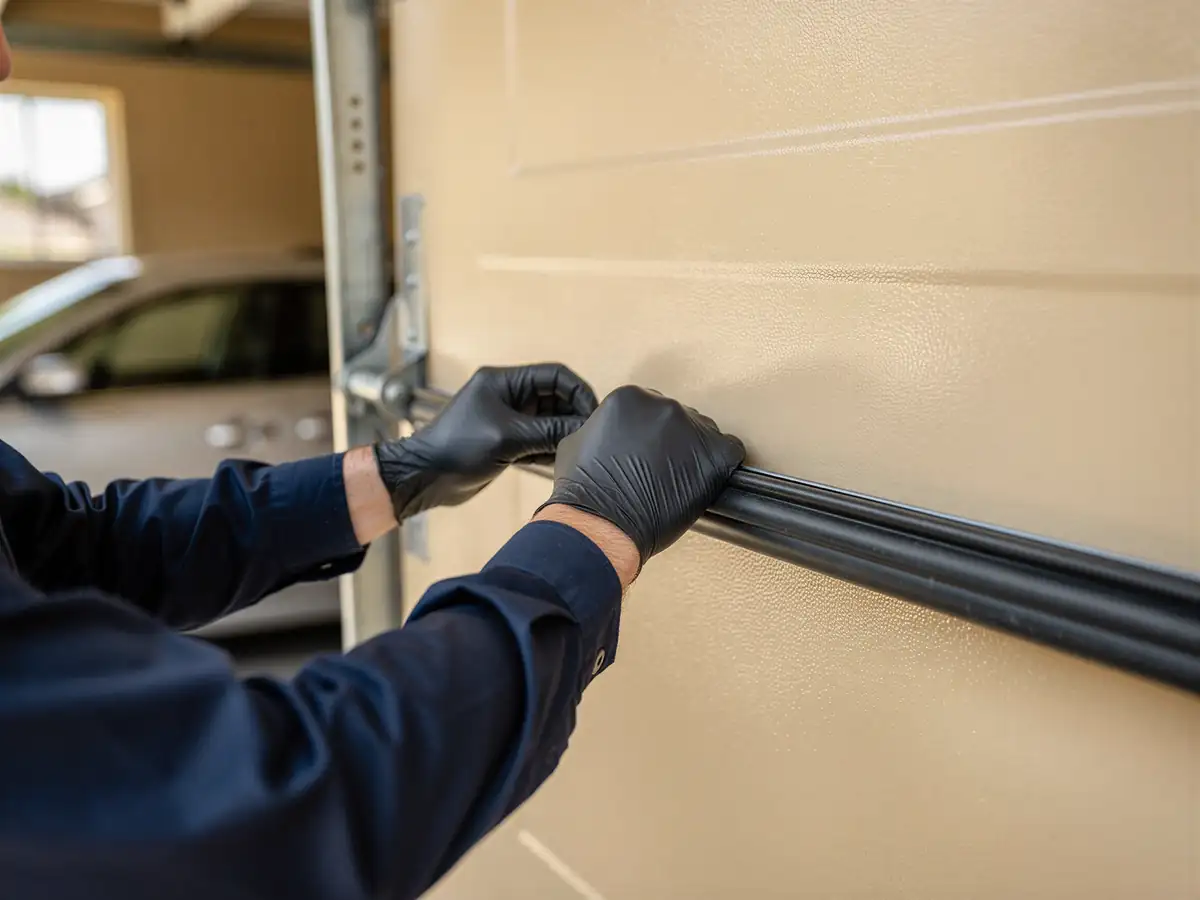
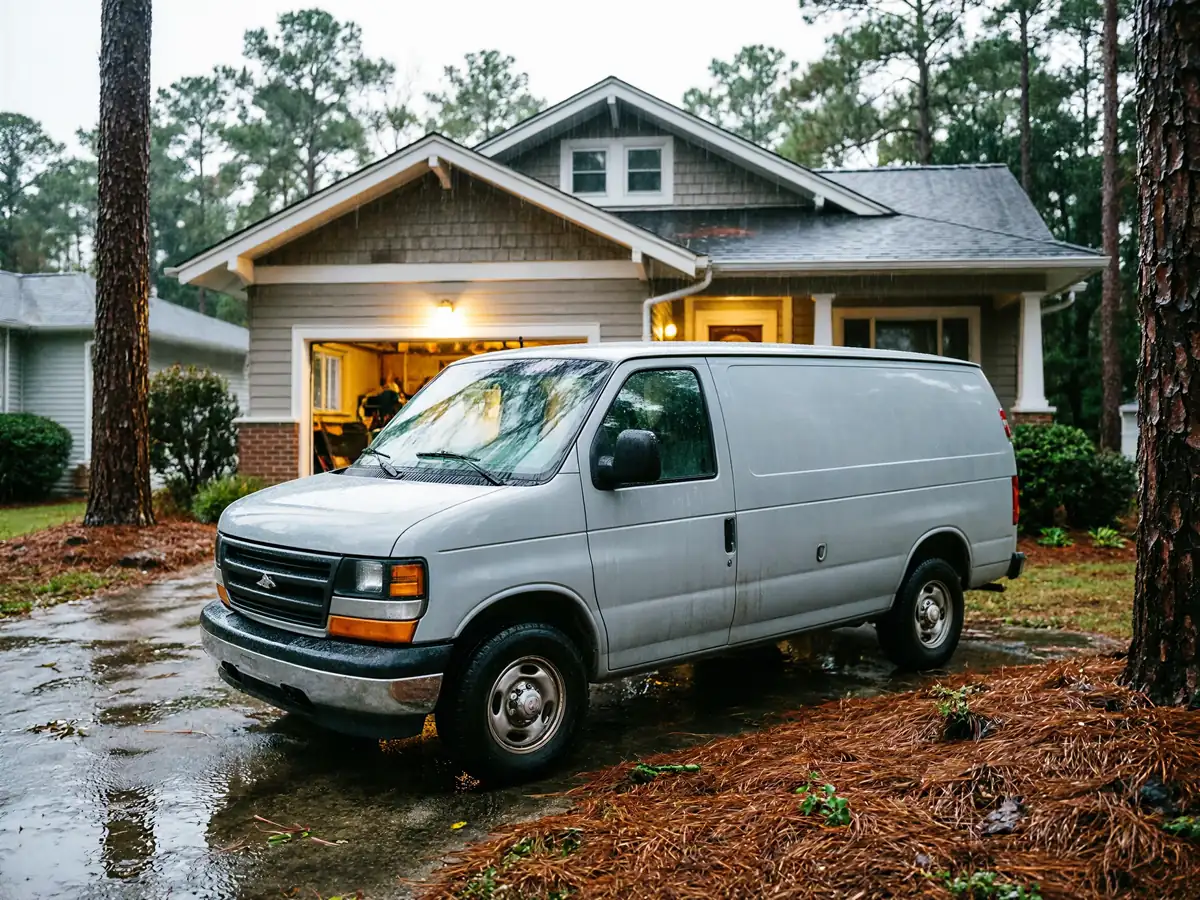
A garage door opener needs line power to run the motor, and most of them lose their memory of the door's position the second that power cuts. In a service area with 181,054 households and 68,635 owner-occupied houses, that's a lot of garages going dark at once during a winter storm. The trouble is worse in houses built before the mid-1980s, which make up a big share of the 1960s-70s stock found across the 38 named areas here, because those openers were often installed without a battery backup and sometimes without a manual release handle anyone can find in the dark. When power comes back, some openers re-home correctly. Others don't, and the door either refuses to move or tries to close on an obstruction it can no longer sense. If your opener predates battery backup as a standard feature, a power cut isn't just an inconvenience - it can leave the safety reversal system guessing.
When to Get Help
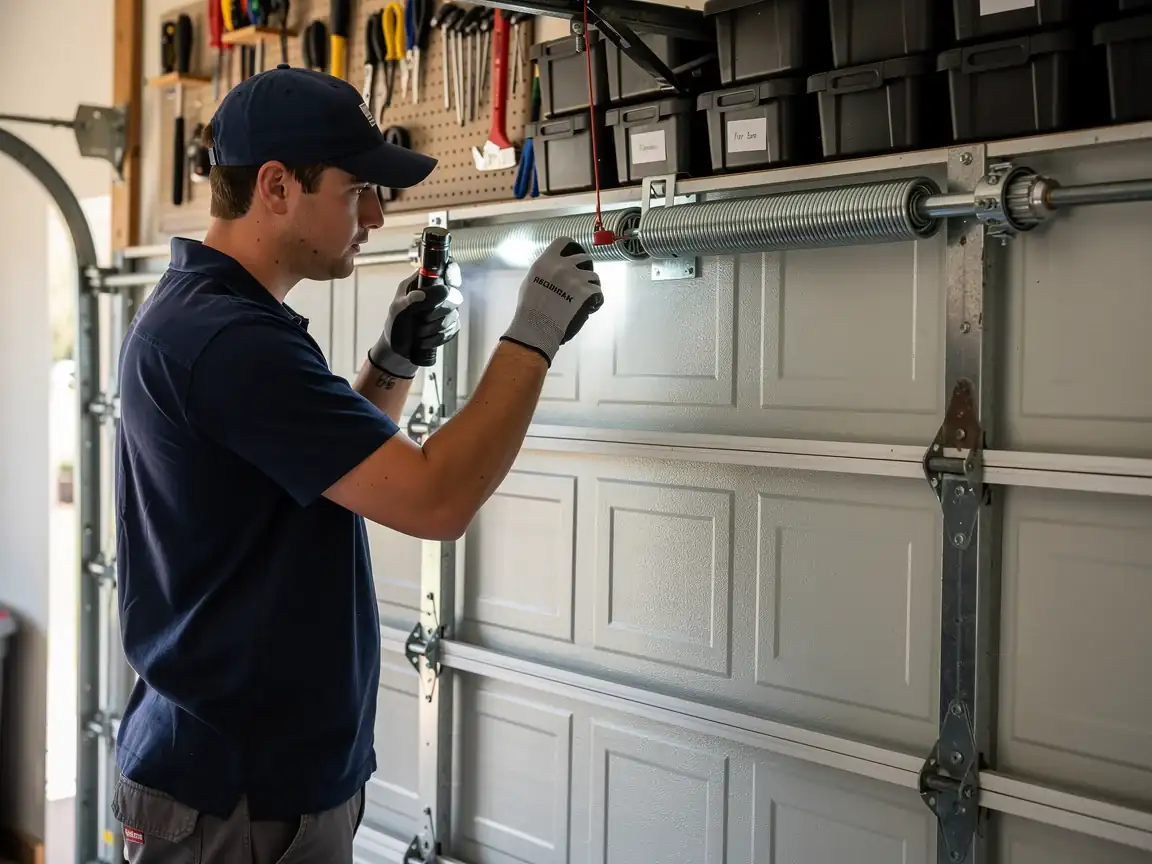
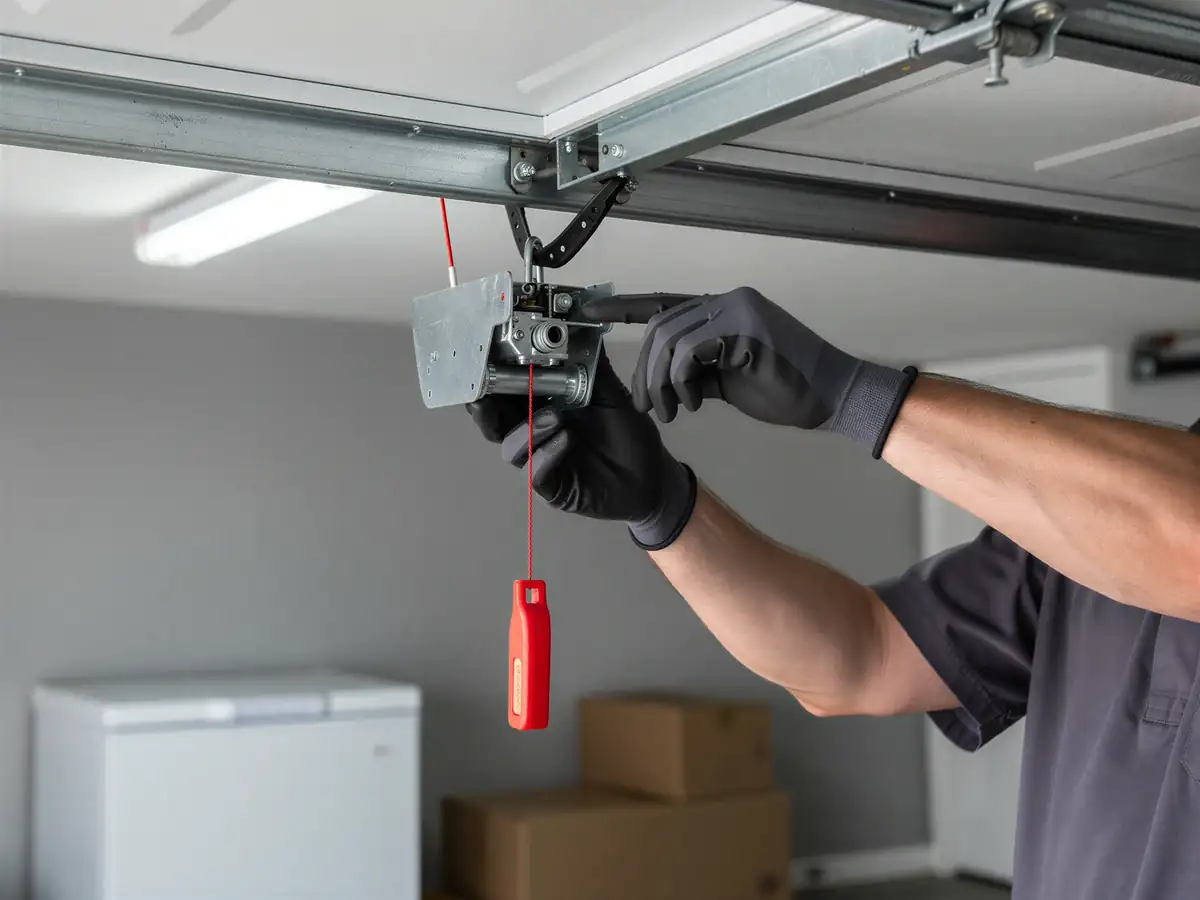
Call before you force anything by hand. If the door won't release from the trolley, or the manual cord is painted over or missing, that's a sign the opener's never been serviced since it went in - common in houses that have had one owner since the 1970s or 80s. If the door drops hard when you pull the release, don't let it fall the rest of the way; a spring or cable is likely compensating for an opener that's already failing, and a sudden full-weight drop can bend track or snap a cable under load. Get help any time the door reverses on its own after a power cut, moves unevenly, or the opener light blinks a code you don't recognize. We don't recommend chasing wiring faults in an opener that's original to a house built in the 1970s - at that age, a board replacement usually costs more than swapping the unit.
How Local Conditions Play In
This area sits in a cold, severe climate band, and power cuts here tend to cluster with the same weather that stresses an opener the most: cold snaps that stiffen grease in the drive gear and ice that adds weight to the door right as the motor's trying to restart it. An opener drawing hard against a stiff, iced track during a cold-weather outage puts more strain on the circuit board and the gear than it would on a mild day, which is part of why openers in older homes here tend to fail opener-side rather than door-side first. Houses built across the long 1940-2015 range carry a mix of opener ages and track hardware, so the same storm can knock out a newer opener's backup battery charge while leaving a decades-old chain-drive unit simply dead until the power returns.
What to Look At First
Start with the obvious: is the outlet the opener plugs into on a GFCI circuit that tripped, separate from the rest of the power cut. Next, check whether the opener has a battery backup at all - a lot of the original units in this area's older housing stock don't, and that's worth knowing before the next outage rather than during one. Find the manual release cord and make sure it pulls free without force; if it's stiff or stuck, that's a maintenance item, not an outage problem. Finally, look at the track and rollers for ice or frost buildup near the top bracket, since a frozen roller can mimic an opener fault when the real issue is mechanical drag. We can walk through all of this on site - see /.
Straight answers about garage door repair in Fairfax. Still unsure? Ask us directly.
Does my opener need a battery backup in Fairfax?
If your opener doesn't already have one, it's worth adding given how often outages here line up with the kind of cold-weather load that stresses an aging opener. Houses in this area built before battery backups were standard are the ones we see stuck with a dead opener after a storm.
Why did my opener work fine for years and then fail after one outage?
Often the opener was already close to the end of its life, and a power cut is what exposes it. In the older housing stock common here, gears and boards that have run for decades can take a hard restart badly, especially in cold conditions.
Can I just manually open the door during a power cut?
Usually yes, through the release cord, but only if it pulls free easily. If it's stiff, painted over, or missing, don't force it - that's a sign of deferred maintenance we should look at before you need it in an emergency.