The Problem
Steel contracts when it gets cold
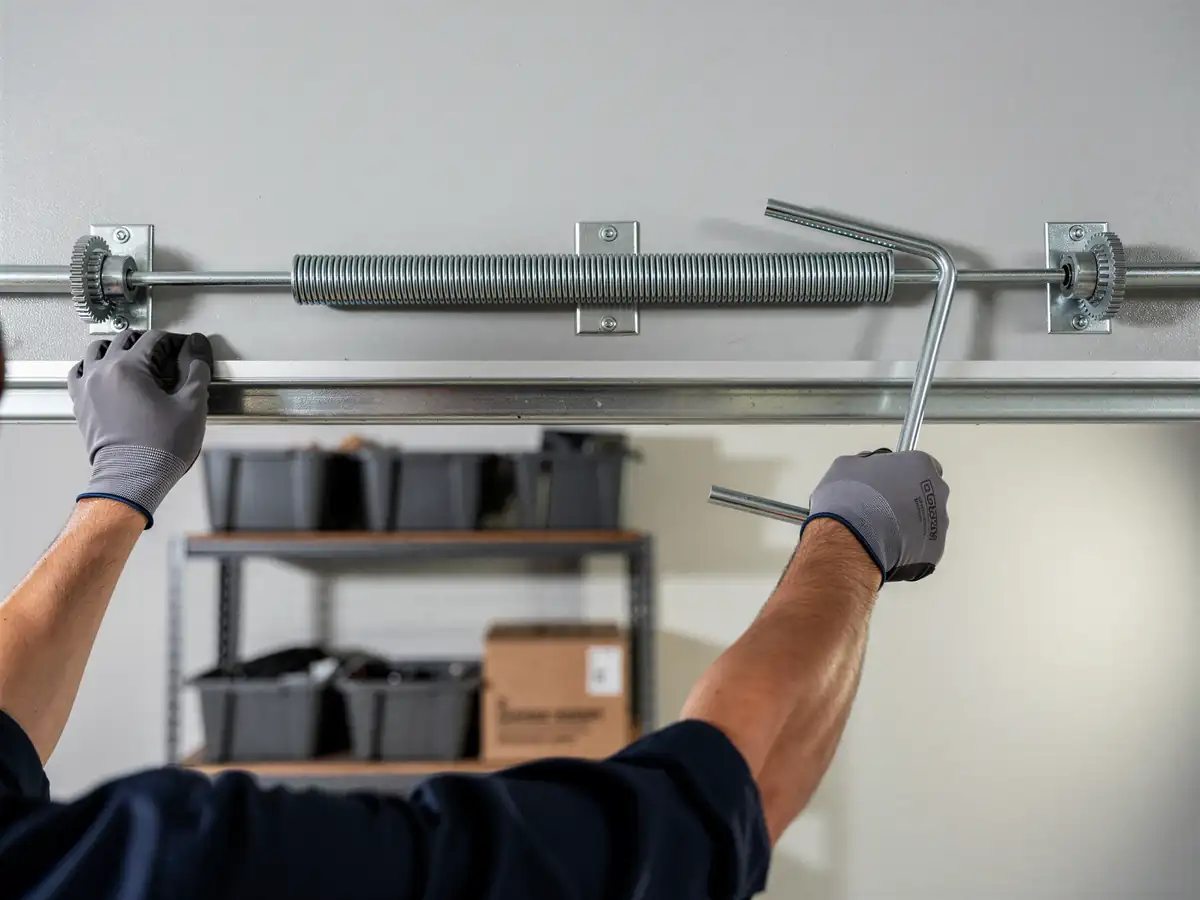
And a torsion spring that's been winding and unwinding for years loses a little flex every winter it sits through. In this part of Virginia, with a climate band that NOAA classifies as cold and severe, the temperature swings between a 40-degree afternoon and a 15-degree night happen often enough that the metal never really settles. Add in housing built mostly between 1940 and 2015, with a median build year of 1978, and you've got a lot of original or first-replacement springs that are now two, three, even four decades old.
The spring doesn't care that it's Tuesday morning and you need to get to work
It lets go on its own schedule, usually with a bang loud enough that neighbors ask about it later. The door won't lift, or it lifts six inches and stops, or the opener strains and clicks off. None of that is the opener's fault - it's the spring, and cold just moves up the timeline on a part that was already near the end of its life.
When to Get Help
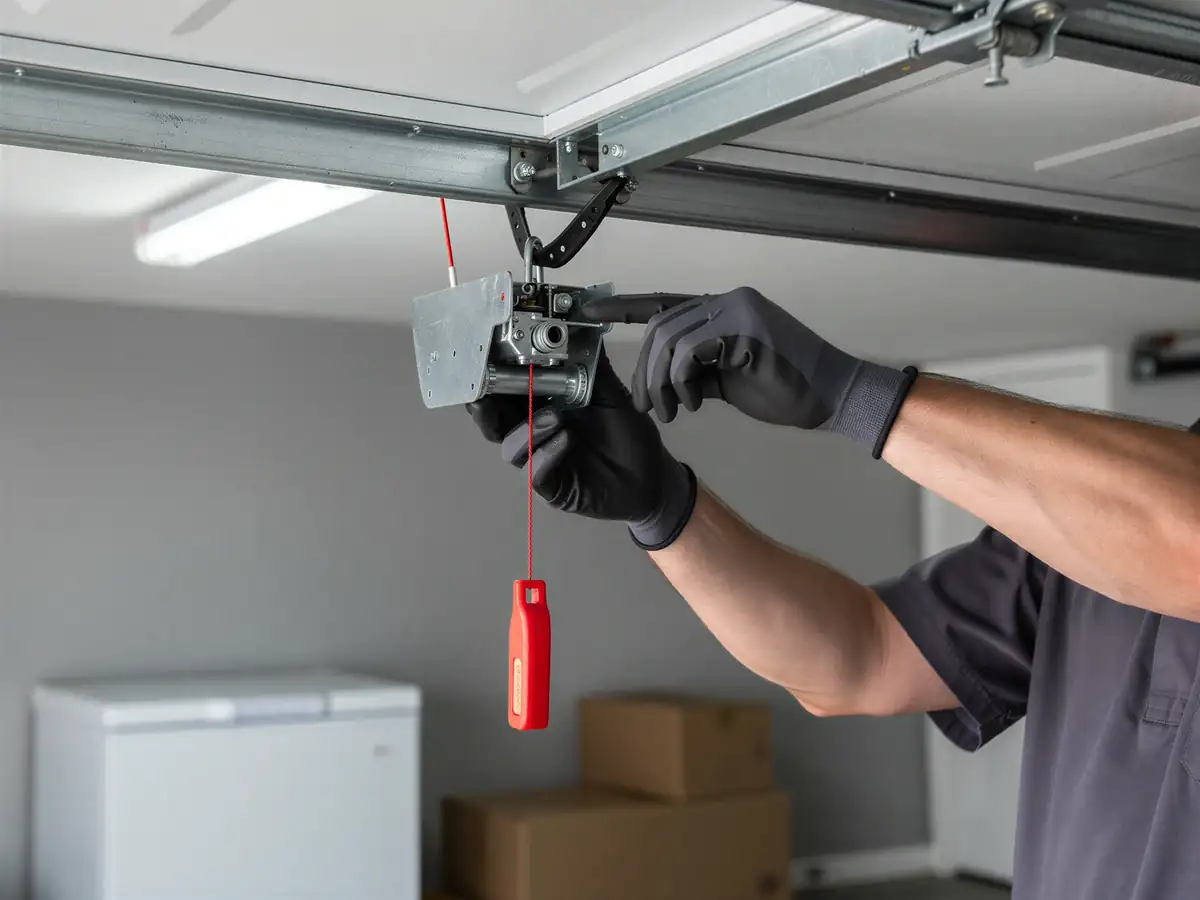
If the door won't budge and you hear a loud pop beforehand, that's a broken spring, not a jammed track or a dead opener. Don't keep hitting the remote - the opener will keep trying and can strip the gear or burn the motor out working against a door that has no spring tension to help it.
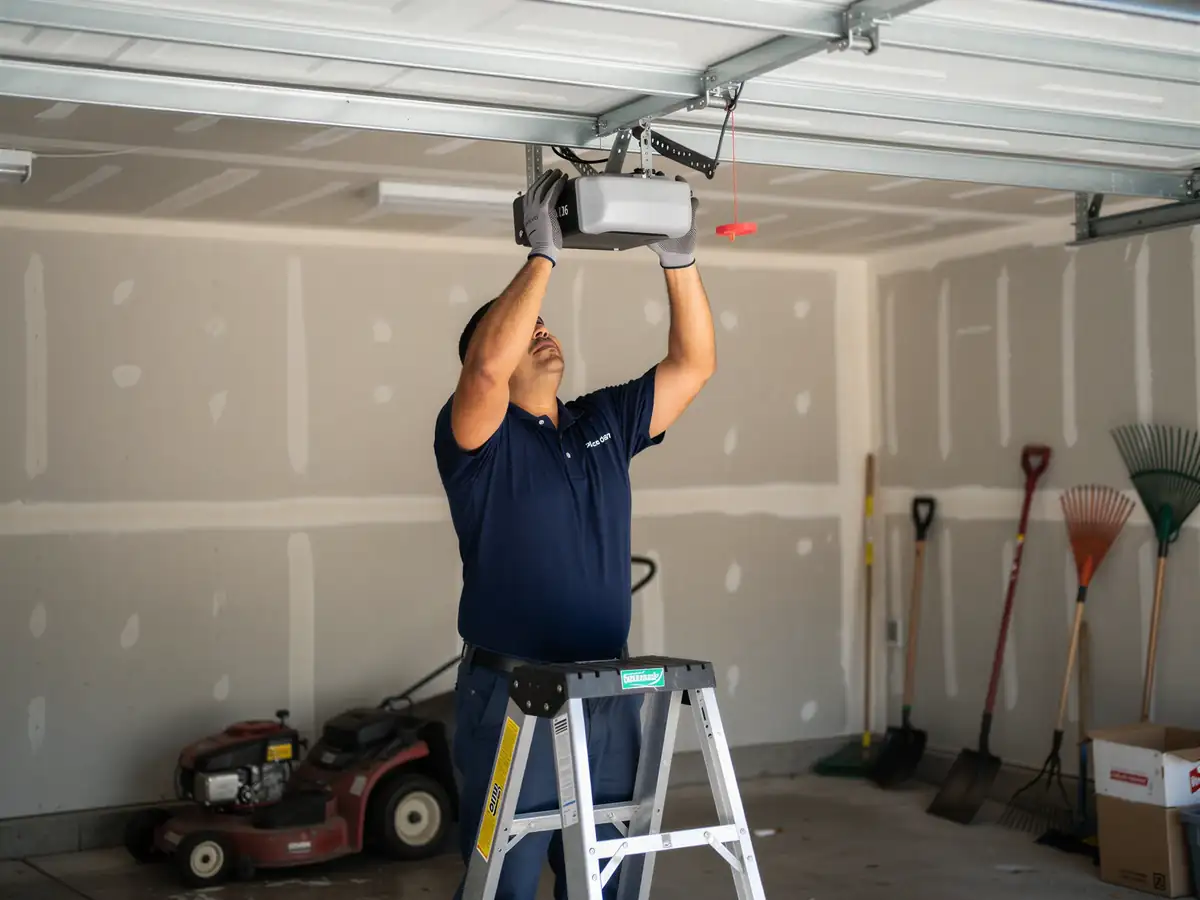
Call right away if: the door is stuck partway open or closed, you see a gap in the spring coil above the door, or the cables look loose or off the drum. Those are all signs the spring has already failed and the door is being held by less than it should be.
You can wait a day if the door still opens and closes under power and nothing looks visibly broken, but don't force it by hand in the meantime. A spring under partial tension is more dangerous to work around than one that's fully gone, and cold makes the steel more likely to snap rather than just weaken.
How Local Conditions Play In
Most of the garage doors around here sit on houses built in the 1960s and 70s, going by how the 38 named areas in this part of the county break down by housing era. That means a lot of torsion spring setups that were sized for the original door weight and never resized when a homeowner swapped in a heavier insulated door later on - a common upgrade, and one that puts more load on an old spring than it was built for.
Cold severe winters mean the metal is working through a wider temperature range than it would somewhere milder, and that range is what drives metal fatigue over the years. It's not usually the single cold snap that breaks the spring - it's the cumulative cycling through decades of winters on a house built before double-insulated doors were standard. Houses from the 1978 median build year are now old enough that the first or second spring replacement is due or overdue, cold weather or not.
What to Look At First
Before you call anyone, look at three things
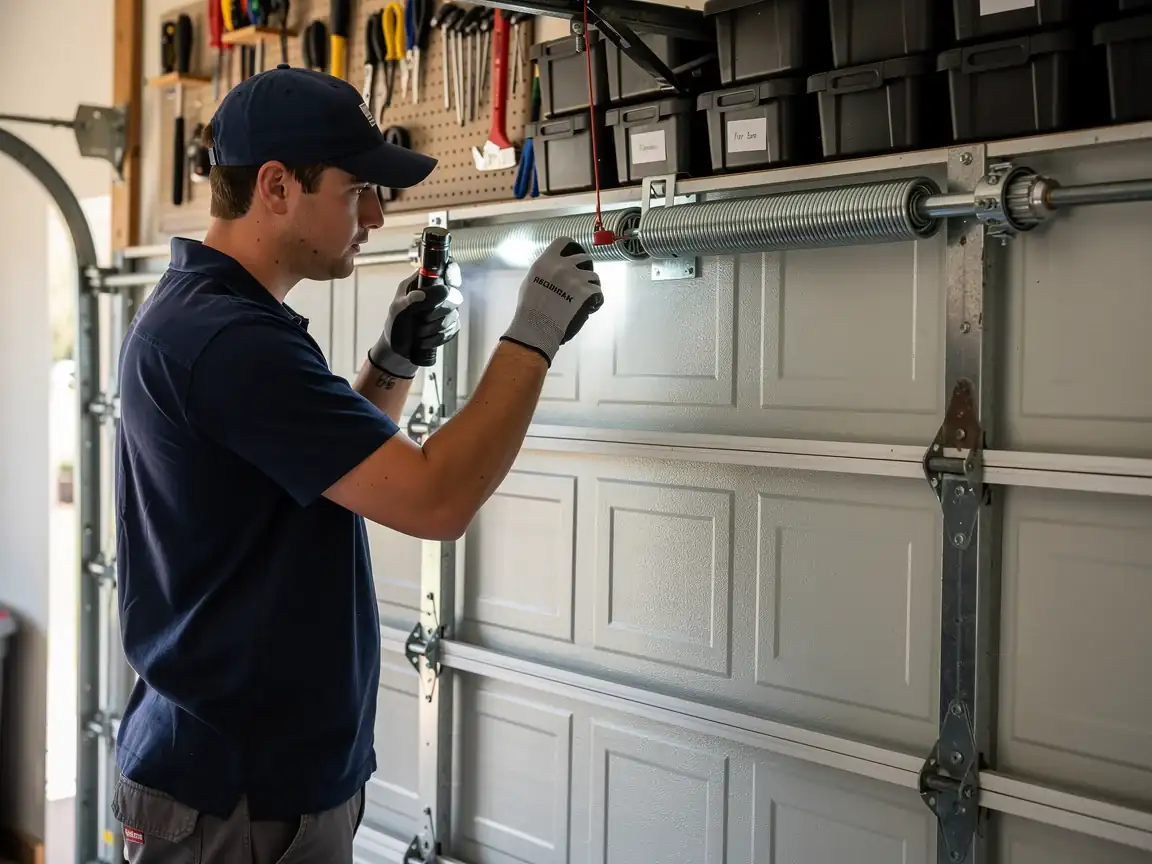
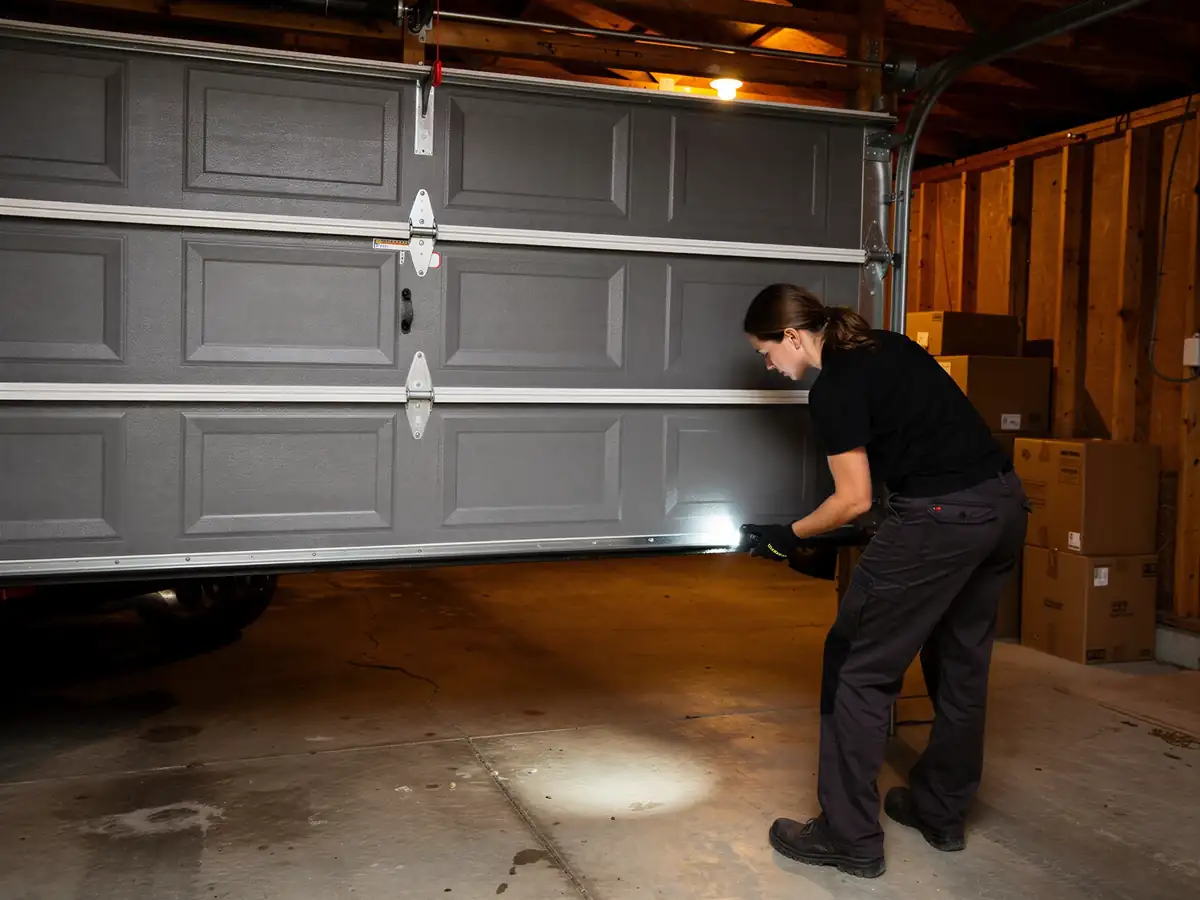
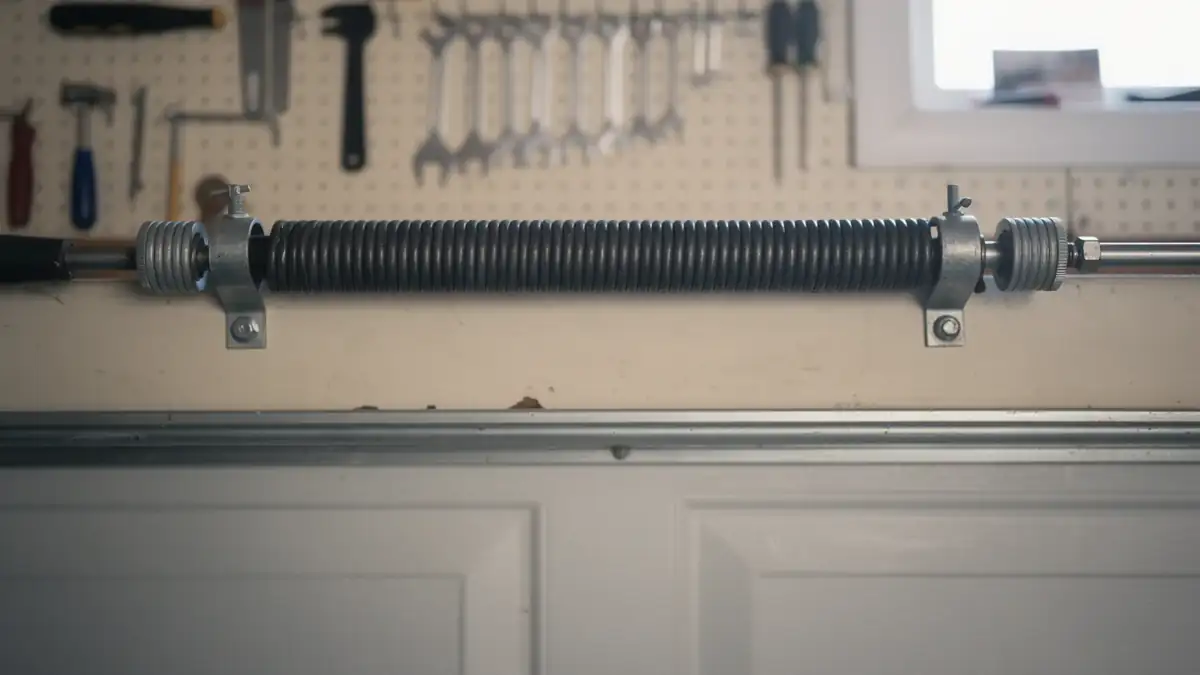
First, the spring itself, above the door - a separation in the coil means it's broken and the door isn't getting any lift assistance. Second, the cables on either side of the door - if one is slack or has come off the drum, the door is unevenly supported and shouldn't be forced. Third, the opener - if it's still running but the door barely moves, that's consistent with spring failure, not opener failure, and running it more will just wear the opener down trying to do a job it wasn't built for.
One limitation worth saying plainly: we don't recommend DIY torsion spring replacement
The spring is under enough tension to cause serious injury, and on an older system with worn hardware, the risk goes up. That's not a sales pitch - it's just true of this specific repair, cold weather or not.