What the Housing Means for Your Door
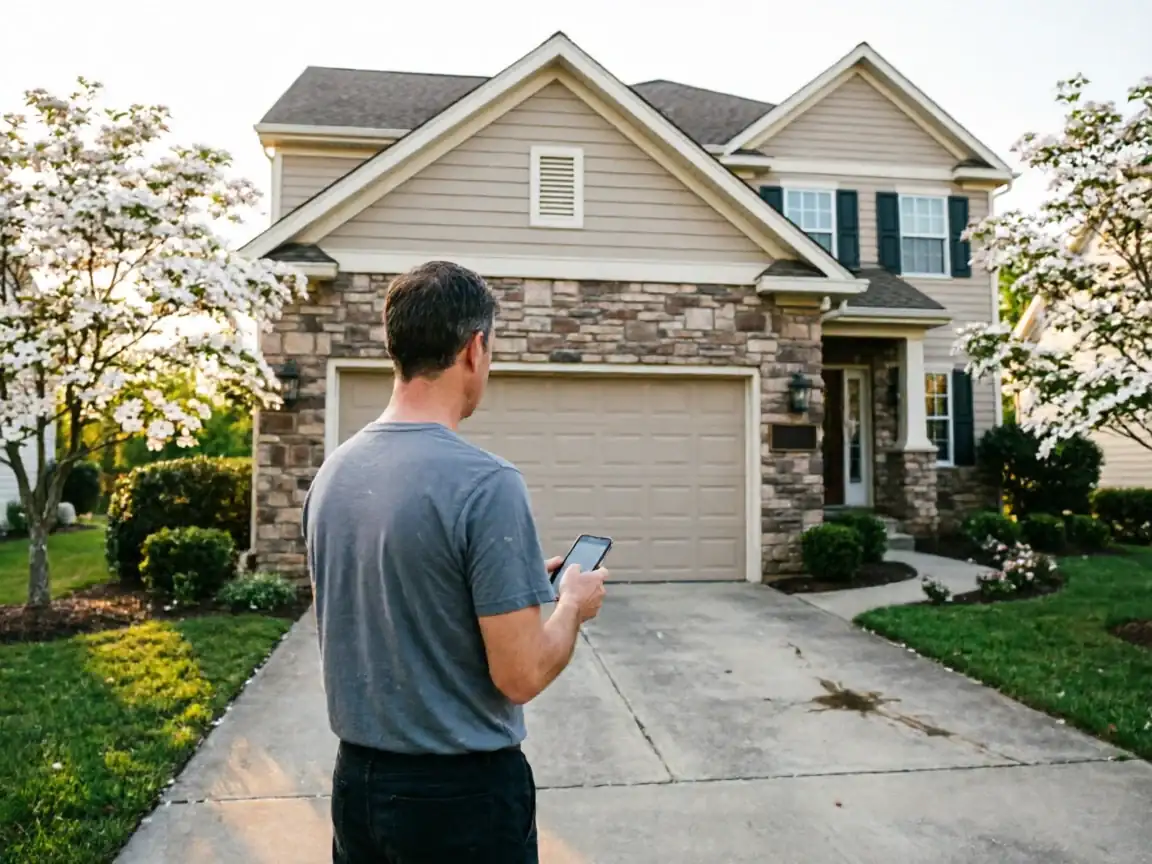
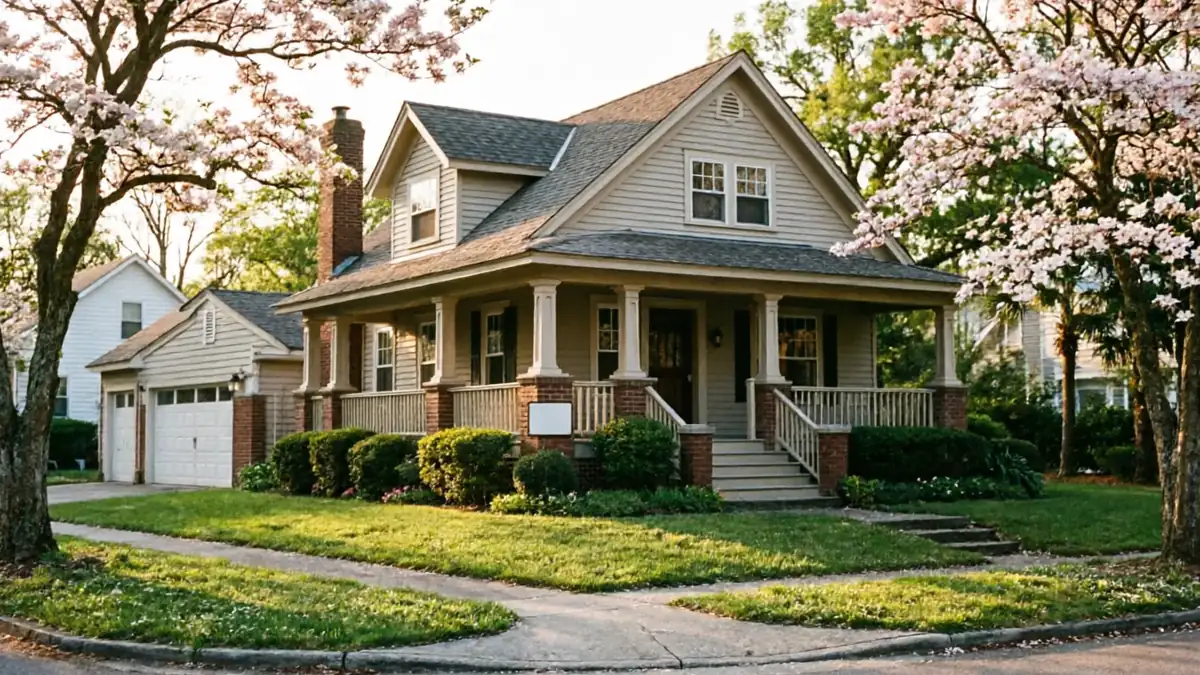
Fort Hunt's homes carry a median build year of 1963
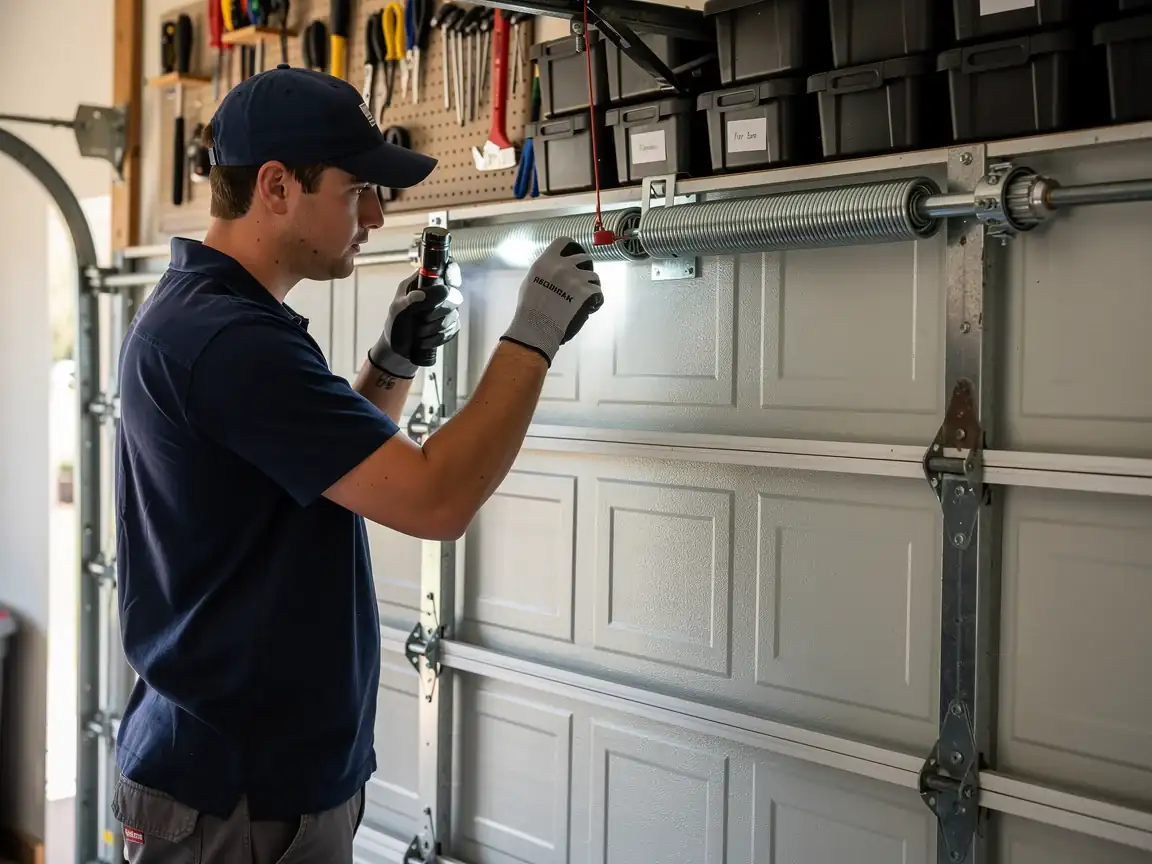
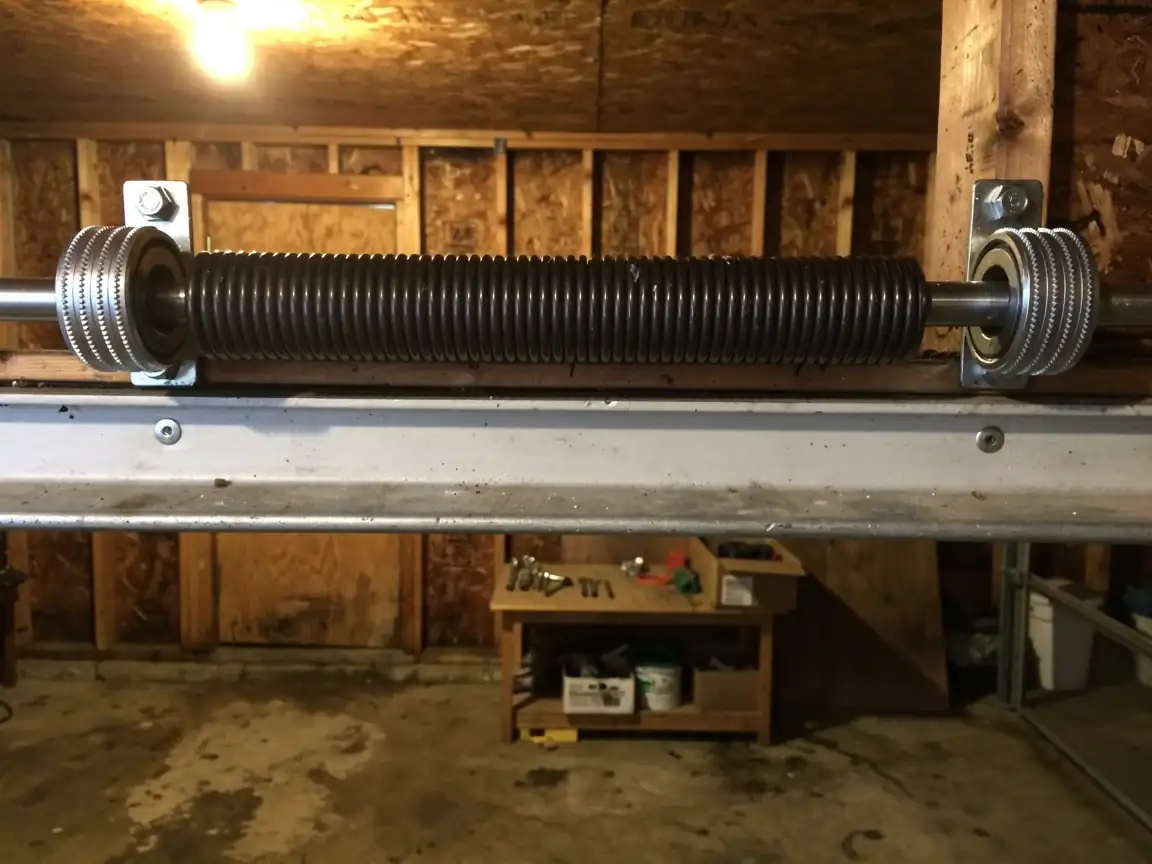
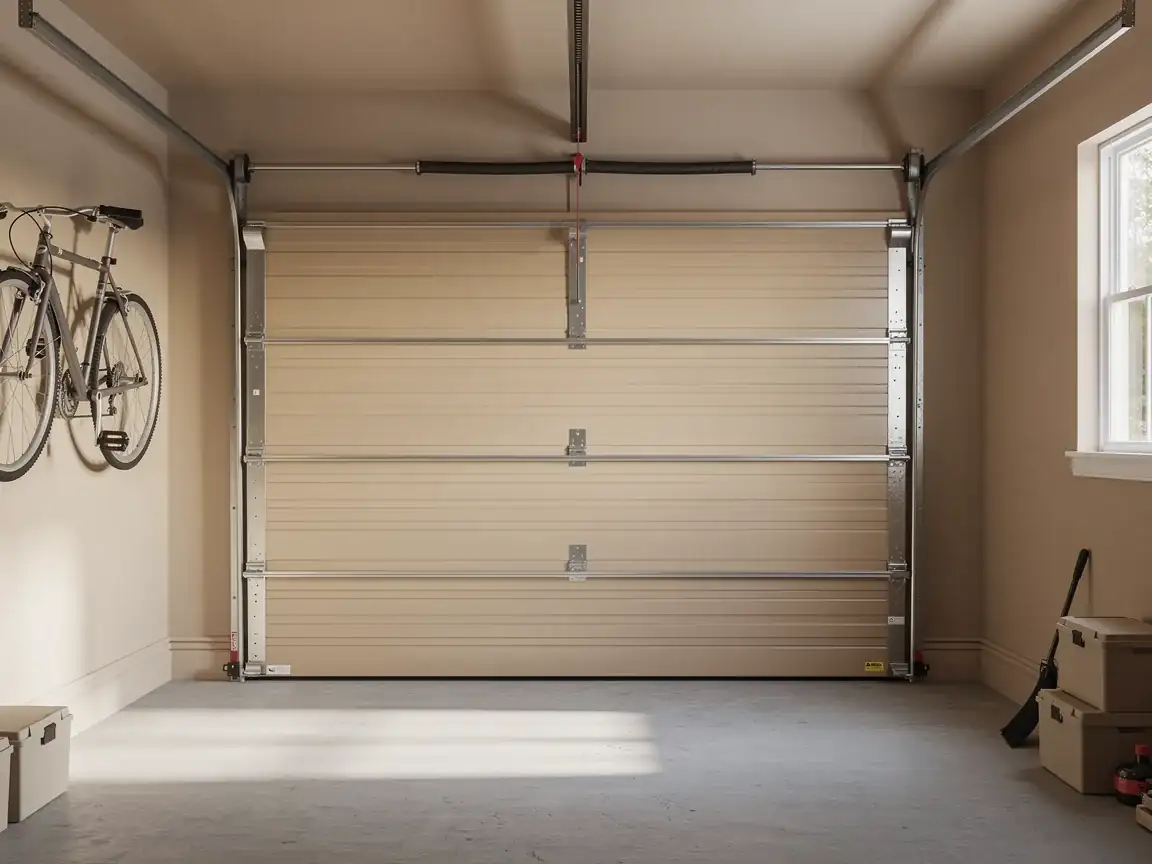
Which puts most of the neighborhood ahead of the wider service area's 1978 median. That gap matters more than it sounds. A house framed in the early 1960s usually went up with a steel sectional door on side-mounted torsion hardware or, in some cases, extension springs bolted along the horizontal track rather than a center torsion bar. The openers that got added later - often in the 1980s or 90s as chain-drive units - are now themselves old enough to fail on their own schedule, separate from the door and spring problems.
What this means on a service call
We're less likely to find a door that just needs a sensor realigned and more likely to find original rollers worn oval, a torsion spring that's been recoiled once already, or hinges stretched from decades of a slightly out-of-balance door. We carry common spring sizes on the truck, but true original hardware from a 1963 install sometimes isn't stocked anywhere and has to be special-ordered - that's the honest limitation here, and we'll tell you up front if a part needs a few extra days rather than promise same-day when we can't deliver it.
How We Get to You
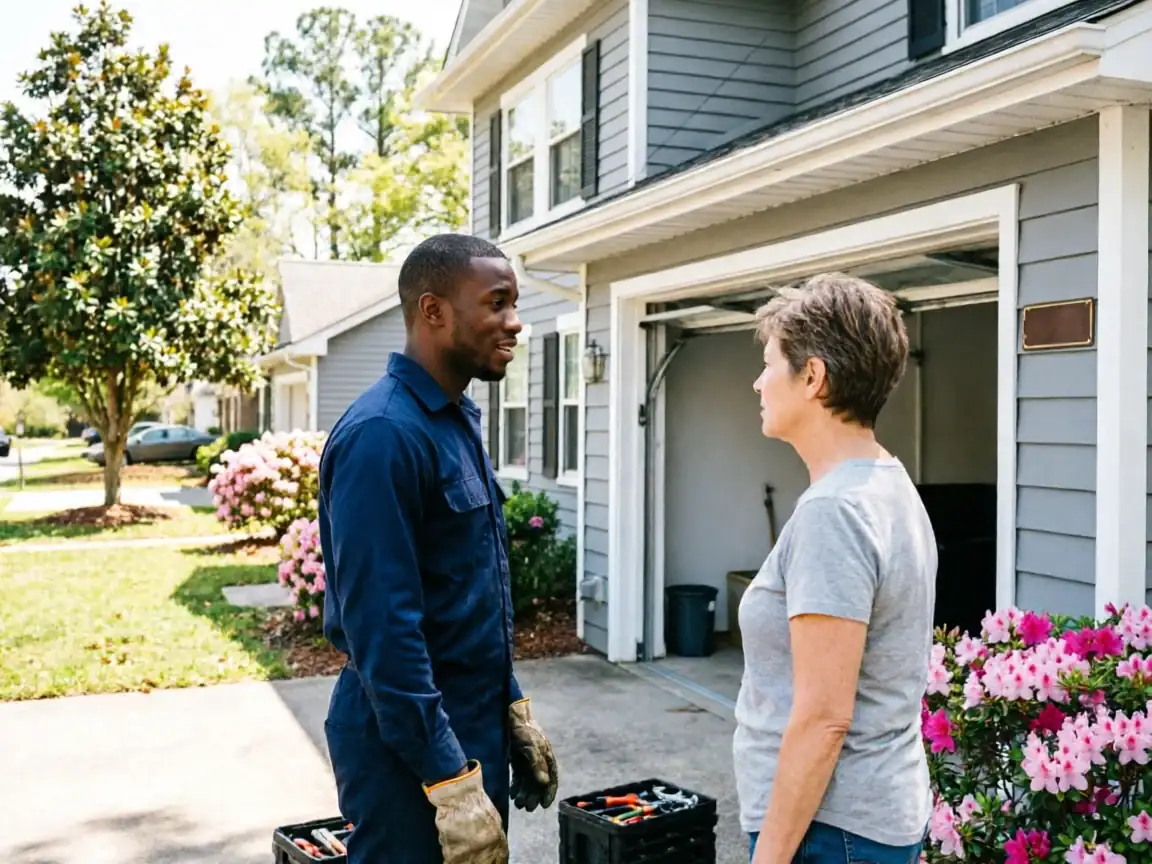
We run out of Fairfax, about 15 miles up the road, and Fort Hunt isn't a stop with its own depot or a standing truck - it's a job we drive to like any other. The route in tends to pass through the Mount Vernon-area pocket that includes Groveton, Hybla Valley, Woodlawn, and Belle Haven, with Fort Belvoir off to one side, so if you're near any of those landmarks when you call, that's useful to mention - it helps us judge the drive before we quote a window.
We don't claim a local base here and we're not going to pretend a truck is parked around the corner - what we can do is give you a realistic arrival window based on the Fairfax-to-Fort Hunt drive before we head out, not after.
Older vs Newer Streets
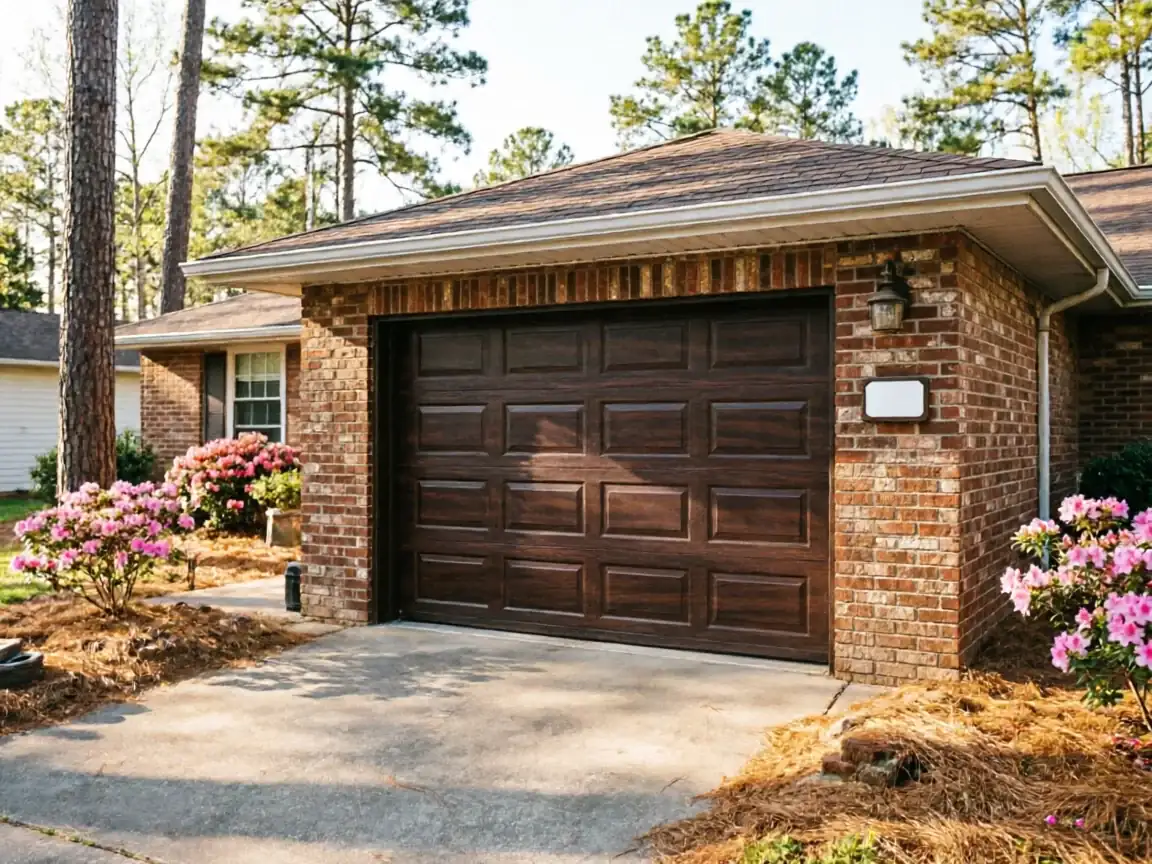
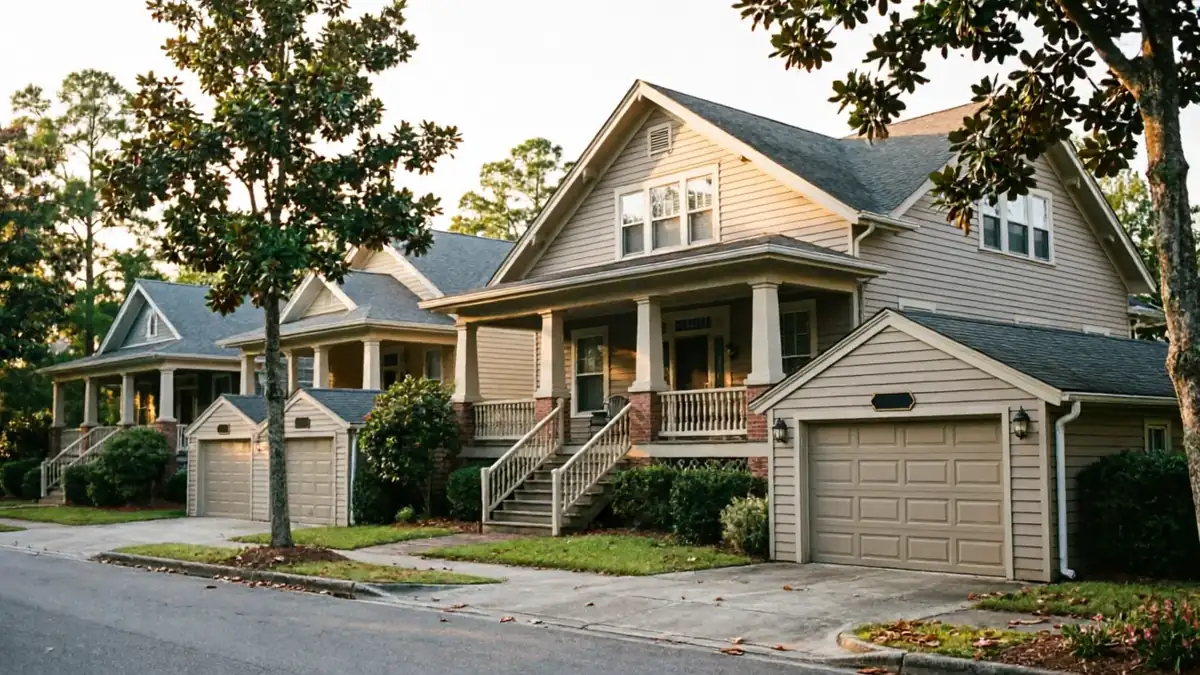
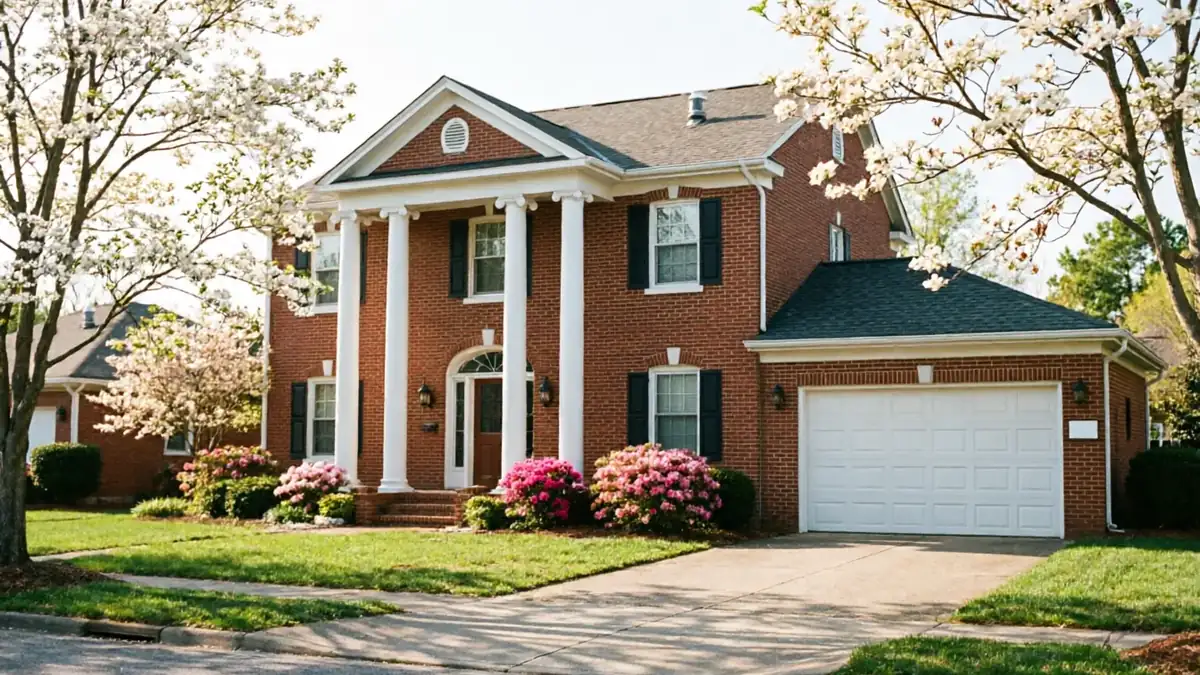
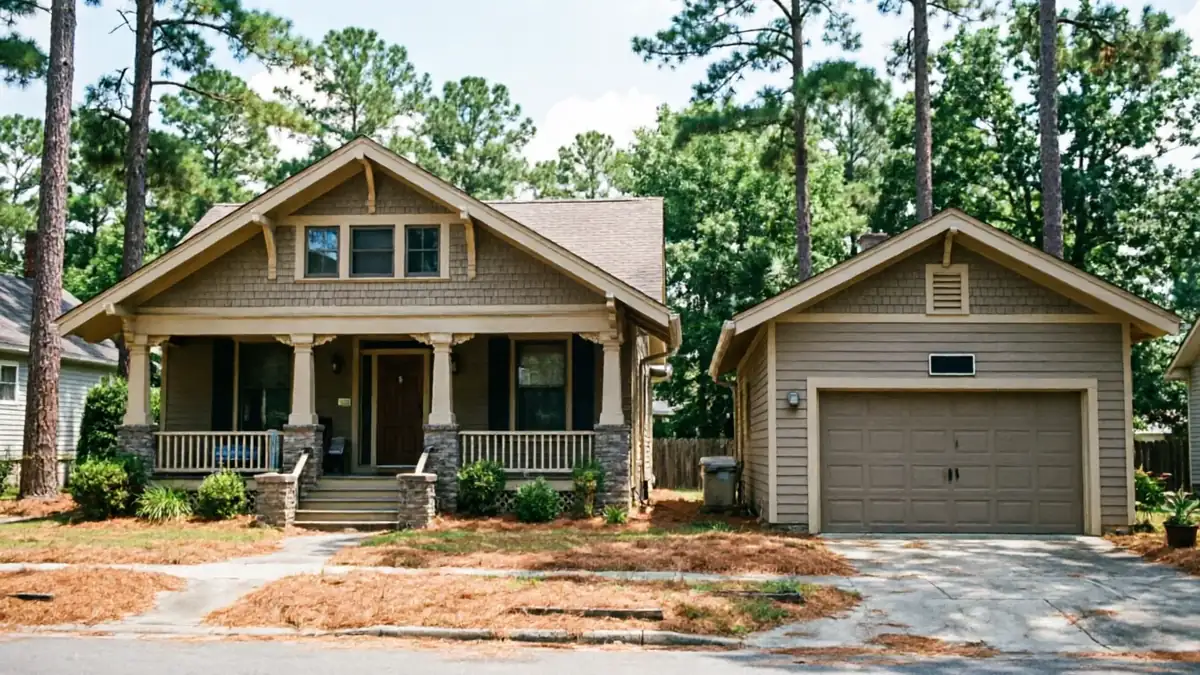
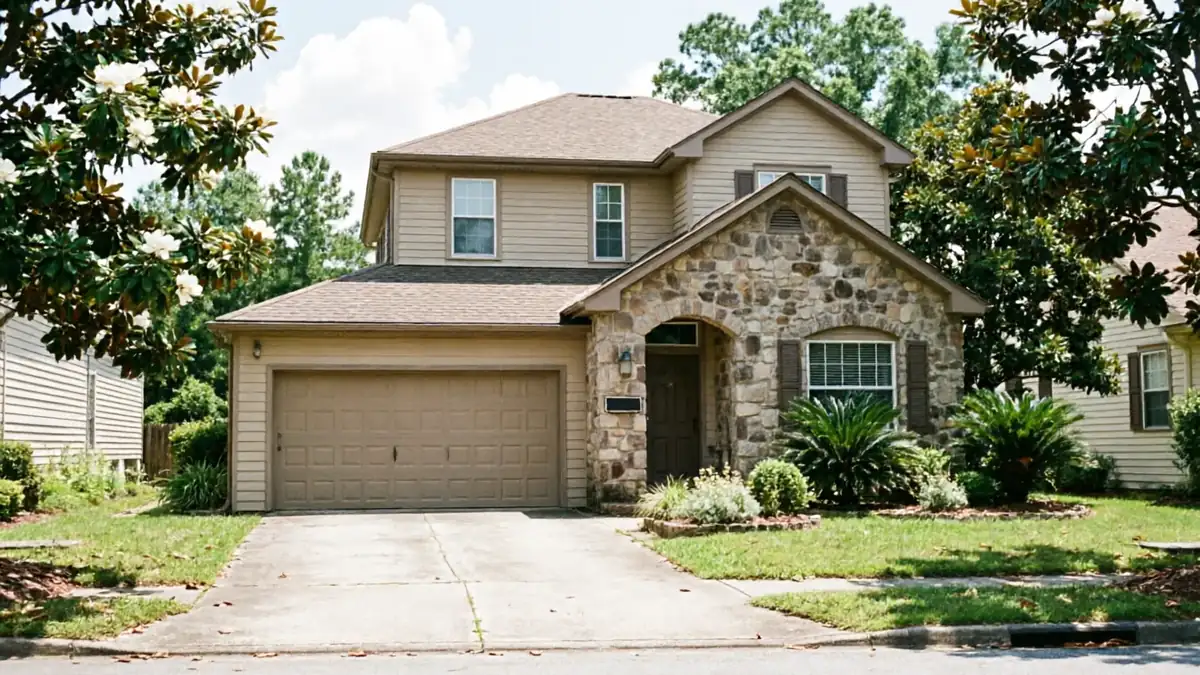
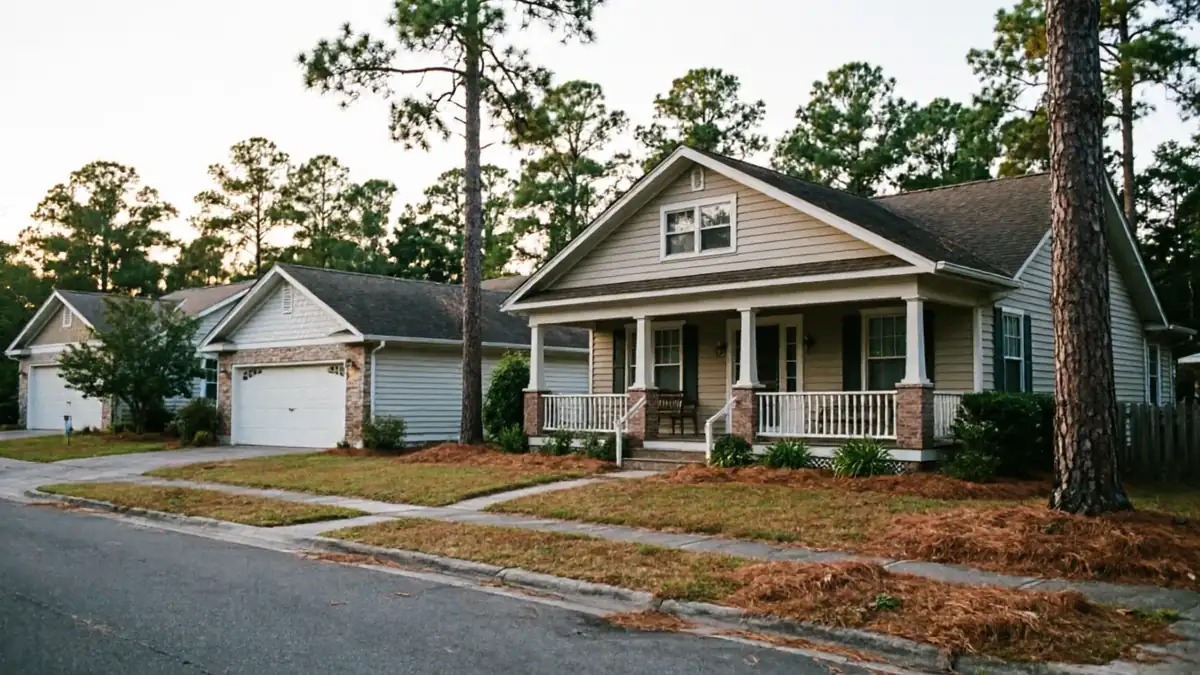
Not every block in Fort Hunt was built the same year, even though the area median lands at 1963. Older streets closer to that original wave still have the steel doors and torsion or extension spring setups described above - heavier panels, simpler openers, hardware that's been repainted more than once. Newer construction and renovated lots, built later within the area's broader 1940-to-2015 range, tend to carry insulated doors, center-mounted torsion bars, and openers with battery backup or Wi-Fi features that didn't exist when the original house went up.
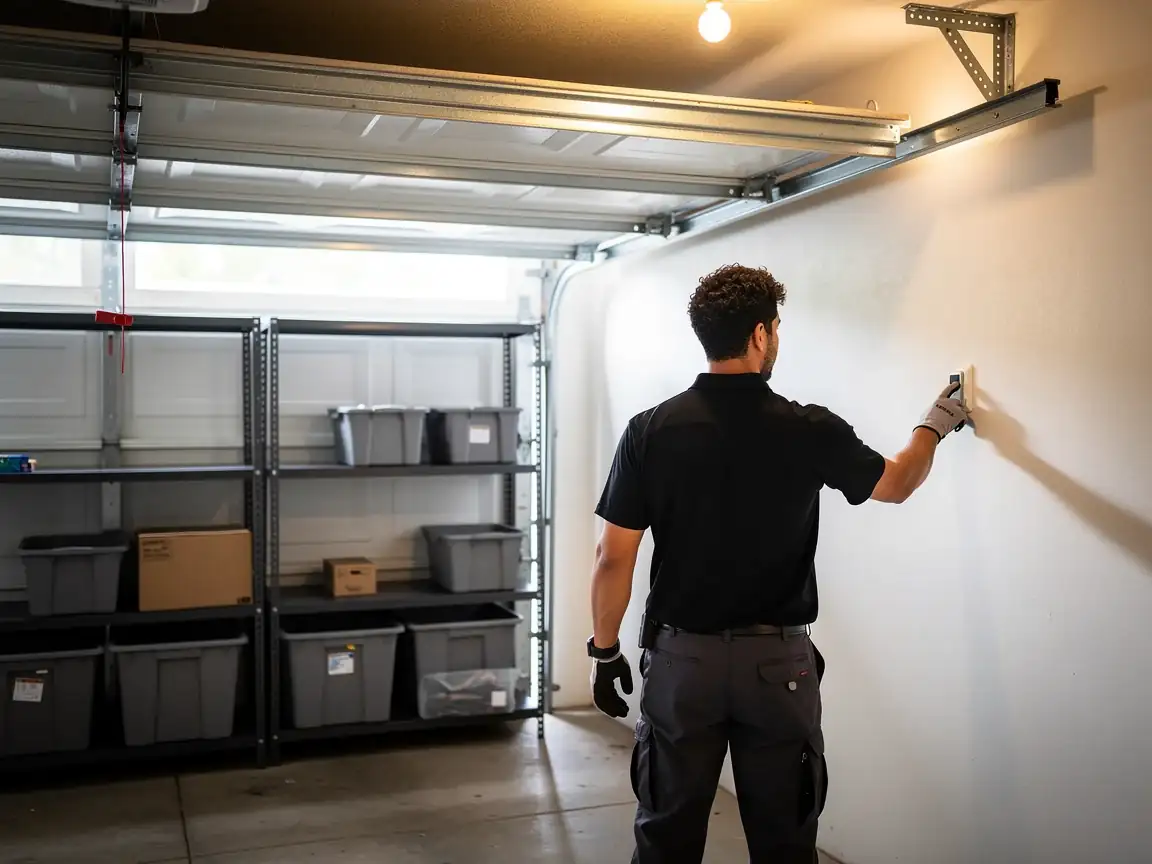
The practical difference shows up in the kind of call we get. On an older street, it's usually a spring that's finally given out or a track that's bent from age. On a newer build, it's more often an opener board, a safety sensor knocked out of alignment, or a remote that's stopped pairing. Across roughly 5,974 households in the area, that split between old hardware and newer systems is wide enough that we don't assume either one when the phone rings - we ask what year the house was built before we guess what's wrong.
What Was Built Here
Fort Hunt's median household income runs around $210,471, well above the service area's overall median of $143,796
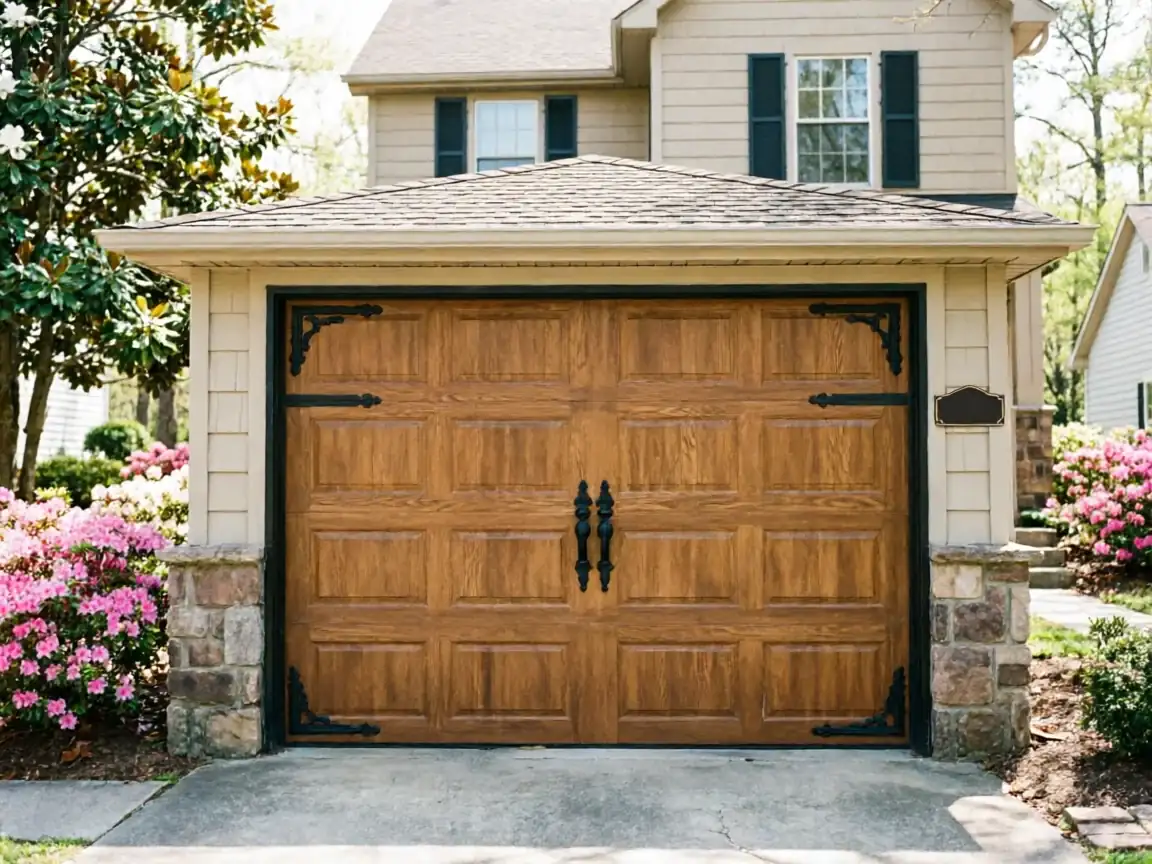
And that shows up in the kind of door replacements people choose - insulated steel and composite doors tend to go in more often than the bare single-layer panels common in older, lower-cost stock elsewhere. The service area overall sits in a cold, severe winter climate band, and that affects every door here regardless of income: steel contracts in deep cold, torsion springs stiffen, and openers with worn gears struggle harder to lift a door that's gained a few extra pounds of resistance from the cold.
With roughly 5,974 households in Fort Hunt itself
Most sitting on lots built out around that 1963 median, the winter strain lands hardest on original springs that have already outlived one or two recoils. We won't tell you a spring replacement fixes a bent track, and we won't sell a full door replacement when a new spring and a tune-up will get another decade out of what's there - but once a panel is dented or a track is bent past true, patching it usually costs more over time than replacing it.
- 5,974 households