Why It Happens Here
Fairfax's housing stock runs from 1940 up through 2015
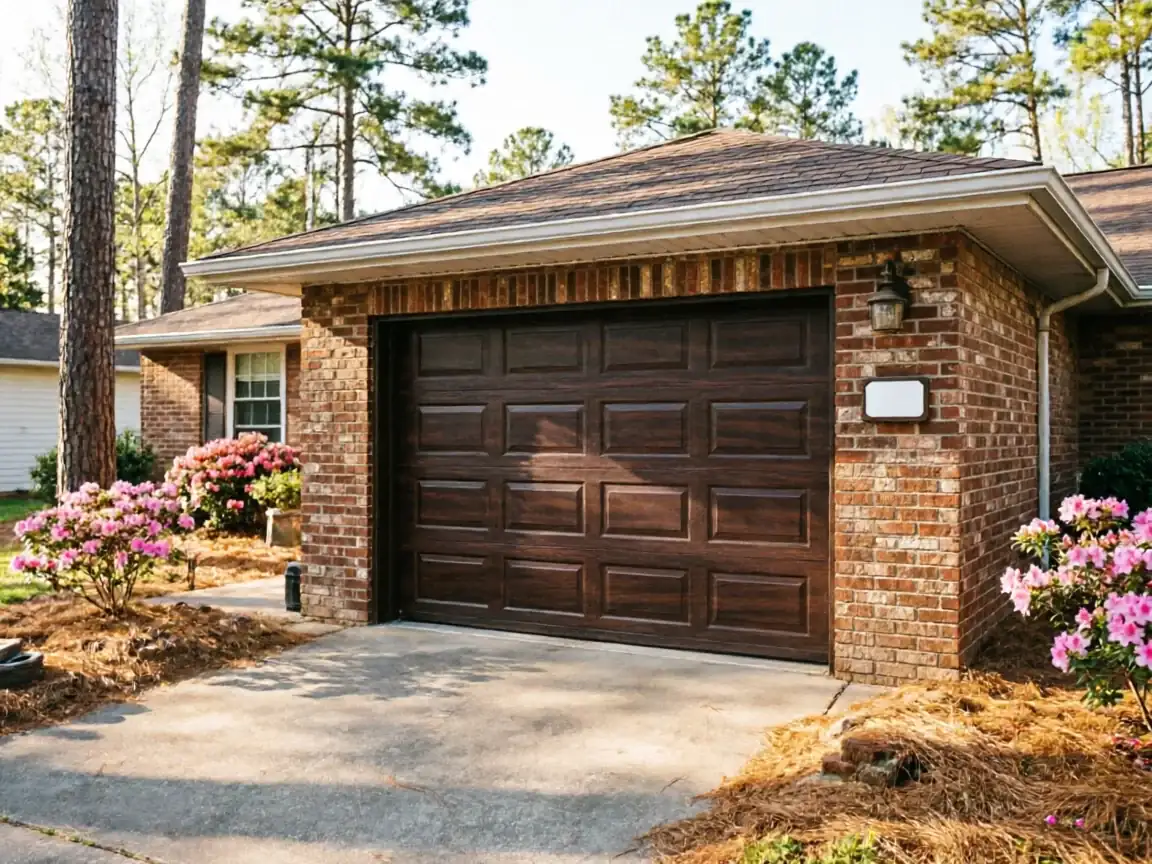
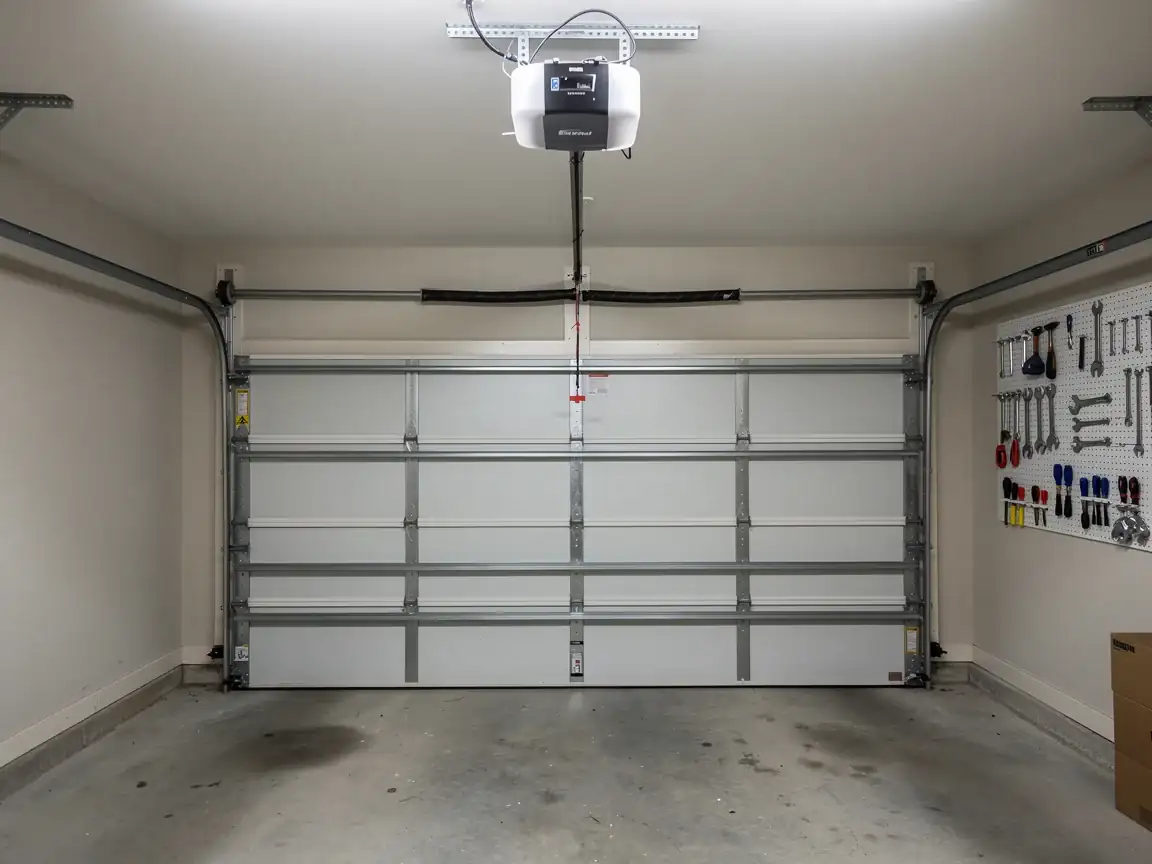
But the median build year sits around 1978, and most of the 38 named areas we work in - Mantua, Merrifield, Wakefield, and the rest - went up during the 1960s and 70s housing boom. That matters for a garage door install because the openings from that era were framed to fit steel doors that are no longer made, in widths that don't match what's on the shelf at any supply house today. A lot of these garages also have headroom and sideroom that were never built with an opener bracket or a torsion shaft in mind, because automatic openers weren't standard equipment when the house went up.
On top of the age of the framing, Fairfax sits in a cold-severe climate band
Doors from the 1970s were built for a house, not for a garage that someone later turned into a workshop or a gym. A single, uninsulated steel panel does nothing to stop a cold snap from turning that space into an icebox, and it does nothing for the wall it shares with the rest of the house either. When we get a call for installation instead of repair, it's almost always one of these two things driving it: an opening that predates modern door sizing, or a homeowner who's tired of a garage that won't hold heat.
What You Are Seeing
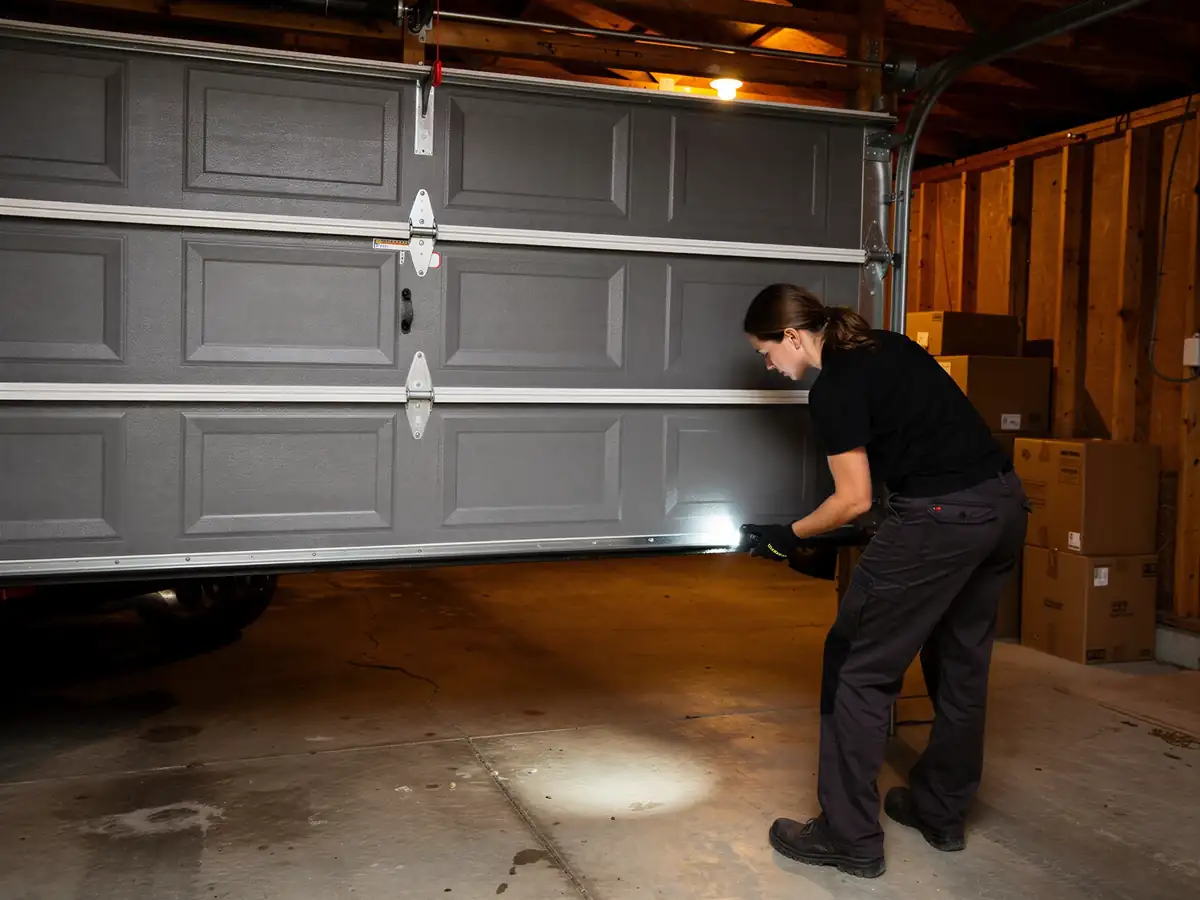
If your house is one of the thousands built in that 1960s-70s stretch, the door you've got now is probably the second or third one on that opening, not the original, and it may not actually fit the track and header the way it should. You'll notice it in small ways before it becomes a big one: the door racks slightly when it travels, daylight shows at one bottom corner even when it's shut, or the opener strains and reverses partway up on cold mornings. None of that is really an opener problem - it's the door and the opening disagreeing with each other.
On the older single-panel or narrow-rail doors common in this area, you'll also see rust starting at the bottom roller tracks after a hard winter, because the track was never sealed against runoff the way a modern install would be. And if the garage has been finished out as living space or storage, you may notice condensation on the inside of the panel itself - a sign the door has no insulation value at all, which is exactly what you'd expect from stock built decades before insulated steel doors were standard.
The Complications
The complication with a straight swap on a house this old is that the opening itself is often out of square or sized for a door nobody carries anymore. We've opened up 1970s-era headers and found track mounted to framing that's an inch and a half off level from one side to the other - fine for the door that's been limping along for forty years, not fine for a new door that needs to seal tight against cold air.
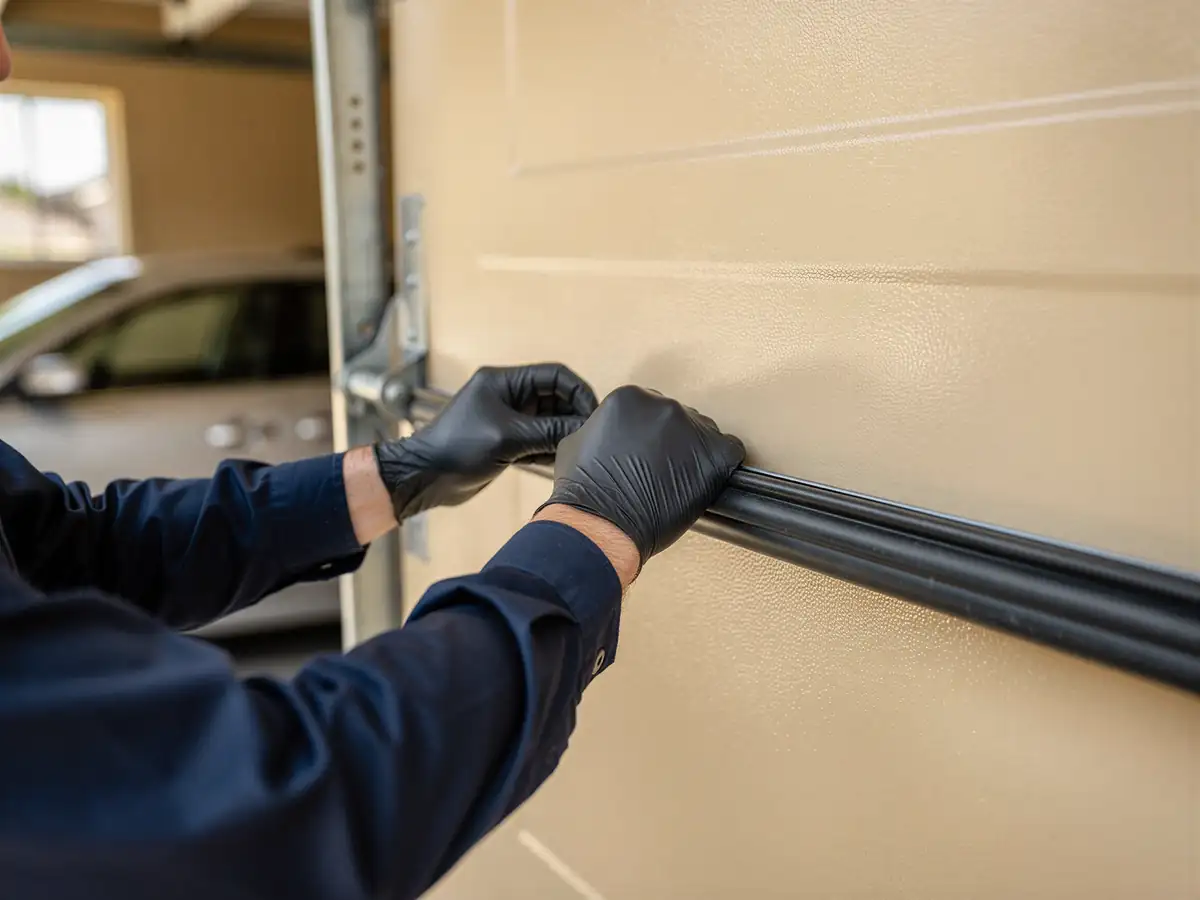
The cold-severe climate adds its own wrinkle. An insulated door needs weather seal at the bottom, sides, and header that actually holds up to repeated freeze-thaw, and that means the jamb and header often need shimming or rebuilding before the new door goes in, not just a new track bolted to the old lumber. Skipping that step is how you end up with a door that looks right on install day and starts letting a draft through by the following winter.
We'll also tell you straight when a full teardown isn't worth it. If the framing is solid and square, there's no reason to touch it just to sell a bigger job - we'll say so up front.
How We Fix It
We start by measuring the actual opening, not the door that's in it now
Because on a lot of these older Fairfax houses the two aren't the same. If the header or jamb needs shimming to get square before a new door goes in, we do that work before the door arrives, not around it.
For the climate here, we spec insulated steel or composite doors with a sealed bottom and side weatherstrip rated for sustained cold
Since a single-layer panel from the 1970s was never built to hold a thermal break. On openings that still have the original narrow track clearance typical of that era, we fit torsion hardware sized for the actual headroom instead of forcing a standard kit that assumes a newer, taller opening.
We serve the opening in front of us, whether that's a house a couple miles out near Mantua or Wakefield or one closer to the center of town
The install approach changes with the house, not with the address.