Fairfax homes built 1940-2015 lose heat through old garage door seals. See why cold-climate draughts hit this housing stock hardest and what to check first.
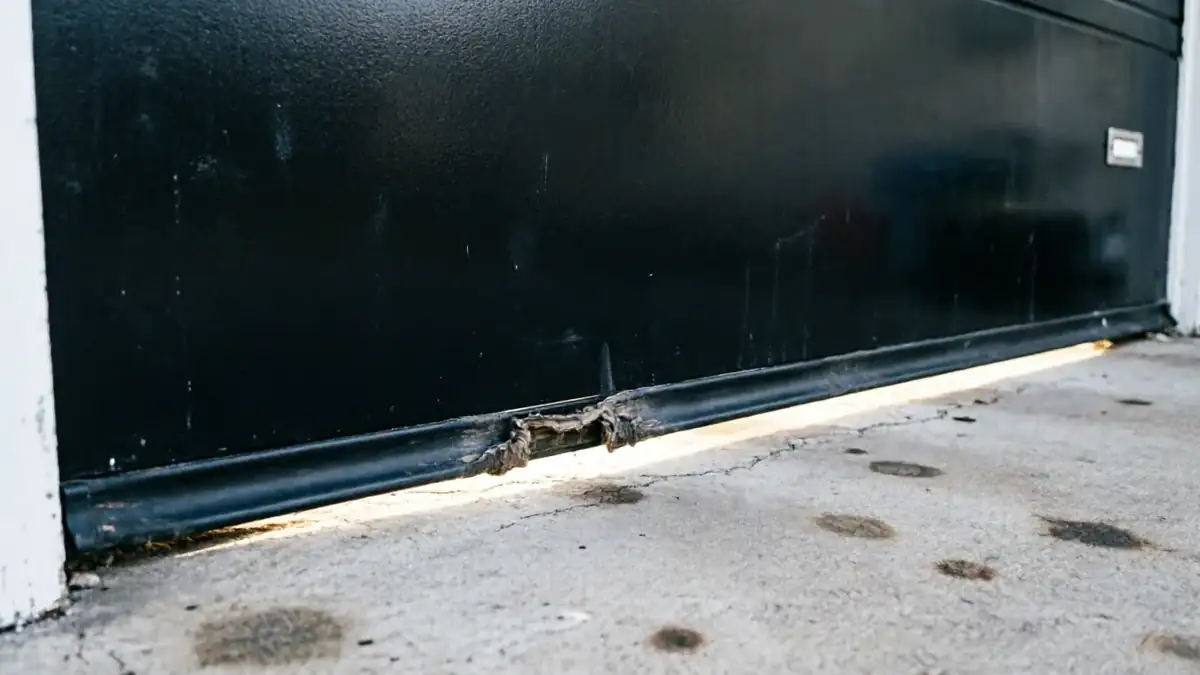
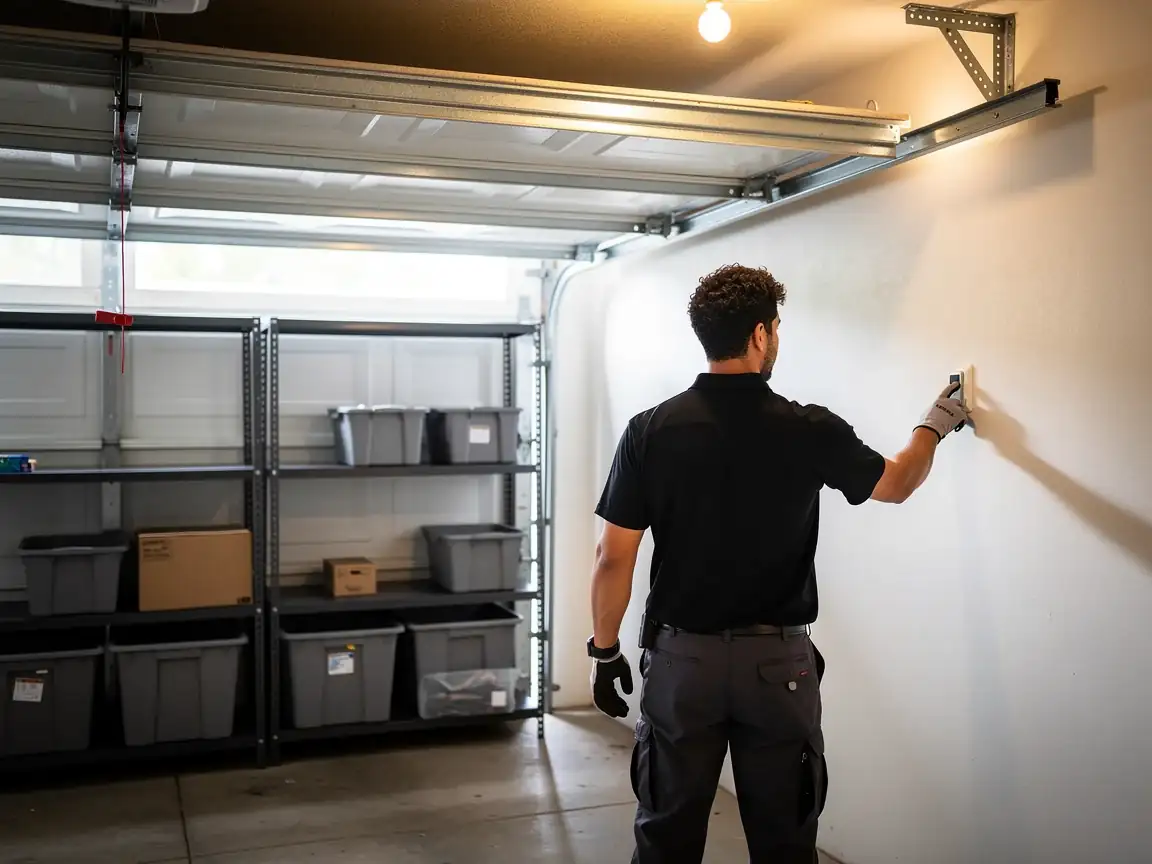
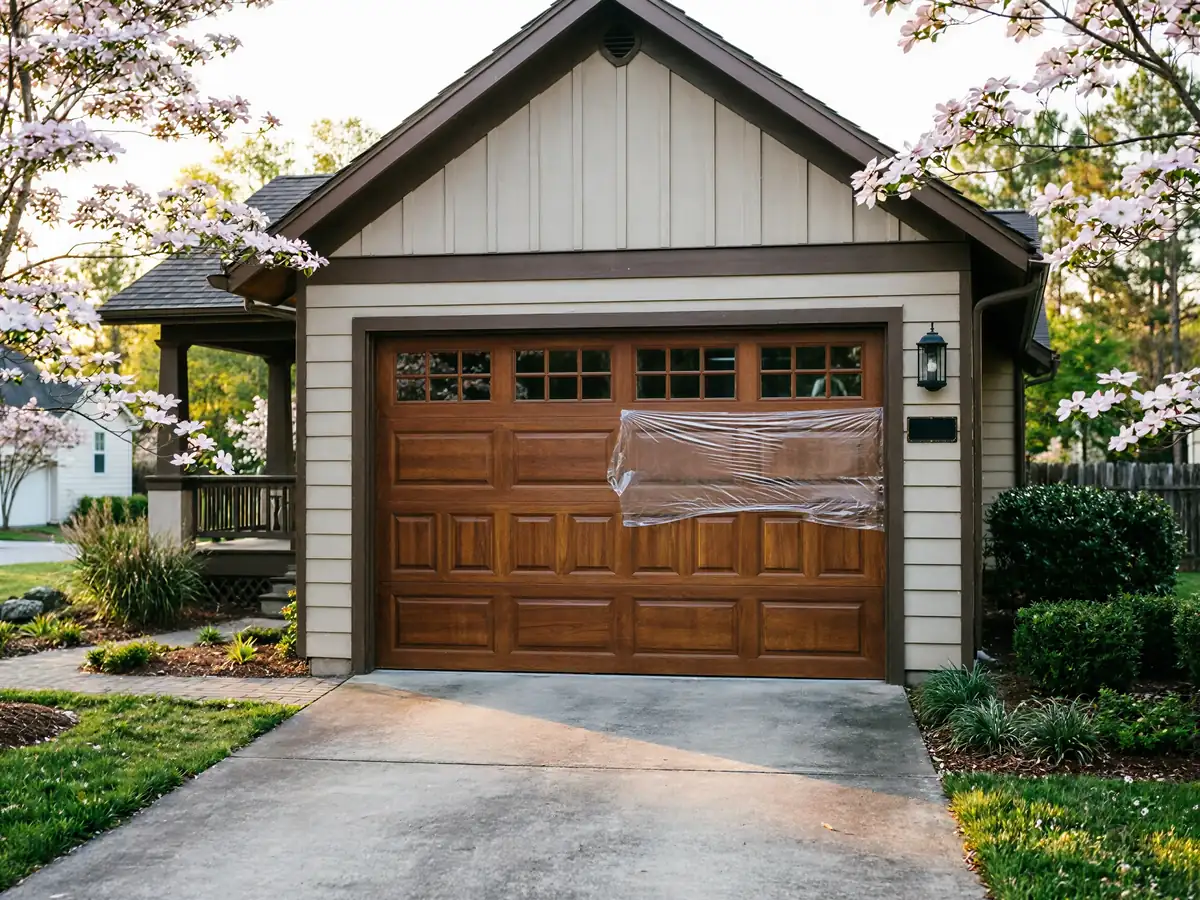
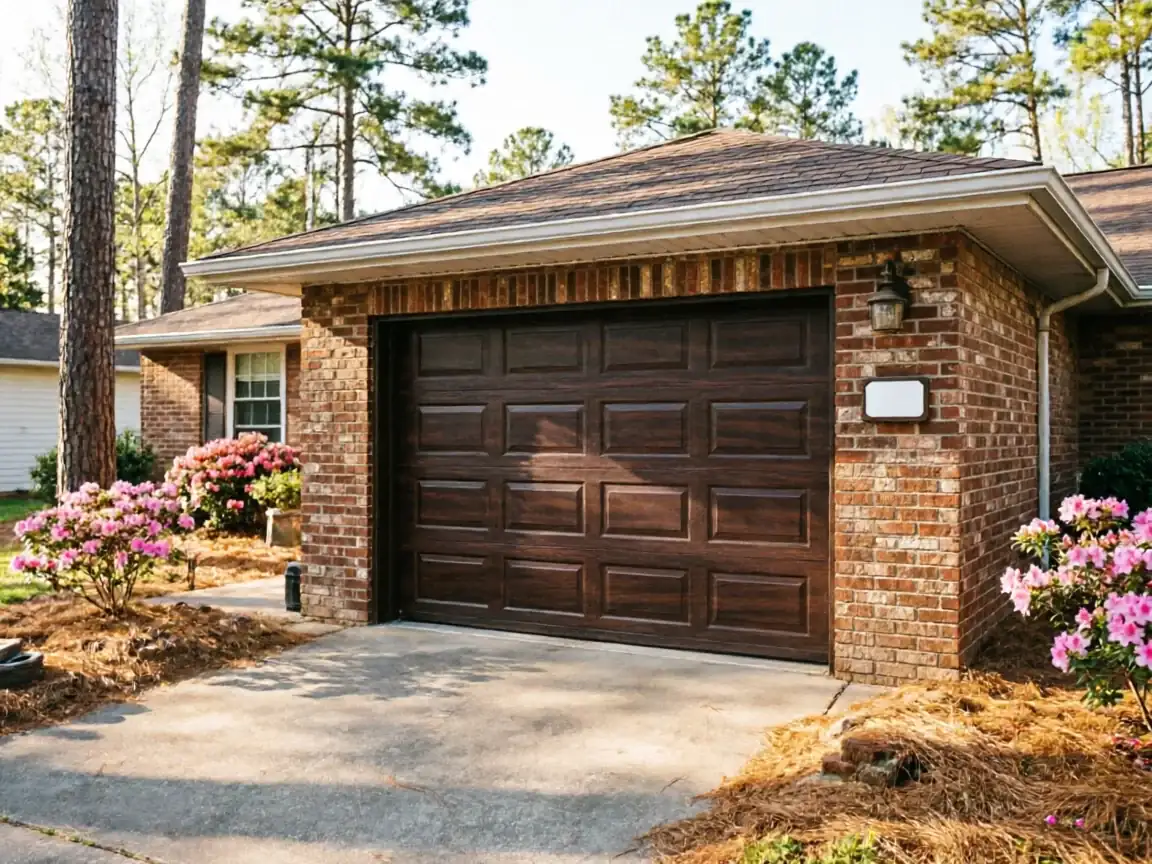
Most houses in this service area went up between 1940 and 2015, with the bulk of the stock dating to the 1960s and 70s across the 38 named neighborhoods we cover, from Mantua and Merrifield out to Franconia and Lorton. A garage door that age almost never has the seal system a builder would spec today. The bottom seal has usually hardened into a stiff strip that no longer flexes against the slab, and the vinyl in the side and top stops has cracked or shrunk away from the jamb. You can often see daylight at the corners even with the door fully down. That gap does two things: it lets cold air pour across the garage floor, and it lets humid air inside condense on cold metal panels, which speeds up rust on the bottom section and the track. None of this is dramatic. It's slow, and most owners don't notice until the garage itself feels like an outdoor room half the year.
When to Get Help
If you can slide a piece of paper under the closed door anywhere along the bottom edge, or if you feel moving air at the top corners when it's windy, the seal isn't doing its job. In a cold-climate area with real winter temperature swings, that's not just a comfort issue. Cold air moving across a slab floor pulls heat out of anything stored against the garage wall that backs onto living space, and repeated freeze-thaw cycling on a seal that's already brittle will crack it further within a season. Get it looked at before the first hard freeze, not after. Waiting until a seal has torn away in a chunk usually means replacing the full bottom astragal and sometimes the track-side stops as well, which costs more than catching it while the rubber is just hardening.
How Local Conditions Play In
This area sits in a cold, severe climate band, which means the seal on your door has to handle real freeze-thaw cycling every winter, not just an occasional cold snap. Rubber and vinyl seals stiffen at low temperatures, and a seal that was already marginal from age will crack exactly when you need it most. Houses built in the 1960s and 70s window that makes up most of this stock were framed to the standards of that era, and garage openings from that period are often slightly out of square after decades of settling. That means a stock replacement seal doesn't always sit flush along the whole bottom edge, even when it's brand new. We check the opening for square before we quote a seal job, because fitting a seal to an opening that's shifted half an inch over 50 years takes more than peeling off the old strip and pressing on a new one.
What to Look At First
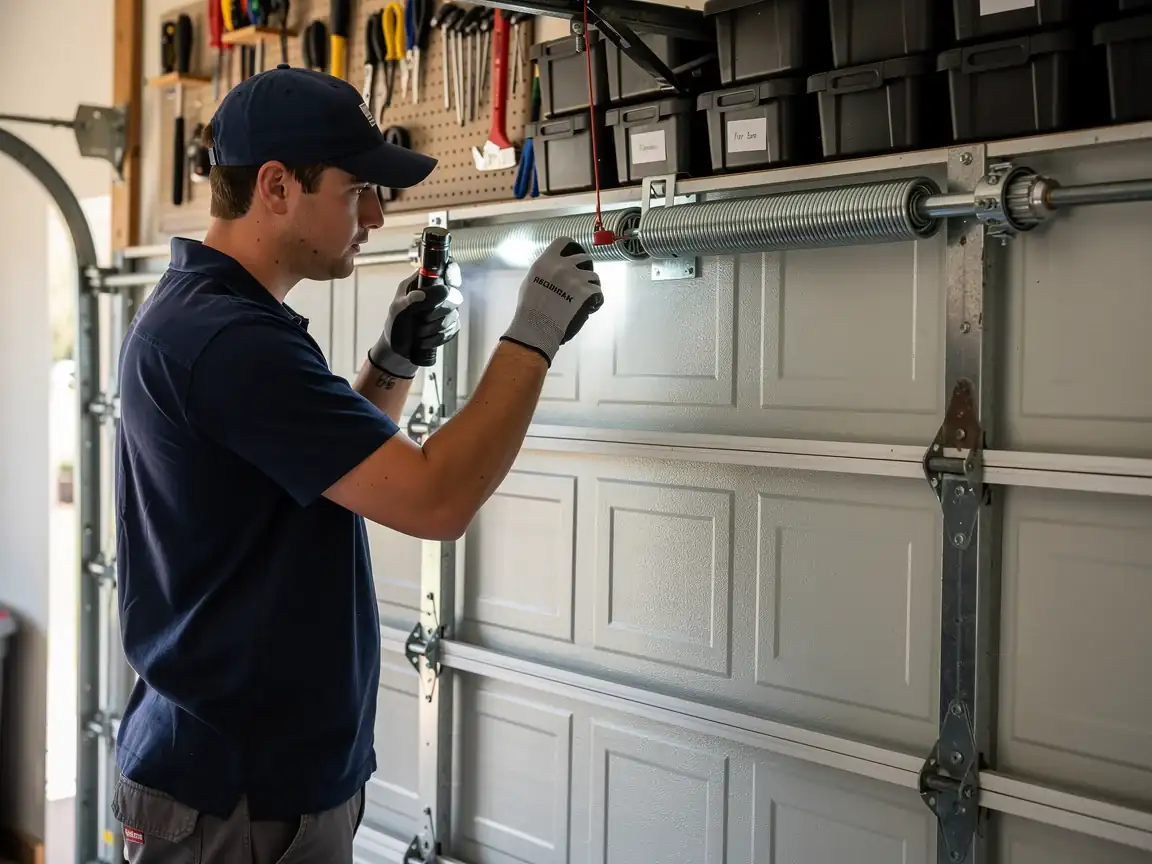
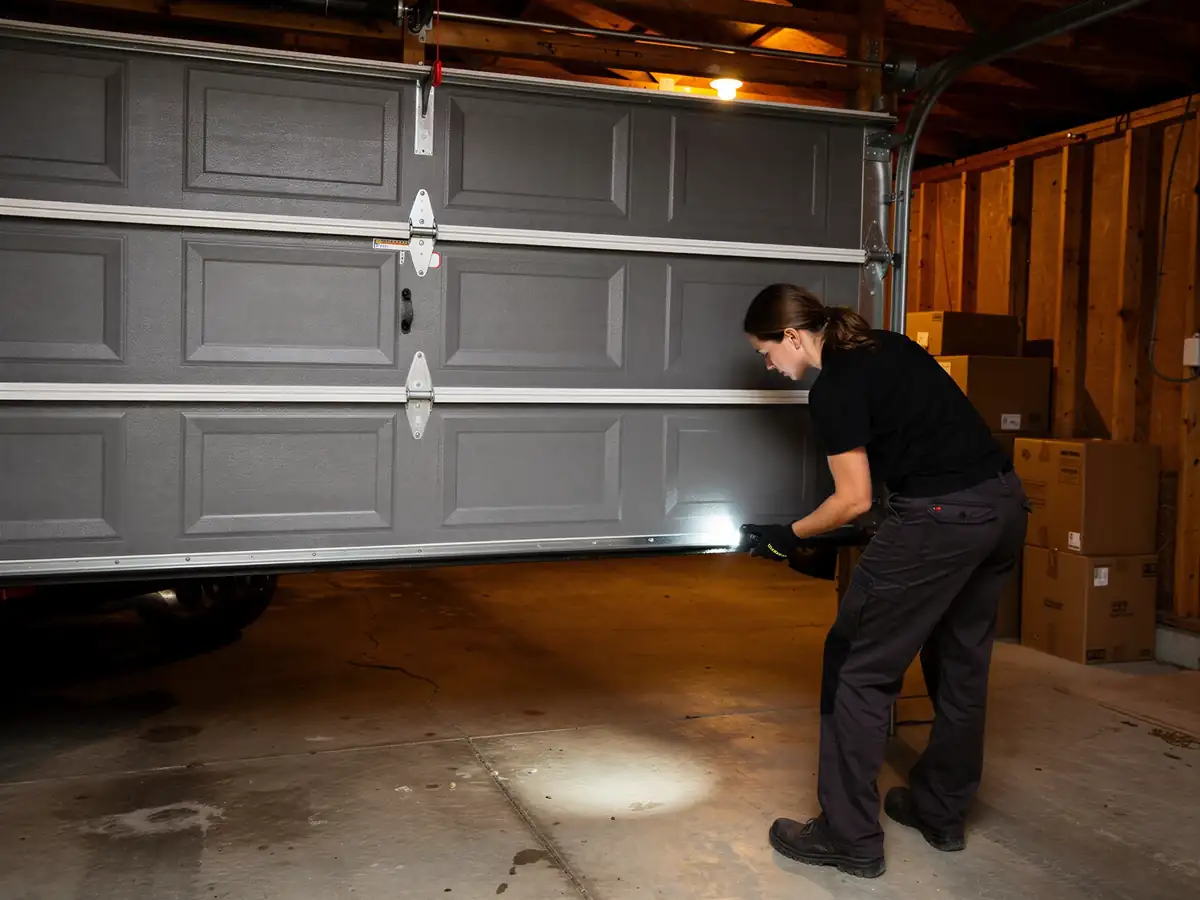
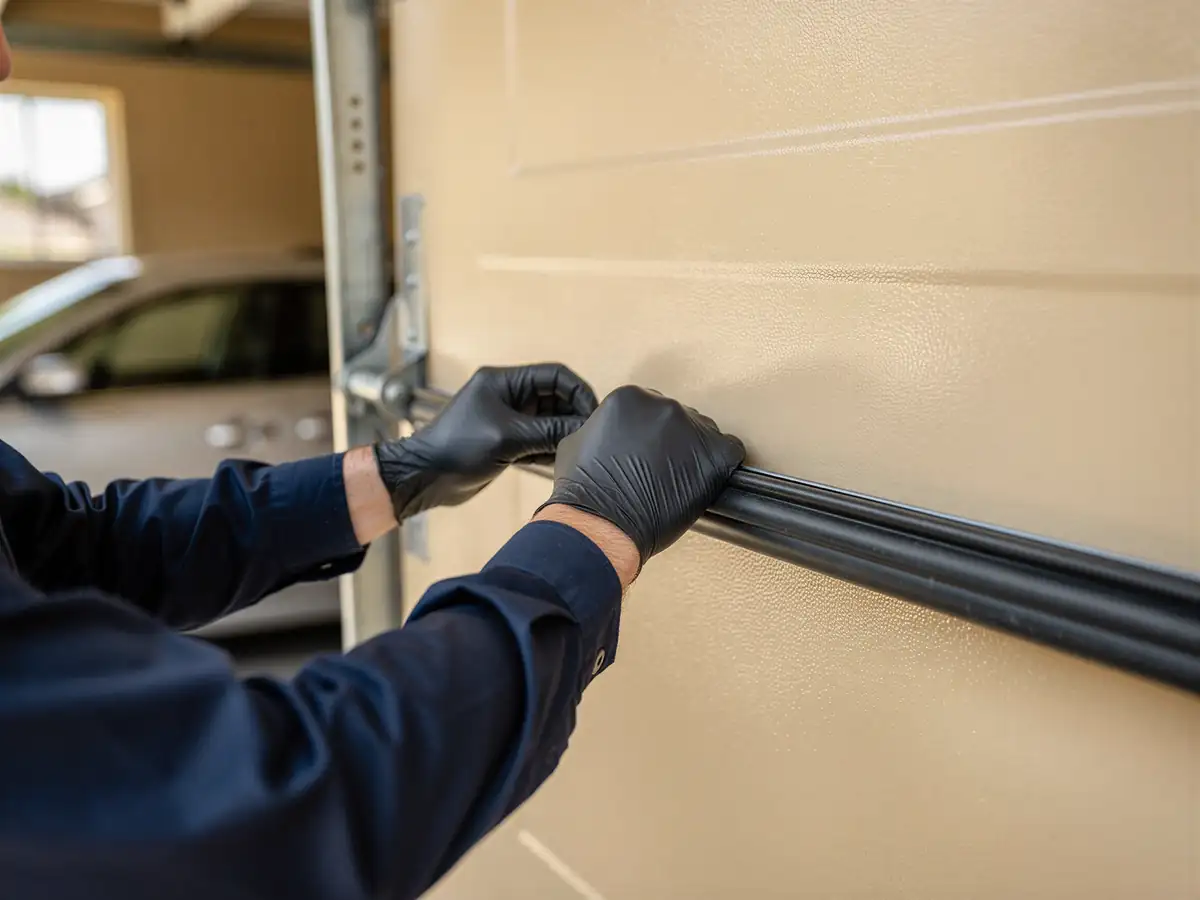
Start at the bottom seal: press a thumb into it. If it doesn't spring back, it's past useful life. Next check the top and side stop molding for gaps you can see light through, especially at the corners, which is where cracked vinyl shows up first on older doors. Look at the panel seams too, since doors from the 1960s and 70s stock often have thinner steel that's flexed slightly over the decades, leaving small gaps between sections even when the door is aligned correctly. One thing we won't do is sell you a full door replacement when a seal kit and some stop molding will fix the draught. Replacement only makes sense if the panels themselves are bowed or rusted through. If the steel's sound, fixing the seal is the right call and it's a fraction of the cost.
Straight answers about garage door repair in Fairfax. Still unsure? Ask us directly.
Why does my garage feel so much colder than it used to?
If your house dates to the 1960s or 70s, which covers most of this area, the original seal material has likely hardened past the point of sealing properly. In a cold, severe climate zone that gap lets outside air move straight across the floor, which is why older garages feel noticeably colder than newer ones nearby.
Can I just caulk the gaps instead of replacing the seal?
Caulk doesn't flex with a moving door, so it cracks and falls out within a season. The bottom seal and side stops need to be replaceable rubber or vinyl that can compress and release every time the door cycles, especially with the freeze-thaw swings typical of this climate band.
Is it worth sealing a garage that's not attached to the house?
Yes, especially here. Even a detached garage holds tools, paint, and sometimes a freezer, and cold air moving through a bad seal accelerates rust on any steel surfaces inside, including the door panels and track hardware themselves.