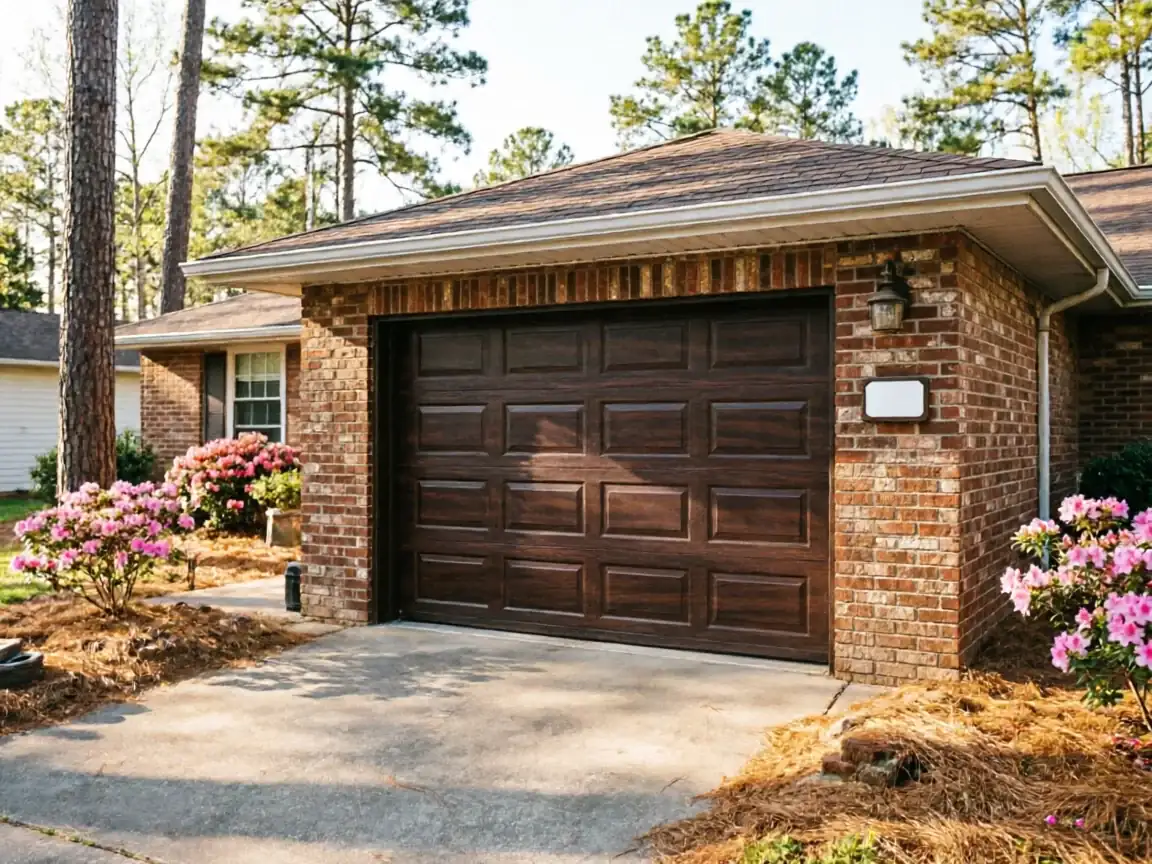
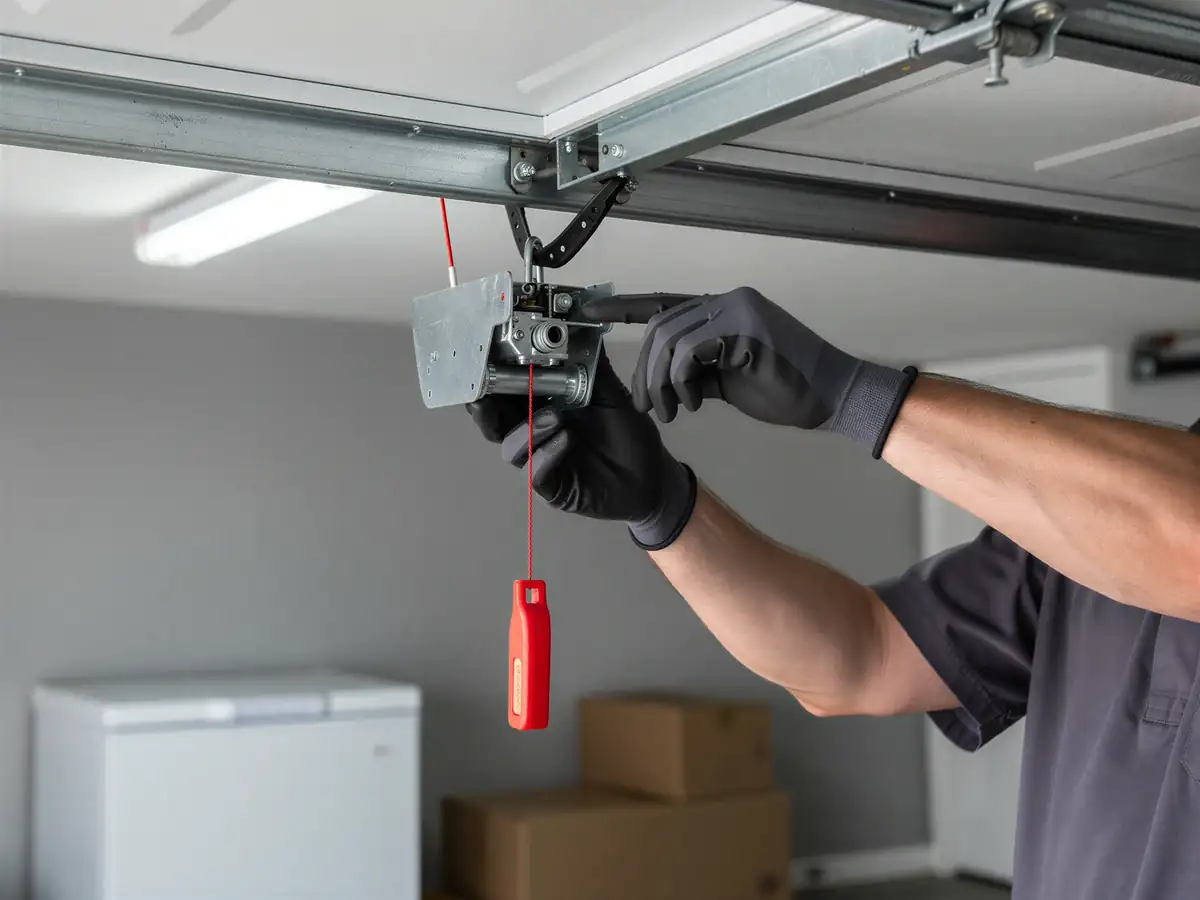
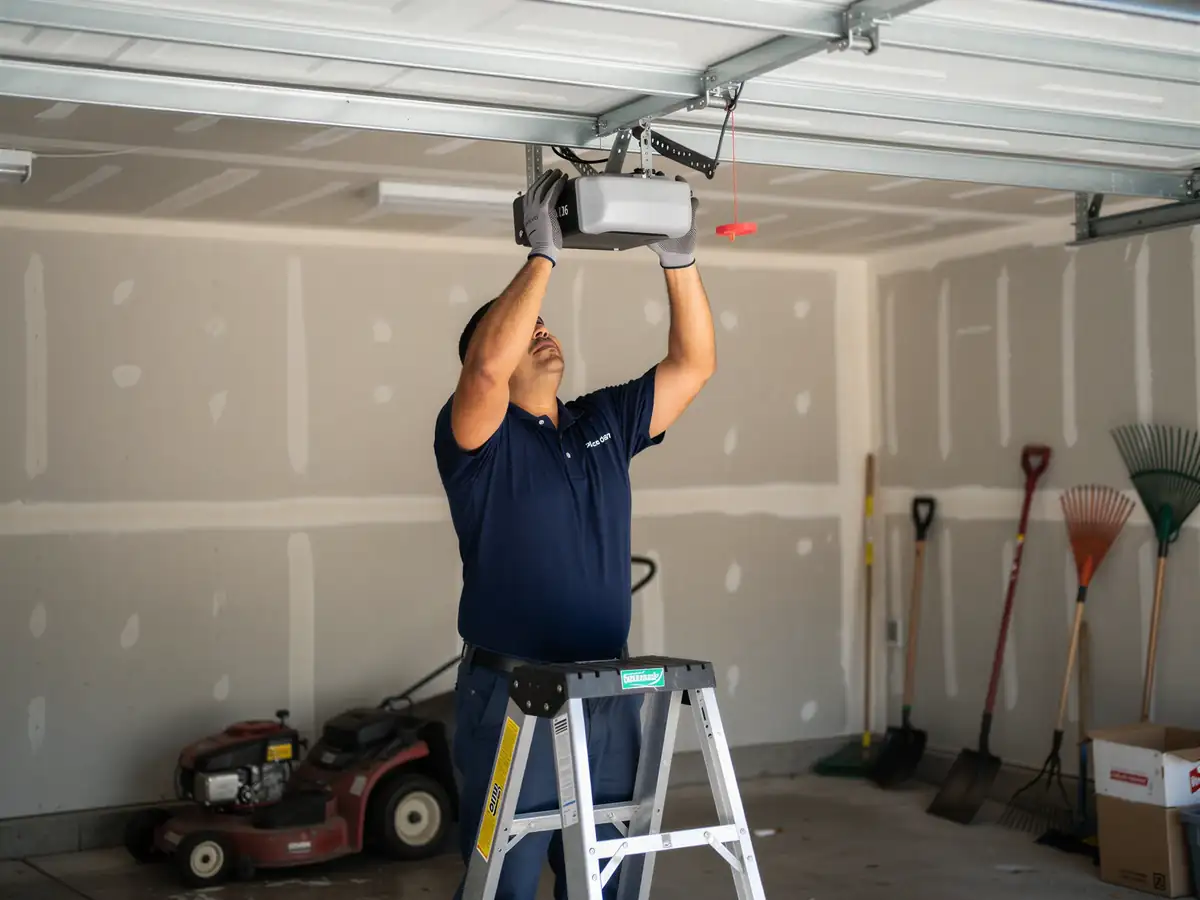
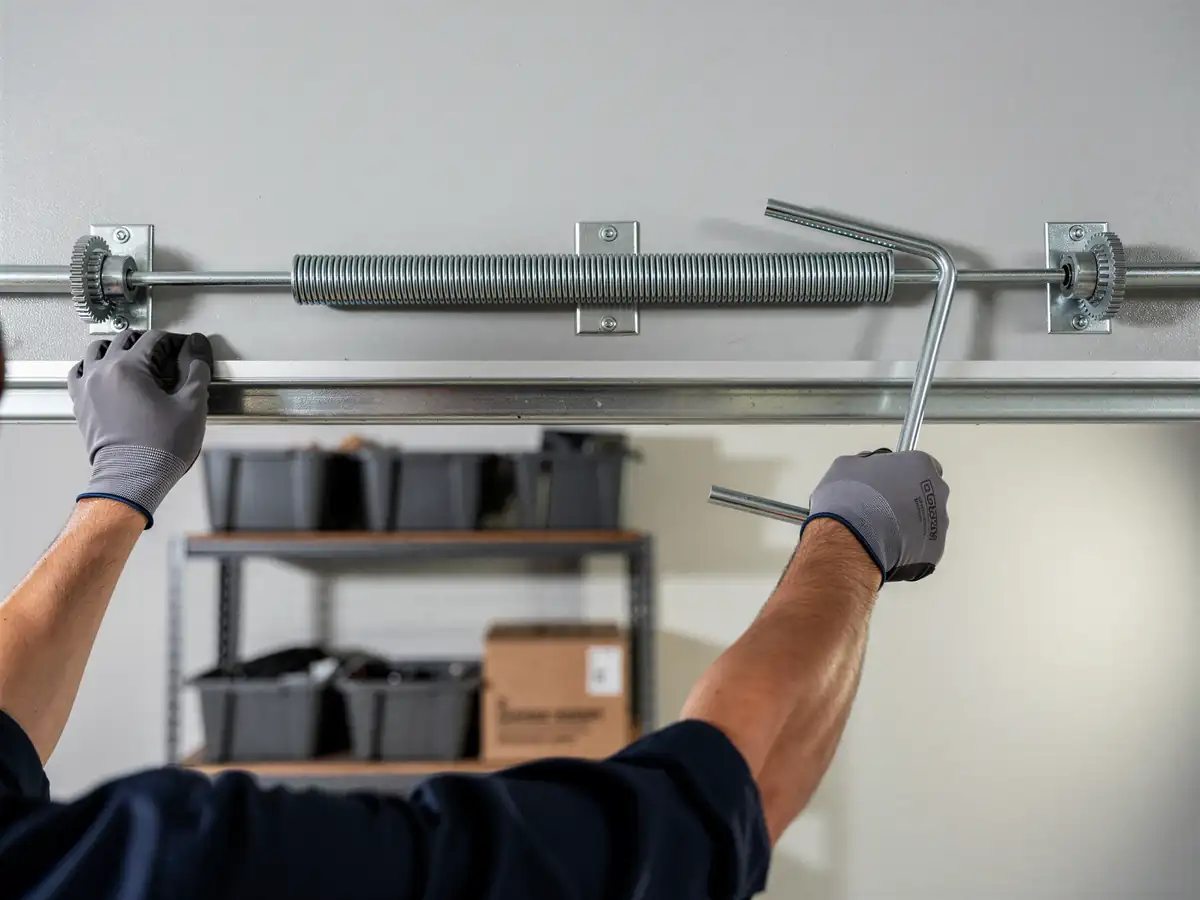
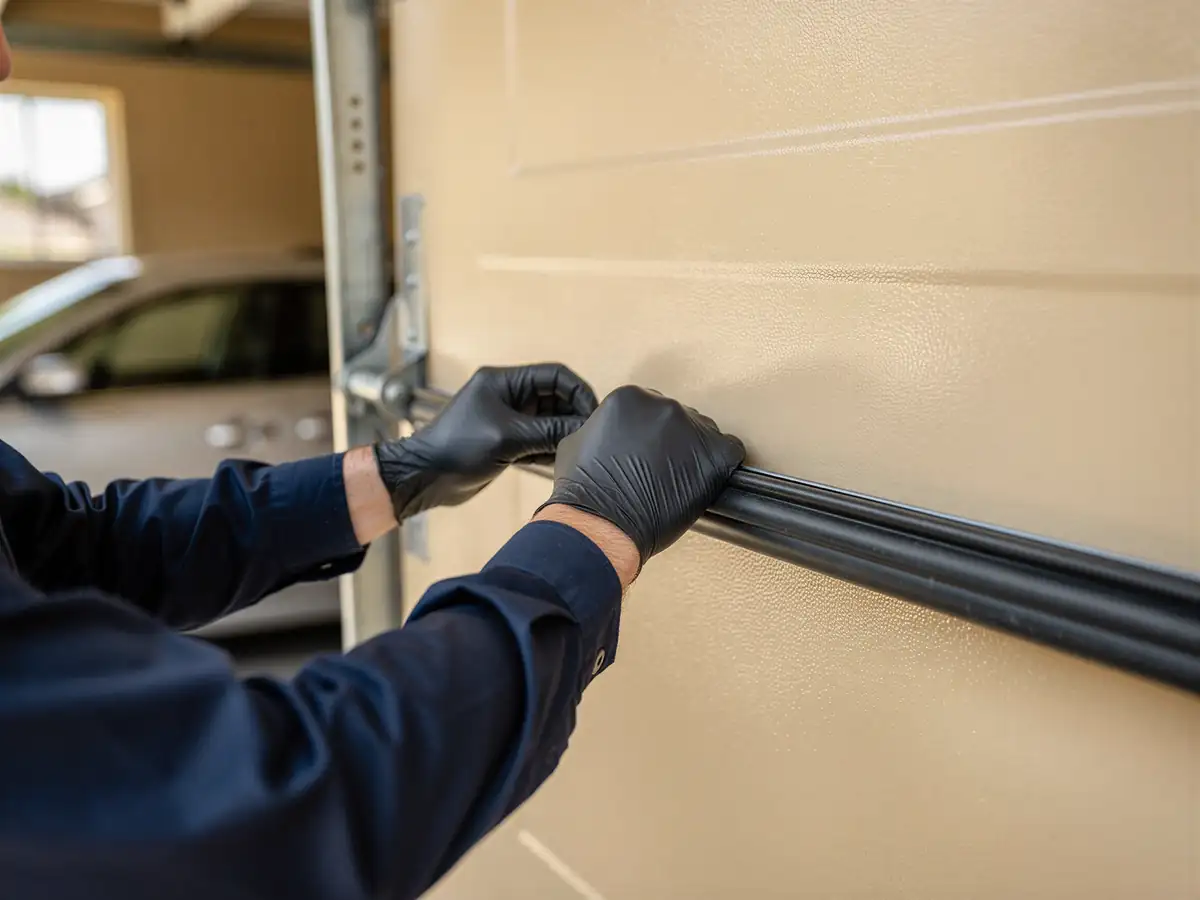
Most of the garage doors we open up in this service area were hung sometime between 1940 and 2015, with the bulk of that stock dating to the 1960s and 70s across the 38 named neighborhoods we cover. That matters because a door from that era was almost never built the way a door is built today. Single steel panel, no insulation, torsion spring sized for a lighter door than the one that's probably been swapped onto it since. When we get a call, we're rarely dealing with one clean problem. We're dealing with thirty-plus years of small fixes stacked on top of original hardware - a roller someone replaced in 1998, a spring that was never matched to the door weight, an opener bolted on later that's fighting a track that was never squared to begin with. A service call has to sort out which parts are original, which are patched, and which are the actual reason the door is sticking, screeching, or not moving at all. Skipping that step is how a ten-minute roller swap turns into a callback two weeks later.
When to Get Help
Call before the door stops working, not after. A door that's slow to open, that shudders at the same spot on the track every time, or that reverses itself halfway down is telling you something specific - and in a cold-and-severe climate like this one, cold metal makes small problems worse fast. A spring that's starting to fatigue can snap on a fifteen-degree morning when it would have held on for another month in July. If the door is making a bang and then sitting dead on the track, that's almost always a broken torsion spring, and that's not a safe DIY job - the spring is under enough tension to do real damage. If the opener runs but the door doesn't move, or moves slower than it used to, get someone out before the motor burns up trying to compensate for a mechanical problem it can't fix on its own.
How Local Conditions Play In
Cold, severe winters do specific things to a garage door that a mild climate never would. Steel contracts, lubricant stiffens, and a track that was a sixteenth of an inch out of alignment in August becomes a binding point in January. On the 1960s and 70s doors that make up most of this area's stock, there's usually no insulation in the panel at all, so the door itself acts like a cold sink - and an un-insulated door working against a stiff, cold spring puts more strain on the cable and drum than the same door would see in a warmer region. Household income in this service area runs a median of $143,796, which is part of why we see more owners choosing a full insulated replacement over and over patching an original panel - the math on a thirty- or forty-year-old door that's already fighting the cold often doesn't favor another repair. We'll tell you honestly when that's the case instead of running up a bill on a door that's past the point of being worth it.
What to Look At First
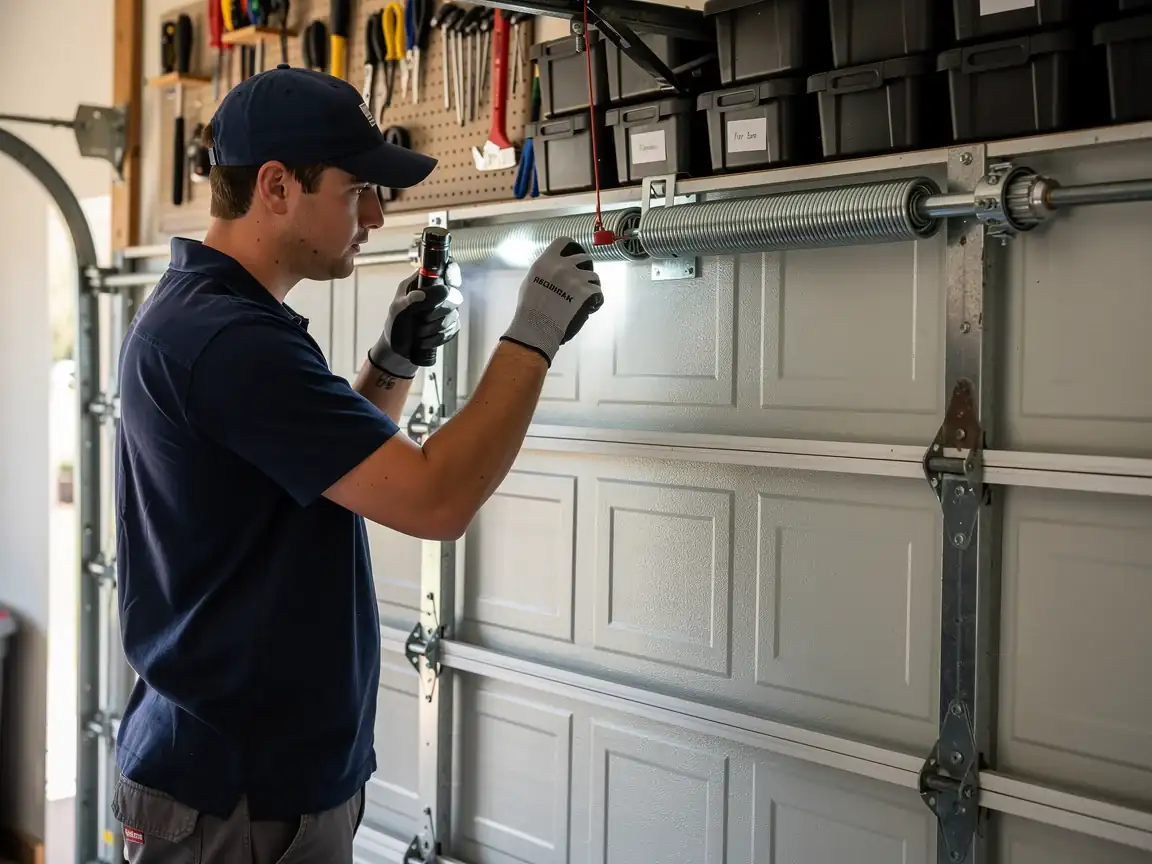
Before anything else, we check what era of hardware is actually on the door, because homes built across the 1940-2015 range in this area carry very different setups - side-mounted torsion springs, older extension spring systems, openers from three different decades depending on who owned the house last. Next is the track alignment and the condition of the rollers, since that's where cold-weather binding shows up first. Then the cables and the drum, which take the brunt of the strain when a spring is already weak. We also look at the panel itself for rust or flex at the bottom, which is common on older steel doors that have taken forty winters of road salt and moisture off the slab. One honest limit here: if a part is obsolete - which happens on some of the oldest doors in this stock - we may need to order a modern equivalent rather than an exact match, and that can mean a short wait instead of a same-day fix.
How it works
From “it’s stuck” to “it’s fixed”
01
Tell us what’s wrong
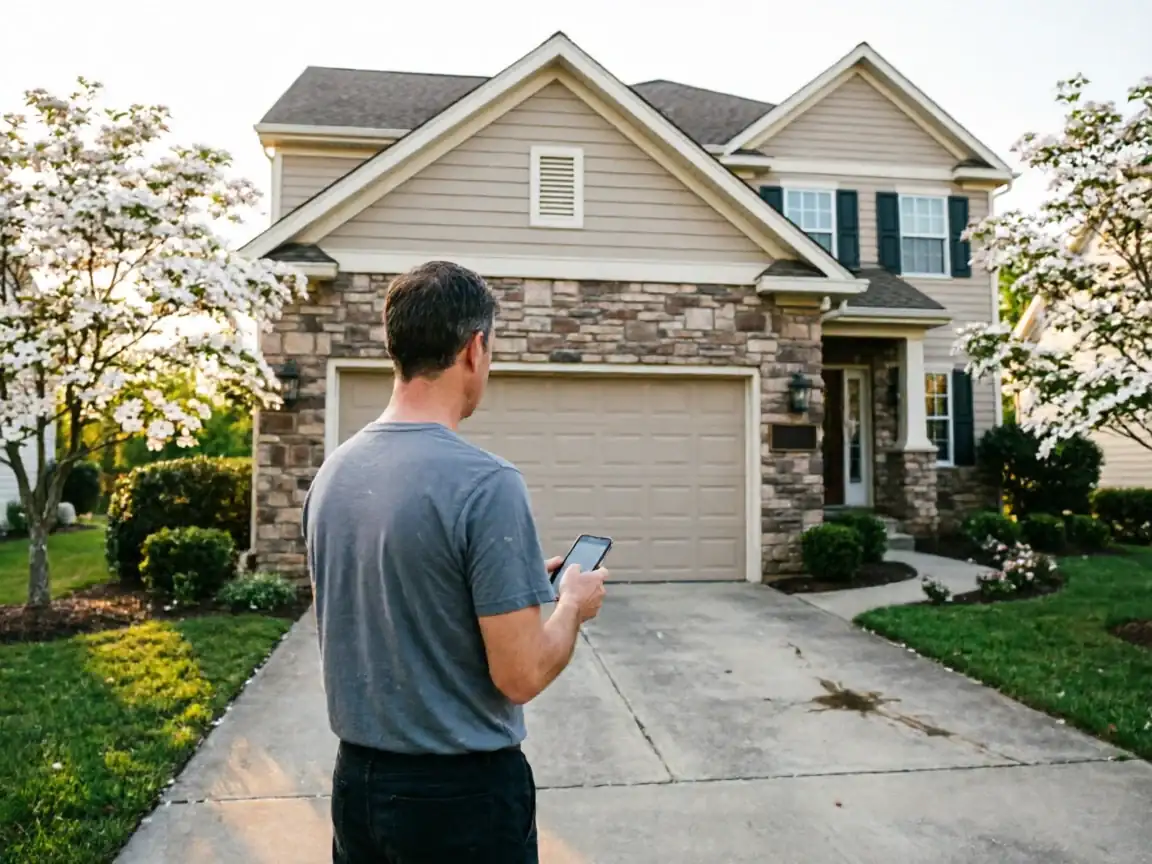
Describe the symptom - won’t open, loud bang, opener runs but the door won’t move.
02
On-site diagnosis
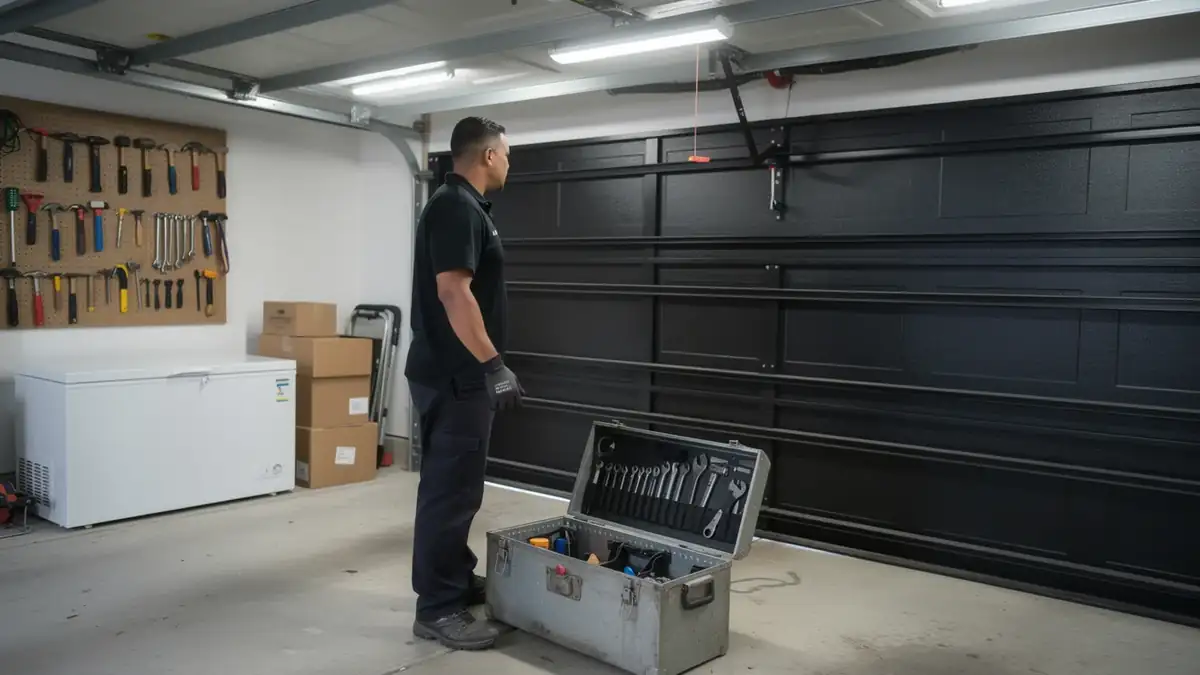
A technician tests the door under power and by hand and finds what actually failed.
03
Clear, up-front plan
You get the fix that’s needed and what drives the cost - before any work starts.
04
Repaired & tested
The repair is done, the door is set true and tested, and the work area left clean.
Not sure which repair your door needs in Fairfax, VA? Describe what it’s doing - every job starts with a diagnosis.
Straight answers about garage door repair in Fairfax. Still unsure? Ask us directly.
Why does my garage door get worse specifically in winter?
Cold makes steel contract and lubricant thicken, so a track or spring that's slightly out of spec in warm weather becomes a real binding point once temperatures drop. In this area's cold, severe winters, that's one of the most common reasons a door that worked fine in October suddenly won't move in January.
Is my original 1970s door worth repairing or should I replace it?
It depends on what's actually failing. A spring or roller swap can be worth it on a door that's structurally sound. But many doors from that era have no insulation and steel that's thinning from decades of weather, and at that point a patch job is often just delaying a replacement you'll need anyway.
Do you carry parts for older torsion hardware on the truck?
We stock the common sizes, but some of the oldest setups in this area's housing stock use hardware that's no longer made. When that happens, we'll tell you upfront and order a modern equivalent rather than guess at a fit, which can mean a short wait instead of a same-visit fix.
What's the first thing you check on a service call?
We start by figuring out what era of door and hardware we're actually working with, since homes here range from the 1940s through the 2010s and the spring, track, and opener setups differ a lot by decade. That tells us whether we're looking at a simple fix or something bigger underneath.