What the Housing Means for Your Door
Fairfax Station sits apart from a lot of the surrounding service area in one important way
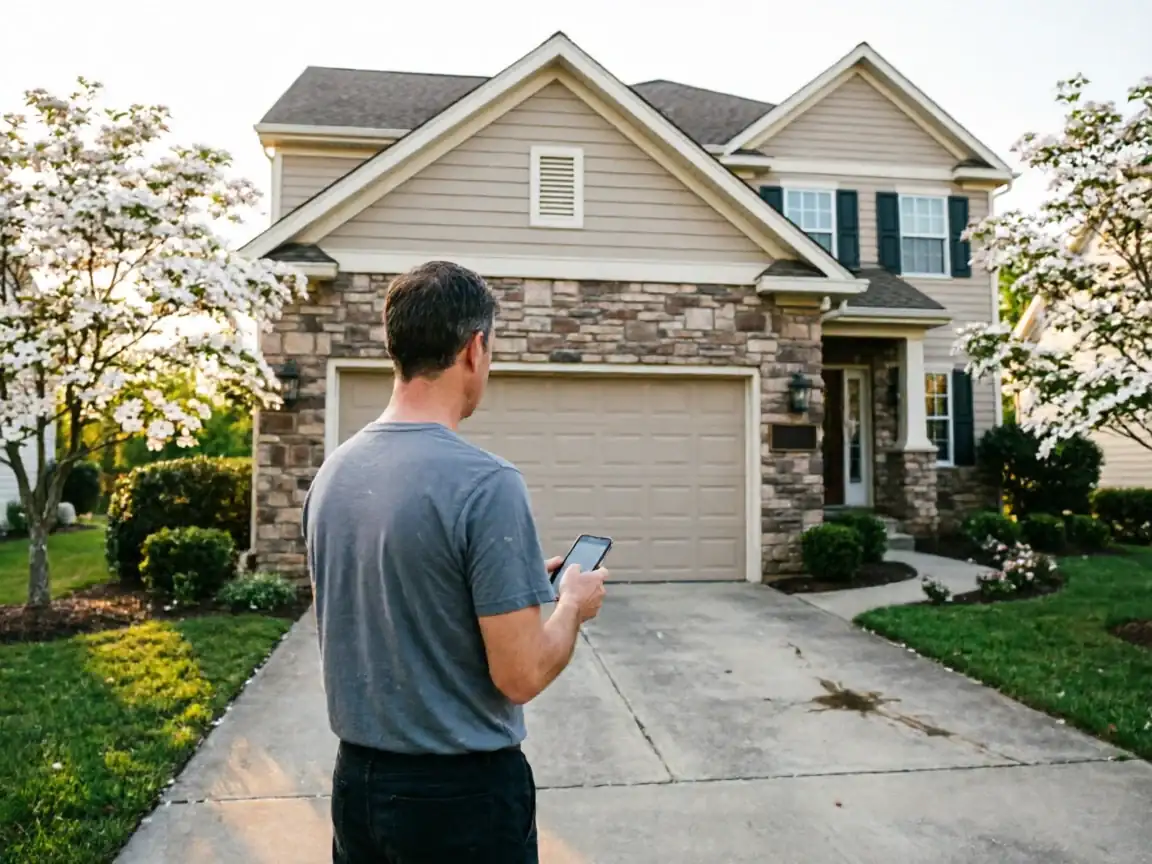
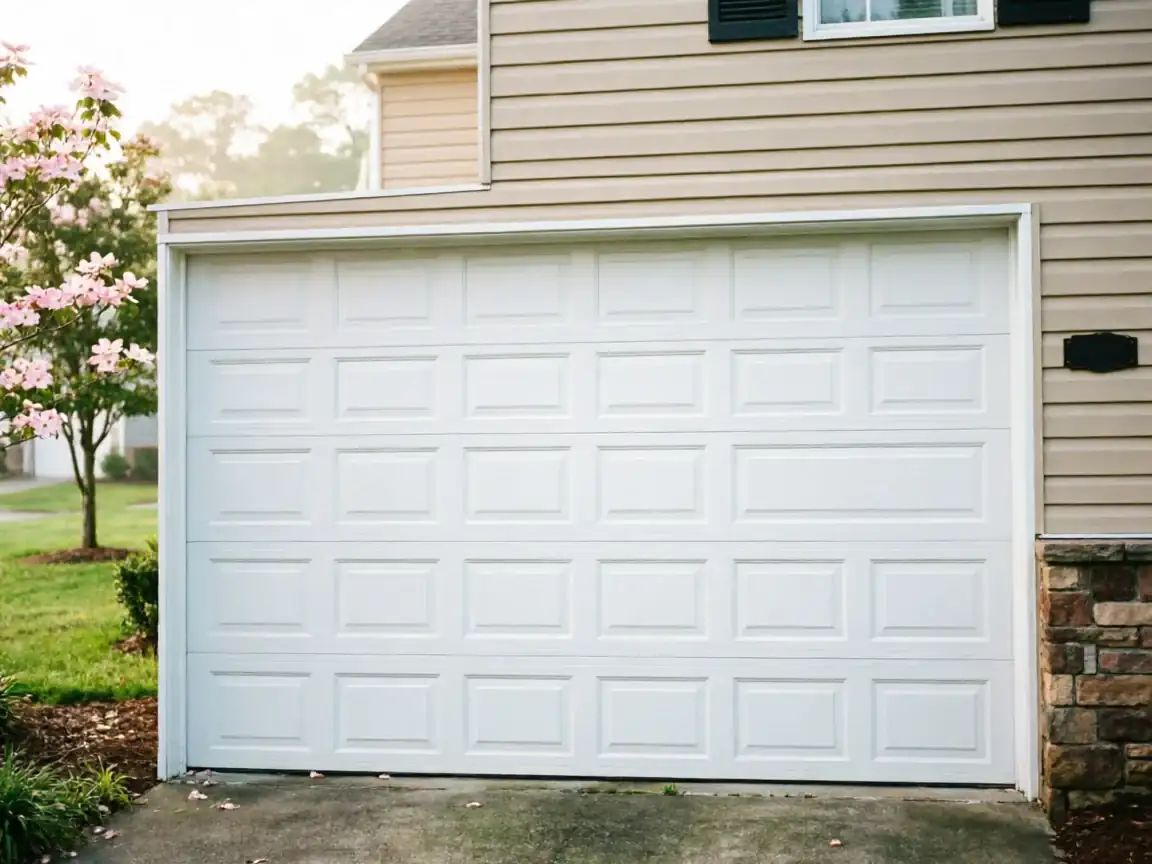
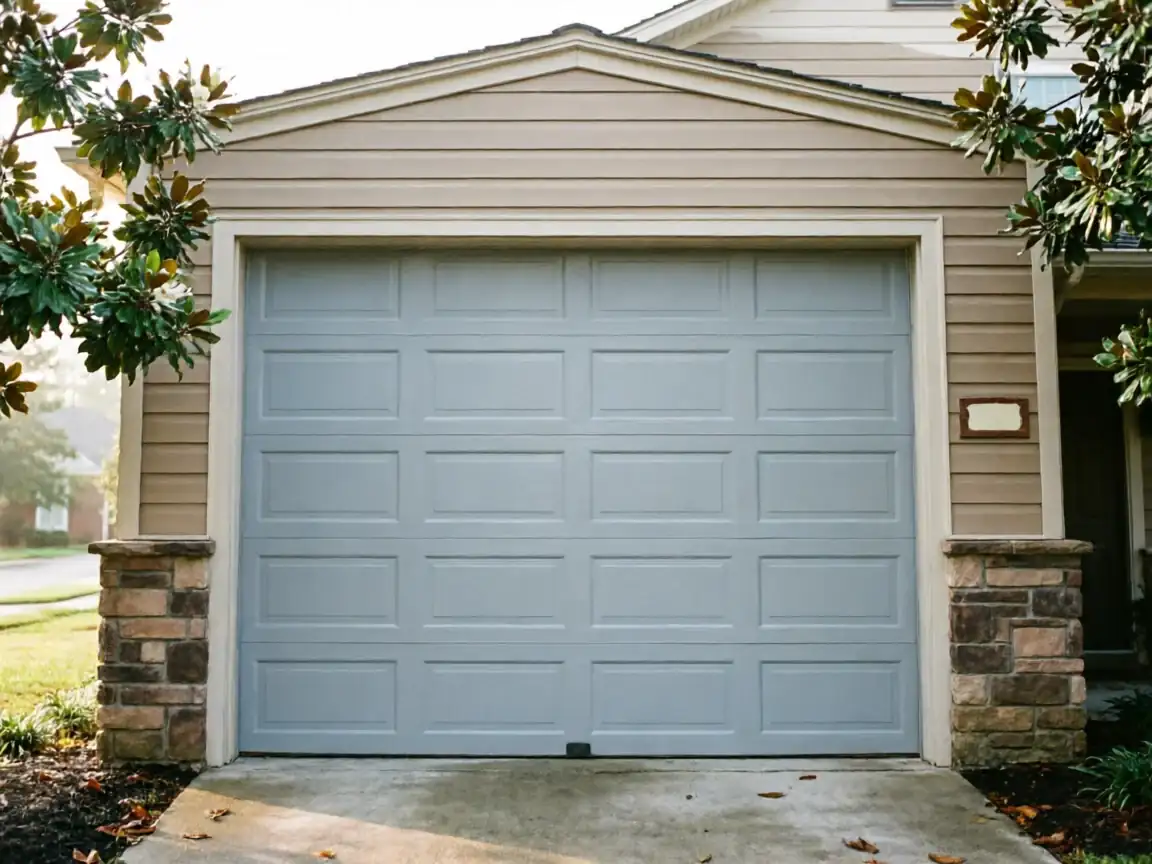
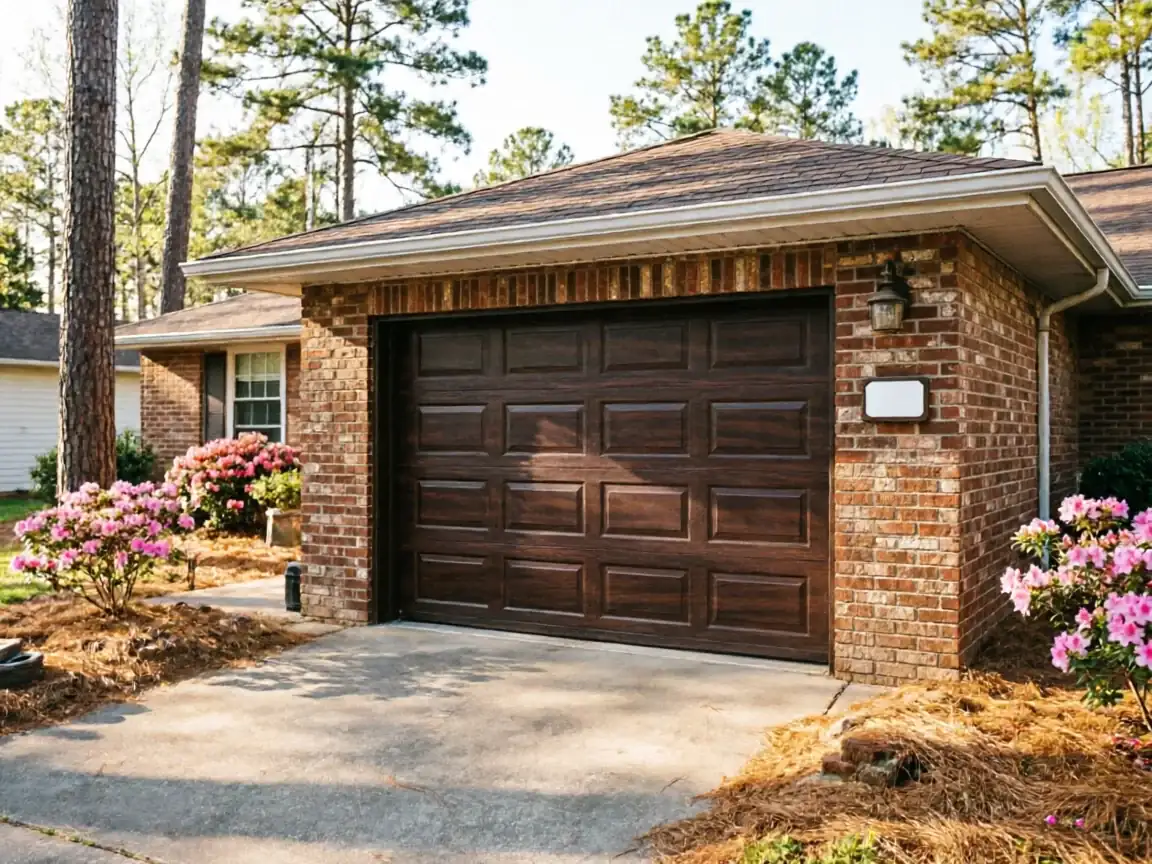
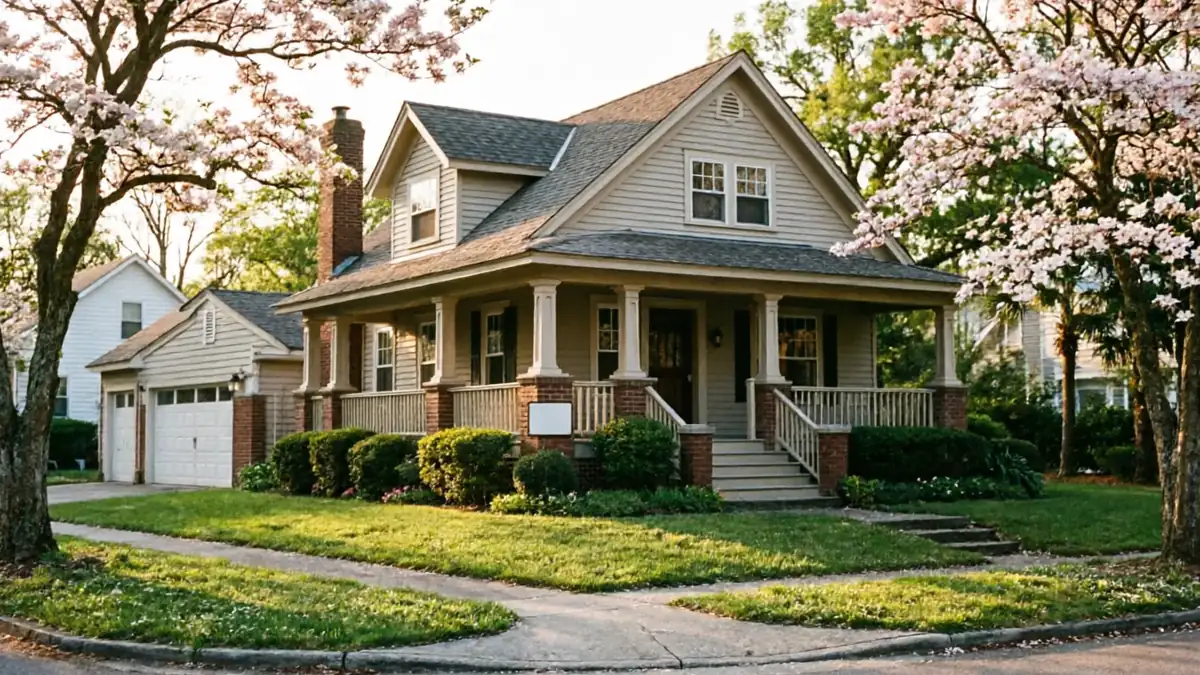
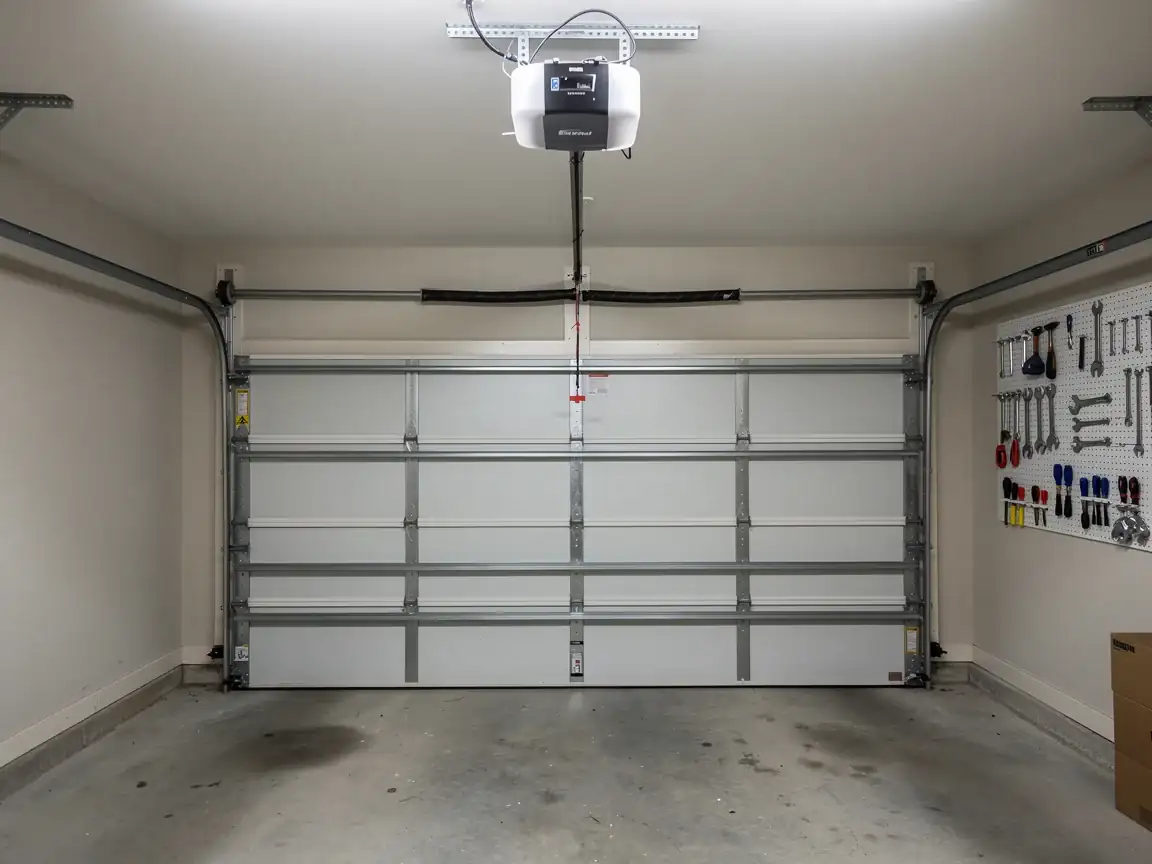
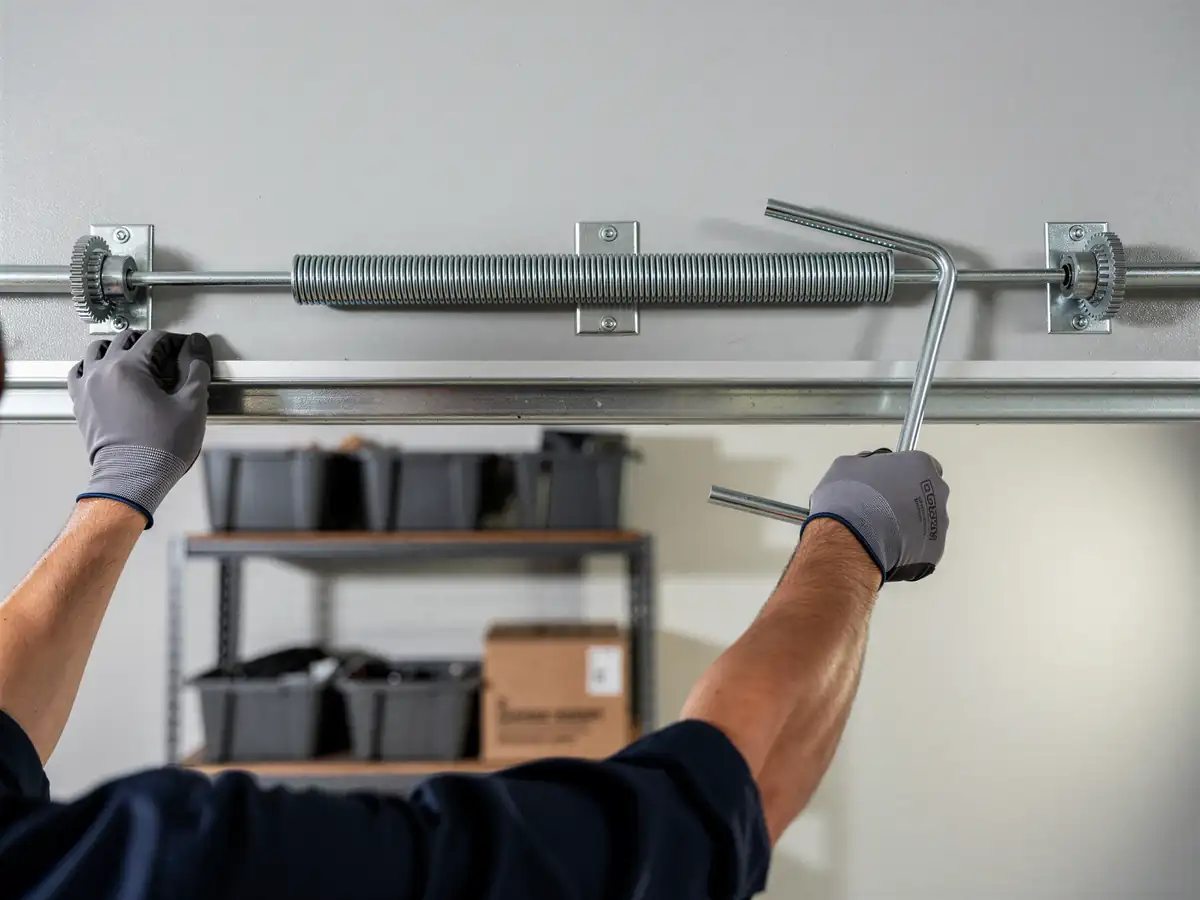
The houses here are newer. The median home across our broader coverage dates to 1978, with most of that stock going up in the 1960s and 70s. Fairfax Station's median build year is 1982, which pushes a lot of these garages into a different hardware generation entirely. You're less likely to find the old extension-spring setups bolted straight to the ceiling joists that still turn up on earlier streets elsewhere, and more likely to find early torsion systems on steel sectional doors with openers from that same window.
That doesn't mean these doors are trouble-free
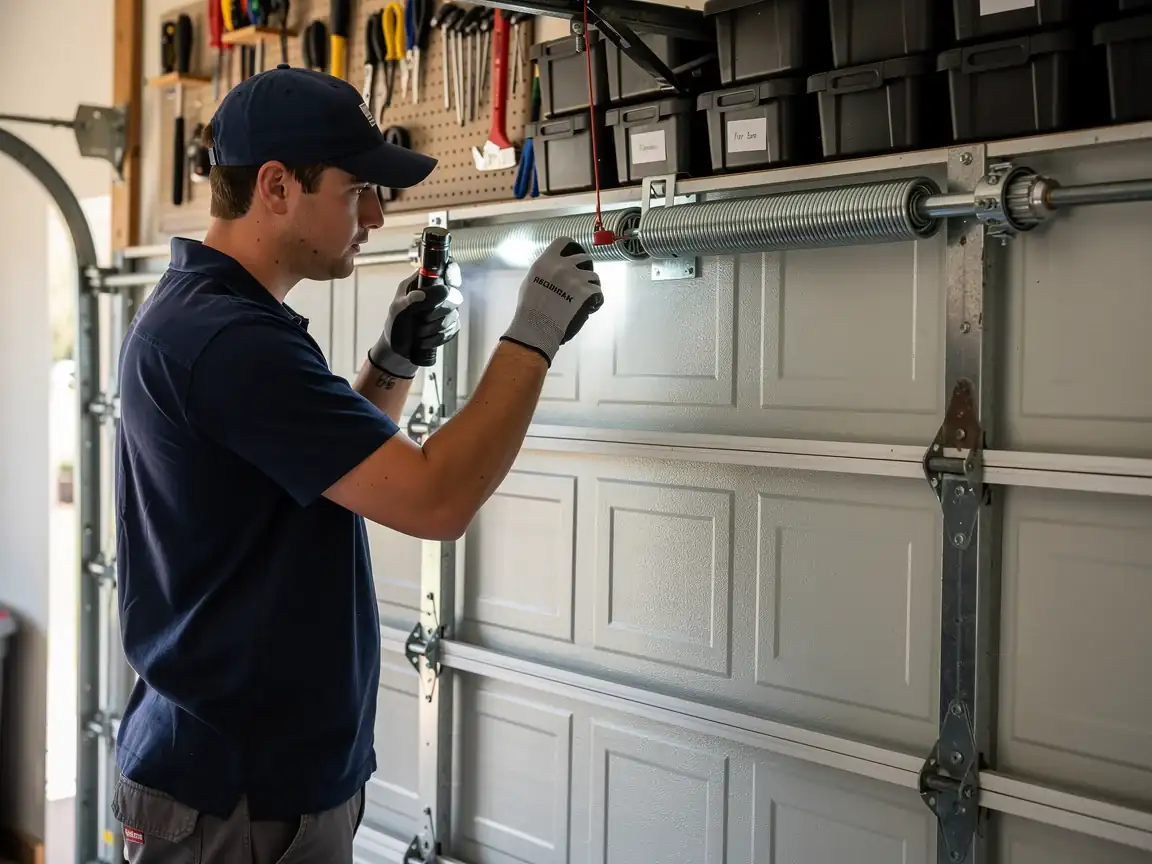
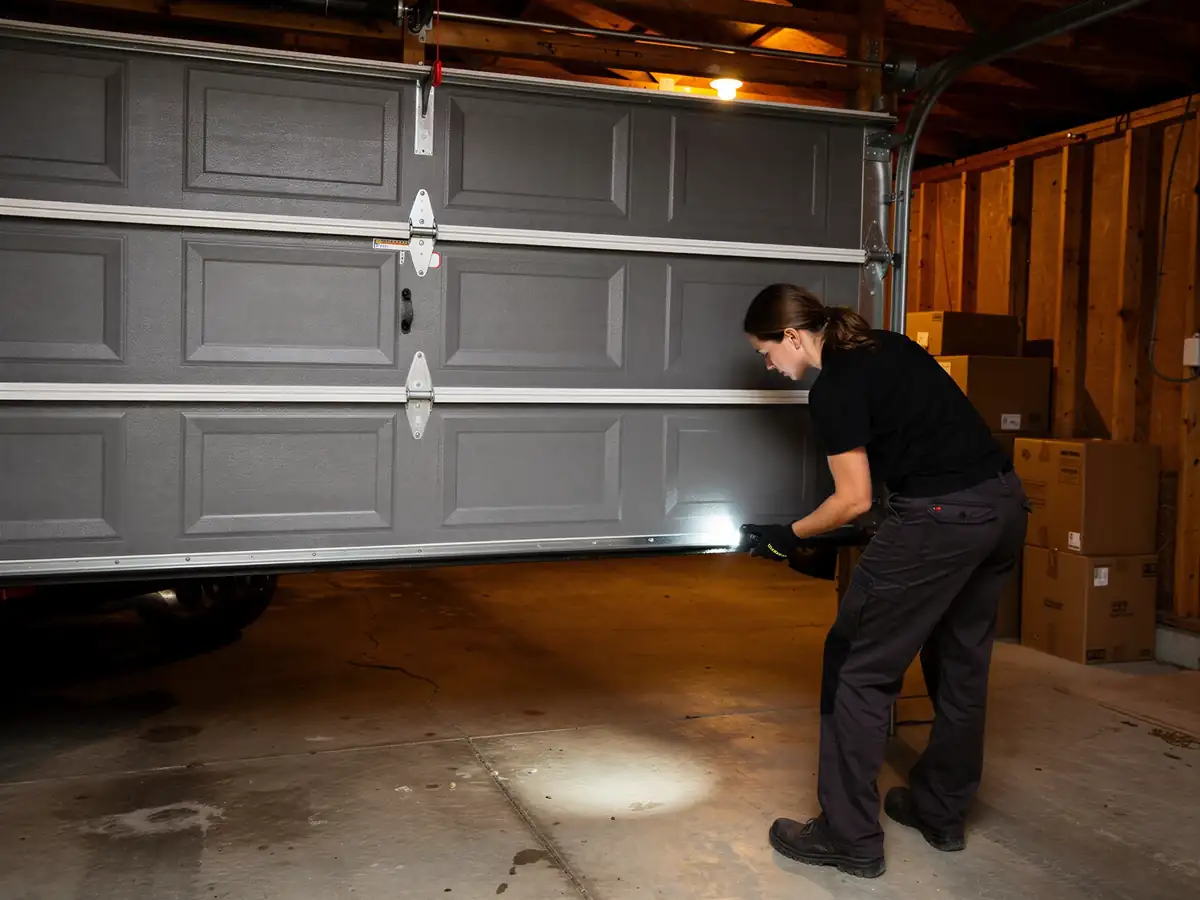
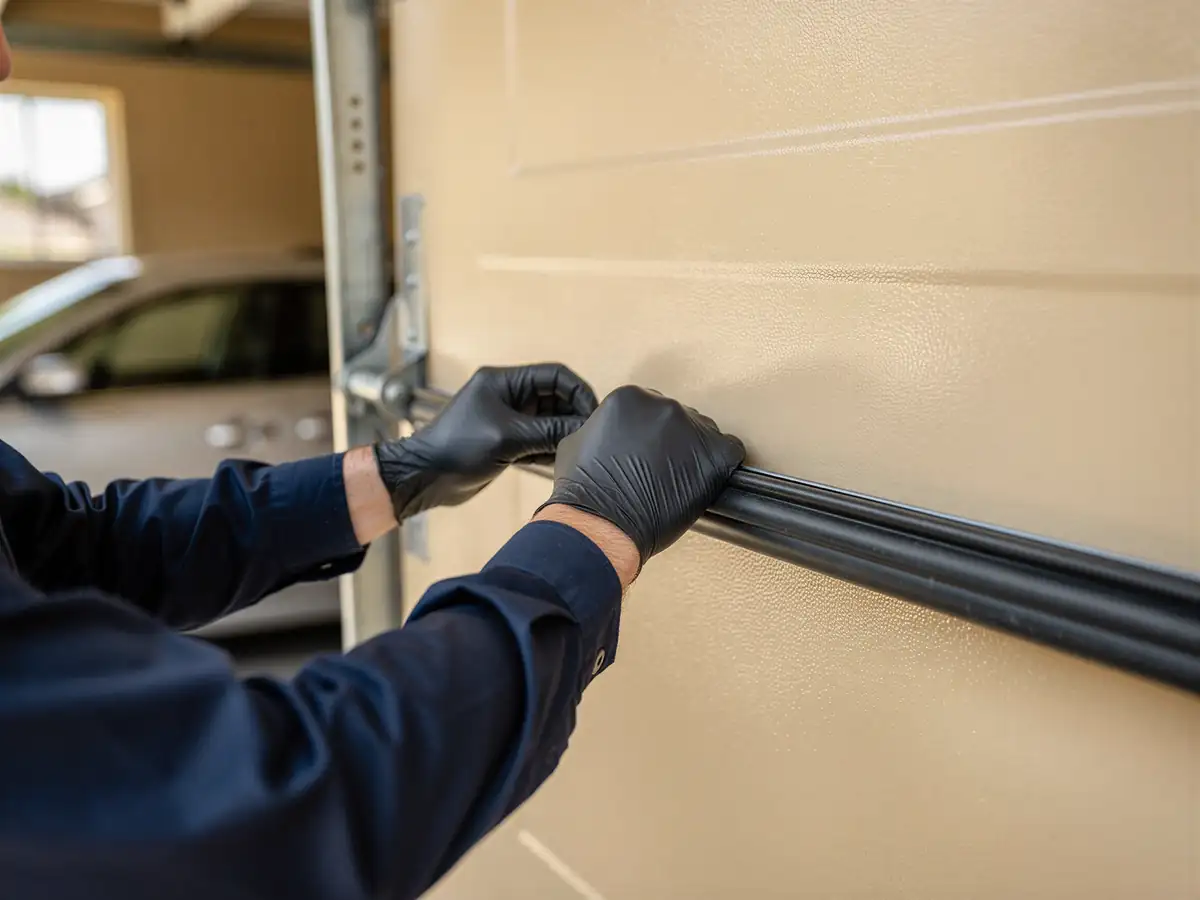
Torsion hardware from the early 1980s is now over forty years old in a lot of cases, and springs in that age range are closer to the end of their cycle count than the beginning, whether or not they've ever failed. The track and roller assemblies from that era also tend to be lighter-gauge than what gets installed today, so wear shows up as noise and play before it shows up as a full breakdown. We're not guessing at a national average here - this is what a 1982 median build year actually puts in people's garages.
How We Get to You
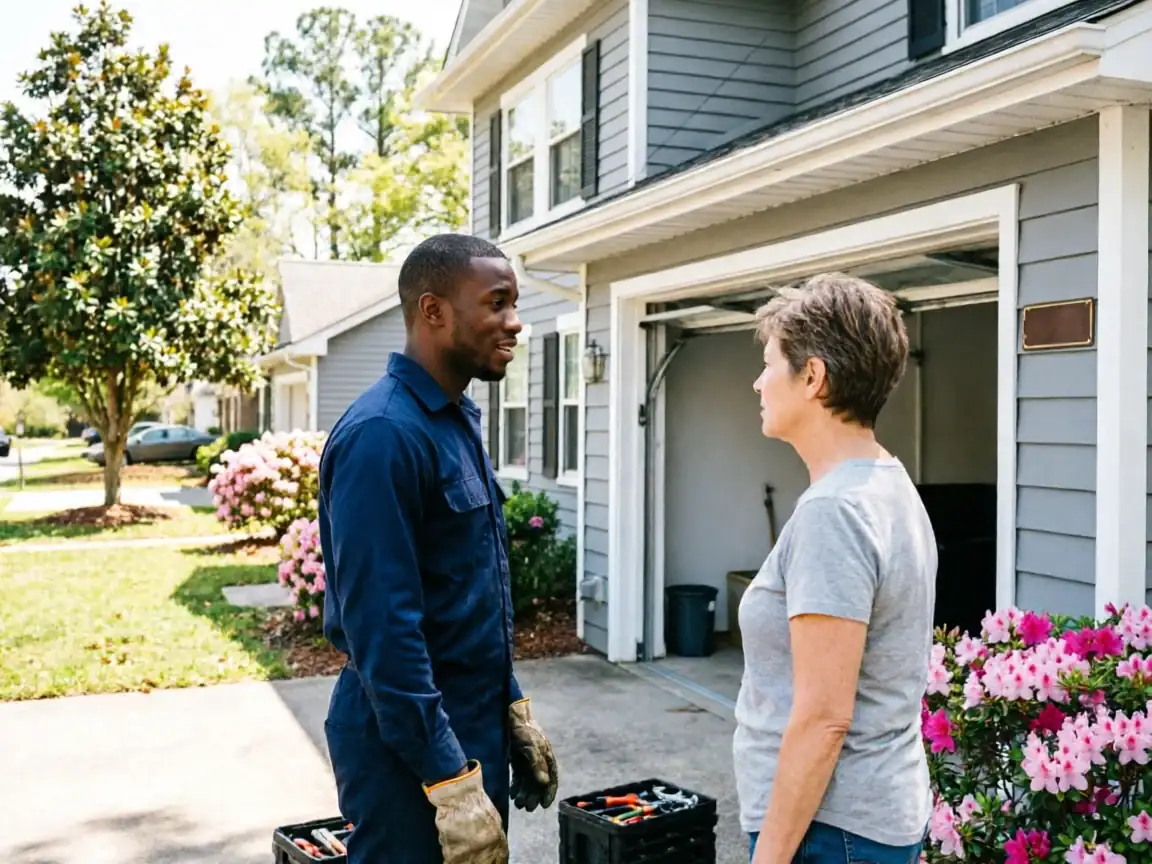
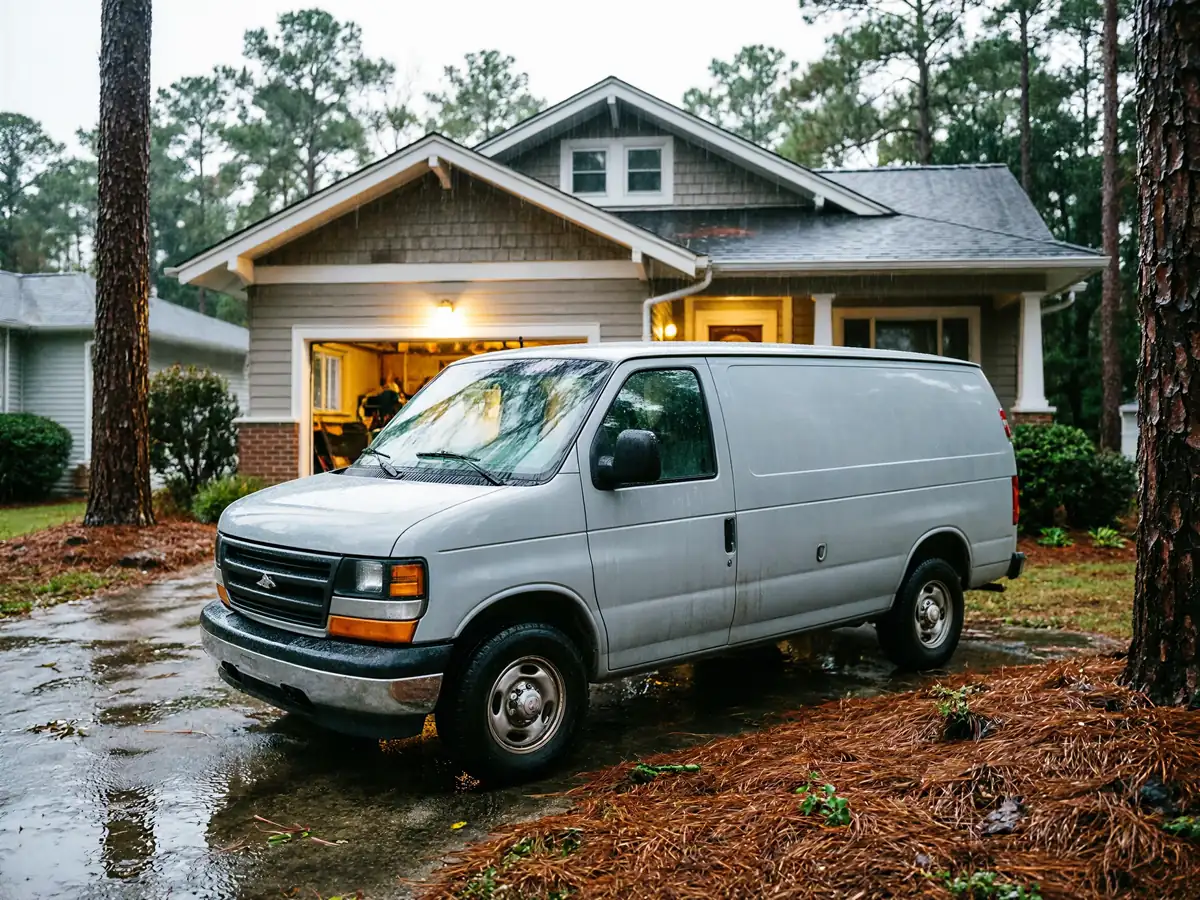
We run out of Fairfax, and Fairfax Station is about five miles out, which keeps it a short, predictable run rather than a cross-county haul. That distance matters less for scheduling a job than it does for how quickly we can get a truck moving once a spring lets go or a door won't close.
We don't keep a second location or drop point in Fairfax Station itself - every call here is dispatched from Fairfax, same as calls to the other communities we reach in that direction. What that means practically is we're not sitting idle nearby waiting for the phone to ring; we're coming from one base, and five miles is a short part of that territory, not the edge of it.
Older vs Newer Streets
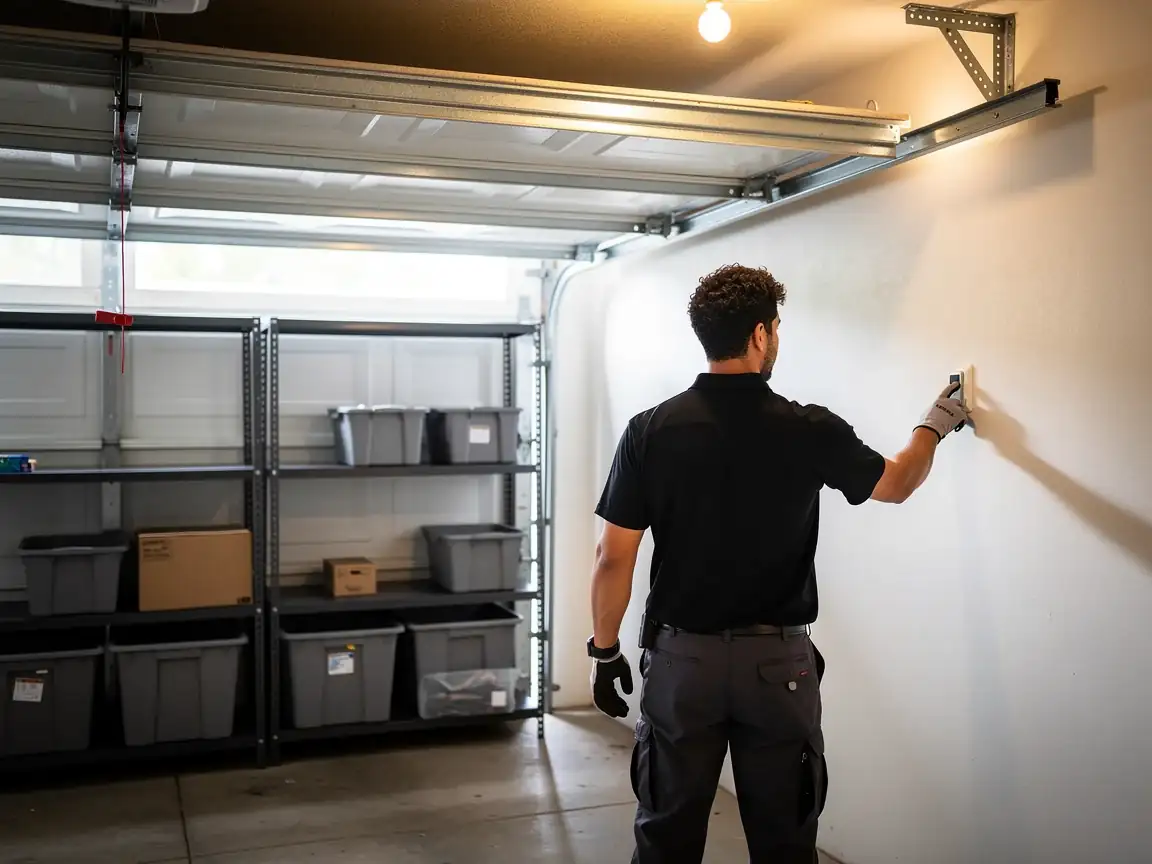
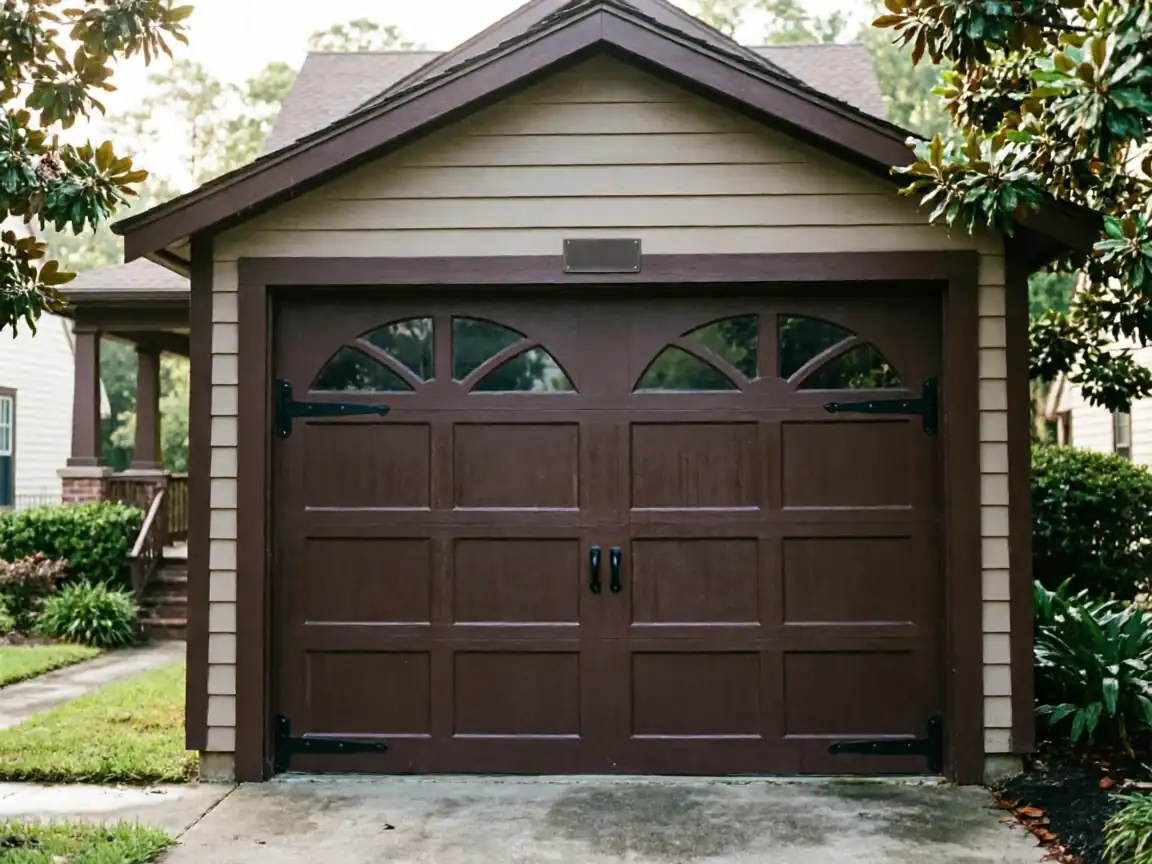
Even within Fairfax Station, not every street was built in the same stretch of years. A median year of 1982 means plenty of homes went up well before that and plenty went up after, and the two groups don't need the same kind of visit. Earlier construction here can still carry hardware closer to what you'd find on the 1960s and 70s streets common across the rest of the area - older torsion drums, narrower track, openers that have been swapped once or twice already. Later construction tends to hold closer to what was standard by the early-to-mid 1980s: wider sectional panels, torsion springs sized for heavier doors, and openers with the first generation of safety reversal sensors.
We don't have a street-by-street map of which pocket falls where, so we ask about the age of the door and opener directly when we price a job, rather than assuming based on the neighborhood alone. That's the honest limit of what a median figure can tell you - it describes the area, not any one driveway.
What Was Built Here
With 4,159 households, Fairfax Station is a smaller slice of the territory we cover from Fairfax
And the housing pattern reflects a build-out that landed later than much of the surrounding map. Median household income here runs $212,128, well above the $143,796 figure for the service area as a whole, which tracks with homes built in a later, larger-footprint era rather than the smaller mid-century construction common closer in.
- 4,159 households
The climate band for this part of the region is classified as cold and severe
Which matters for garage doors regardless of when they were installed. Steel panels contract in hard cold, torsion springs lose a little tension with temperature swings, and openers with aging capacitors are more likely to struggle on the coldest mornings. A door built to 1982-era standards wasn't engineered with today's insulation expectations in mind, so if yours feels drafty or the panels seem to bow slightly in January, that's consistent with its age, not a sign something was done wrong.