What the Housing Means for Your Door
Rose Hill's houses mostly went up around 1967
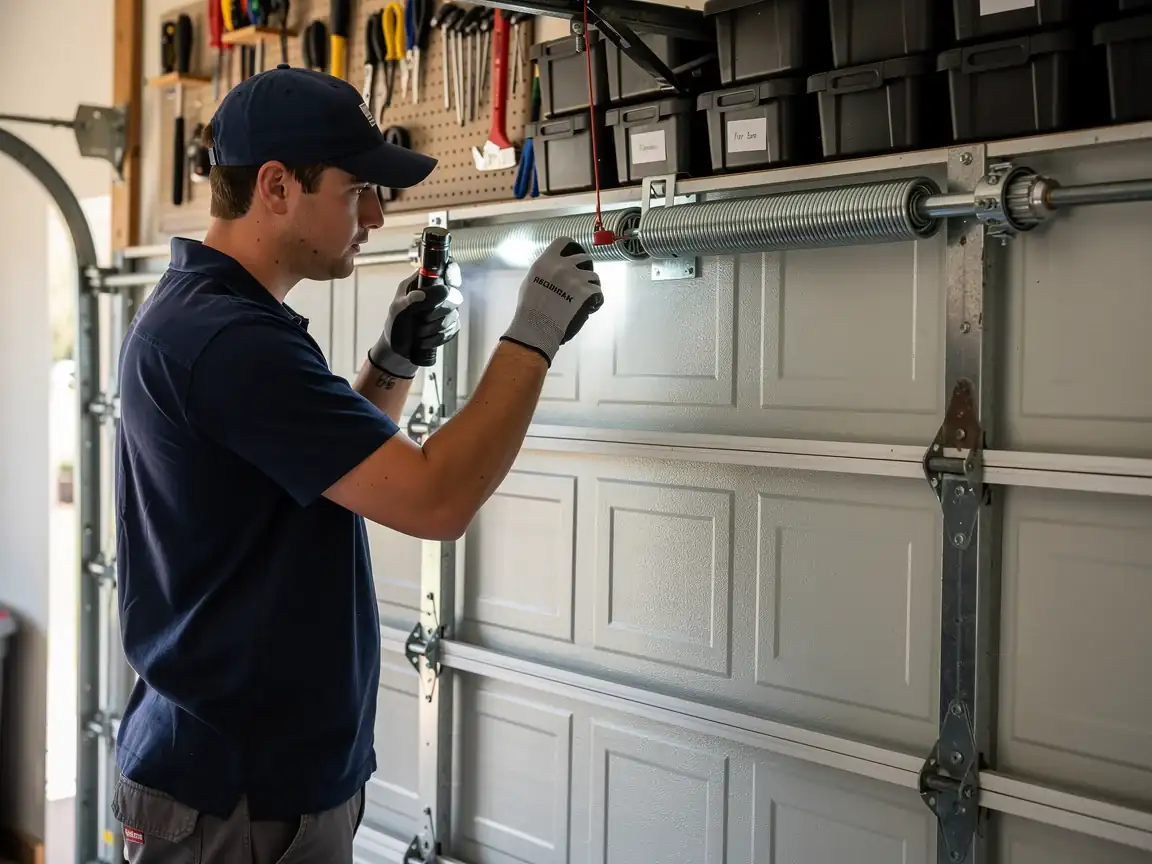
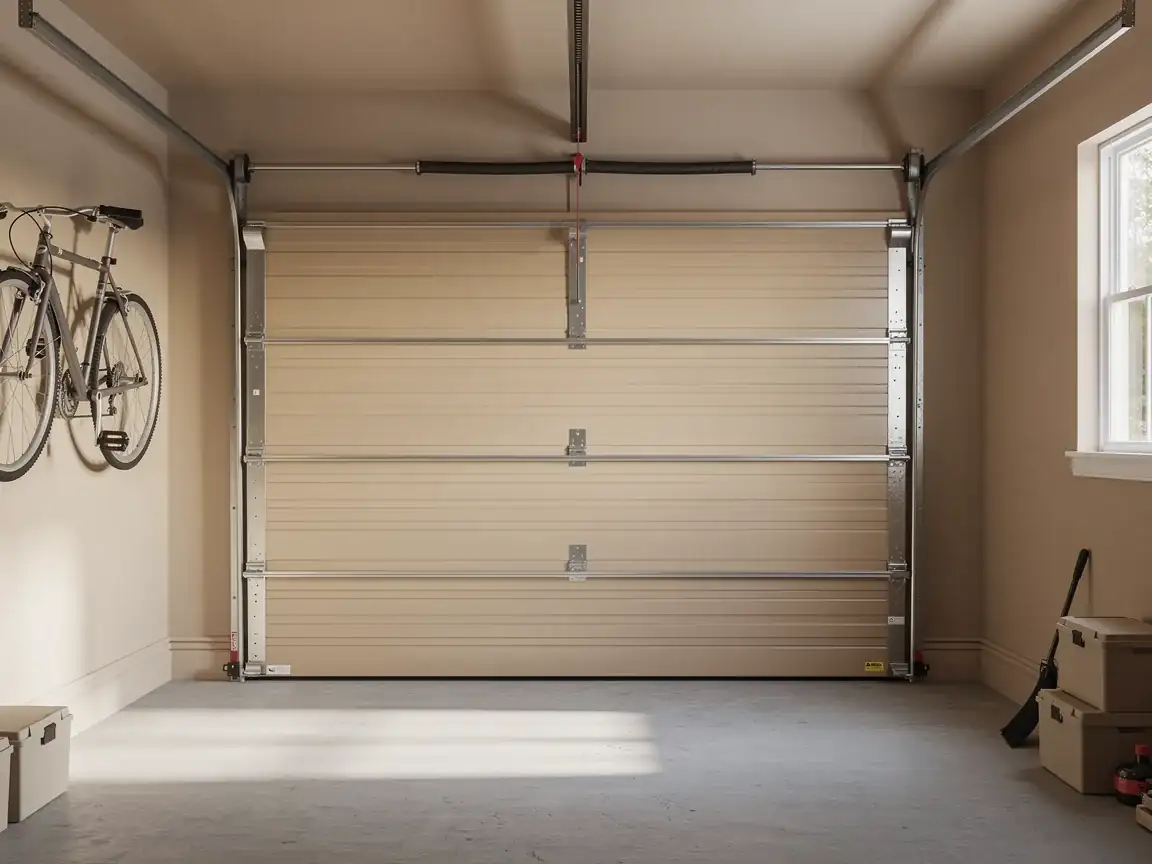
Which puts this pocket a decade or so ahead of the broader service area's median build year of 1978. That decade matters more than it sounds. Doors installed in the mid-to-late 1960s were often single-layer steel or even wood panel units hung on extension springs rather than the torsion setups that became standard later. If your opener has ever yanked the door sideways on one side before the other catches up, that's usually a sign of an old extension-spring pair wearing unevenly, which is a common call in streets built on this timeline.
We also see a lot of original steel track from this era that's narrower than what gets installed today
So a replacement roller or hinge bought off a shelf doesn't always fit without an adapter bracket. None of this means your door is a lost cause. It means whoever works on it needs to recognize 1960s hardware on sight instead of assuming it matches what's going into new builds across the rest of the territory. We carry stock for both, but older parts sometimes take an extra day to source.
How We Get to You
We run out of Fairfax, and Rose Hill is about 11 miles from there. That's a real drive, not a next-door hop, so we don't promise a depot around the corner or a same-hour arrival. What we do is route the truck with your job in mind rather than treating it as a detour on the way to somewhere else.
Rose Hill sits near Franconia and Groveton, both part of the same territory we cover out of Fairfax, and knowing that cluster helps us plan the day instead of guessing at traffic. If you're calling about a spring that's already let go, tell us that up front. A broken torsion or extension spring means the door won't open safely at all, and that call gets priority over routine opener tune-ups. For anything else, we'll give you a window that accounts for the distance rather than a number that sounds good on the phone and falls apart on the road.
Older vs Newer Streets
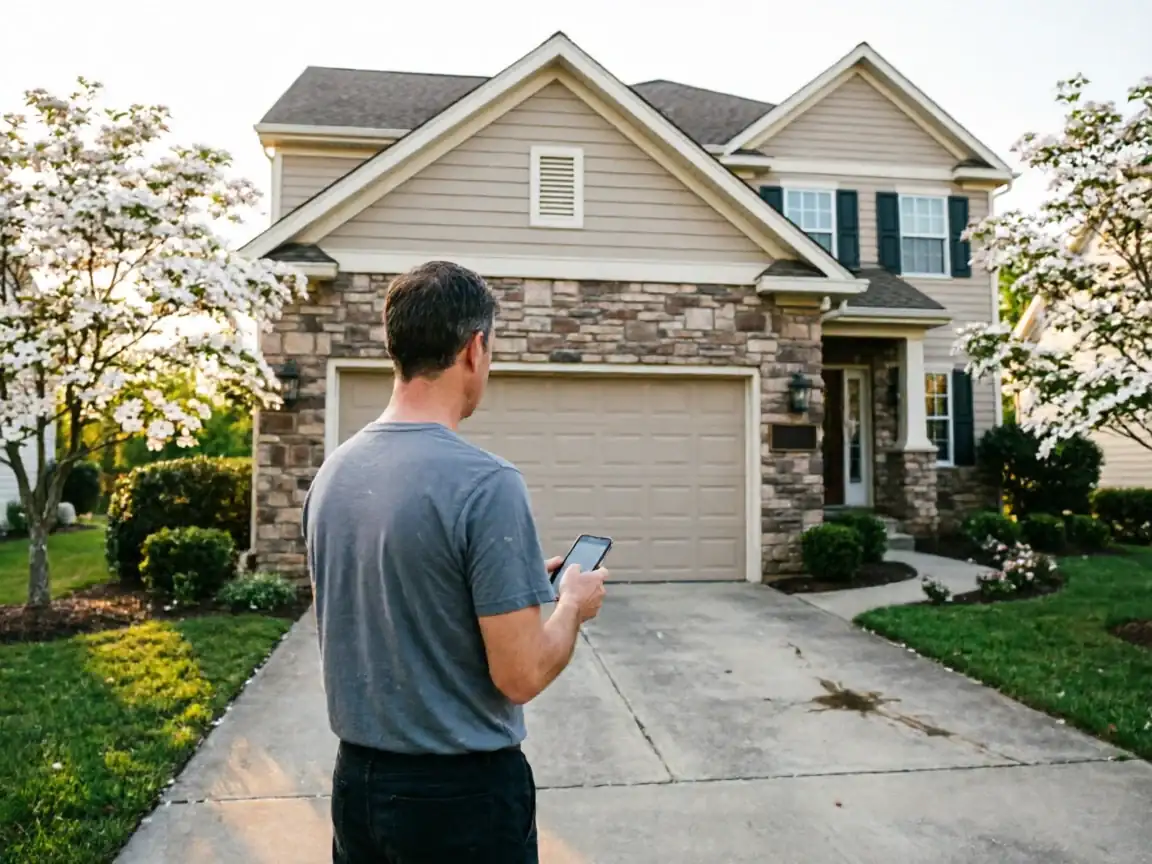
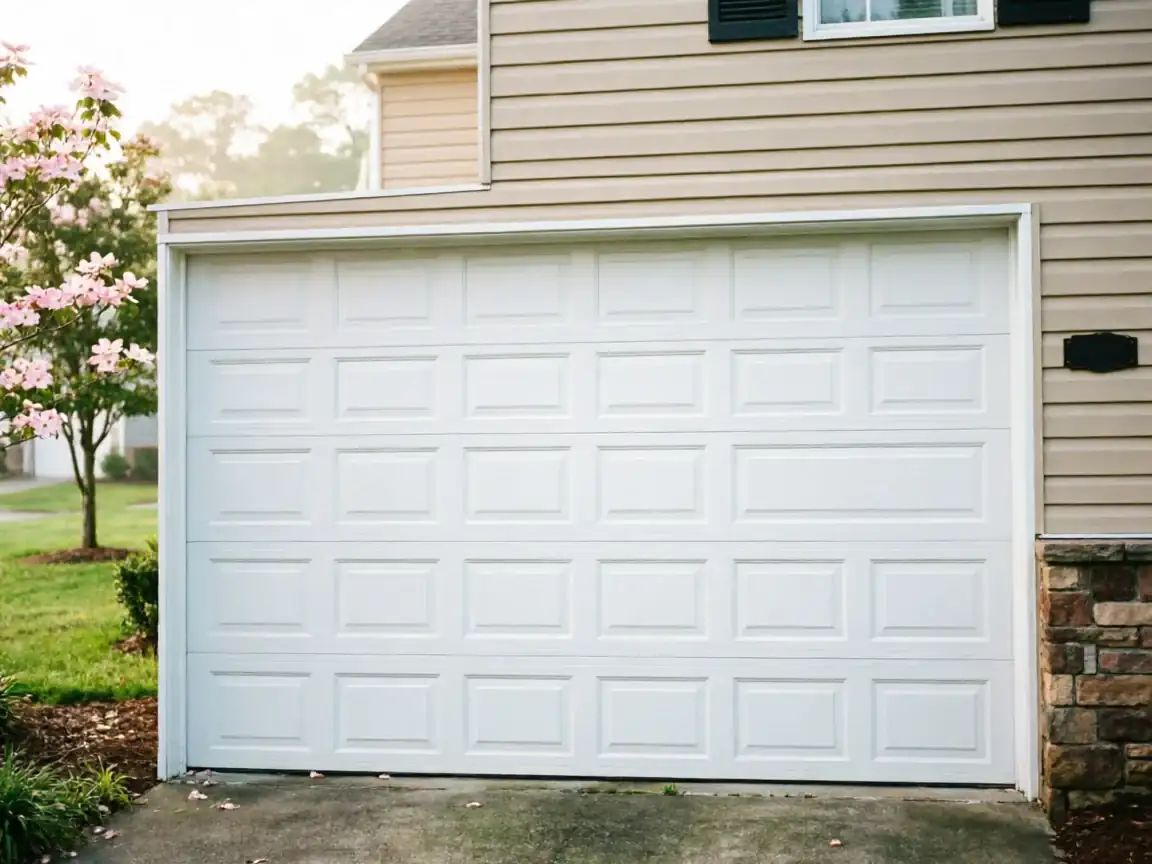
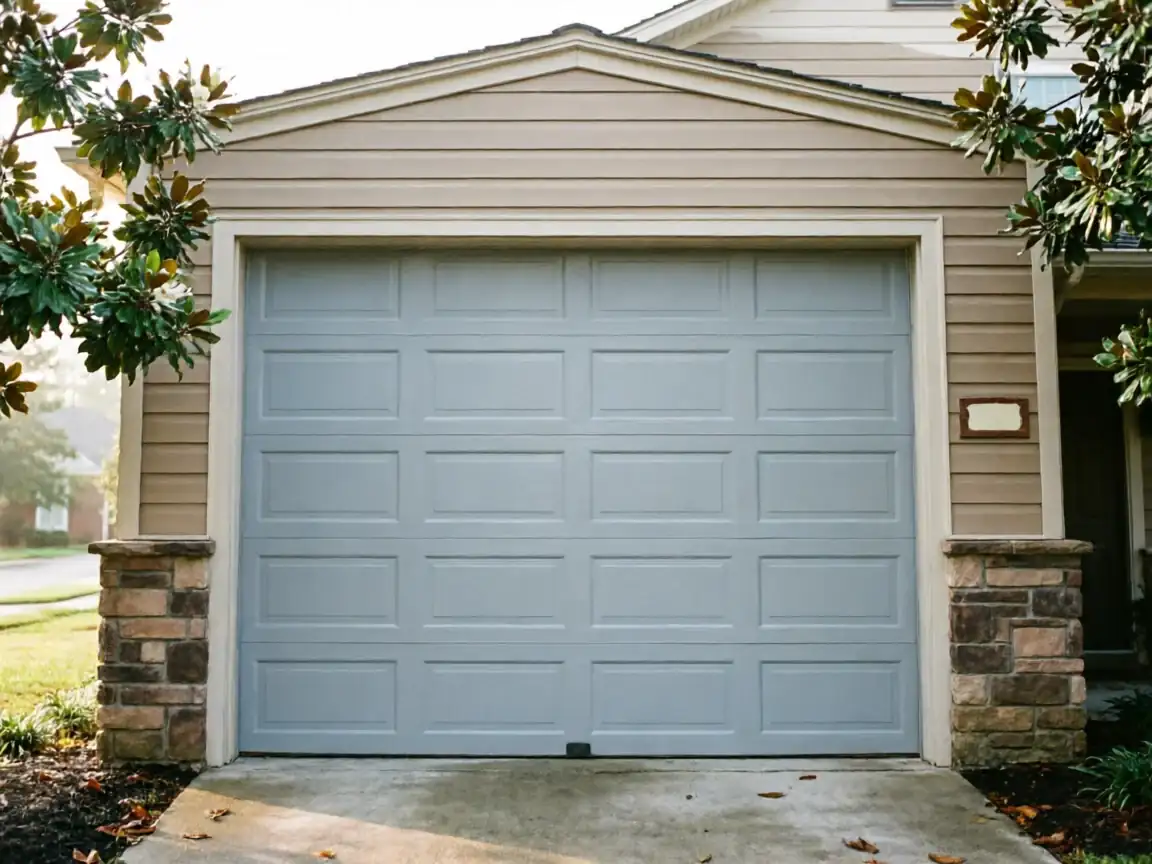
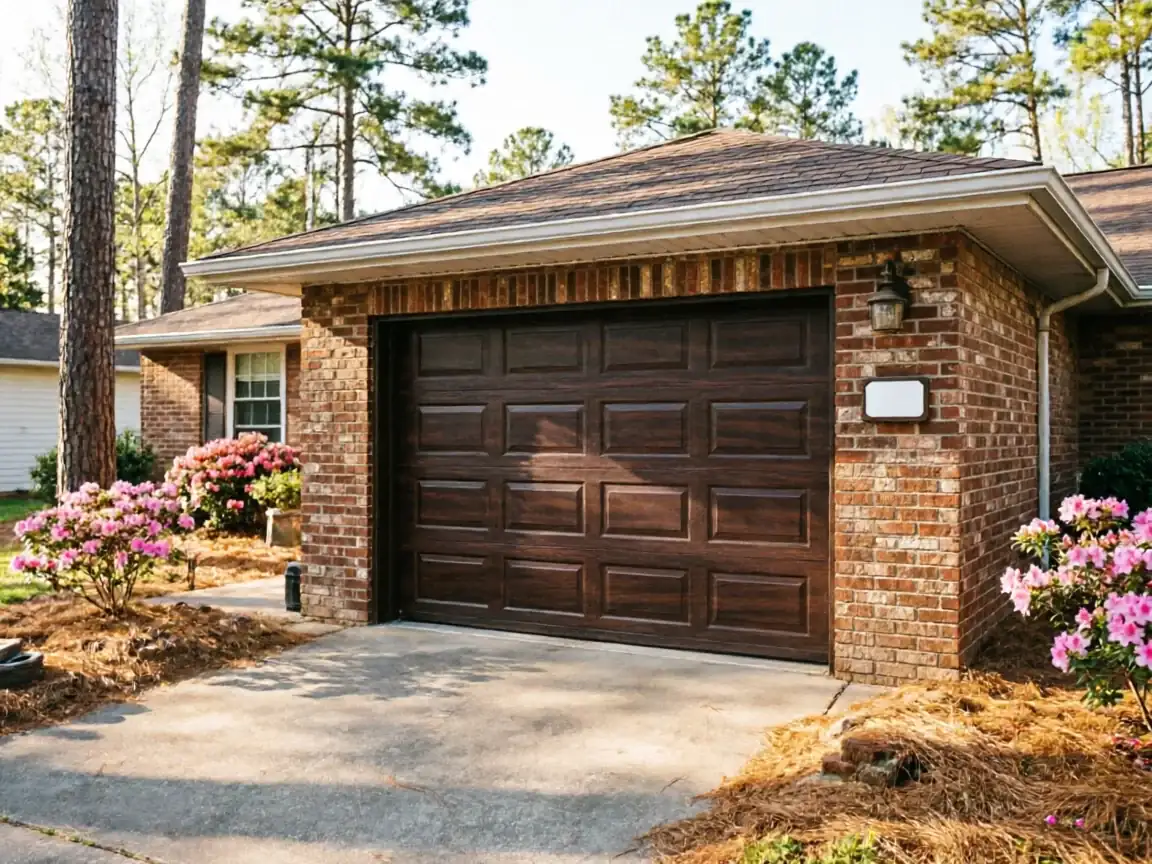
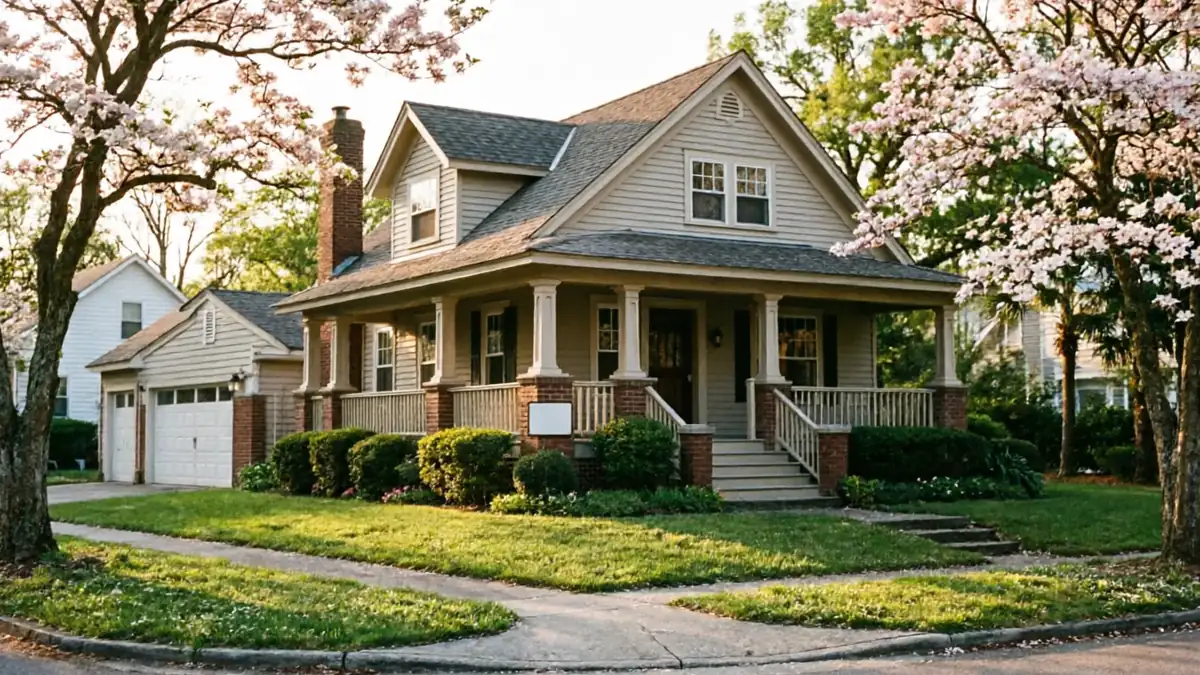
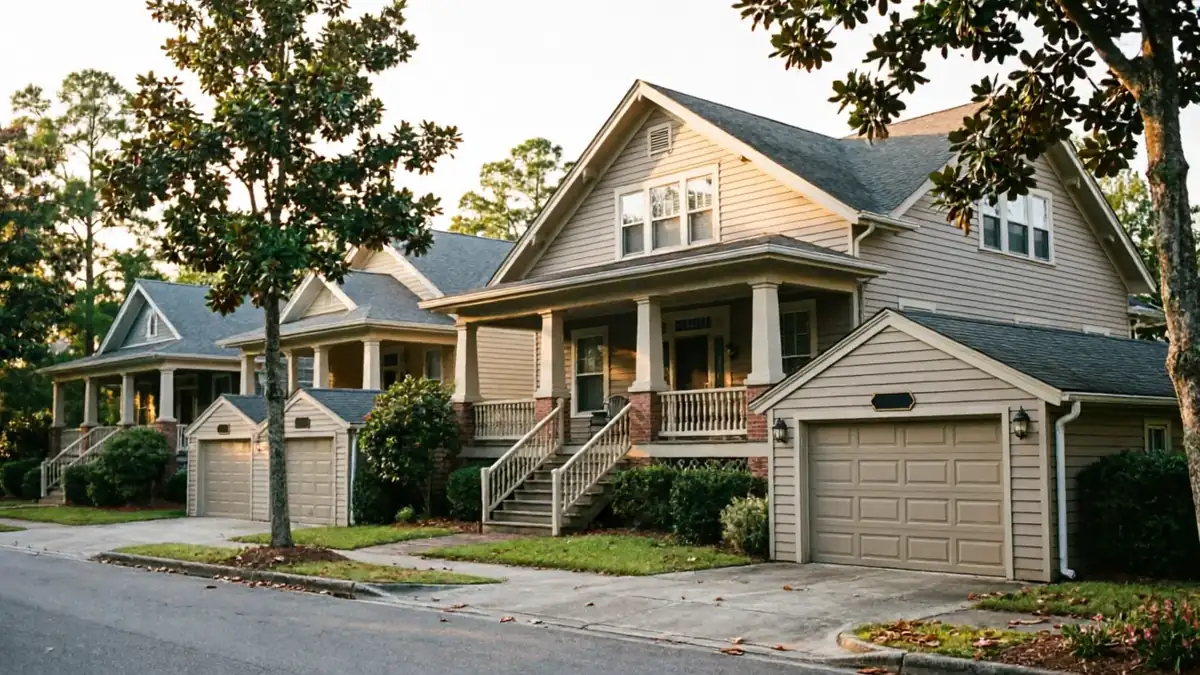
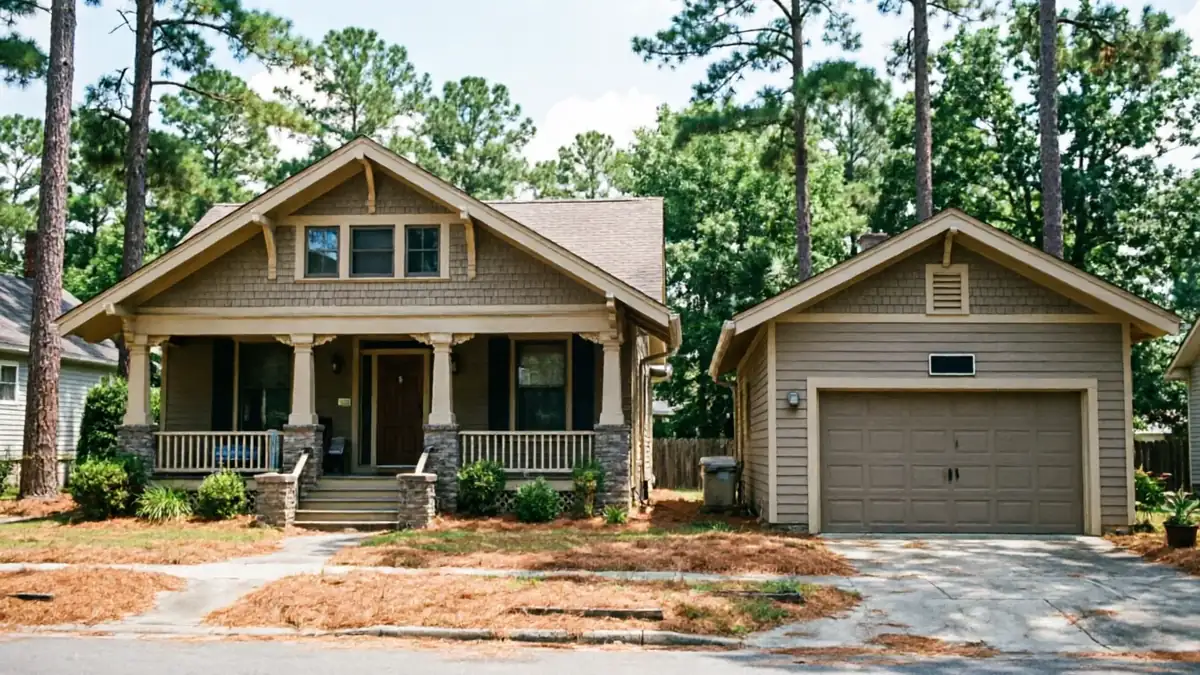
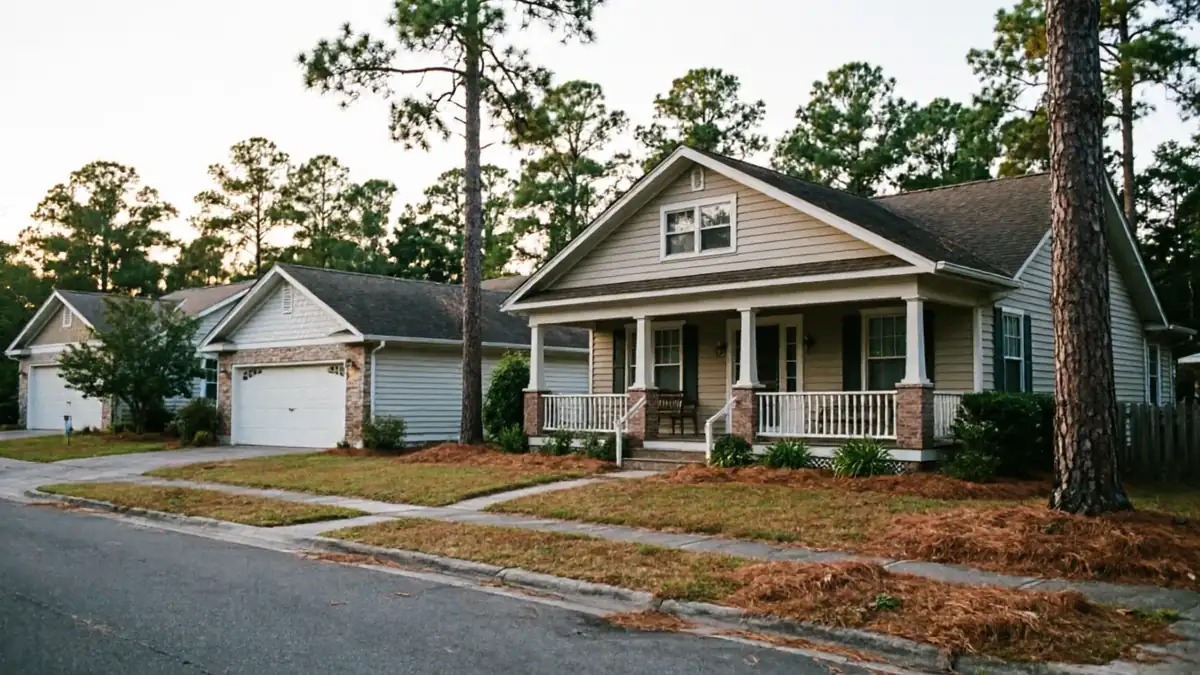
Walk a few blocks in Rose Hill and you'll notice the difference between a house built close to that 1967 median and one from a later wave of infill construction. Older streets tend to have single-car or narrow double garages with doors on the smaller end, often still running original hardware if nobody's touched it. Torsion conversions exist here, but plenty of these doors were never upgraded past their original extension-spring setup, which wears differently and fails with less warning.
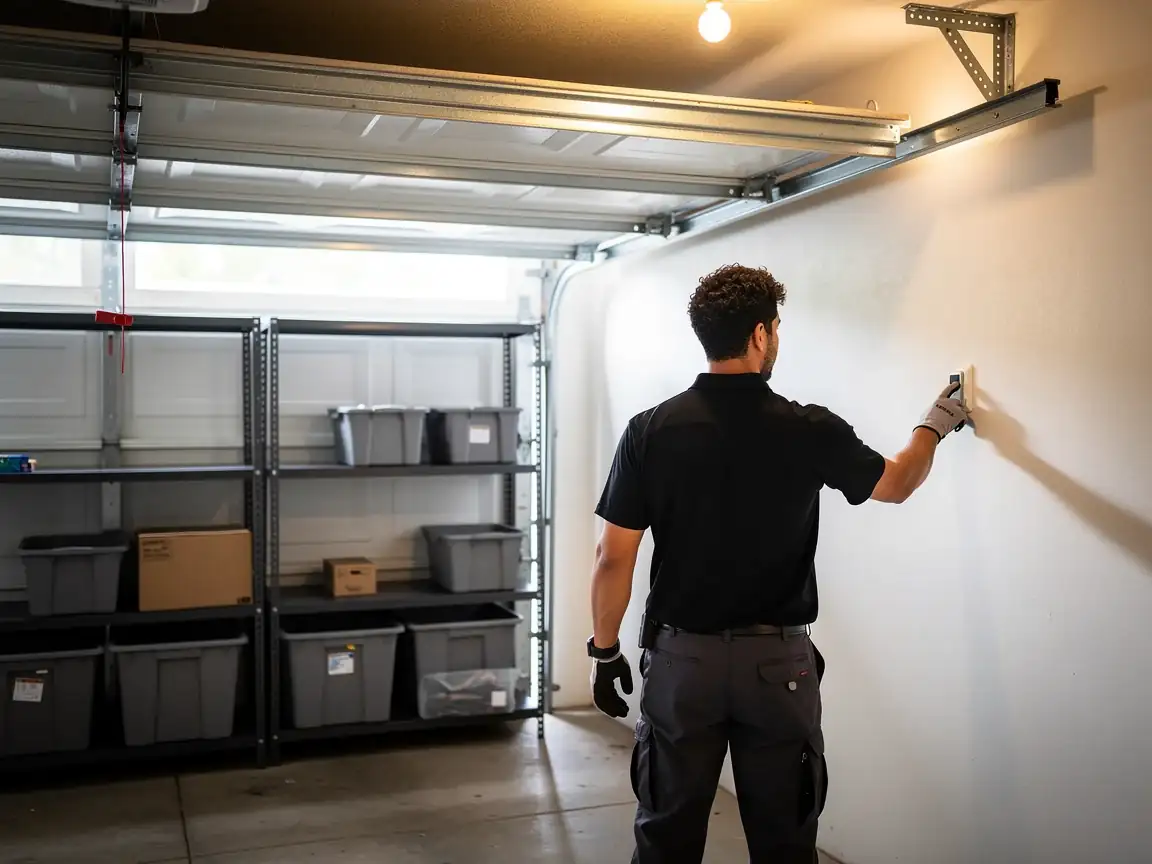
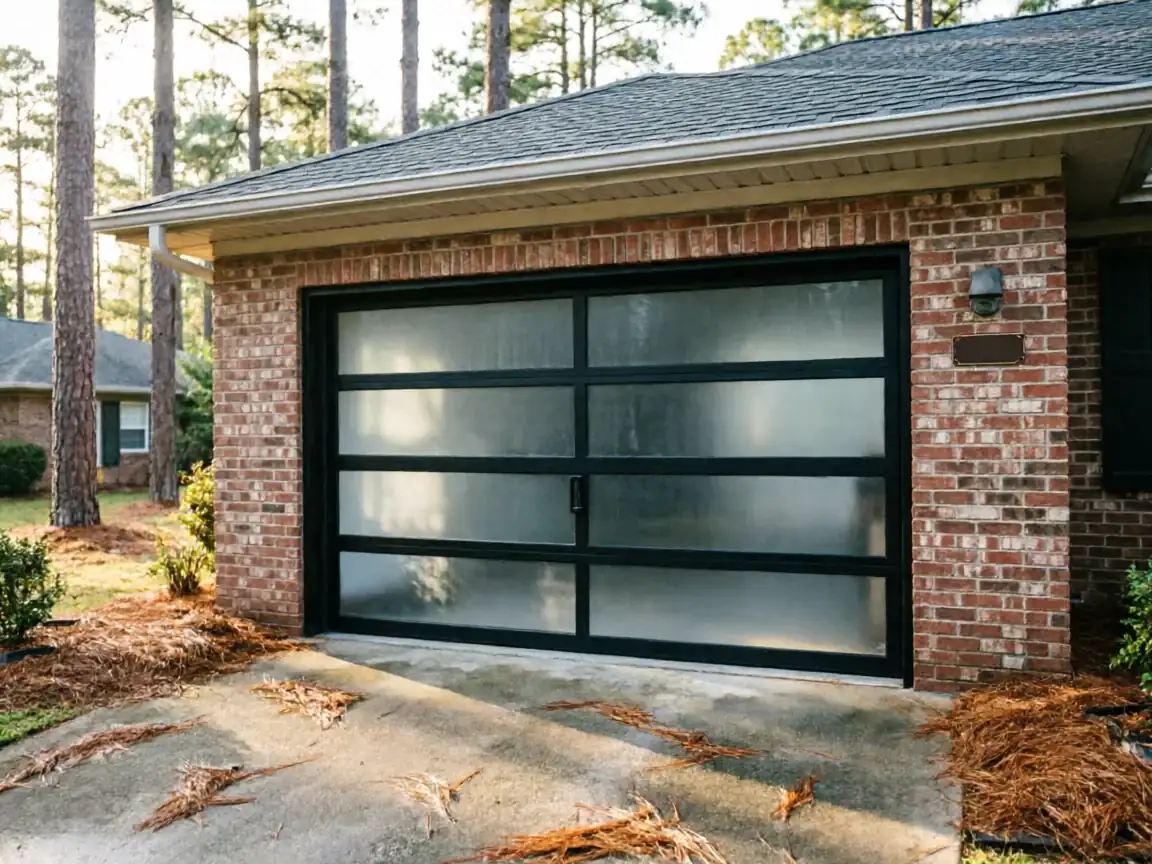
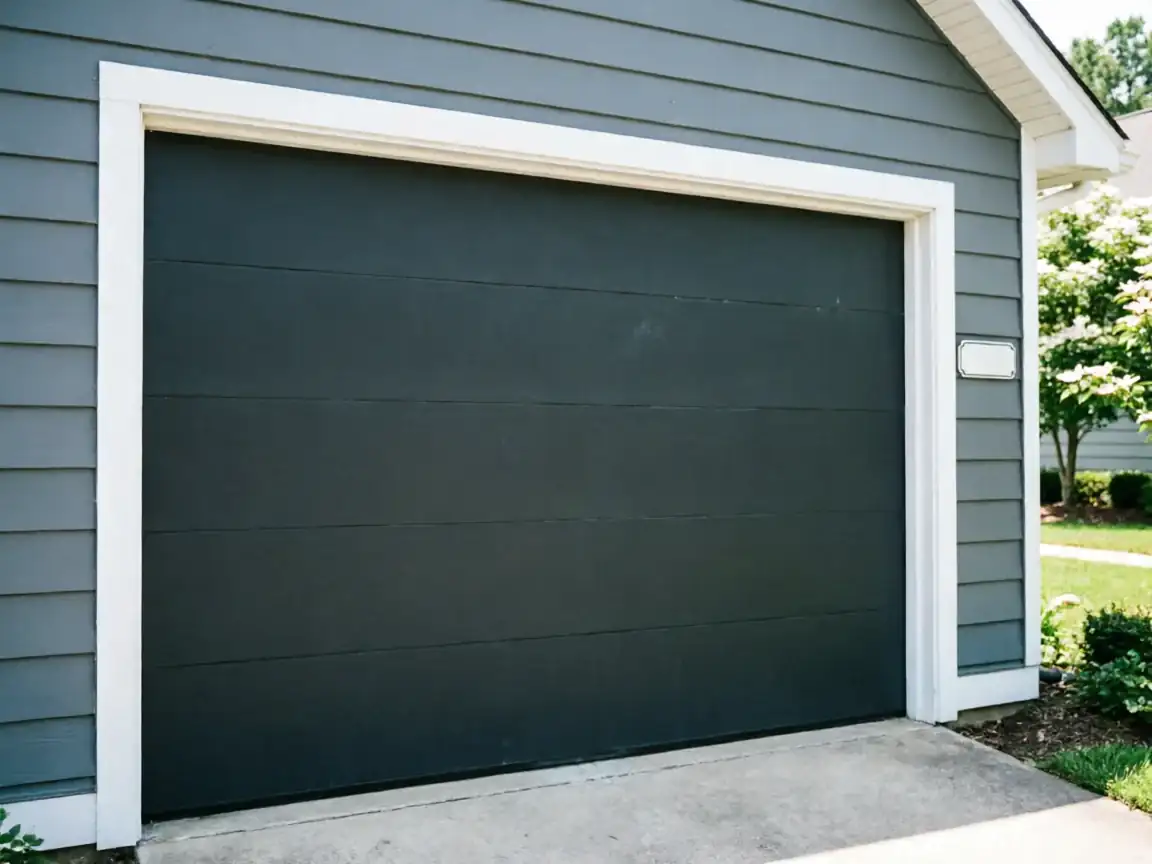
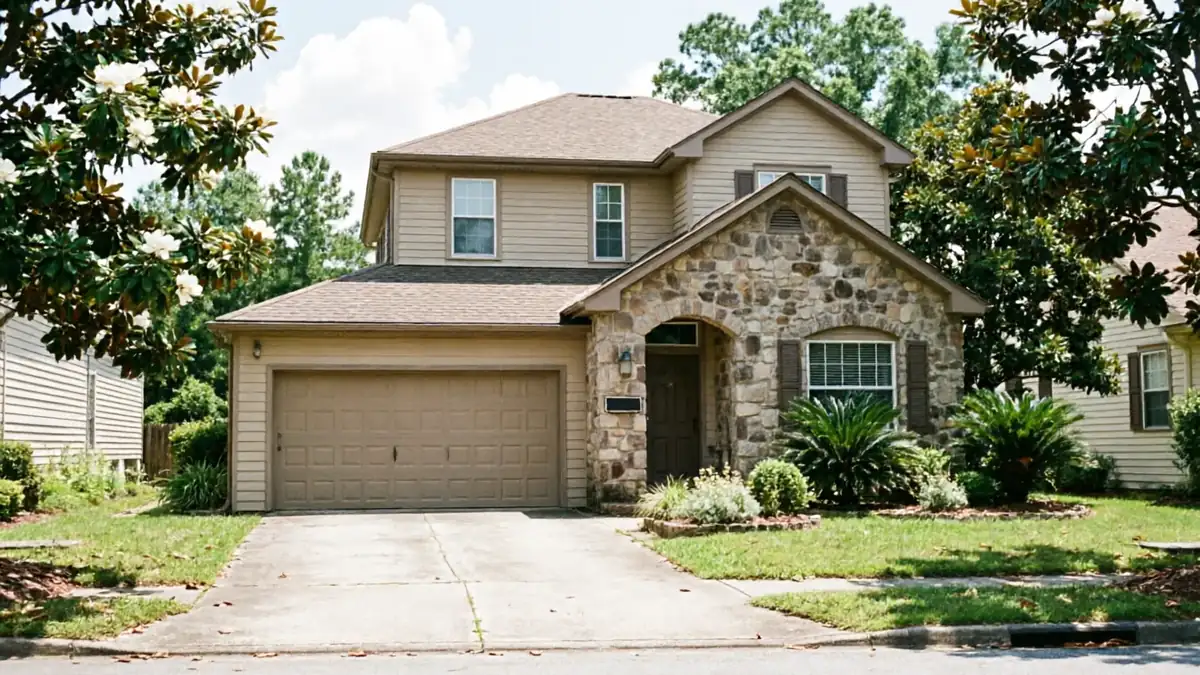
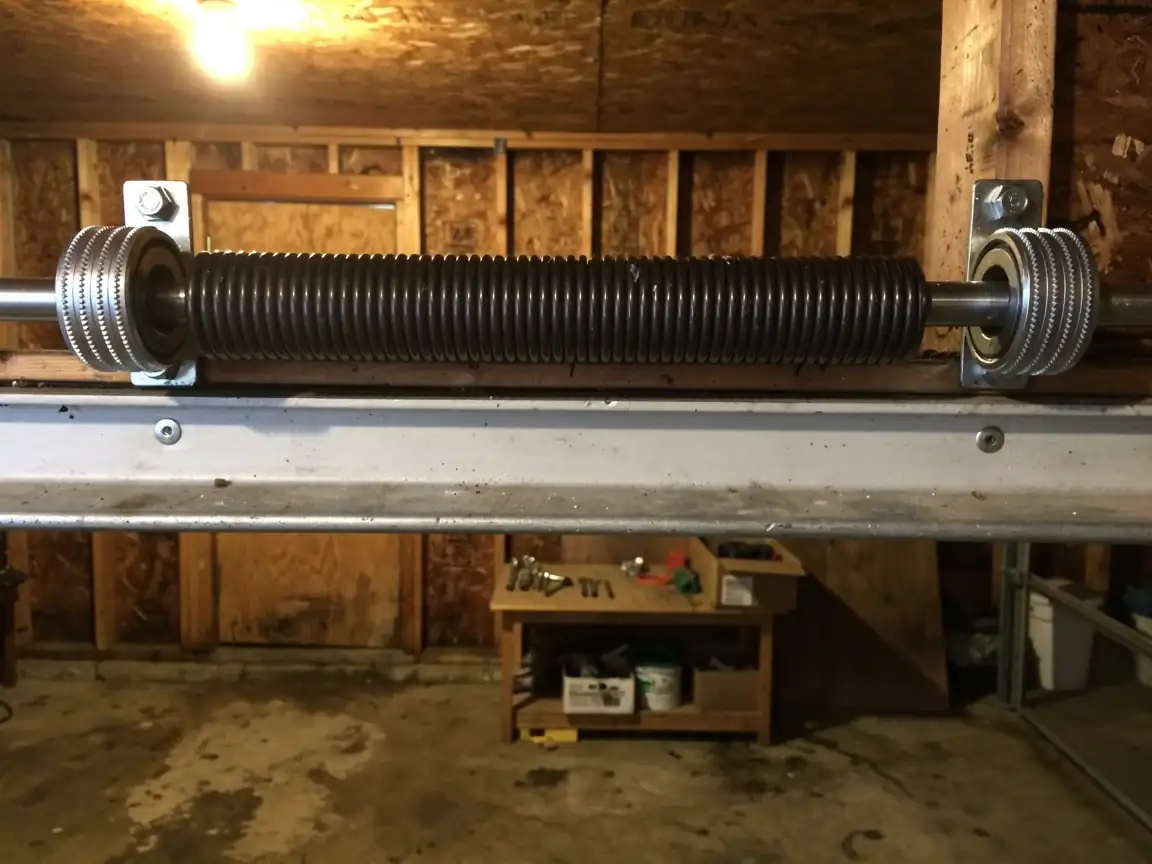
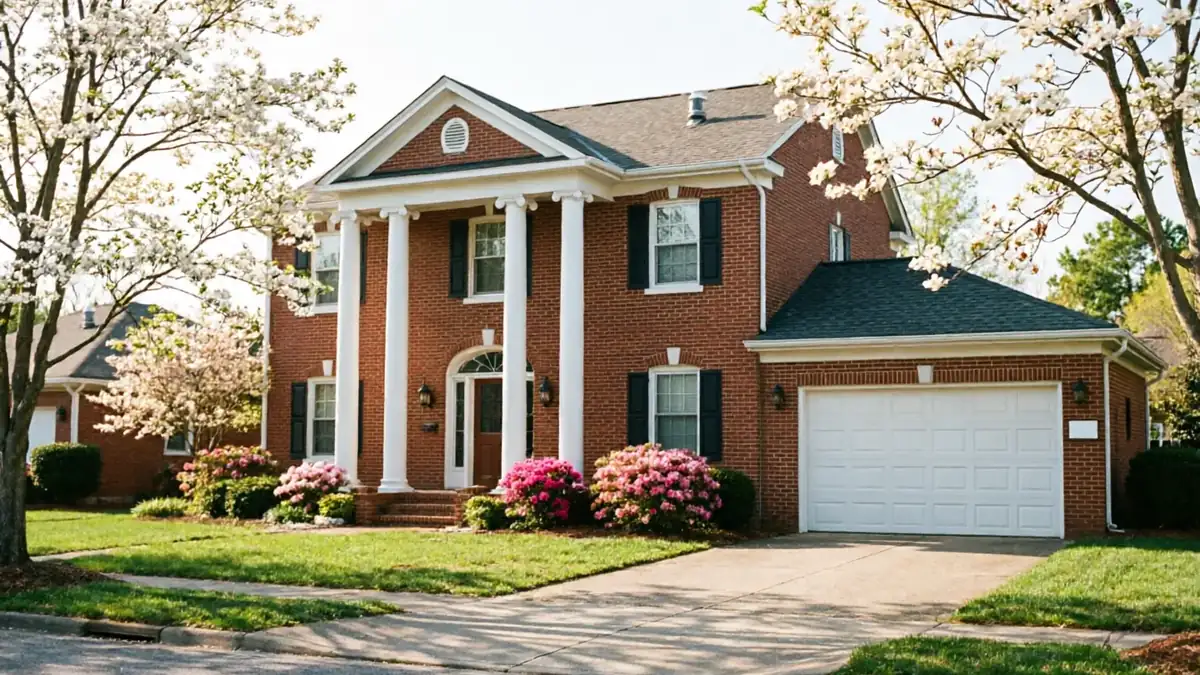
Newer construction nearby leans toward wider double-door openings with torsion springs mounted on a center bracket above the door, plus openers with safety sensors that didn't exist when the older stock went up. If you've had a sensor light blinking and you're not sure why, that's almost always a newer-build issue: dirt, misalignment, or sun glare on the eye, not a problem the older houses on this side even have. Knowing which category your house falls into saves a wasted trip quoting the wrong part.
What Was Built Here
With roughly 7,154 households in Rose Hill, this is a tight, established area rather than a sprawling subdivision
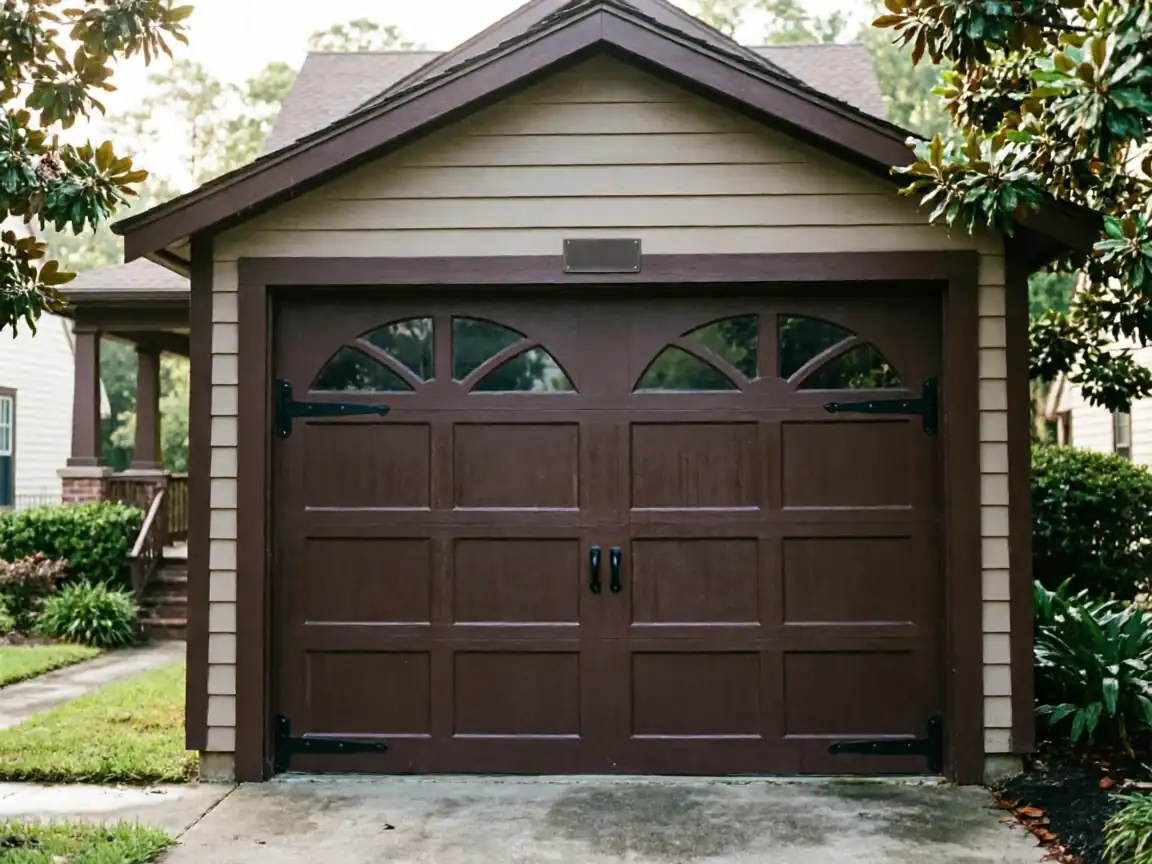
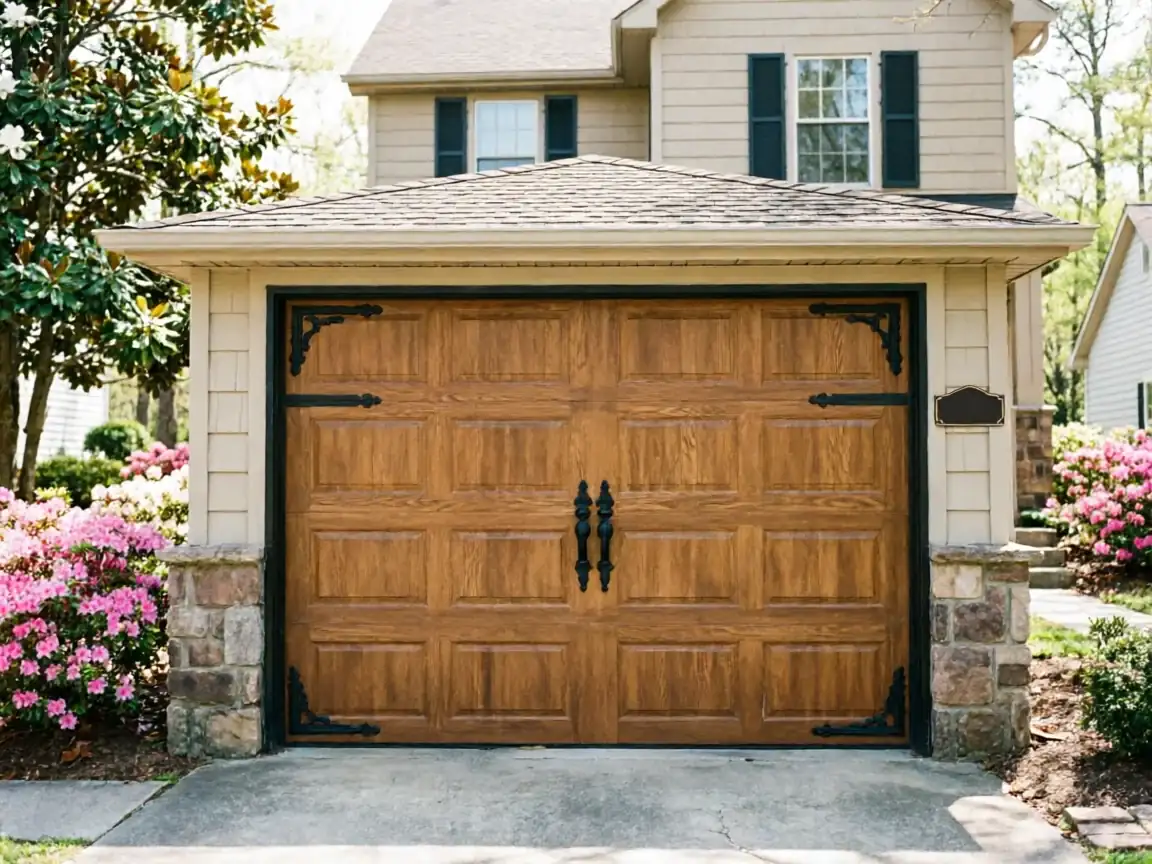
And the housing reflects that: modest footprints, attached garages built into the original floor plan rather than added later. The median household income here runs about $160,426, noticeably above the $143,796 figure for the wider service area, and we mention that because it tends to show up in what people choose when a door finally needs replacing rather than patching. Insulated steel doors with a wind load rating suited to the region's cold winters are a common upgrade request once an original 1960s door reaches the end of its run.
- 7,154 households
The climate here is squarely cold-weather territory
And that affects spring tension and lubricant choice more than most homeowners expect. A spring calibrated for a mild climate works harder and fails sooner once temperatures swing hard in January. We size replacement springs for what the hardware actually faces here, not a generic cycle count pulled from a catalog.