What You Are Seeing
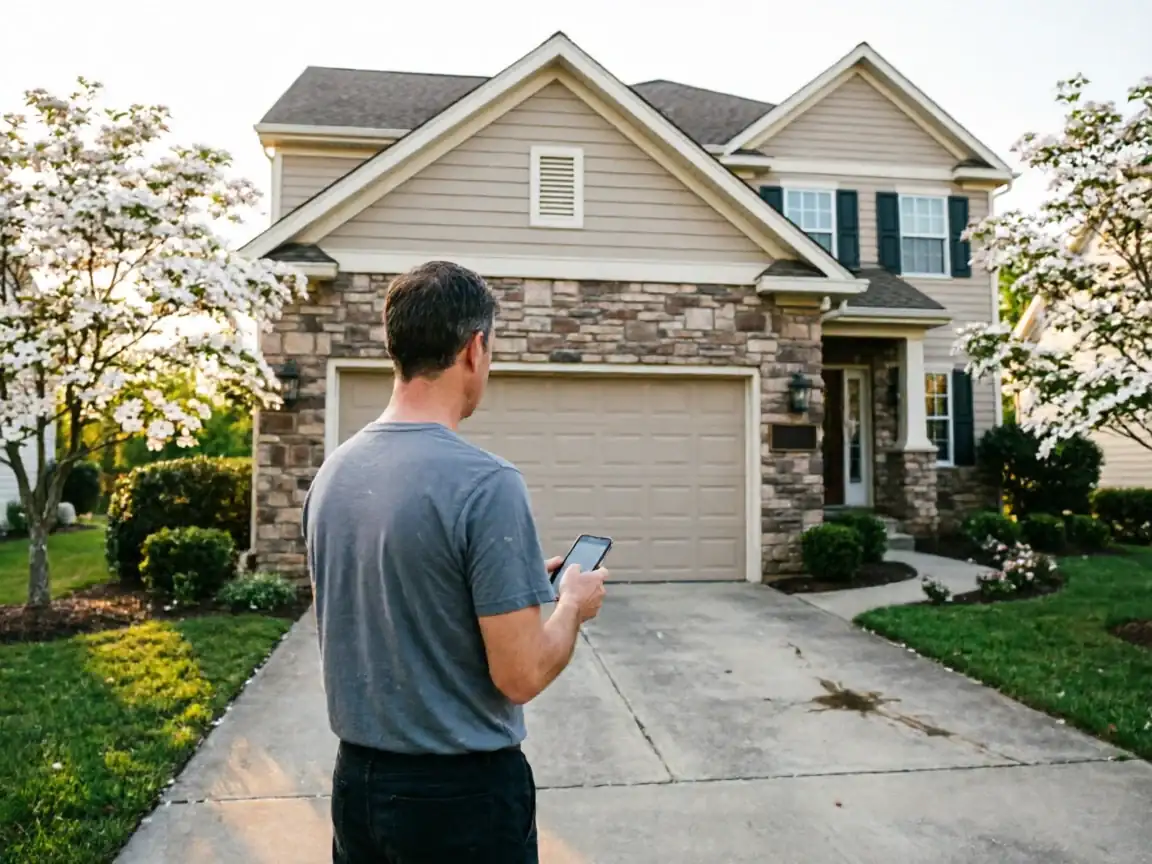
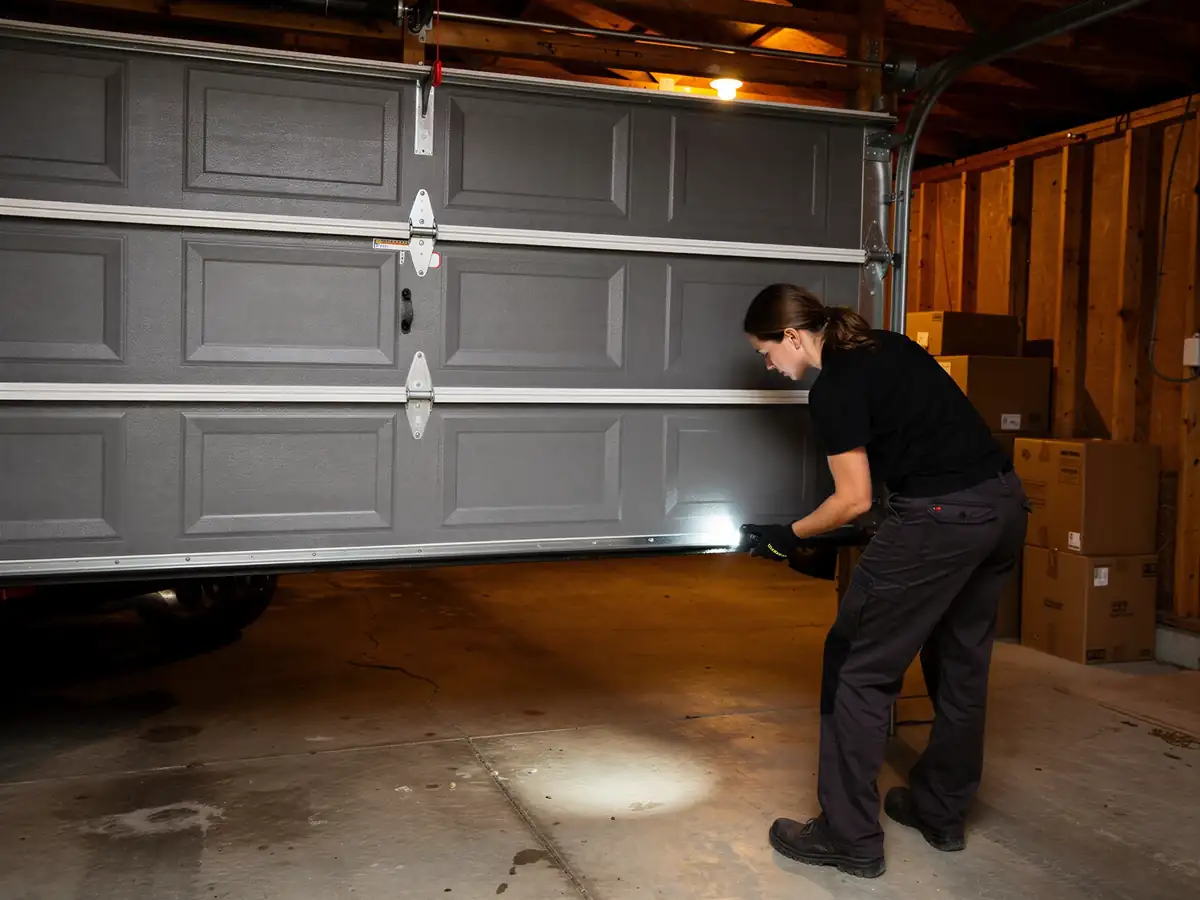
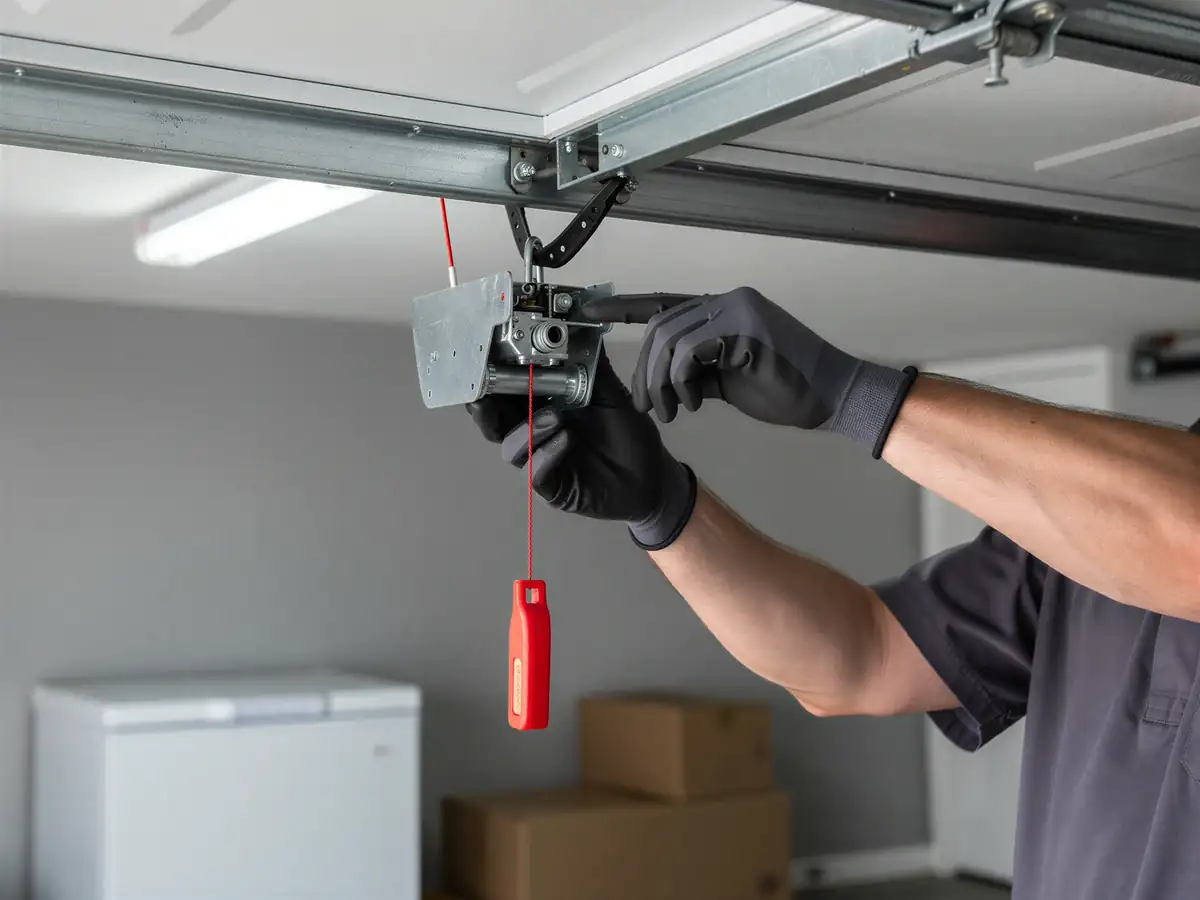
The complaint we hear most is the door starting to lift, hesitating, then reversing back down on its own - that's the opener's force sensor telling it the load is too heavy and bailing out before it burns the motor. Some owners hear a grinding or straining sound at the start of the lift, then nothing, like the gears have given up. Others notice the remote still clicks the light on but the door just hums without moving - a sign the drive gear or belt has stripped. In older homes with original chain-drive units, you'll sometimes get a loud bang partway through the cycle; that's usually the chain jumping a worn sprocket. In colder months specifically, we get calls about openers that work fine by afternoon but won't respond first thing in the morning - that's a cold-soaked circuit board or a battery backup that's lost capacity overnight and can't supply the surge current needed to start the motor. None of these are safety issues on their own, but a door that reverses under load or hangs halfway open is a door that can come down unexpectedly if the failure gets worse, which is why we don't recommend waiting once you see it happen twice.
The Complications
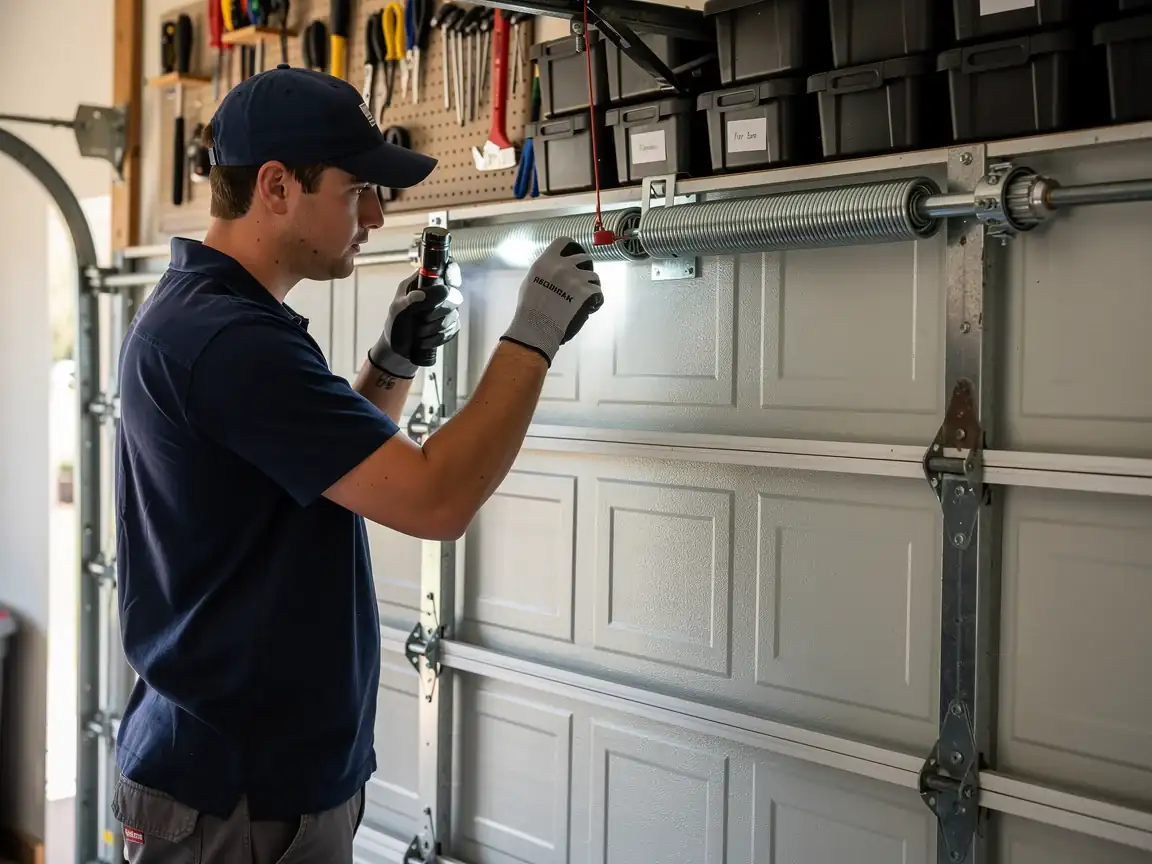
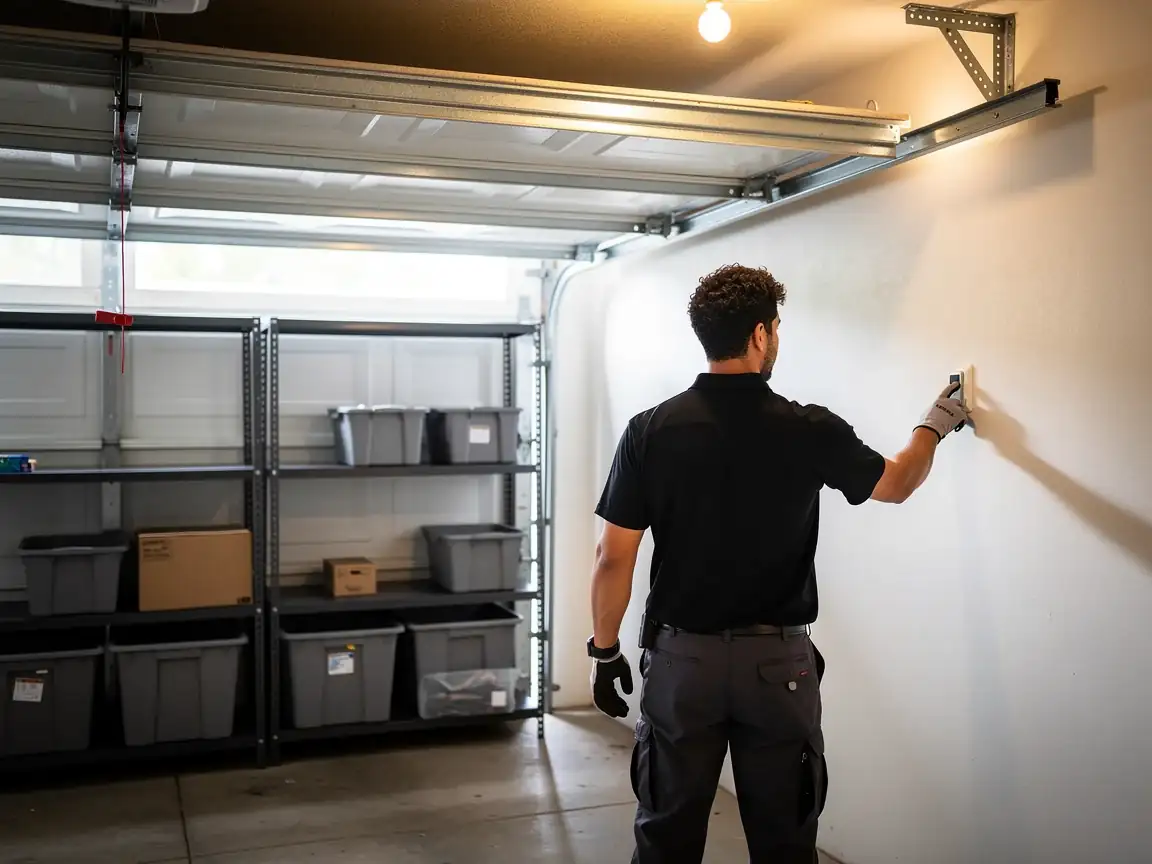
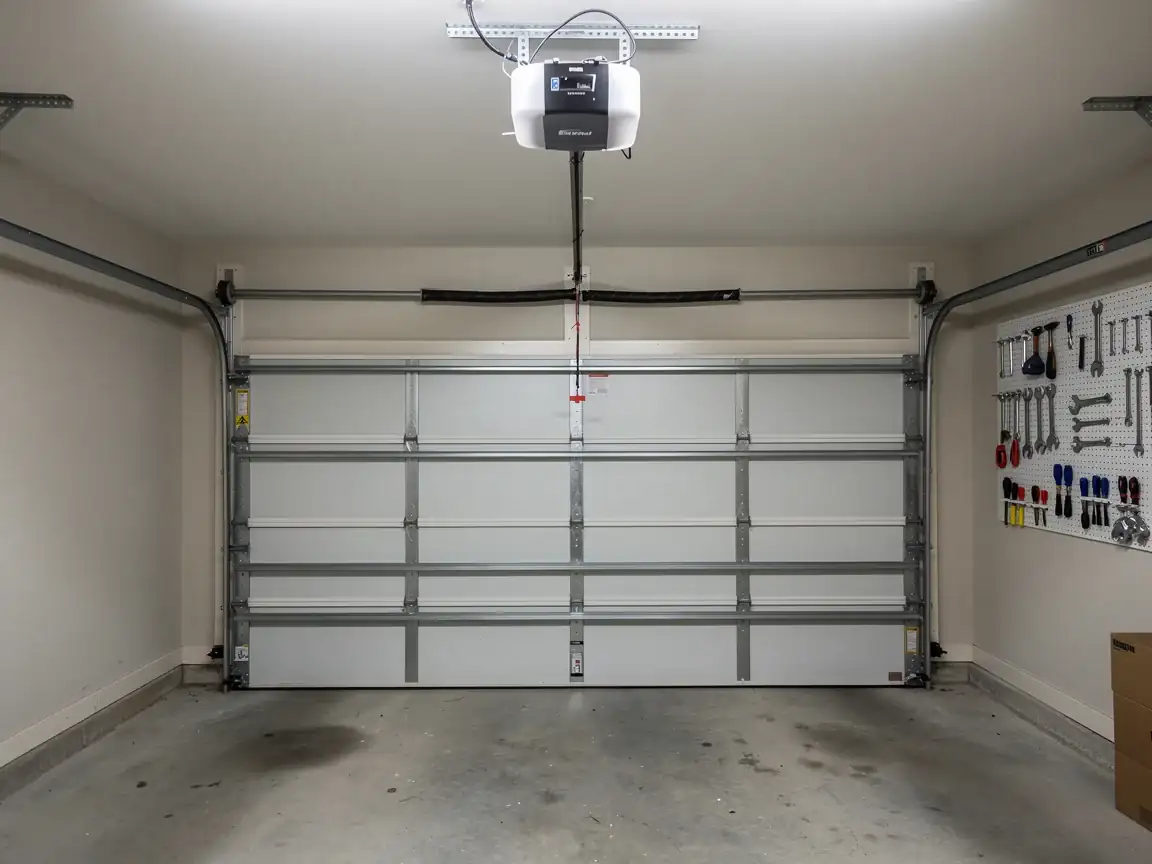
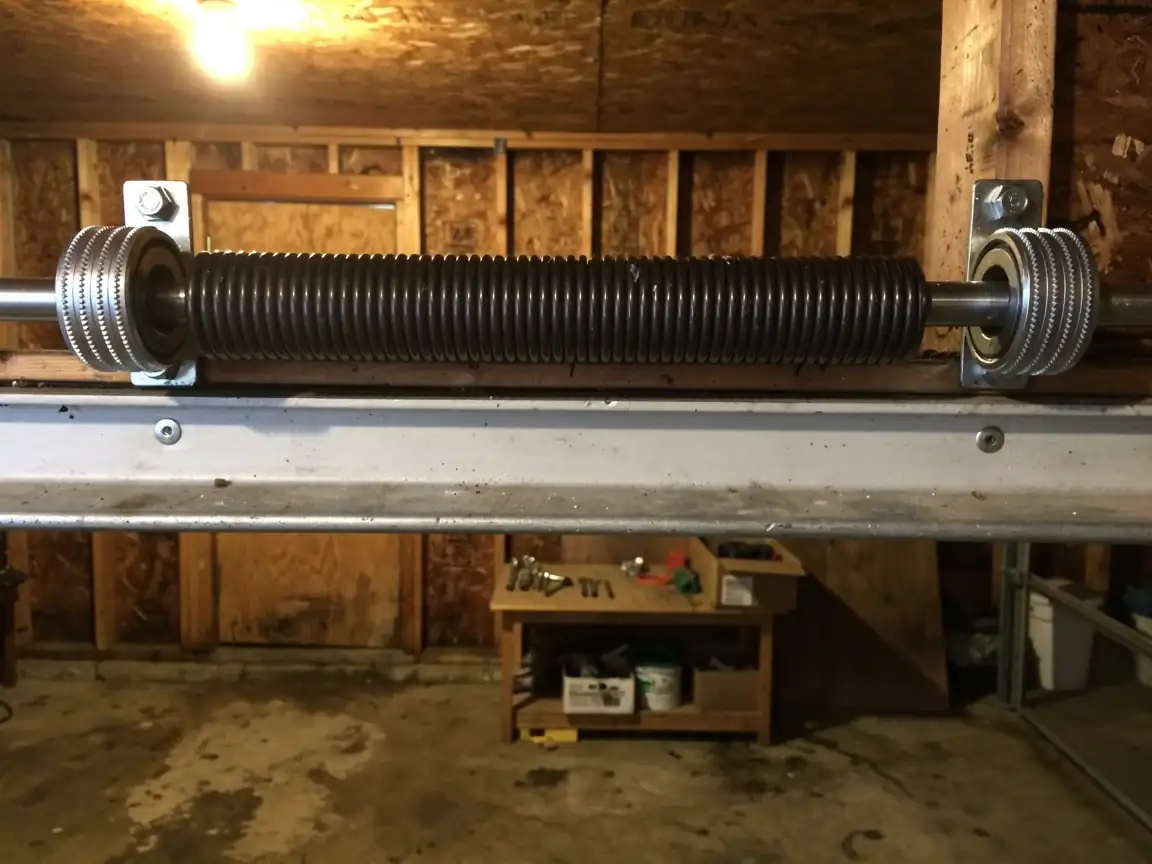
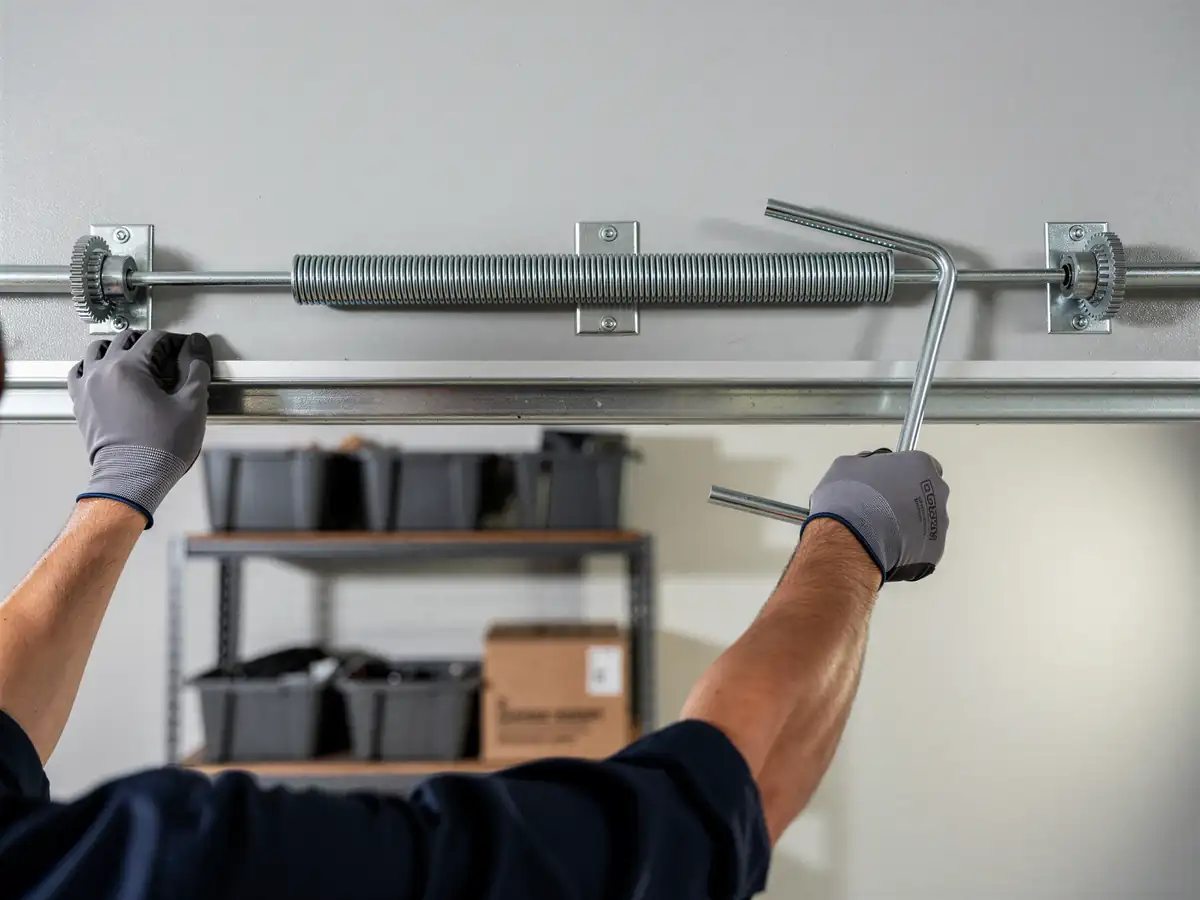
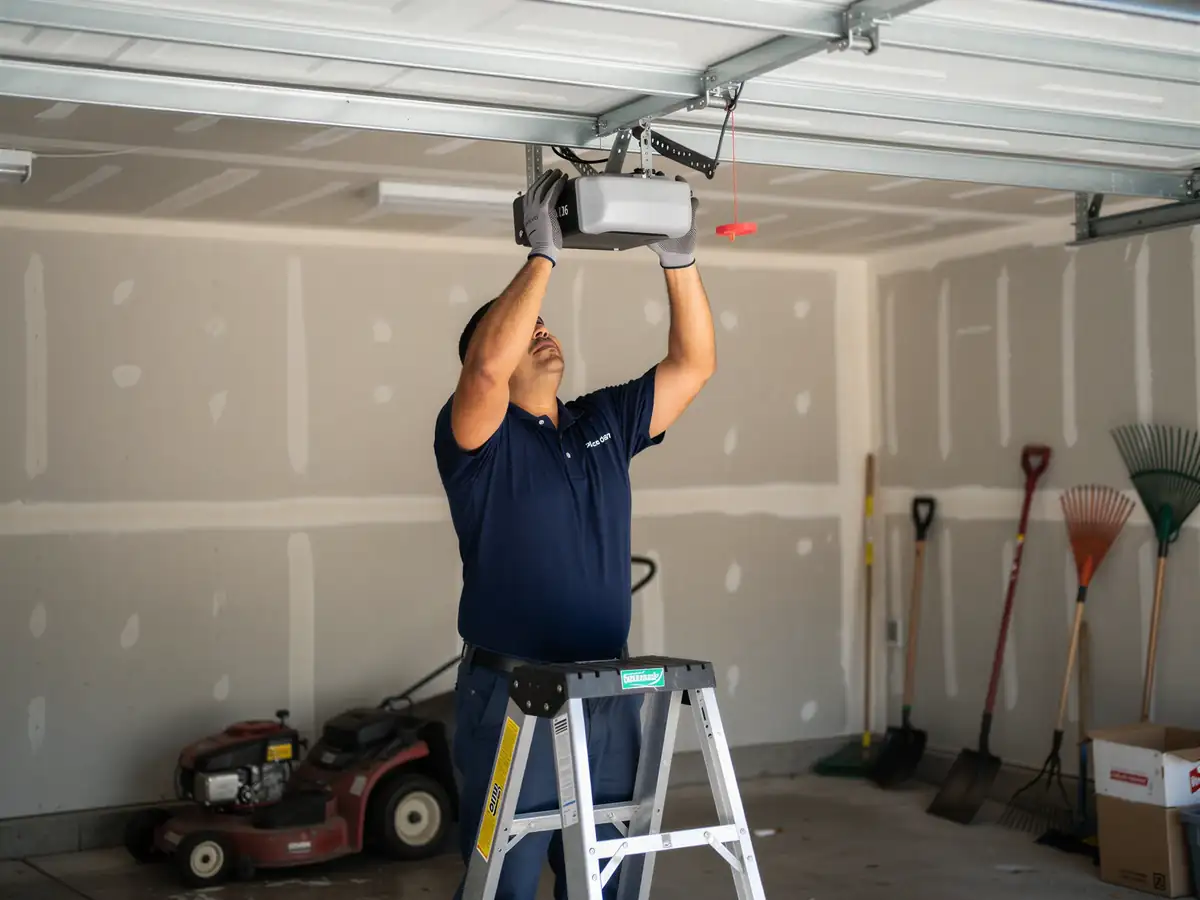
Matching a new opener to an old house isn't always a drop-in swap. Houses from the 1960s and '70s stock common here often have shallower headroom above the door or non-standard track mounting from decades of prior repairs, which limits which opener models will physically fit without bracket work. If the door itself was upgraded to a heavier insulated panel at some point but the track and springs weren't rebalanced to match, a new opener will mask the real problem for a while and then fail the same way the old one did. Cold-climate households also need to think about battery backup and cold-rated lubricant in the drive system - a unit rated for a mild climate will stiffen up and strain in a severe winter here even if it's brand new. And wiring is its own issue: many of these homes still run opener power off an outlet wired decades before smart openers and Wi-Fi modules existed, which sometimes means an added circuit or surge protection before the new unit goes in. We'll tell you up front if your situation needs more than a straight swap - we'd rather quote the real job than install something that fails again in a year.