Can You Do This Yourself
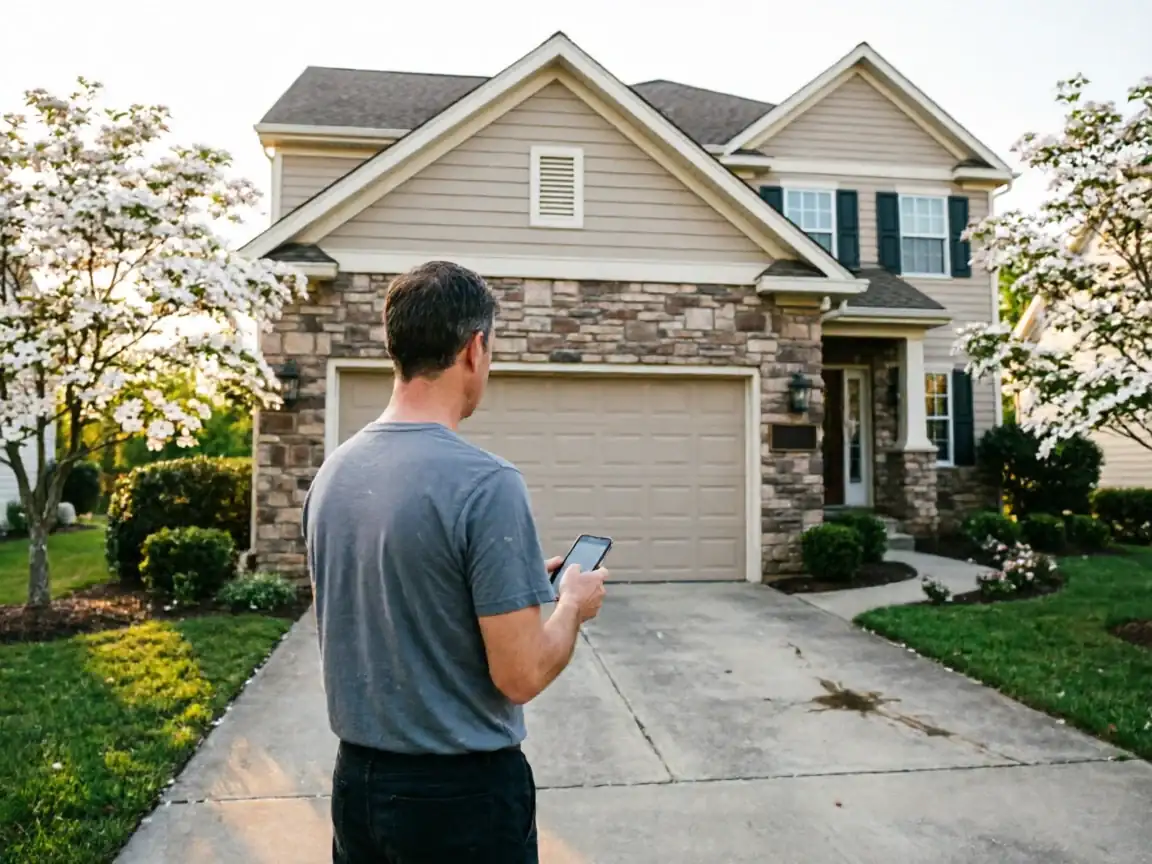
Great Falls carries a median household income of $250,001
Well above the $143,796 median across our whole coverage area. That number matters here because it changes the math on DIY. A big-box opener kit runs a few hundred dollars and a Saturday afternoon if everything in the garage is standard. At this income level, most owners we talk to aren't trying to save the labor cost - they're trying to avoid a second trip when the first one goes wrong.
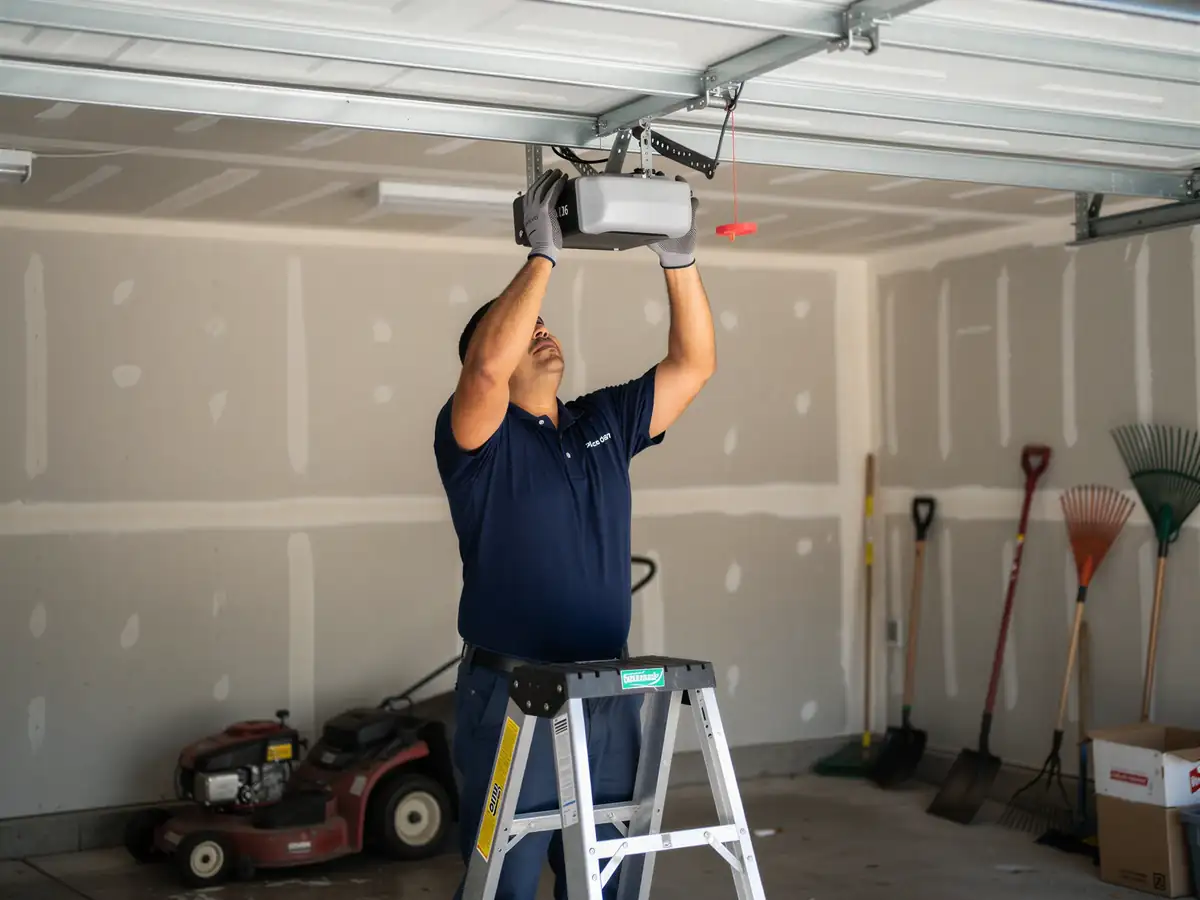
A straight swap, same rail length, same mounting points, same bracket spacing, is doable for someone comfortable on a ladder
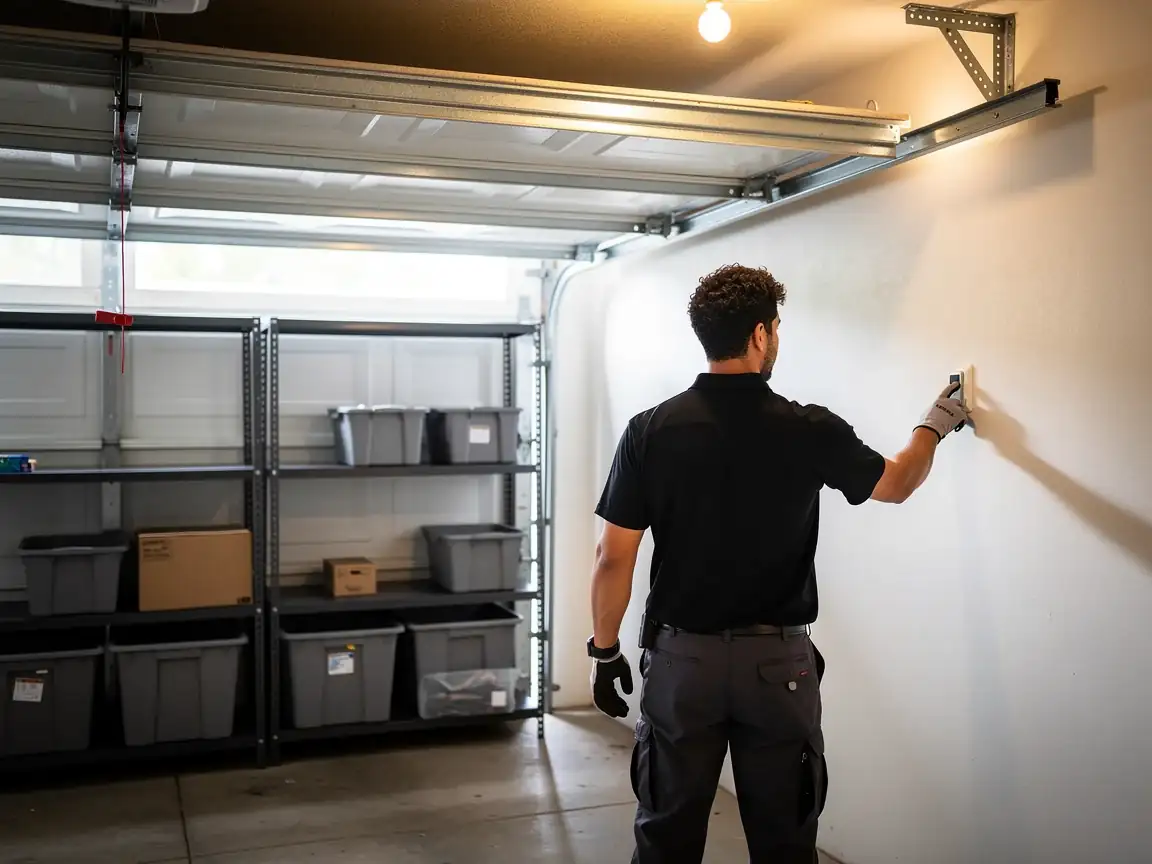
Where it stops being a weekend project is anything involving the circuit board's safety reversal sensors, a wall control that also runs exterior lighting, or a bracket that doesn't match because the house was built later than the kit's instructions assume. We'd rather tell you that up front than let you find it out with the door half down.
The honest limitation
If your opener is tied into a home automation panel or a smart-home hub, we install the opener itself but we don't troubleshoot third-party integration software. That's a call to whoever set up the system.
Time on the Job
Houses in Great Falls carry a median build year of 1985, newer than the 1960s-70s stock that makes up most of the areas we cover. That gap shows up directly in how long an opener install takes. Older framing in the rest of our territory often means we're re-drilling headers or shimming a bent track bracket before the opener even goes up. A 1985-era garage, built to a more current code at the time, usually gives us a square header and a rail path that lines up the way the manual says it should.
That doesn't mean every job is fast. Ceiling height, a finished garage interior, or a door that was replaced more recently than the opener can still add time. But as a rule, the newer the framing, the less time we spend fighting the house instead of installing the opener. We quote the job after a look at your setup, not off a national average.
What You Are Seeing
We work this area under a cold, severe climate band, the same as the rest of our coverage. In a garage, that means temperature swings strain the opener's logic board and the drive gear more than they strain the door itself. A chain-drive opener that's fine in a heated garage can stiffen and grind in an unheated one once the mercury drops, especially if the unit is more than a decade old.
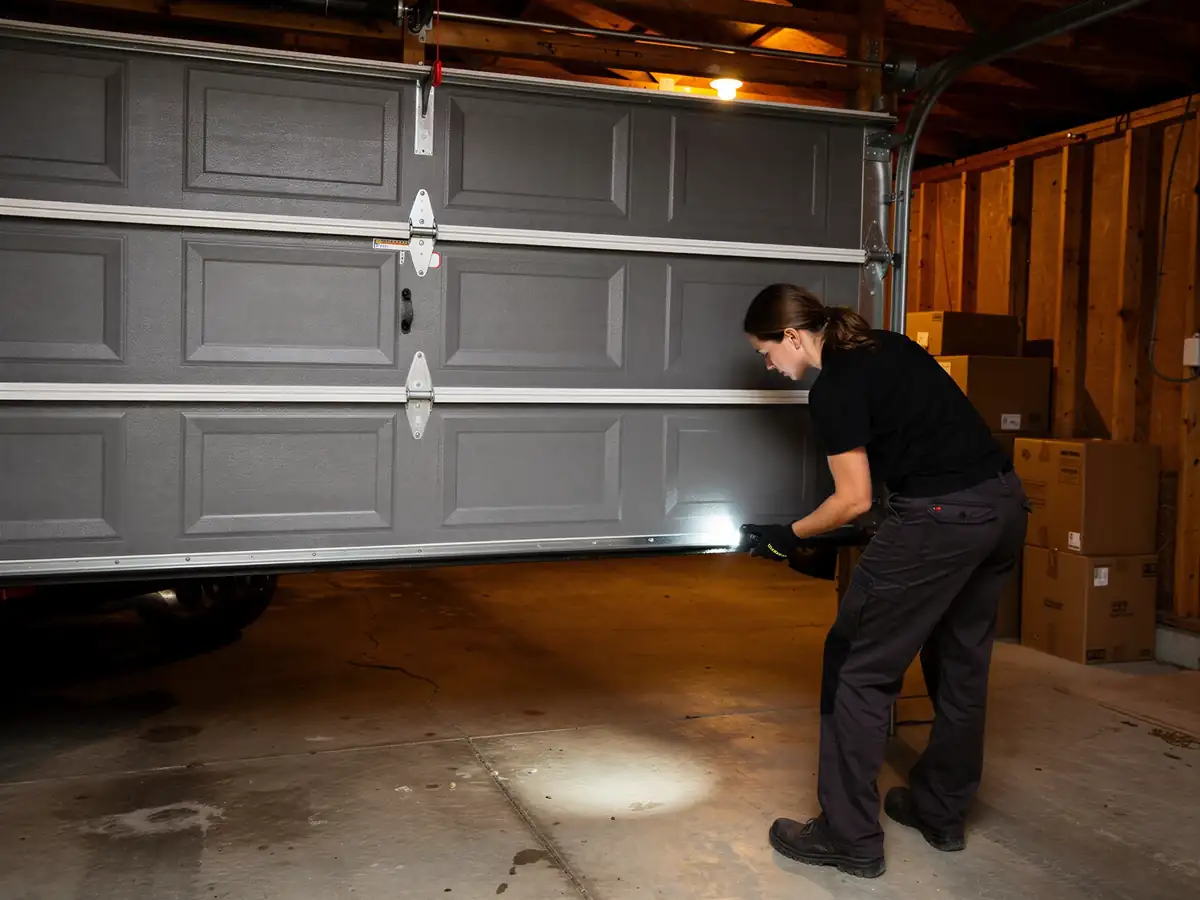
What we usually get called out for in this kind of weather isn't total failure - it's intermittent failure. The opener runs on the second or third try, or it reverses partway and stops. That pattern points to a sensor alignment shifted by temperature contraction in the bracket, or a drive gear worn enough that cold makes the slack obvious. Neither is a sign you need a new door. It's a sign the opener itself is reaching the end of its service life and running on borrowed time through the winter.
Booking a Visit
We're based in Fairfax
And Great Falls sits about 11 miles out - far enough that we schedule the drive into the appointment window rather than treat it as a same-area stop. When you call, tell us the opener's rough age if you know it and whether it's chain, belt, or screw drive. That lets us bring the right rail length and mounting hardware instead of guessing from a photo.
- 11 miles
We don't keep a branch or drop box in Great Falls itself
Everything runs out of Fairfax, including the truck stock. That's worth knowing if you're hoping for a walk-in same-morning fix; we plan the route, we don't just show up. See our coverage page for how we handle the surrounding towns on the same run.
How We Fix It
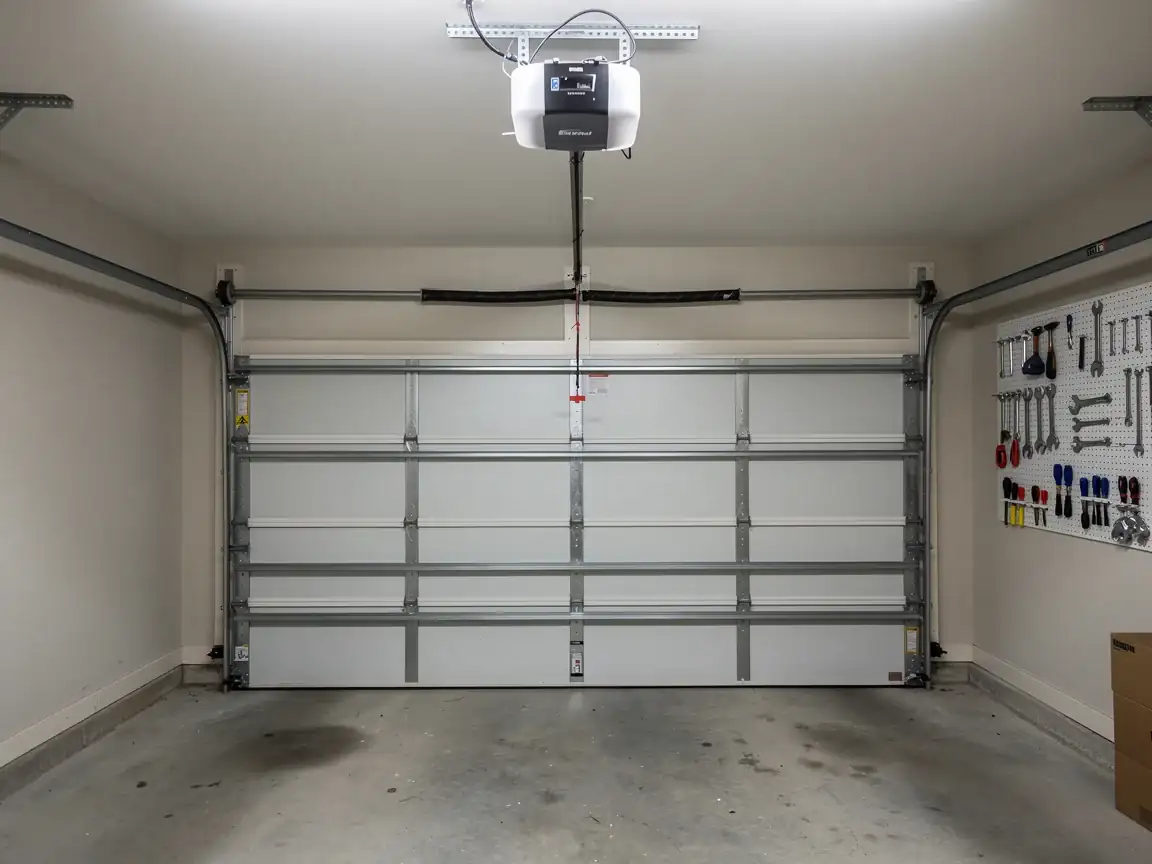
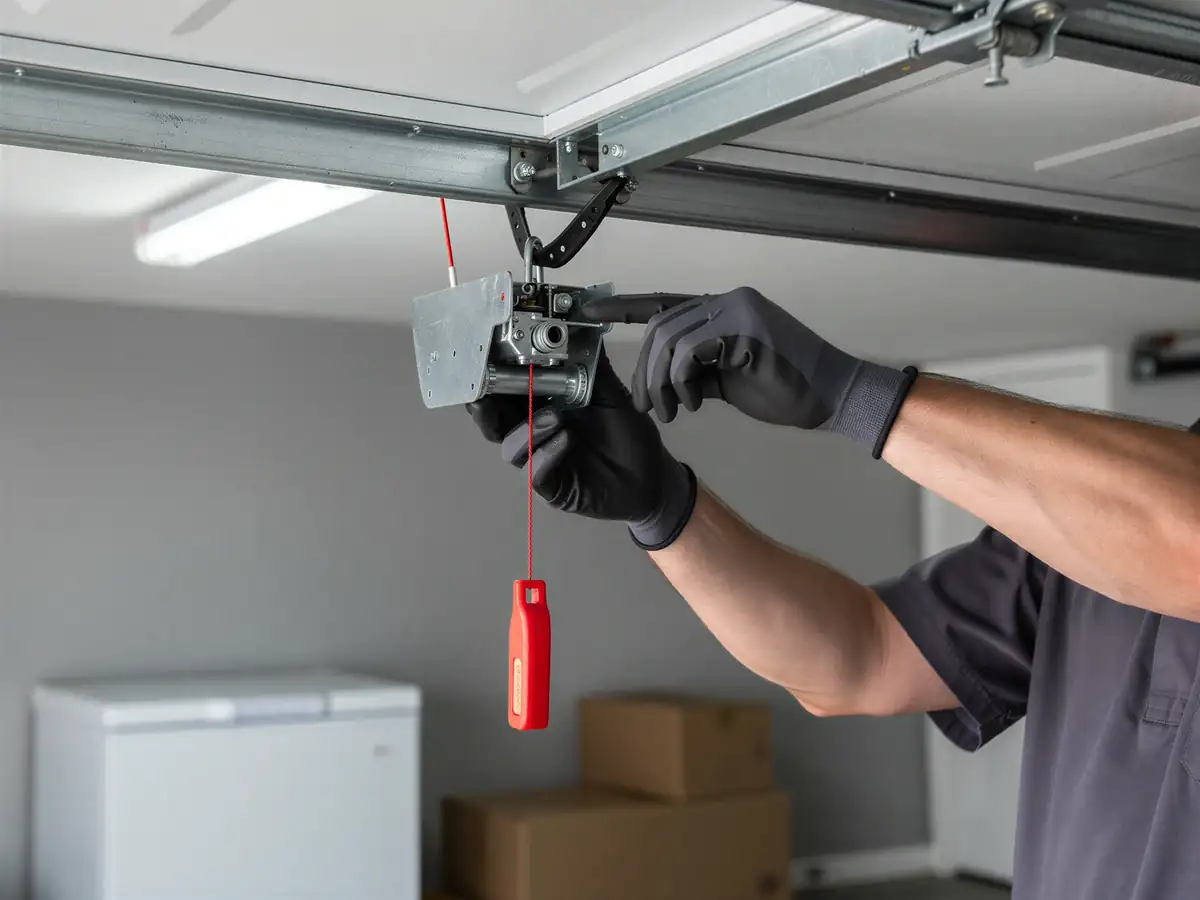
For a straight opener replacement in a Great Falls garage, we pull the old unit, check the header and track brackets against the new opener's spec, and re-set the travel limits and sensor alignment rather than trusting the old settings to carry over. Given the newer framing typical of 1985-era construction here, that's usually a clean swap without extra bracket work.
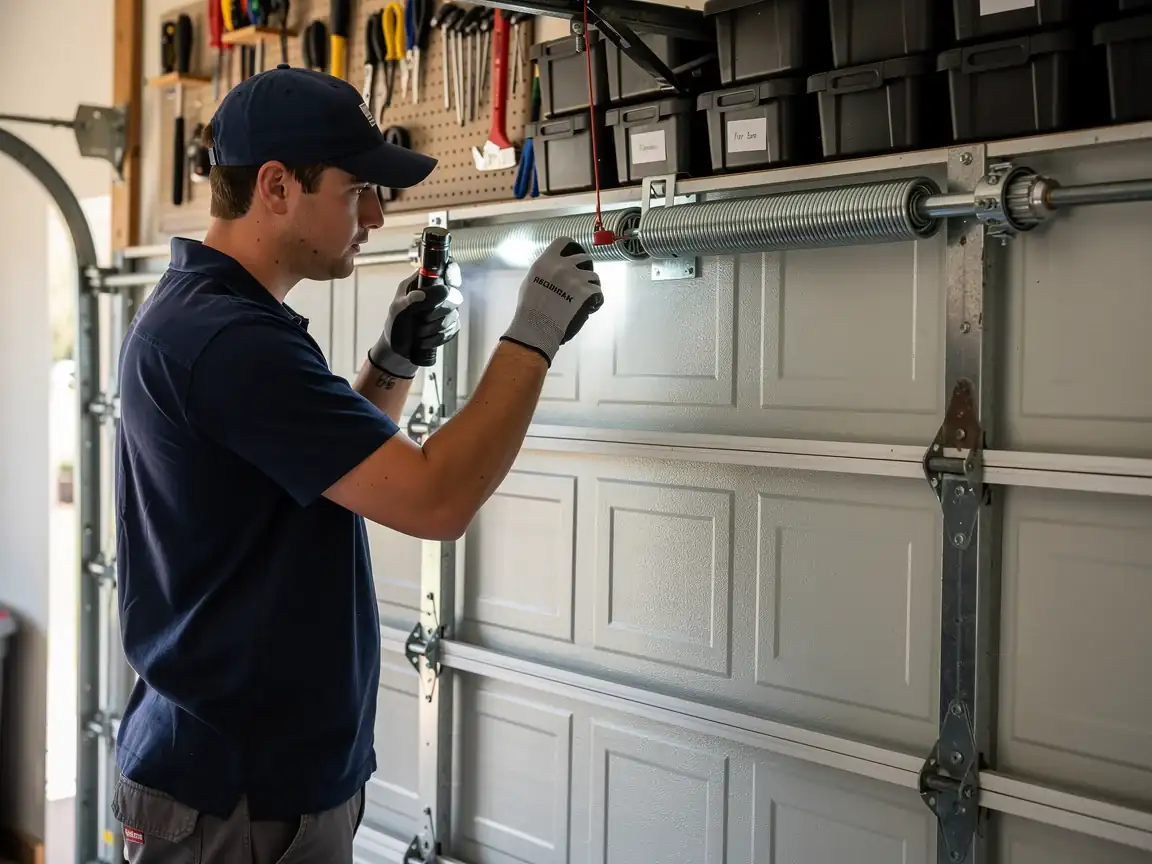
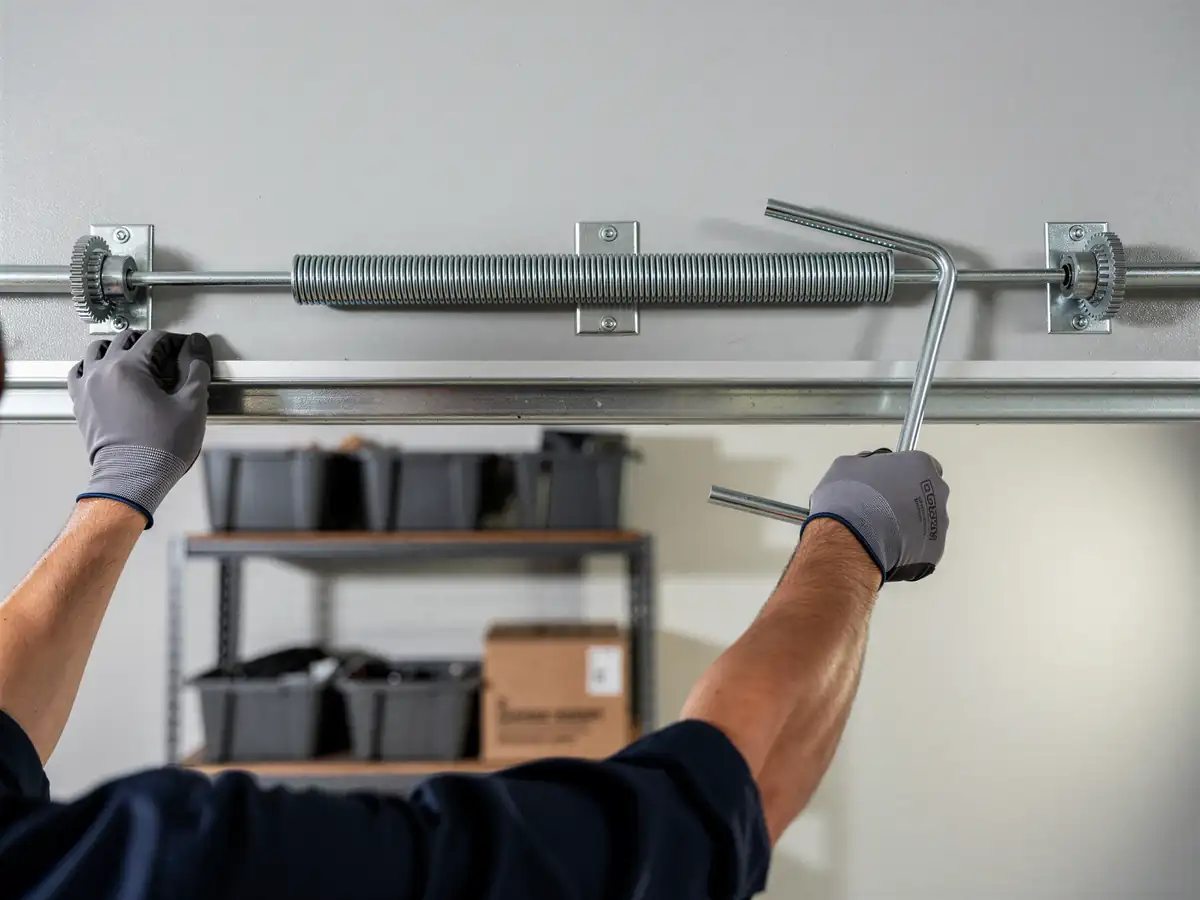
If the existing door and track are original to the house, we check the spring tension and roller condition before we hand the opener over, because a worn spring will make a brand-new opener work harder than it should and shorten its life. We don't install an opener onto hardware we think is about to fail - we'll tell you that first, and quote the two jobs separately so you can decide what gets fixed now versus later.