Can You Do This Yourself
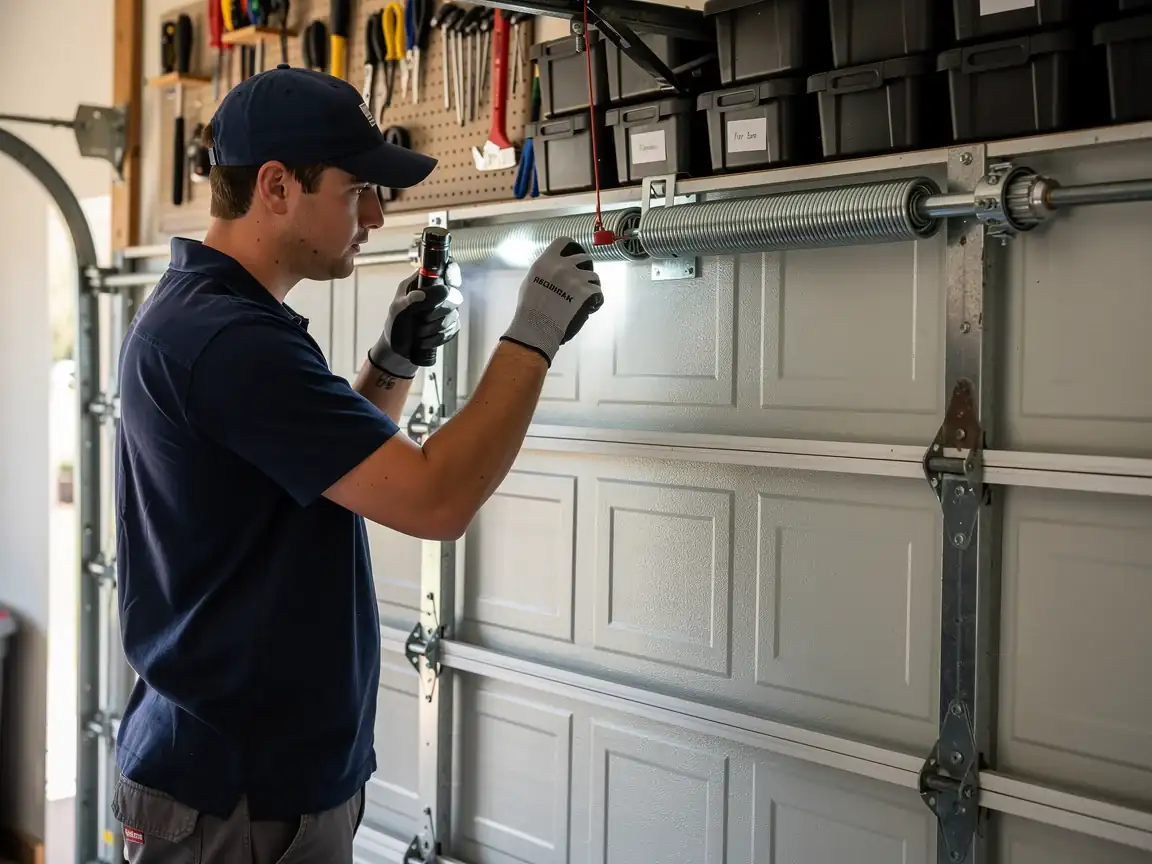
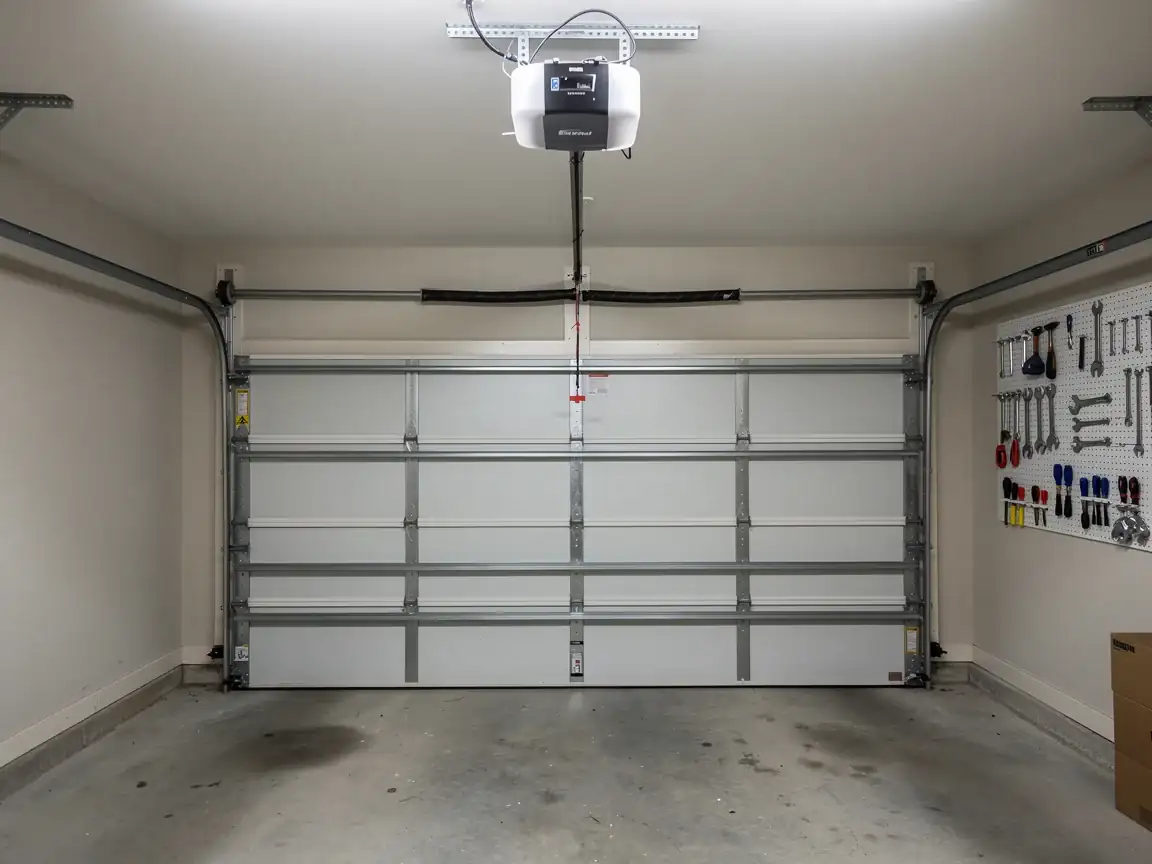
A torsion spring holds a door that can weigh over 150 pounds
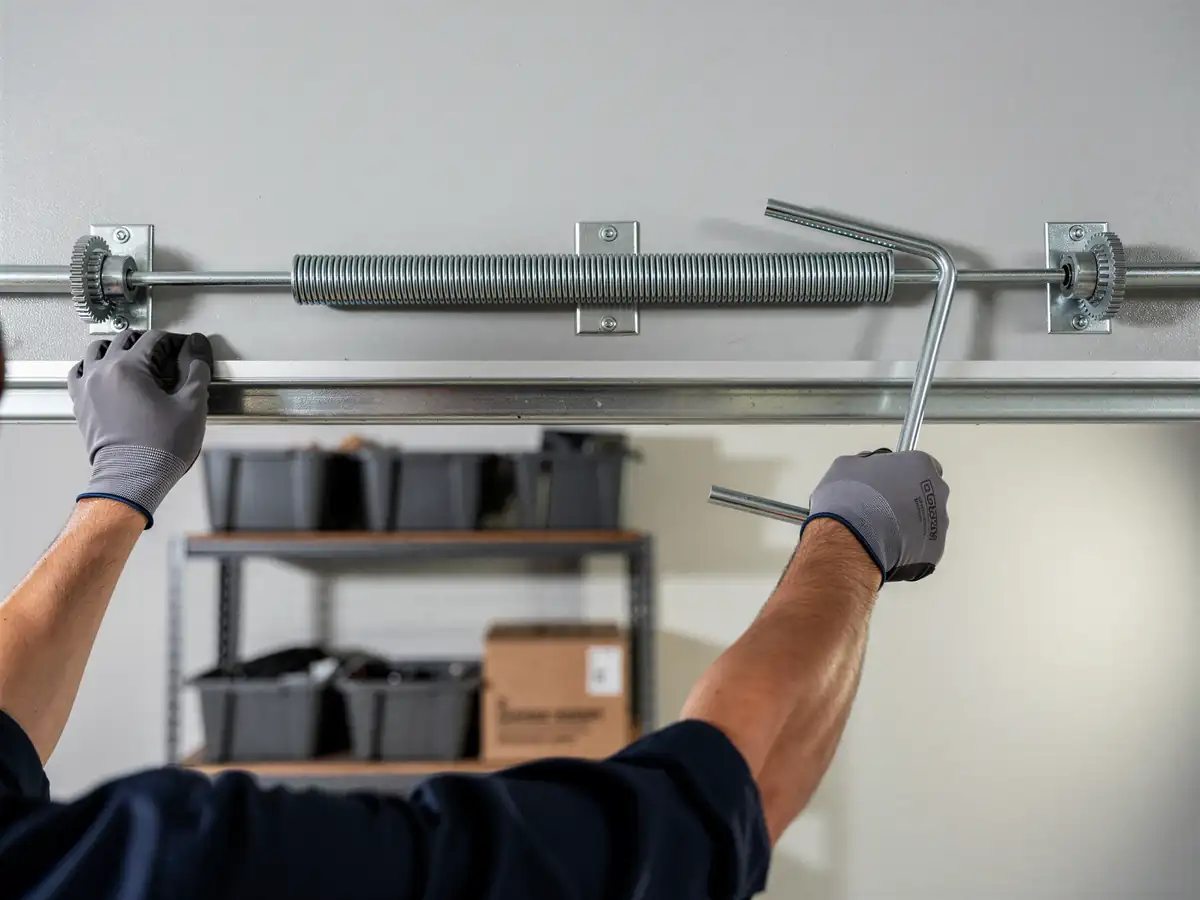
Wound tight enough to snap a finger bone if it slips off a winding bar. That's true anywhere, but it matters more here: most Great Falls garages went up after 1985, later than the 1960s-70s wave that built a lot of the rest of this service area, and the doors from that era tend to be bigger, insulated, two-car units on heavier springs than what you'll find on an older one-car garage. More spring, more stored energy, less room for error.
We're not going to walk you through winding a replacement spring in this space
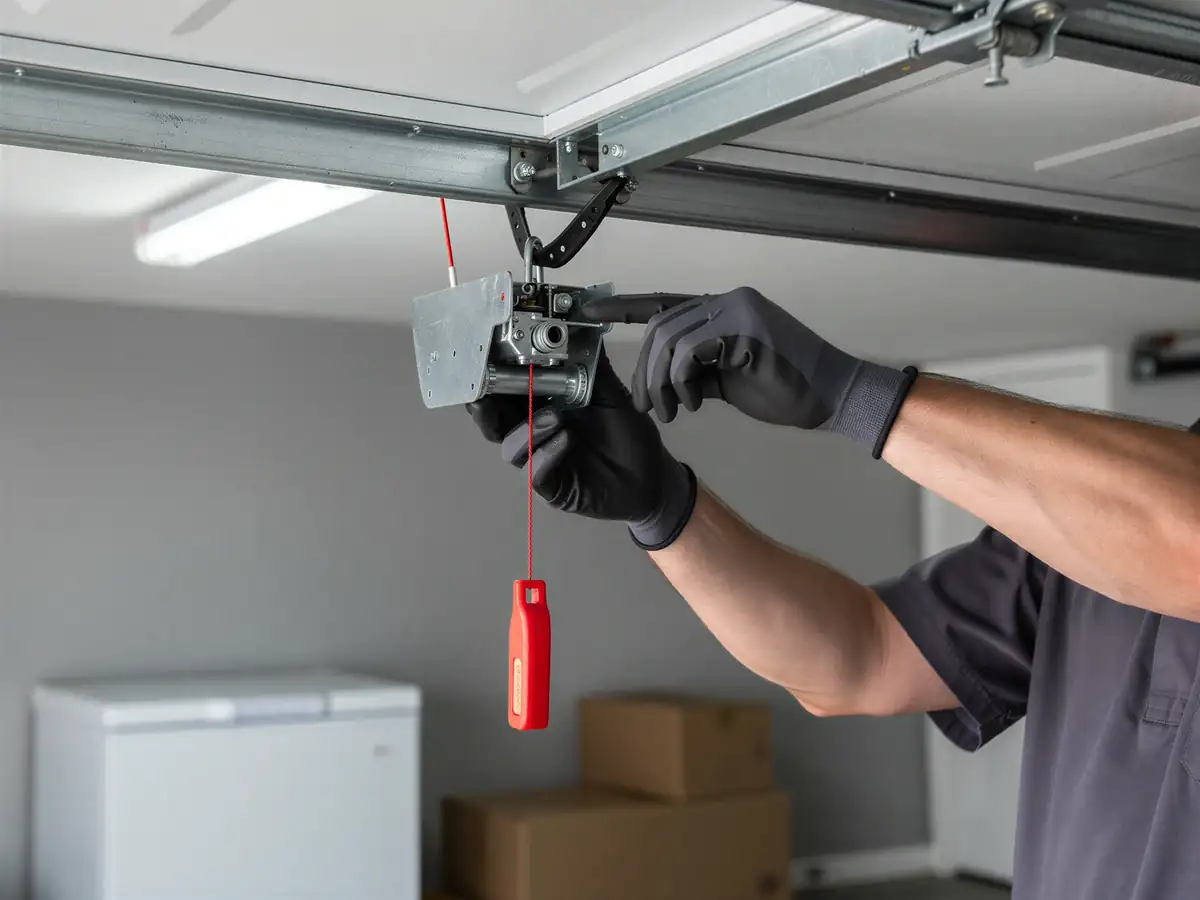
And honestly nobody reputable will. If the spring has already let go and the door is down, you can usually disconnect the opener and lift by hand to get a car out, carefully, with the door supported. Past that - cutting a wound spring, swapping cones, adjusting cable drums - is a job for someone who does it daily. Get it wrong and the next repair bill includes a dented door or an ER visit, not just a new spring.
Time on the Job
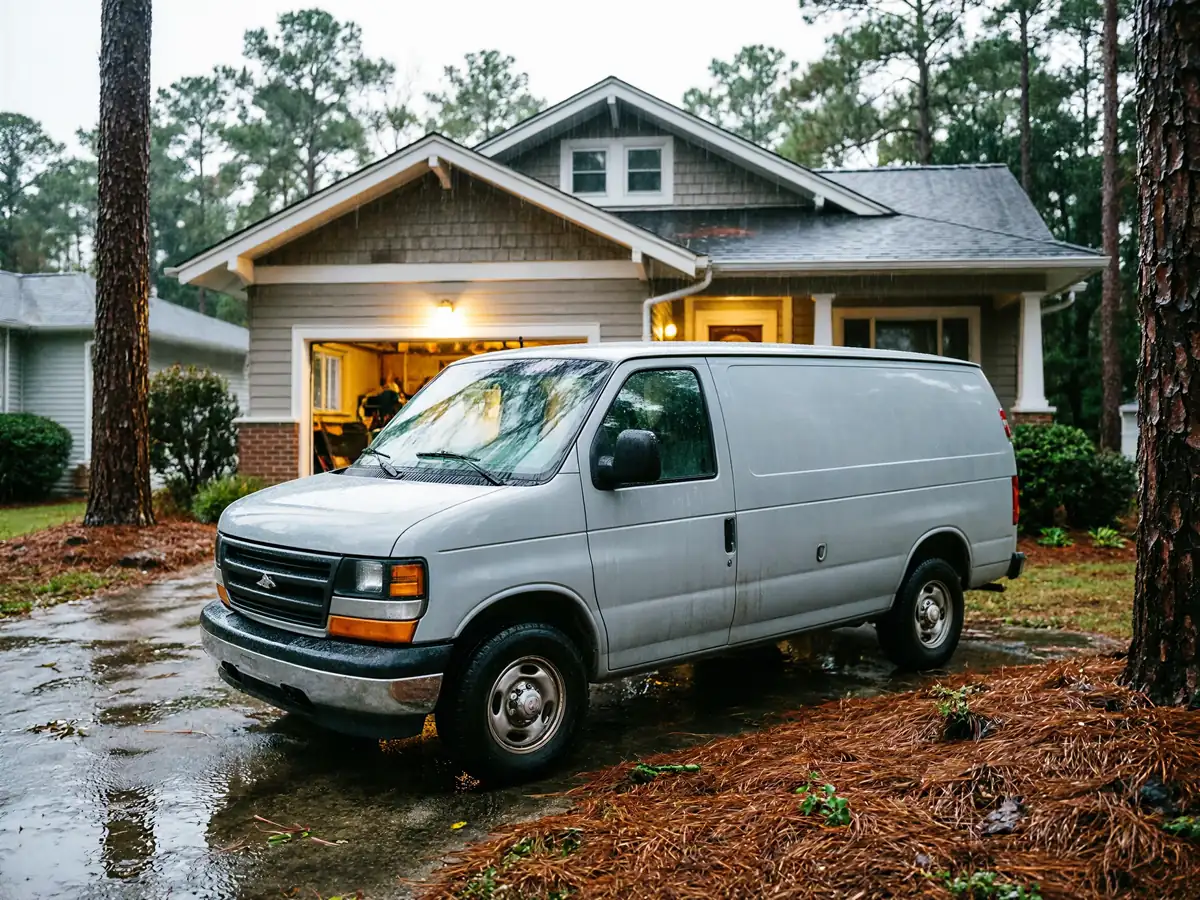
We come out to Great Falls from Fairfax, about 11 miles each way, so a spring call here gets scheduled into the route rather than dispatched from a depot down the street. Once we're at the house, a straight torsion spring swap on a standard double door usually runs under two hours; two springs, or a stuck cable drum that needs freeing up too, adds time.
What we won't do is promise a same-day slot before we've looked at the job - torsion springs come in enough different wire sizes and wind lengths that the wrong one on the truck means a second trip. With roughly 4,970 households in Great Falls and a higher share of larger custom doors than you'd see on an older street, we'd rather confirm the spring size over the phone or from a photo first than guess and come back twice.
What You Are Seeing
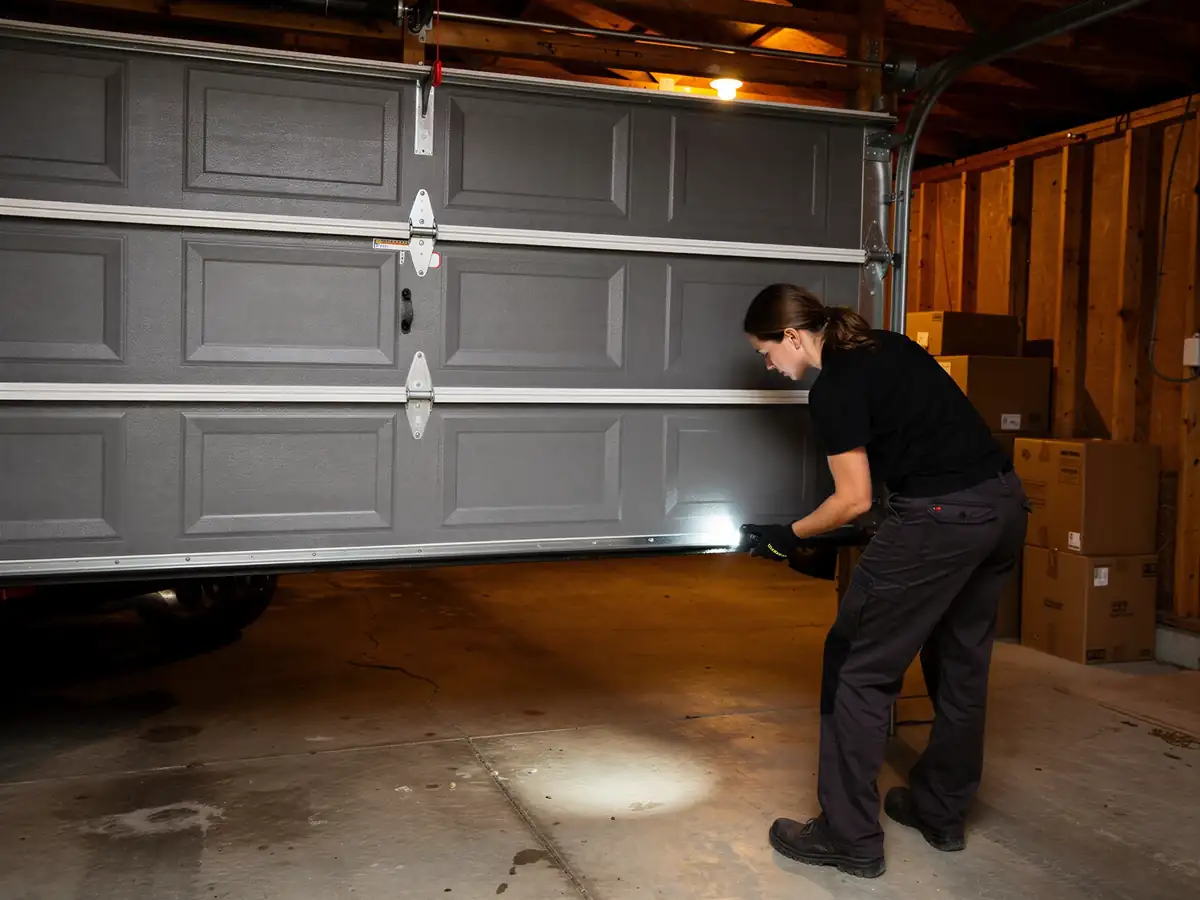
The classic sign is the loud bang - a torsion spring snapping sounds like a gunshot in the garage, and after it happens the door won't budge, or the opener strains and reverses halfway up. Sometimes it's quieter: the door feels heavier every week before it finally lets go, because a spring losing tension doesn't always announce itself.
Given the build era here, median year 1985, a lot of what we're replacing on these calls is original or close to it - these are springs pushing forty years of cycles, wound for insulated panel doors that are heavier than the lighter doors common on older housing stock elsewhere in the area. Winter makes it worse. Cold makes spring steel more brittle, and a fatigued coil that would have limped along in July can snap on a January morning instead. If you're hearing a grinding or popping noise before anything breaks, that's the spring telling you it's close - worth a call before it fails mid-cycle and takes the cable or drum with it.
Booking a Visit
We cover Great Falls as part of the territory run out of Fairfax
Alongside the rest of the towns within that 11-mile band. If you're not sure whether your street falls inside that coverage, the Great Falls coverage page lays out where we go.
For the spring repair itself, what we need on the phone is simple
One spring or two, approximate door width, and whether it's insulated or a standard panel door - that's usually enough for us to bring the right part the first trip. If you're comparing this against general spring repair pricing and process for the broader service area, the Fairfax spring repair page covers that in more depth; this page is specifically about what we see on Great Falls jobs.
How We Fix It
We match the replacement spring to the door's actual weight and cycle life, not just whatever was on it before, because a lot of these 1980s-and-later doors were built heavier than their original spring spec accounted for - builders upgraded panels over the years without always upgrading the springs to match. We measure wire diameter, coil length, and inside diameter rather than eyeballing it.
On a double door we replace both springs even if only one broke, since the second one is almost always close behind on the same number of cycles. We back off the old spring safely, pull the cable drums if they're worn or nicked, and reset the door's balance by hand-testing it at the halfway point before the opener goes back on. At a median household income of $250,001 and the larger door sizes common out here, we tend to be matching higher-cycle commercial-grade torsion springs more often than the standard residential spring - it costs a bit more up front, but it's fewer callbacks on these particular doors.