Parts We Carry
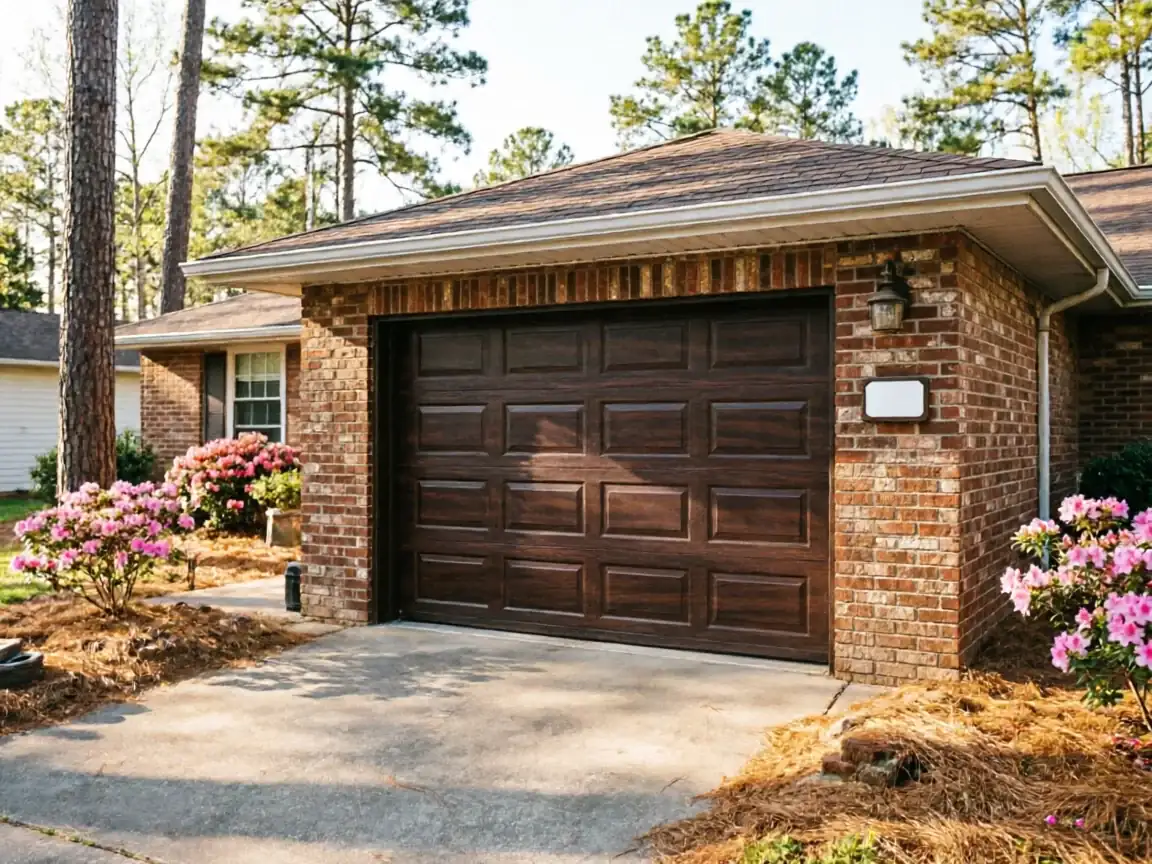
Montclair's housing stock is young compared to a lot of what we cover from Fairfax
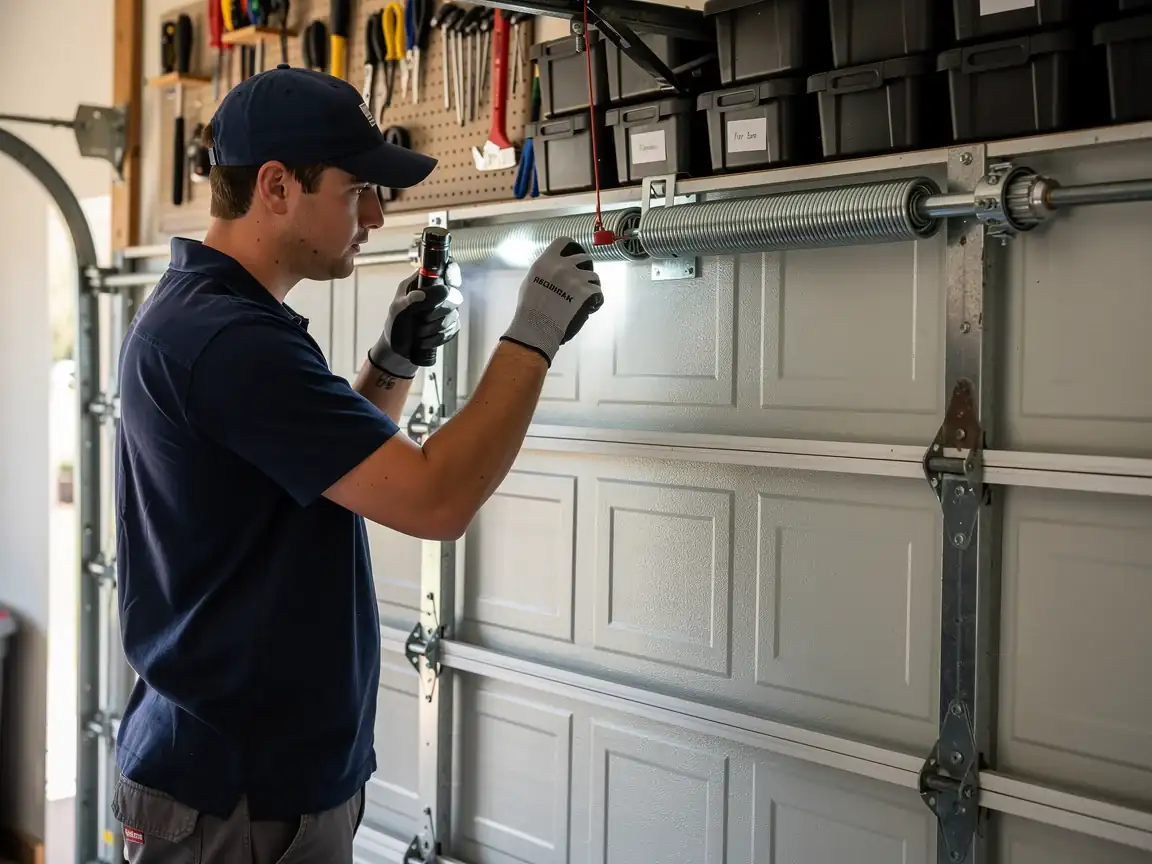
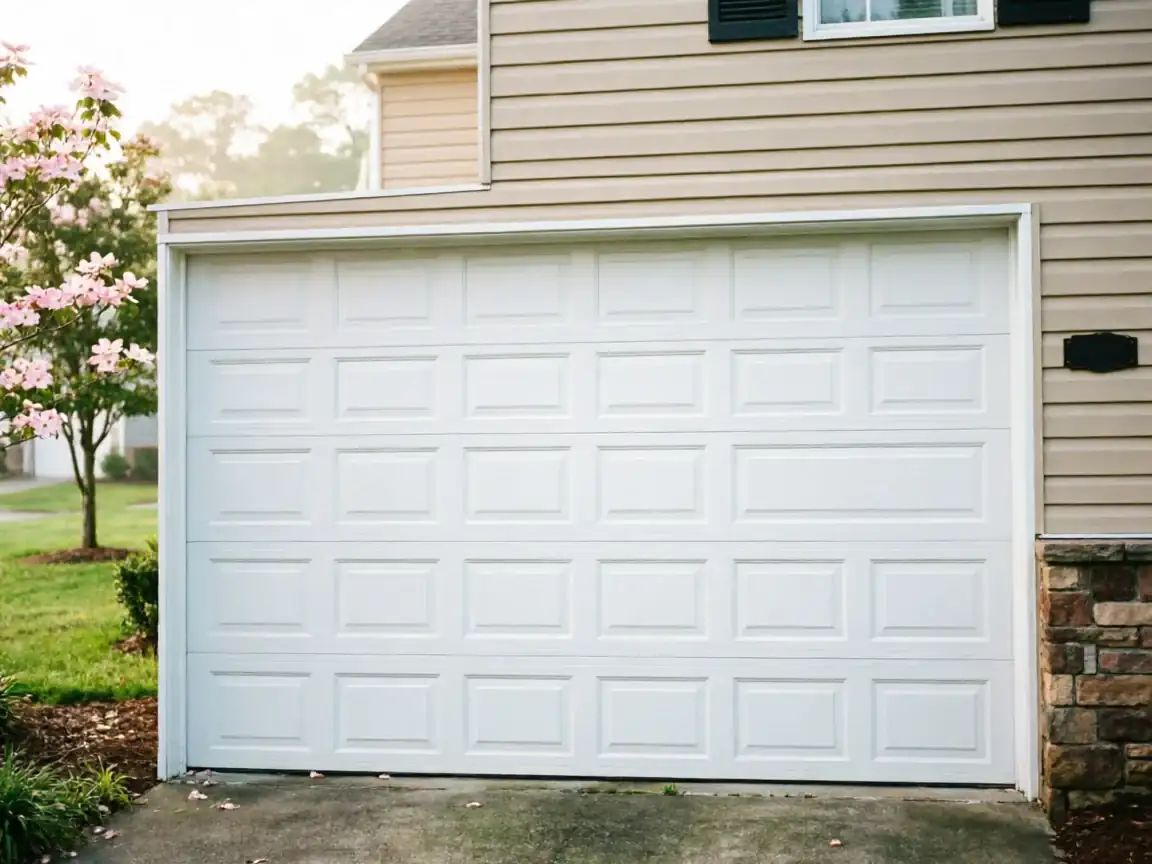
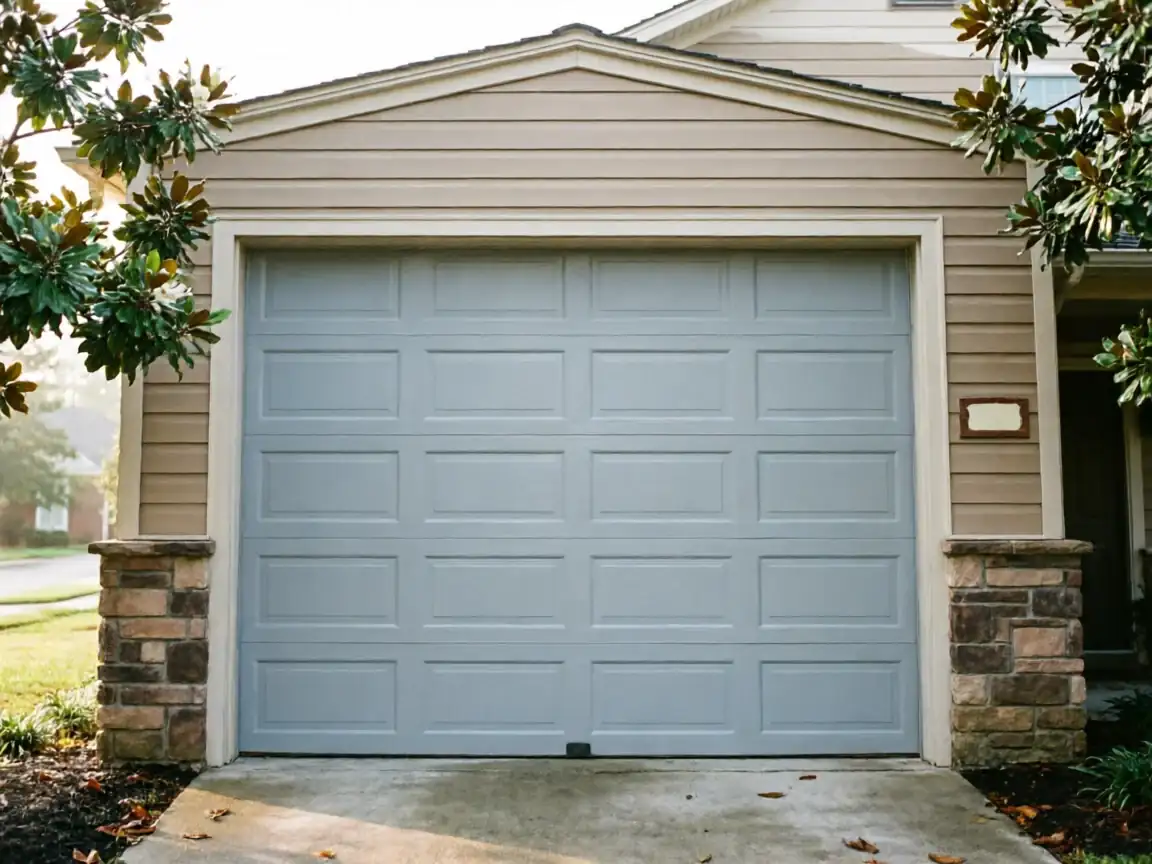
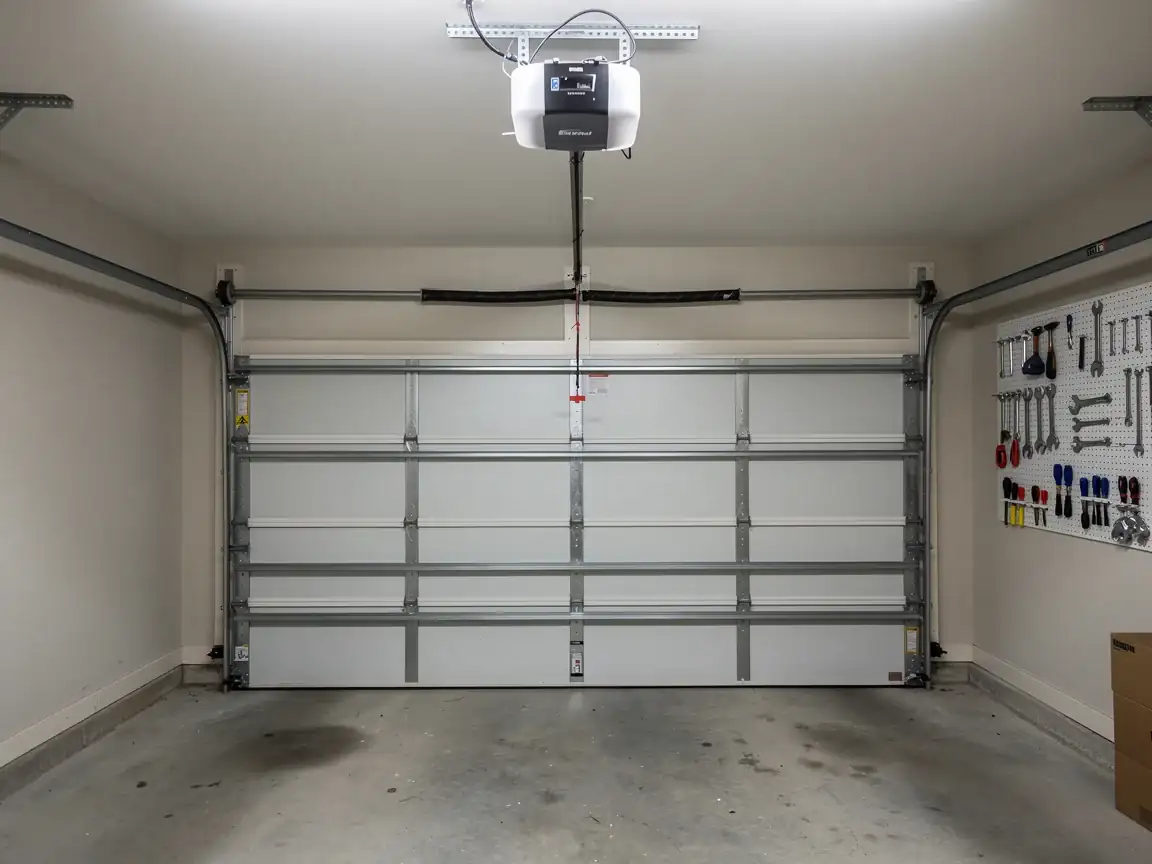
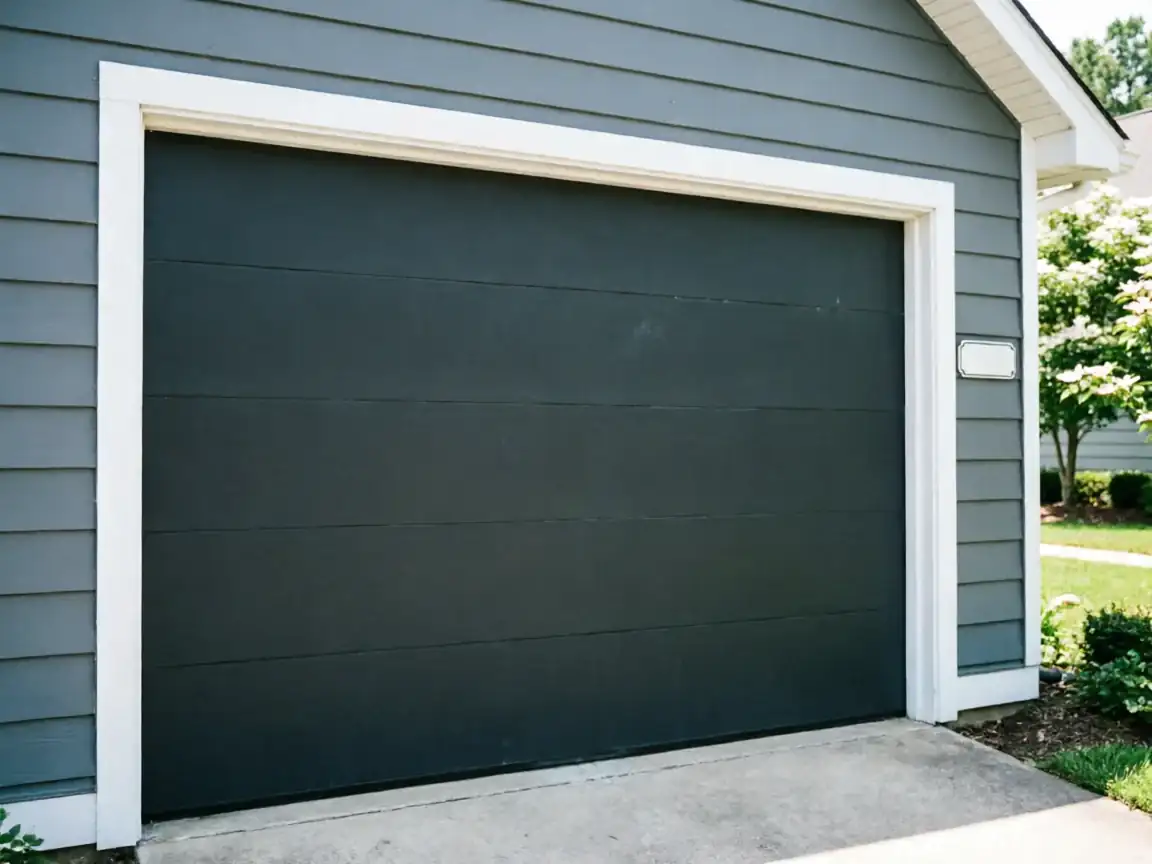
Most of it went up around 1990, which means the original doors are steel sectional units, usually 16x7 for a two-car garage or 9x7 for a single, hung on torsion springs mounted overhead rather than the side-mount setups you'd find on an older house. Insulation in a door from that era is typically a thin polystyrene core, if there's insulation at all, which was standard for the time but falls short of what you'd want given how cold it gets here.
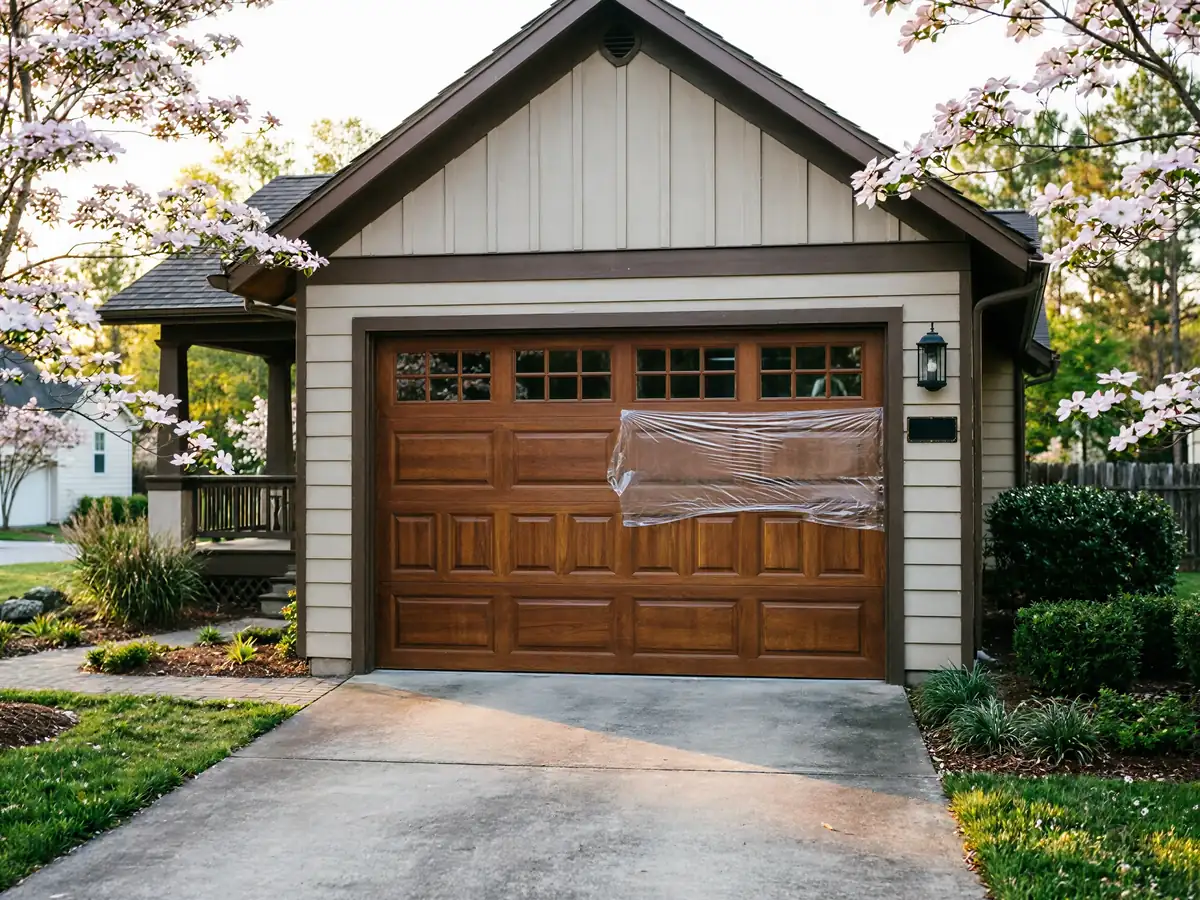
When we replace one of these, we carry steel sectional doors in both polystyrene and polyurethane cores
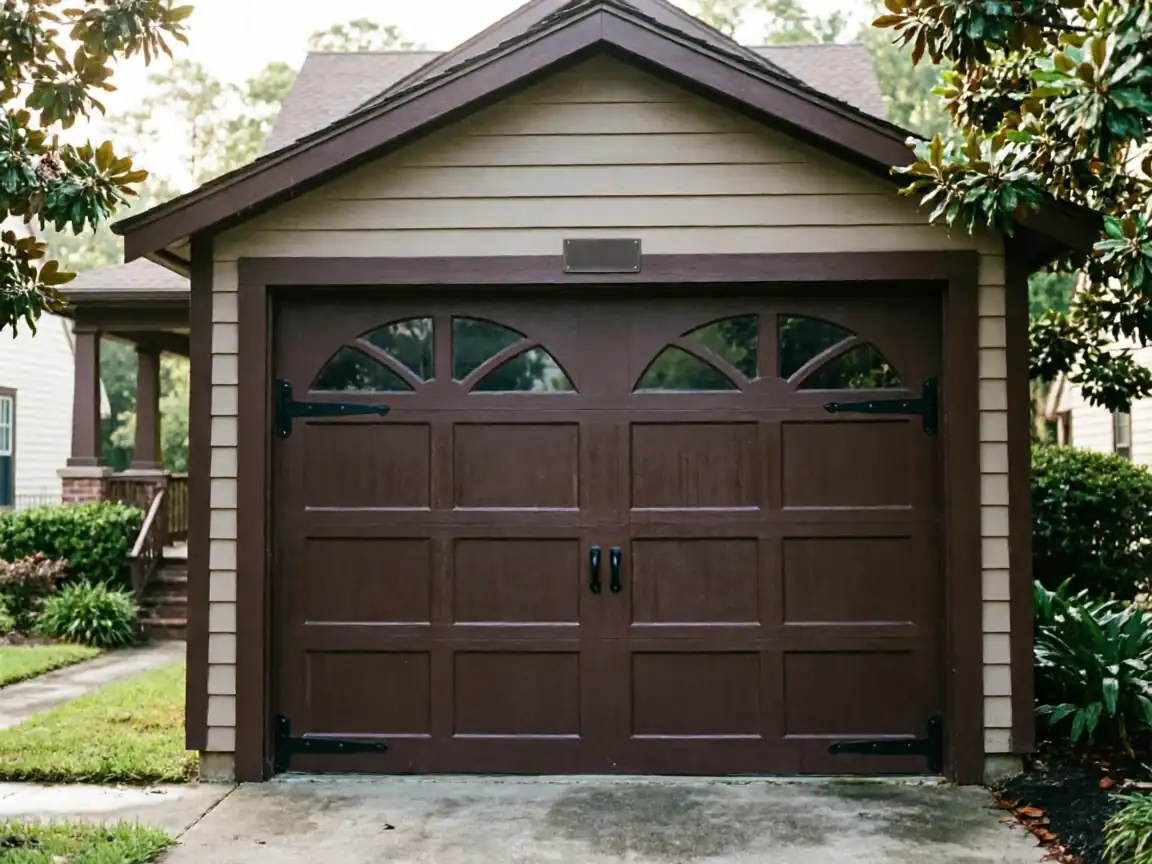
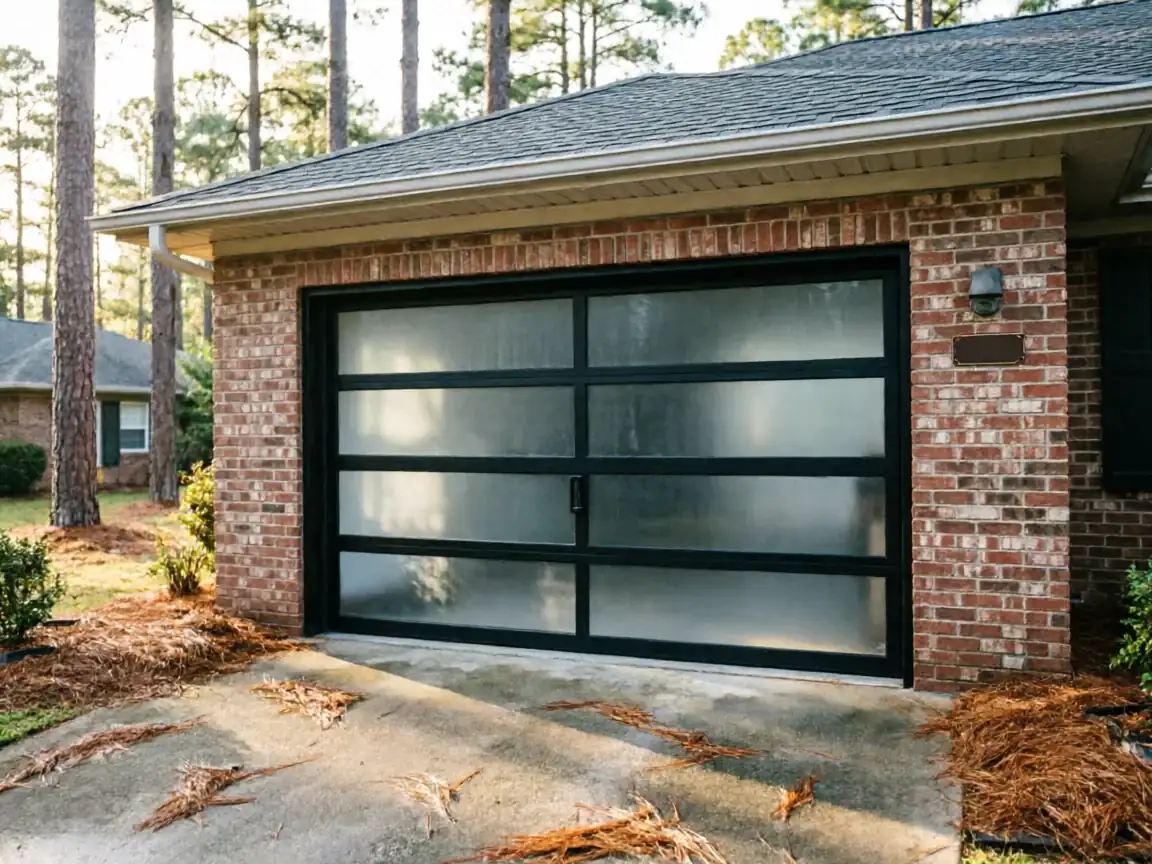
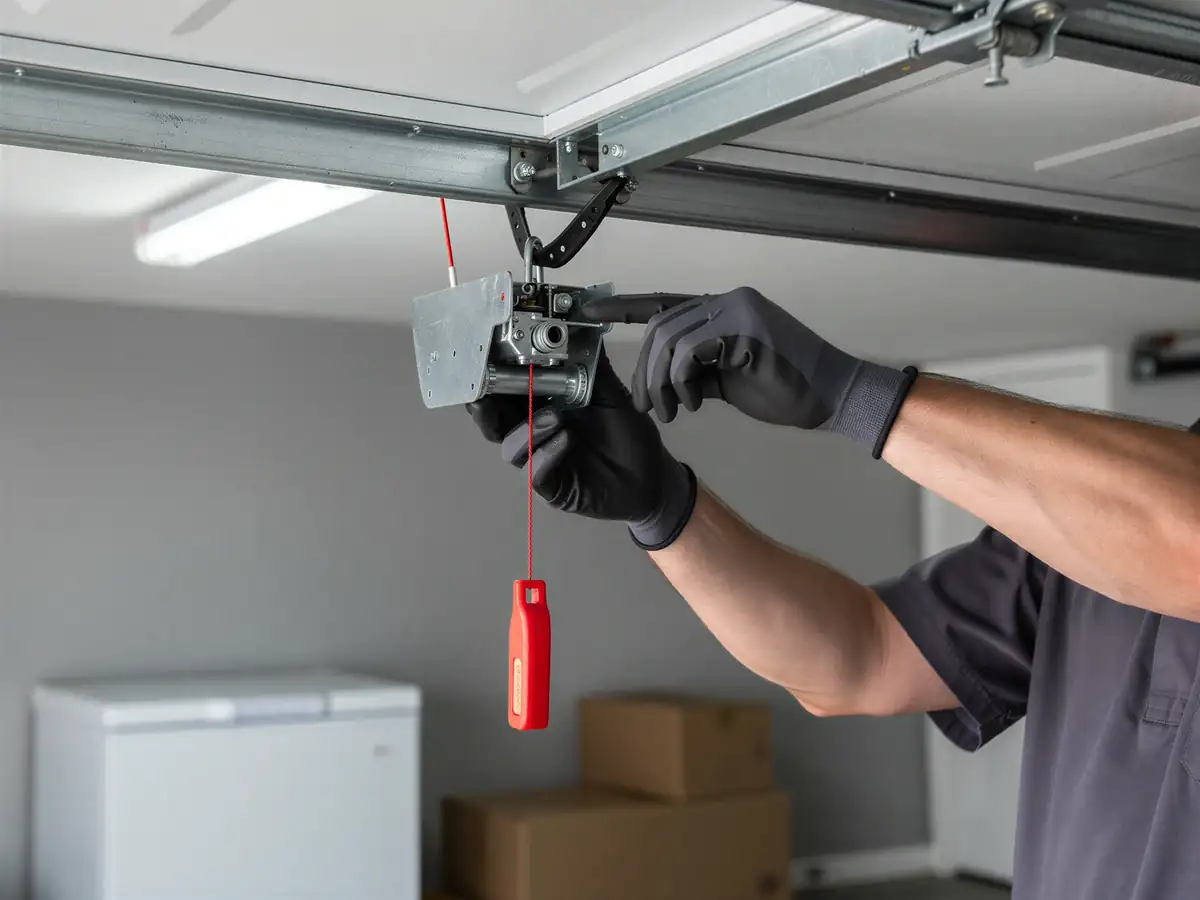
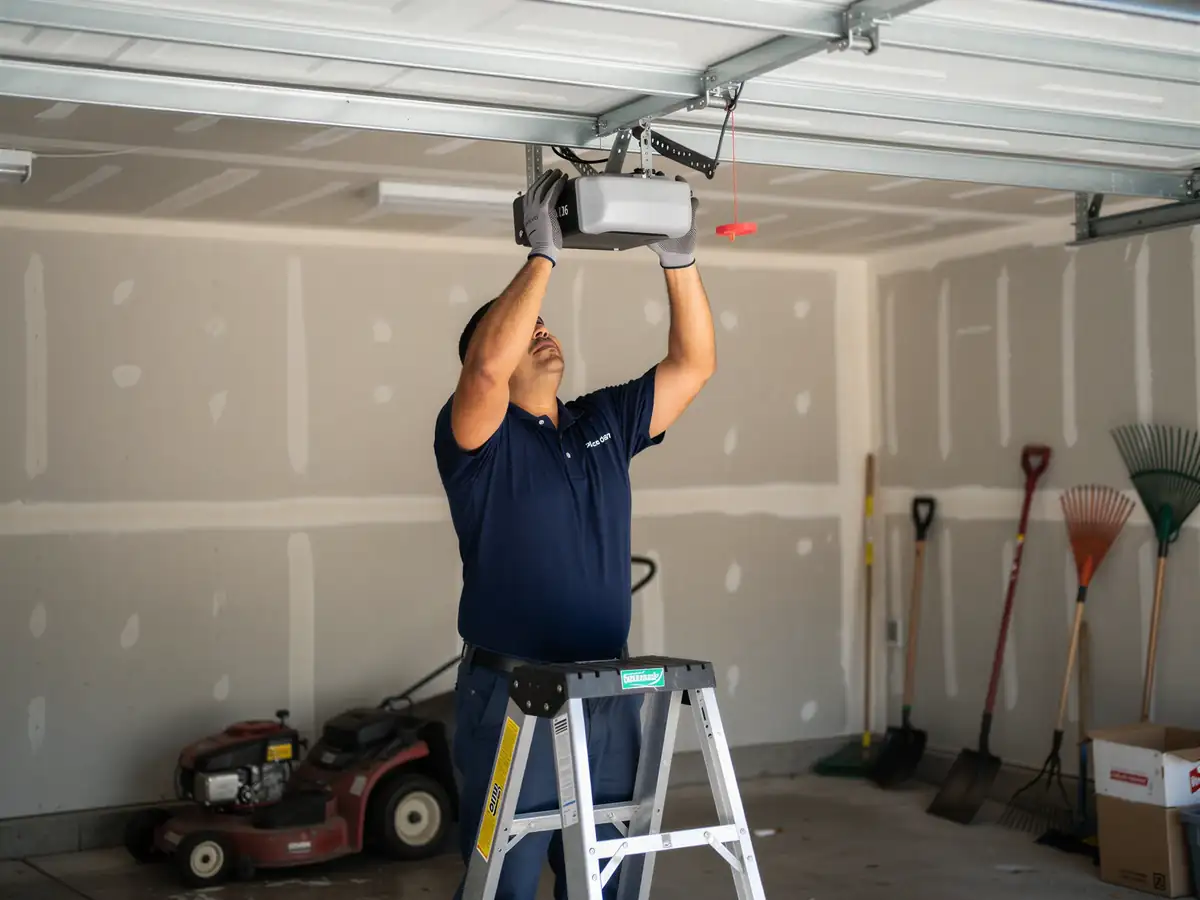
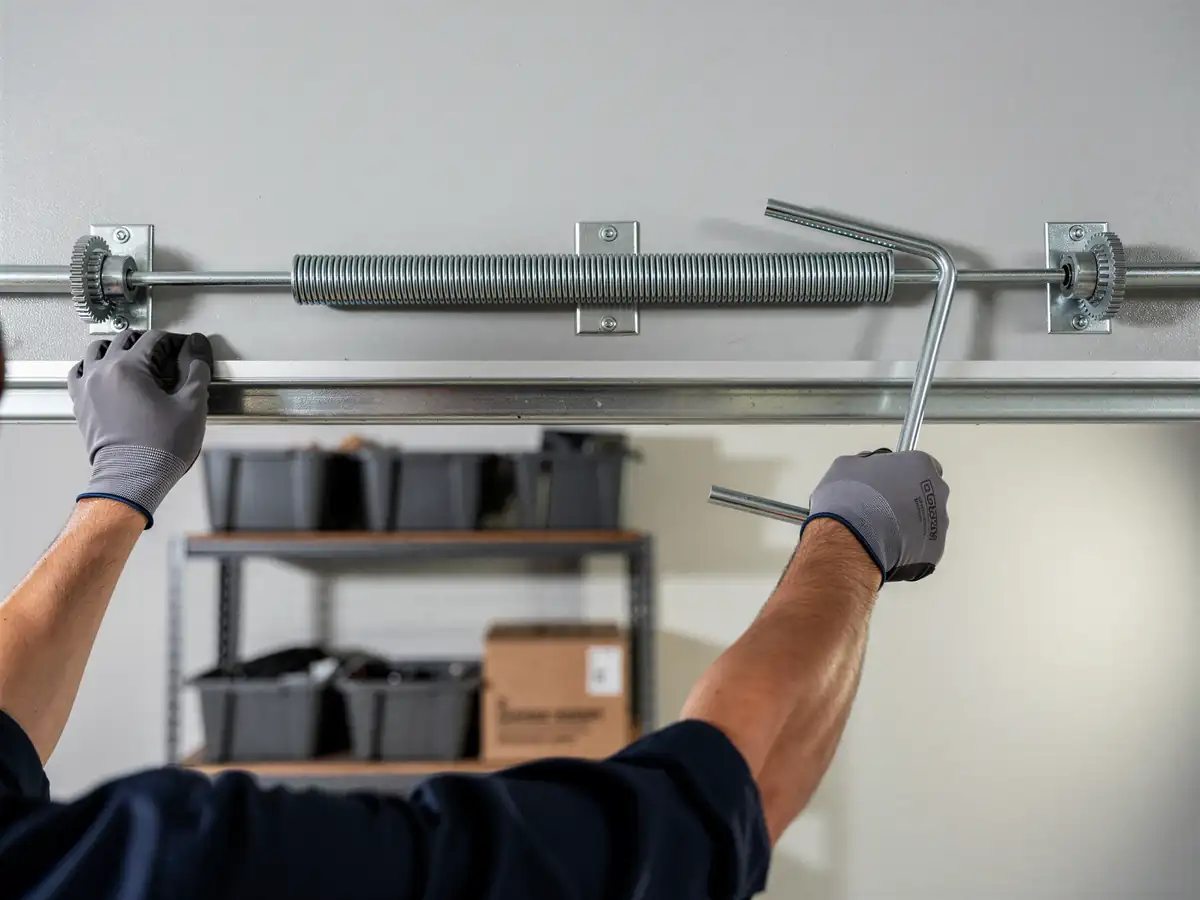
The heavier option giving you a meaningfully better R-value for a door this size. We stock standard raised-panel and flush panel styles, plus glass-insert options for the upper section if you want more light in the garage. Springs go in sized to the door's actual weight and cycle count, not a generic one-size-fits-all spring, and we size the opener to match - a heavier insulated door needs more lift than the builder-grade opener most of these houses still have.
What we don't carry on the truck
Custom wood doors or non-standard sizes outside the common widths. Those are special order and take longer, so if your garage opening is unusual, plan on a longer lead time before we can hang the door.
What You Pay
We don't post a fixed price list for Montclair installs because the door size, insulation level, and opener you choose all move the number, and we'd rather quote the actual job than give you a figure that doesn't match what shows up at your house. What we can tell you is what drives the cost up or down: a basic steel door without insulation is the cheapest option, a polyurethane-core insulated door costs more up front but holds heat better through a cold winter, and glass inserts or a premium opener add to either.
Montclair's median household income sits at $143,357, almost identical to the $143,796 median across the broader area we cover from Fairfax, and the installs we see requested here track that - mostly mid-to-upper range doors with insulation, not the bare-bones option. That's not a rule, just what tends to get picked when the original 1990s door comes out.
We give you a written number before anything gets ordered, and that number doesn't change once the door's on the truck.
Why It Happens Here
Most houses in Montclair went up around 1990, which puts the original door at the end of its service life now, not mid-life. A steel sectional door with torsion springs is built to handle a few thousand open-close cycles before the spring fatigues, and a door installed when the house was built has had three decades to get there. With roughly 7,236 households in Montclair, most built in the same decade, the torsion springs on these doors are hitting the same cycle count within a year or two of each other - it's not unusual for us to get calls from the same street in the same season.
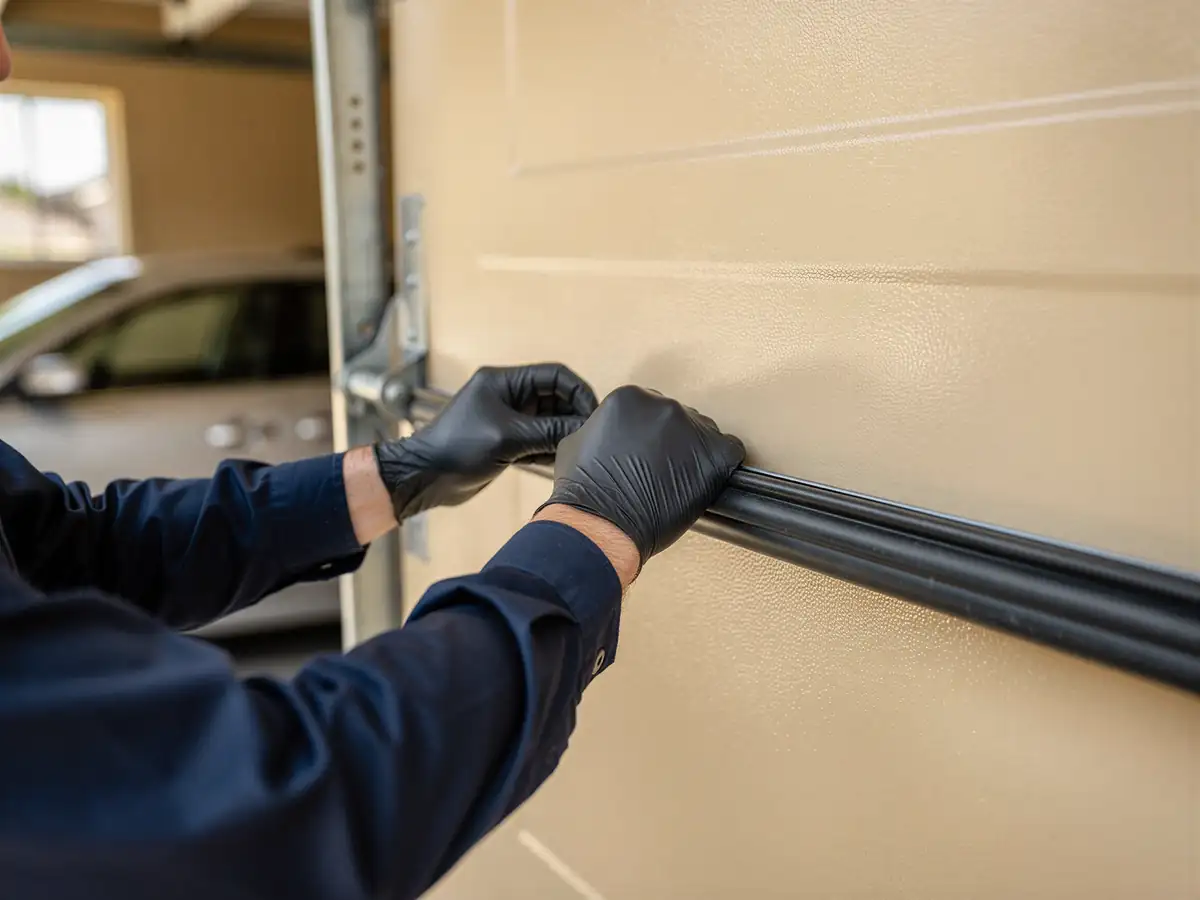
The severe cold winters here mean a 1990-era steel door with minimal insulation leaks heat through the panel seams and around the bottom seal. That's not a safety issue, just an energy one, and it's usually the reason people call us for a new door instead of a spring fix: the door still closes, it just costs them on the heating bill every winter.
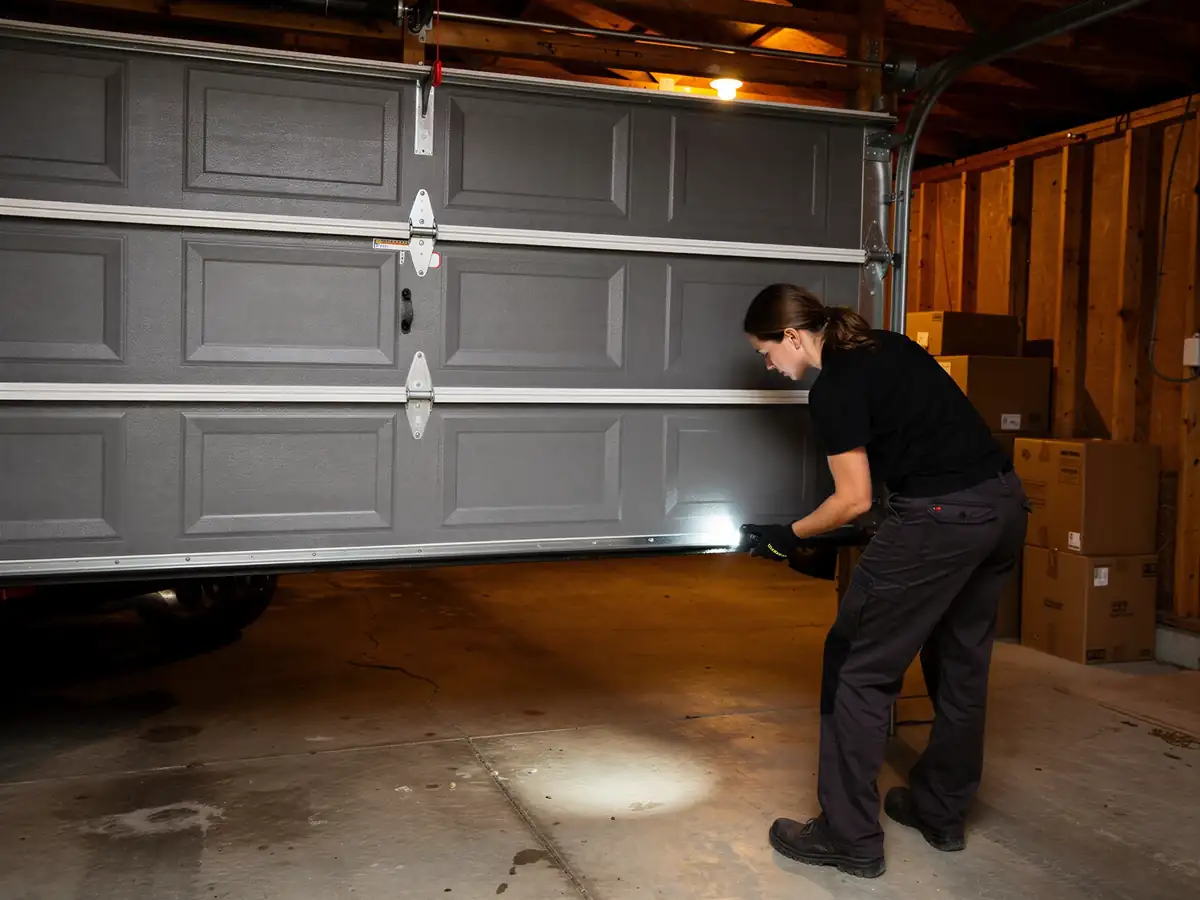
We're not going to tell you every door from 1990 needs replacing on a schedule - plenty are still fine. But if yours is sagging at the panel seams, sticking on the track, or the opener strains to lift it, that's the age showing, not a one-off defect.
How We Fix It
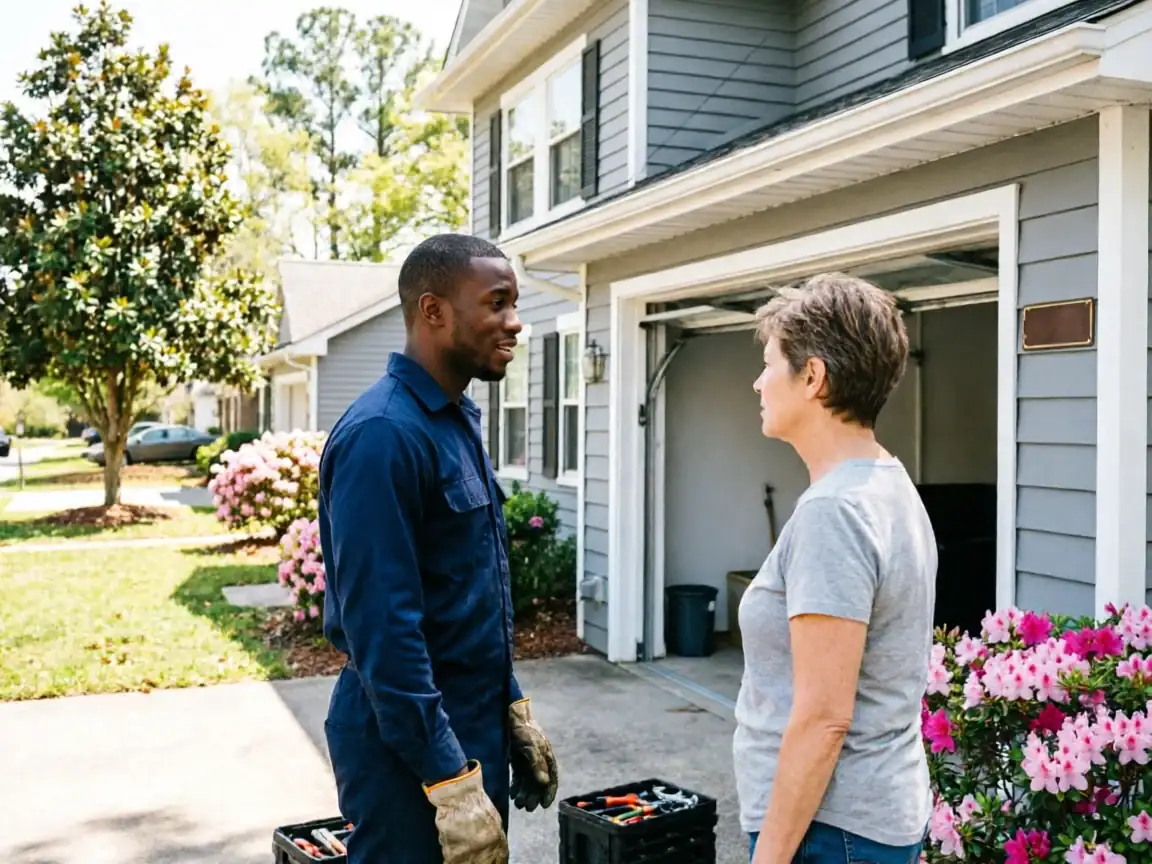
At 17 miles out from our Fairfax shop, Montclair is one of the farther stops on our route
So we book the job as a full visit rather than a quick add-on between closer calls - we schedule the install, bring the door and hardware sized to your opening, and do the full swap in one trip rather than coming back for a second piece.
- 17 miles
For a straight replacement, that means pulling the old door and track
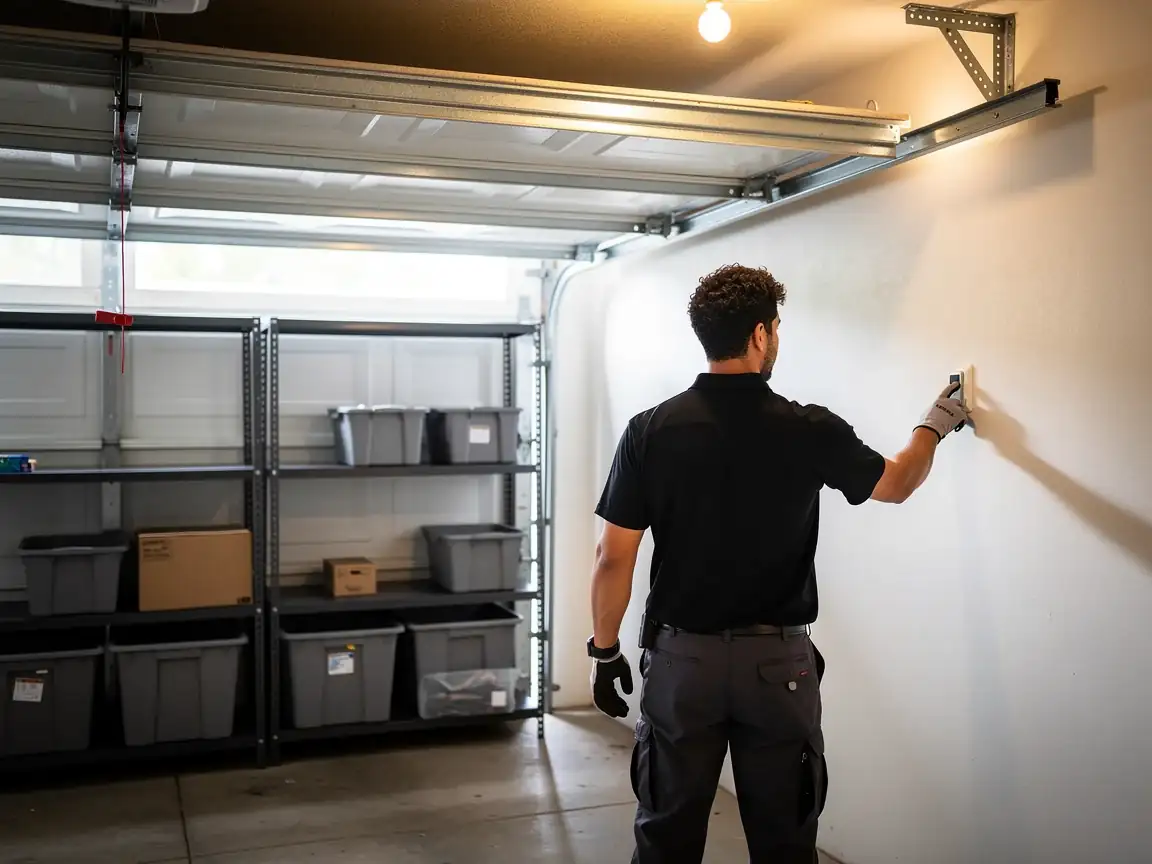
Checking the opening for square since houses settle over 30+ years, hanging the new door on new rollers and track if the old ones are worn, and setting springs matched to the door's actual weight rather than reusing the old spring on a heavier insulated door. If you're keeping your current opener, we test it against the new door's weight before we call the job done - an opener that handled a bare steel door for years can struggle with a heavier insulated one, and that's worth knowing before you're stuck with a door that won't fully close.
See the Montclair coverage page for what else we handle in the area
Or the Fairfax installation page for the full rundown of door types and options we install across the service area.