Parts We Carry
Montclair sits apart from a lot of what we cover because the houses here are younger
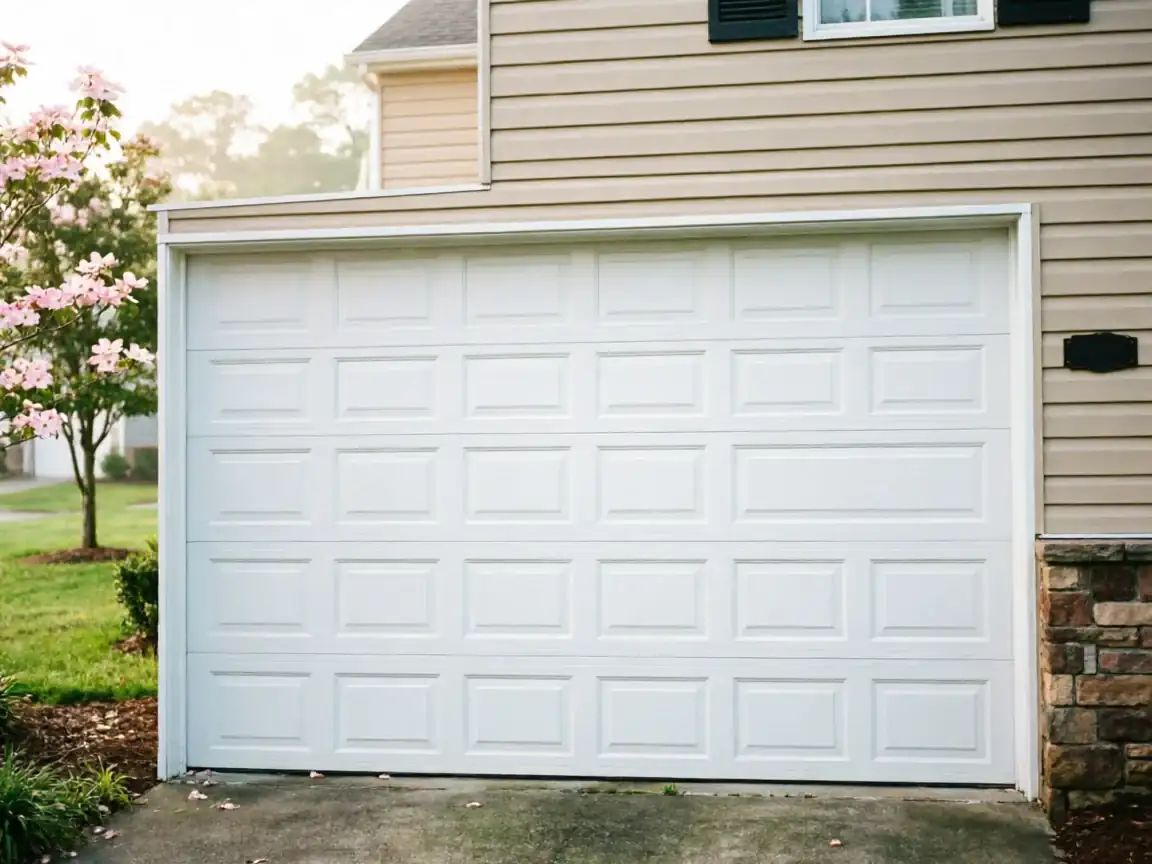
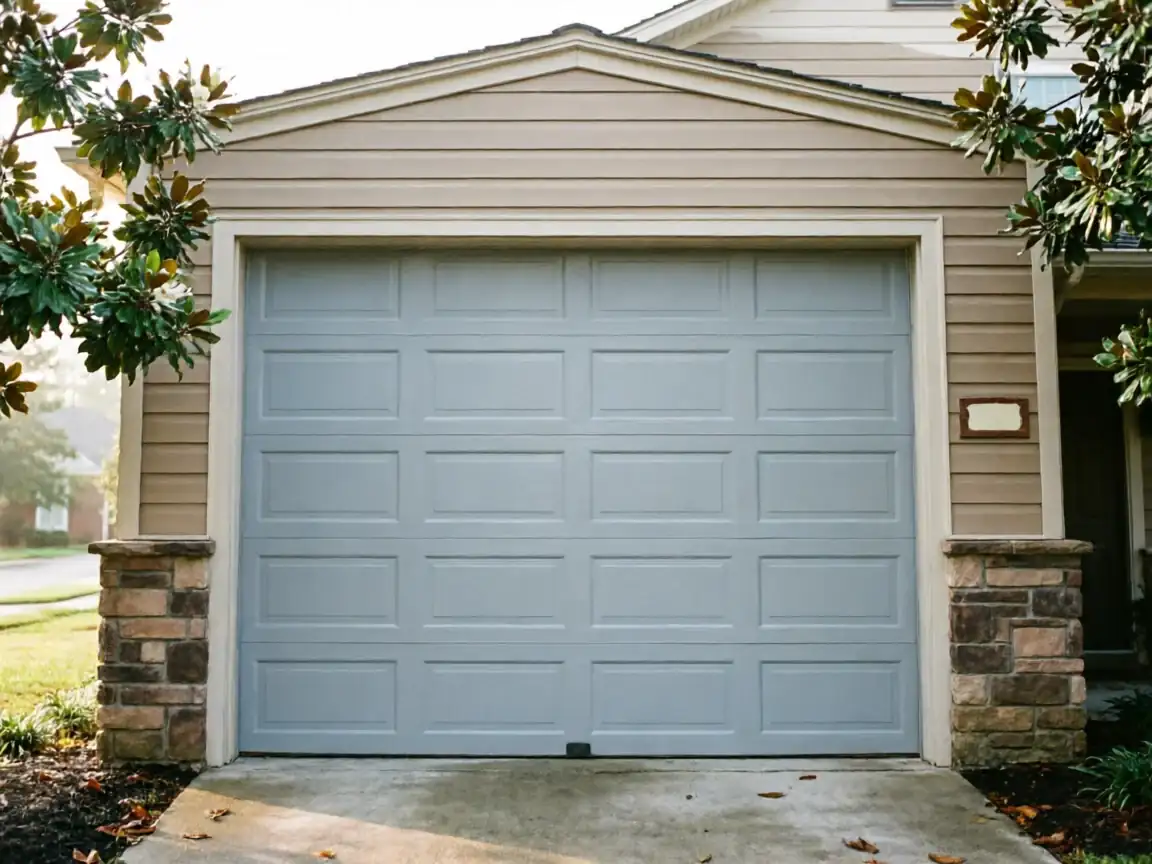
Our service area overall runs from 1940 through 2015 construction with a median around 1978, which means a lot of older one-piece doors and extension-spring setups mixed in. Montclair skews later than that median - most of what we see here is closer to 1990 construction, which puts it solidly in the era of steel sectional doors on torsion springs rather than the older side-mounted hardware you find in some of the close-in neighborhoods.
That's good news for parts
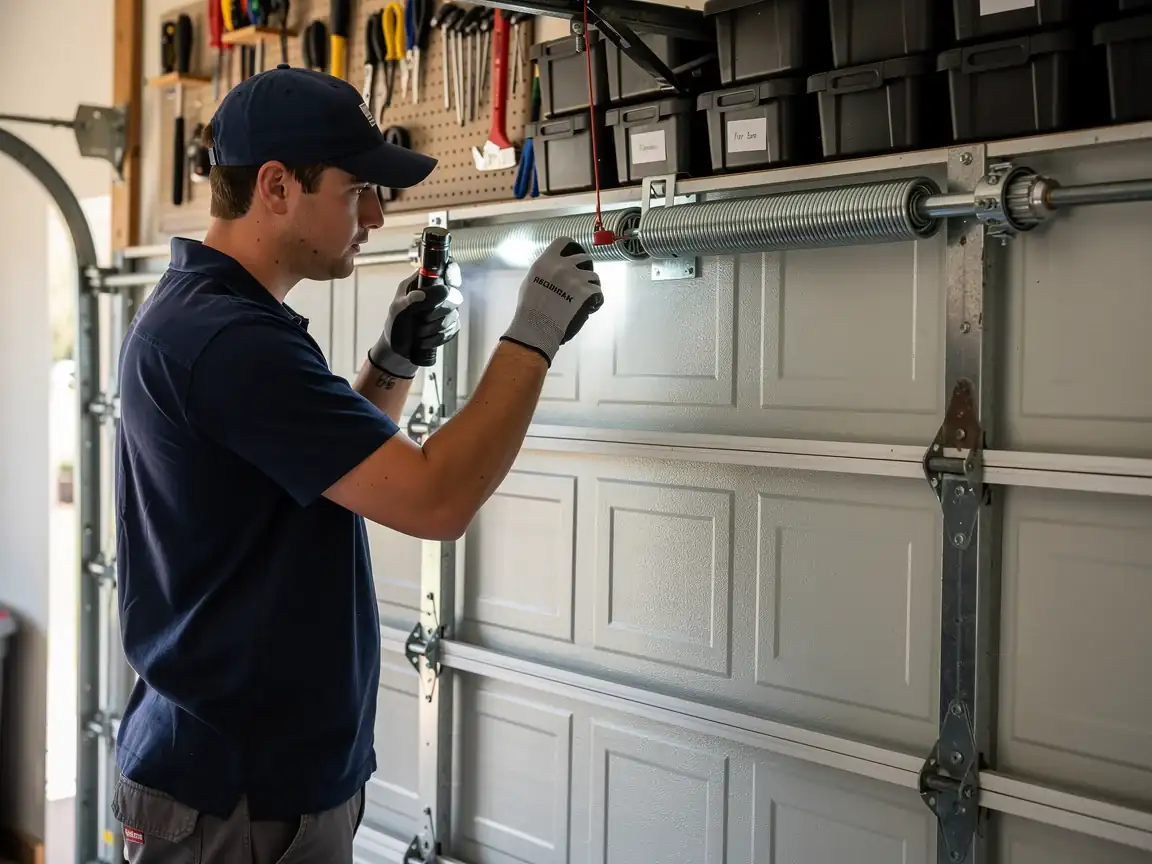
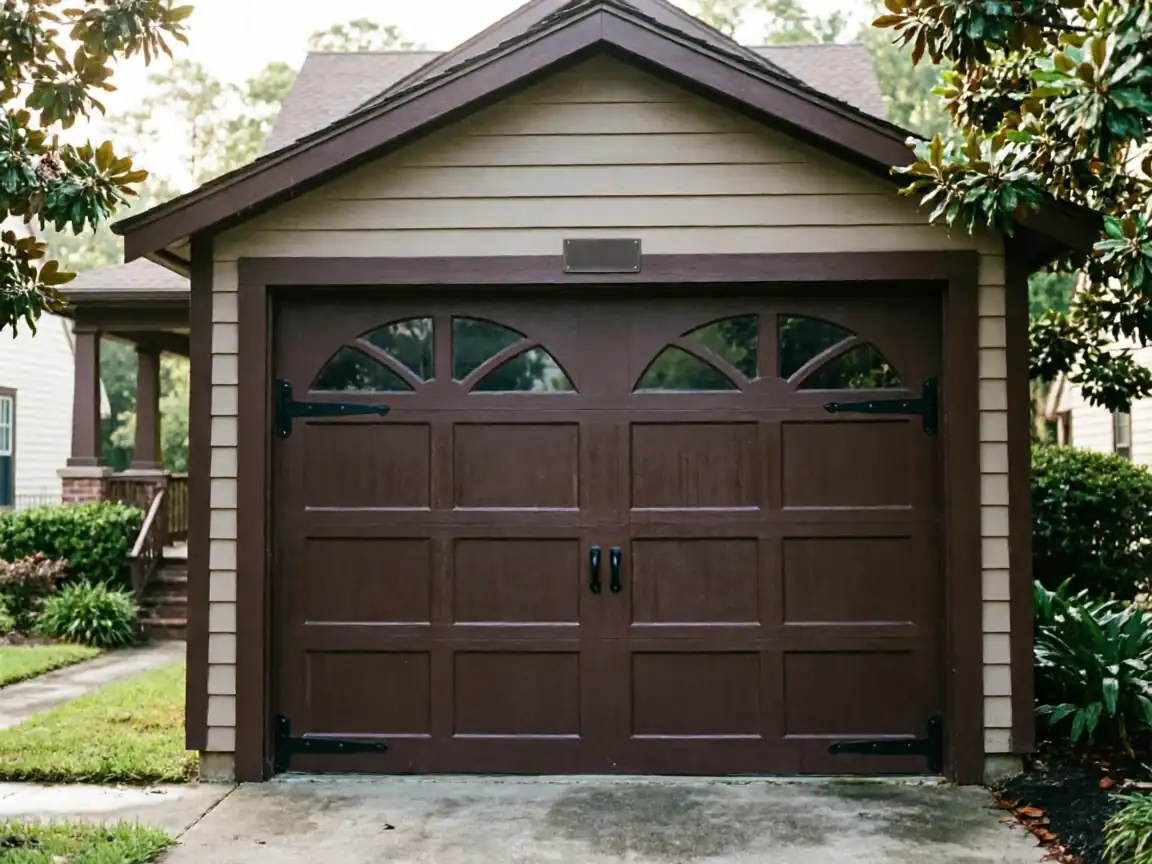
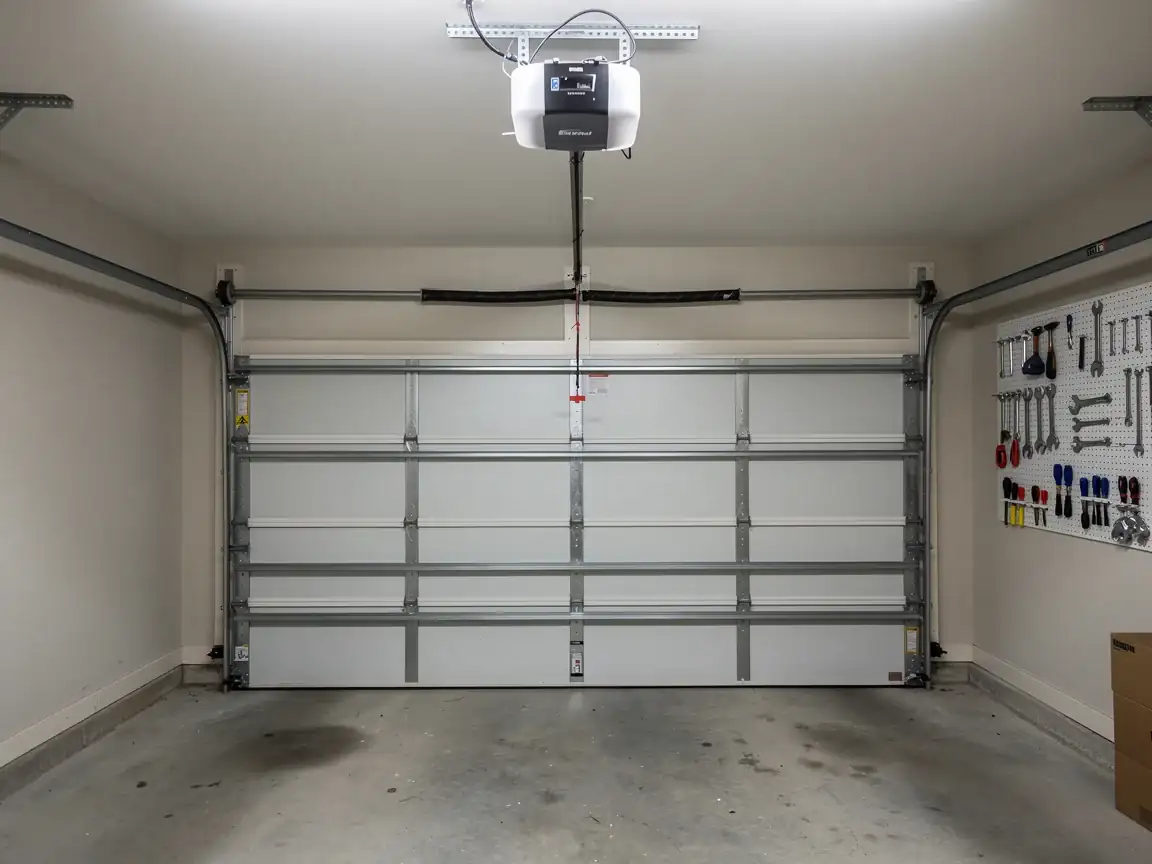
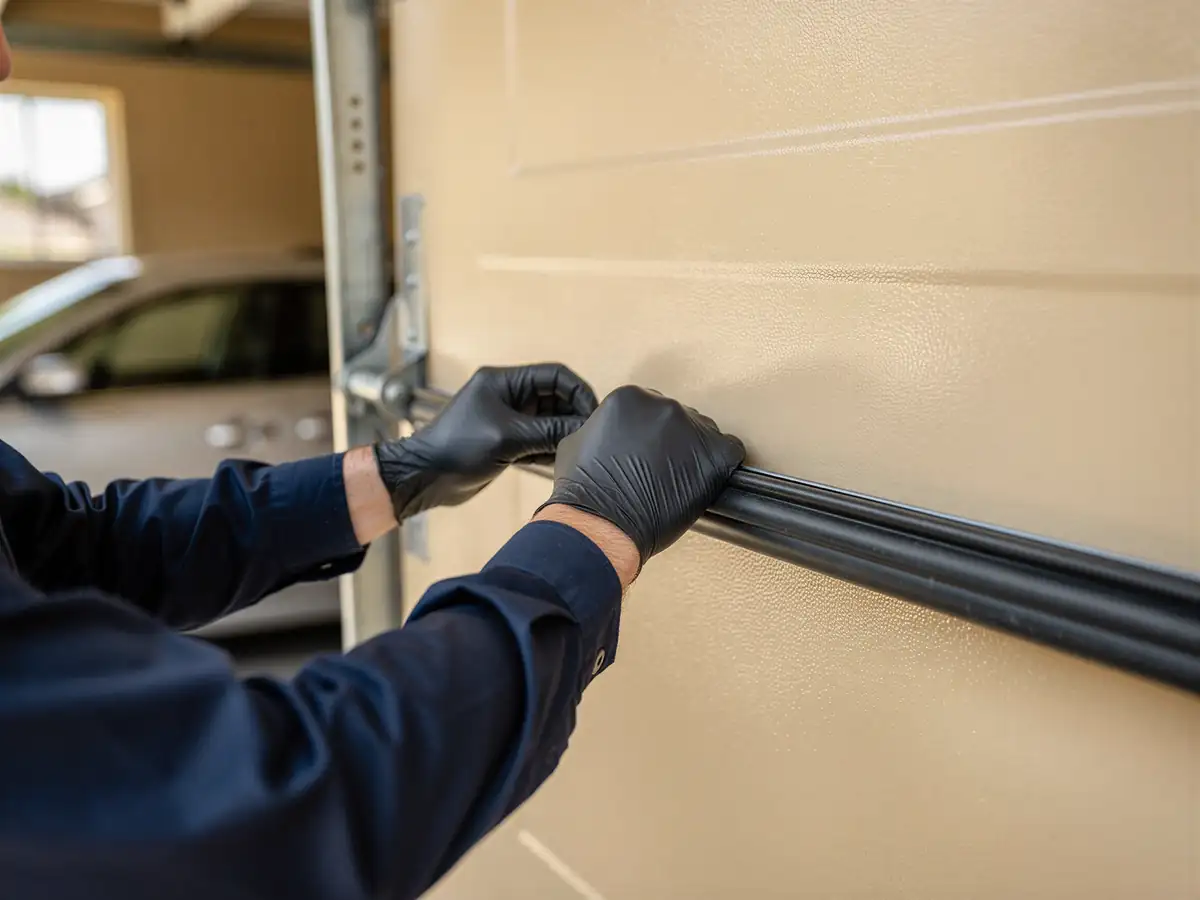
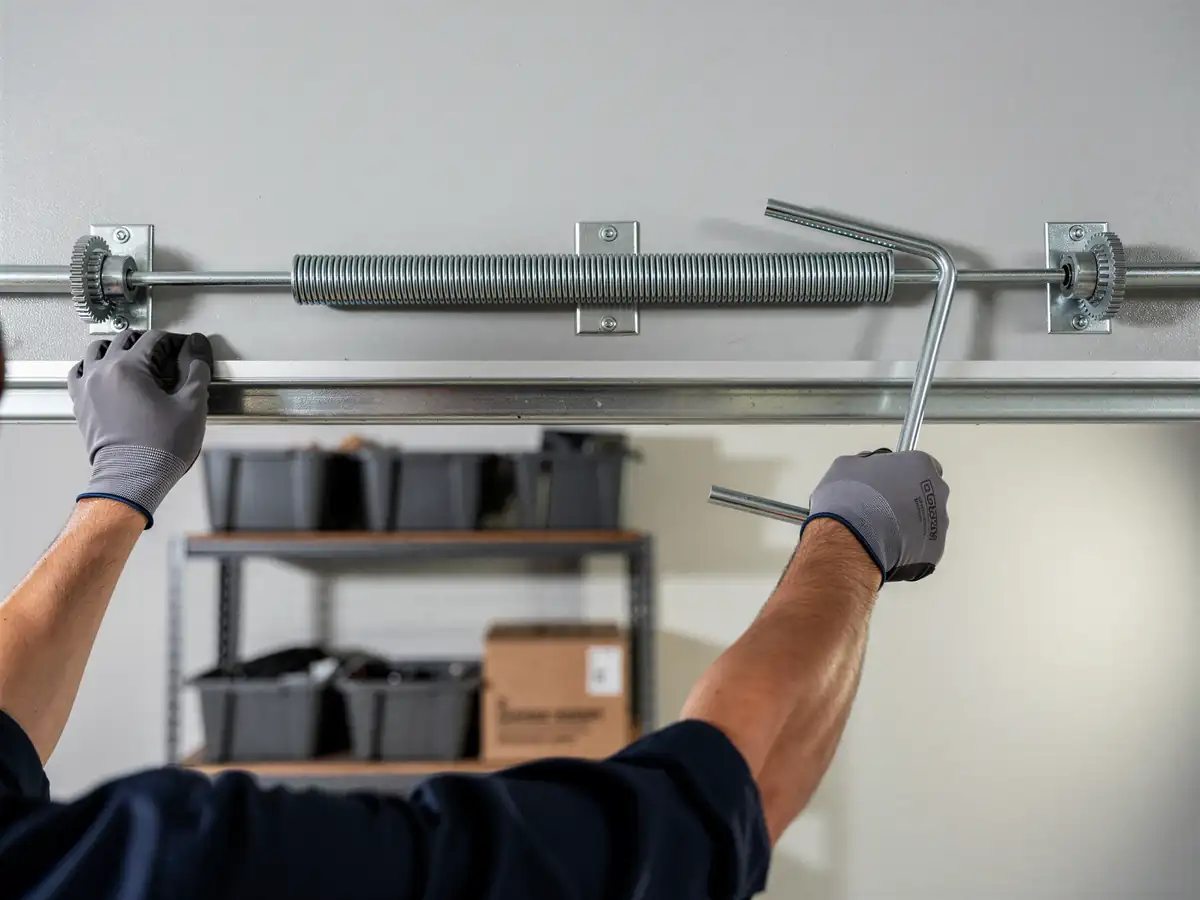
Torsion springs sized for a standard 7-foot or 8-foot sectional door are not a specialty order - we carry the common wind and wire gauges on the truck. What we don't carry is anything custom to a nonstandard door opening, and some 1990s builders did use wider double-door spans that need a heavier dual-spring setup. If your door is original to the house and you're not sure which you have, that's something we check on arrival rather than guess at over the phone.
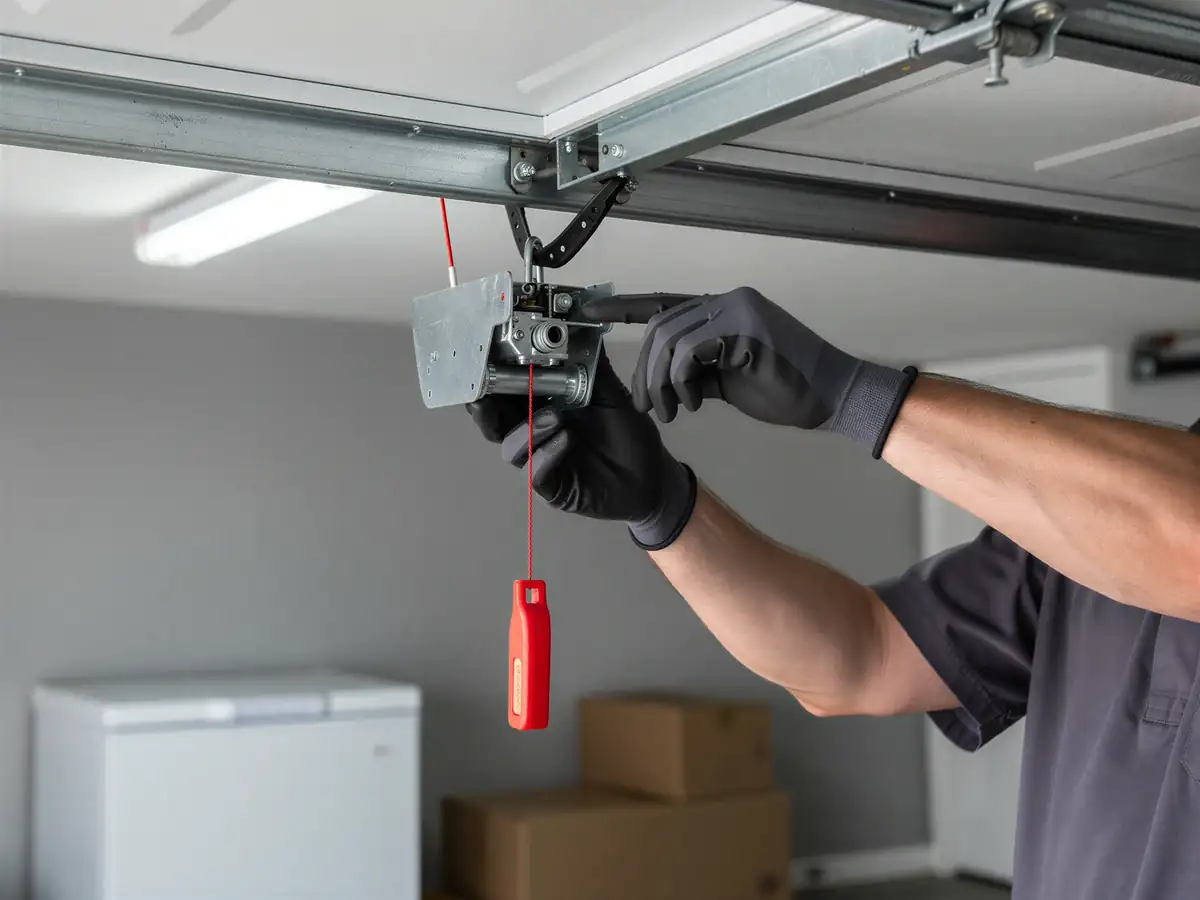
We also carry standard end bearings, cables, and drums
Since a spring failure on a door this age usually takes one of those with it.
See our coverage in Montclair for what else we handle out here
What You Pay
We don't have a Montclair-specific price list to quote, and we're not going to make one up. What we can tell you is that a standard torsion spring replacement on a steel sectional door - the kind most common here - is a more predictable job than on an older door with mismatched or obsolete hardware, because the parts are standard rather than special-order. The broader service area has a median household income around $143,796, and Montclair's is close to that at roughly $143,357, so we're not pricing this job any differently than we would elsewhere in the territory. If your door turns out to have been upgraded with wider hardware than what shipped standard in 1990, that's the one thing that can push a job outside the typical range, and we'll say so before we start, not after.
Why It Happens Here
Springs don't fail because of age alone - they fail because of cycles and cold. Montclair sits inside the same severe cold climate band as the rest of our coverage area, and that matters more for spring steel than most homeowners expect. Cold air makes the coil stiffer and more brittle on each lift, so a spring already near the end of its cycle count is more likely to snap on a January morning than a June afternoon.
With newer construction, the failure mode is usually straightforward fatigue rather than a mismatched or rusted-out original spring from the 1960s. A door built around 1990 has had three decades of daily cycles on its original spring if nobody's replaced it, and that's roughly the lifespan where torsion springs start going. Montclair has about 7,236 households, and across a build year that consistent, we see the same type of failure repeat house to house - not a one-off story, just steel doing what steel does after enough winters and enough cycles.
How We Fix It
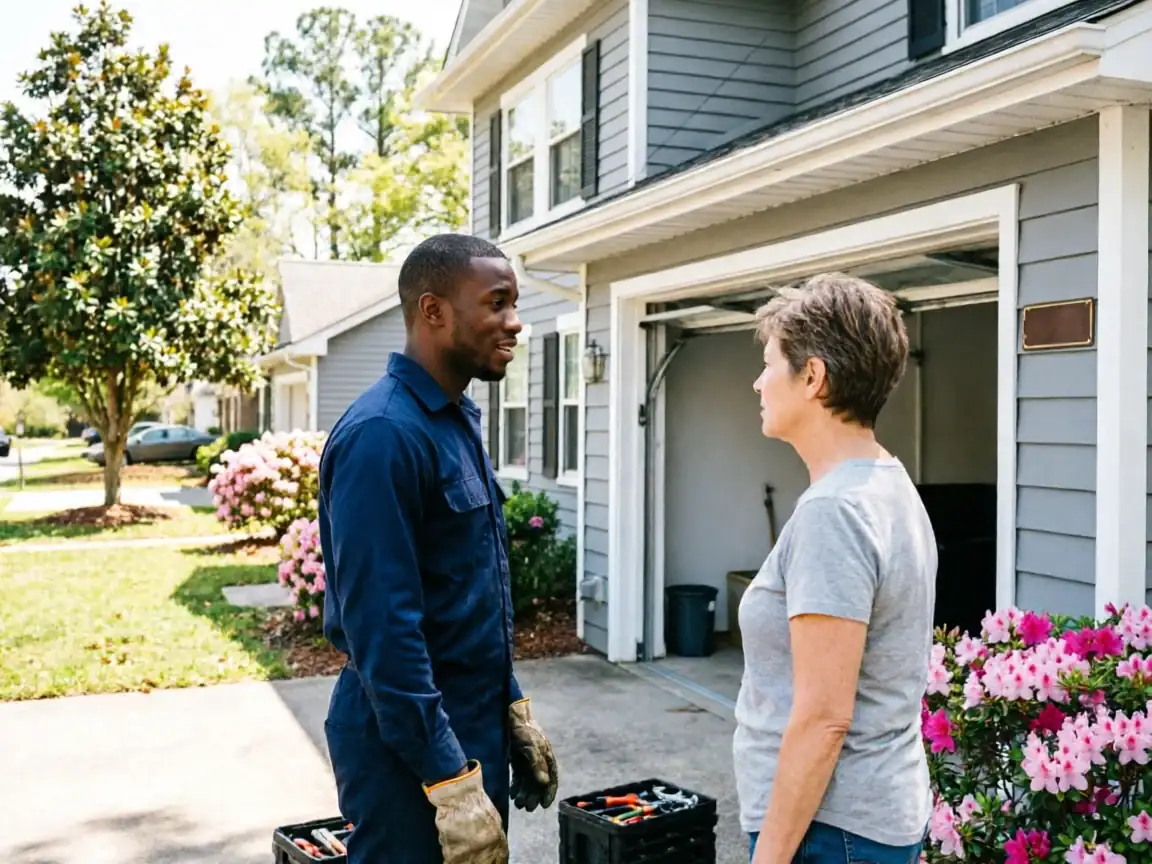
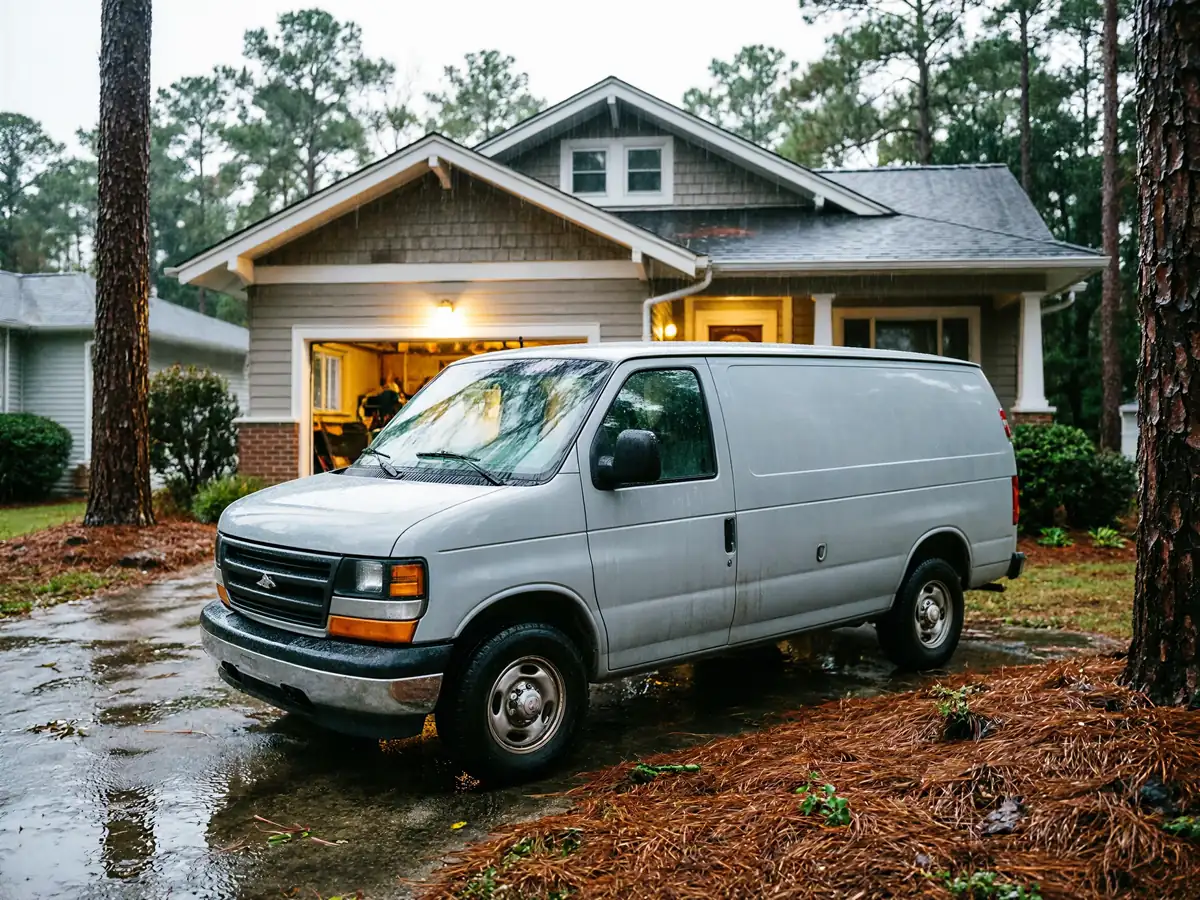
We drive out from our Fairfax base, about 17 miles each way
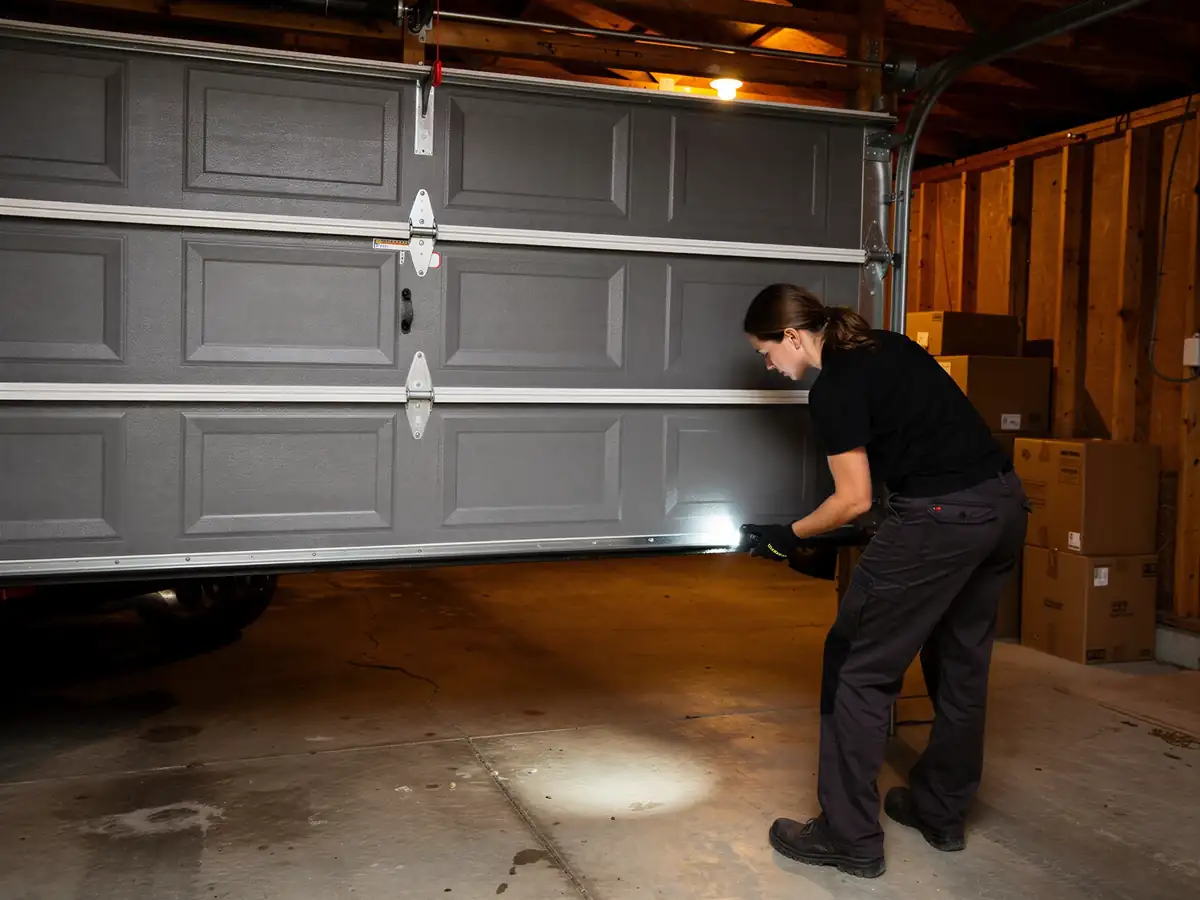
So a Montclair call isn't a same-hour drop-in the way a job five minutes from the shop might be - we're upfront about that rather than promise a window we can't hold. Once we're on site, a torsion spring job on a standard steel door runs the same way it does anywhere: secure the door, release tension on the old spring, swap it along with cables and drums if they're worn, and recheck balance before we leave.
- 17 miles
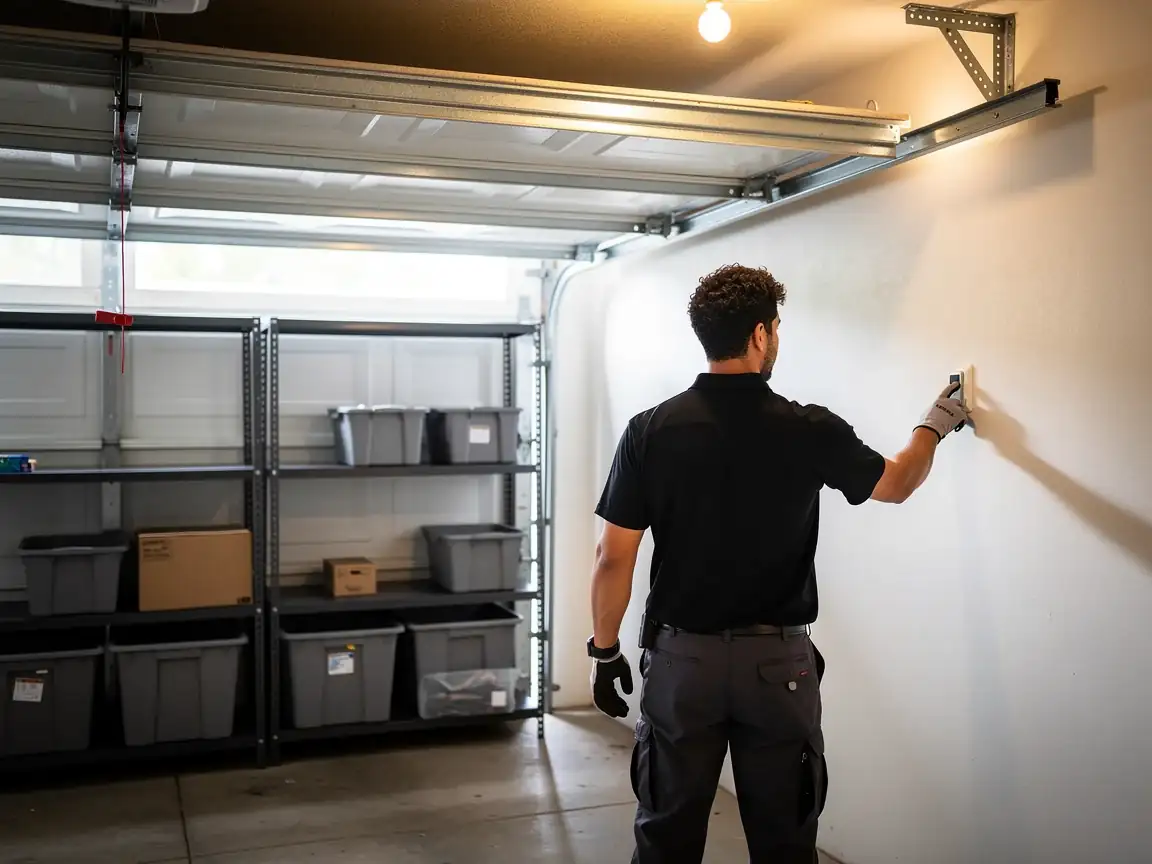
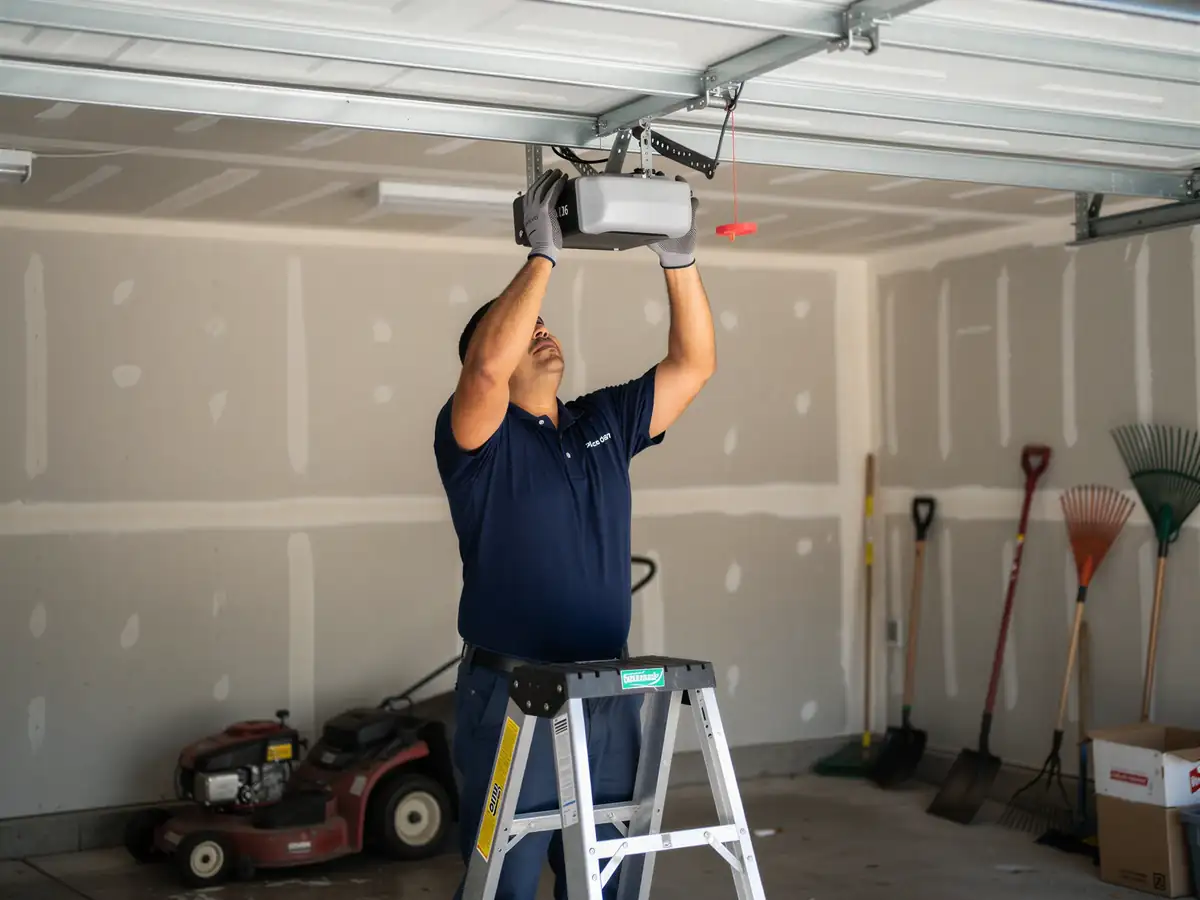
We test the door's balance by hand, not just by running the opener
Because an opener can mask a spring that's slightly undersized or unevenly matched on a double door. If the torsion bar, end bearings, or track show wear beyond the spring itself, we'll flag it - replacing a spring on a door with a bent track just means you call us again sooner. For full detail on how we run this job across the wider territory, see our spring repair page for Fairfax.