How We Fix It
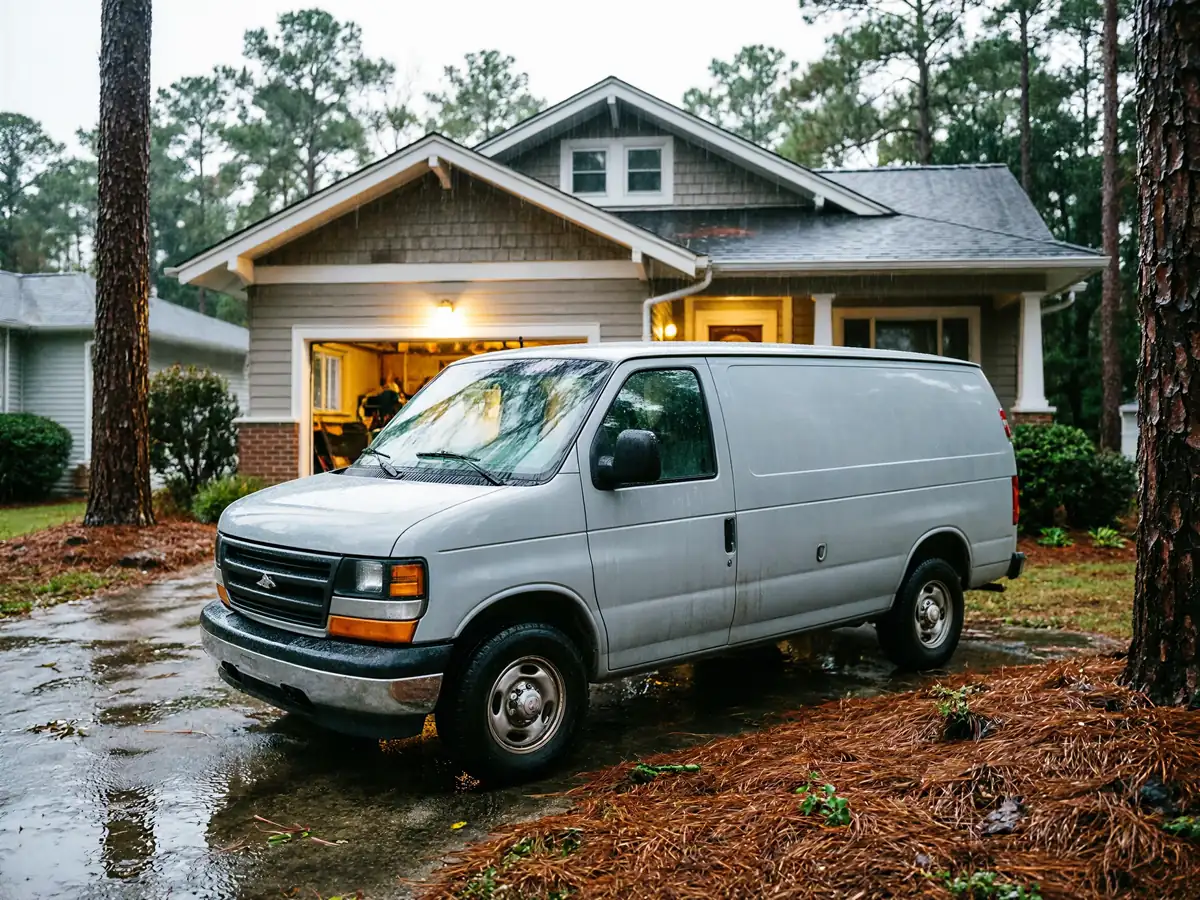
Wolf Trap sits about 6 miles out from our Fairfax shop
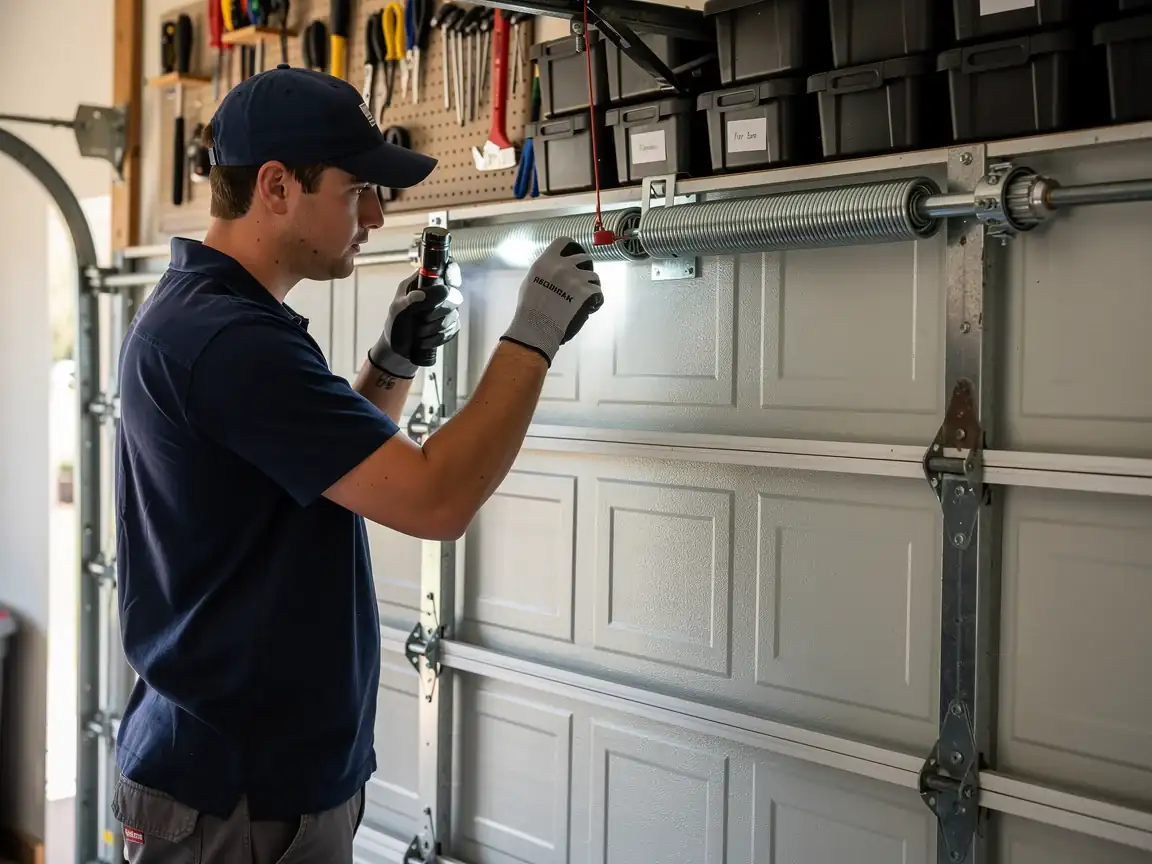
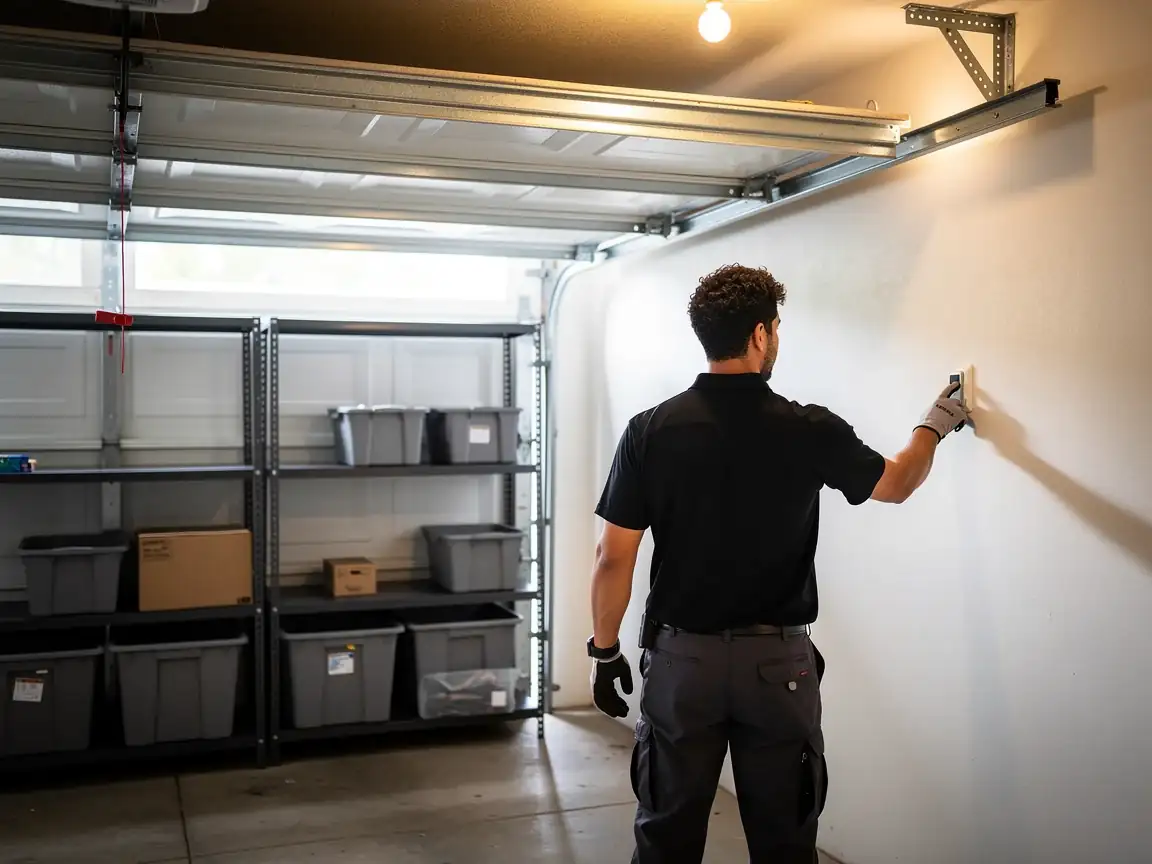
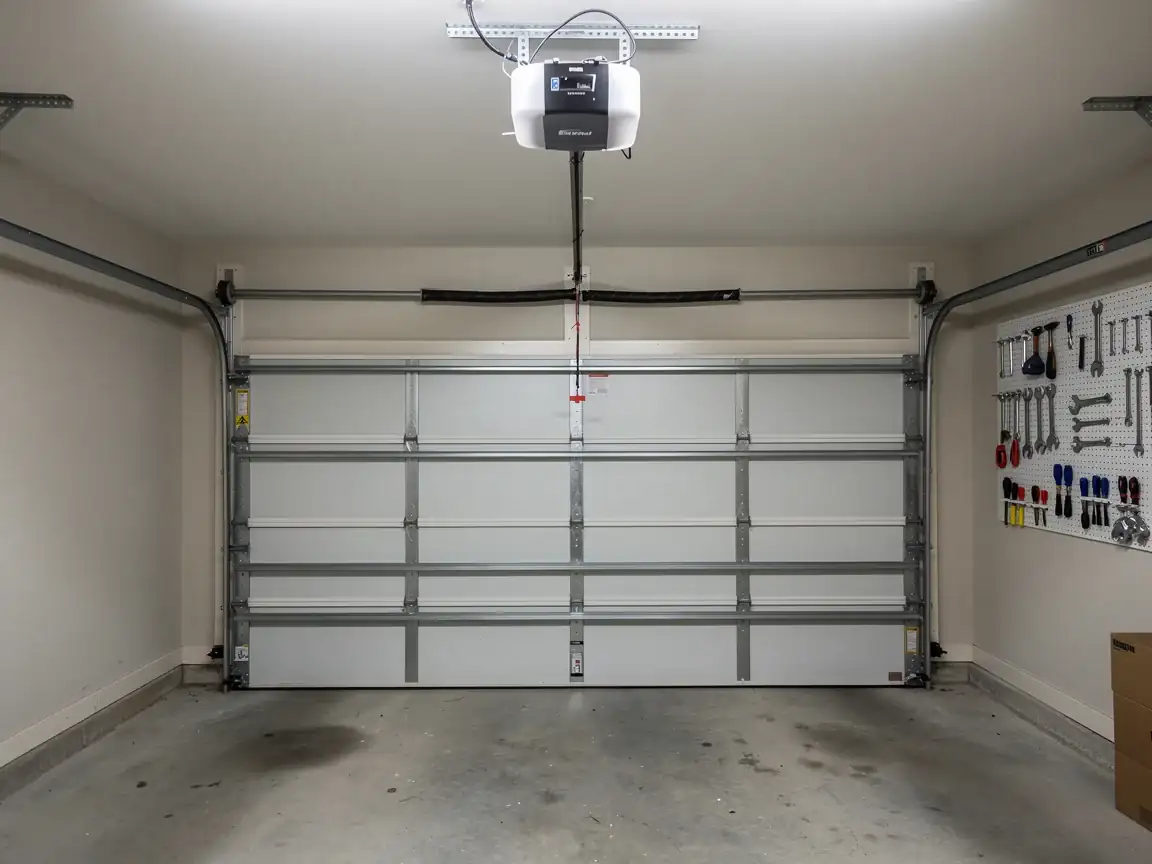
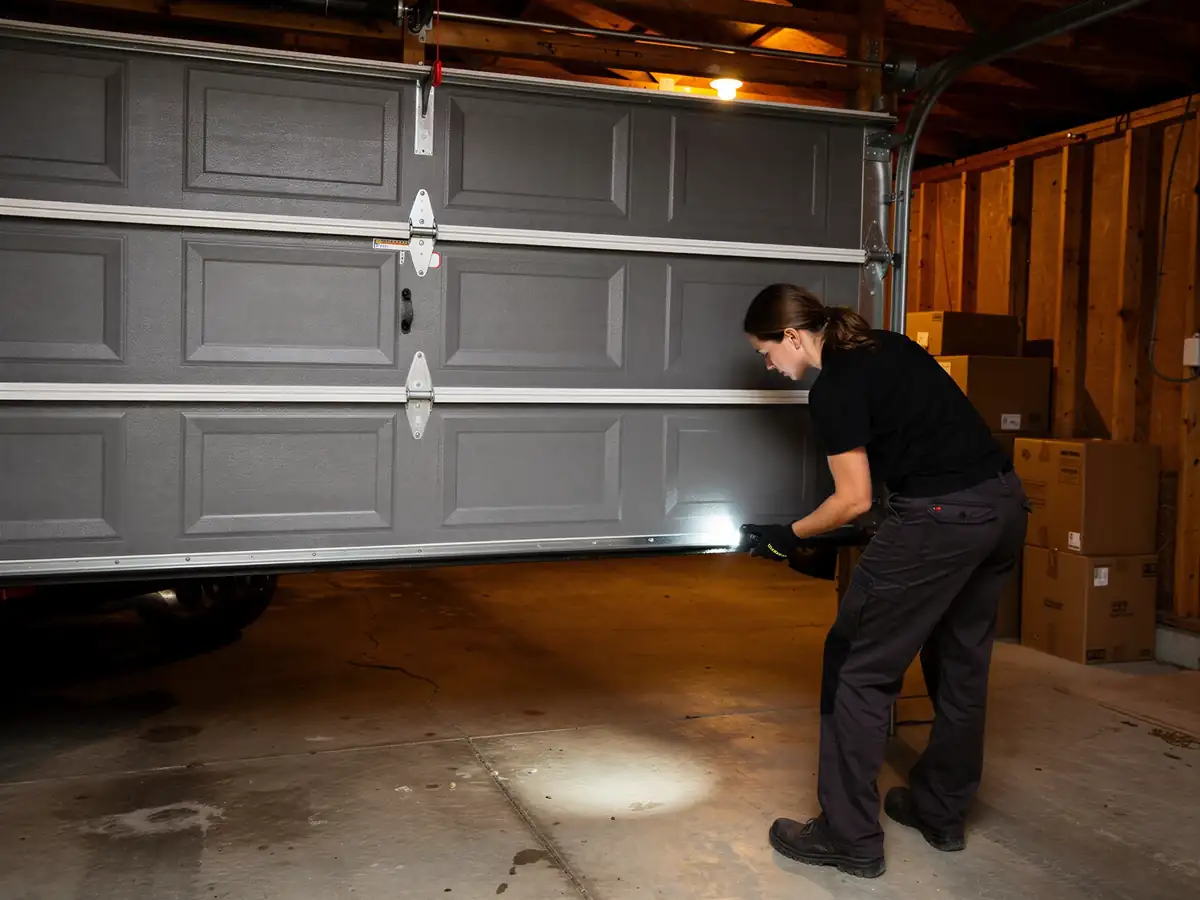
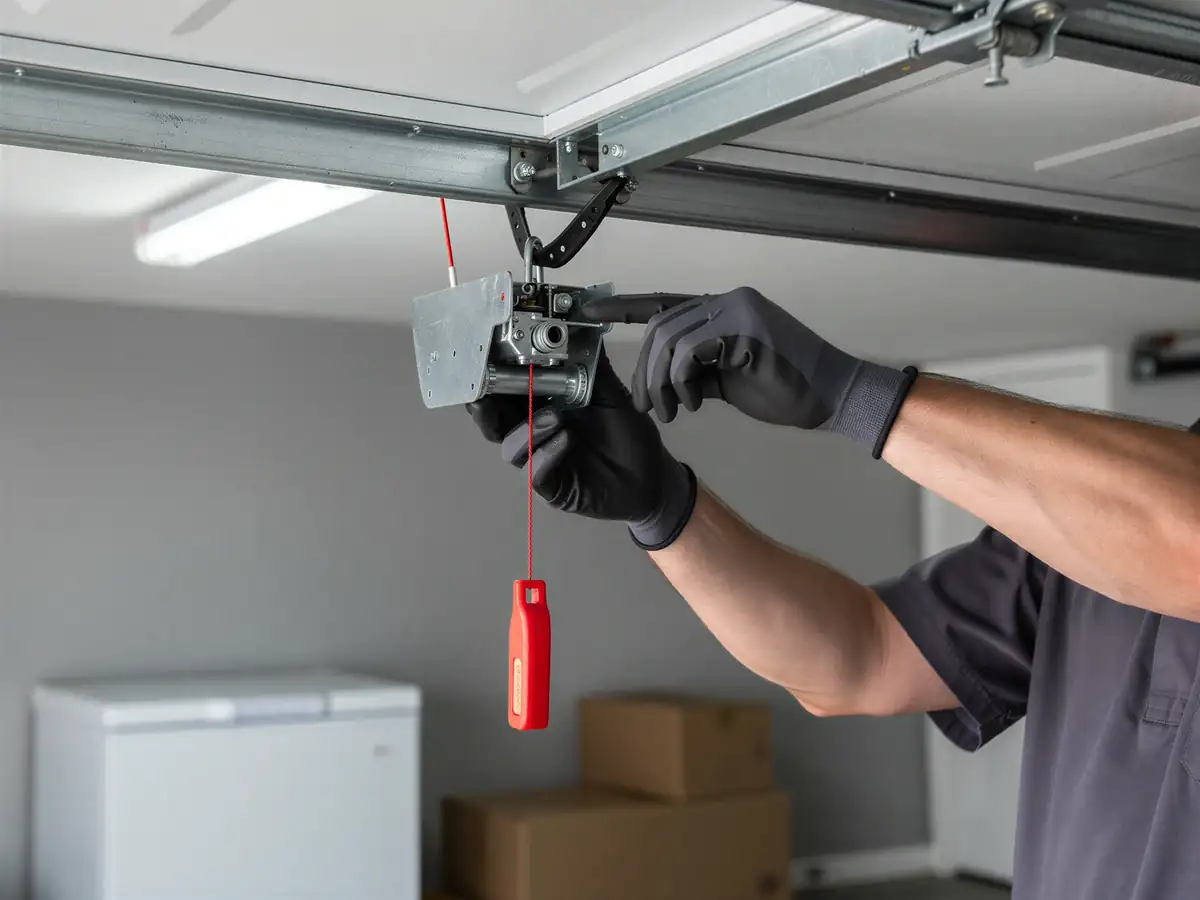
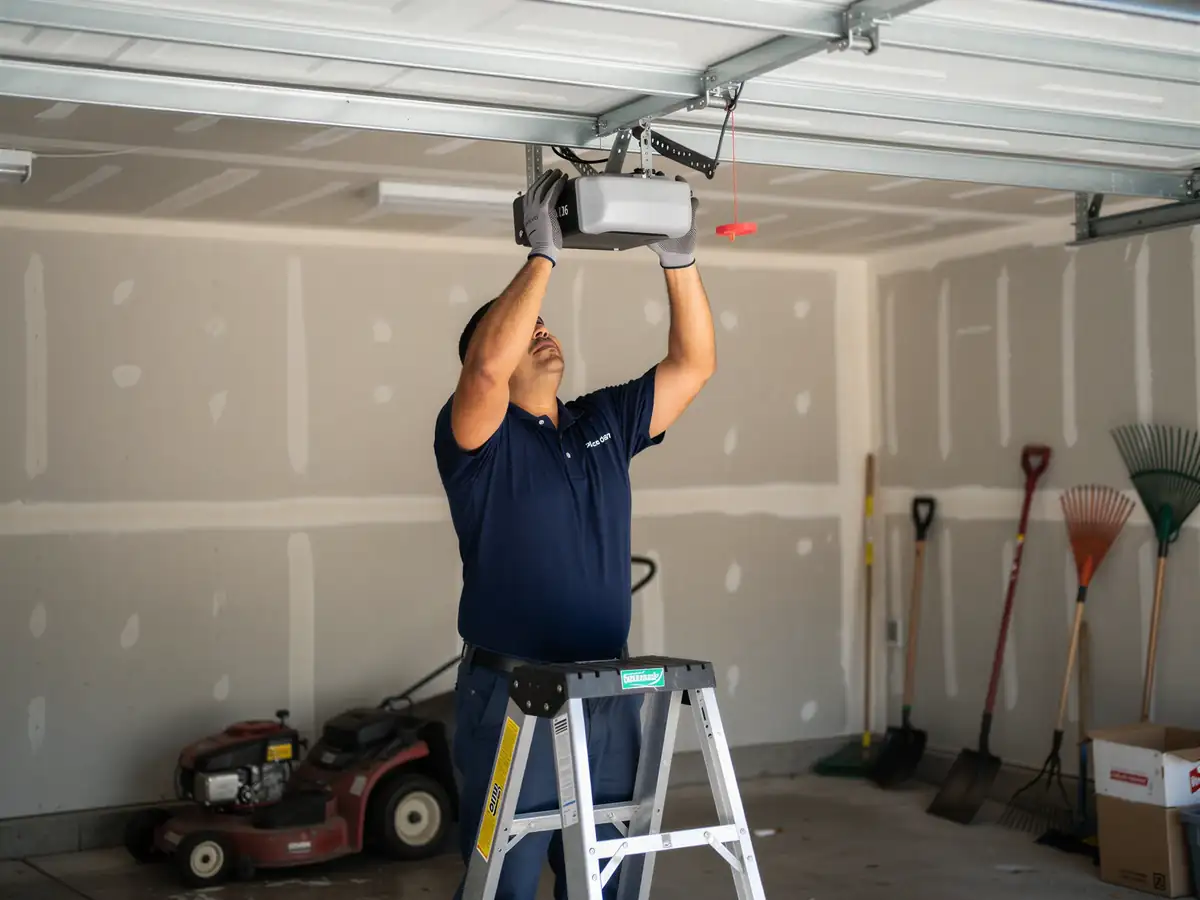
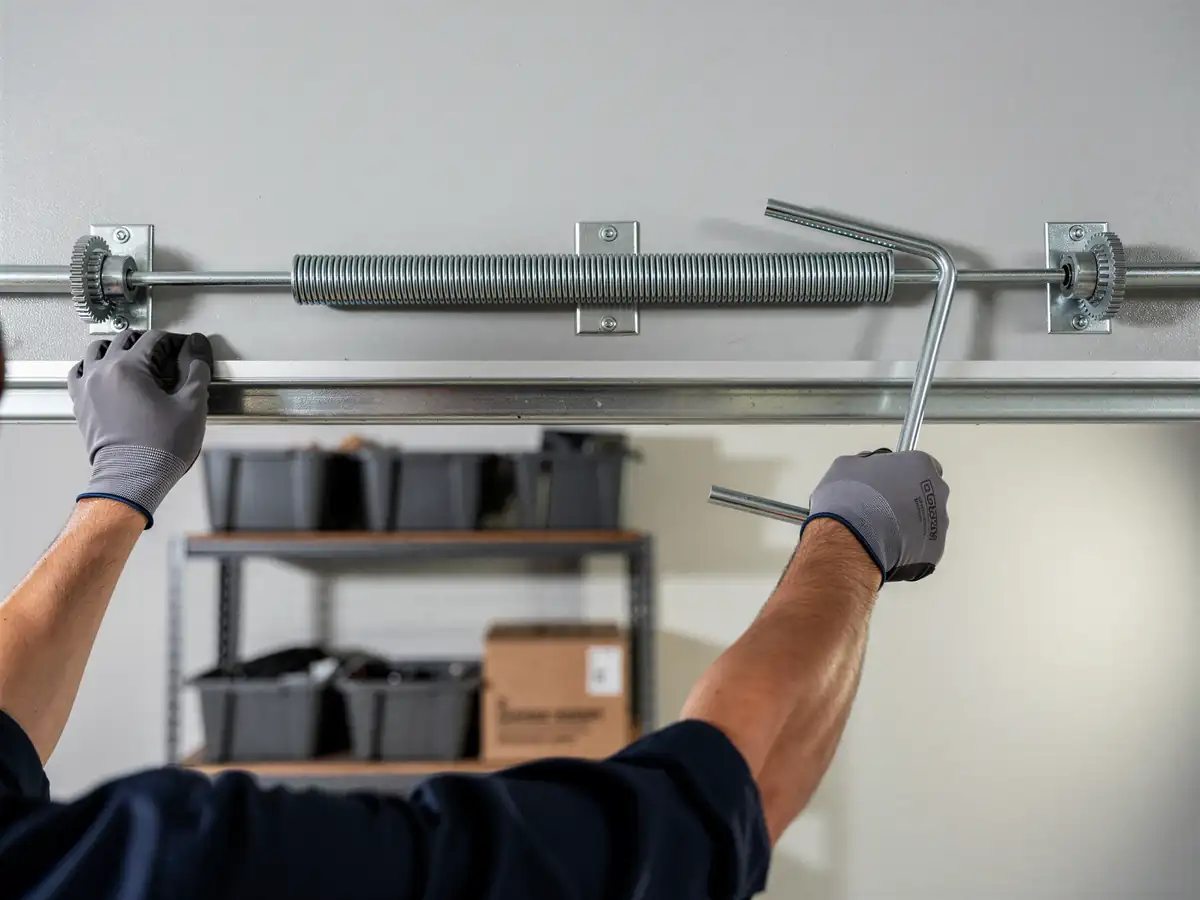
And the first thing we check isn't the door - it's the build year. Median year built here is 1981, a few years past the 1978 median across the wider service area, which puts a lot of Wolf Trap garage doors into the early transition from extension springs to torsion bar systems. On a maintenance visit we're inspecting the torsion shaft and center bearing plate as closely as the springs themselves, lubricating rollers and hinges, checking cable fray at the drum, and testing auto-reverse on the opener. If the opener is original to a 1981 build, it's past any safe service life and we'll tell you that straight rather than keep tuning it.
- 6 miles
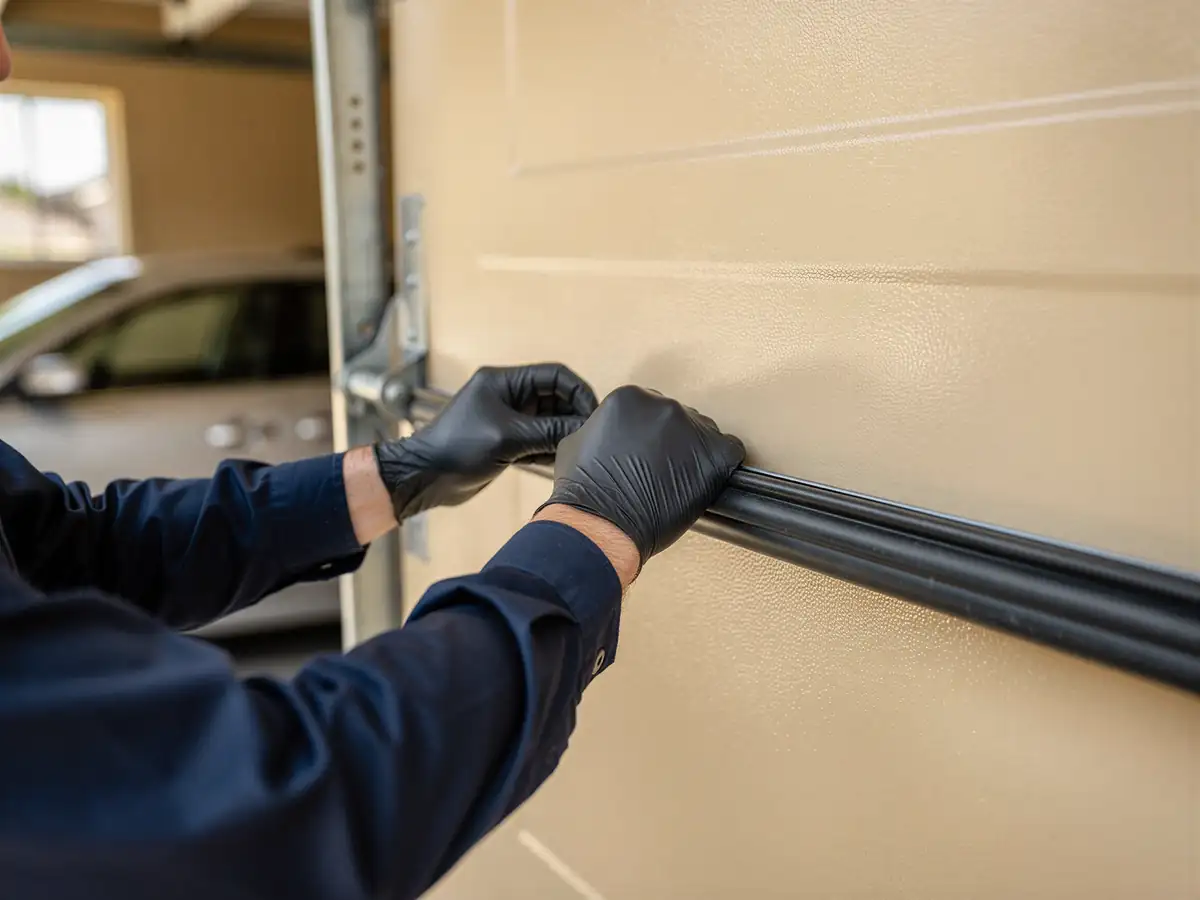
We also check weatherstripping and bottom seal condition every visit
Because a gap there does more to let cold air in than people expect. We don't replace a whole door on a maintenance call just to hit a quota - if the track is true and the hardware is sound, we service it and move on.
Why It Happens Here
Across the 38 named areas in our coverage, most garage doors date to the 1960s and 70s. Wolf Trap runs a bit newer, with a median build year of 1981, which changes what actually fails. Older stock tends to have worn-out extension spring setups; Wolf Trap's doors are more likely to have early torsion hardware that's now over 40 years old and was never designed for annual inspection. Add in a winter climate on the severe end of cold, and galvanized torsion springs lose coating and start rusting at the coil, especially on north-facing doors that don't get afternoon sun. That rust doesn't show as a broken spring - it shows as a door that groans going up and comes down a little crooked.
Time on the Job
A standard maintenance visit - lubrication, hardware inspection, opener safety test, track alignment check - runs about the same regardless of neighborhood, but what we find in Wolf Trap changes how long we spend per door. On a 1981-era torsion system, we're often spending extra time freeing a center bearing that's never been greased, which isn't a five-minute job once it's seized. We won't rush that part to hit a schedule.
Can You Do This Yourself
Plenty of this is homeowner work. You can vacuum the track, wipe down and lubricate rollers with a garage-door-specific lubricant (not WD-40, which washes grease out), and check that the bottom seal isn't cracked or pulling away. You can also test auto-reverse yourself: set a 2x4 flat on the ground under the door and make sure it reverses on contact.
What you shouldn't touch is the torsion spring or anything under tension - that's where people get hurt, and on a door built around 1981 the hardware has had four decades to corrode in ways you can't always see from the floor. If the door is noticeably off-balance, disconnect the opener and lift it by hand; if it doesn't stay roughly level on its own, that's a spring tension issue, not a maintenance item.
Parts We Carry
We carry common rollers, hinges, cables, and standard torsion springs sized for residential doors, along with weatherstrip kits suited to the cold-winter conditions this area sees. What we don't always have on the truck is an exact-match opener logic board or a spring sized for an unusual 1981-era torsion setup - those sometimes mean a short order delay rather than a same-visit fix. We'll tell you up front if that's the case rather than install a mismatched part to close the job out.