How We Fix It
The call we get most from Wolf Trap isn't a dead opener
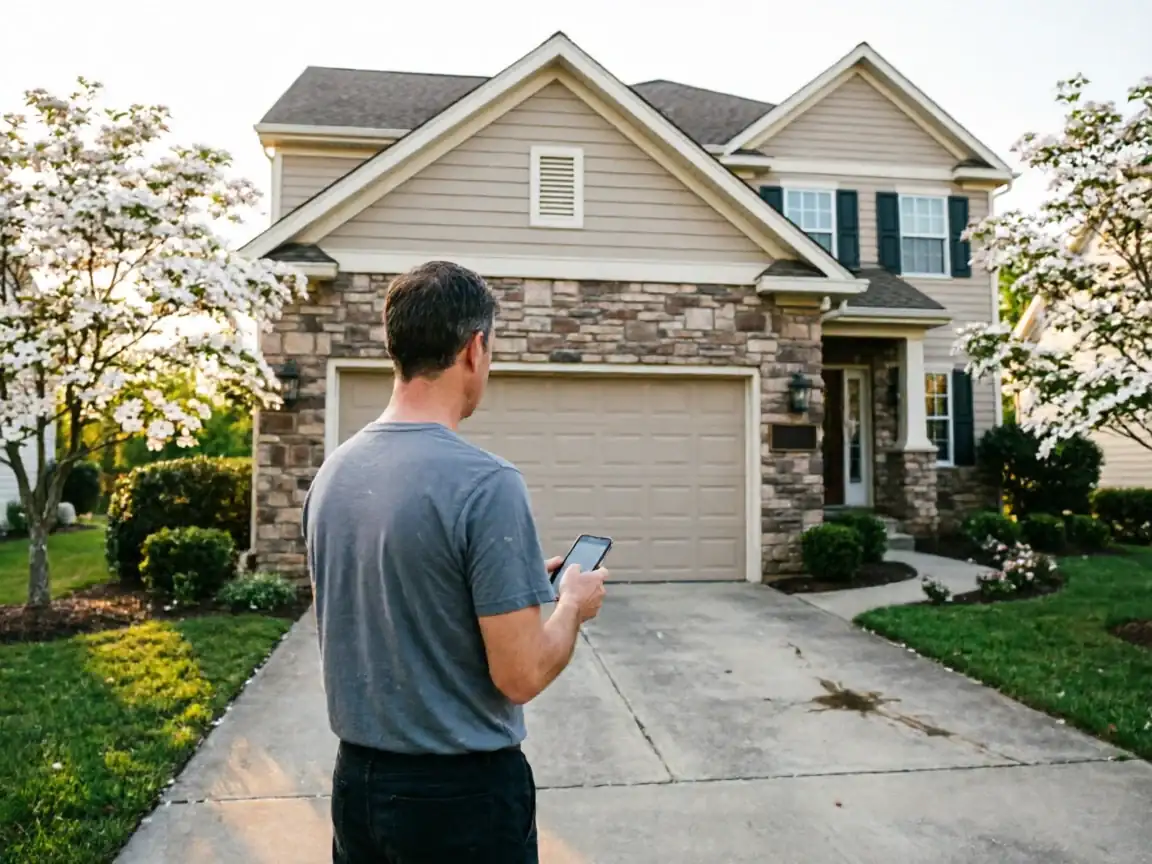
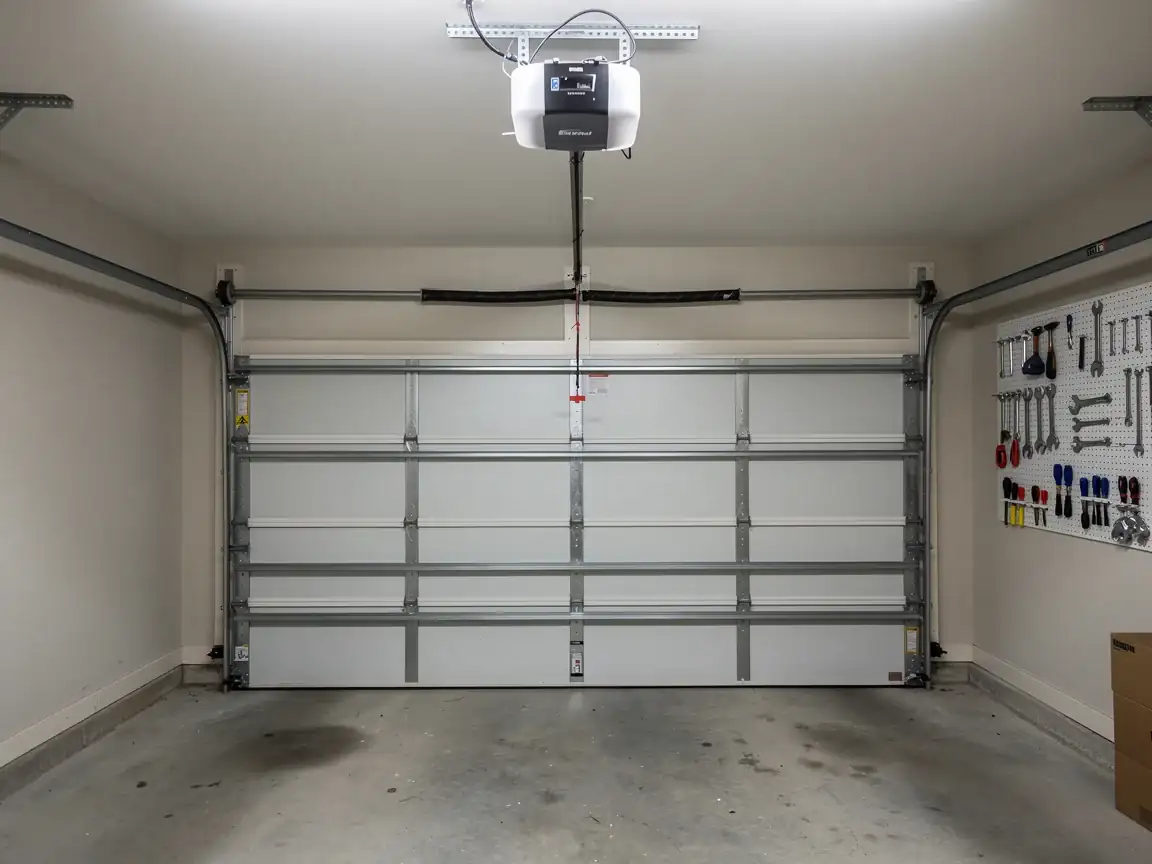
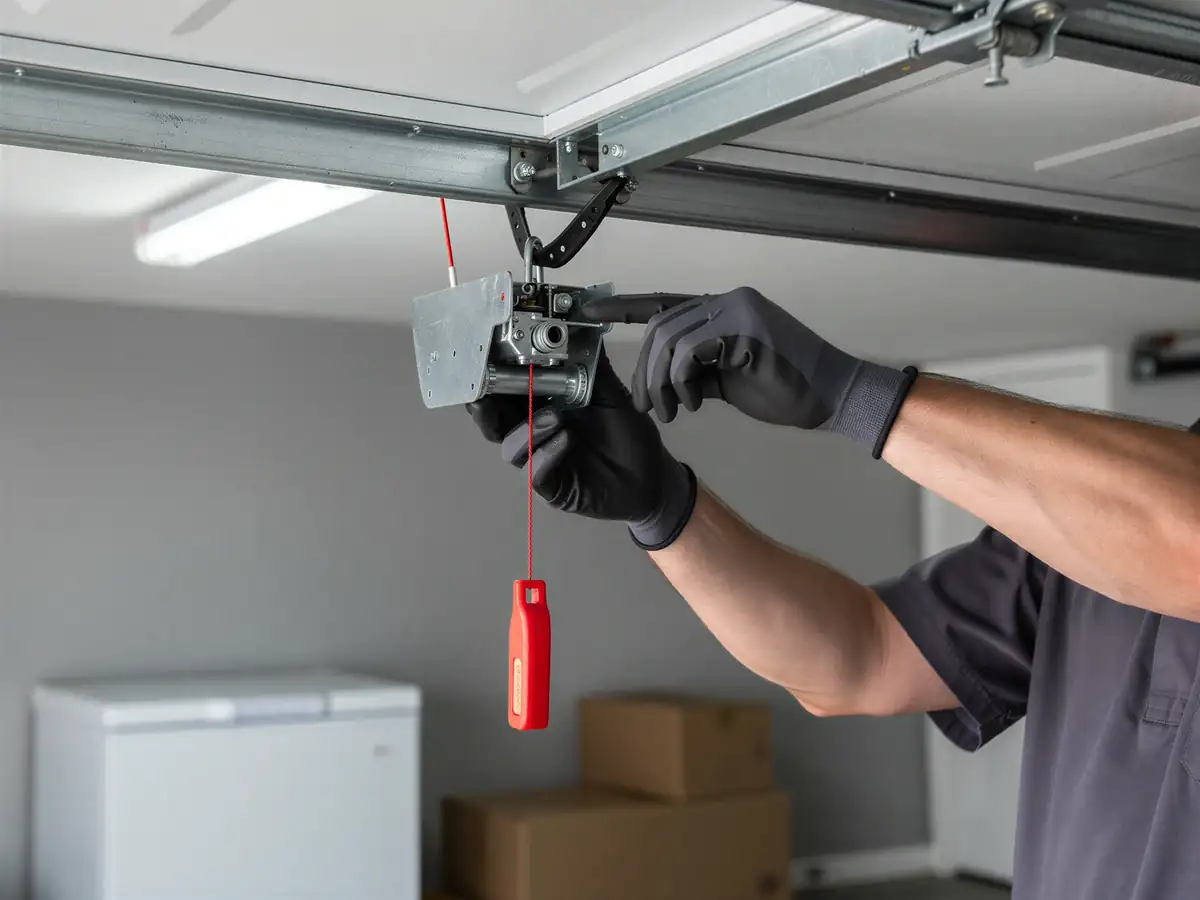
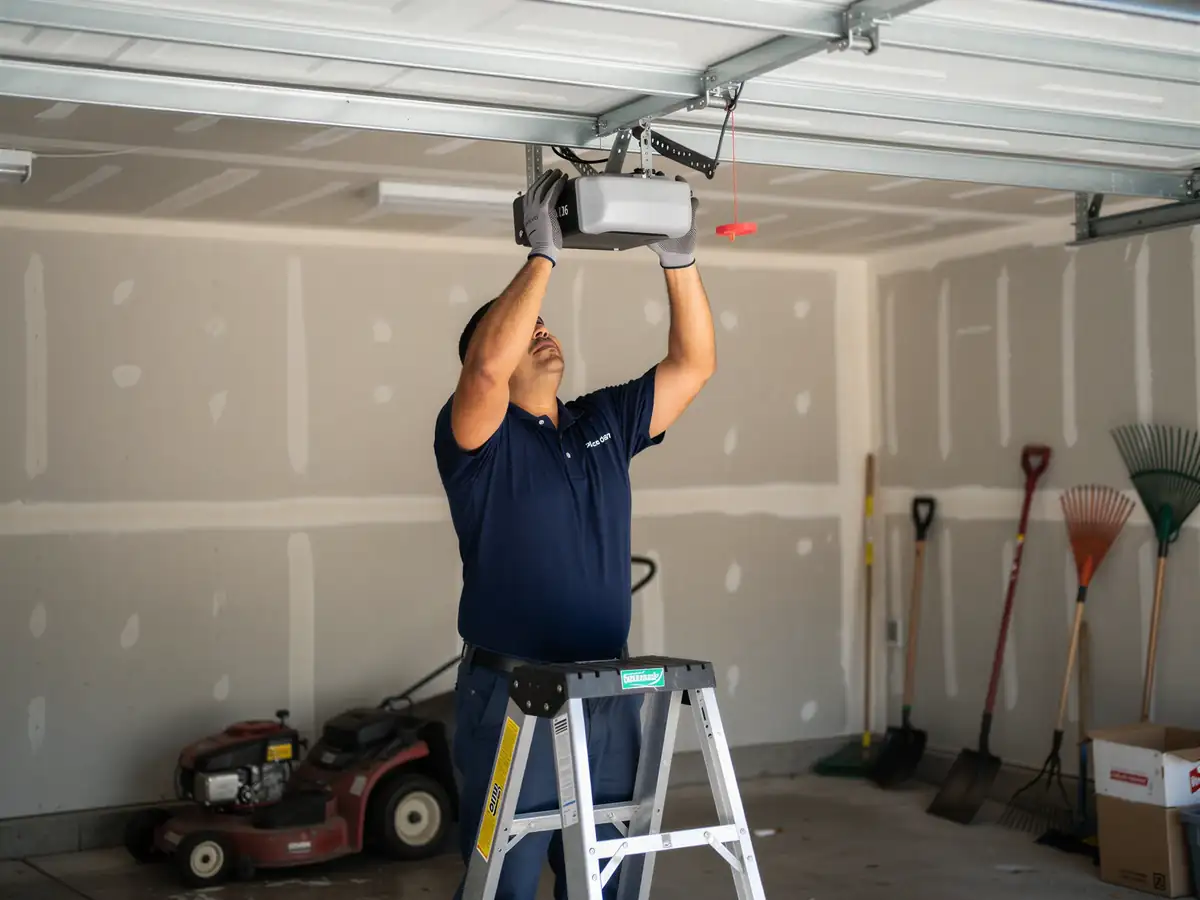
It's one that's working just enough to be dangerous. Houses in this pocket went up mostly around 1981, and a lot of them are still running whatever chain-drive unit came with the house or got swapped in sometime in the 90s. Single light-beam setups, worn drive gears, remotes that only work if you park the truck right under the antenna. None of that is a mystery fix. We pull the old opener and rail, check the header bracket (older installs here often used lighter wood backing than current code expects), and set a new unit with a properly supported mount.
The second thing we check, every time, is the door itself
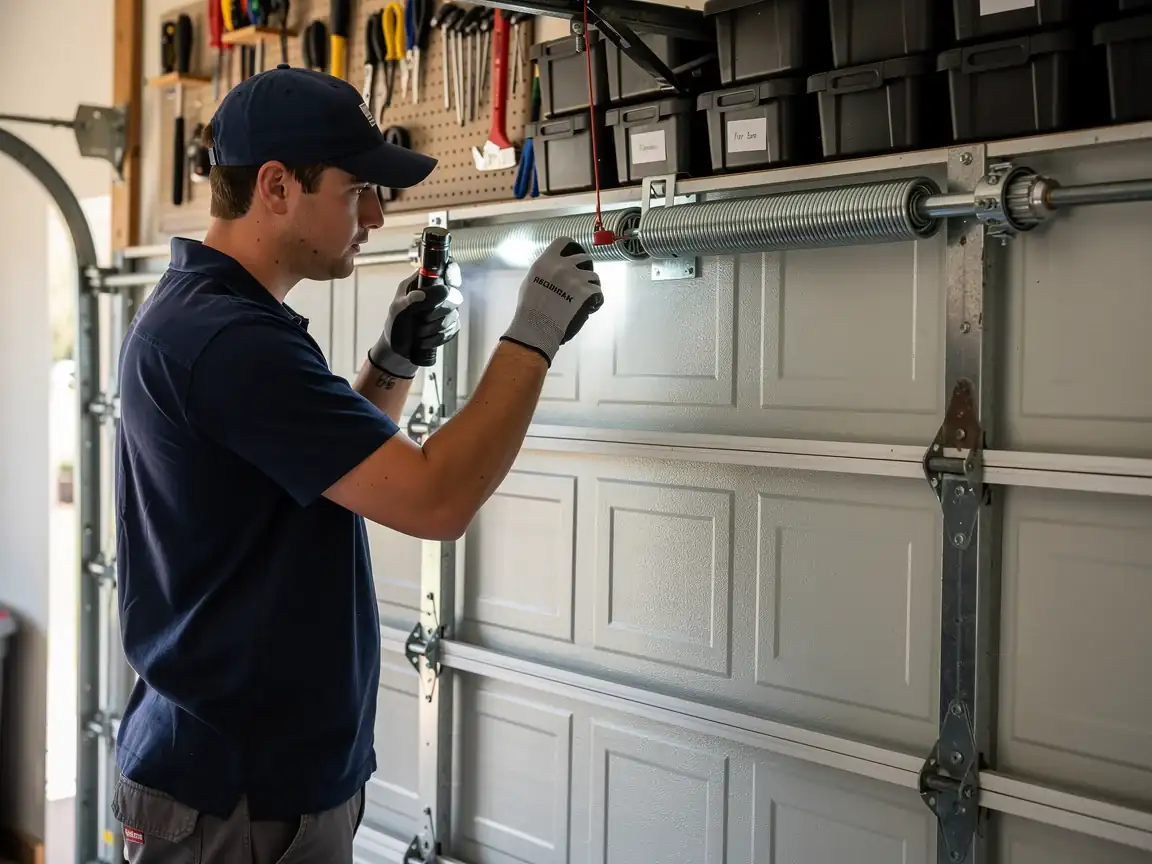
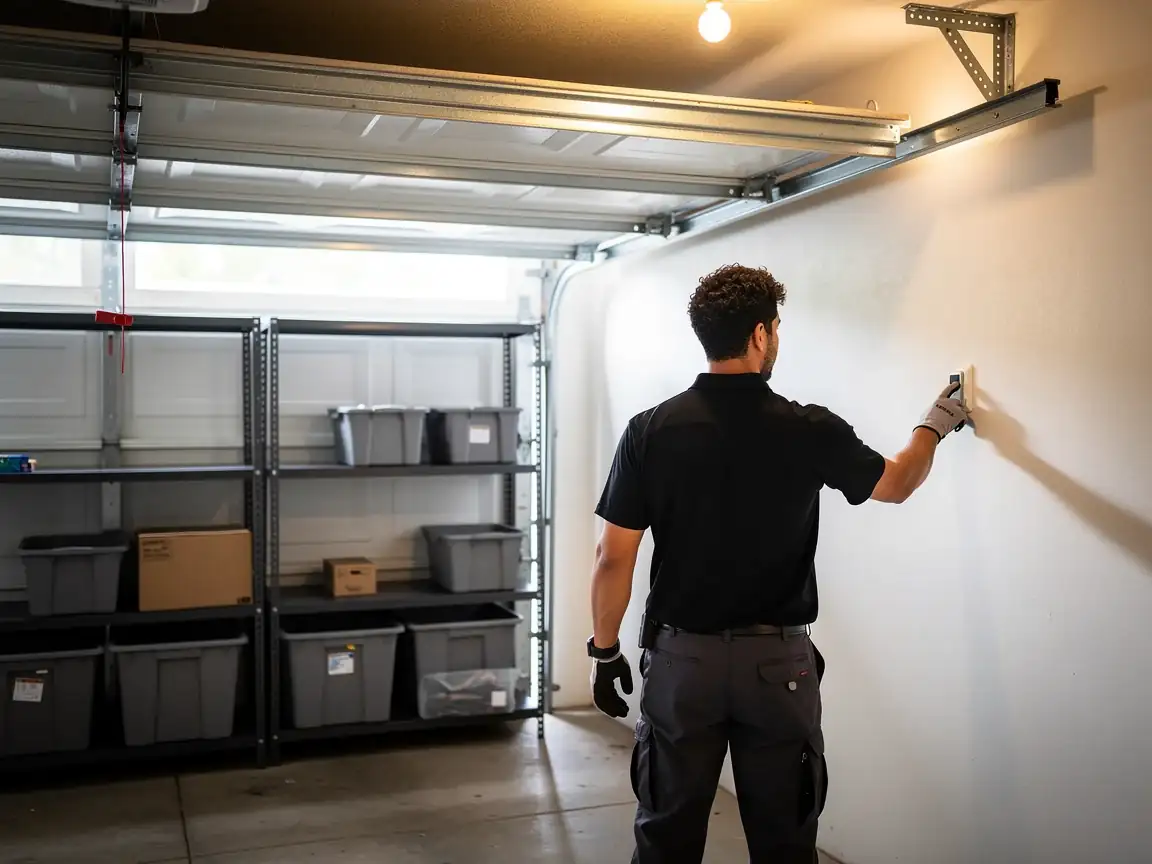
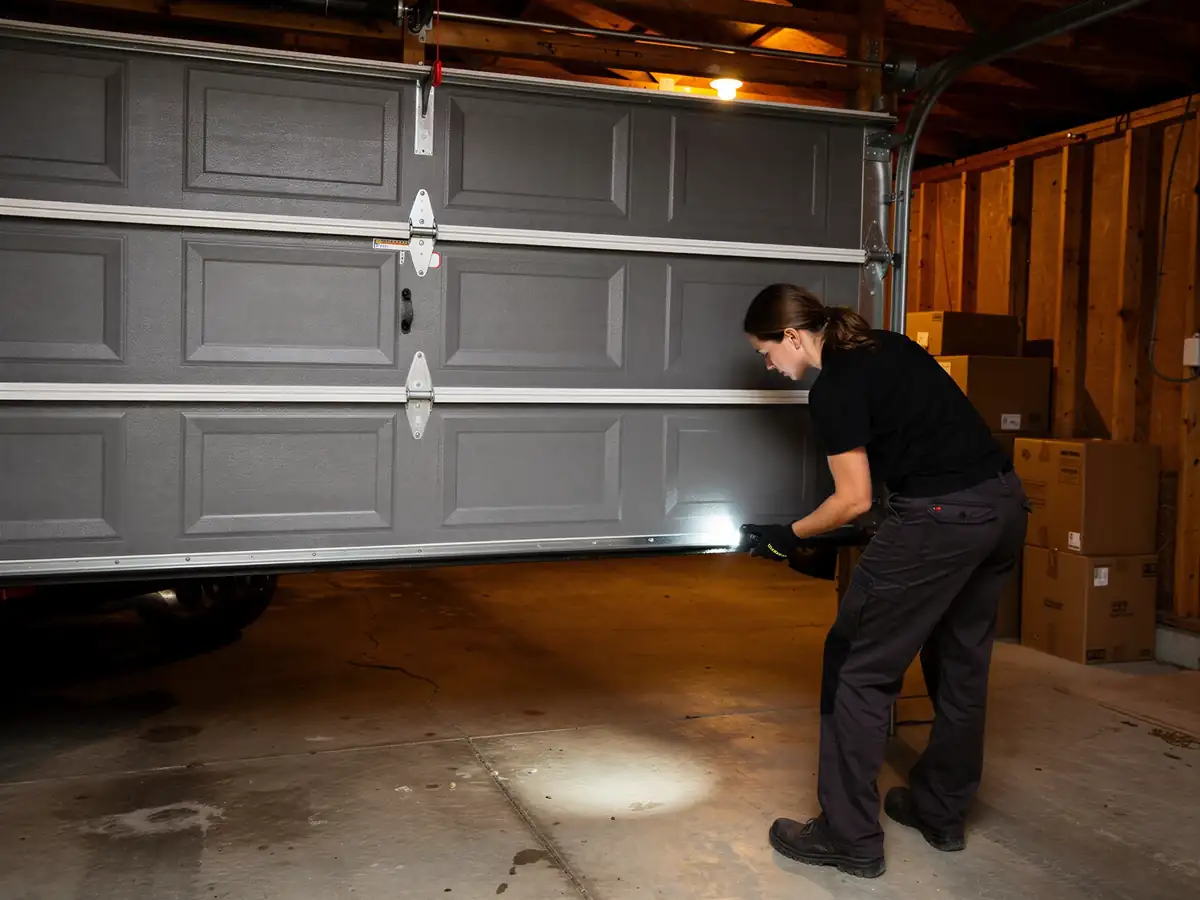
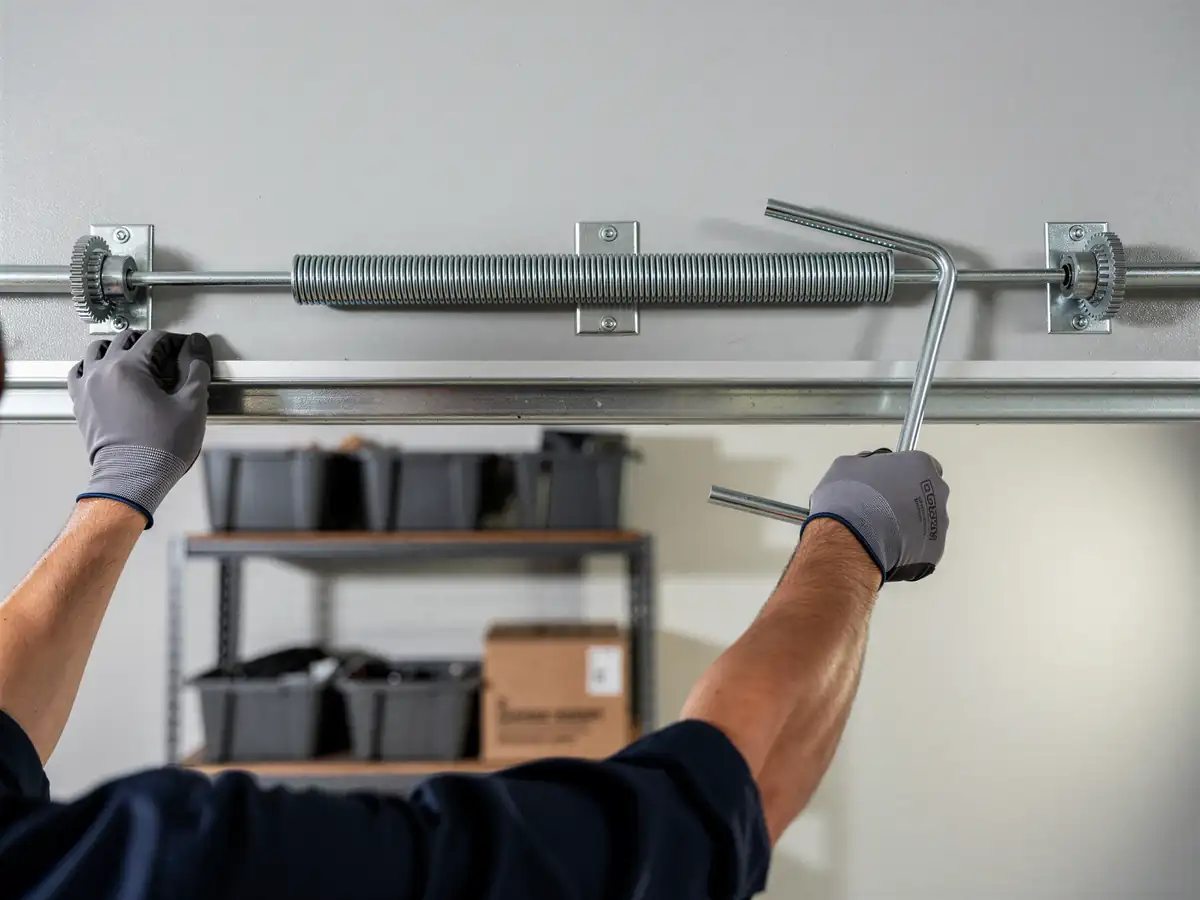
An opener is only as good as the door it's lifting. If the springs or rollers on a 1981-era door are original or close to it, we'll tell you before we hang a new motor on tired hardware - putting a strong opener on a door that's already fighting its own springs just wears the new unit out faster. We install, test full travel and force settings, and confirm the safety reverse actually stops on contact before we leave.
Why It Happens Here
Wolf Trap sits in a cold-winter climate zone, and that matters more for openers than most people think. Chain and belt drives both tighten up in hard cold, and a motor that's already working around a stiff, under-lubricated chain draws more current every cycle - that's what burns out drive gears and capacitors early. Houses built in 1981 are old enough that the original garage framing and header setup predate a lot of the bracing and mounting standards used in newer construction, so retrofit mounts sometimes need shimming or a different anchor point than a 2005-built house would.
Wolf Trap's median household income, over $250,000, runs well above the roughly $143,796 median across the wider service area, and it shows up in what people ask for: fewer bare-bones chain drives, more belt-drive and smart-connected units with battery backup. We carry both, but we're not going to upsell a $250,001-income household a unit they don't need just because the number looks right - the house dictates the opener, not the ZIP code.
Time on the Job
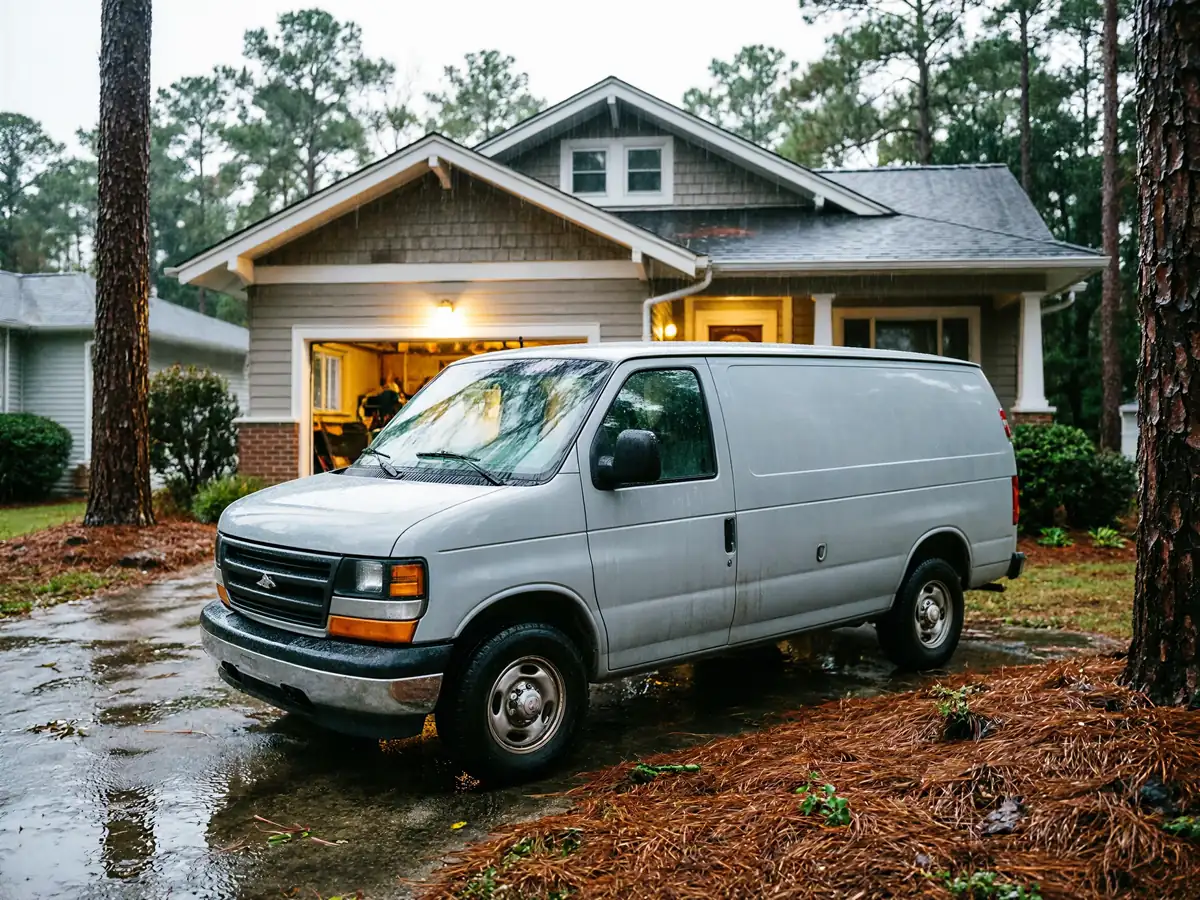
A straight opener swap, where the rail, bracket points, and wiring are already in decent shape, is a same-visit job once we're on site. Where it runs longer is on houses with the original 1981 framing and no existing opener wiring run to the panel - that means extra time for a new circuit tap or running conduit, and we'll tell you that before we start, not after. We come out from Fairfax, about six miles south, so Wolf Trap jobs get scheduled around that drive, not treated as a walk-in stop.
Can You Do This Yourself
Swapping an opener yourself is doable if you're comfortable on a ladder and good with a multimeter - the kits come with decent instructions. Where people get hurt, or just get it wrong, is the safety reverse and force-limit adjustment. If that's set too high, the door won't stop on an obstruction the way it should, and that's not a setting you want to guess on, especially with a 1981-era door opening that may not sit perfectly square anymore. If your garage circuit doesn't already have a dedicated outlet near the mount point, that's also not a weekend-afternoon fix - it's an electrician conversation first.
Parts We Carry
We stock standard chain-drive and belt-drive openers along with the brackets, rail sections, and safety sensors that cover most of what we run into on Wolf Trap's housing stock. Battery backup units and smart-app models are in regular rotation given the demand here. What we don't keep on the truck is every specialty bracket for non-standard header framing - on an older house where the ceiling or header doesn't match a normal mount pattern, we may need to order a part before we can finish, and we'll say so up front rather than make you wait on site.