How We Fix It
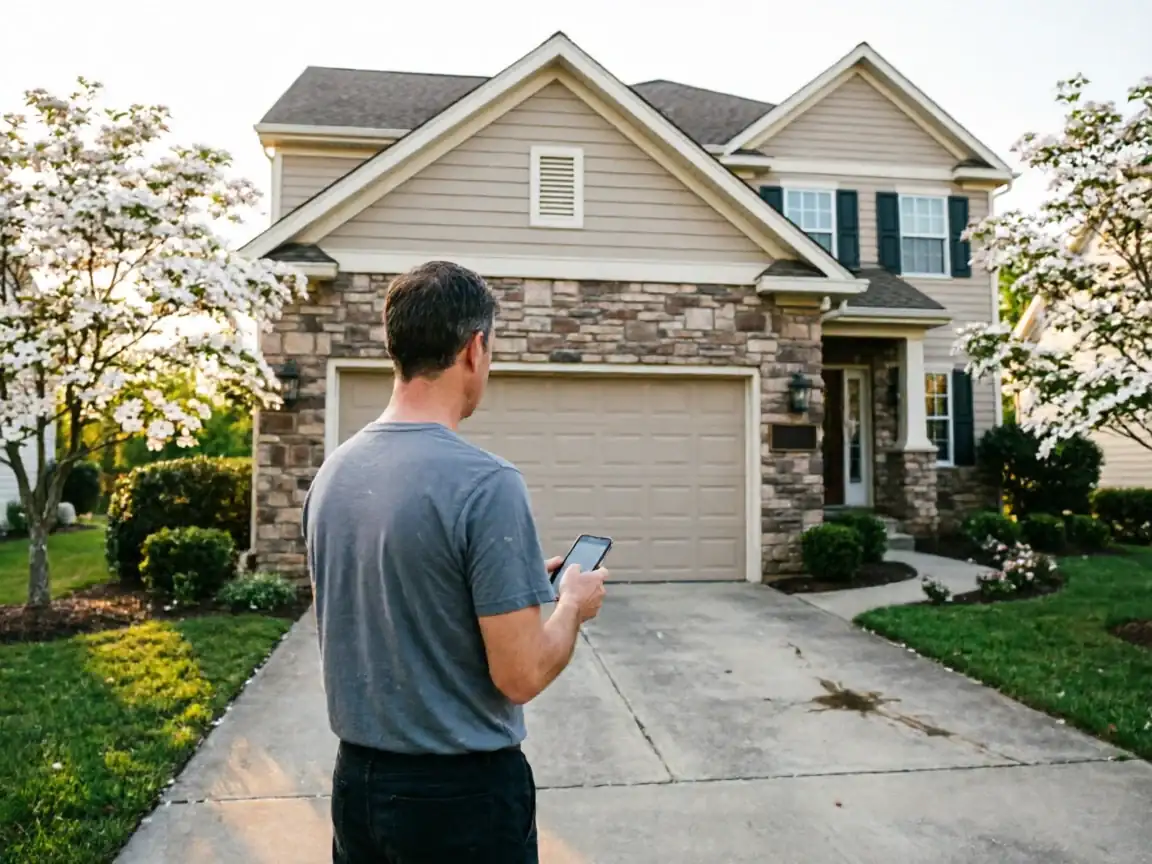
Wolf Trap is a small place to work in
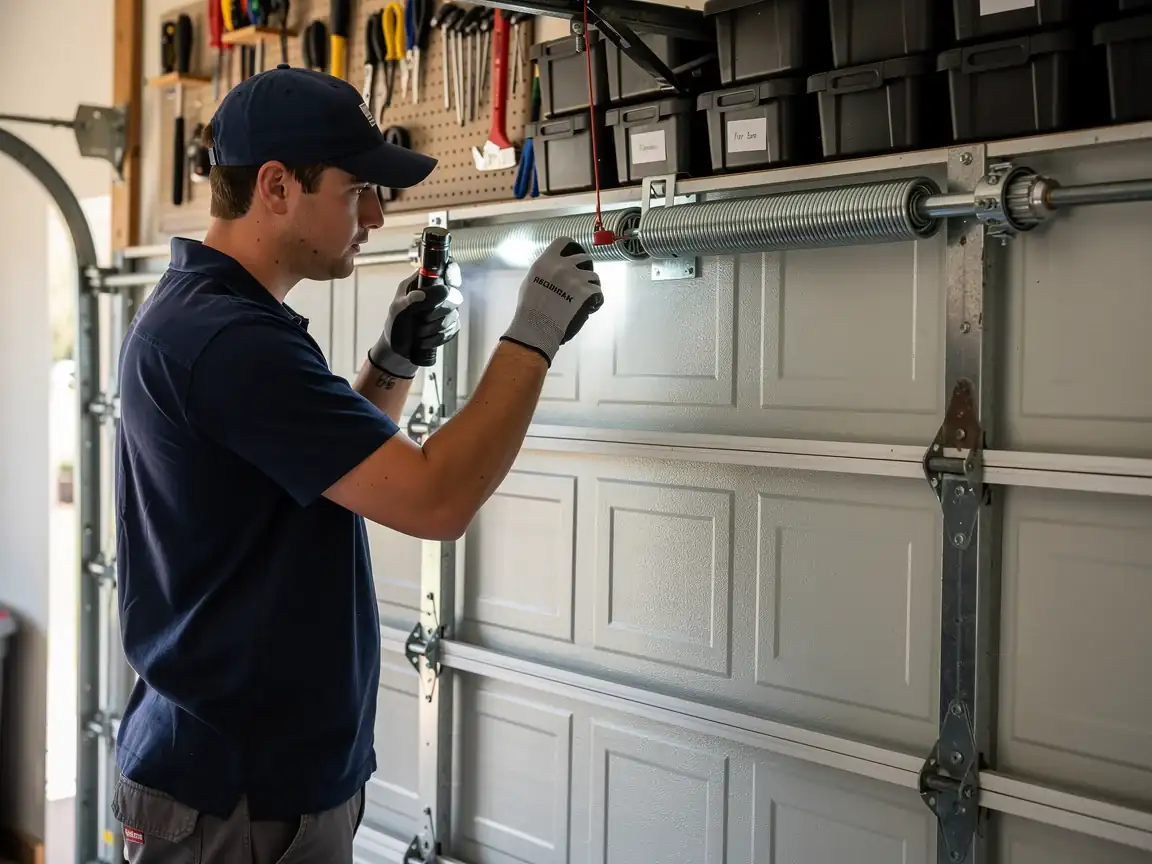
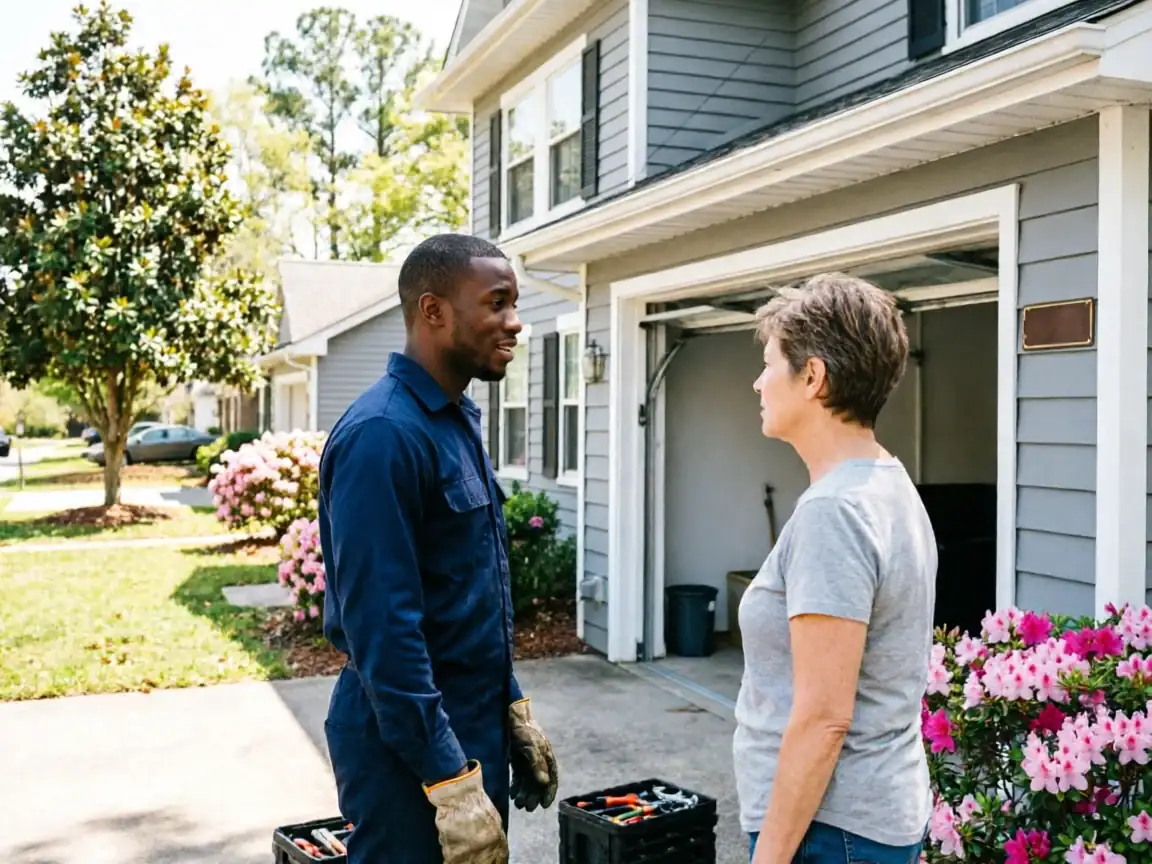
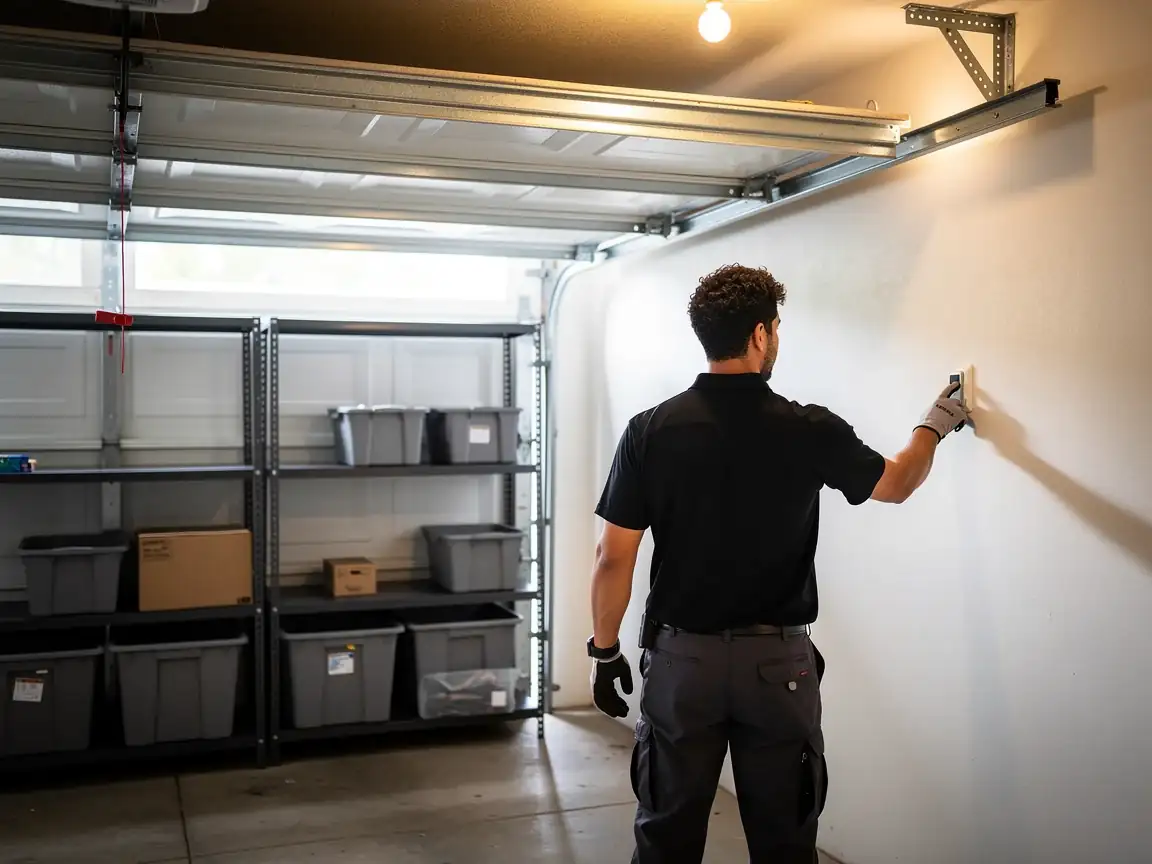
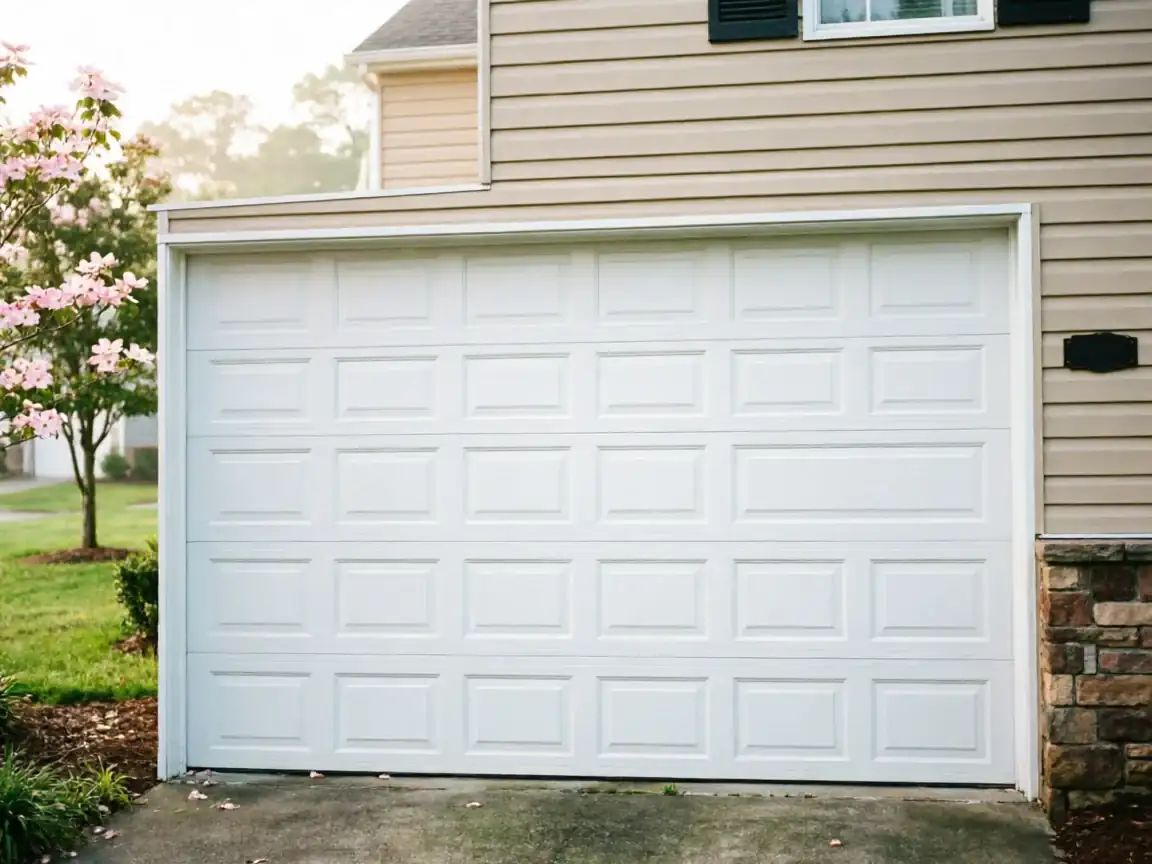
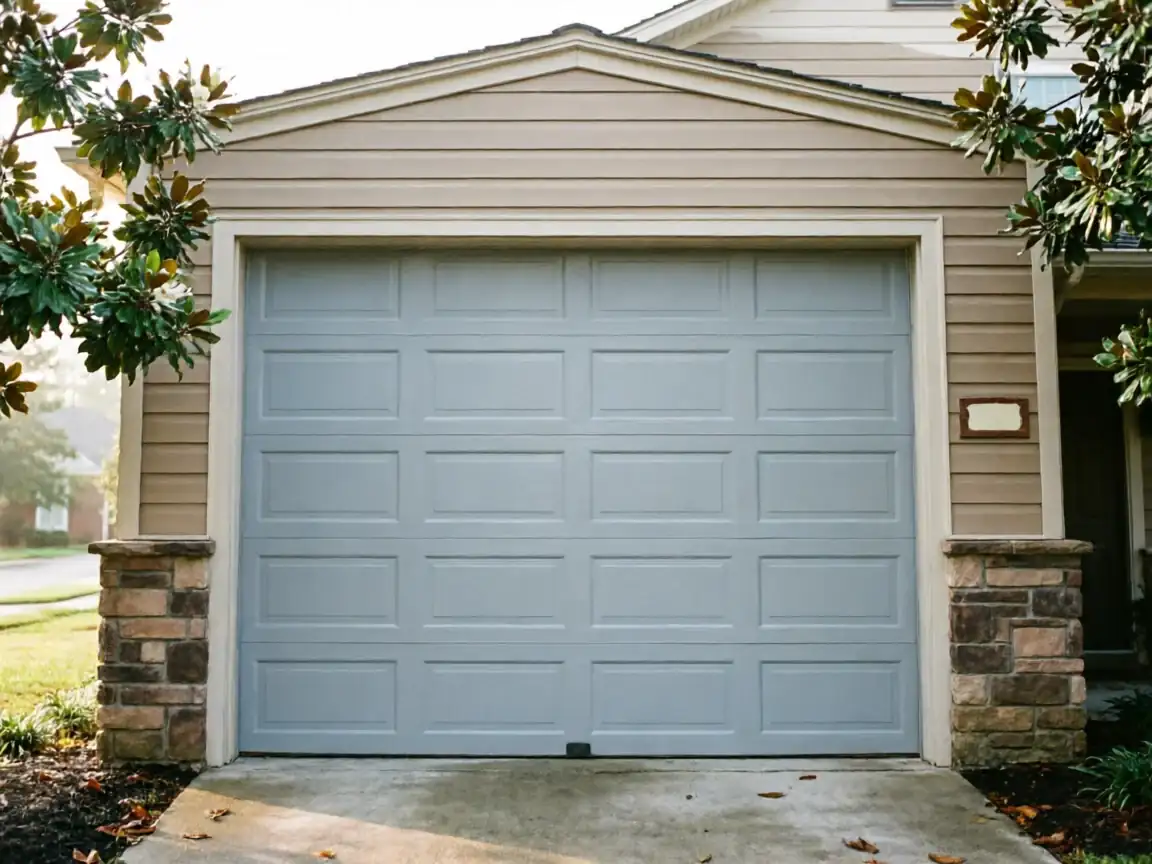
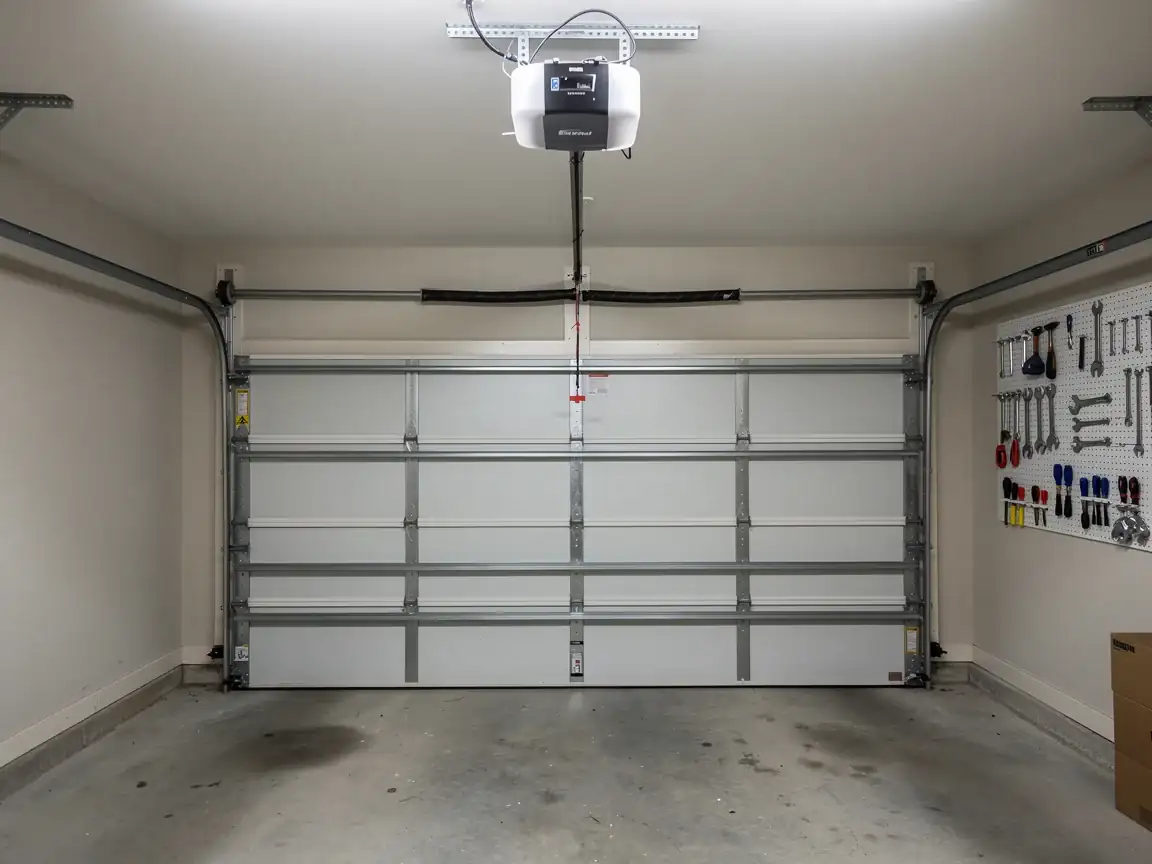
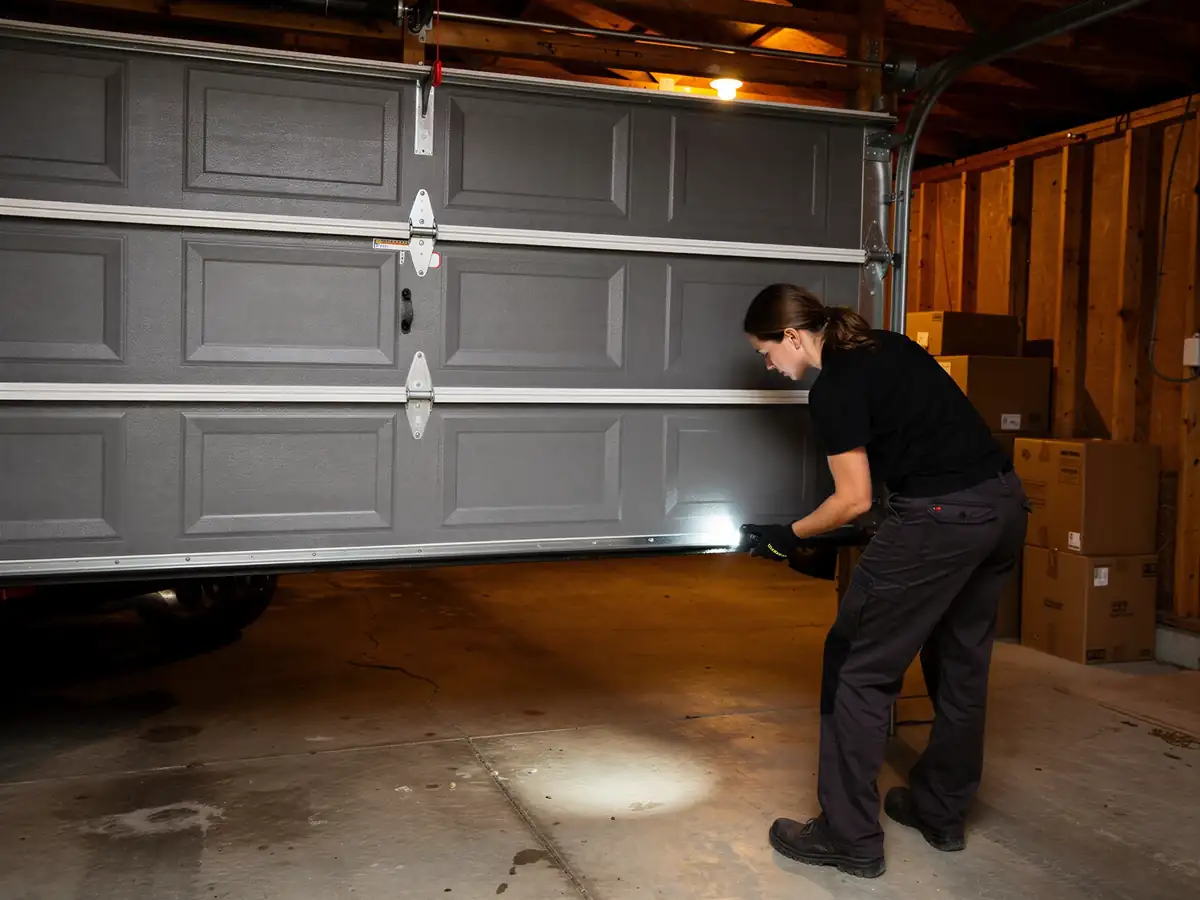
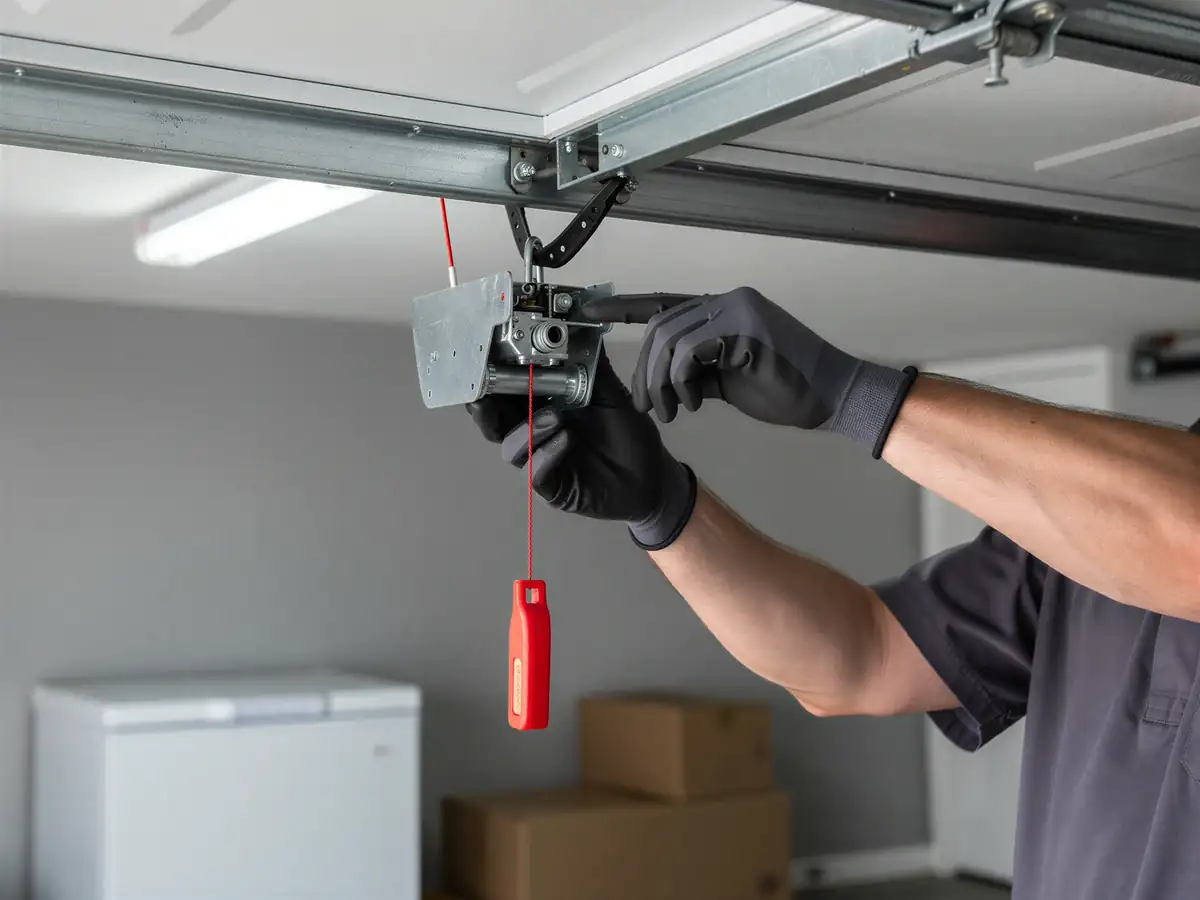
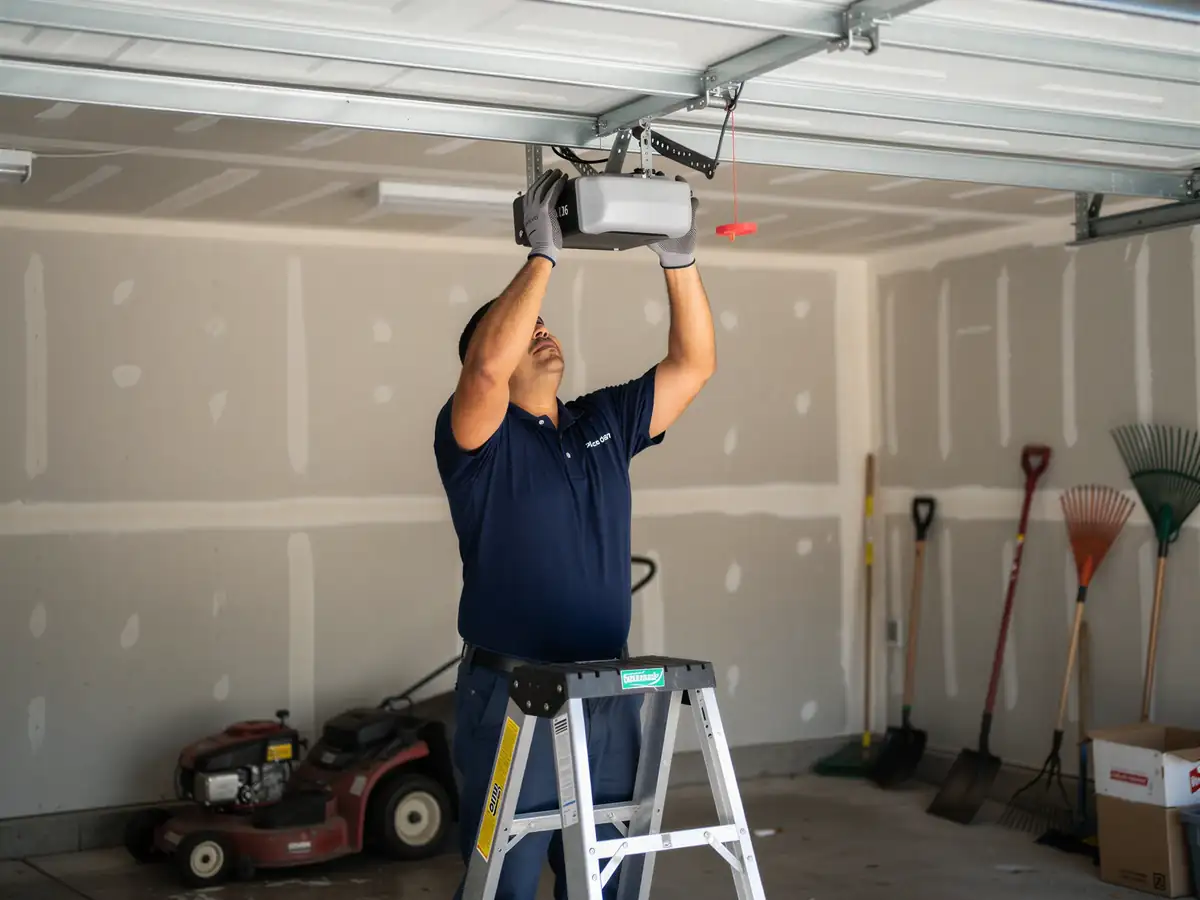
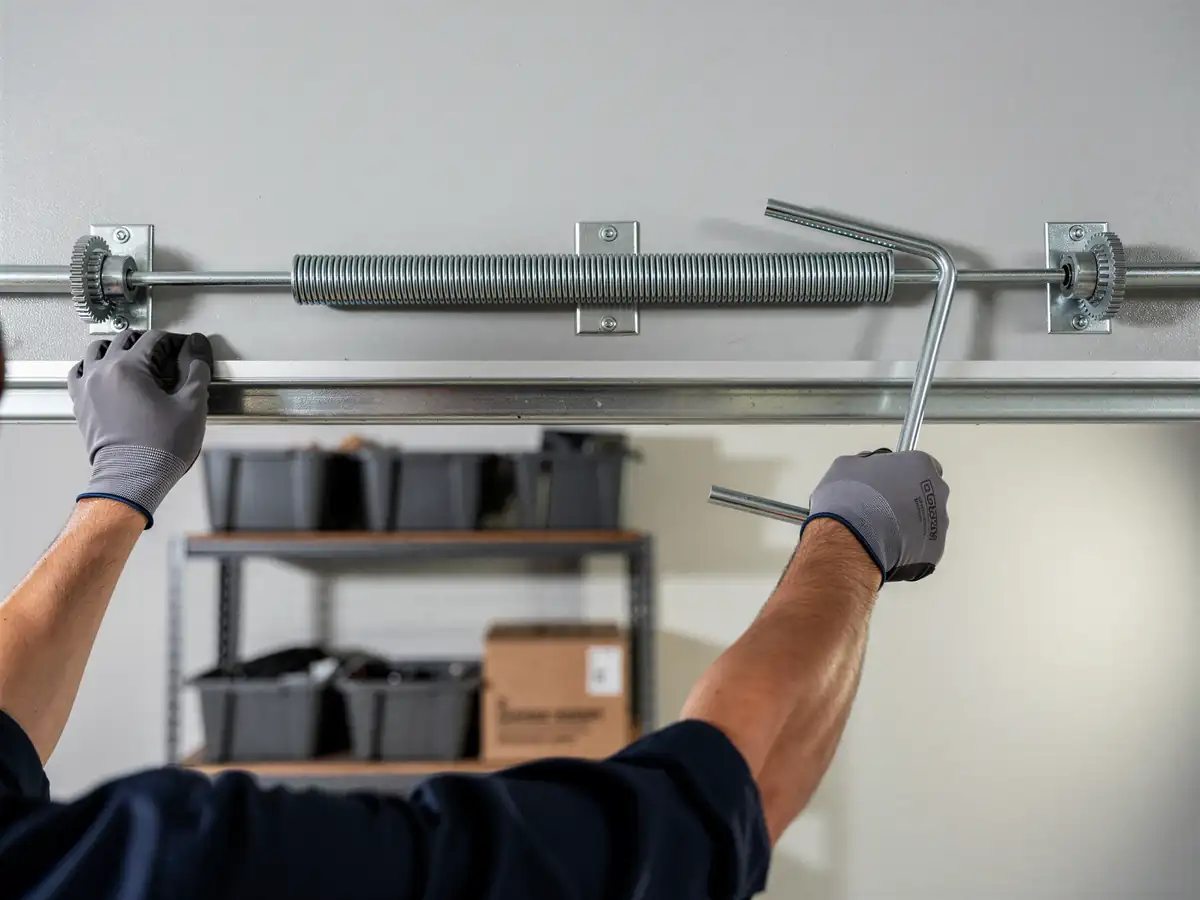
5,382 households total, which is a fraction of the 181,054 across the whole area we cover out of Fairfax. That matters because a small, consistent pocket of houses tends to have a narrow band of garage door problems rather than a scattered mix. We come out, measure the opening, check the header and framing for what the new door needs, and walk the owner through door material, insulation value, and spring size before anything gets ordered. Because the area didn't sprawl out over decades the way some larger towns did, we're usually looking at openings built to one of two or three standard widths, which keeps the measuring and the ordering simple. The install itself is the same whether it's a single or a double: we pull the old door and track, set new jamb brackets if the framing calls for it, hang new track and rollers, set torsion spring tension by hand, and run the opener through a full force and travel test before we leave. We don't eyeball spring tension - it's set with a torque wrench and tested, every job.n We also check the opener separately from the door. A new door on an old, tired opener is a mismatch that shows up within a year as grinding gears or a chain that jumps.
- 5,382 households
See our Wolf Trap coverage area for the boundary we work in
Why It Happens Here
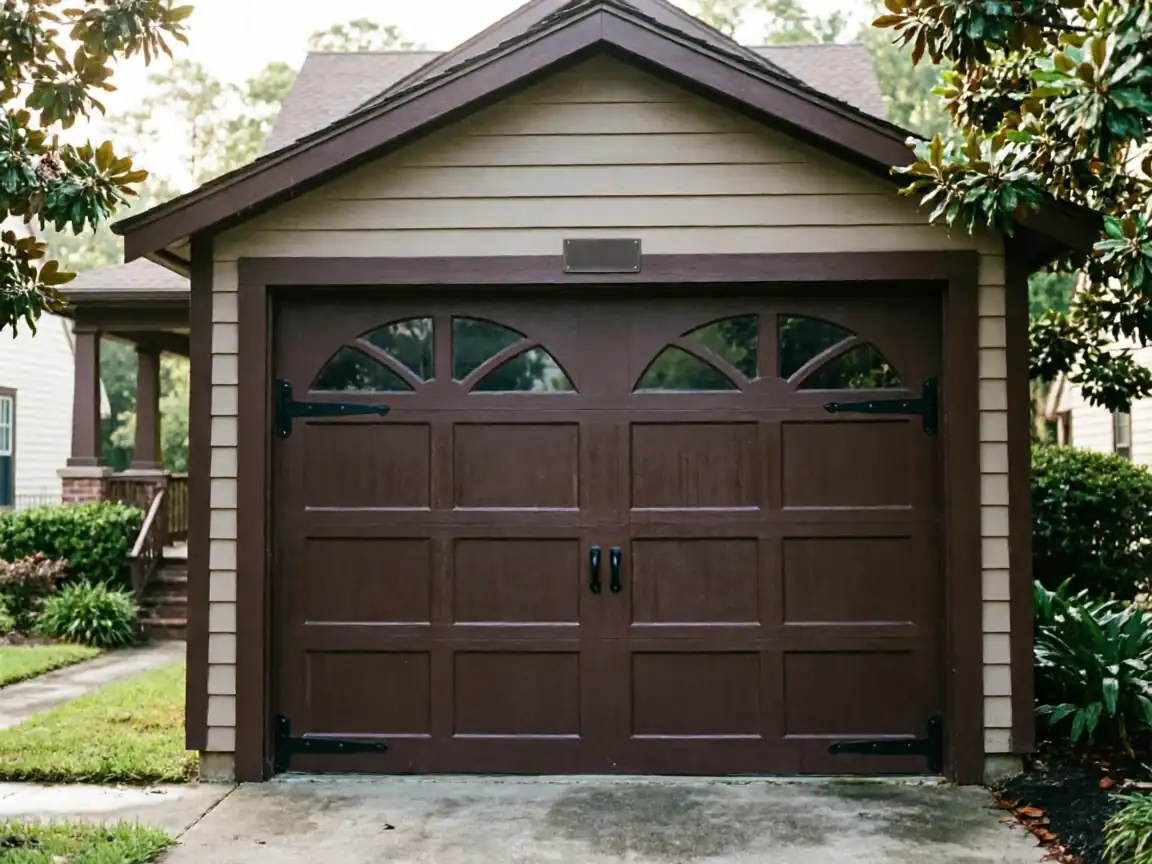
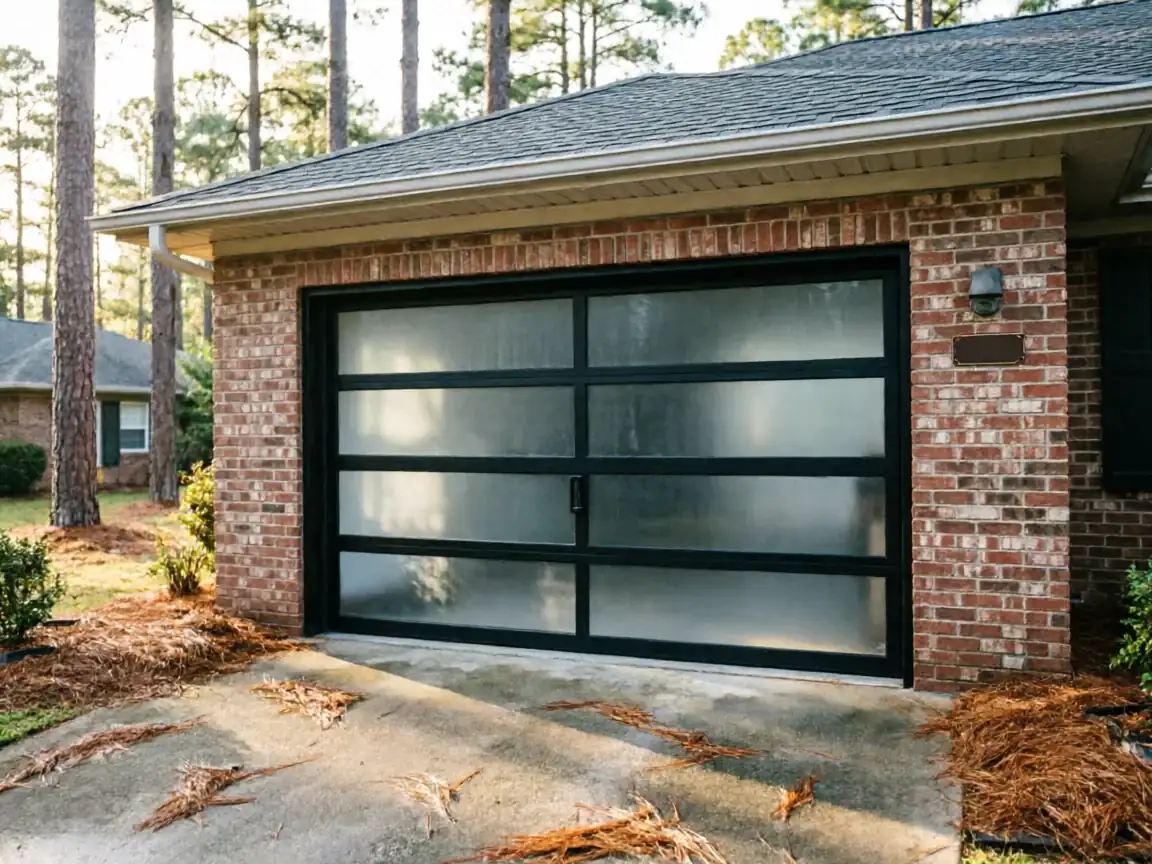
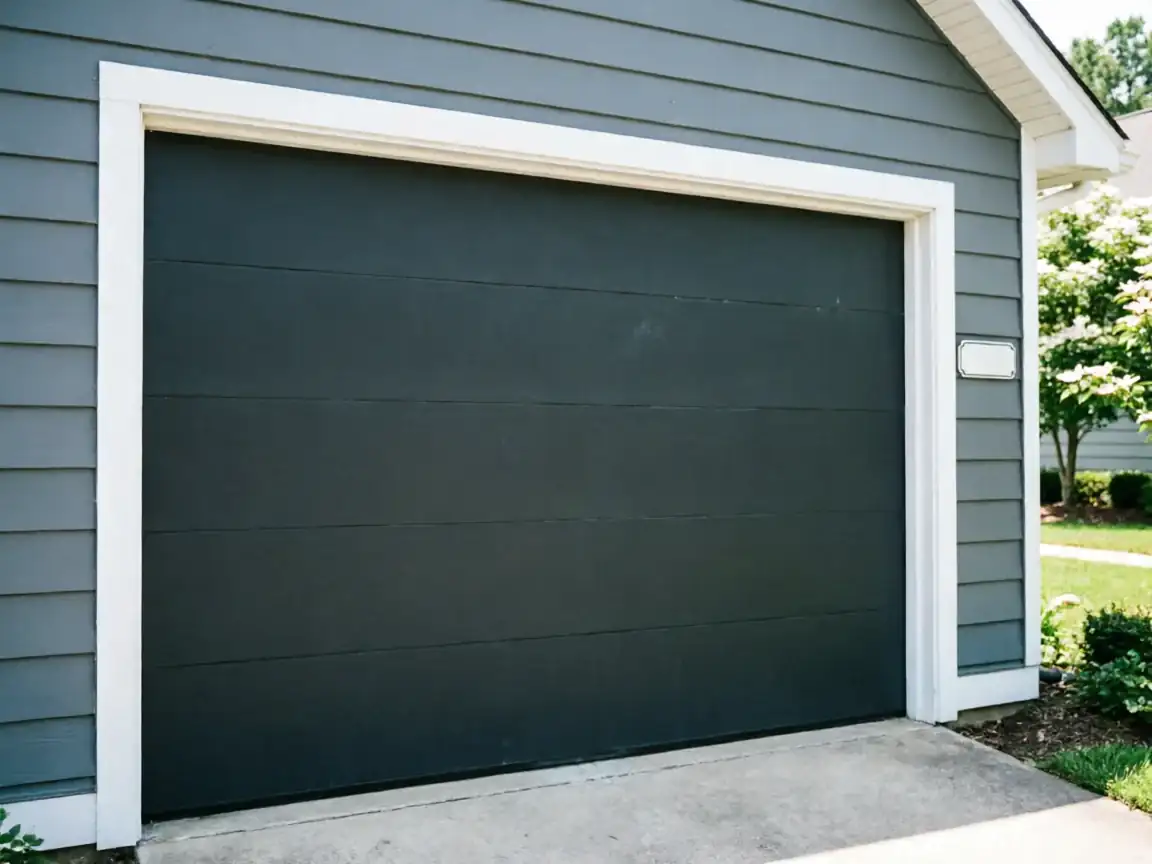
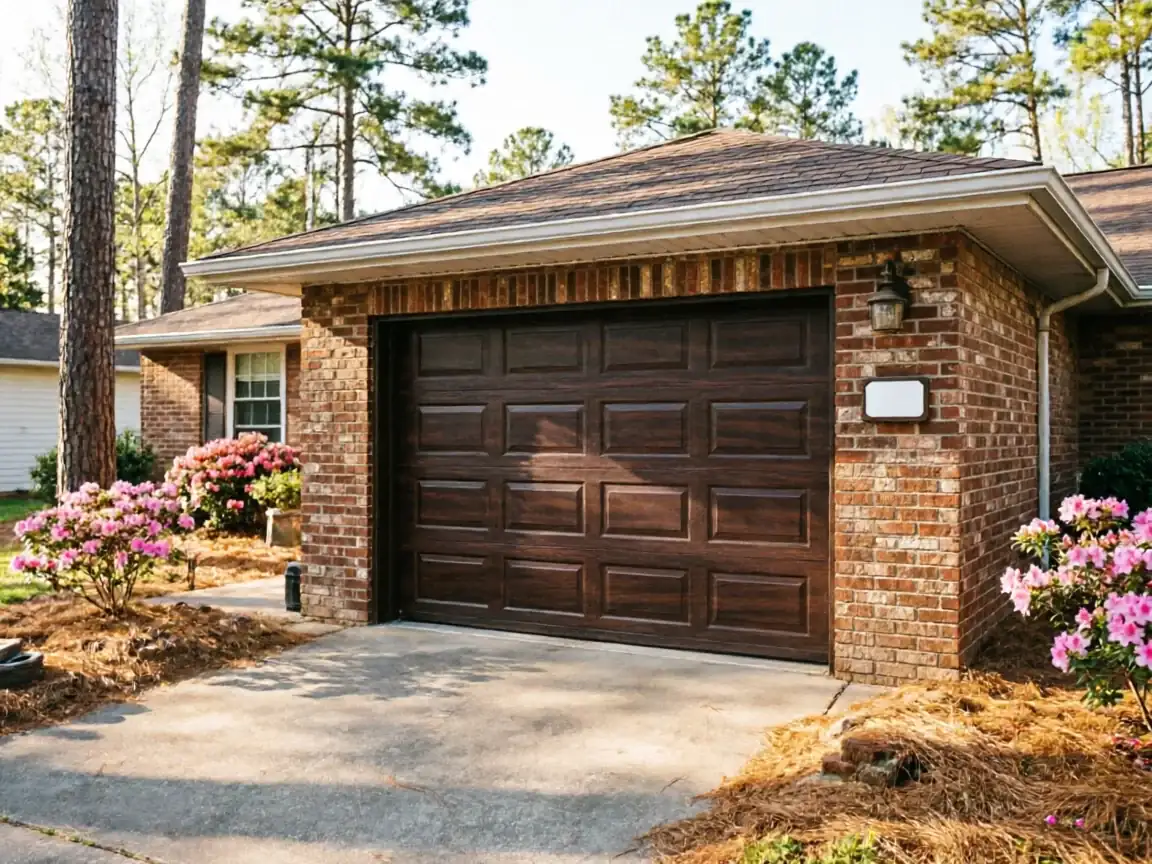
Most of Wolf Trap went up around 1981, right at the tail end of the building wave that put up garage doors across this stretch of the area - the broader median here runs closer to 1978. That means a lot of original steel sectional doors are now well past the point where parts are easy to source, and a fair number of owners are on their second or third opener but still on the original door and track. Add in a climate that falls into the cold-and-severe band for this region, and you get a specific failure pattern: steel panels that have taken forty winters of freeze-thaw at the bottom seal, torsion springs that have cycled past their rated life, and tracks that have slowly racked out of plumb as the slab settled. None of that is dramatic - doors here don't usually fail all at once, they get noisy, then heavy, then stuck. A household here also tends to have more income to put behind the fix: median household income is north of $250,000, well above the roughly $143,796 median across the wider service area, and that shows up in which doors get specified - more insulated steel, more wood-look composite, fewer bare single-layer panels.
Time on the Job
A standard single or double door swap, measured and ordered ahead of the visit, runs a half day on site once the crew and the door are both there. We drive the 6 miles out from the Fairfax shop, which doesn't change the quote but does mean we schedule the day around travel, not around being parked around the corner. Tear-out of the old door and track is usually the fastest part. Setting new jamb hardware square, especially on an opening built in 1981 that has settled a bit over forty-plus years, takes longer than people expect - plumb and square matters more than speed here. Spring setting and opener calibration round out the job. If the opening needs framing repair because the old jamb has rotted or shifted, that adds time and we'll say so on site before we start cutting anything, not after.
Can You Do This Yourself
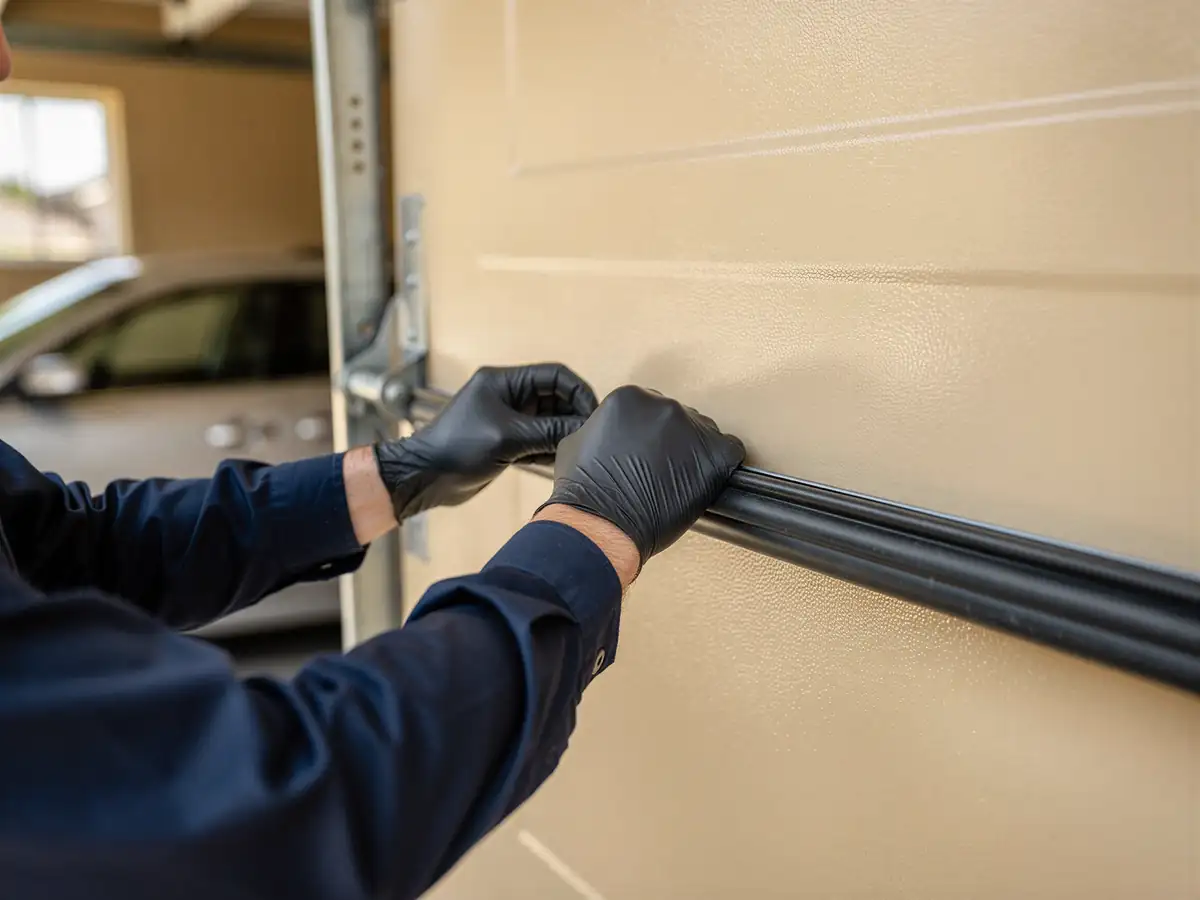
Swapping a garage door is not a weekend project most owners should take on alone, and we'll say that plainly. The part that actually hurts people is the torsion spring - it's under enough tension to break a bone or worse if it lets go while you're working on it, and that risk doesn't go away because the house is newer or older. Measuring and leveling track, squaring new jamb brackets on a forty-plus-year-old opening, and getting opener travel limits set correctly also take more trial and error than most first-timers expect. If you want to handle anything yourself, swapping weatherstripping or replacing worn rollers on an otherwise sound track is reasonable for someone comfortable with hand tools. Replacing the door, the springs, or the track itself is where we'd tell you to call it in.
Parts We Carry
We stock common torsion springs, rollers, cables, and standard-width track sections sized for the door widths that show up most often in homes built through the early '80s, which covers the bulk of what's on the ground in Wolf Trap. Where we run into a gap is custom or oversized openings, and specialty insulated panels in less common colors or finishes - those get special-ordered and the lead time runs longer than a stock door, sometimes a couple of weeks. We'll tell you up front if what you want falls into that category so you're not guessing on timeline. For the full rundown of what we install and service across the area, see garage door installation out of Fairfax.