Can You Do This Yourself
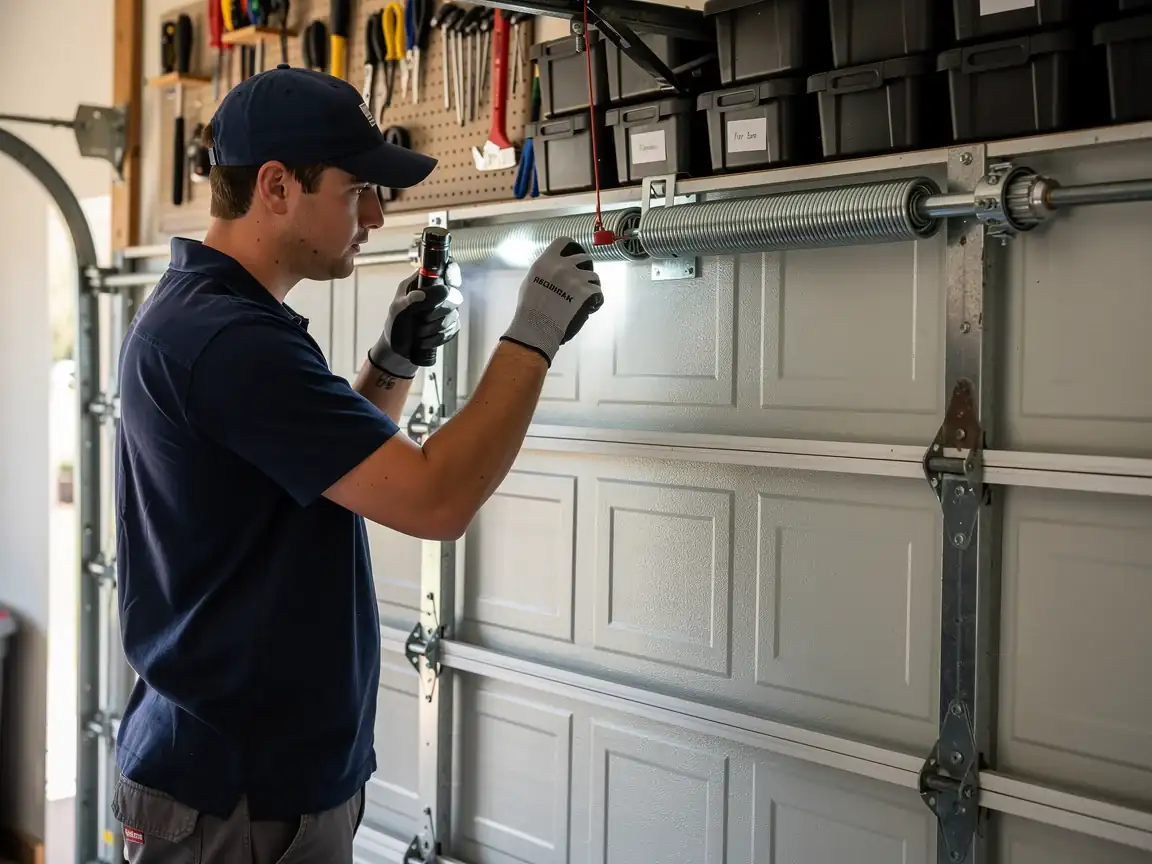
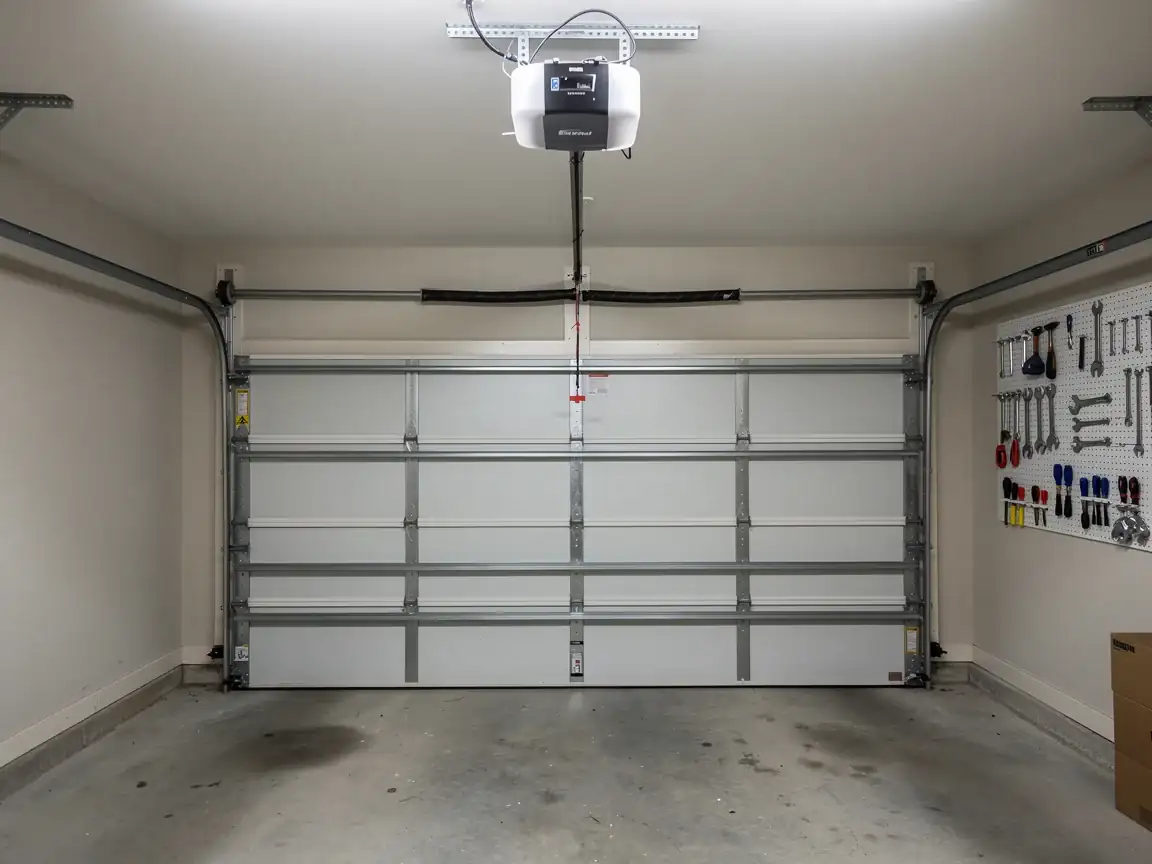
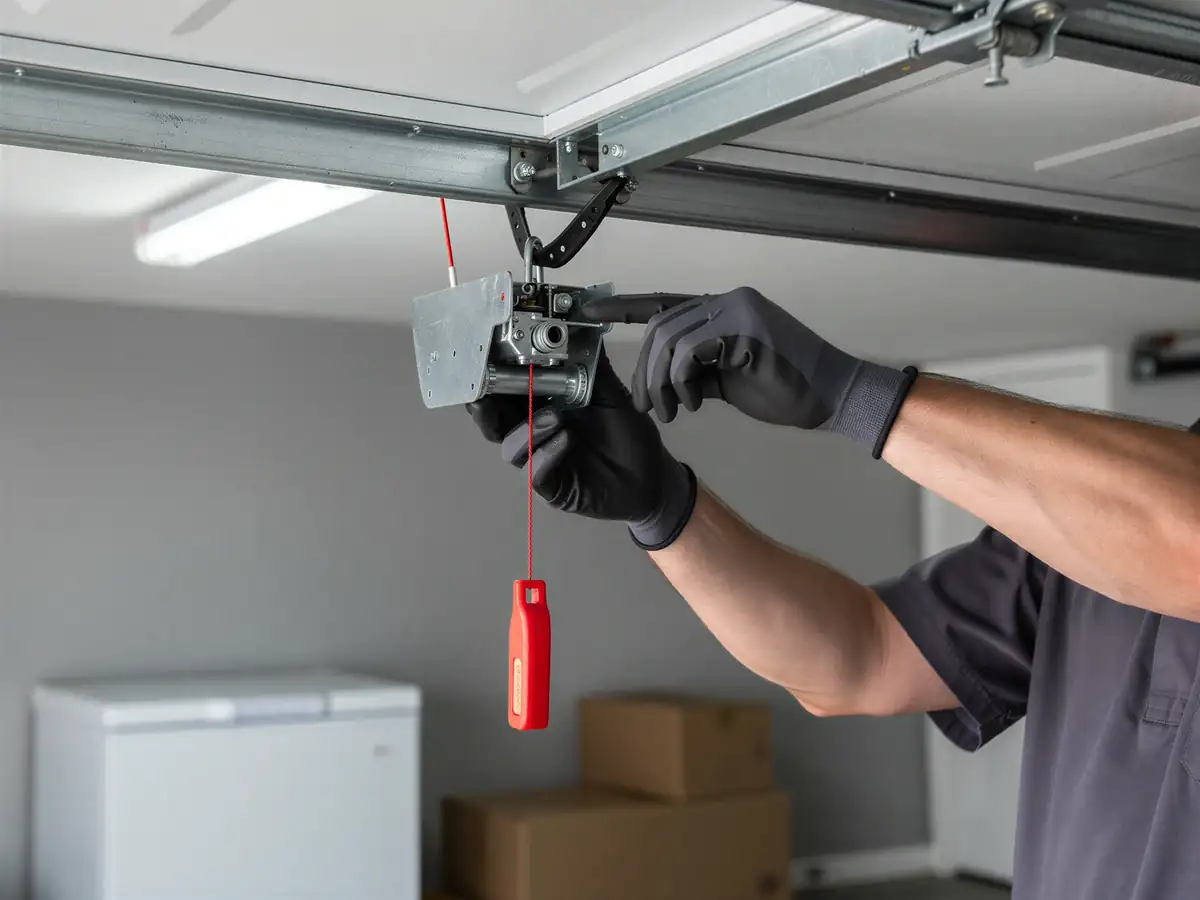
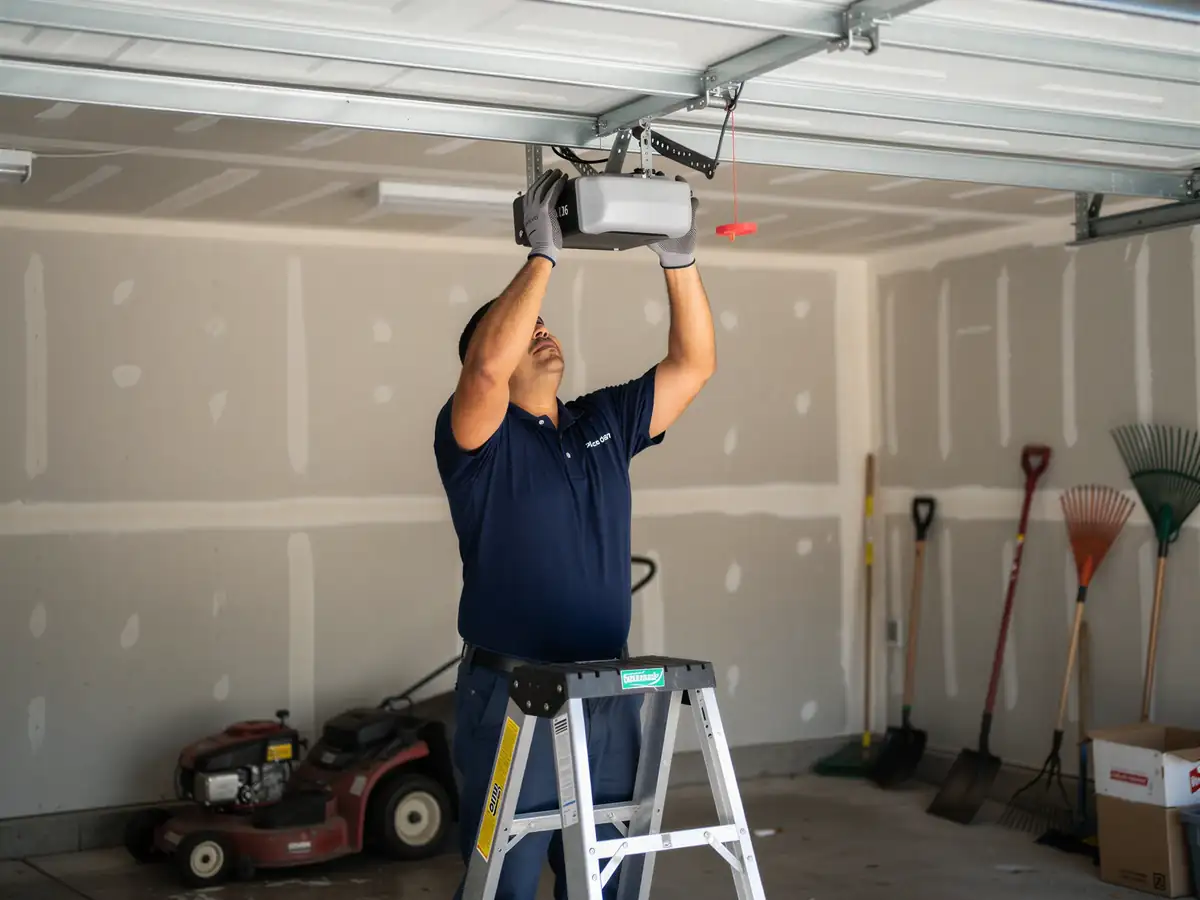
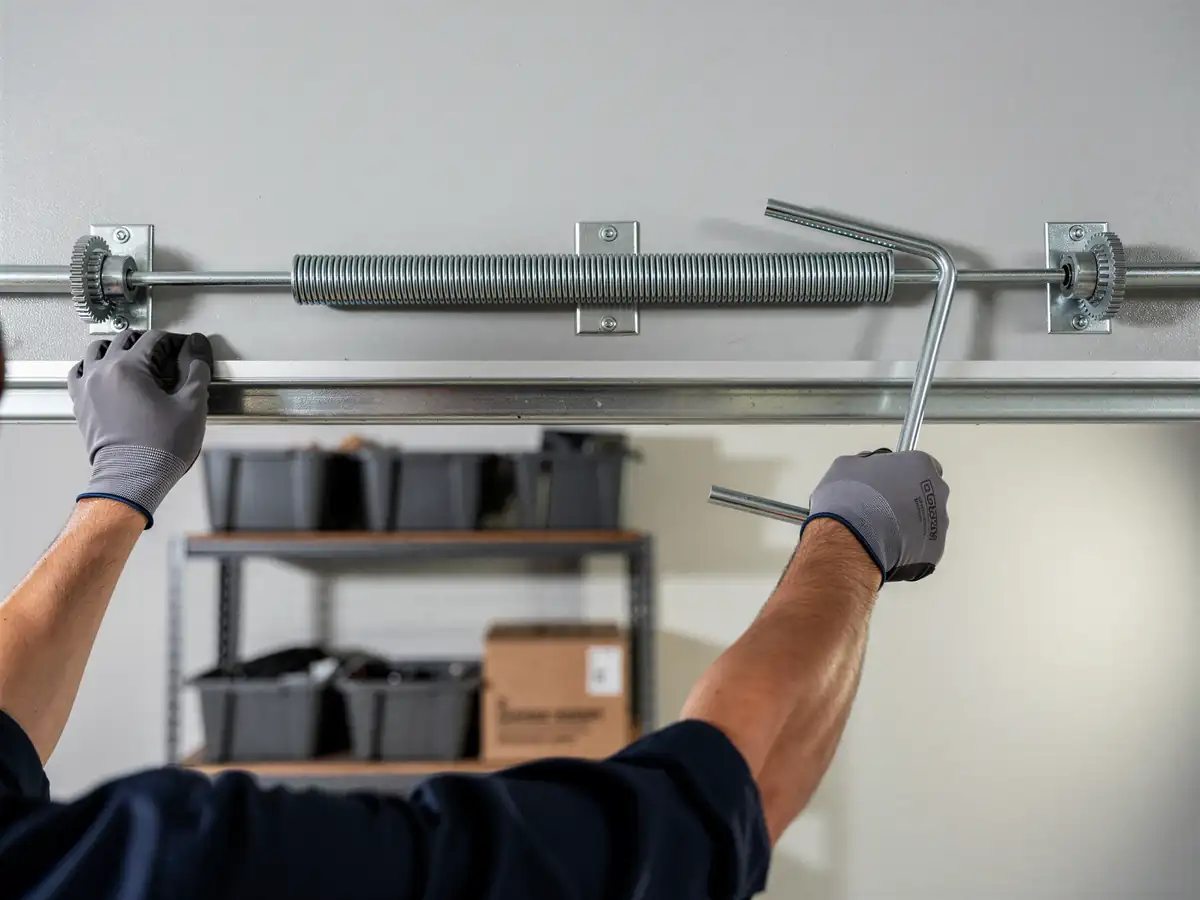
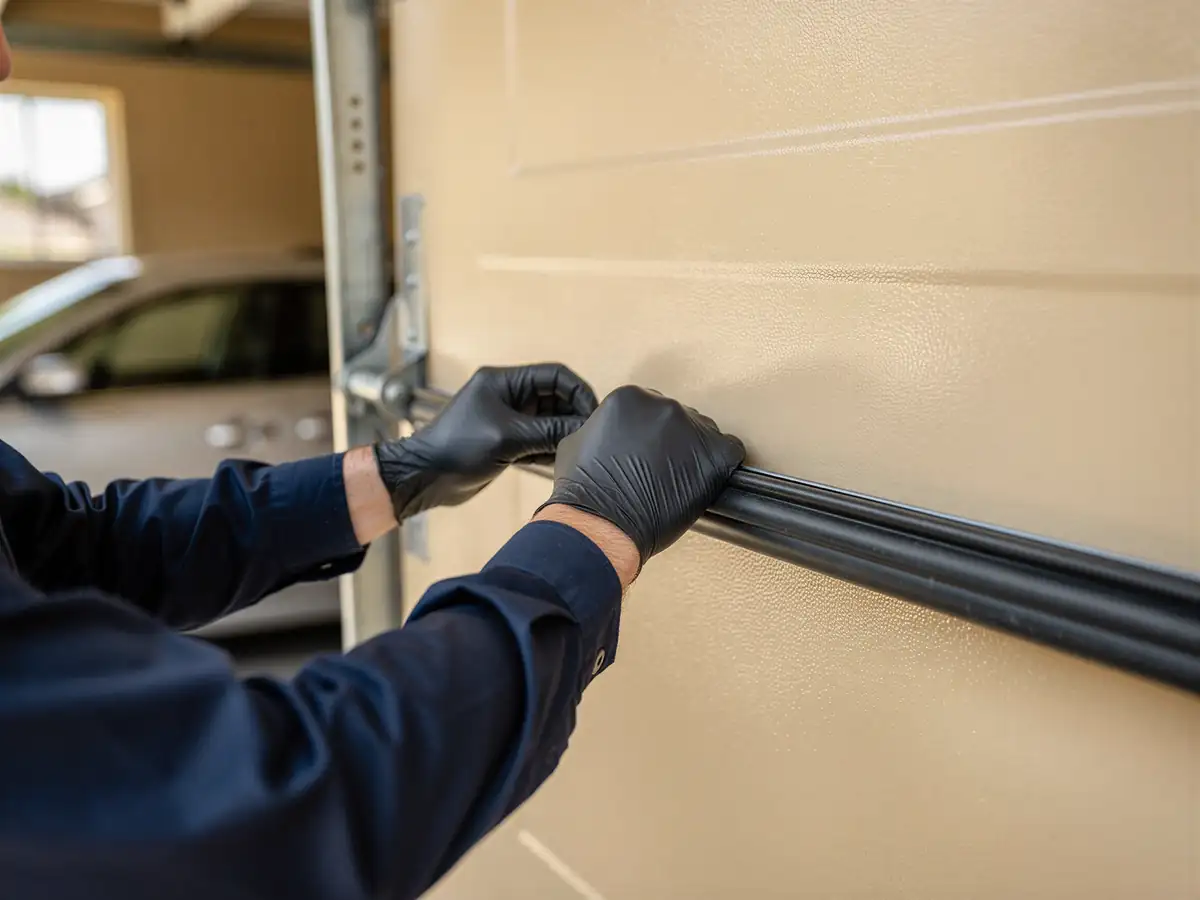
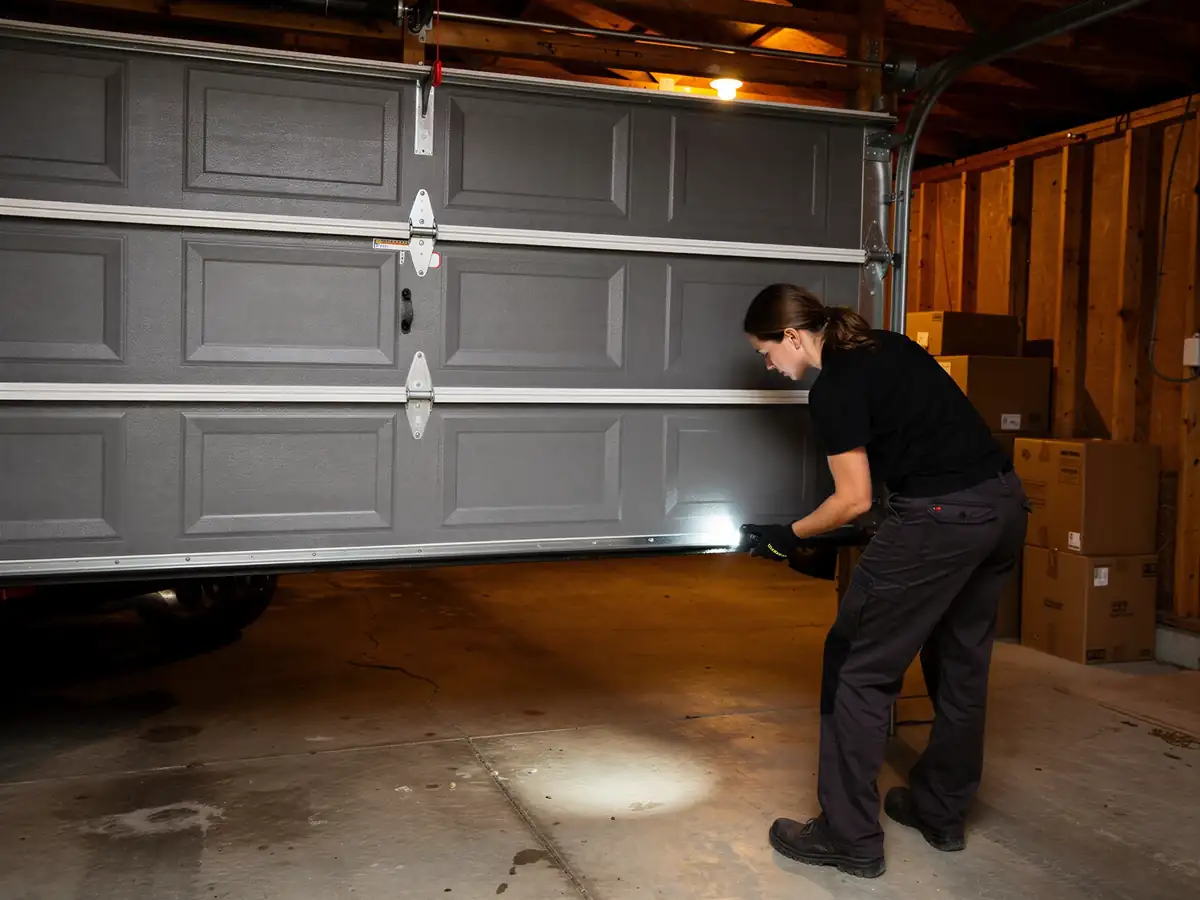
Some of it, yes. Lubricating rollers and hinges, tightening loose screws on the track brackets, swapping worn weatherstripping along the bottom - all fine to do yourself on a Saturday. Extension springs are not on that list. On a 1970-era door, those springs are under real tension and have had decades to fatigue; a coil that lets go while you're holding it can do serious damage. Same goes for the cables that run alongside them - if one is frayed, the door can drop without warning. If your opener is just not responding, check the obvious things first: the wall switch batteries, the photo-eye sensors at the bottom of the track aren't knocked out of alignment, the breaker hasn't tripped. That covers a surprising number of service calls. But once you're talking about a door that won't stay up, a spring that's visibly stretched or gapped, or a track that's bent, that's a call, not a project. We'd rather tell you honestly that something's a quick fix than send a truck out for a job you could've done with a rag and a can of lubricant.
Why It Happens Here
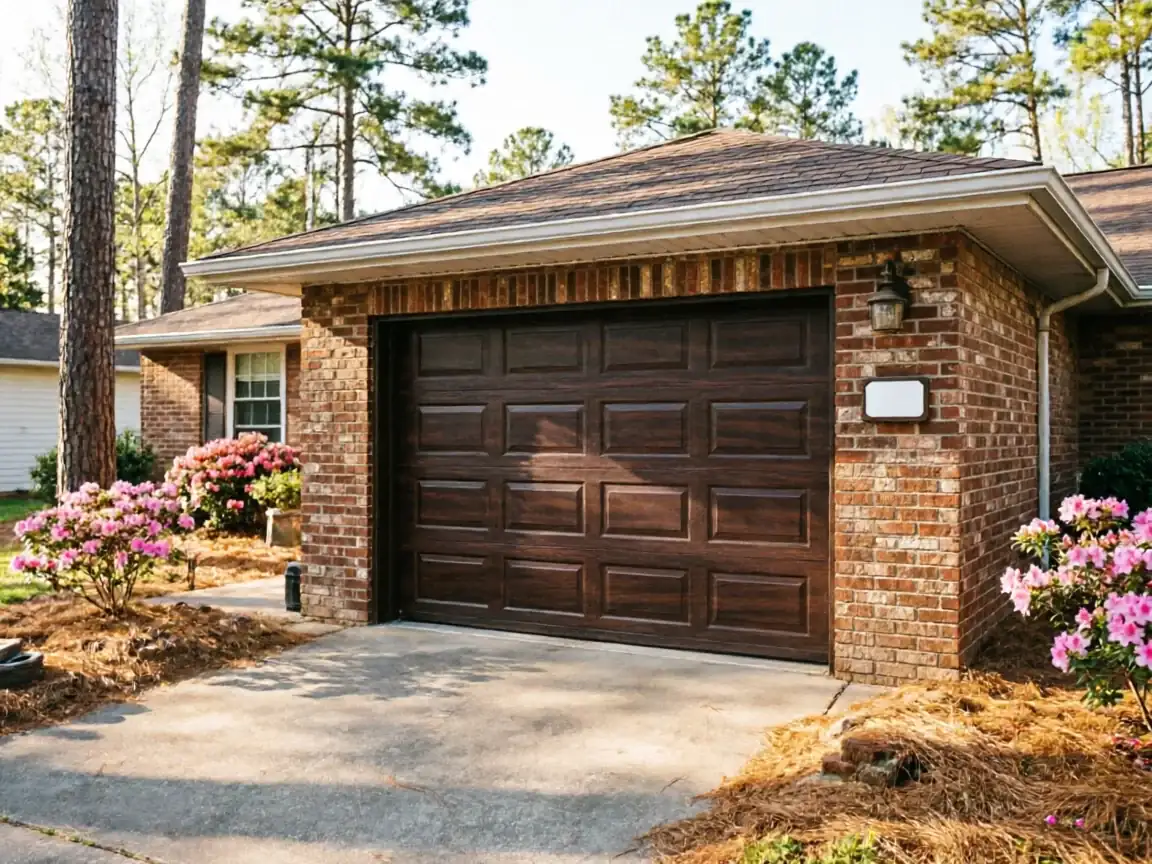
Mantua's housing stock centers on 1970, which puts it on the older edge of the 1940-2015 range across the service area and squarely in the stretch of houses built with steel sectional doors on extension springs rather than torsion bars. Those springs sit along the horizontal track instead of over the header, and after fifty-plus years of cold winters, the steel fatigues in a way that shows up as a sudden snap rather than a slow sag. The region sits in a cold-severe climate band, and that matters more for older hardware than newer: grease inside aging spring coils stiffens in a hard freeze, rollers bind in tracks that have lost their factory lubrication, and the extra load from a stiff cold start is often what finishes off a spring that was already near the end of its life. None of that is unique to any one house - it's a pattern across a neighborhood where most garages share a build year. If your door's been getting louder or slower to open as the weather's turned, that's usually the hardware telling you, not the opener.