What You Pay
We don't post a flat number here because what a Mantua job costs depends on what's on the house
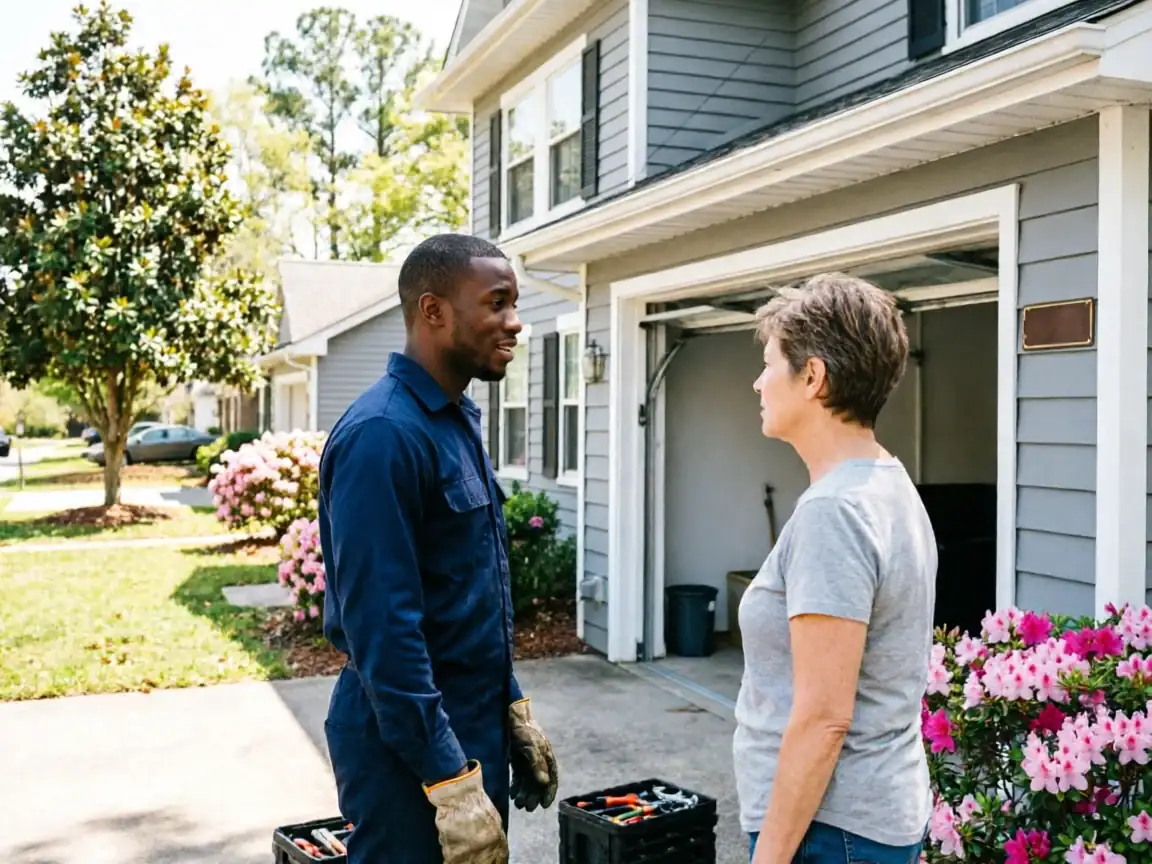
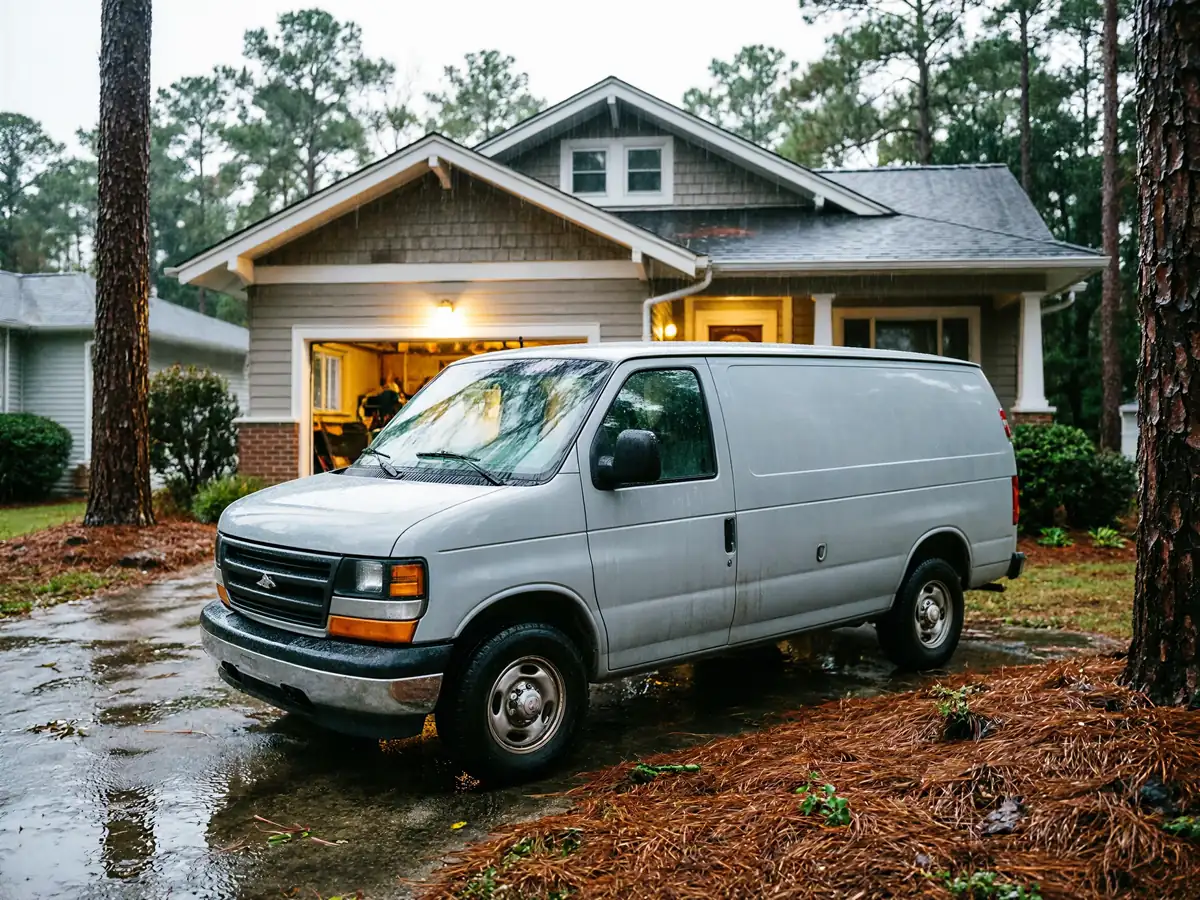
Not on the neighborhood. A home built around 1970 with its original torsion hardware is a different job from a house with a door swapped out ten years ago, and the two can land in very different places on a bill. What we can tell you is that the drive doesn't factor into it - at 2 miles from our Fairfax base, Mantua isn't a trip that adds a surcharge or a long wait window.
- 2 miles
Median household income in Mantua runs well above the service-area average
And we mention that only because it shapes what we see on site: more owners choosing a full opener replacement over a patch job, more interest in insulated panels rather than the cheapest match. That's a homeowner decision, not something we push. If a spring job turns into "the whole door should go," we'll say so, and we'll say why, but we're not going to invent a number for you before we've looked at the hardware in front of us.
Can You Do This Yourself
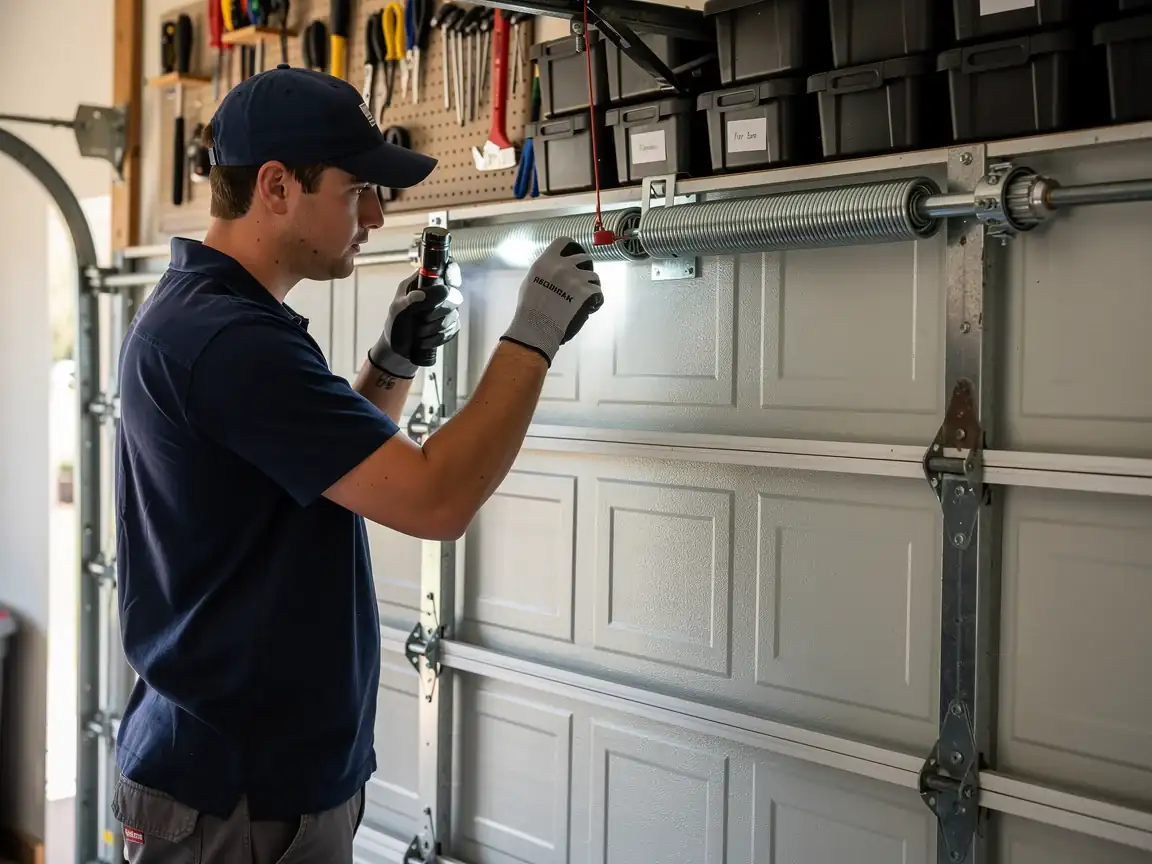
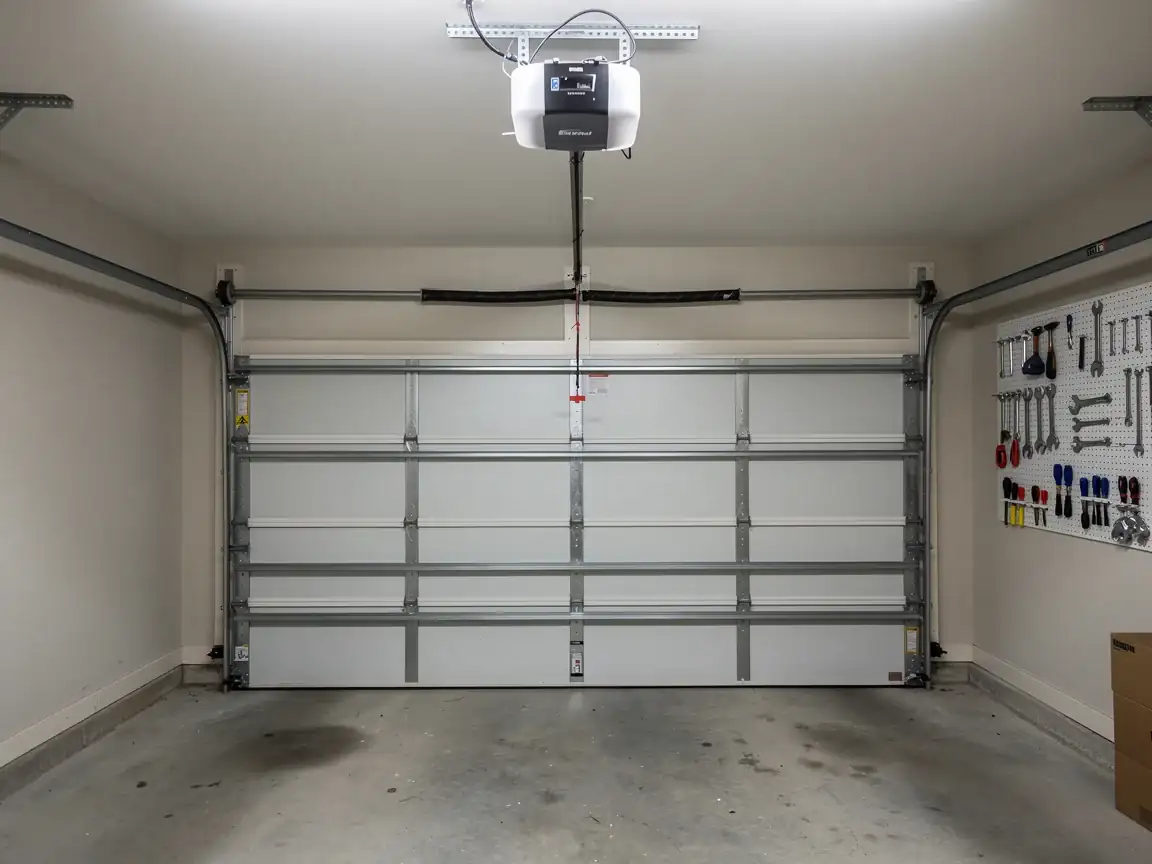
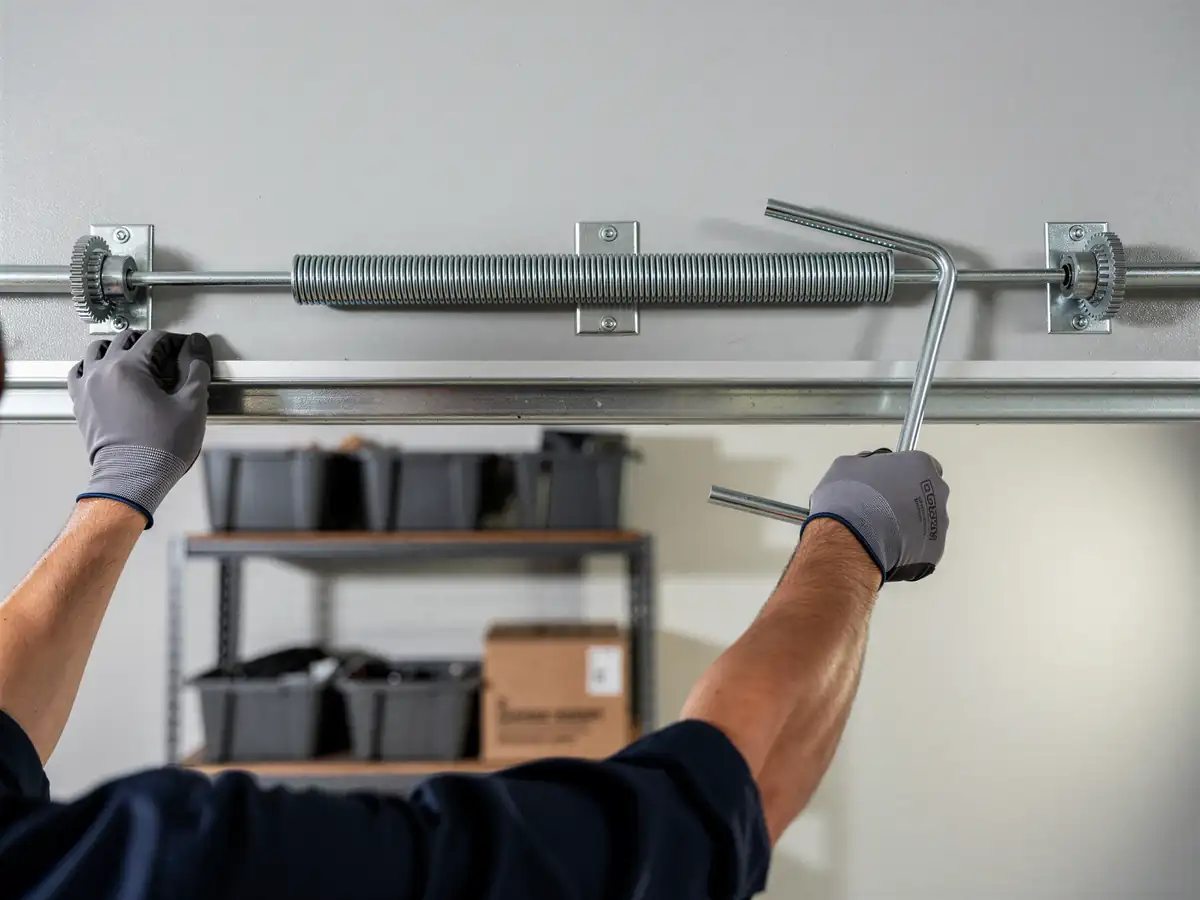
A torsion spring under tension is not a weekend project, and we won't pretend otherwise to be encouraging. If your door is original to a 1970-era Mantua build, the spring, drum, and cable combination on it may not match anything on the shelf at a hardware store, which is exactly the situation where a DIY attempt stalls out halfway through with the door apart and the parts wrong.
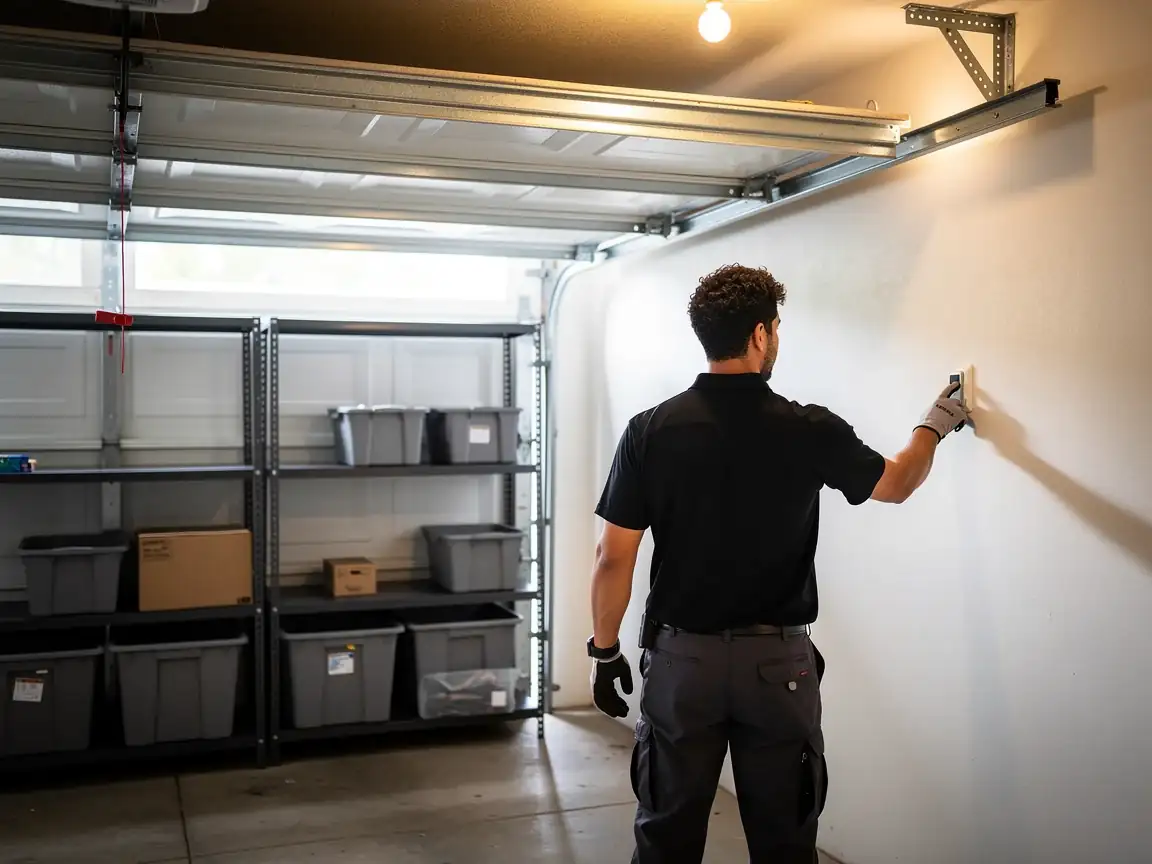
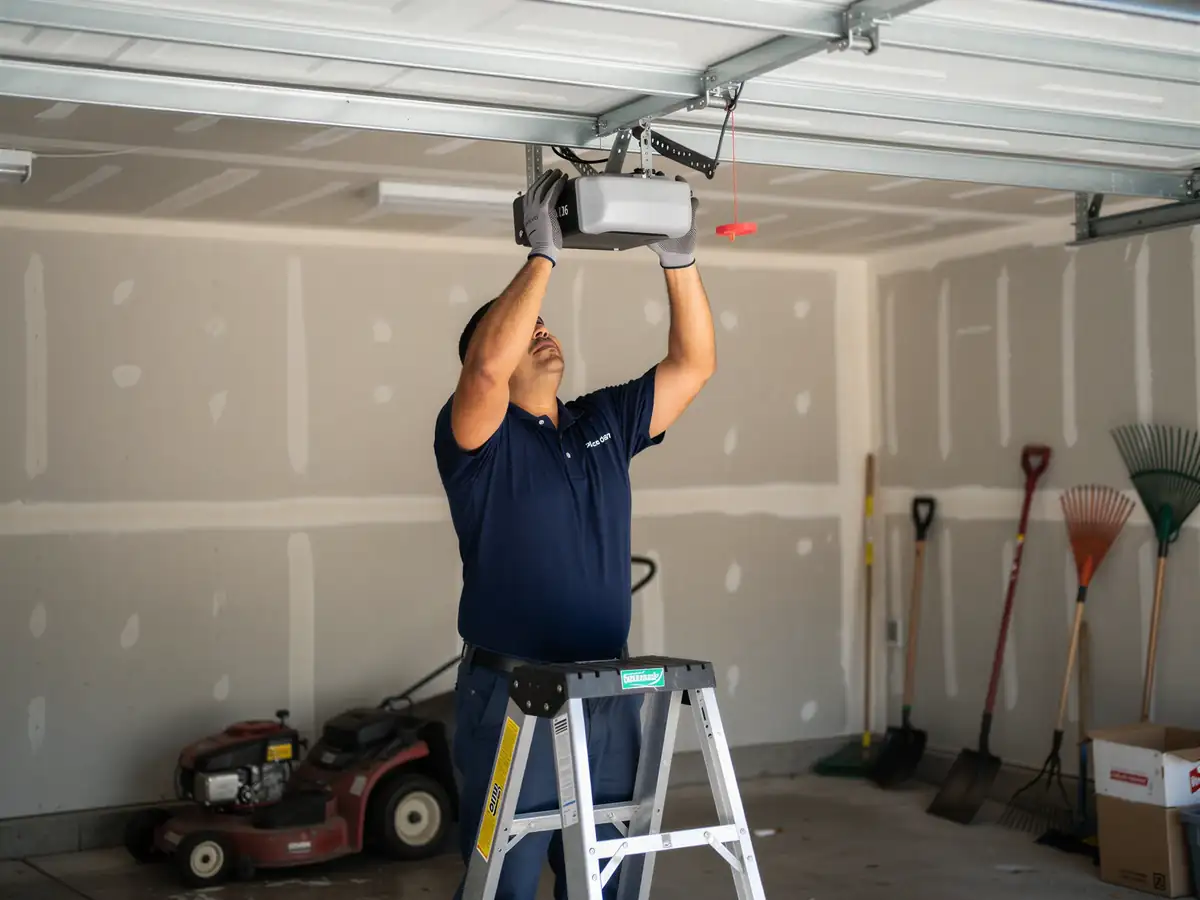
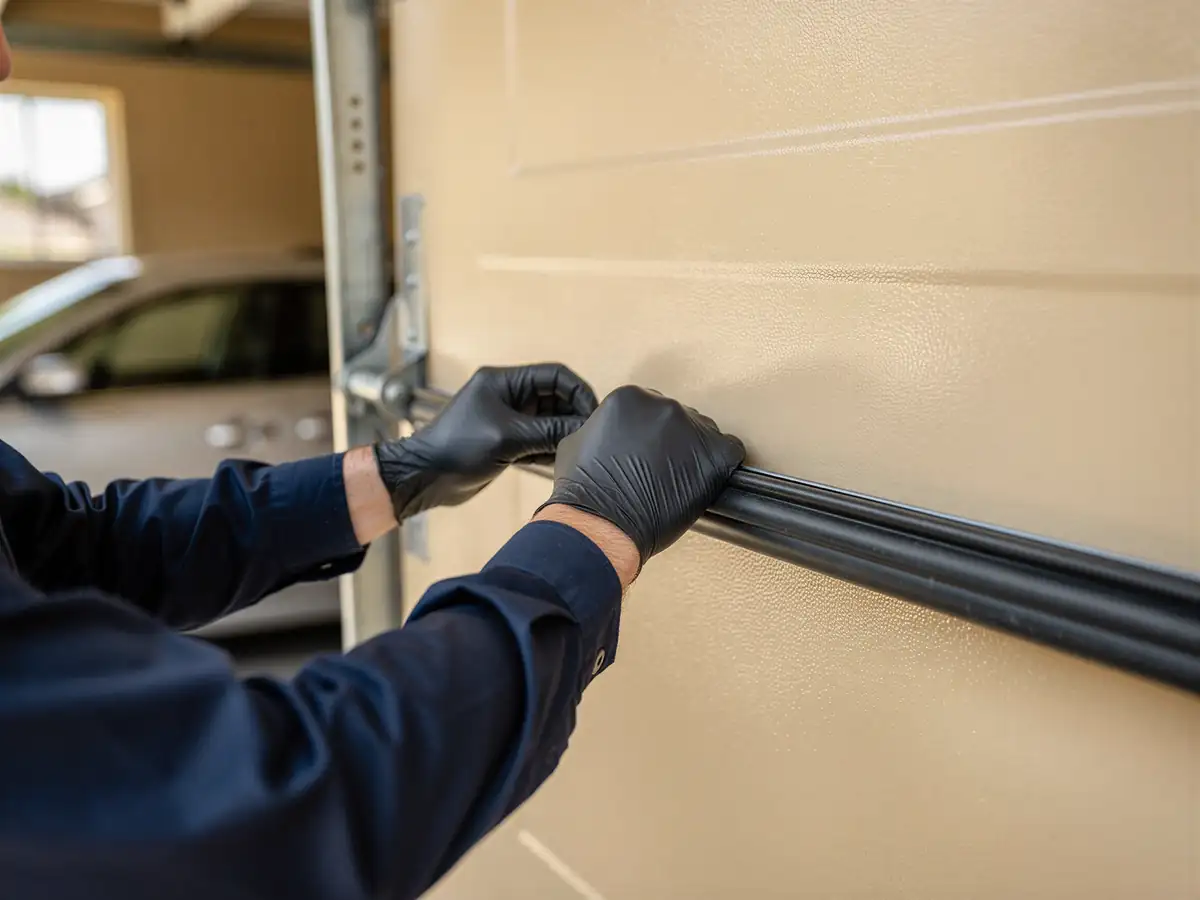
What you can reasonably do yourself: check the weatherstripping at the bottom panel, listen for a opener motor that's started grinding before it fails outright, and keep the track clear of debris. Anything involving the spring, the cable, or the torsion bar itself is where we'd tell you to stop and call. One honest limitation on our end - if the opener or hardware is old enough that parts are no longer made, we may need to order a compatible replacement rather than same-day, and we'll tell you that up front rather than after we've started.
Why It Happens Here
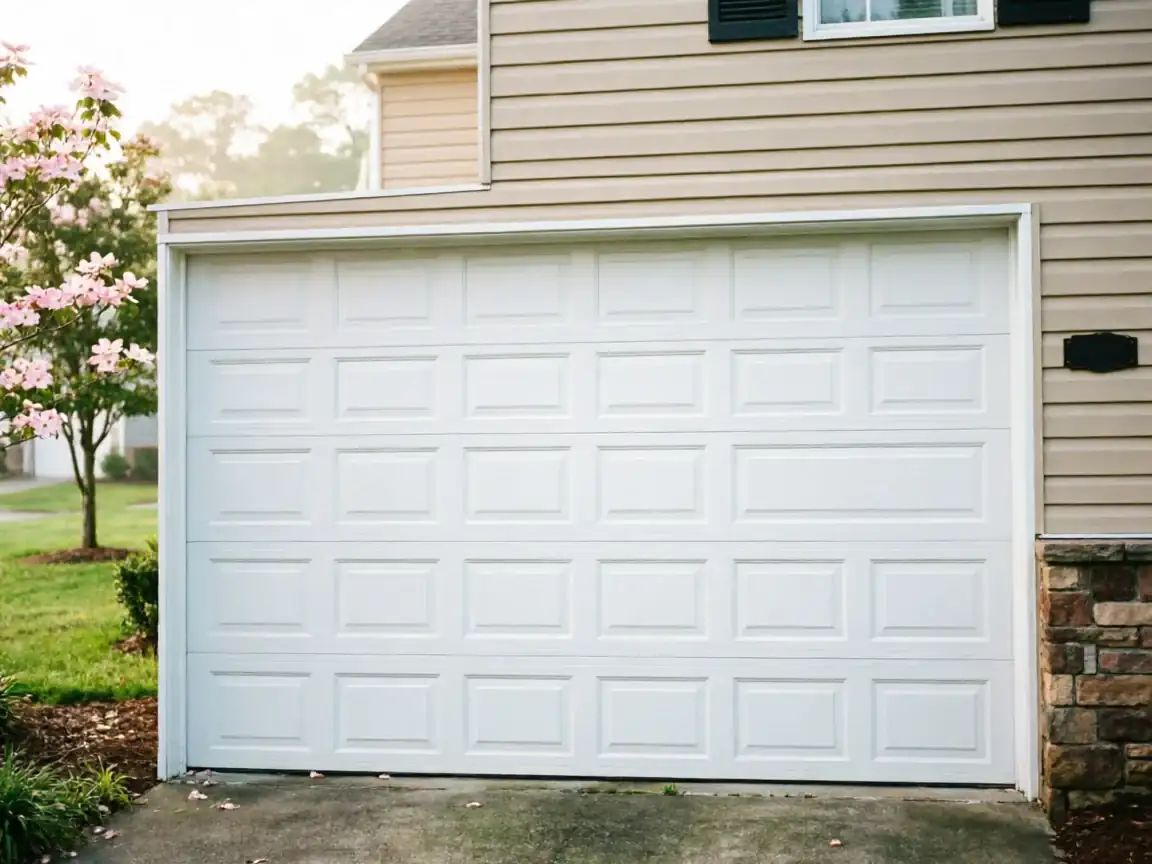
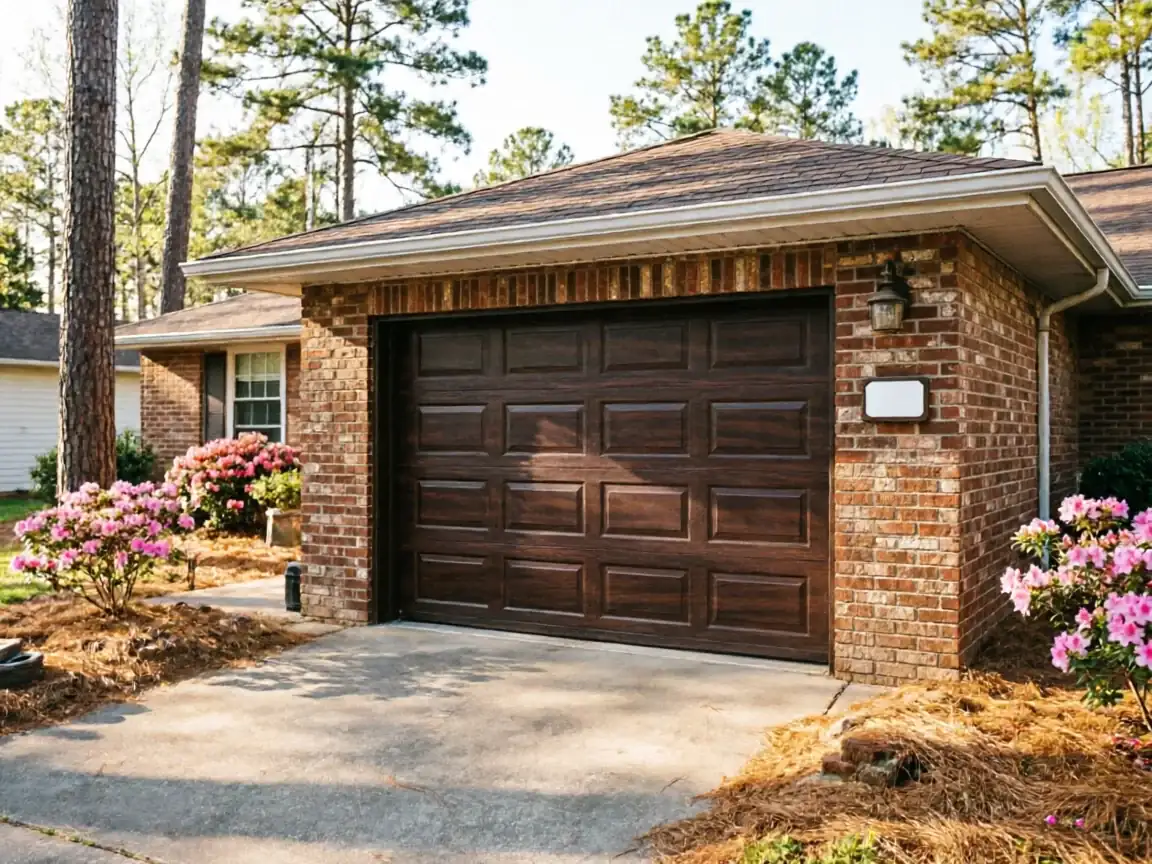
Mantua's housing stock centers on 1970, which puts a lot of these doors and openers squarely in the era of steel torsion-spring setups that have now been in service for decades. Across the broader area, most homes date to the 1960s and 70s, and Mantua sits right in that band - which means the common call here isn't a modern opener board glitch, it's fatigue in hardware that's simply run its full lifespan.
The cold is the other half of it. This region sits in a severe cold climate band, and steel springs lose some of their flex in winter, which is when a spring that's been weakening for a year finally lets go. On a 1970s door, that spring is often original or close to it, carrying decades of cycles through temperature swings it wasn't tested against on a shelf. Add stiff grease and a cold slab, and an opener that's been struggling quietly all fall will often give out the first hard-freeze week.
Time on the Job
Two miles from Fairfax means the drive itself isn't the variable
What eats time on a Mantua call is almost always the hardware we find once the door's open. A straight spring swap on a door with standard, still-available parts is a contained job. A door original to the 1970 construction common in this area, with a torsion bar or drum that isn't made anymore, takes longer because we're sourcing a compatible part rather than grabbing one off the truck.
We'd rather tell you that before we start than surprise you with it mid-job
If your door has had an opener or hardware swap more recently, the job usually moves faster, since newer parts are standard stock. If it hasn't, build in some slack - not because the trip from Fairfax is slow, but because older Mantua doors sometimes need a part ordered in before we can finish the repair in one visit.