What You Pay
The call we get from Mantua isn't about price first
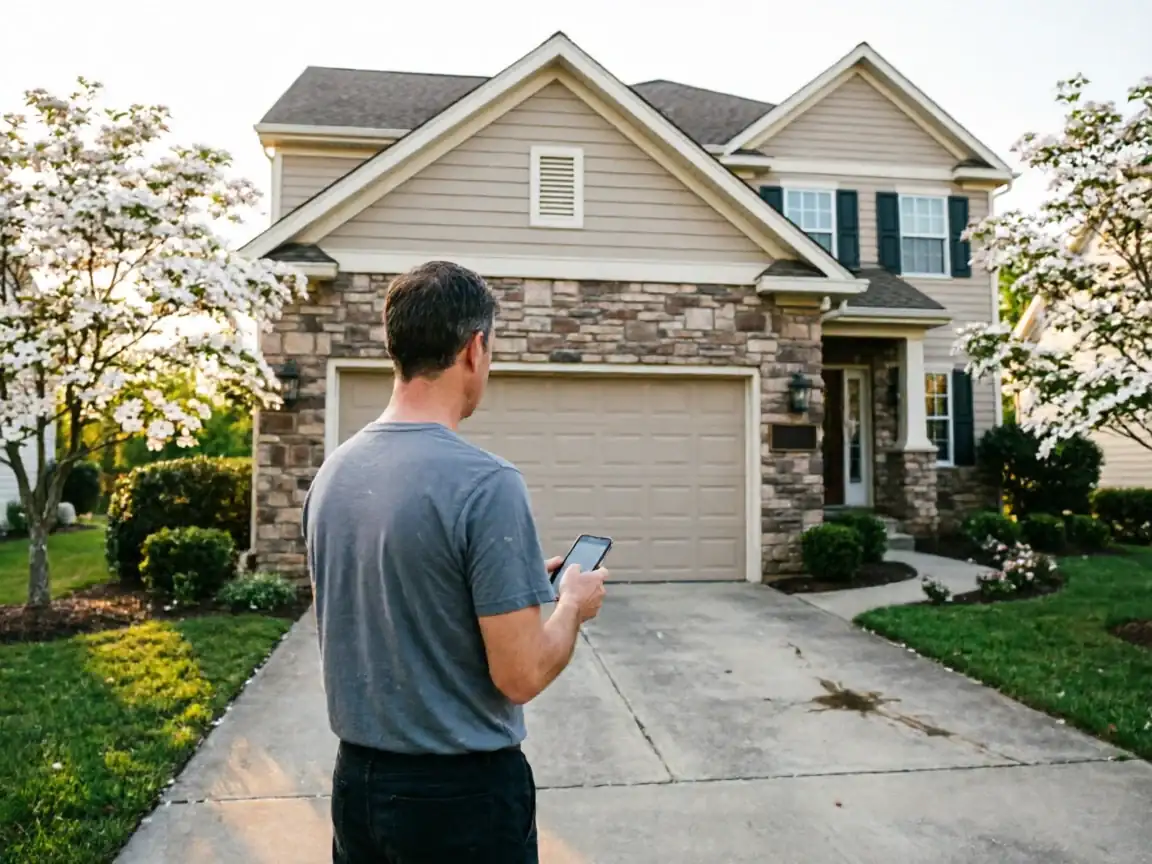
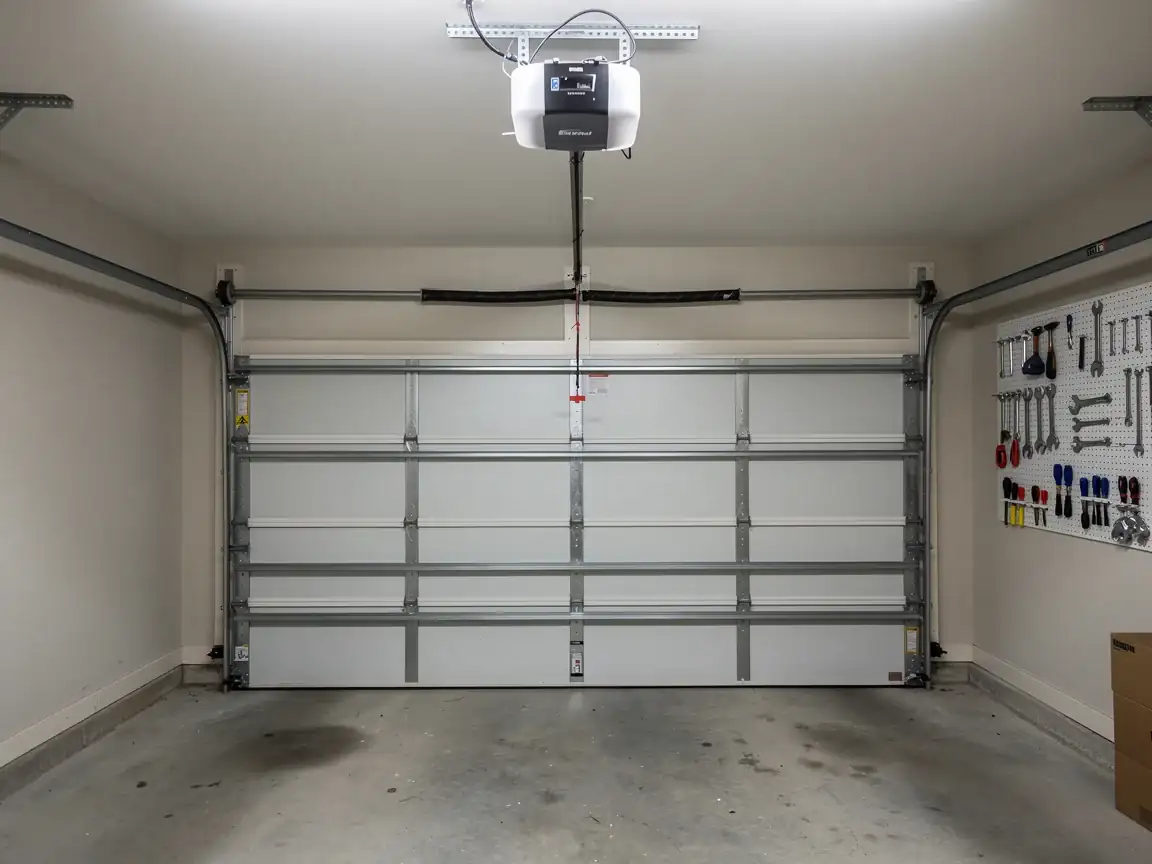
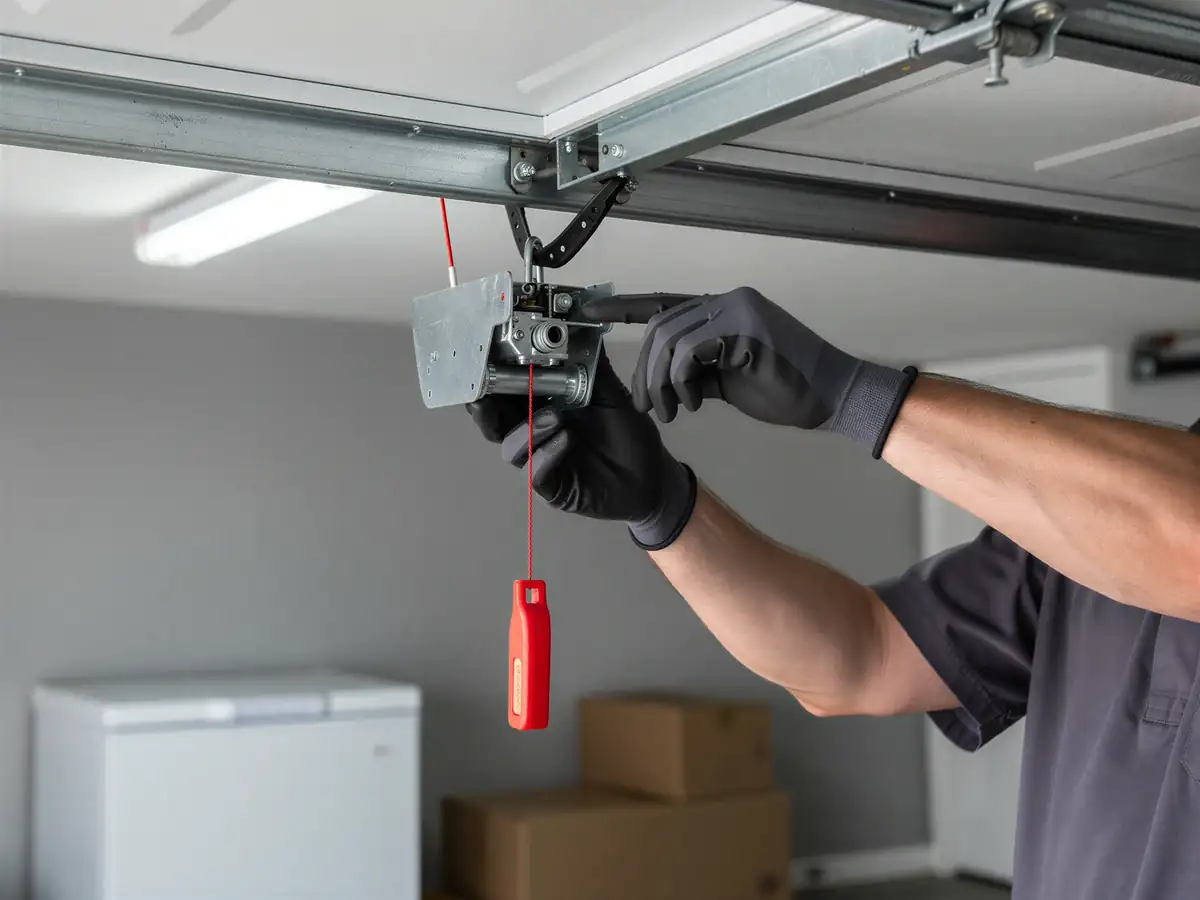
It's about an opener that grinds, reverses on its own, or won't lift a door that used to open fine. That symptom almost always traces back to the house's age. Most of Mantua went up around 1970, squarely inside the service area's documented 1960s-70s building wave, and the openers in those garages are often the second or third unit installed since the house was built - chain-drive, half-horsepower, no battery backup.
We don't post a flat number for opener installs here because the job changes with what's already in the garage
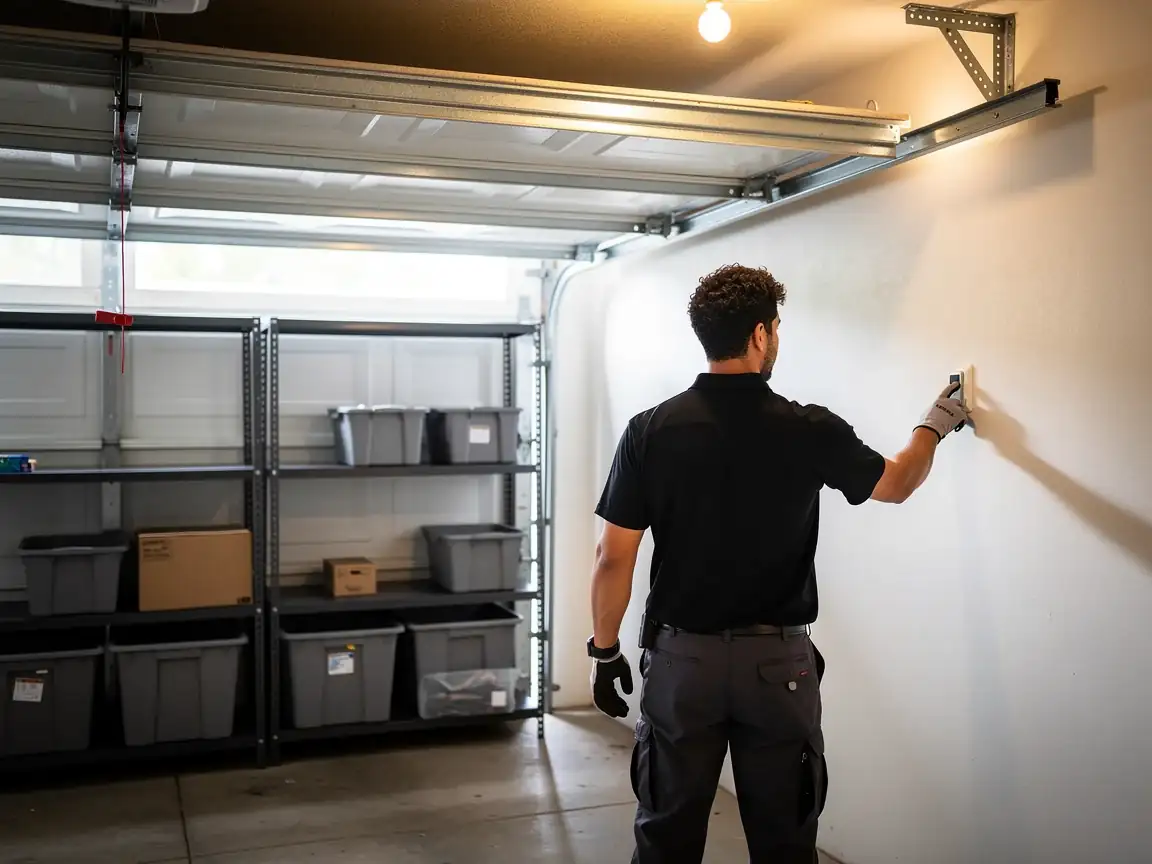
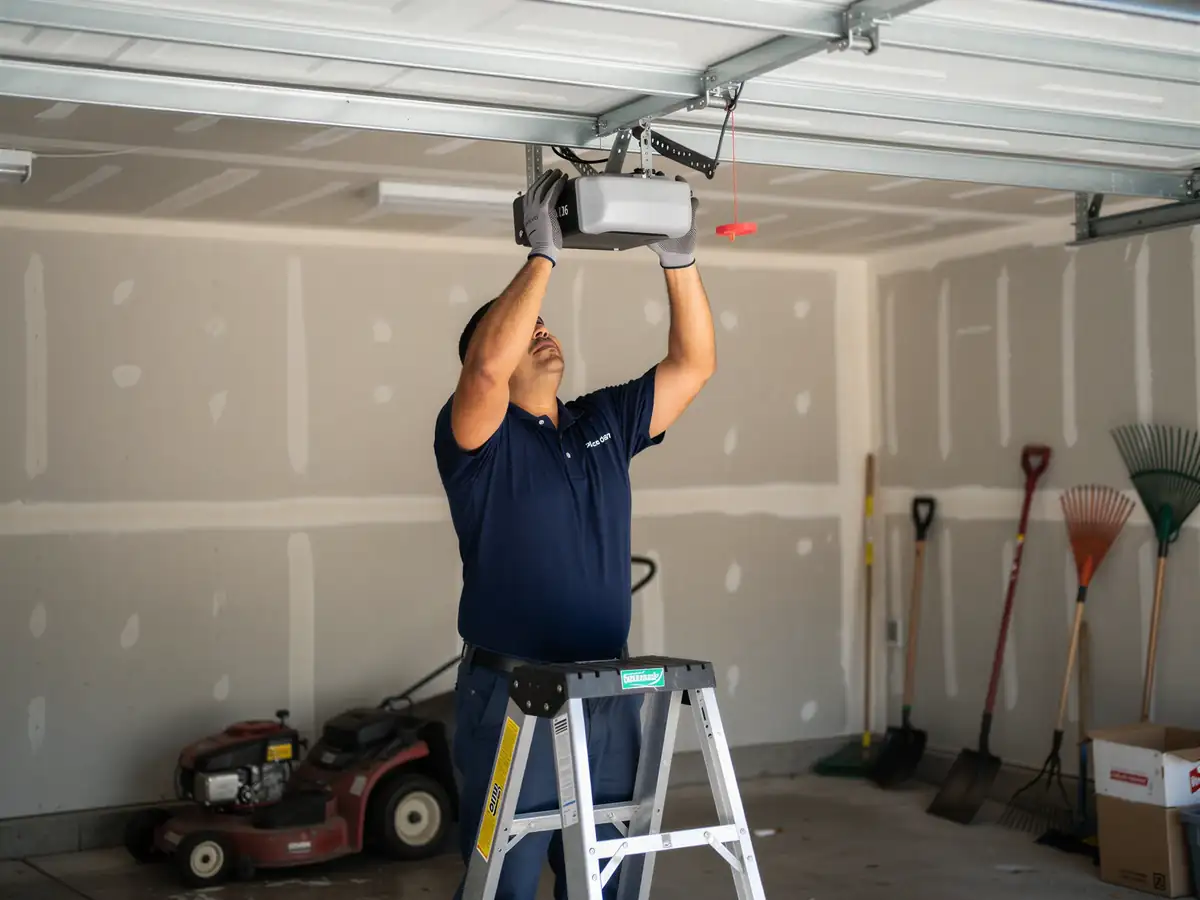
A straight swap onto existing rail is one job, pulling an old chain-drive unit and adding a battery-backup, cold-rated belt-drive is another, and reinforcing ceiling framing for a heavier unit - common in houses this age - adds labor on top of either. What we can tell you without guessing is that Mantua's median household income of $197,677 runs well above the wider service area's $143,796, and that shows up in the choices homeowners make here: more people go straight to a mid-range or premium opener instead of patching a ten-year-old unit twice.
Can You Do This Yourself
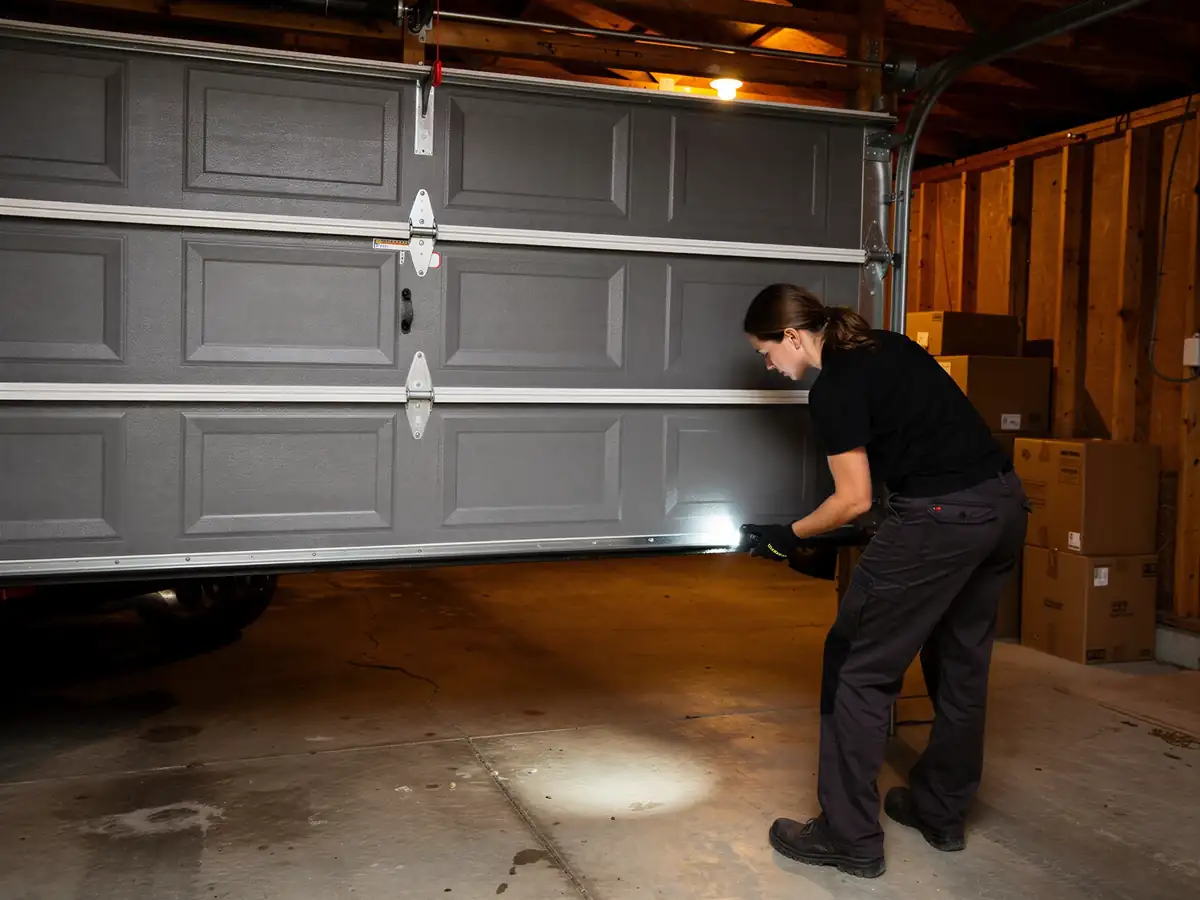
Swapping an opener is within reach for a homeowner who's comfortable on a ladder and willing to check a torque spec, provided the existing rail and mounting are sound. The catch in Mantua is that 'sound' isn't a given. Houses built around 1970 were framed for the lighter, single-panel doors common in that era, and if a previous owner upgraded to a heavier insulated steel door without reinforcing the header or ceiling joist, the opener bracket may already be working harder than it should.
Add a new unit's torque on top of that on day one and that's where DIY installs usually go sideways - not the wiring, the framing behind it. If your garage still has its original mounting from around 1970, or you're not sure what's back there, that's the point to call it in rather than guess. We'll say plainly: this isn't a job we can quote sight unseen. A new opener and a fifty-year-old joist aren't always a match, and no installer can promise otherwise over the phone.
Why It Happens Here
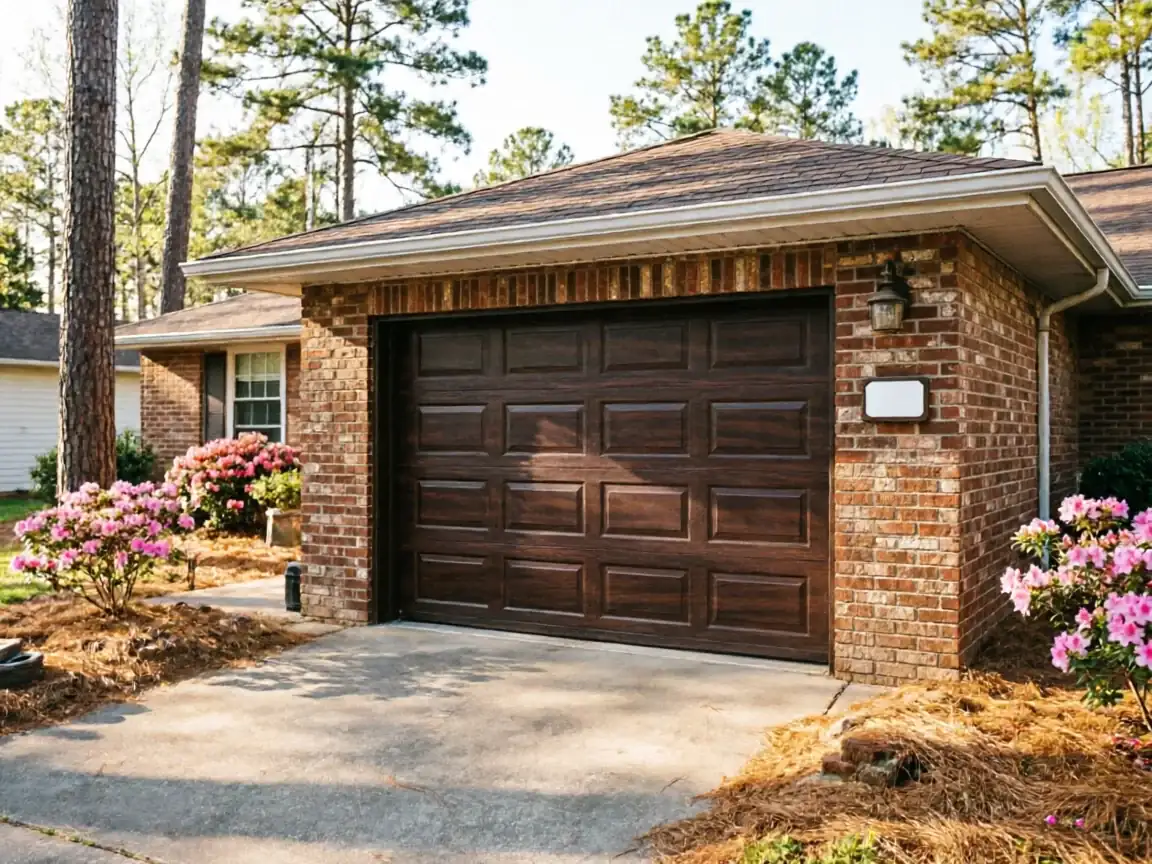
The fault pattern in Mantua comes down to two things stacked on each other: the age of the housing stock and the climate band it sits in. Homes from around 1970 came standard with openers that have no battery backup, which wasn't a problem until the service area's severe cold winters started tripping breakers during storms - a dead opener in a cold snap means a stuck door, and a stuck door on a tuck-under garage is worse than an inconvenience.
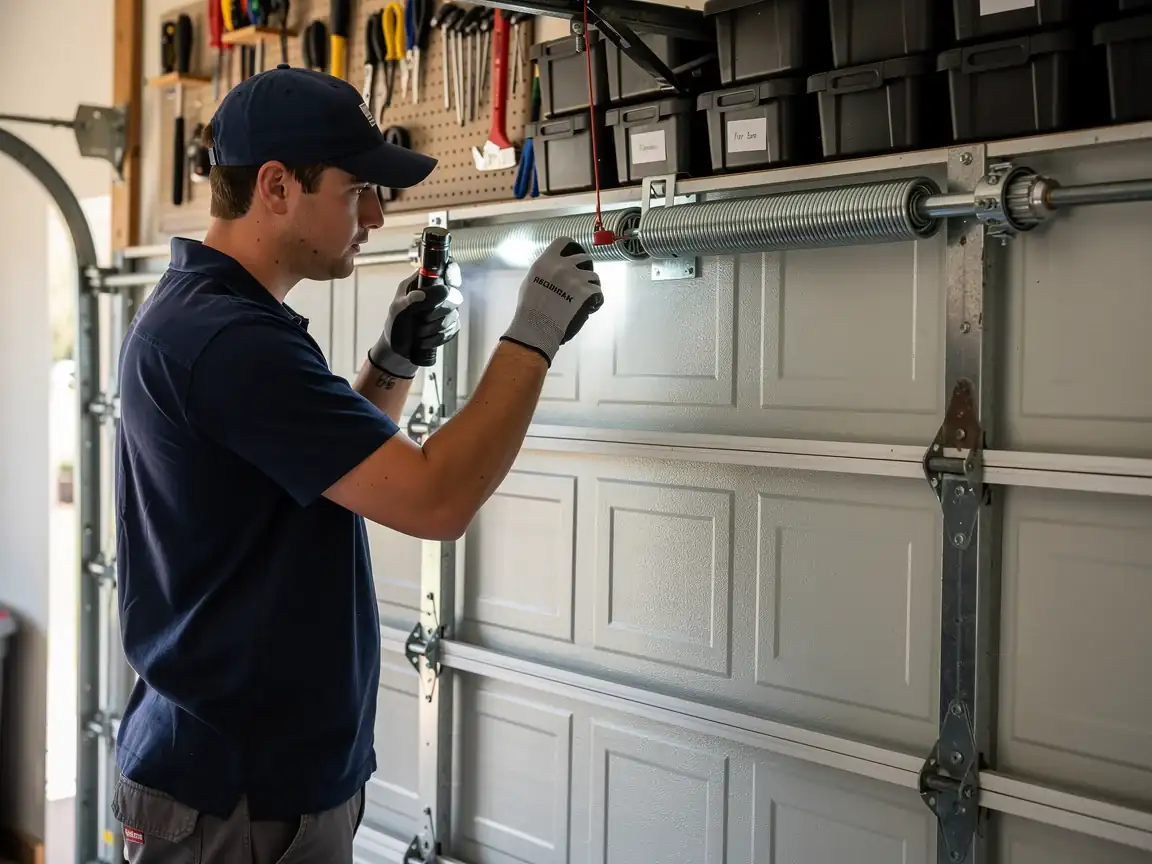
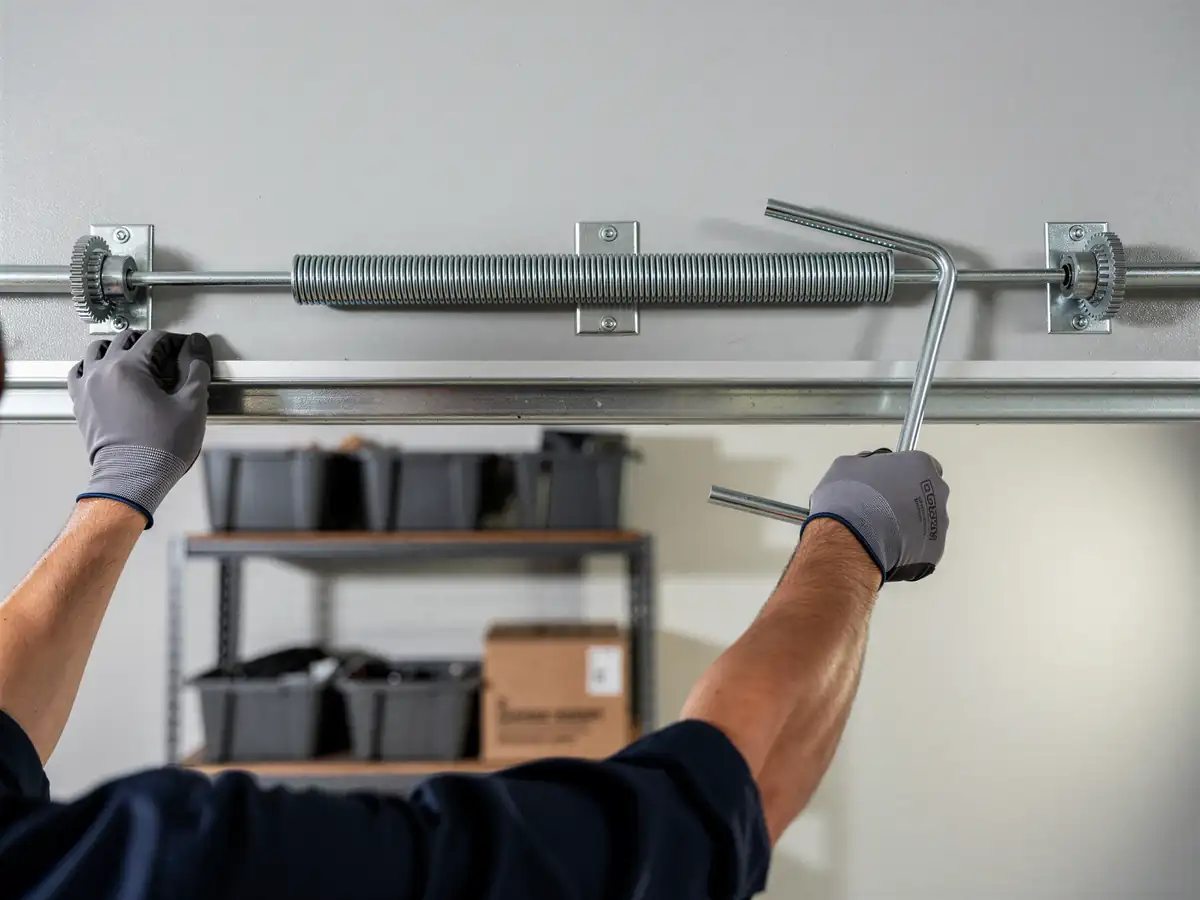
The other half is simpler: 1970 is old enough that most original openers have already been replaced once, sometimes twice, and each replacement onto hardware never designed for it adds a little more slop to the rail alignment. That's why a Mantua service call is more often about a grinding or misaligned rail than a dead motor outright - the motor's usually fine, the decades-old mounting underneath it isn't.
Time on the Job
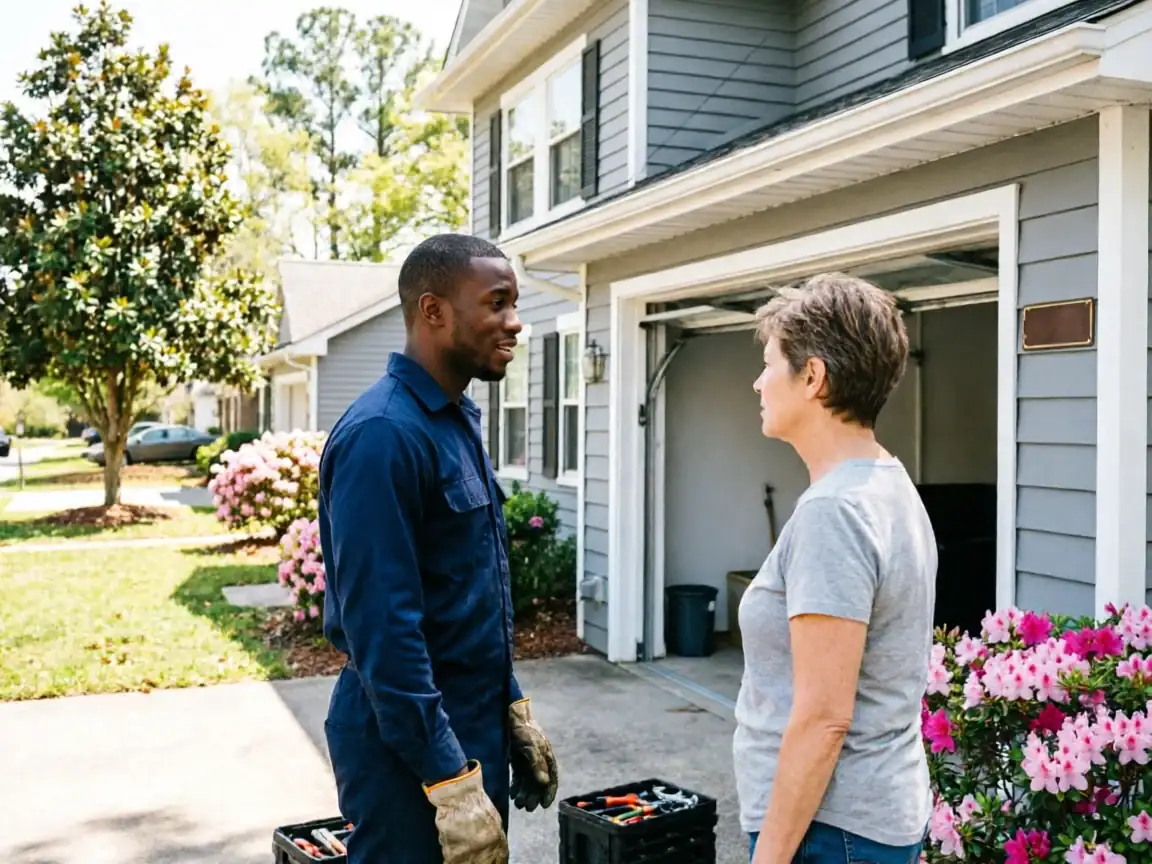
We travel the 2 miles from Fairfax to Mantua same as any other stop in the service area
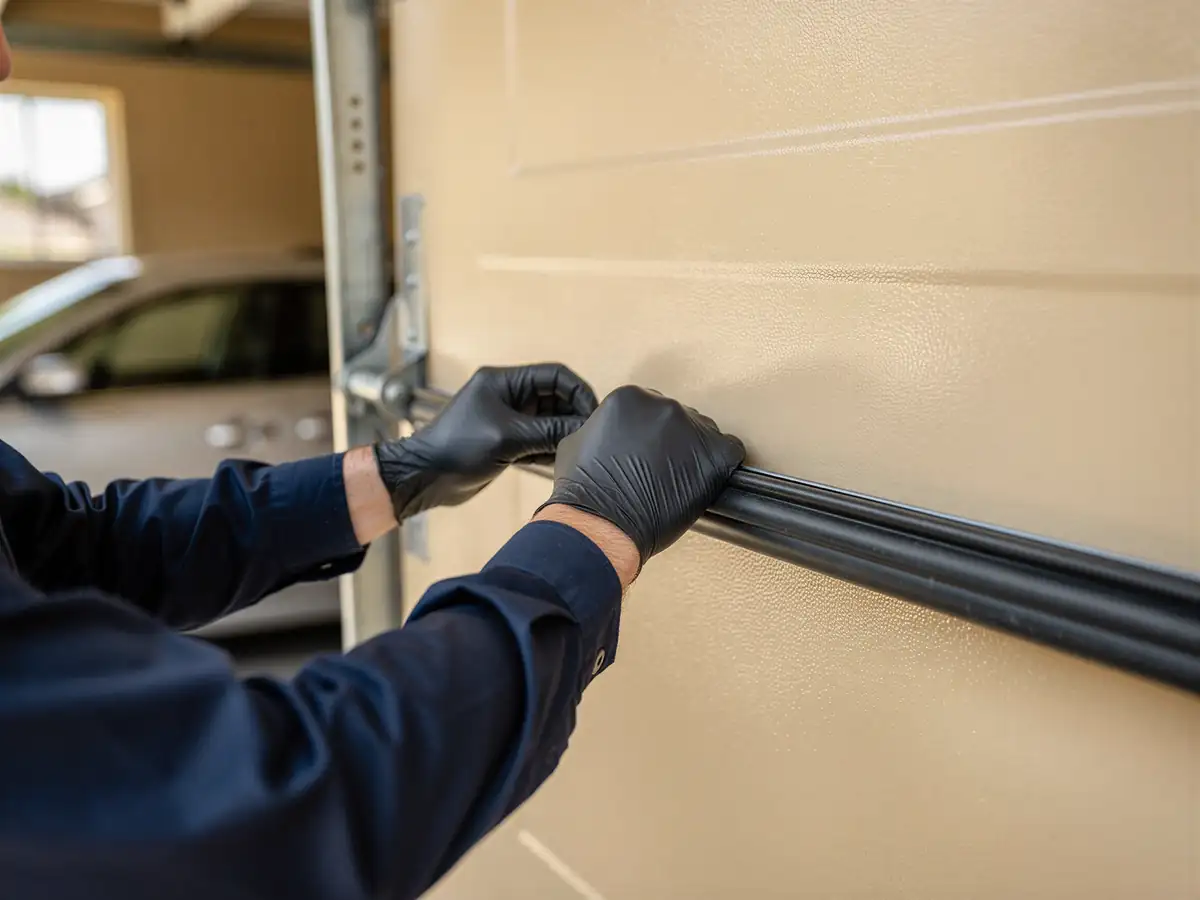
So there's no separate scheduling window for this neighborhood - what varies is the clock once we're on site, and that depends on what's already bolted to your ceiling. A straight opener swap onto good rail and sound framing is a shorter visit. Add a battery-backup unit rated for the cold this area gets, or add bracket reinforcement because the joists were never sized for today's heavier doors, and the job runs longer.
- 2 miles
We won't give you a fixed hour count here because we haven't seen your garage
What we can say, from working houses this age across the service area, is that the most common add-on in Mantua isn't extra wiring - it's the reinforcement step, so plan for it if your door or its hardware dates back close to when the house was built.