What You Pay
A torsion spring job on a Mantua house usually means one spring, not two
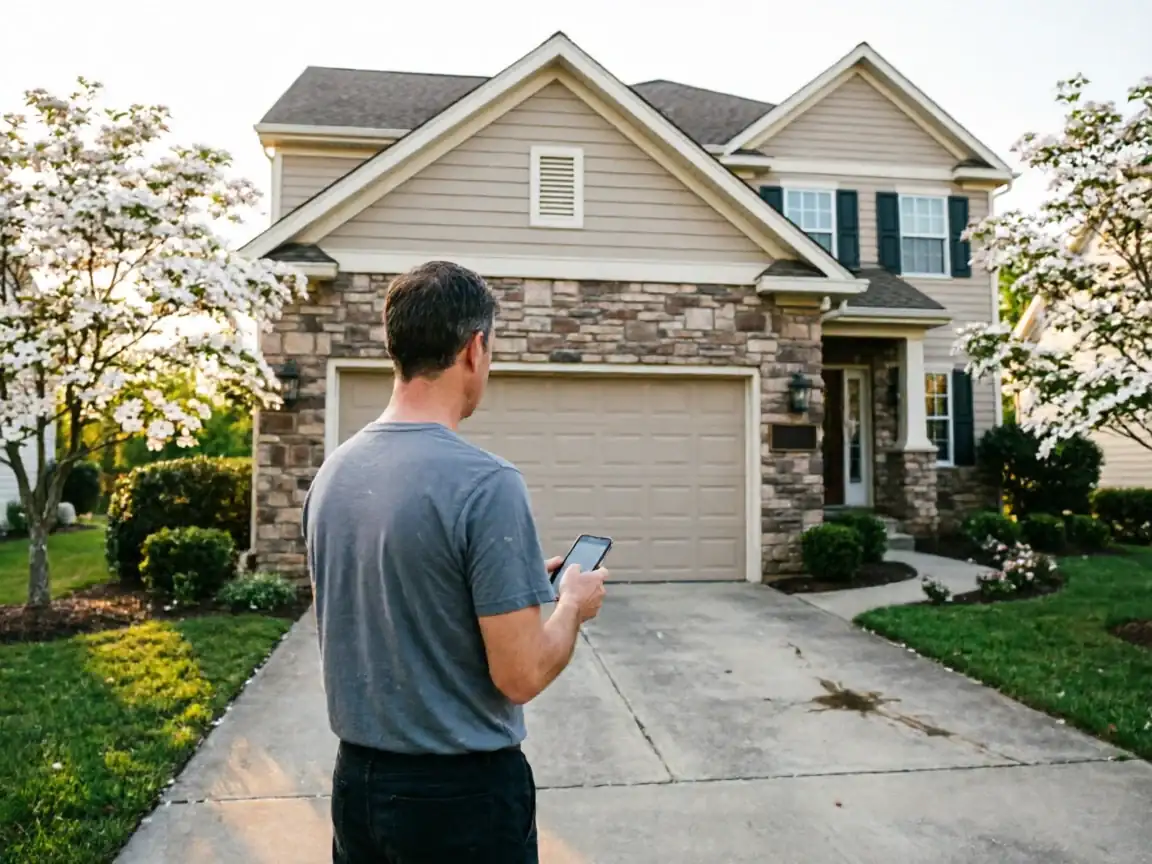
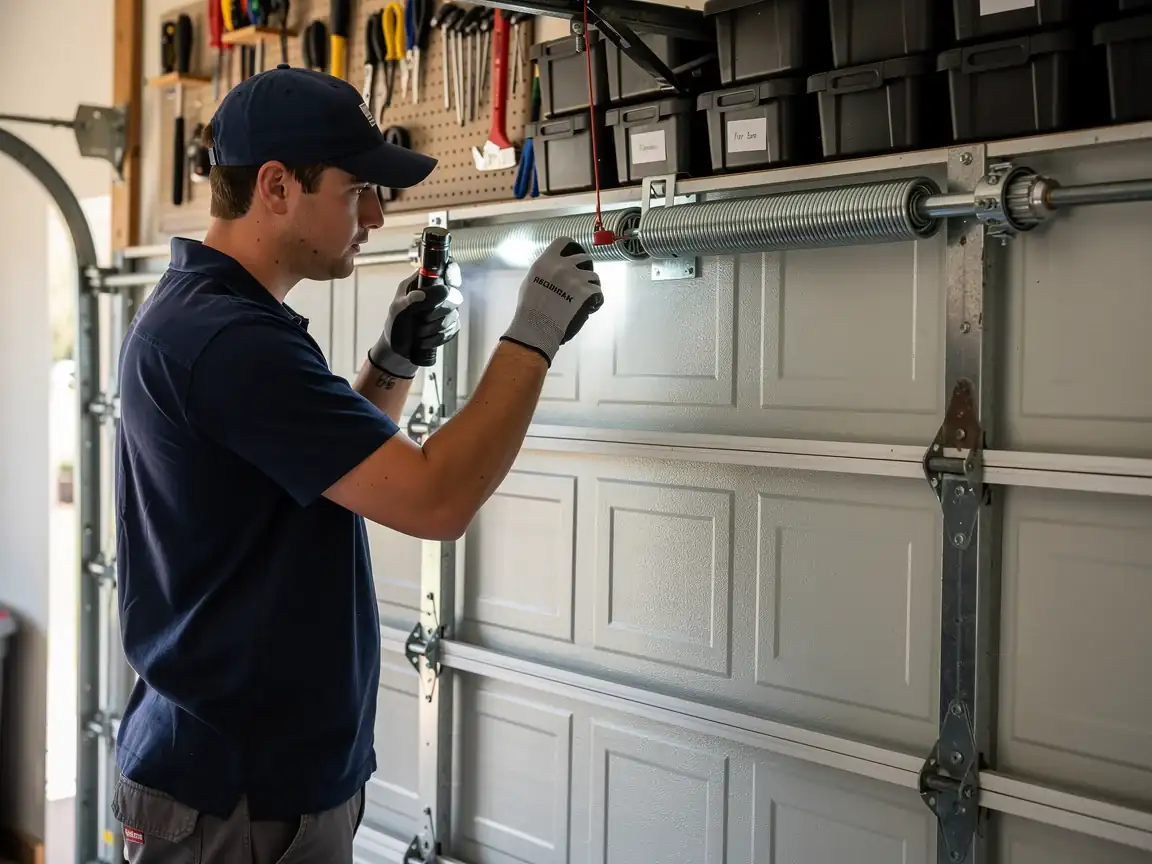
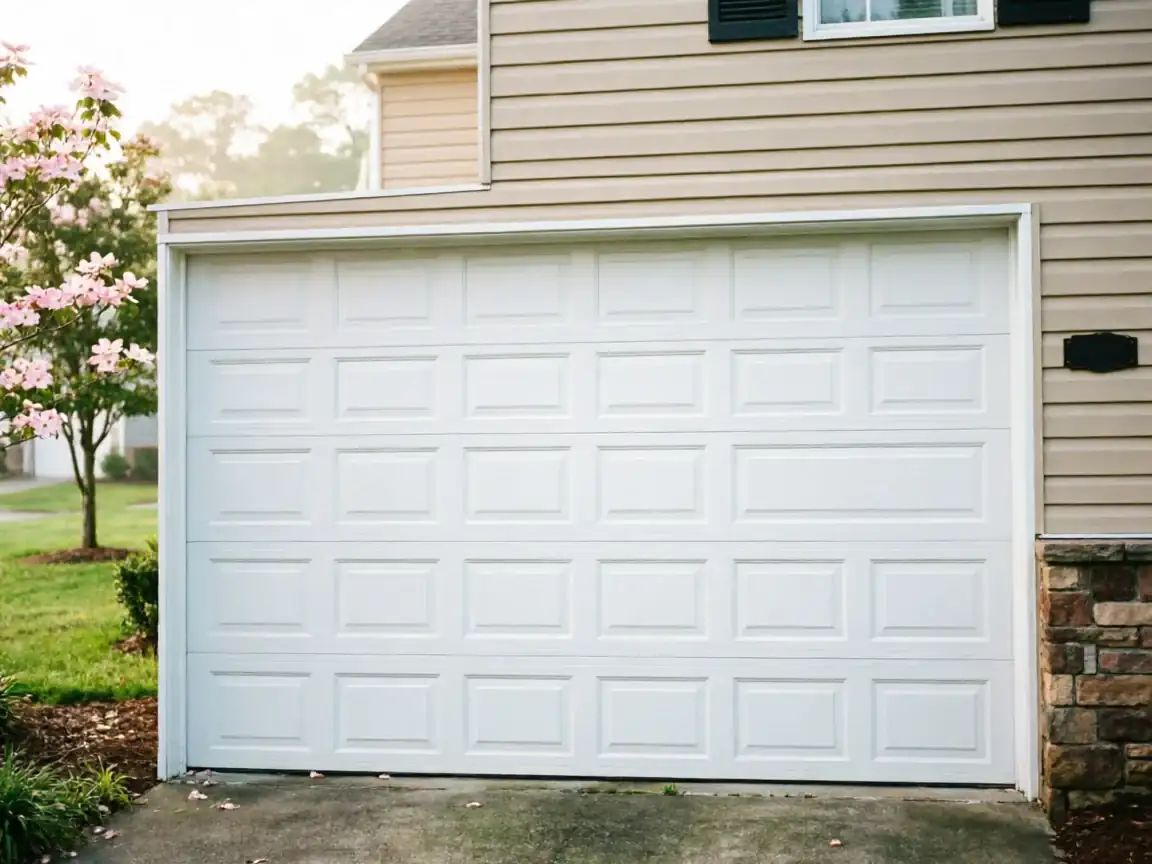
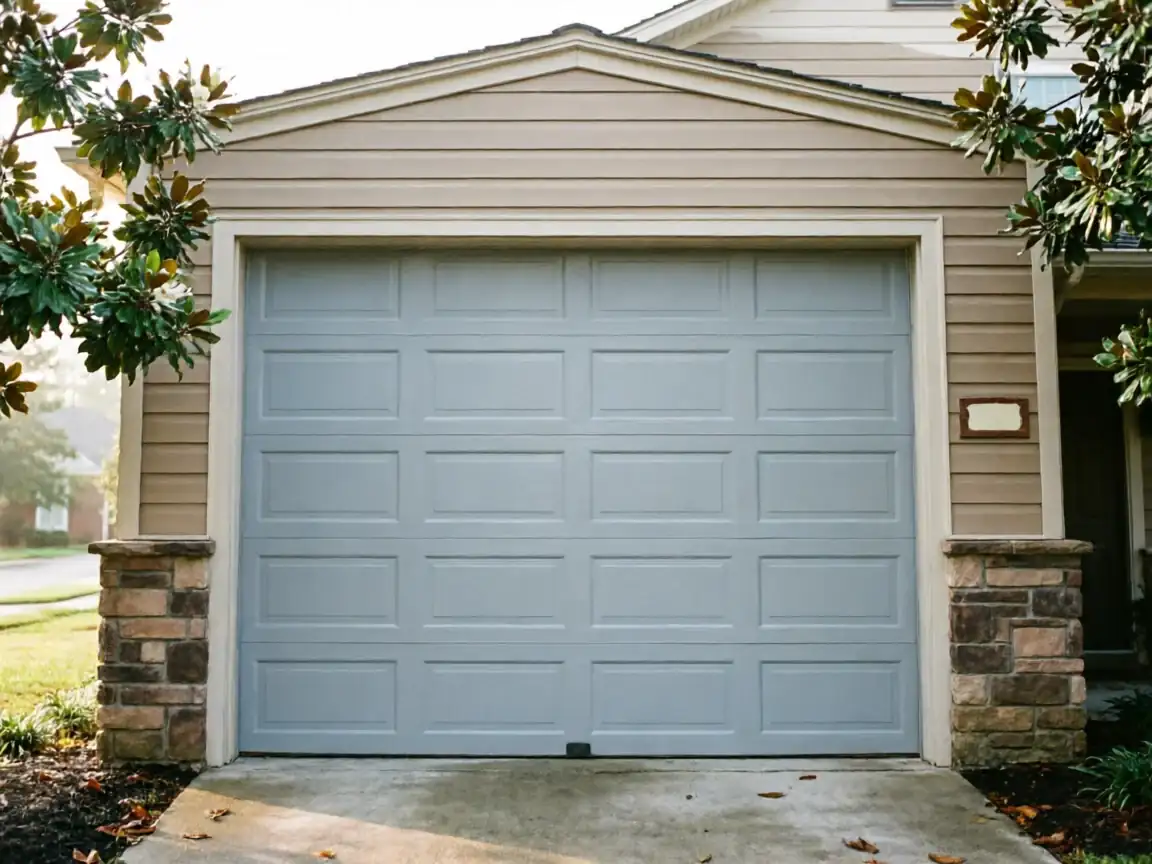
Because most of these homes were built with a single 16-foot door for a two-car garage rather than two separate 9-foot doors. That single door carries a heavier spring, wound to a higher turn count, and that changes what the job costs compared to a house with two smaller doors split across two springs. We won't quote a number here without seeing the door and the spring size stamped on the shaft, because Mantua has both the original steel sectional doors from the 1970 build-out and a mix of replacements put in over the decades since. What we can tell you: this area's median household income runs higher than most of the places we cover from Fairfax, and we still see owners try to stretch a worn spring another year rather than replace it, which almost always costs more once the cable or the opener gear takes the damage instead. If your door is still on its original hardware, tell us that on the phone - it changes the parts we bring.
One honest limit: if the spring is a size we don't carry on the truck that day
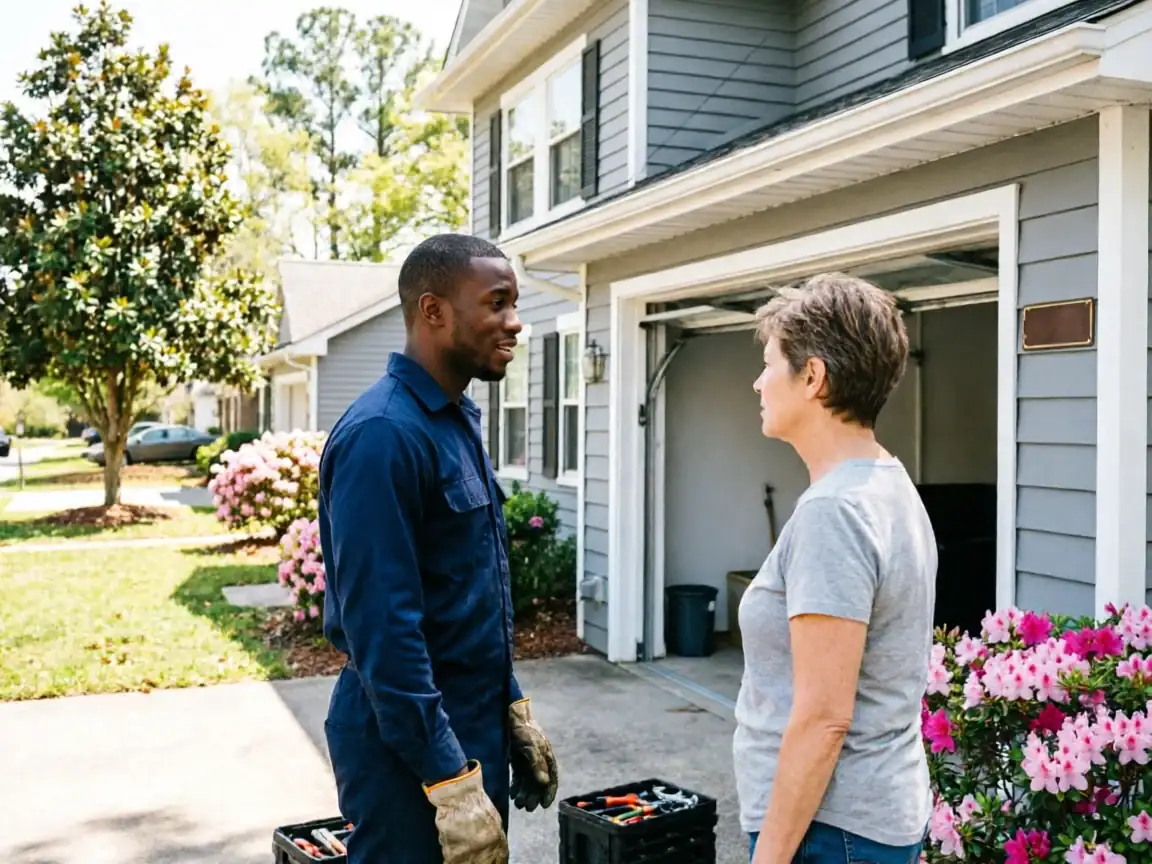
We'll tell you straight and get it scheduled rather than guess at a fit.
Can You Do This Yourself
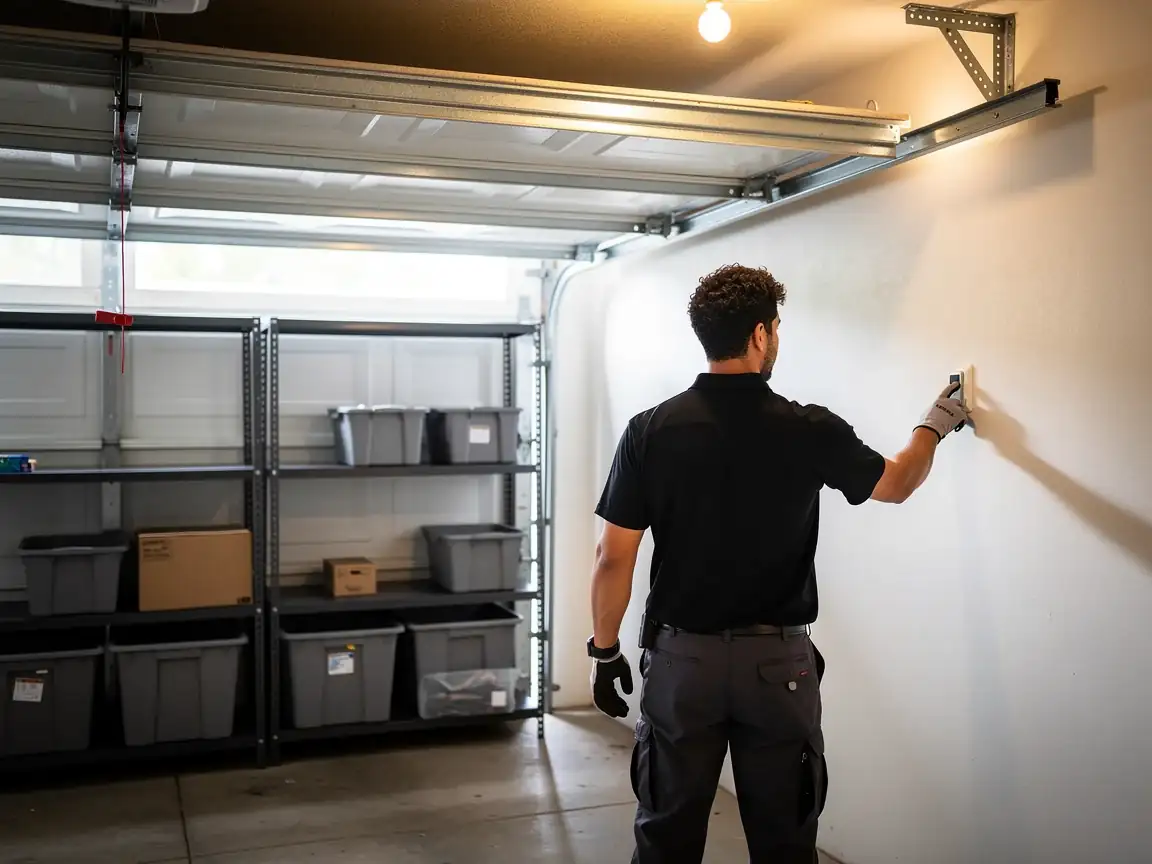
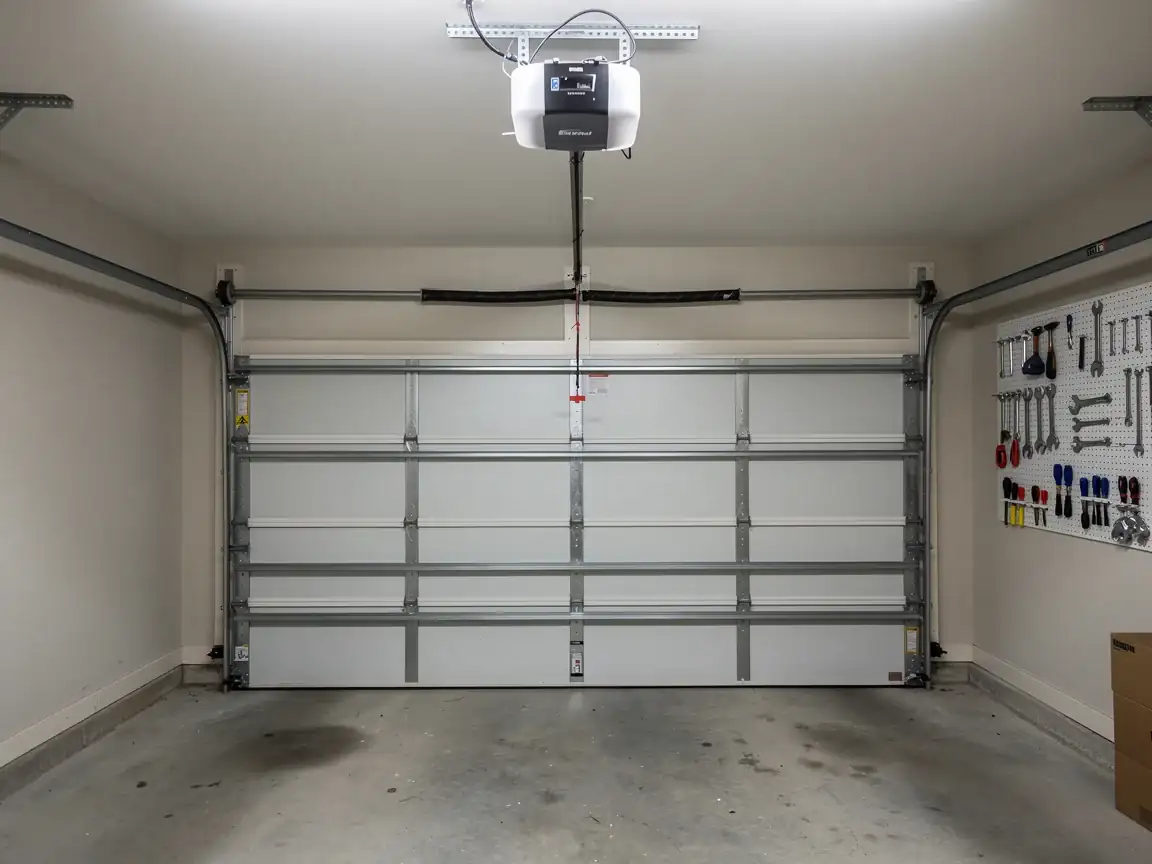
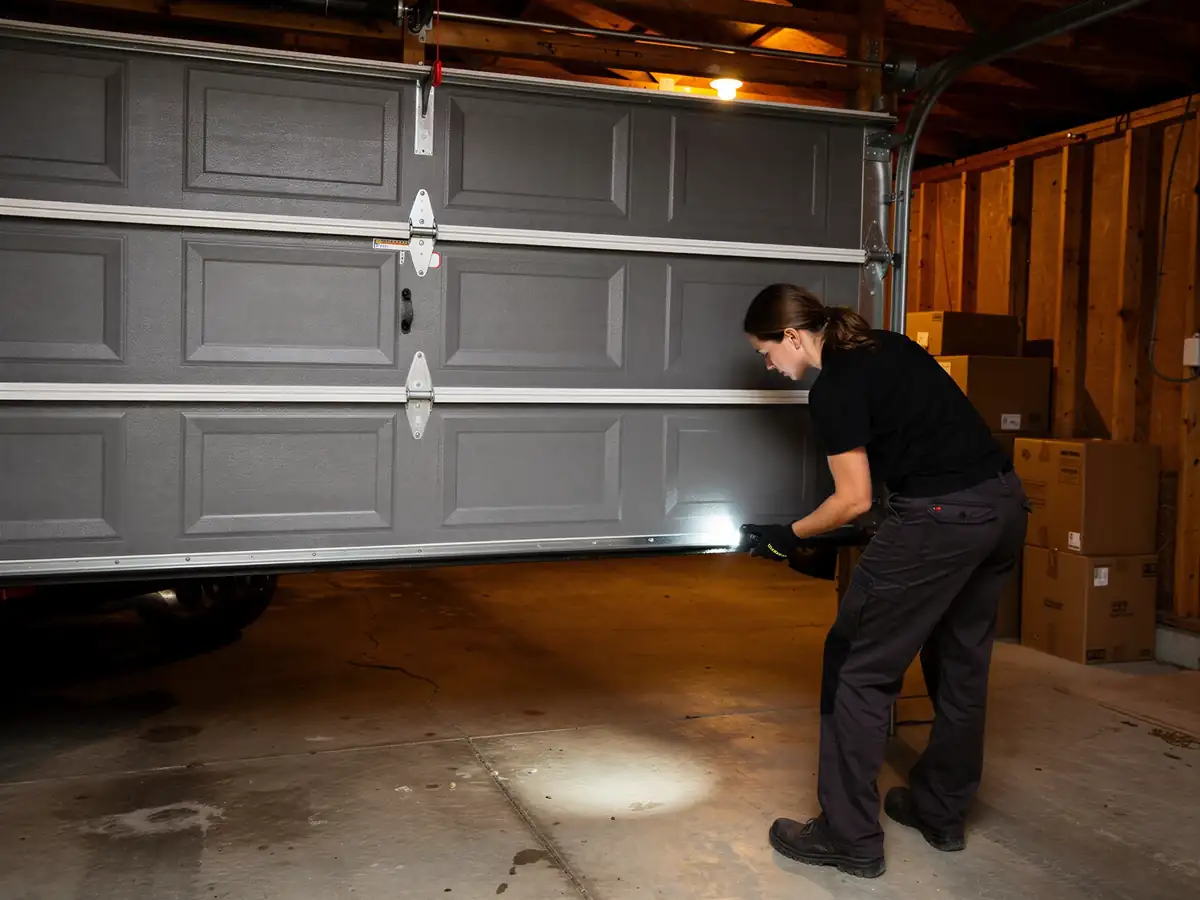
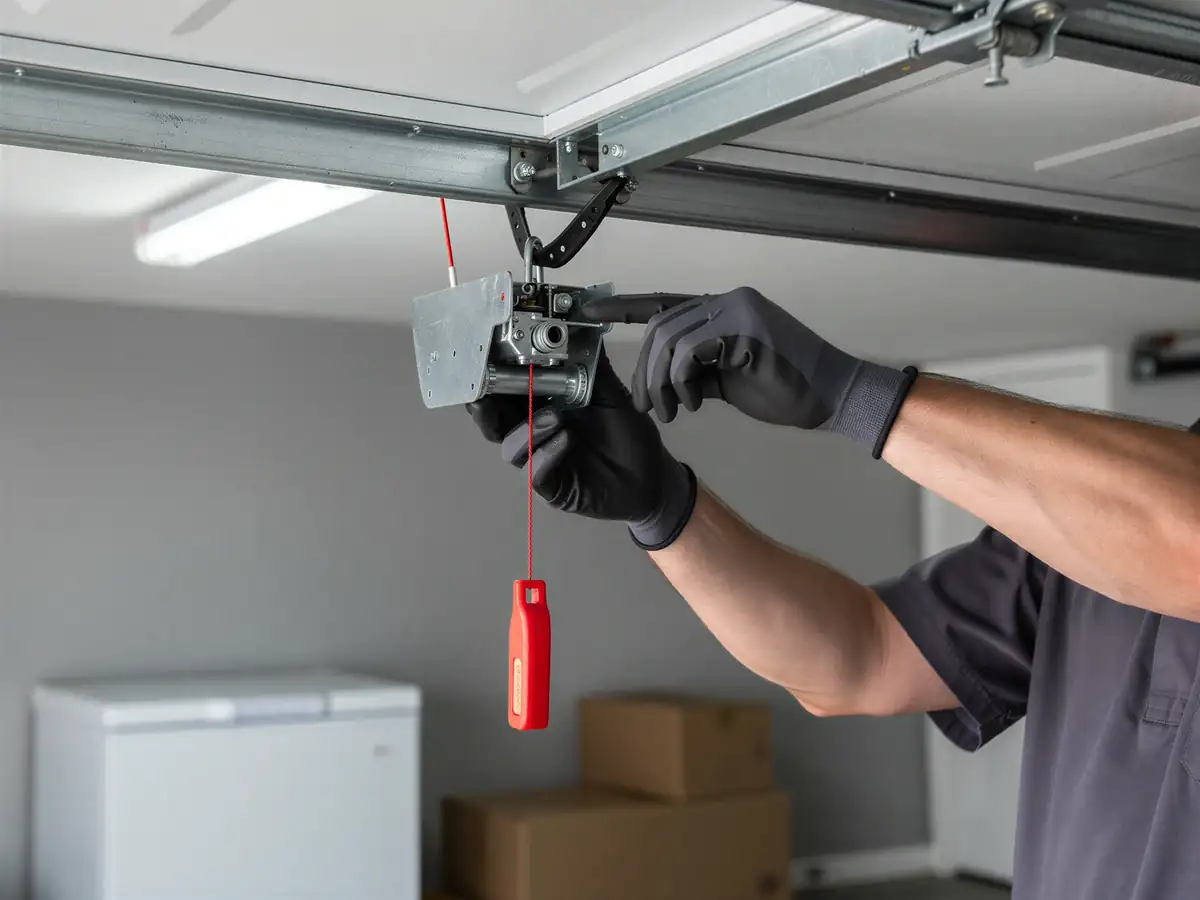
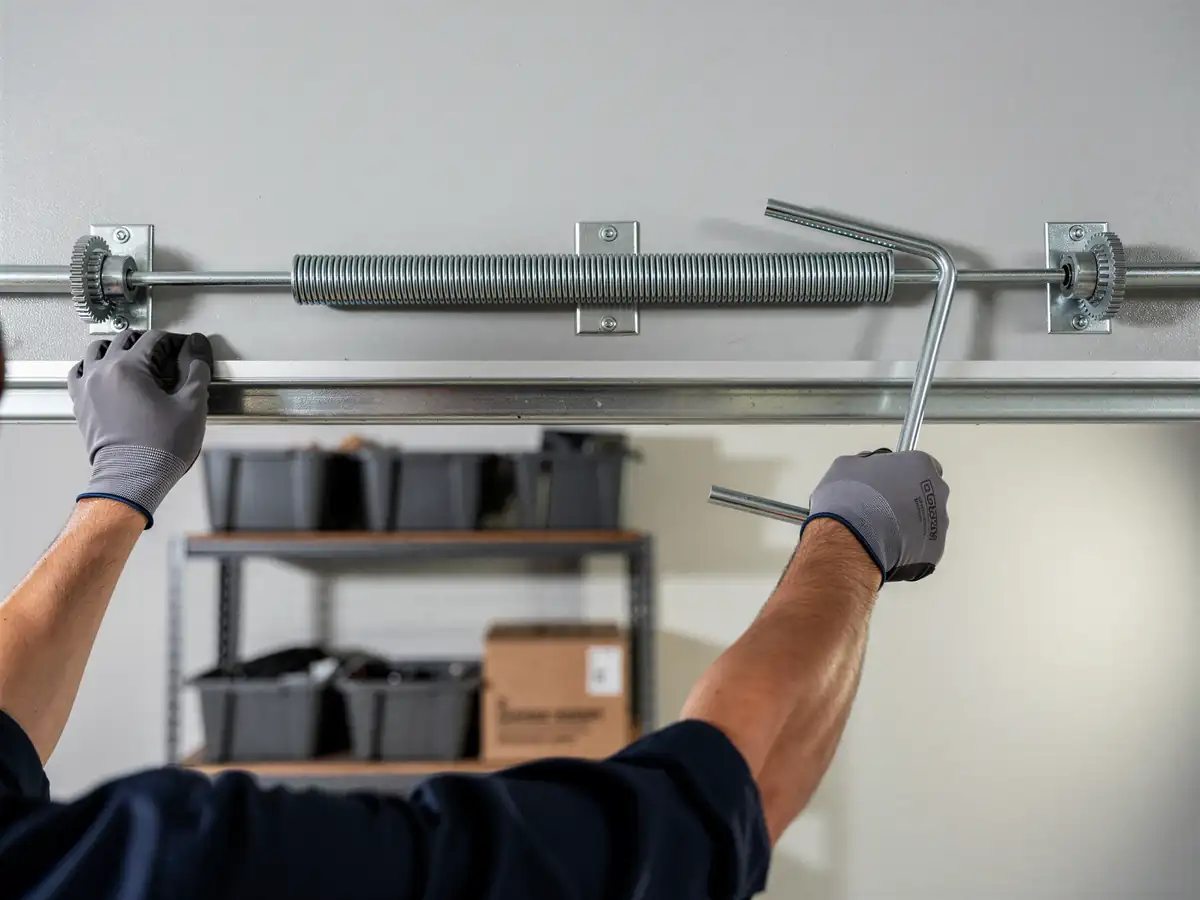
No, not the spring itself. A wound torsion spring on a 16-foot door holds enough stored force to break a bone or worse if the winding bars slip, and that risk doesn't change because the house is newer or older. What you can do yourself, safely, is the diagnosis. Stand the door up by hand with the opener disconnected - if it won't hold itself roughly level, the spring is the problem, not the opener logic board or the sensors. On a Mantua door from the 1970 build era, check whether the spring is the original single-sleeve torsion unit on a steel shaft above the door; a lot of these have never been replaced, and that's old steel that's been cycling for decades. If the shaft bracket looks rusted or the spring coils are touching unevenly, don't try to wind or unwind anything yourself. Call it in and let someone with winding bars and a stepladder rated for the job handle it.
Why It Happens Here
Mantua's houses cluster tightly around 1970, which puts this neighborhood squarely in the 1960s-70s housing wave that defines a lot of the Fairfax service area. Doors from that period were steel sectional panels on torsion springs sized for the door weight and height standard then - and those springs have a fatigue life measured in open-close cycles, not years. A door opened twice a day for fifty years has gone through more cycles than most springs are rated for, full stop. Add the climate: this region sits in a cold-severe climate band, and steel spring wire loses some tensile give in hard winter cold, which is exactly when a spring that's already near its cycle limit tends to let go. We see this pattern across the wider service area - 181,054 households and 68,635 owner-occupied houses in total - but it shows up earliest in the pockets built closest to 1970, and Mantua is one of them.