Time on the Job
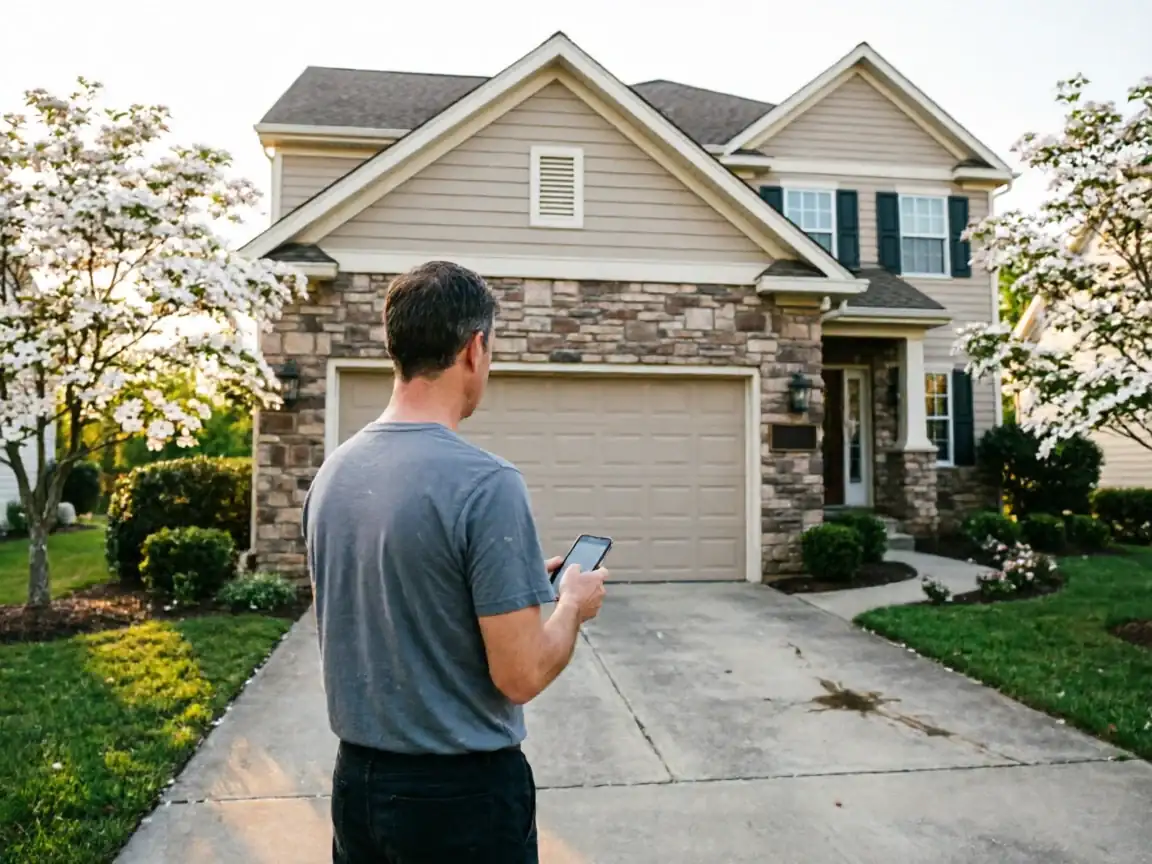
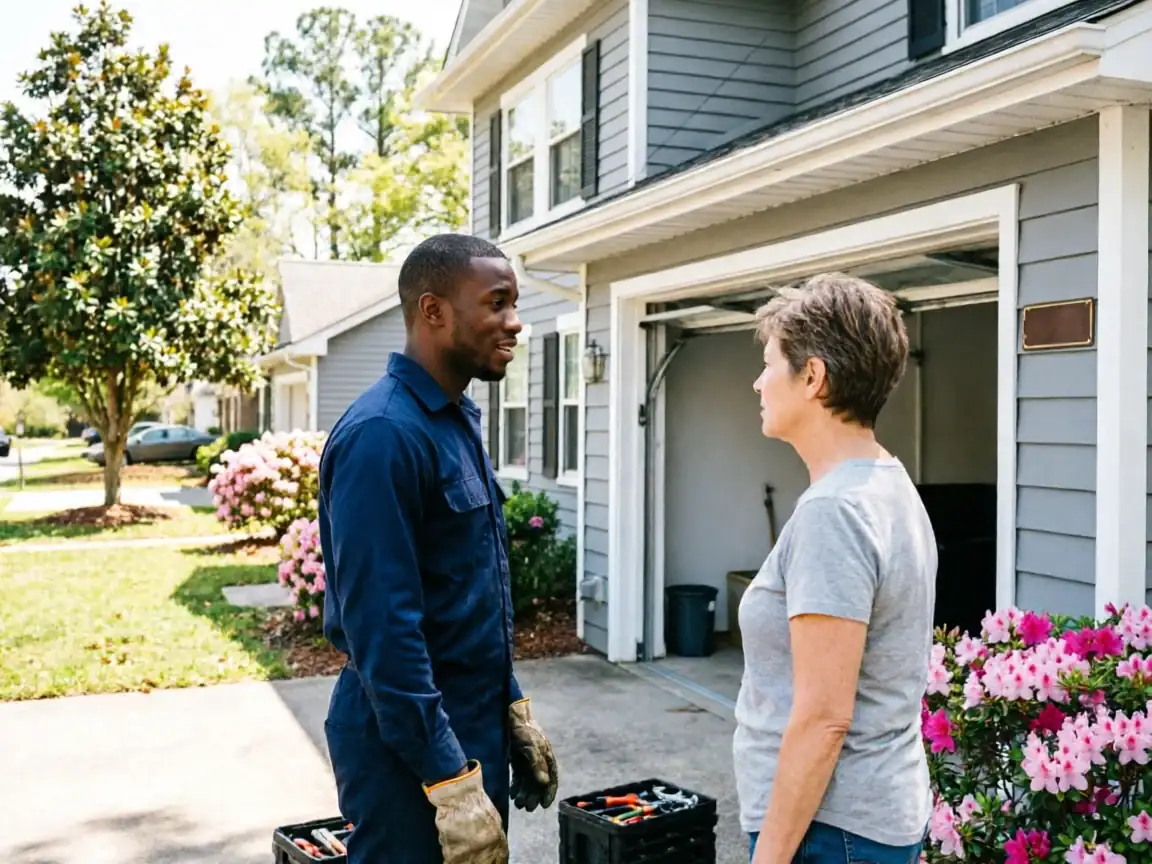
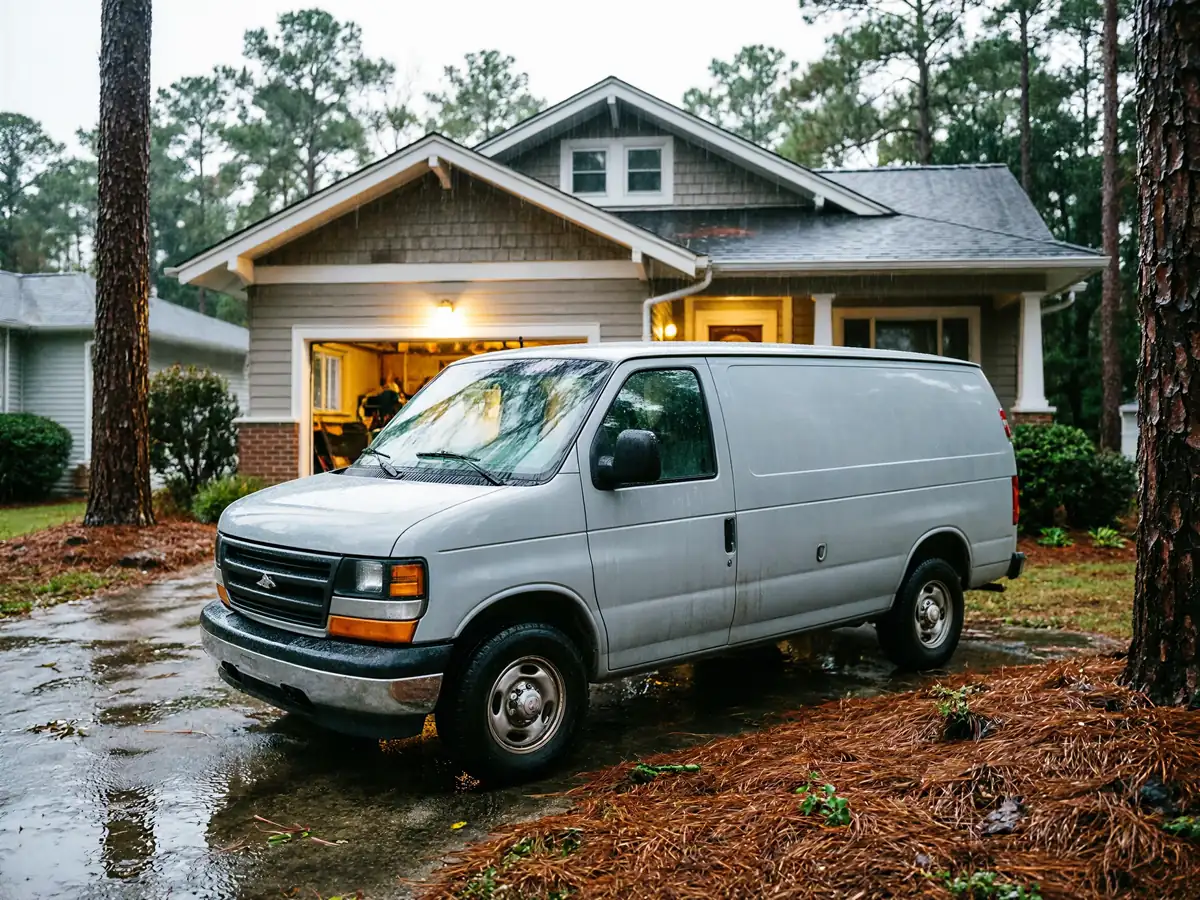
We run out of Fairfax, and Fairfax Station sits about 5 miles out. That's a real drive, not a next-door hop, so when you call, we're not pretending there's a local branch sitting around the corner. It means we plan the visit, not drop by on a whim between other jobs in the immediate area. We don't carry an unlimited stock of every spring size and opener board on the truck, especially for older or less common setups, so some parts on an aging door may need a short wait before the second visit if the first one is diagnostic only. That's the honest version of how it works, not a promise of a same-day fix on every call.
What You Are Seeing
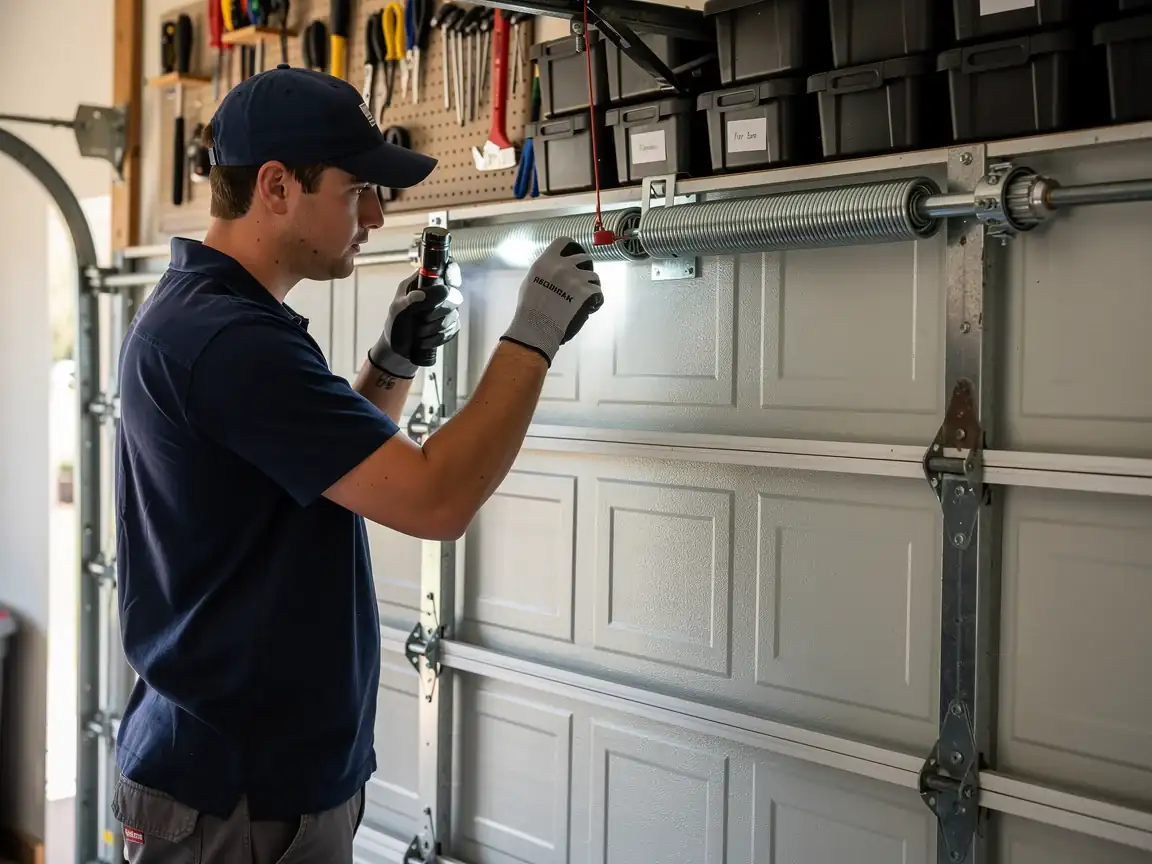
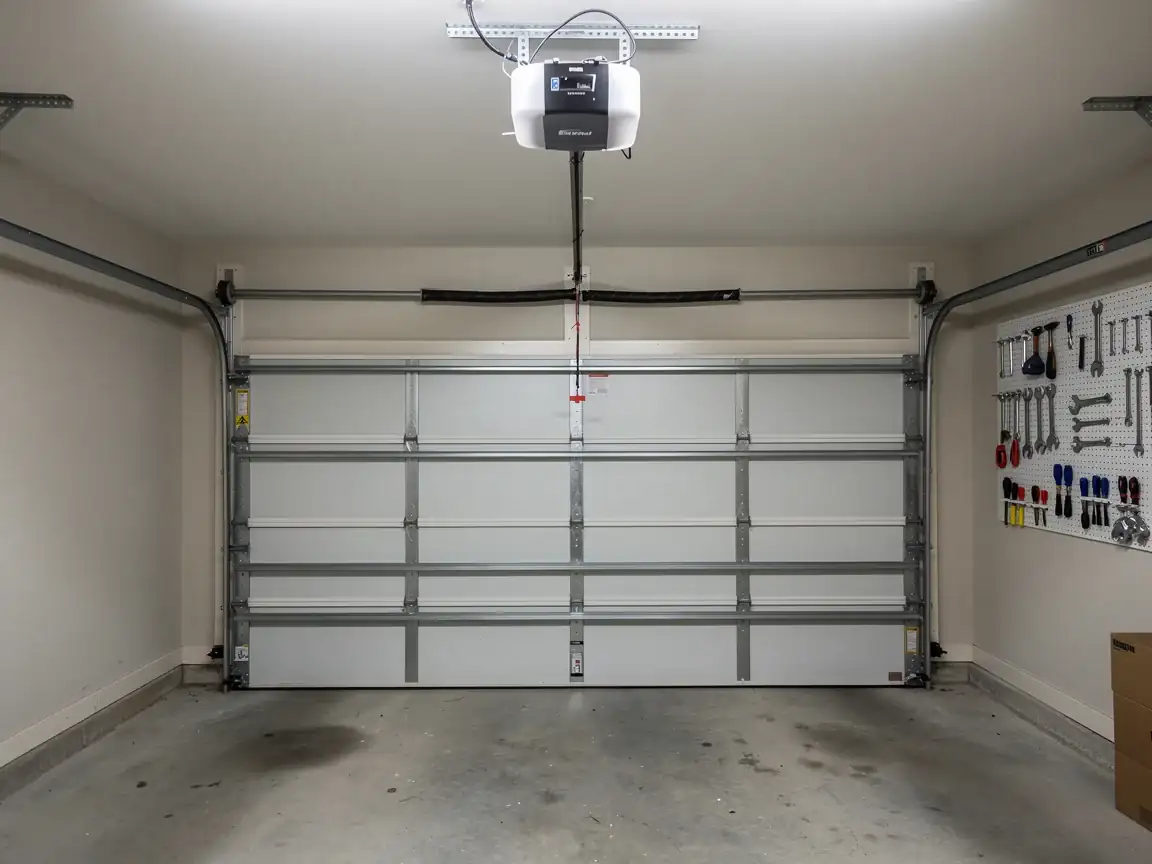
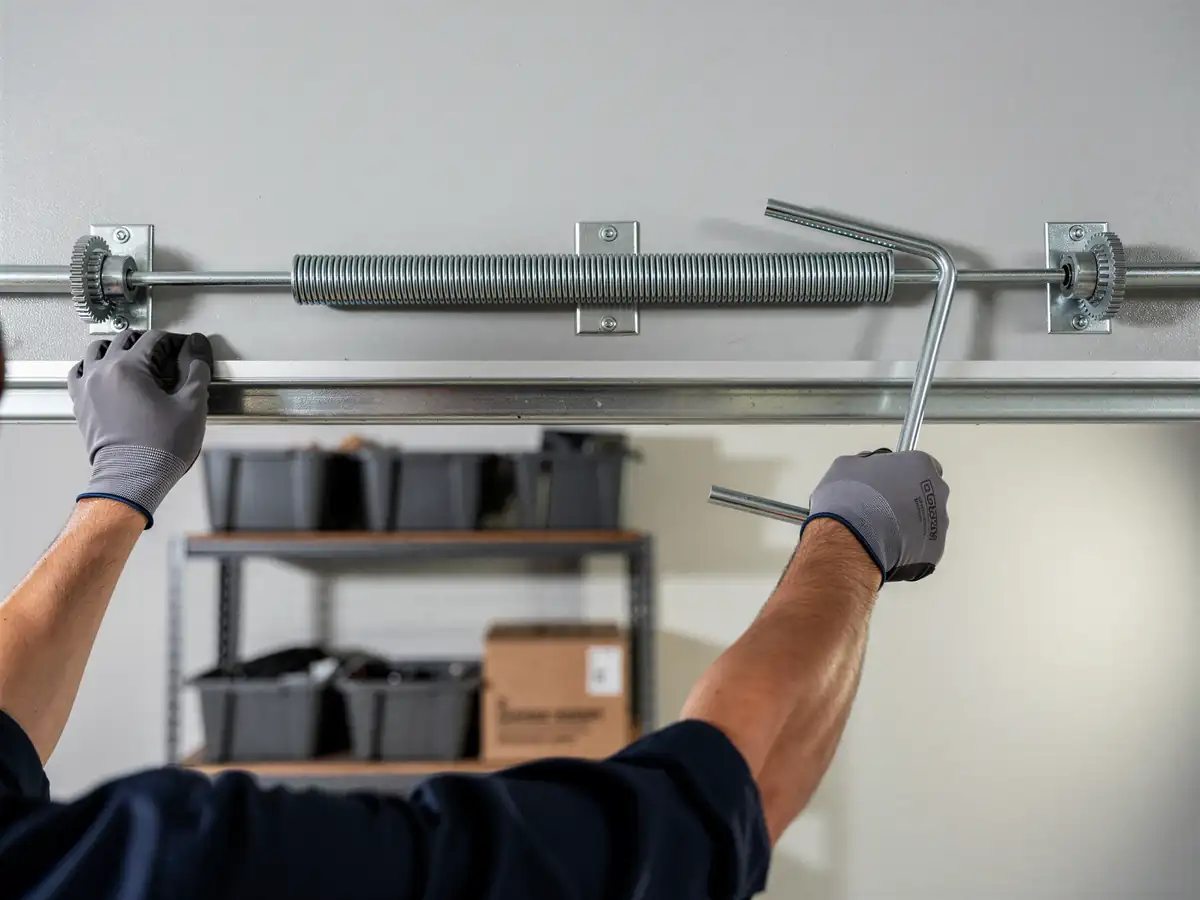
On a house built in the early 1980s, the door itself has usually been replaced at least once, but the original torsion hardware - the shaft, the bearing plates, the cable drums - often survives because nobody thinks to swap it until it fails. If your door is loud going up, hesitates a few inches off the floor, or the opener strains and reverses, that's usually the spring losing tension, not the opener motor failing. A door that drops fast and uncontrolled on the way down is a broken spring, full stop, and it's not safe to keep opening by hand with the opener disengaged. Rust streaking on the torsion springs themselves, more common after a wet winter followed by a hard freeze-thaw cycle, tells us the spring is further along in wearing out than its visible coil count would suggest. None of this is unique to any one house, but it's consistent with doors from this build era running on original or first-replacement hardware.
How We Fix It
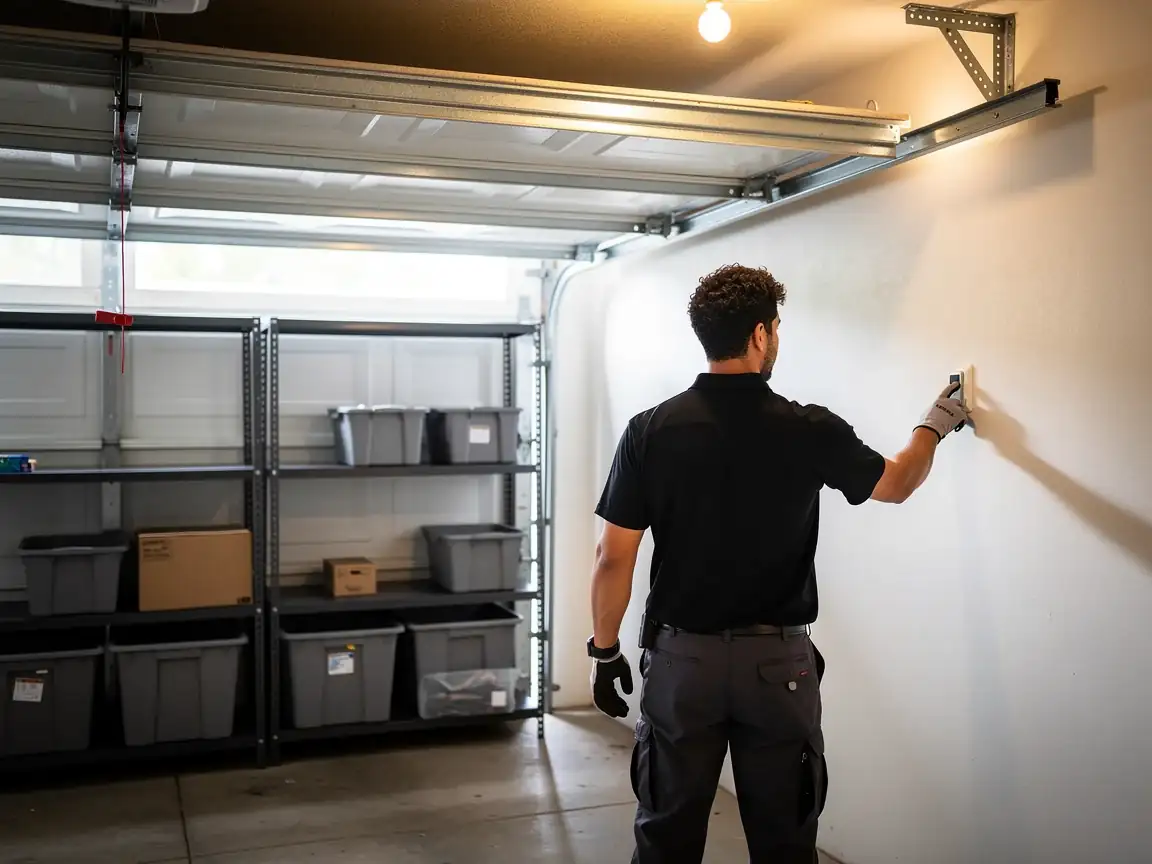
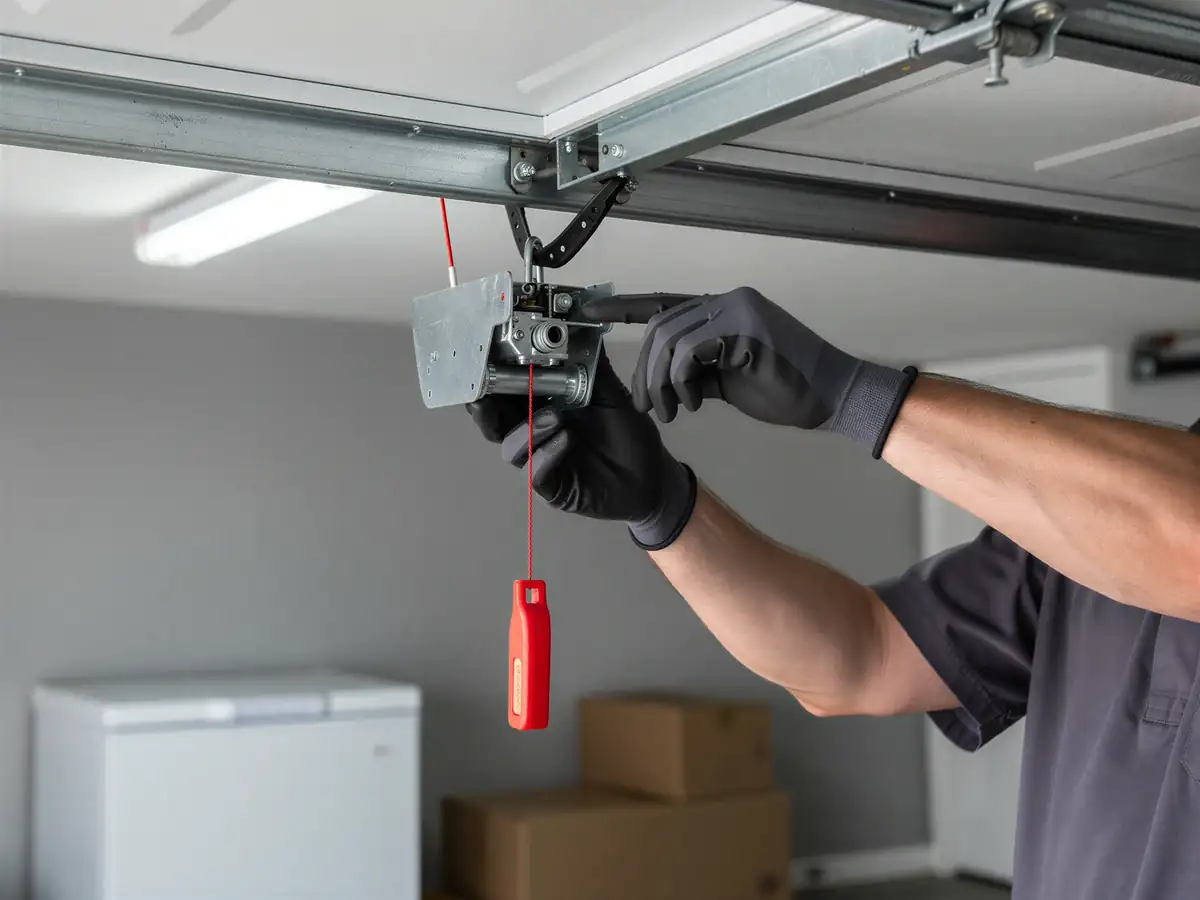
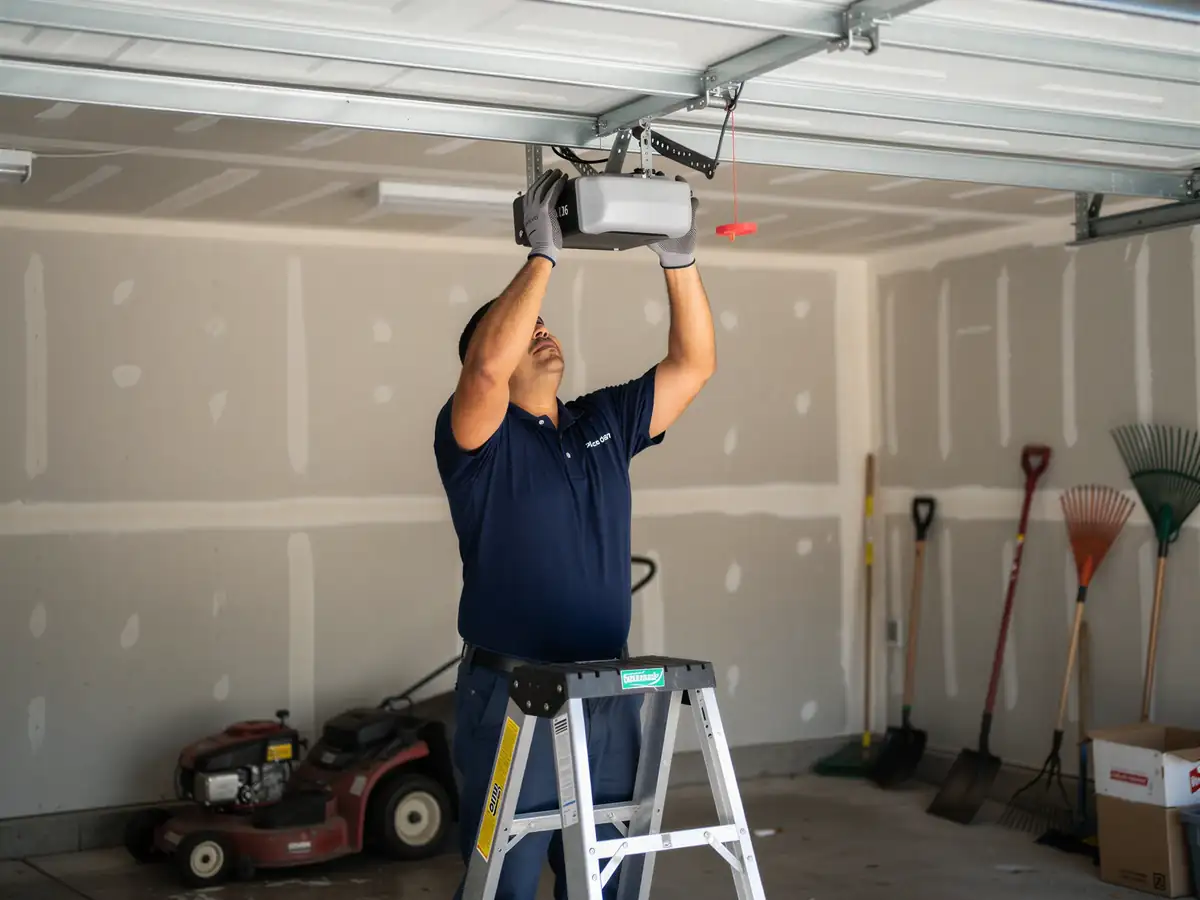
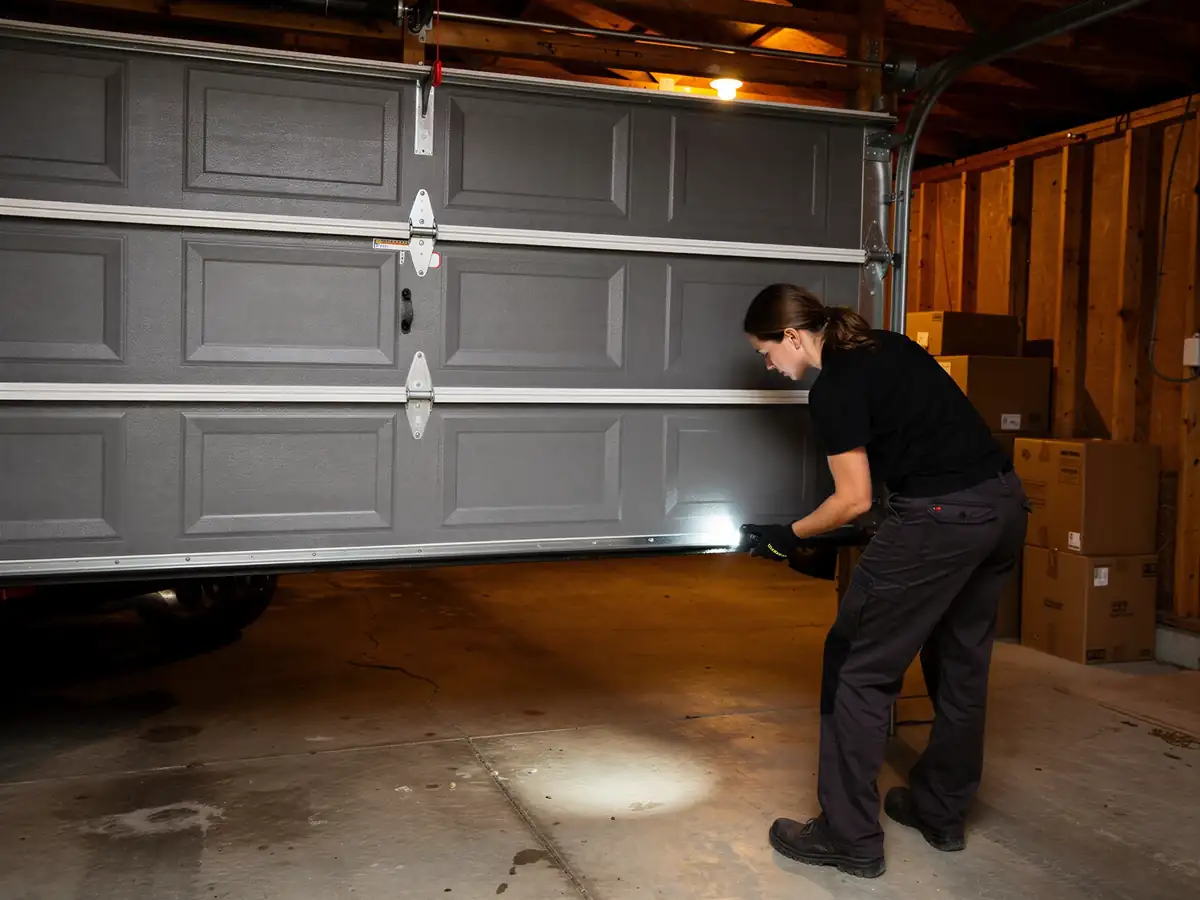
For a broken torsion spring, we match the wire size and wind to the door's weight rather than just swapping in whatever's closest, since an undersized spring on a heavier door built for this area's typical opening width will fail again fast. Cables, rollers, and the bottom bracket get checked at the same time, because a spring rarely fails alone - it's usually one symptom of hardware that's been under load for decades. If the opener itself is the problem, we test the logic board and the safety sensors before replacing anything, since a bad sensor gets misdiagnosed as a bad motor more often than people expect. We'll tell you straight when a repair isn't worth it - if the door panel itself is rusted through or warped from age, patching the spring doesn't fix the underlying problem, and replacement ends up cheaper over a few years than repeated service calls.