Time on the Job
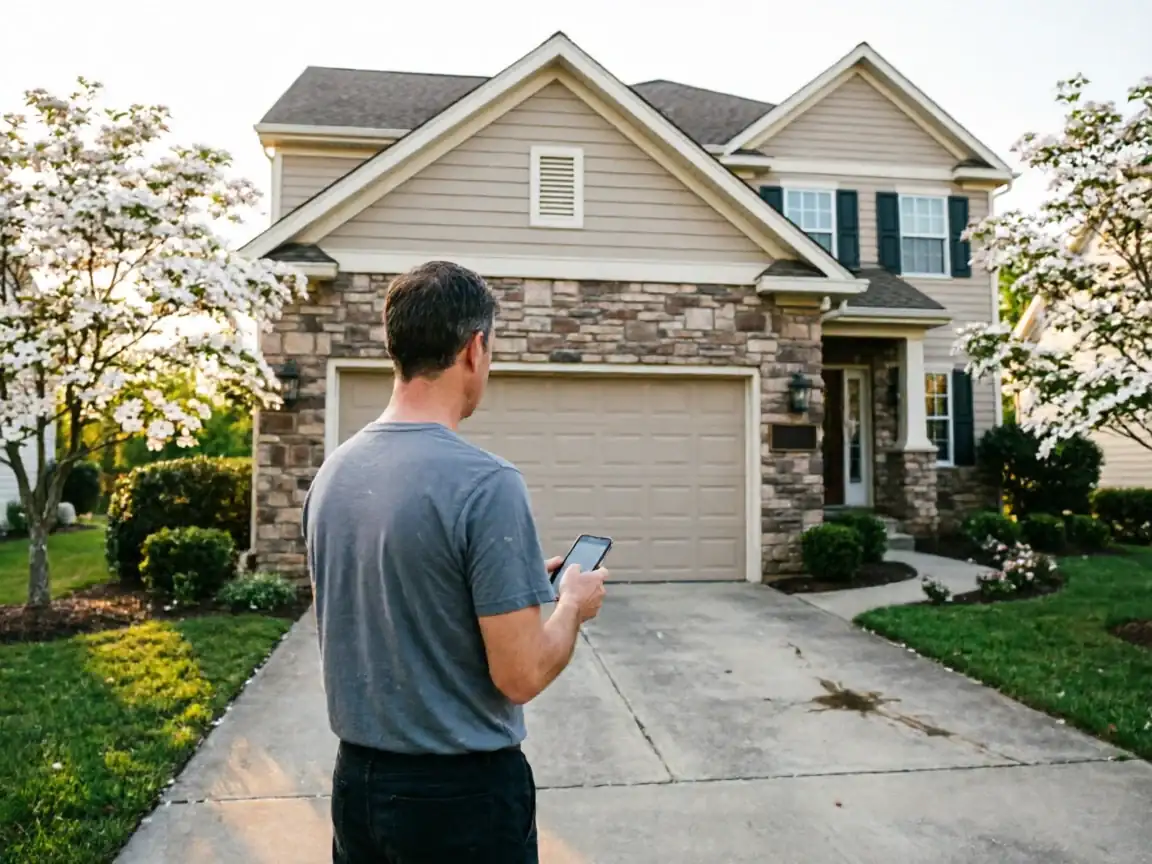
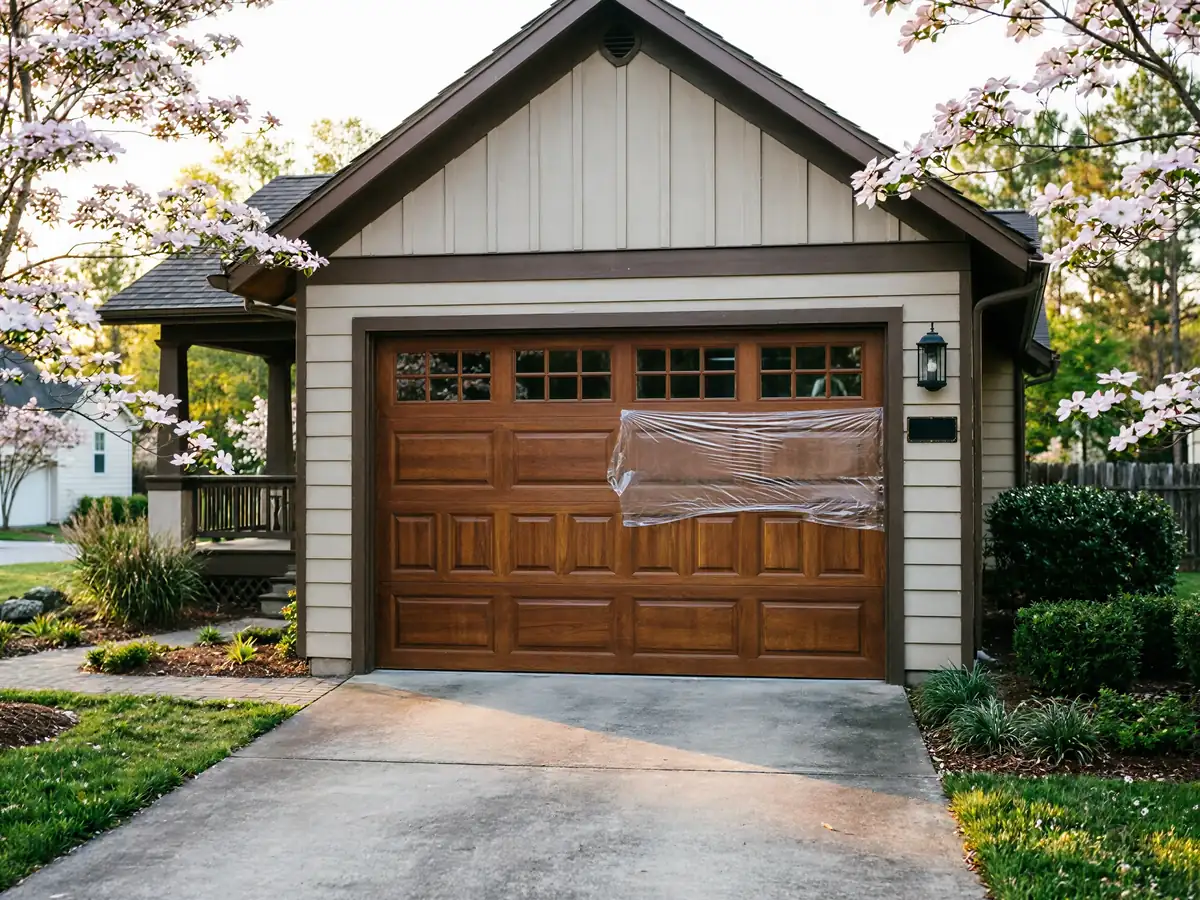
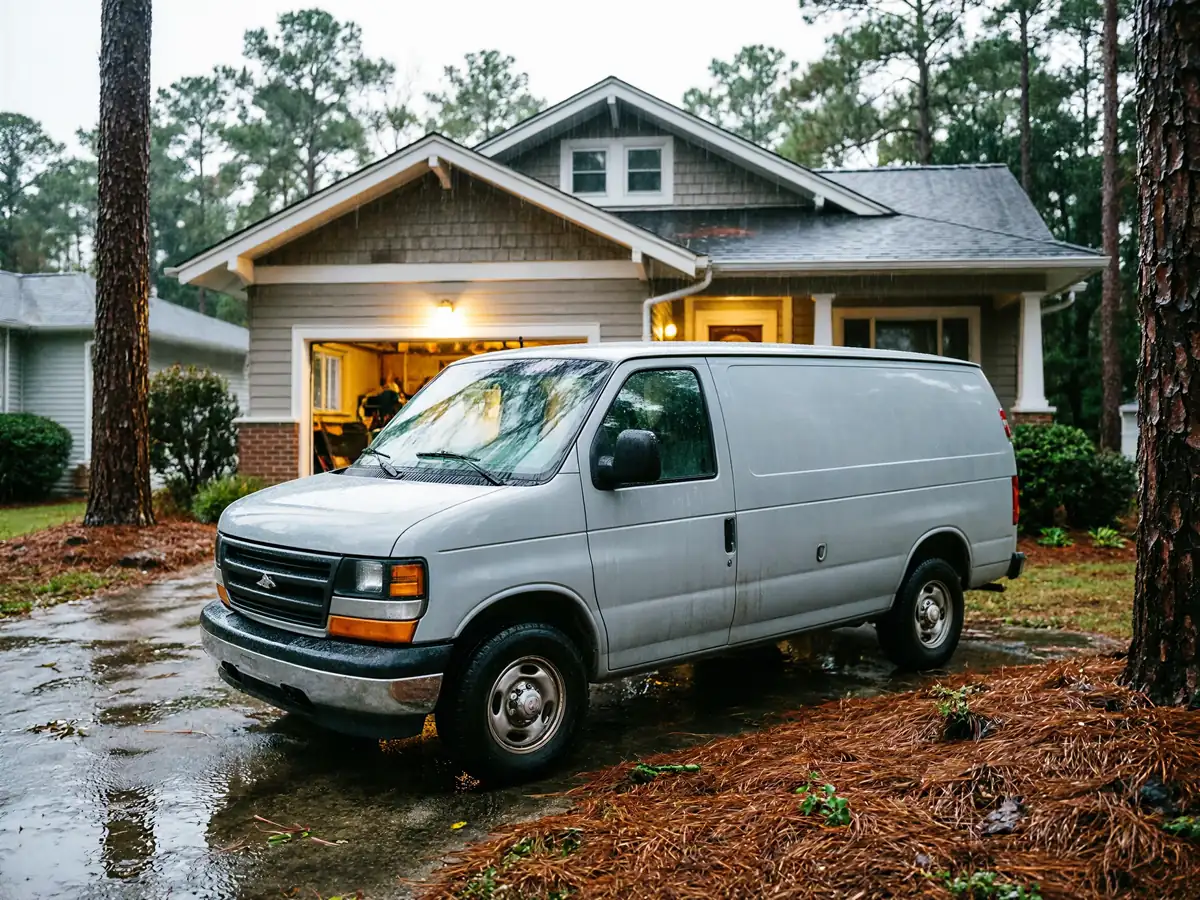
We cover Fairfax Station from our base in Fairfax, about 5 miles up the road. It's close enough that we don't treat it as an outer stop - it's a normal call for us, same as the rest of the territory. Fairfax Station is one of the smaller pockets in our coverage area, with around 4,159 households, so we're not running multiple trucks through here daily, but the drive is short and we know what we're walking into before we knock. Median household income here runs about $212,128, well above the roughly $143,796 median across the rest of our service area, and that shows up in the openers we see - more Fairfax Station calls involve higher-end units with battery backup, smart controls, or belt drives than the older chain-drive units common in some of the surrounding neighborhoods built in the 1960s and 70s.
What You Are Seeing
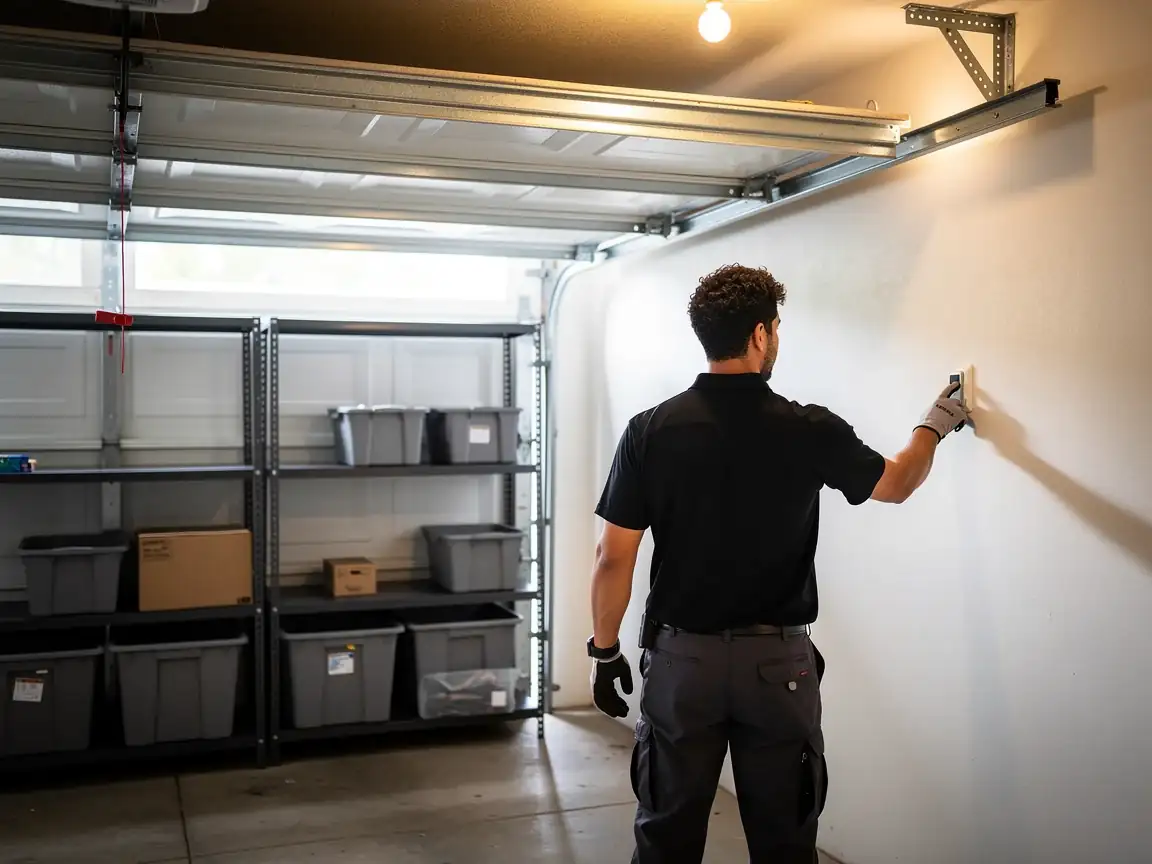
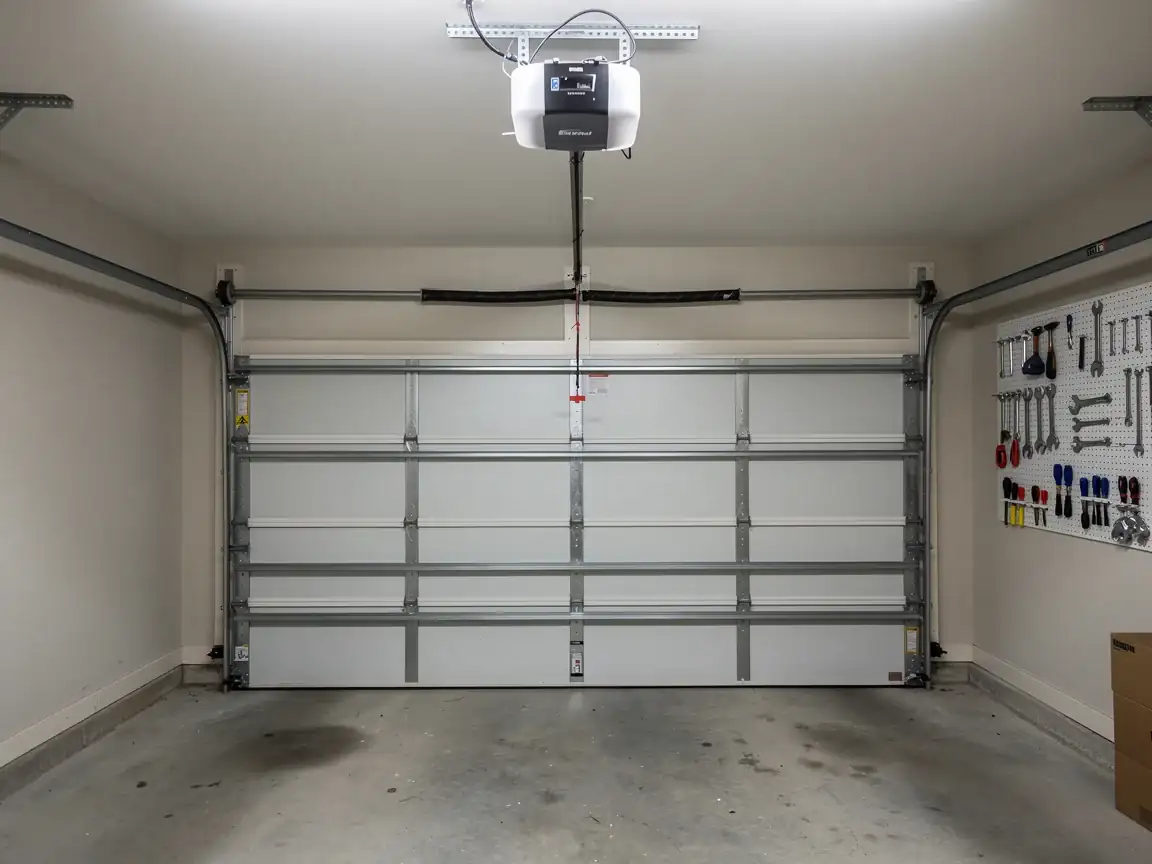
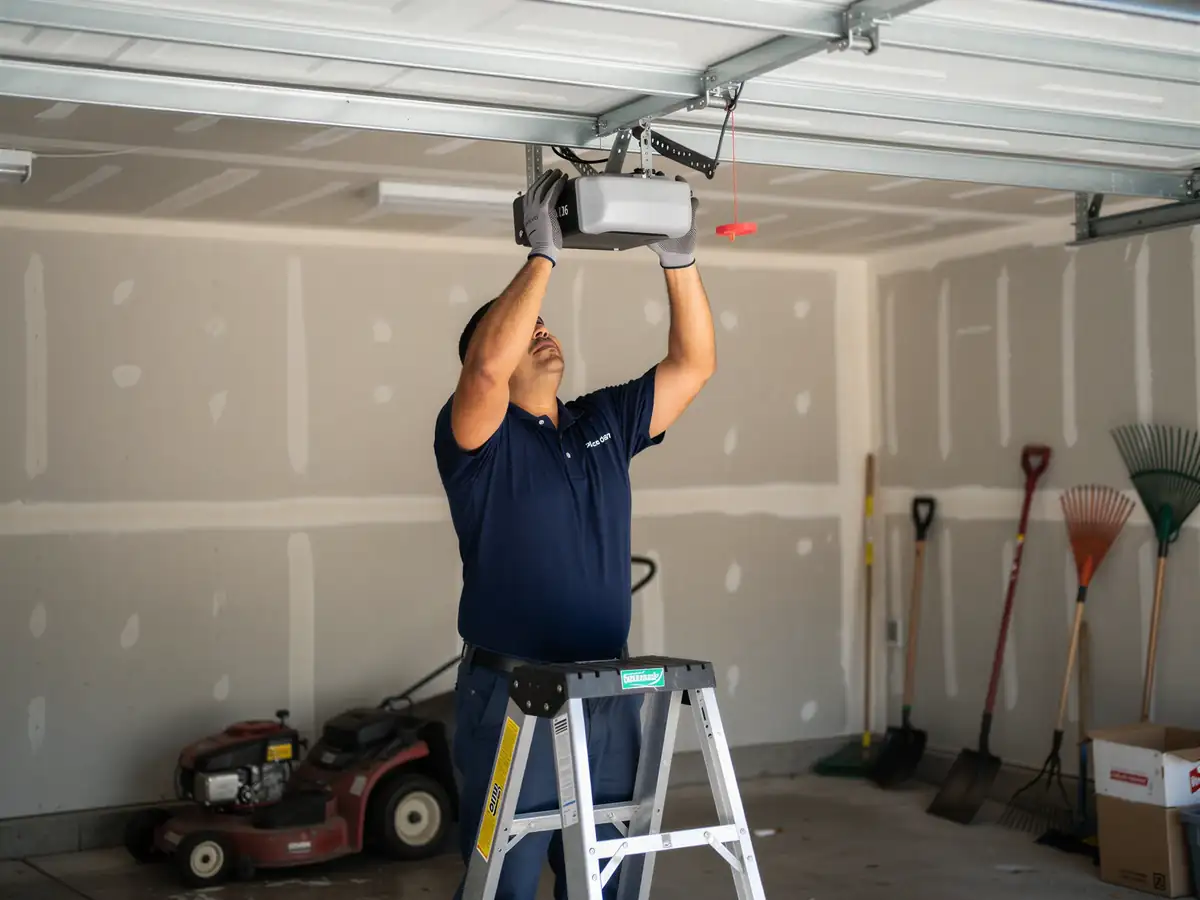
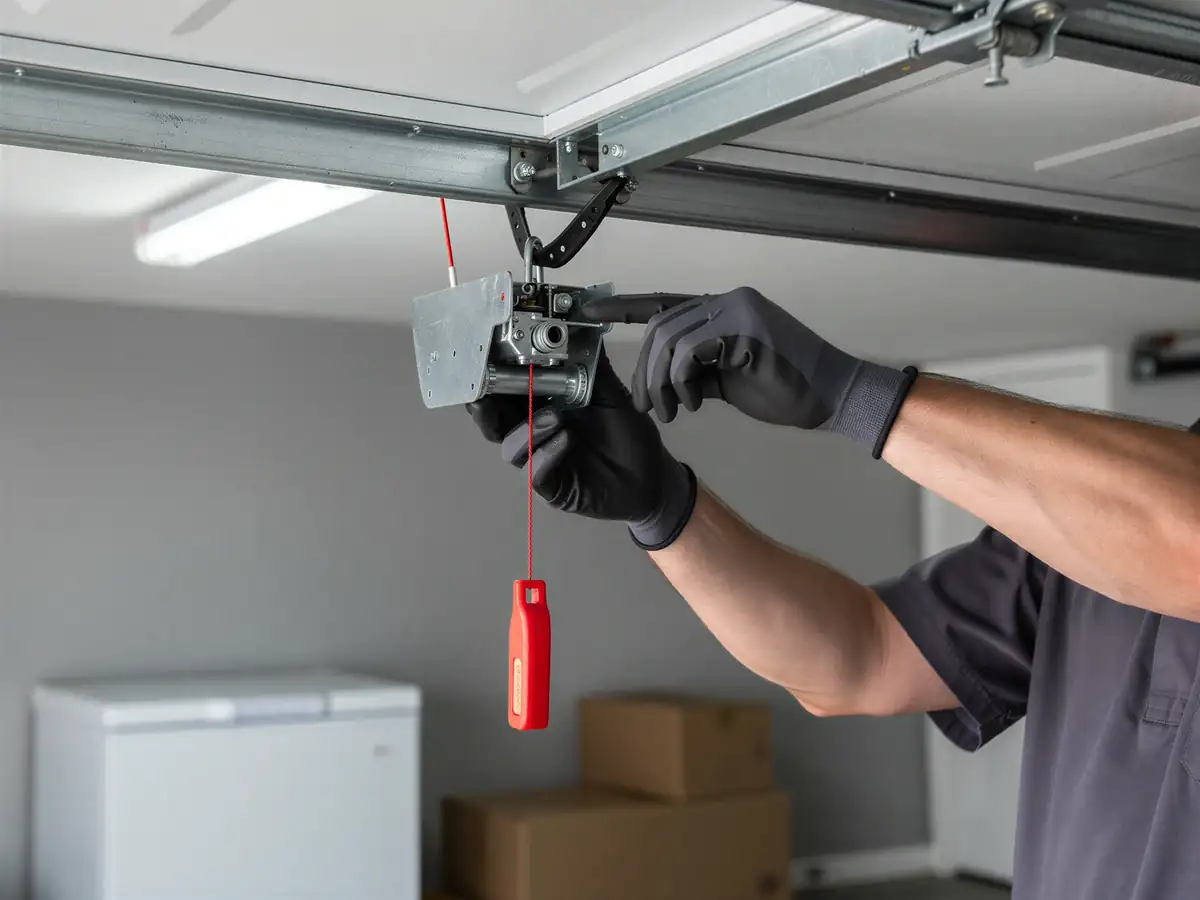
If your opener is a chain drive from the early 1980s build wave, the symptoms are usually one of three things: the motor hums but the chain doesn't move (worn drive gear), the door reverses randomly with no obstruction (a dying mechanical reversal mechanism or a misadjusted limit switch), or the remote works but the wall button doesn't, which almost always points to a failing circuit board rather than the switch itself. On newer belt-drive units installed as upgrades, the complaints are different - usually a Wi-Fi module that drops connection or a battery backup that won't hold charge through a cold stretch. Either way, cold matters here: a board that's marginal will often wait until an overnight freeze to actually quit, which is why calls spike after the first hard cold snap of the season rather than during it.
How We Fix It
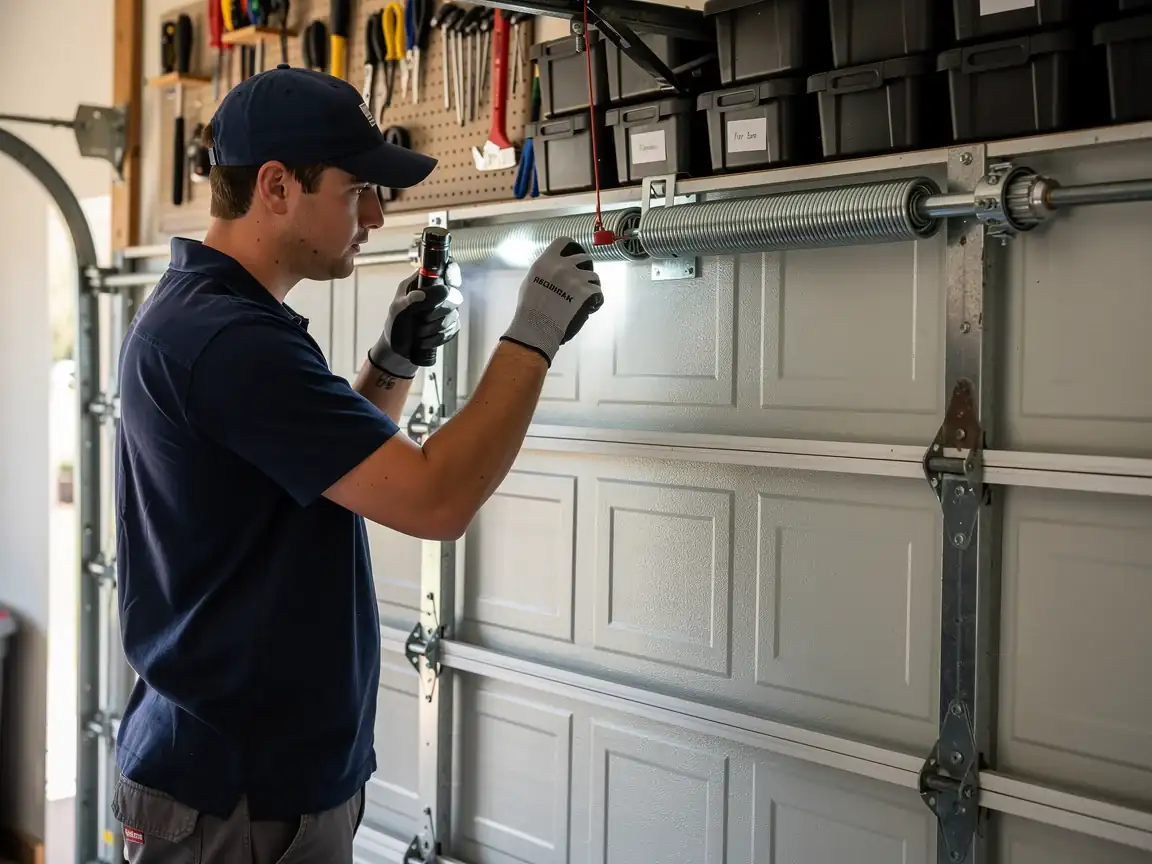
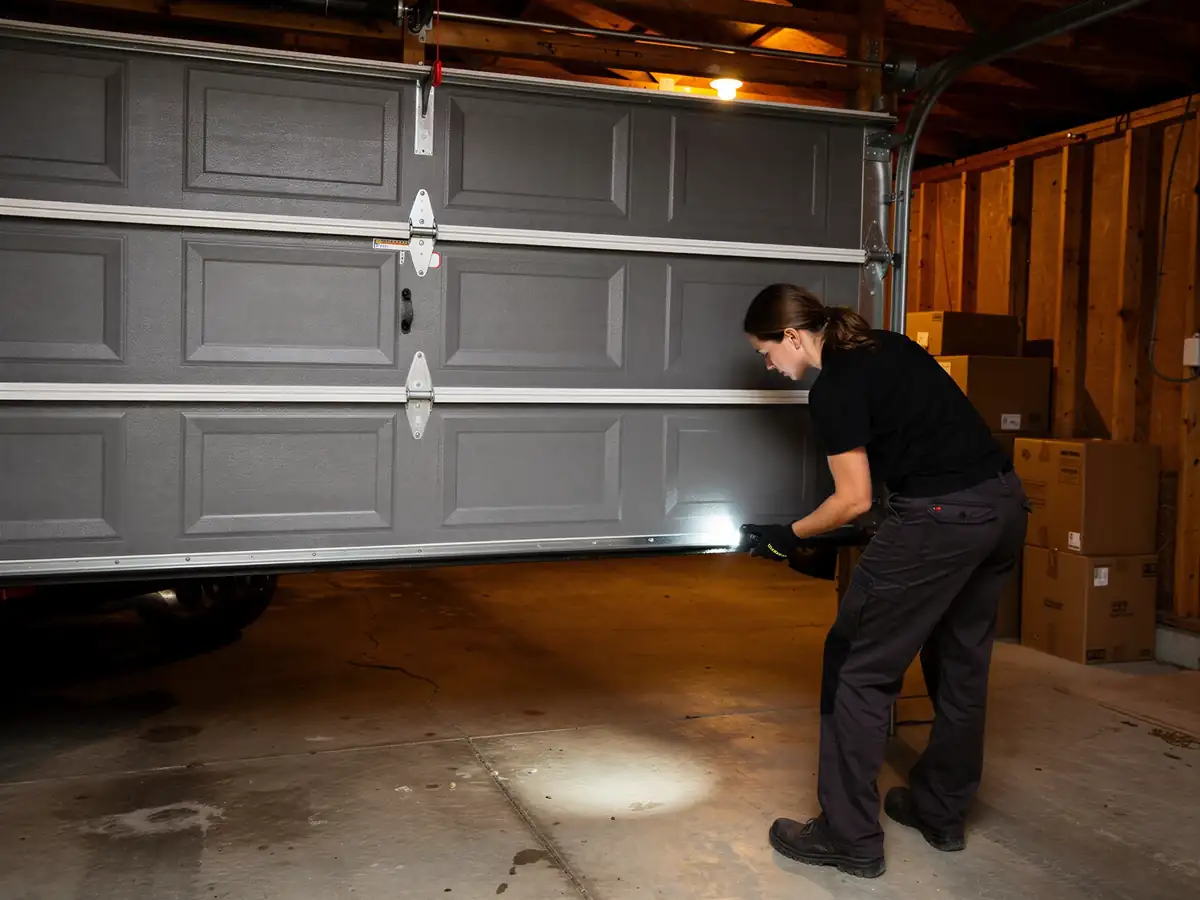
For an older chain-drive opener with a dying reversal system or a worn drive gear, we replace the part if it's still made, or we talk through full opener replacement if it isn't - safety reversal is not something we leave half-working on a door this close to a driveway with kids or cars around. For boards that fail in cold weather, we check the obvious things first: power supply, wiring at the header, and whether the unit is rated for the exposure it's getting in an unheated garage. Belt-drive and smart-opener repairs on newer installs are usually faster - module resets, sensor realignment, or battery replacement cover most of what we see. We don't guess at a fix over the phone beyond narrowing down likely causes; the actual diagnosis happens with the door open in front of us.