Time on the Job
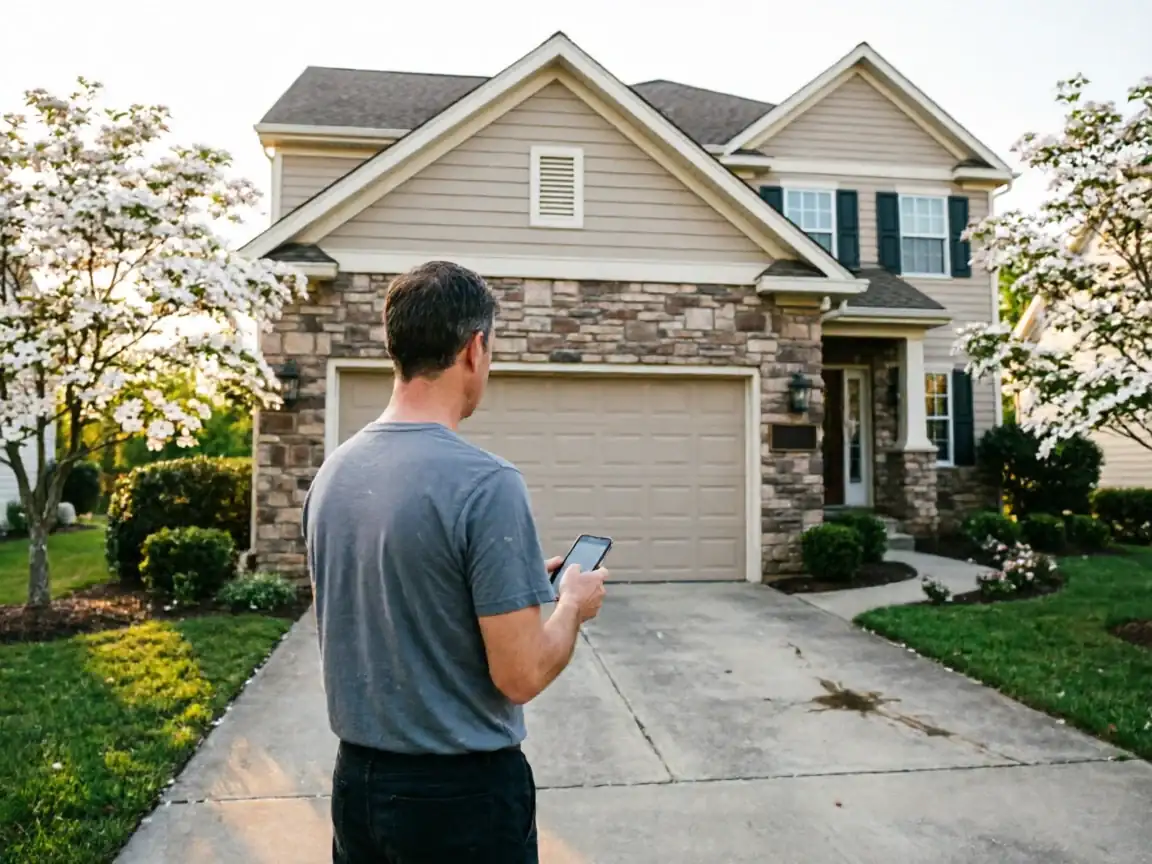
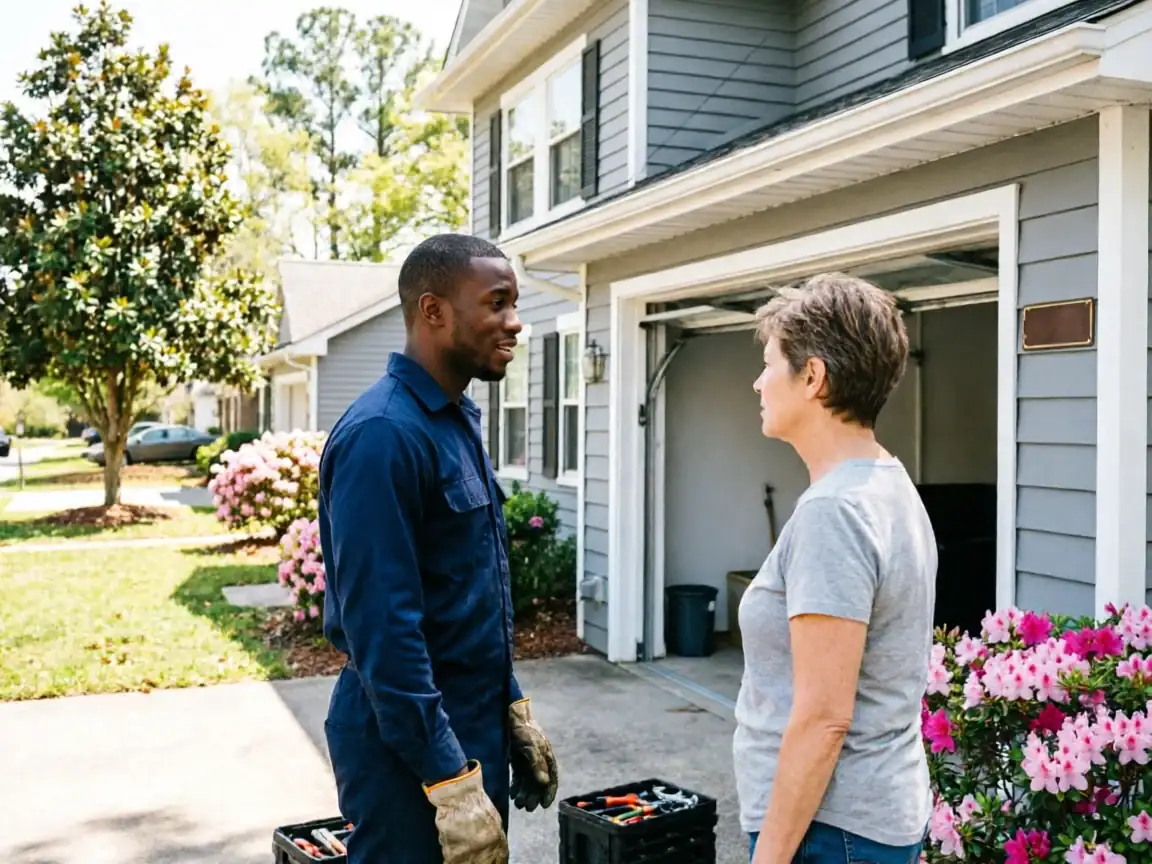
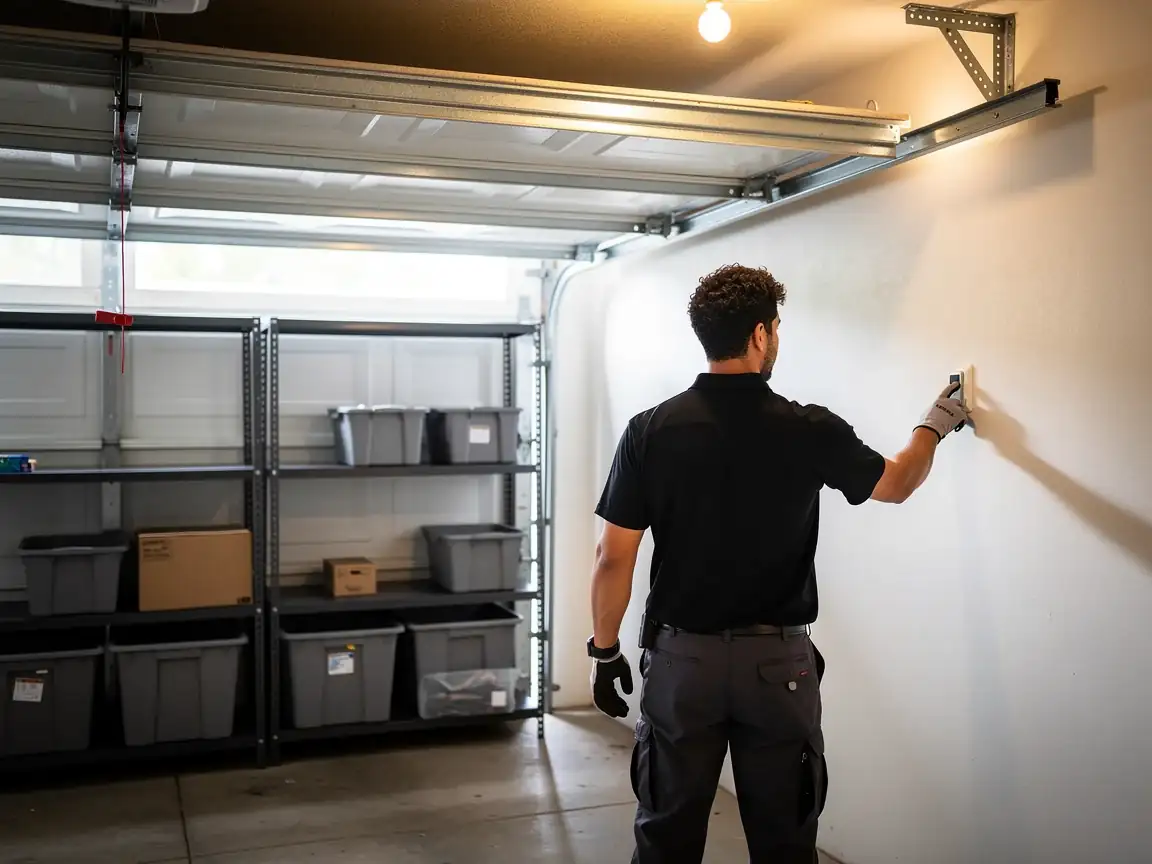
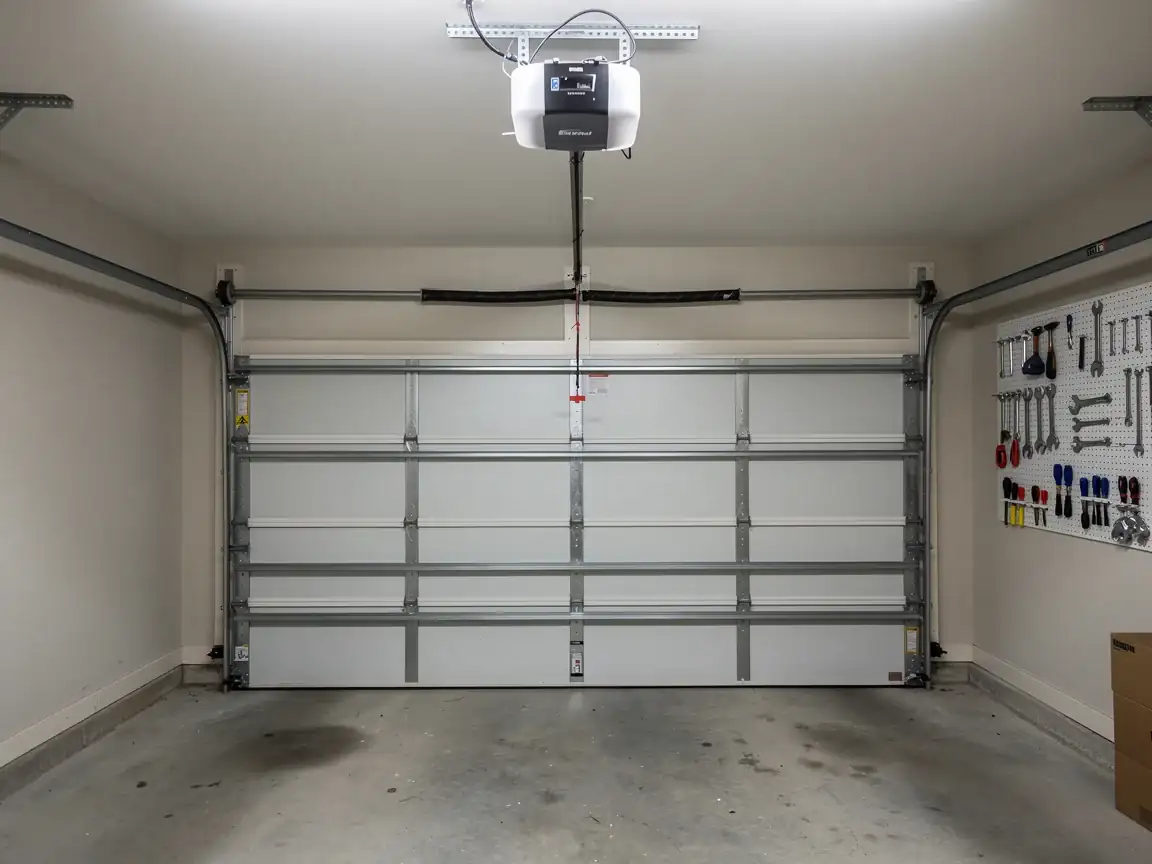
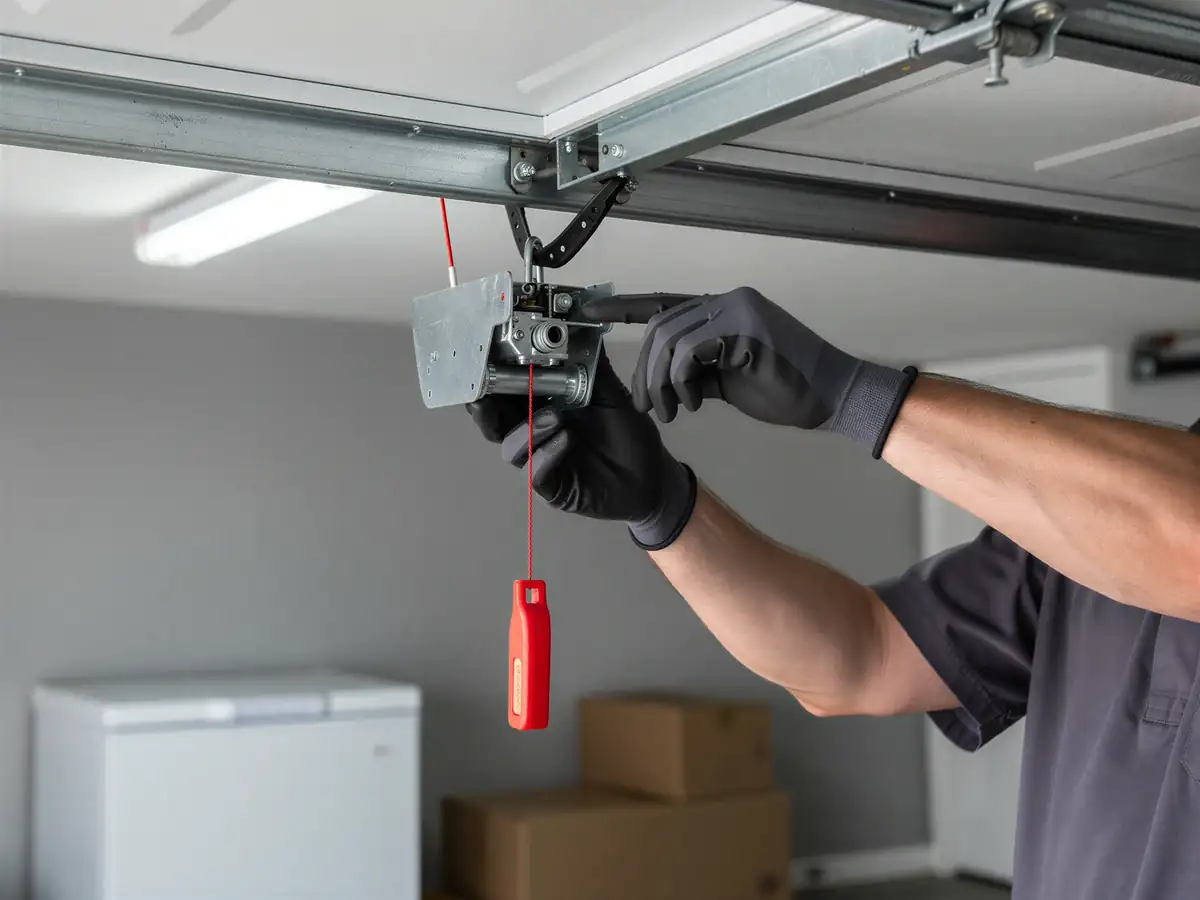
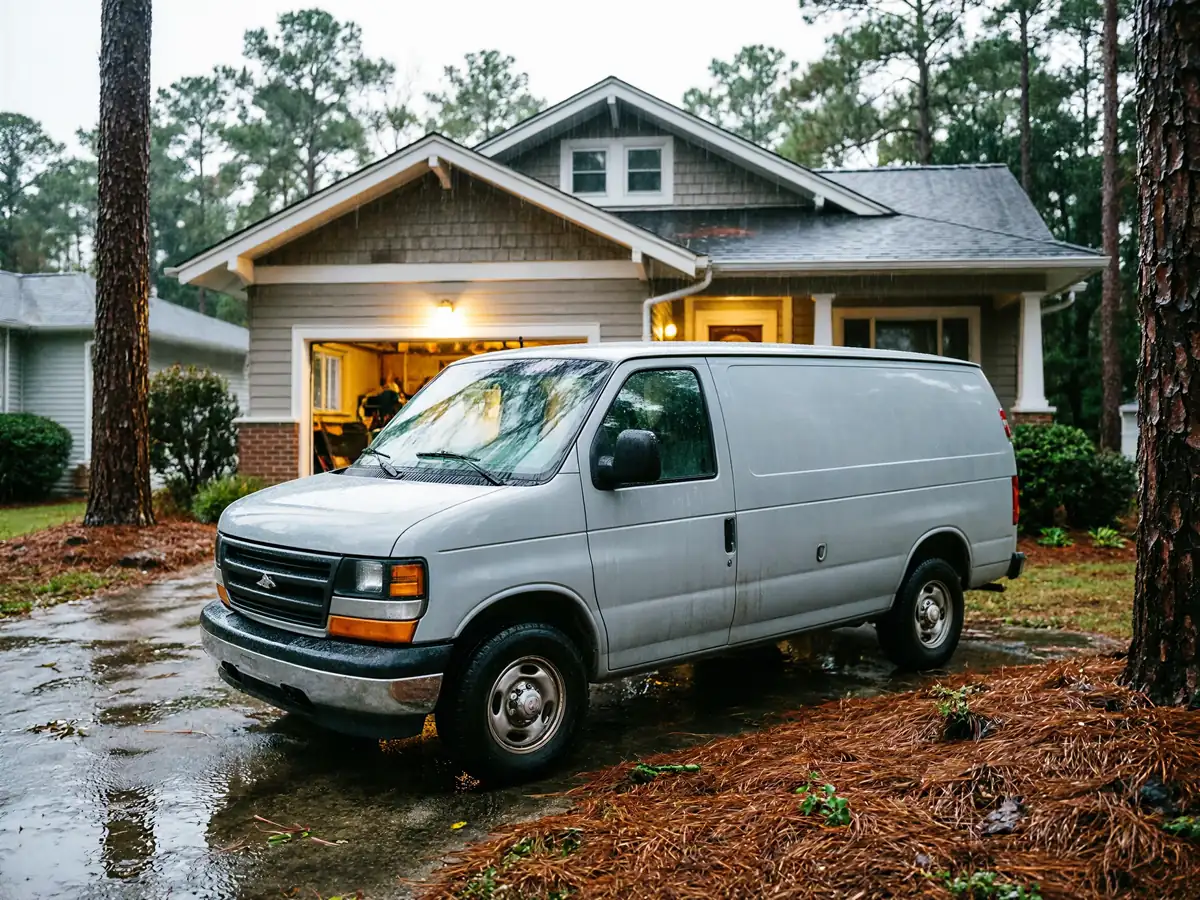
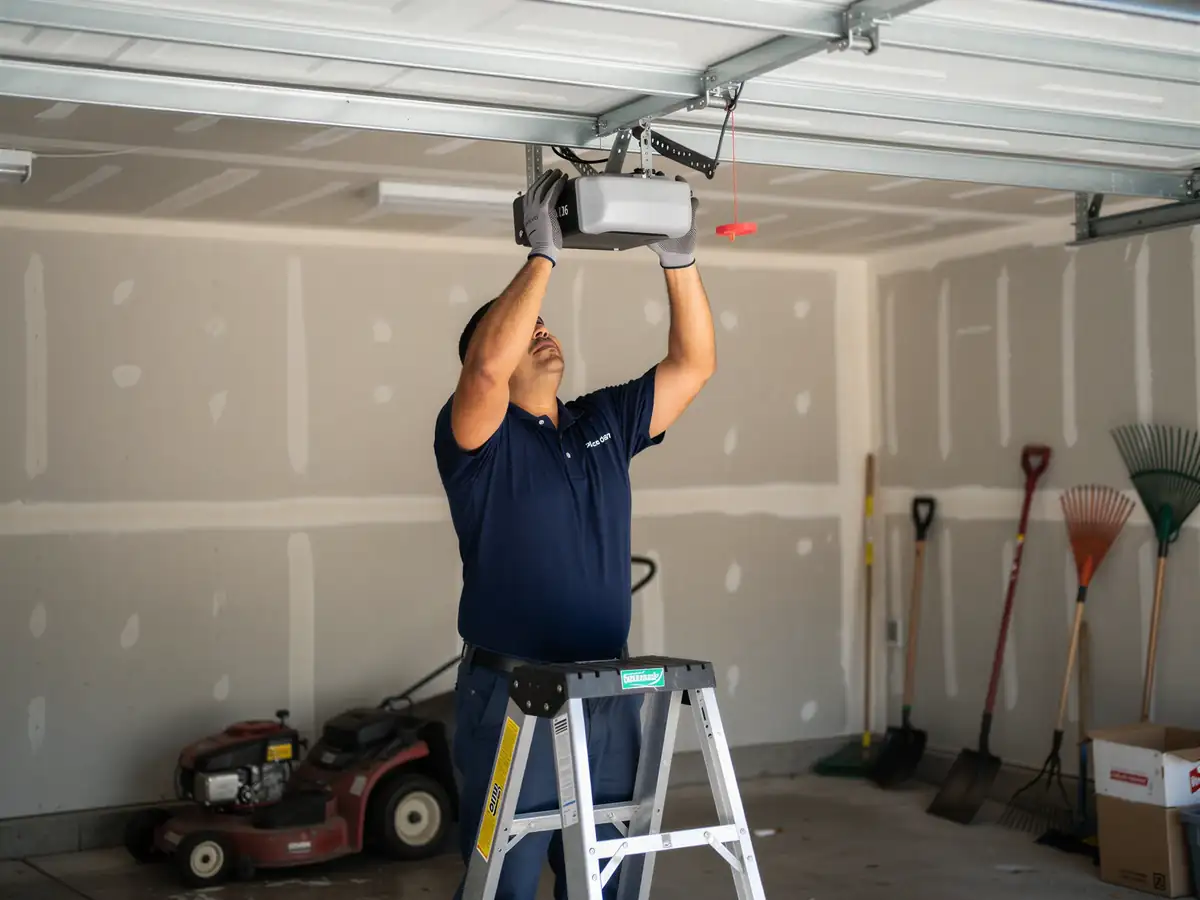
We come out from Fairfax, about five miles into Fairfax Station, so there's no local yard or second crew staged nearby - just the one truck making the drive. That's not a complaint, it's how the company is set up, and it means we schedule the visit rather than claim we're already around the corner. Once on site, a straightforward opener swap - pulling the old unit, mounting a new rail and motor, setting travel limits and force settings - runs a predictable chunk of a morning or afternoon. Jobs that also need header reinforcement or new wiring for a wall control take longer, and we'll tell you that before we start, not after the invoice.
What You Are Seeing
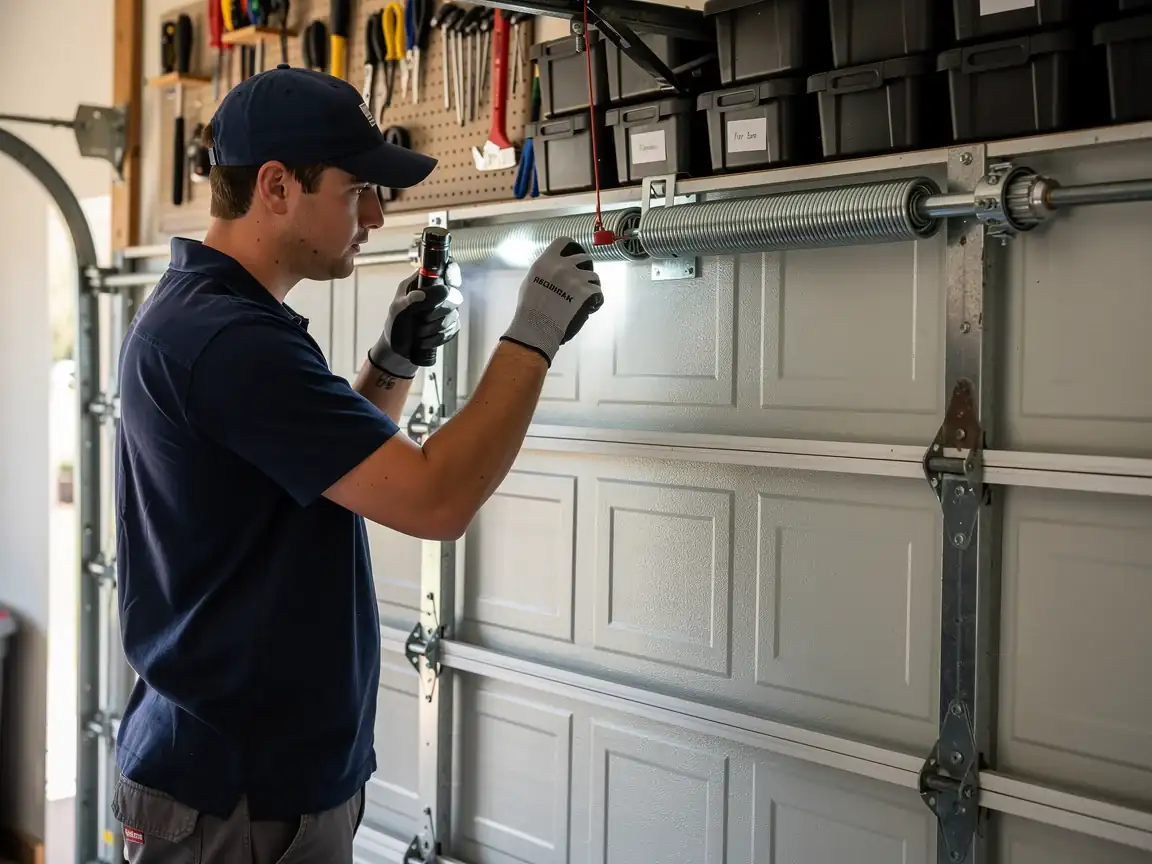
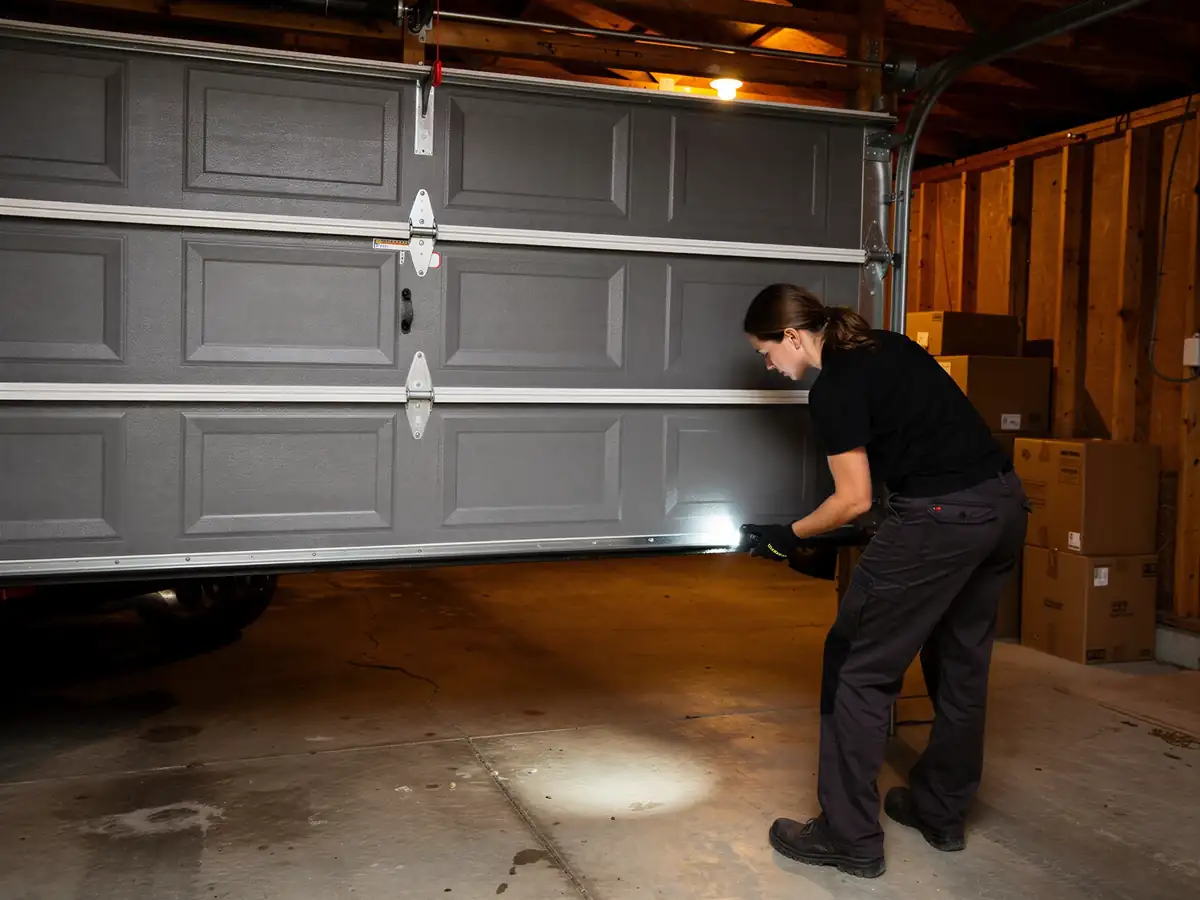
A chain-drive opener here that grinds, hesitates, or reverses the door halfway up is usually not the motor itself - it's the limit switches or the force setting drifting out of spec as the unit ages, which is common on anything original to a 1982 build. Belt-drive conversions we install now run quieter on the same rail length, which matters in Fairfax Station where garages often sit close enough to a bedroom wall that a 5 a.m. chain-drive cycle wakes the house. Cold is the other factor: in a climate band this severe, grease in an old gearbox thickens and the opener strains on the first pull of a freezing morning, which reads to most owners as a dying motor when it's really a lubrication problem solved by a newer unit's sealed drive.
How We Fix It
For most of these 1980s-era double doors, we size the opener to the actual door weight and width rather than defaulting to the smallest unit that'll technically fit, because an undersized motor on a nine-foot door is the single fastest way to burn out a gear set in cold weather. We reinforce the header if the framing shows it's needed - some of what we find in houses this age was built to the single-door-era code and never upgraded when a wider door went in later. One honest limit: if the existing track or header is too compromised to carry a heavier insulated door safely, we'll say so rather than bolt a new opener to a setup that'll fail in a year, even if that means a bigger job than the one you called about.