The Complications
Fairfax Station sits about 5 miles out from our shop in Fairfax
And that drive shapes how a spring call here actually works. We're not parked around the corner, so when we quote a window for your job, it accounts for that stretch of road, not a guess pulled from a national template.
- 5 miles
The other thing the distance tells you
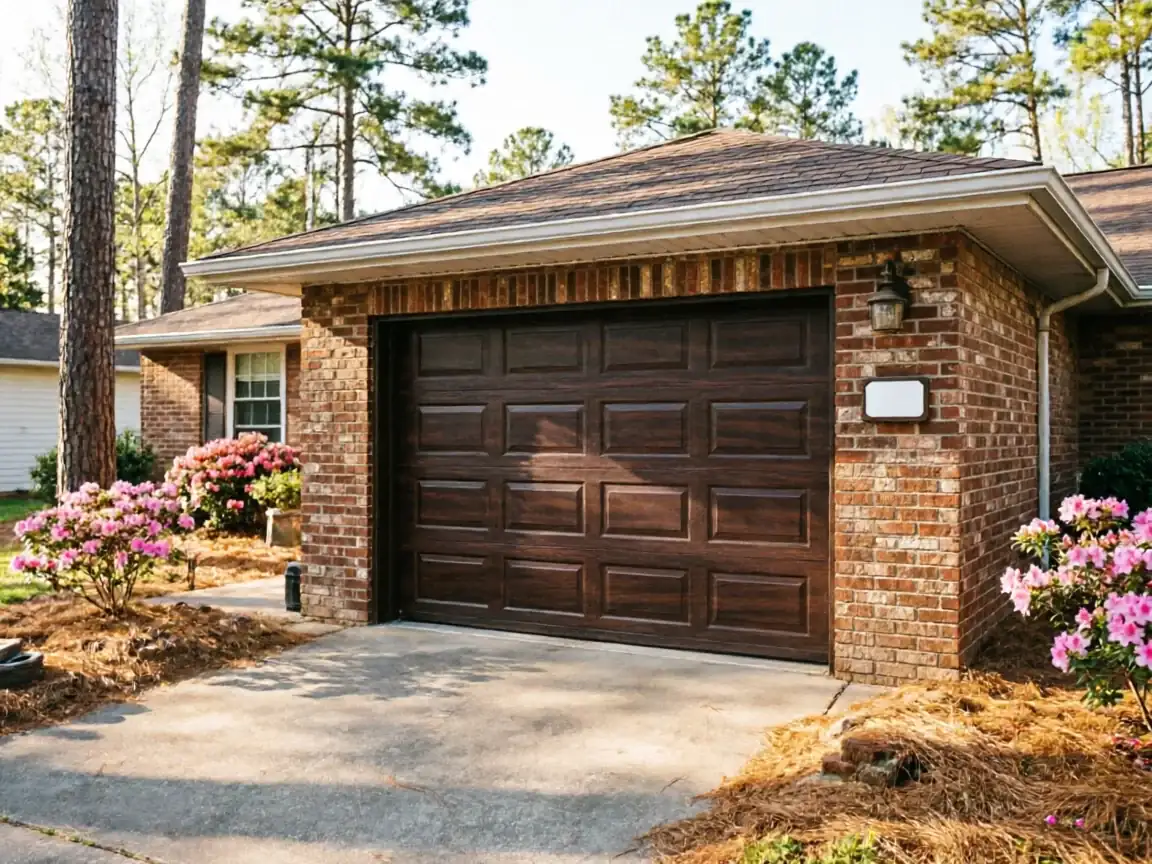
This isn't the same housing stock as the denser, older sections of the territory. Across the wider service area, most garages date to the 1960s and 70s, a mix of 38 named areas with that older building pattern. Fairfax Station runs newer, with a median build year closer to 1982. That decade-plus gap matters because it usually means a different spring configuration sitting over your door right now.
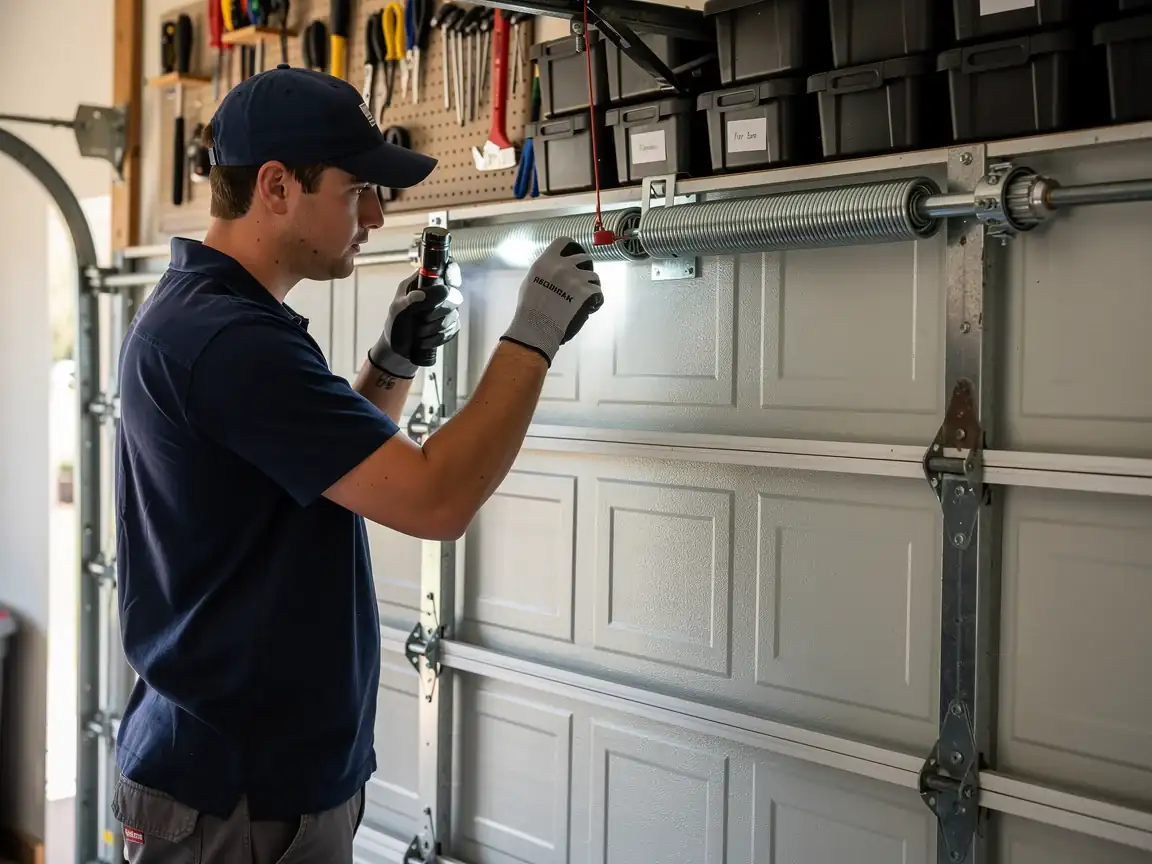
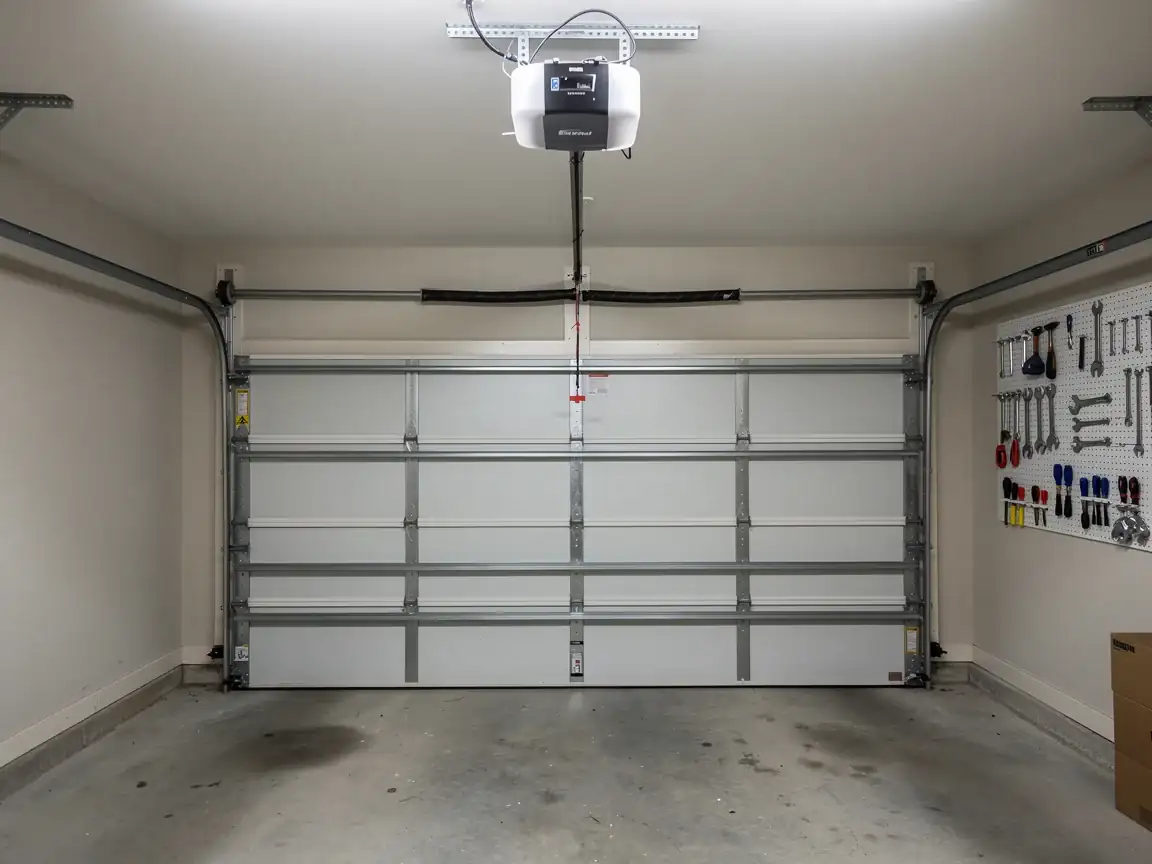
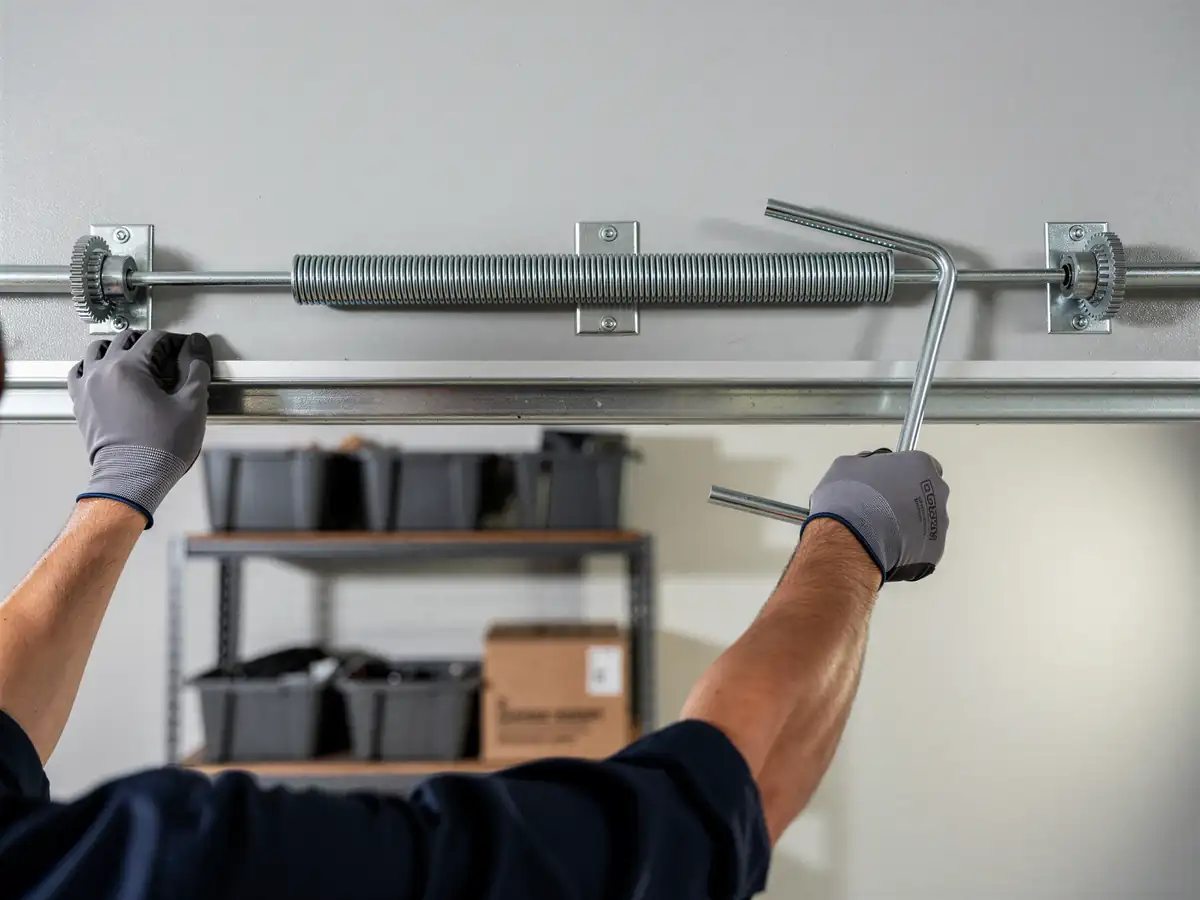
A house built in 1982 was far more likely to go up with a torsion spring mounted on a shaft above the opening than the side-mounted extension springs still common in the older stock nearby
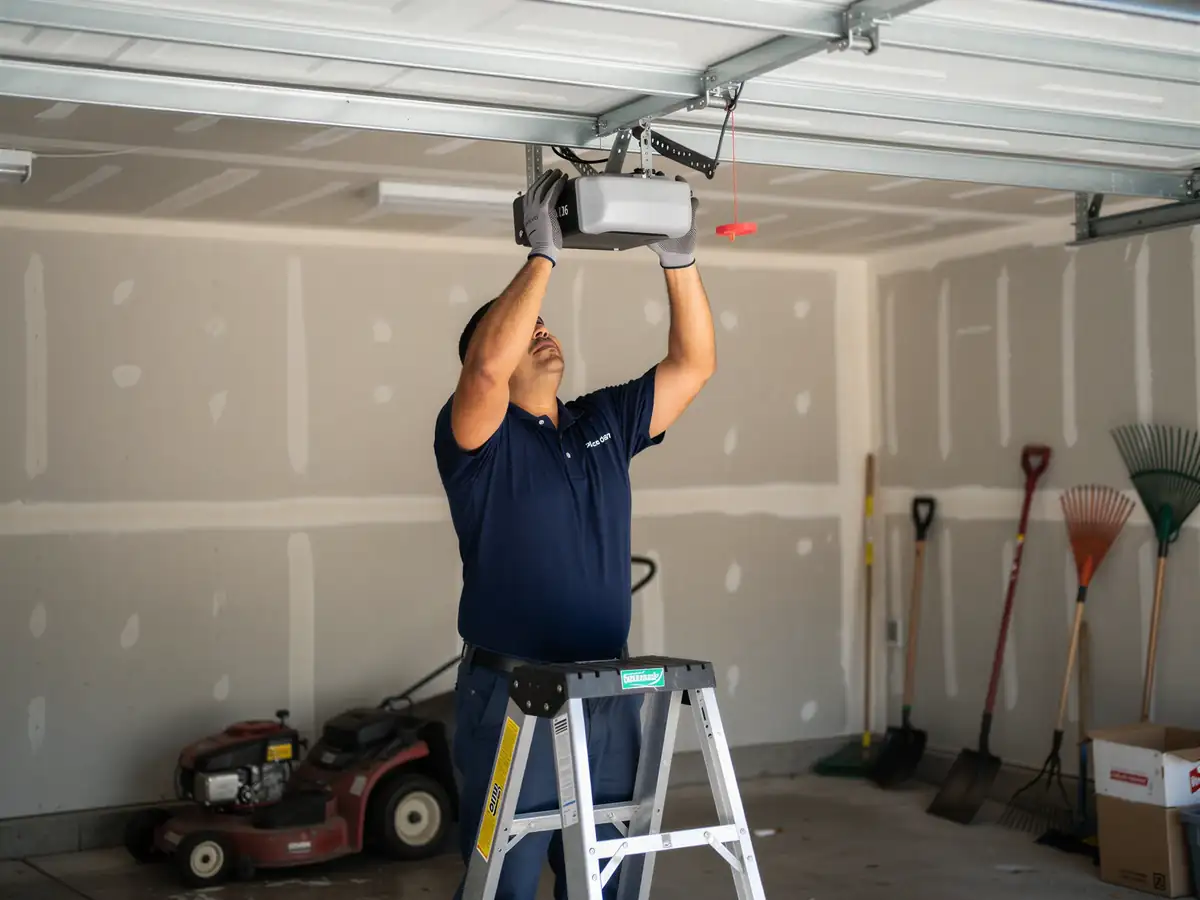
Torsion systems fail differently, get serviced differently, and need different cable and drum hardware when something lets go. If your opener strains or the door won't stay up, the fix on a 1982 door isn't automatically the fix for a 1965 one.
Time on the Job
We don't promise a same-day slot or a guaranteed arrival window for Fairfax Station calls, because we're routing from Fairfax and traffic on a given afternoon is traffic, not something we control. What we can tell you is that the 5-mile trip is a short one by the standards of the territory we cover, which stretches out past Lorton and Fort Belvoir, so it's not an outlier run for us.
Fairfax Station is also a smaller pocket of the service area - about 4,159 households by the numbers we work from - so we're on fewer of these streets week to week than we are in denser sections closer to the shop. That doesn't change how we handle the job once we're there, but it does mean we ask a few more questions up front: spring size, door weight, whether the opener is original or replaced, so the truck is loaded right the first trip out instead of a second one.
What You Are Seeing
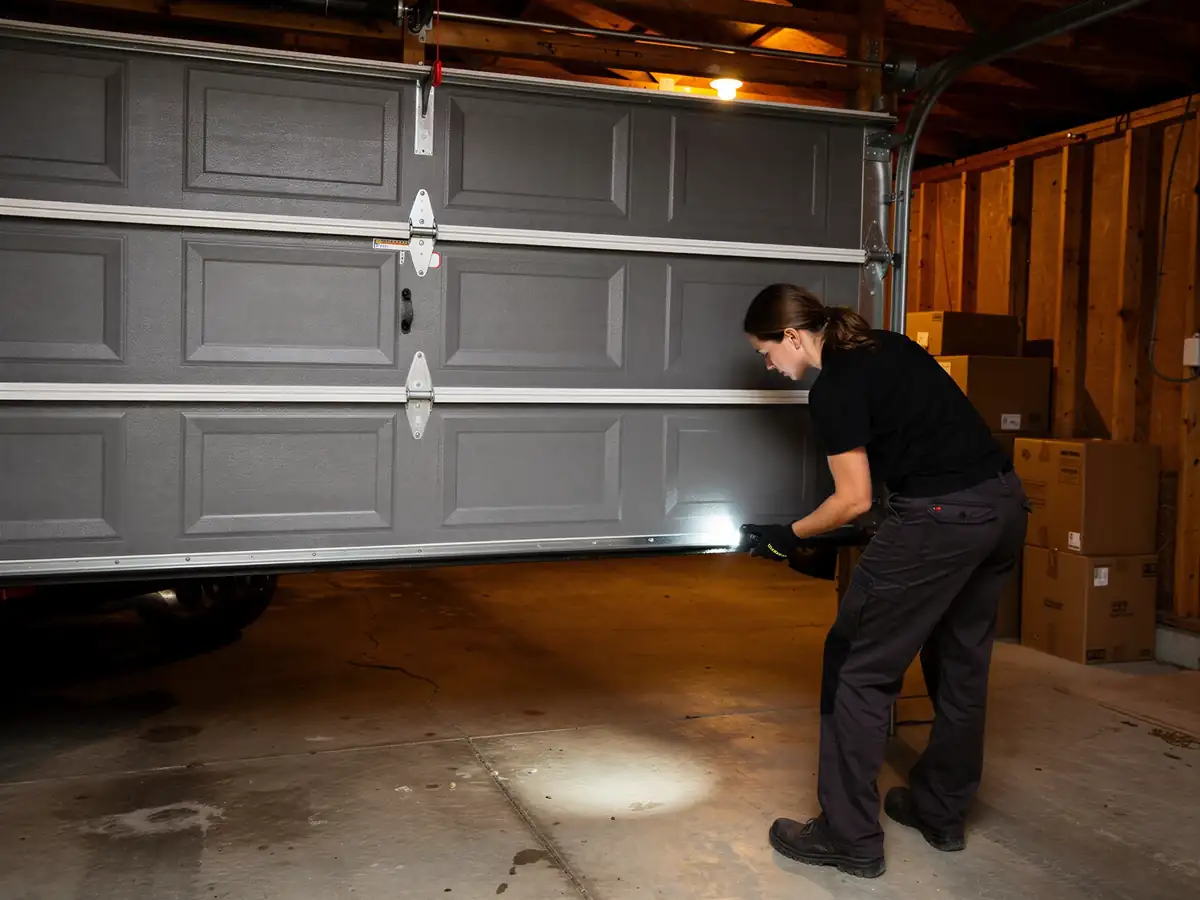
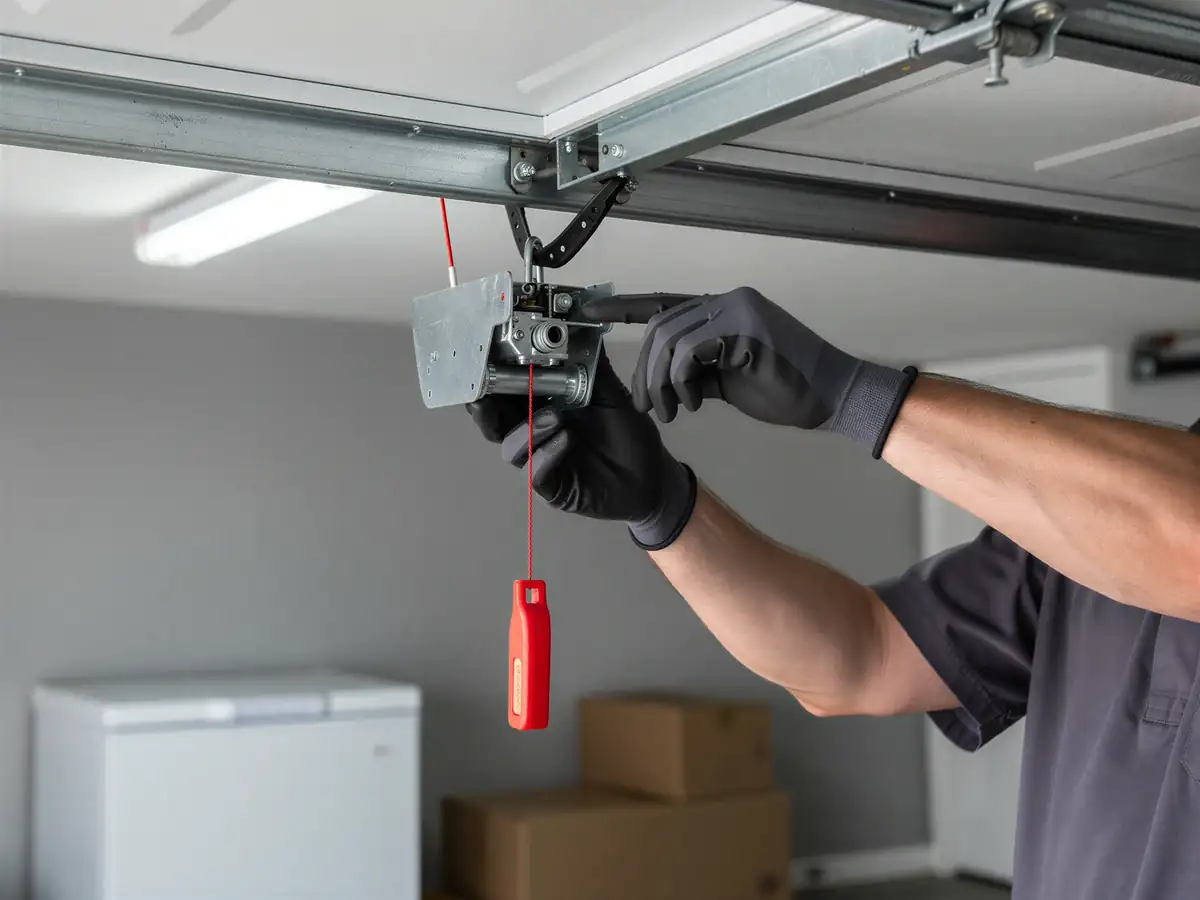
A torsion spring that's done usually announces itself the same way regardless of neighborhood: the door feels heavy the second you lift it by hand, the opener strains and maybe reverses halfway up, or you hear a bang from the garage like something snapped - which is usually exactly what happened.
Given the 1982 median build year out here, the setup we most often find is a single torsion spring or matched pair on a shaft above the header, not the stretched extension springs you'd find on an older side-mounted system. Winters in this part of Virginia fall into the severe end of the cold band, and cold steel is more brittle steel - springs that have cycled thousands of times already are the ones most likely to let go on a hard freeze morning.
One more pattern worth naming: at a median household income around $212,128, a fair number of the doors we open out here were specced with higher-cycle, heavier-gauge springs when the house was built, not the builder-grade minimum. That's worth knowing before you assume a cheap universal spring will match what's already on your shaft.
Booking a Visit
If your spring has already snapped, don't try to force the door open or closed on the opener
That's how cables jump their drums and a repair turns into a replacement. Leave it where it sits and call.
We book Fairfax Station jobs off the same schedule as the rest of the coverage area
Factoring in the drive from Fairfax rather than treating it as a separate branch with its own crew. Have your garage door's rough age and whether it's single or double ready when you call - on a home from the early 80s that detail changes which spring and drum combination we bring.
You can see the rest of what we cover near you on the Fairfax Station coverage page
And if you're after the full rundown on spring repair across the territory rather than the Fairfax Station specifics, that lives on the main spring repair page.
How We Fix It
For a broken torsion spring, we measure the wire gauge, coil diameter, and length off the shaft rather than guessing from the door's weight alone - on a heavier-gauge spring like the ones common on higher-end 1980s builds, getting that wrong means a door that's hard to lift again within a year. We replace in pairs when the system calls for it, even if only one spring broke, because a mismatched pair wears the new one out early.
Here's the honest limit: if your spring is an unusual size or an older design that's not something we stock on the truck, we may need to order it rather than finish same visit. That's rare on 1980s-era torsion hardware, which tends to be standard stock, but it happens more often on retrofit or custom door setups. We'll tell you on site if that's the case rather than quoting a fix we can't deliver that day.
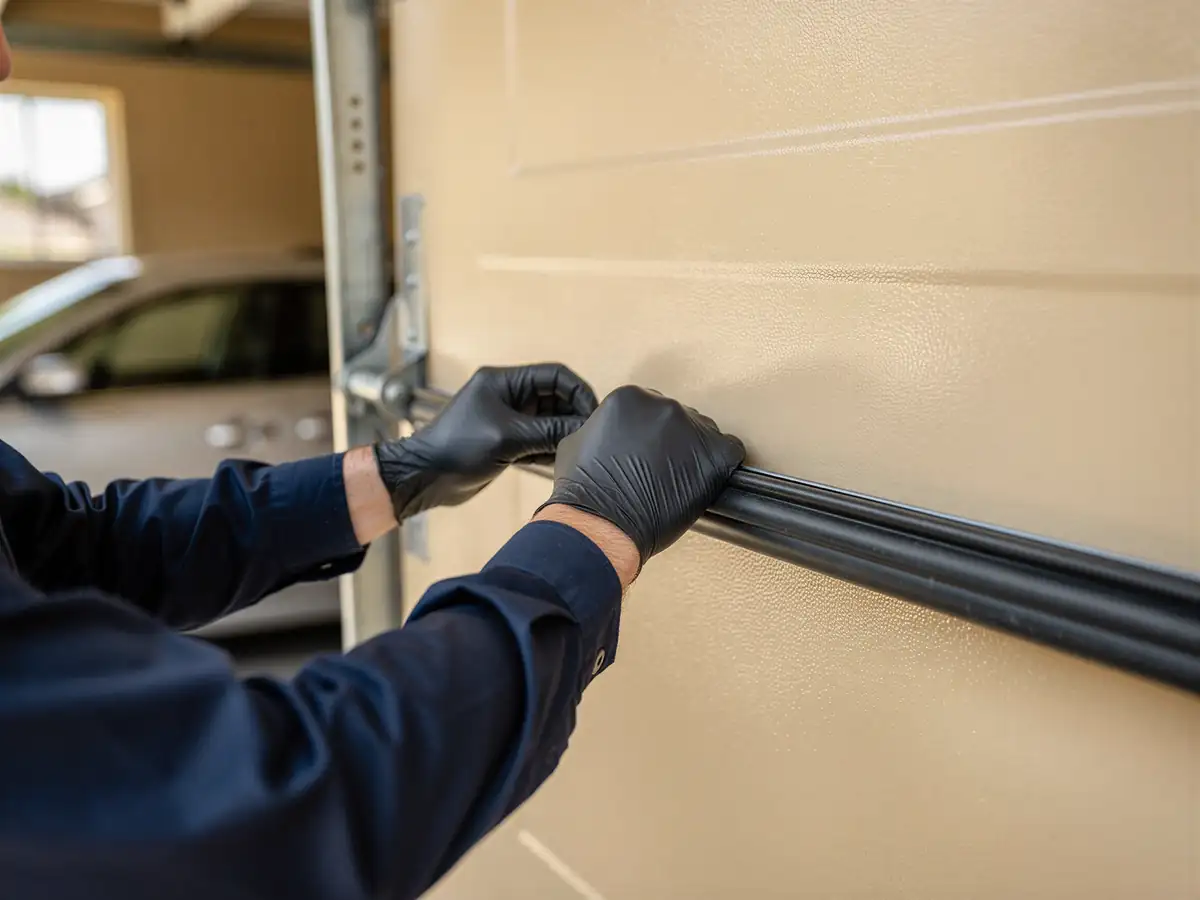
Once the new spring's on, we check cable tension, lubricate the rollers and hinges, and balance the door by hand before we call the job done - a door that holds its position halfway up on its own is a balanced door; one that doesn't isn't fixed yet.