What You Pay
The median household income in Wakefield is $221,793
Well above the $143,796 figure for the wider Fairfax service area. That number matters because it changes where the repair-or-replace line sits. On a lower-income block, a homeowner patches a cracked panel for another five years. In Wakefield, the math runs differently: if a door built around 1968 needs a new opener, new bottom brackets, and a spring within the same eighteen months, most owners here tell us to just replace the whole unit rather than keep feeding parts into it.
We don't quote a flat number on this page
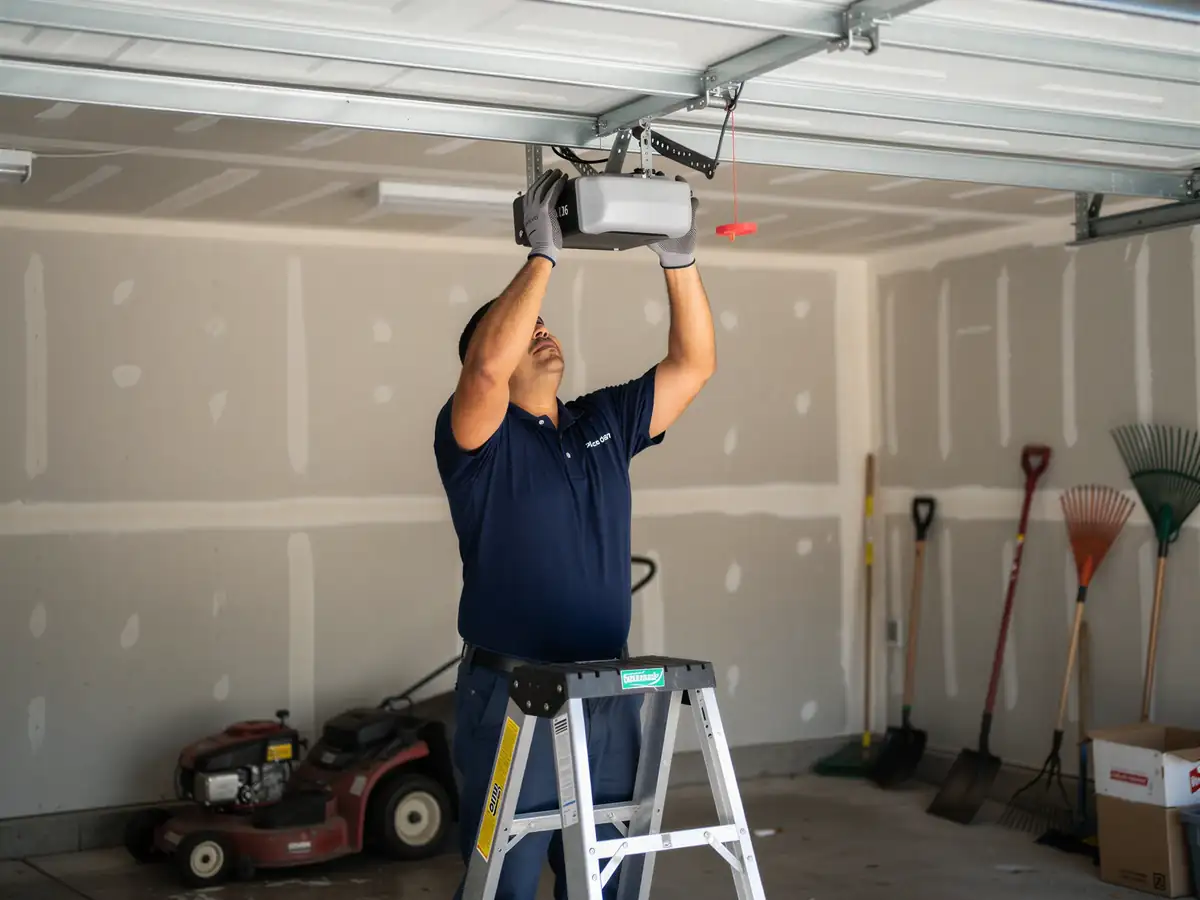
Because what you pay depends on whether it's a broken spring, a burned-out opener motor, or a full door-and-track swap, and we price those on the actual call. What we can tell you is the pattern: in a neighborhood at this income level, the replace decision tends to come sooner than it would somewhere with older median incomes, simply because the cost of a service visit every winter stops making sense compared to one clean replacement.
We travel to Wakefield from our Fairfax location, about four miles out
That's a short enough haul that a diagnostic visit isn't carrying a long drive in the price - but we're not a branch office here, so we book the call like any other stop on the route.
Can You Do This Yourself
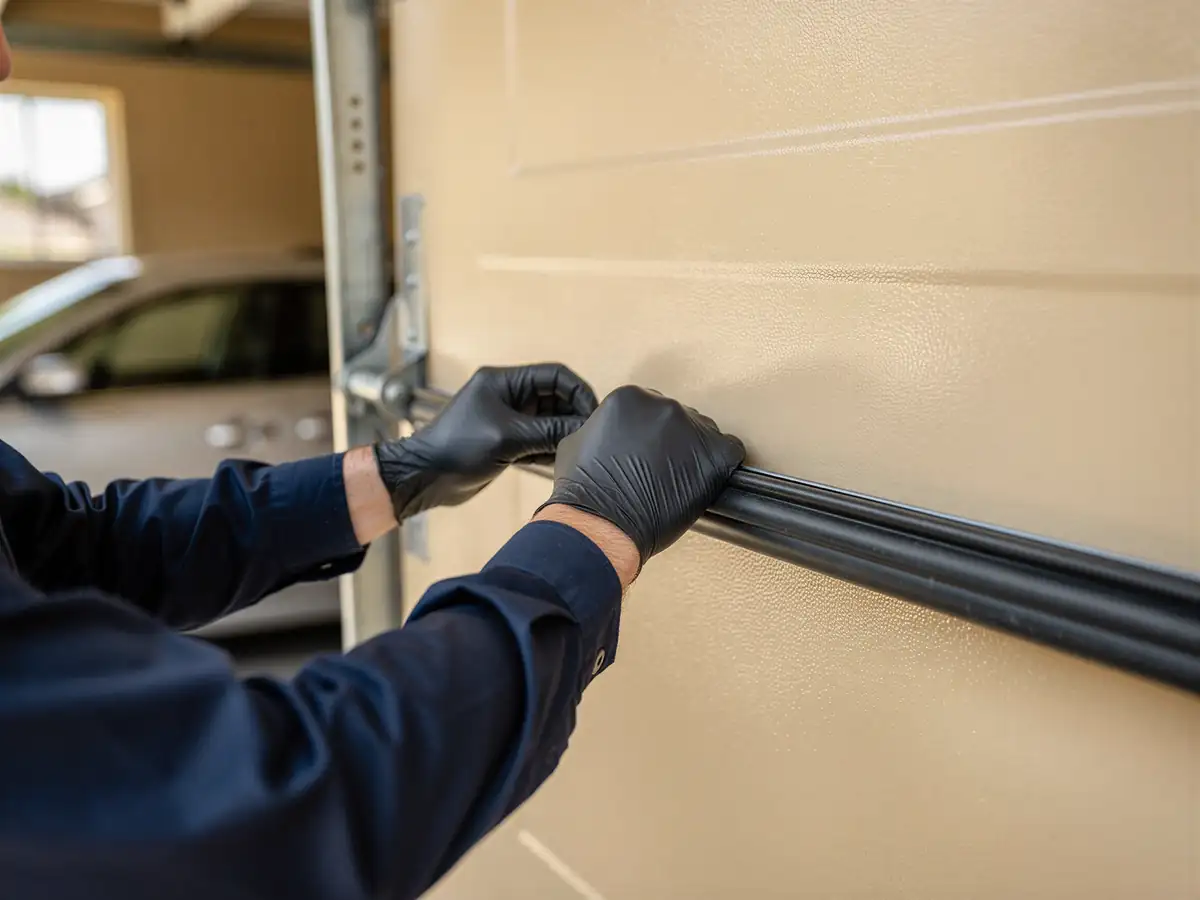
Some of it, yes. Lubricating rollers and hinges, tightening loose bracket bolts, replacing a worn weatherstrip along the bottom panel - these are reasonable weekend jobs on a door from this era, and we'd rather you do them than call us for a $0 problem.
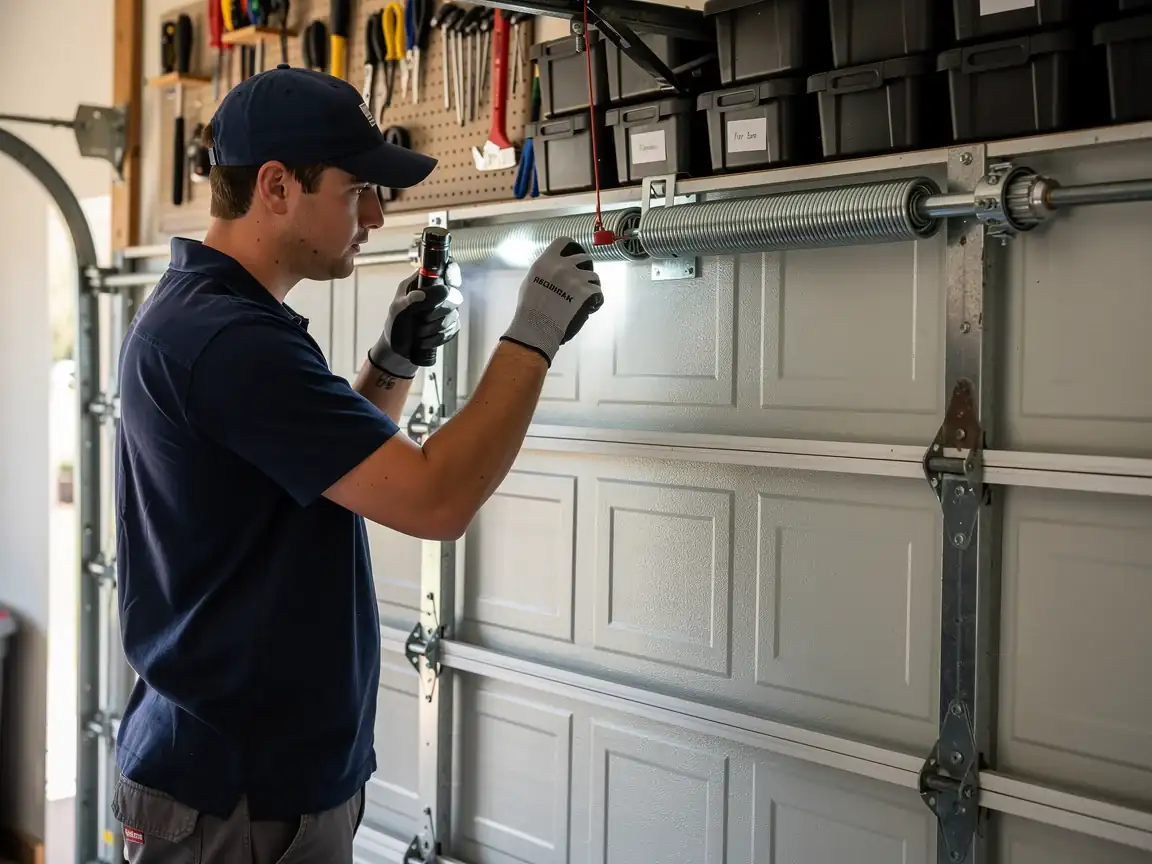
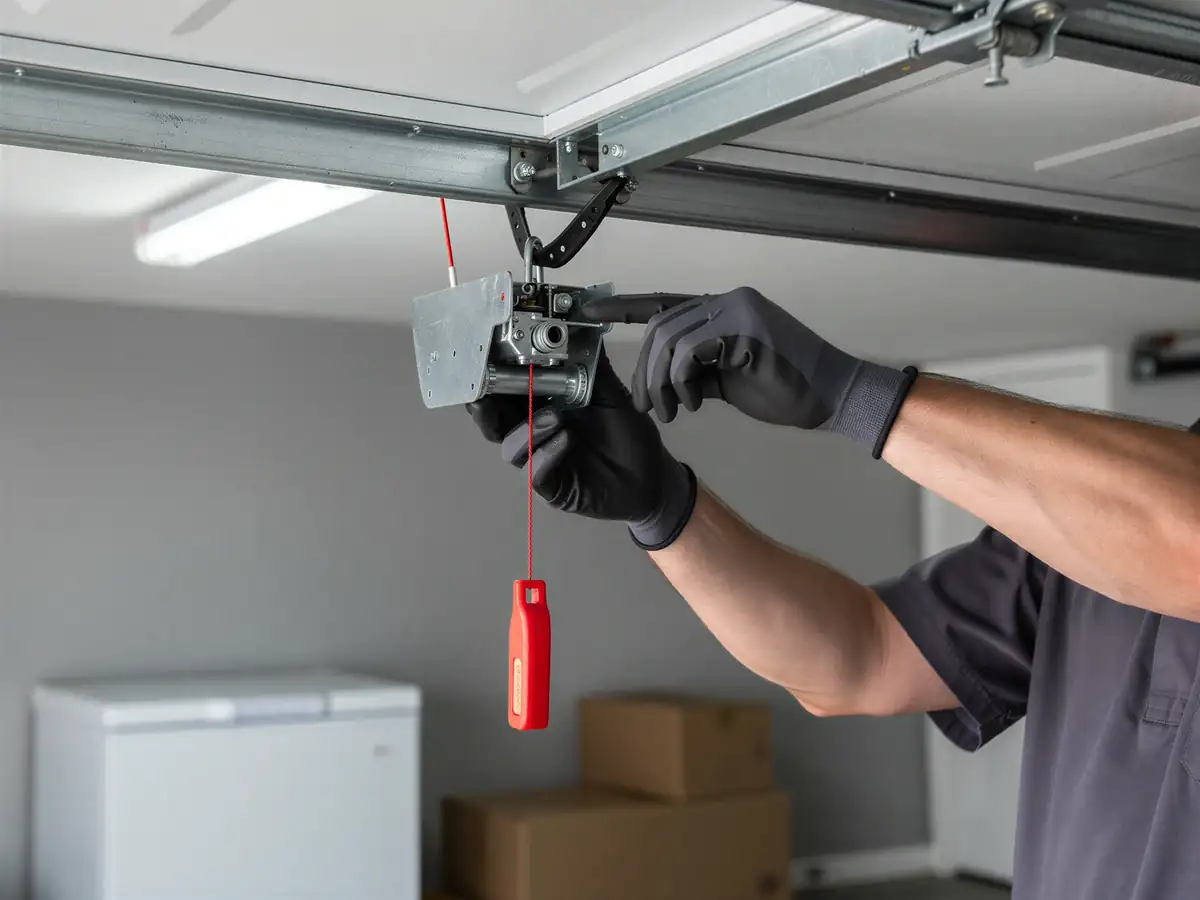
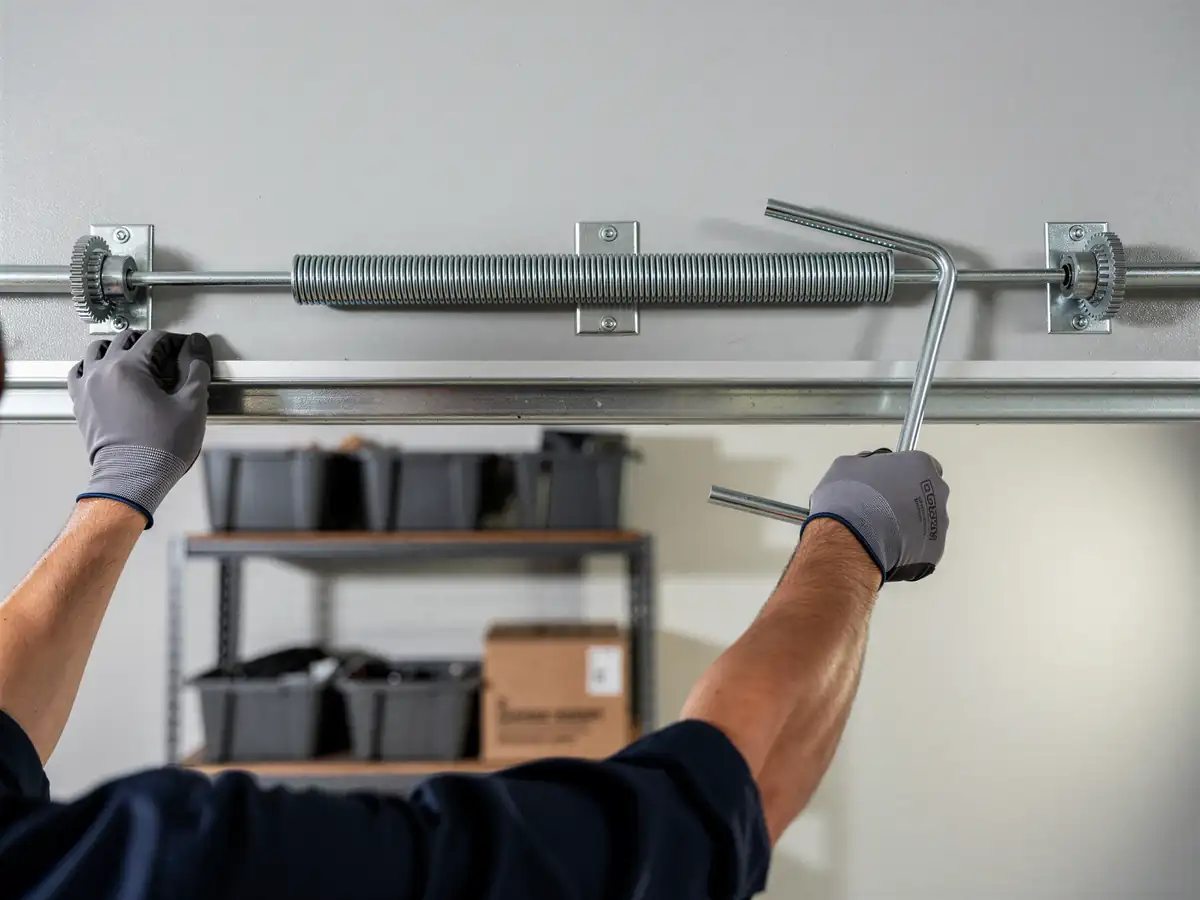
What we don't recommend you touch: the torsion spring itself. On a door built in the late 1960s, the spring is often original or a mismatched replacement from a previous repair, and it's holding tension that can break a hand or worse if you don't know the exact wind count and the right winding bars. Same goes for the cable drums and the bottom bracket on the cable side - that bracket is under spring load even when the door looks still.
Our honest limitation: we don't do same-day emergency response specifically for Wakefield. We run out of Fairfax, four miles away, and we schedule the way any single-location company does. If your spring breaks on a Friday night, you may be waiting until the next business day. If that's a dealbreaker, say so when you call and we'll tell you straight whether we can fit you in sooner or not.
Parts We Carry
Houses in this part of the Fairfax area were mostly built between 1940 and 2015, with a median year of 1978 across the 38 named areas we cover - but Wakefield itself centers closer to 1968, which puts it on the earlier side of that range. That matters for parts. A door from 1968 is more likely to run on an older torsion spring diameter, a narrower track gauge, and hinges sized differently than what big-box stores stock for newer doors.
We carry torsion springs in the wind sizes that actually fit 1960s hardware, not just the common modern sizes. Same with extension spring cable, which shows up more often on these older single-door setups than on anything built after the 1980s. Nylon rollers and steel ball-bearing rollers both get used - steel for openers original to the house, nylon as the upgrade most owners ask for once we're already there.
One limitation worth naming: if your door uses a discontinued panel style from this era, we may not be able to match a single damaged panel exactly. In that case the honest answer is usually a full panel set or a full door, not a patch.
Why It Happens Here
The service area sits in a severe cold climate zone
And a door built around 1968 was not engineered with today's insulation standards or today's spring steel. Over five-plus decades of winter contraction and summer expansion, the galvanized coating on an original torsion spring thins out faster than it would on a spring installed in the last fifteen years. That's the single biggest reason Wakefield calls skew toward spring failure rather than opener failure.
The second pattern is track misalignment
Older slab foundations in this part of the region settle slightly over sixty-plus years, and a door that was plumb in 1968 isn't always plumb now. That shows up as a door that binds on one side, grinds against the roller on a cold morning, and then seems to free up again by afternoon once things warm a degree or two.
Across the broader service area there are 68,635 owner-occupied houses out of 181,054 households
And the ones built closest to Wakefield's 1968 median are the ones generating our cold-weather spring calls every January. It's not bad luck. It's just what fifty-six winters do to a coil of spring steel.
- 68,635 owner-occupied
- 181,054 households