What You Pay
We don't quote a flat number for spring repair sight unseen
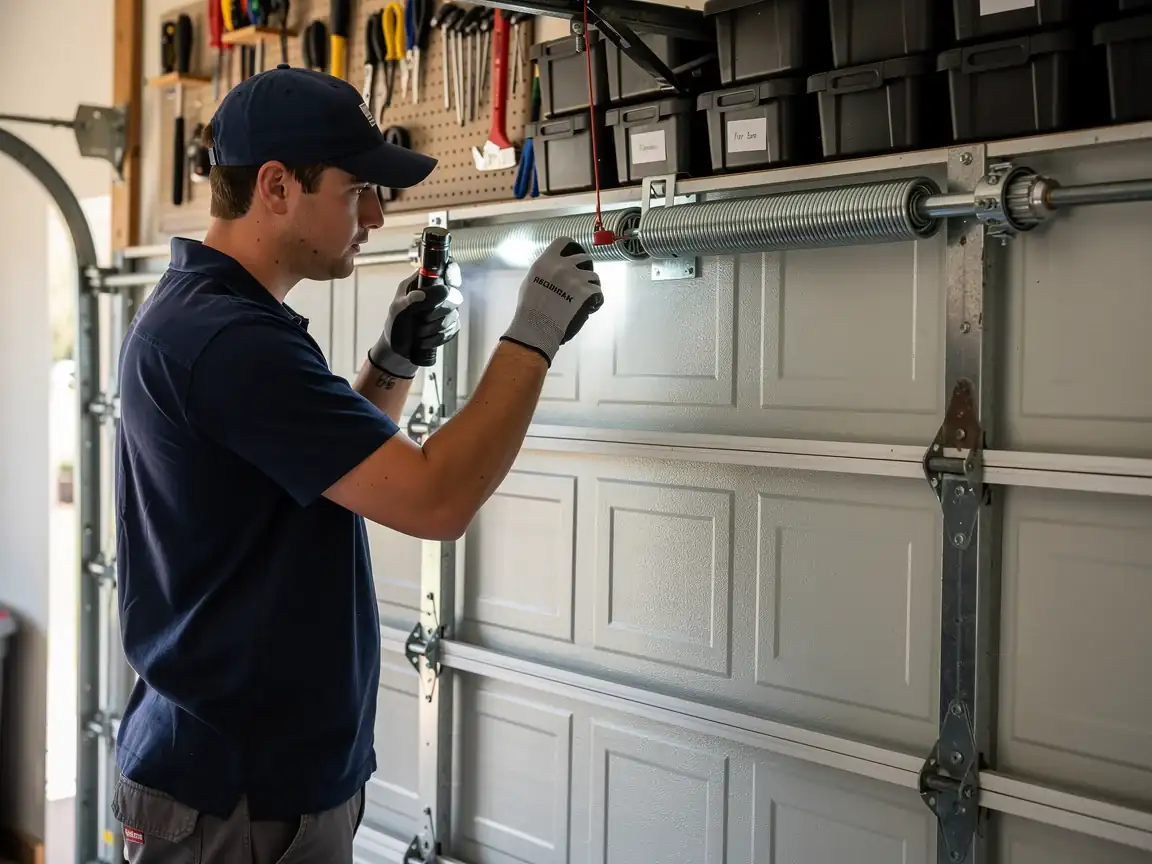
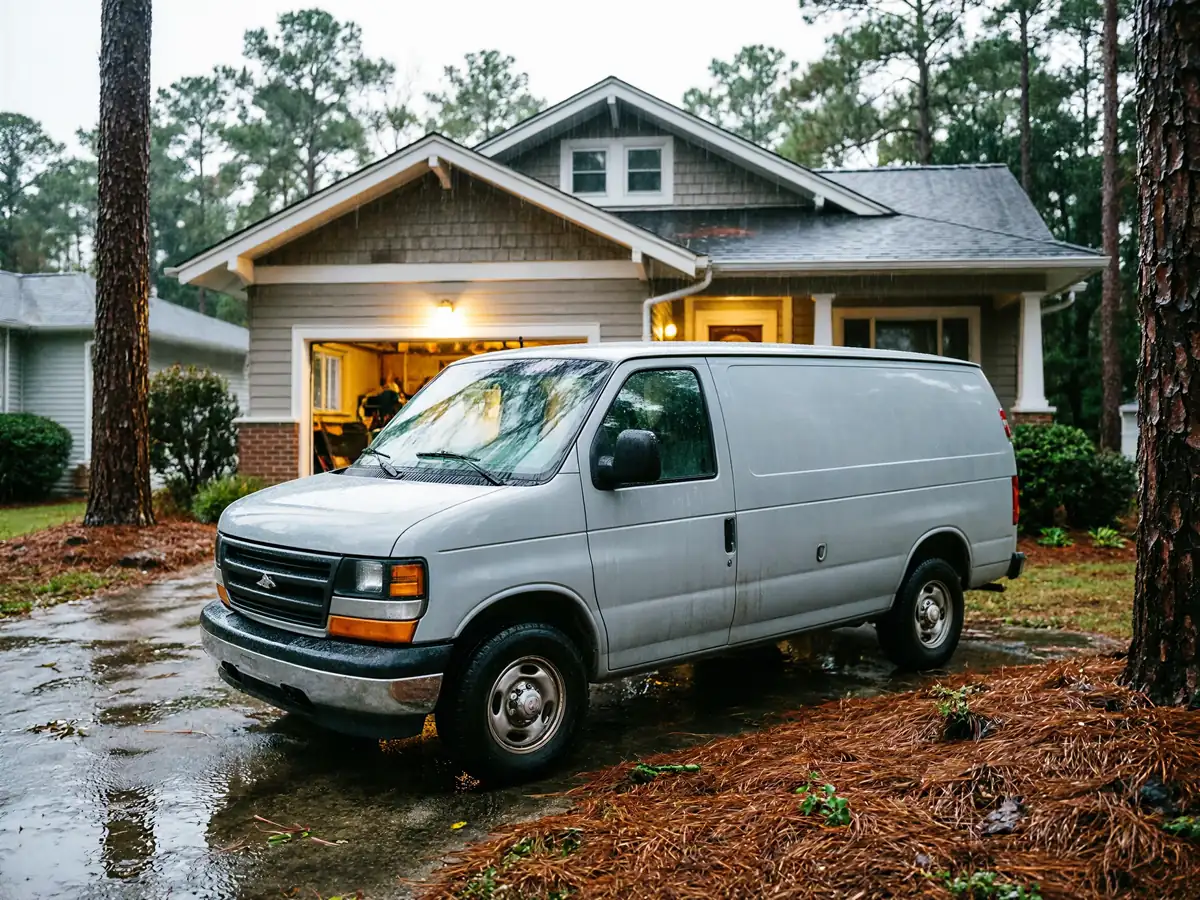
And we're not going to invent one here. What we can tell you is what moves the price: whether you've got one spring or two, the weight and size of the door, and whether the drums, cables, or bearings came along for the ride when the spring let go. Wakefield sits four miles from our shop in Fairfax, close enough that a spring call here doesn't turn into a half-day logistics problem, so you're not paying extra windshield time on top of the job itself.
Wakefield's median household income, near $221,793, tracks with the double-door
Two-spring setups we see more of here than on the older single-door stock closer in. That matters for cost because two torsion springs on a 16-foot door cost more in parts and labor than one spring on a single-car door, not because of the zip code but because of the hardware actually on the house. We'll tell you the spring count and size before we quote anything, not after.
Can You Do This Yourself
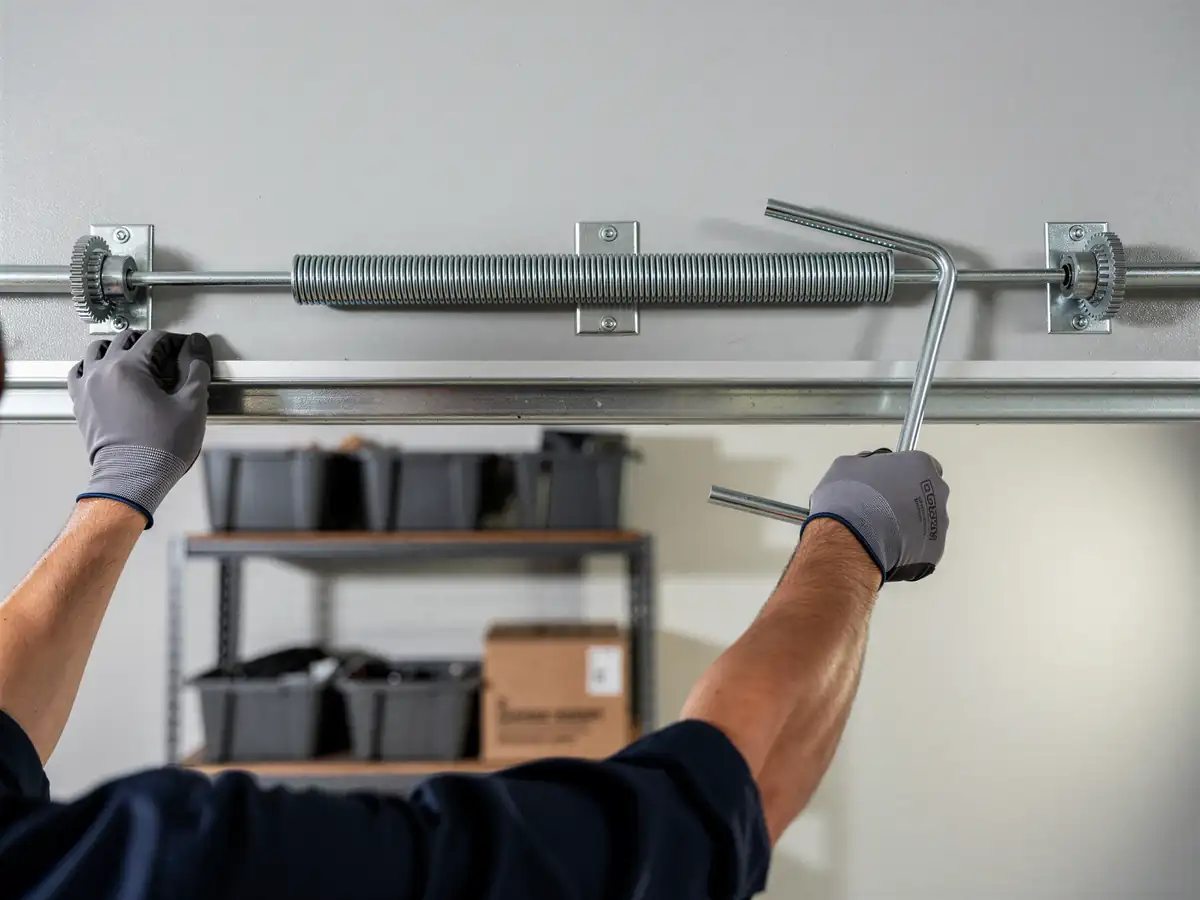
A torsion spring is wound under enough tension to break a wrist or worse if the winding bars slip. We're not going to walk you through doing this yourself, and if you've got a torsion spring, we'd rather you call than improvise. That's the honest limitation on this page: there's no safe shortcut version of this job, and a YouTube wrench job on a spring that's been coiled for fifty years is how people end up in an ER instead of a driveway.
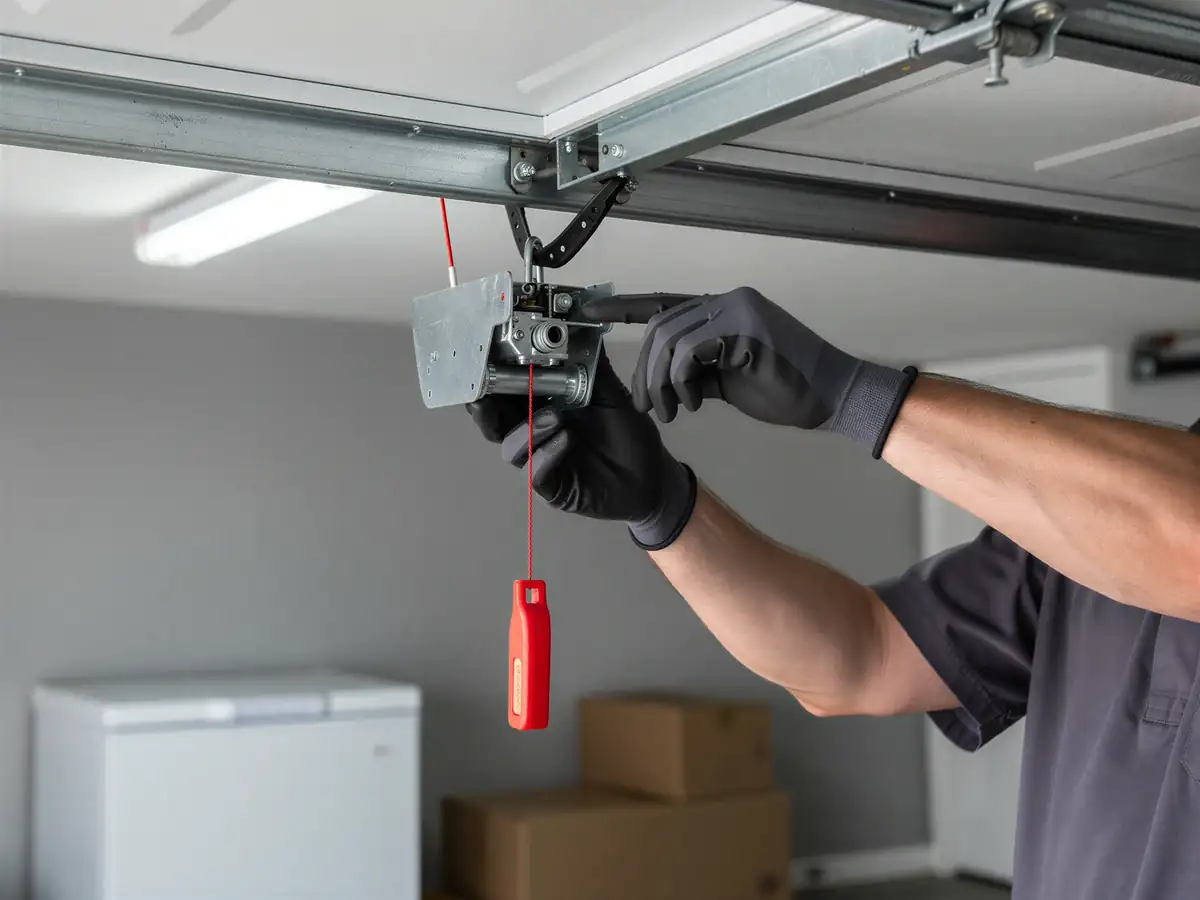
What you can do yourself, safely, is diagnose. If the door won't stay open on its own, slams down fast, or you can see a visible gap in the coil, that's a spring. If the door moves but grinds or chatters, that's more likely a roller or track issue, which is a different job entirely. Knowing which one you've got before you call saves time on the phone and gets the right parts on the truck the first trip out, rather than a second run back to Fairfax for the part nobody expected to need.
Parts We Carry
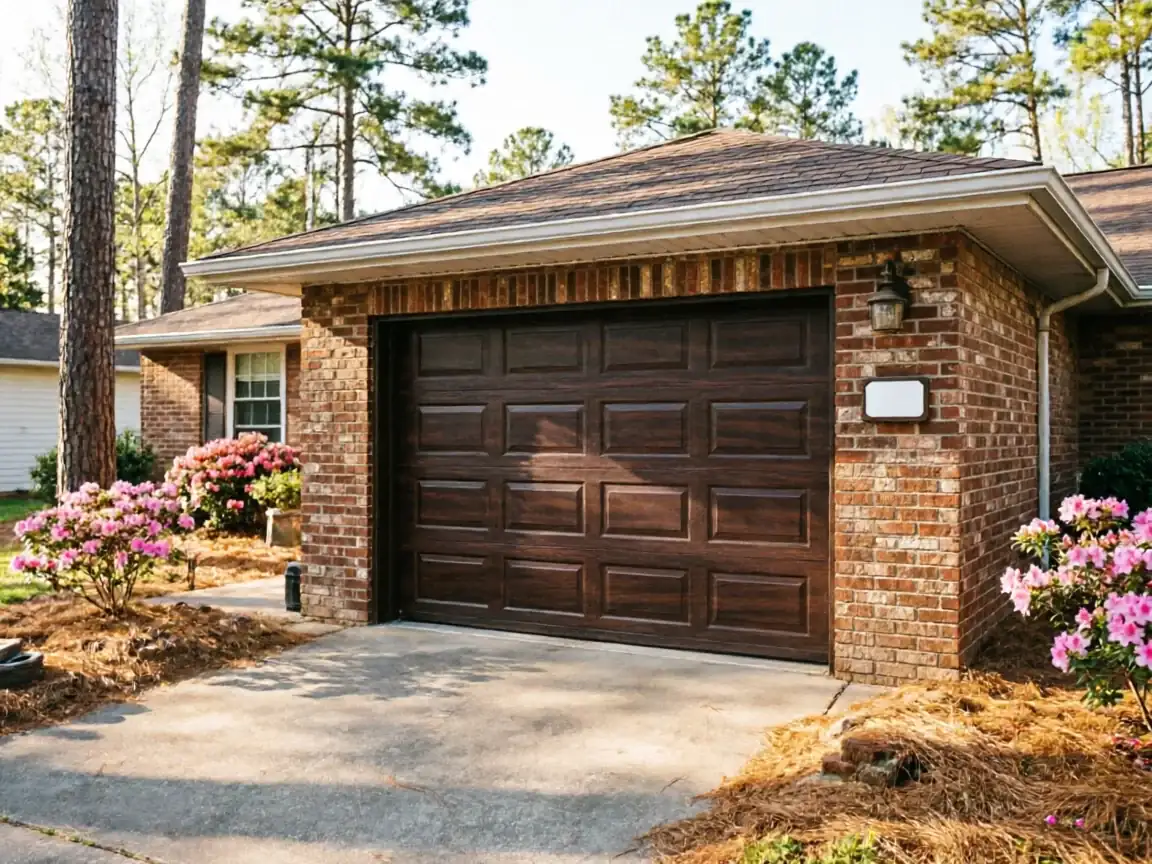
Most houses in Wakefield went up around 1968, which put a two-car garage and a heavier door on a lot of these lots from the start, a good decade before the newer construction pulling the wider area's median build year up toward 1978. That means standard torsion hardware, sized for a heavier double door, rather than the lighter single-door extension setups you'll find on some of the older streets elsewhere in the service area.
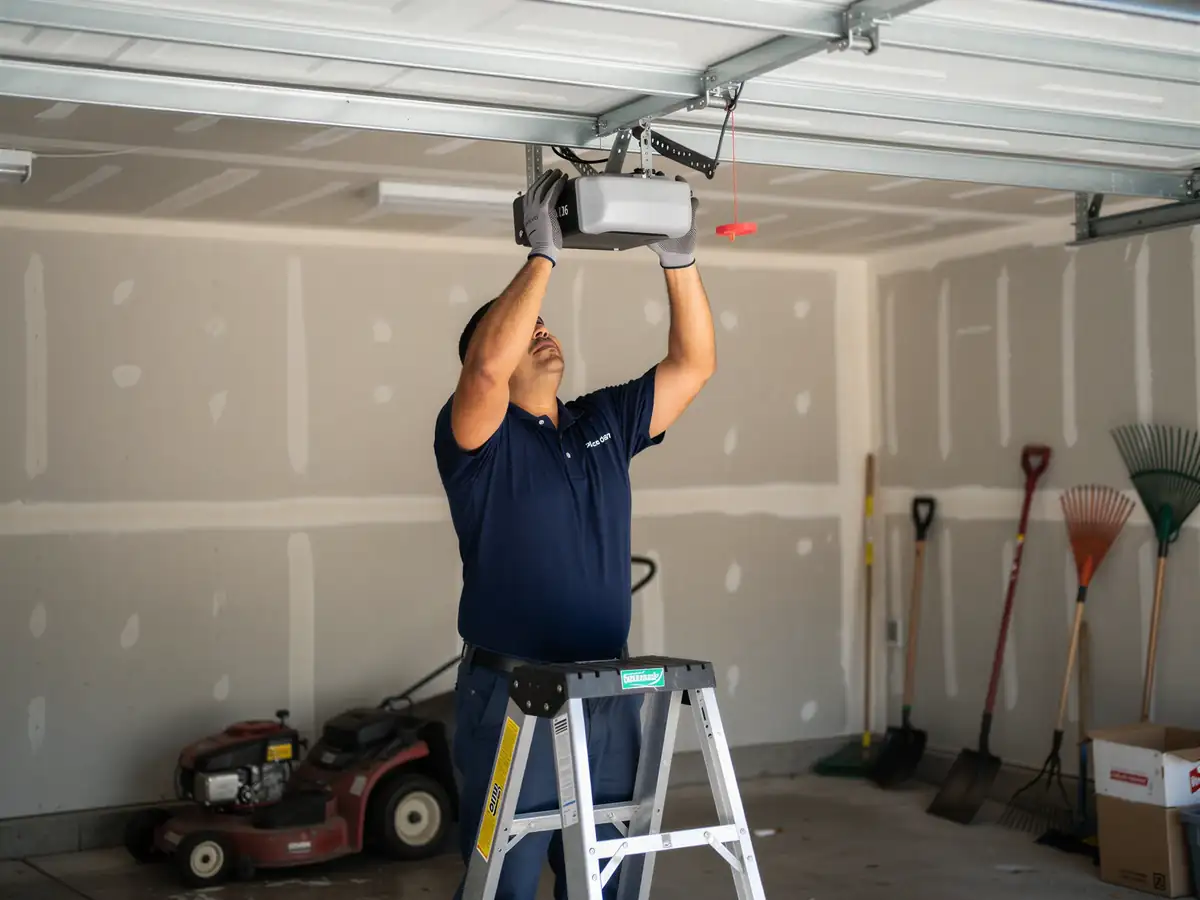
With 3,765 households in Wakefield, we're not stocking a warehouse out there - we carry the springs with us from Fairfax, sized for the door in front of us. We keep common torsion spring sizes, cable, drums, and center bearings on the truck, and for anything outside standard sizing - oversized doors, unusual wind codes, specialty hardware - that's a lead-time item, not a same-trip fix, and we'll say so up front rather than promise a part we don't have in hand.
Why It Happens Here
The service area sits in a cold, severe winter climate, and that swing between hard freezes and warm stretches is what wears a torsion spring out
More than age alone. Steel coil contracts in the cold and expands as it warms, and every cycle through that range works the metal a little more. That cold-climate swing works the galvanized coil on a Wakefield torsion spring harder each winter than the sun exposure does on a door that mostly sits in shade.
On a 1968-era double garage, the spring is also doing more work per cycle than it would on a lighter single door
Since it's lifting more weight every time the opener fires. Combine the two - a heavier door and a winter that stresses the coil - and you get springs that tend to go in the cold months, often early morning when the door's first open of the day lands on steel that hasn't warmed up yet.