What You Pay
Wakefield's houses mostly date to around 1968
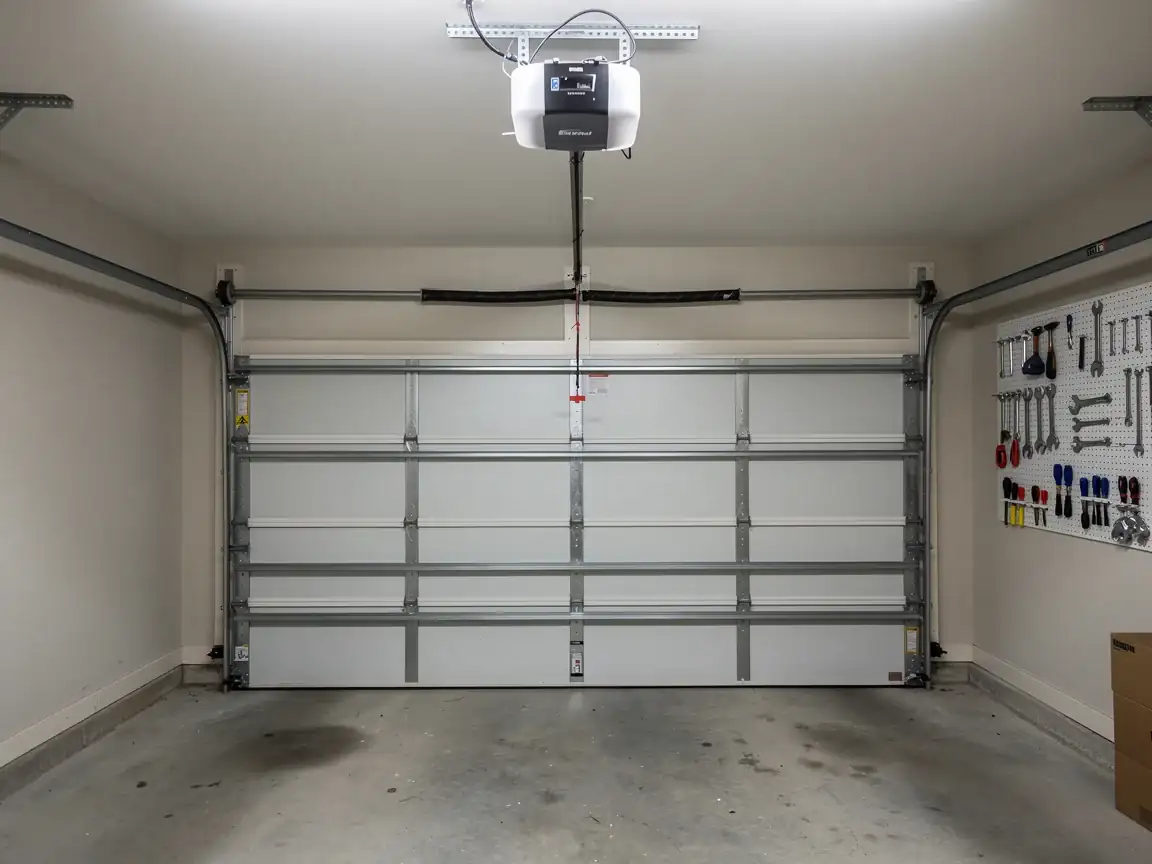
Which means most garage openers here aren't the original unit - they're a second or third generation replacement, often installed whenever the last one quit rather than on any set schedule. That history matters for cost. A straightforward fix (a bad sensor eye, a worn drive gear, a dead remote) costs less than swapping the whole unit, but once a logic board or motor winding goes on an opener that's already fifteen-plus years old, the math usually tips toward replacement instead of chasing parts for a model nobody stocks anymore.
We don't quote a flat number here because what's wrong with the opener decides it
Not the town. What we can tell you is that Wakefield's median household income runs well above the wider Fairfax service area's $143,796, and that shows up in the openers we see on service calls - more belt-drive and smart-enabled units replacing older chain-drive models, which changes what a repair runs versus a straight swap. We'll tell you flat out, on site, whether your unit is worth repairing before we start any work.
Can You Do This Yourself
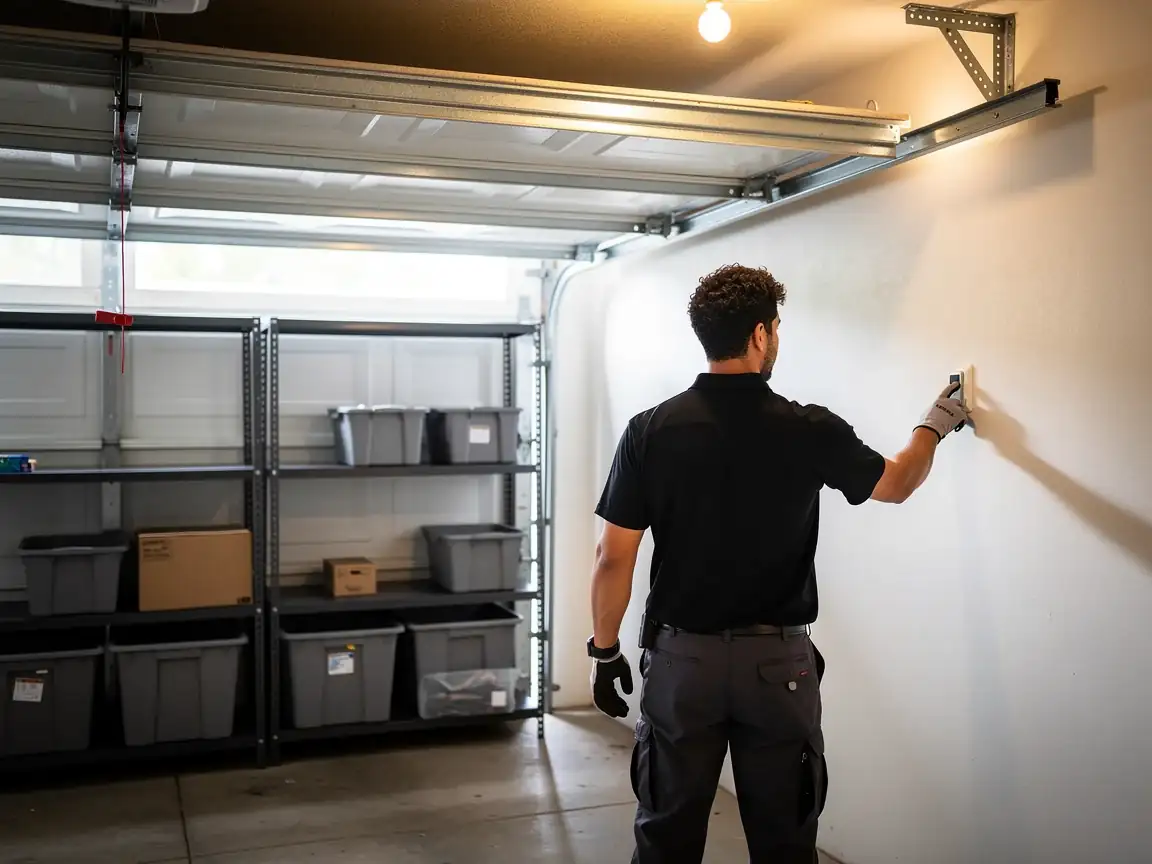
Some of it, yes. If the opener runs but the door won't go, check the safety sensors first - two small eyes low on each track that have to line up and stay clear of dust or a stray cobweb. A blinking wall console light usually means they're misaligned, and nudging them back into place is a five-minute fix with no tools beyond a screwdriver.
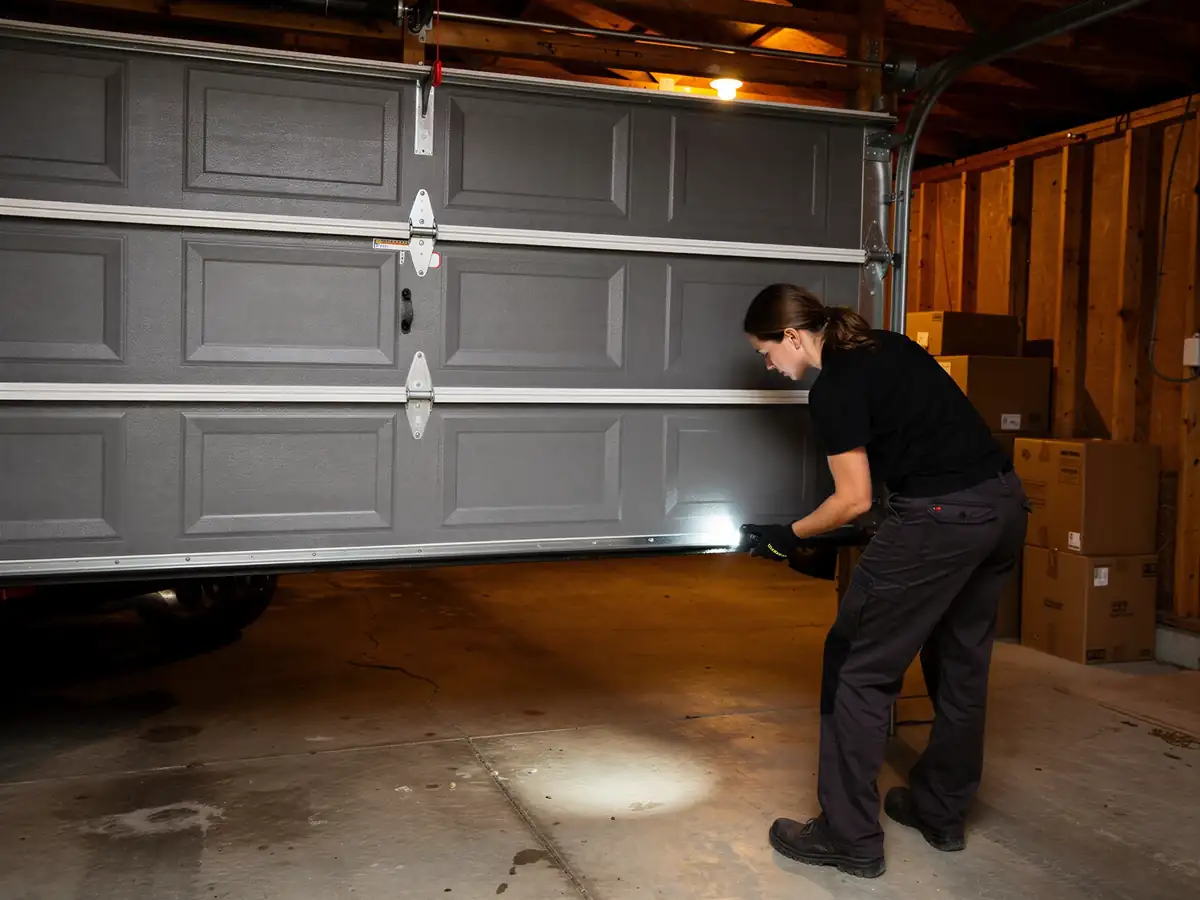
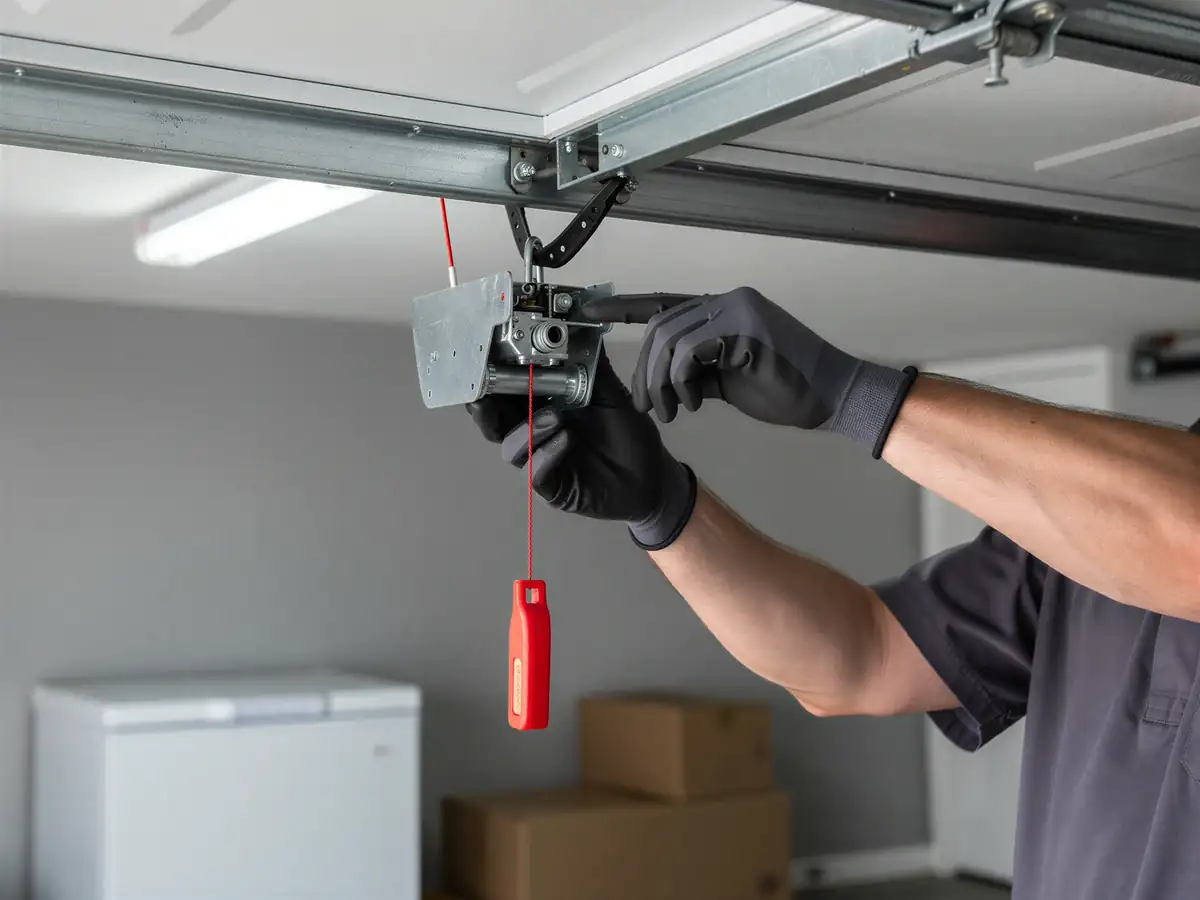
Dead remote, no light on the opener at all, or a breaker that trips the moment the motor engages - those are past the homeowner-fix line. On houses from Wakefield's era, the opener circuit sometimes shares a line with other garage outlets added over the decades, and chasing an electrical fault without pulling the cover off first risks a shock or a burned-out board. If the motor hums but the door doesn't move, that's usually a stripped drive gear inside the housing - replaceable, but not a part you'll find at a hardware store, and not a job to start without the unit unplugged and the door manually released first.
Parts We Carry
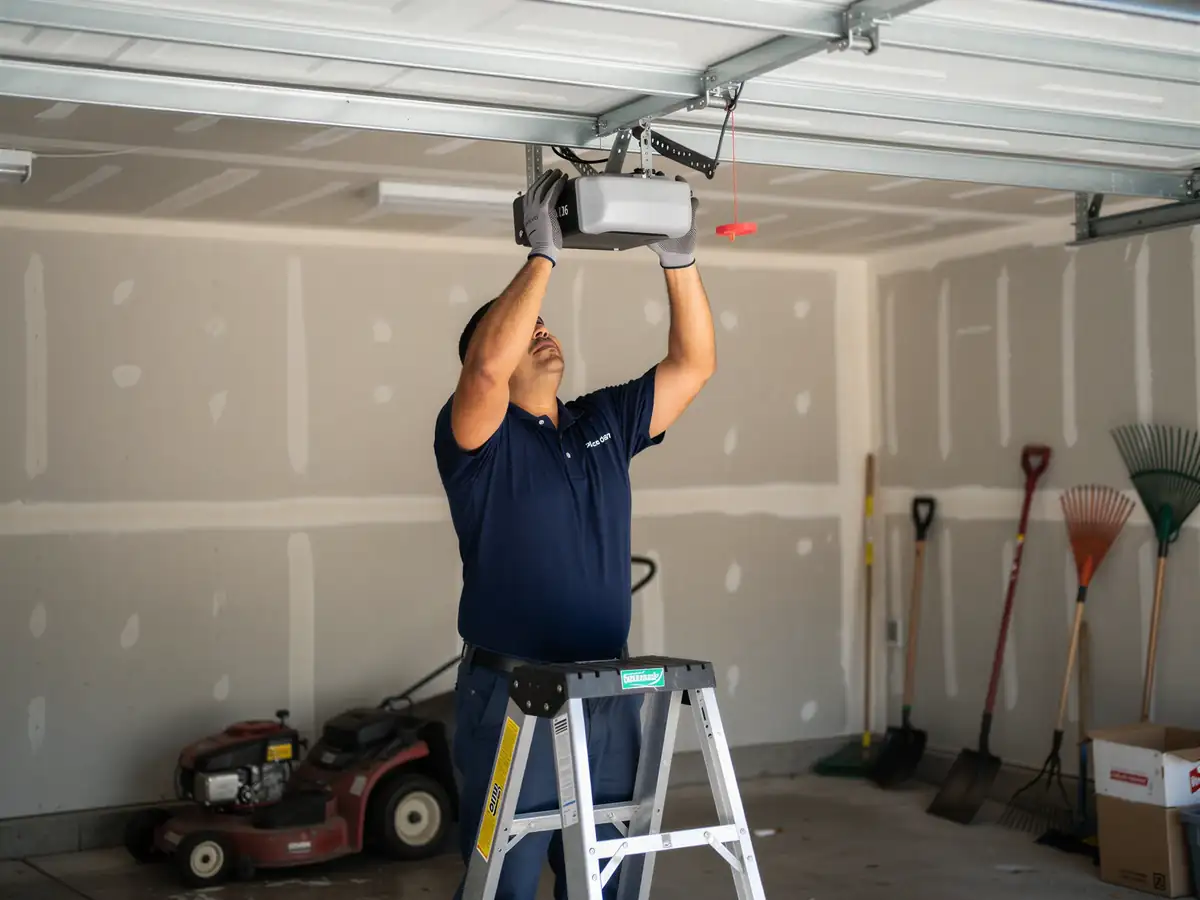
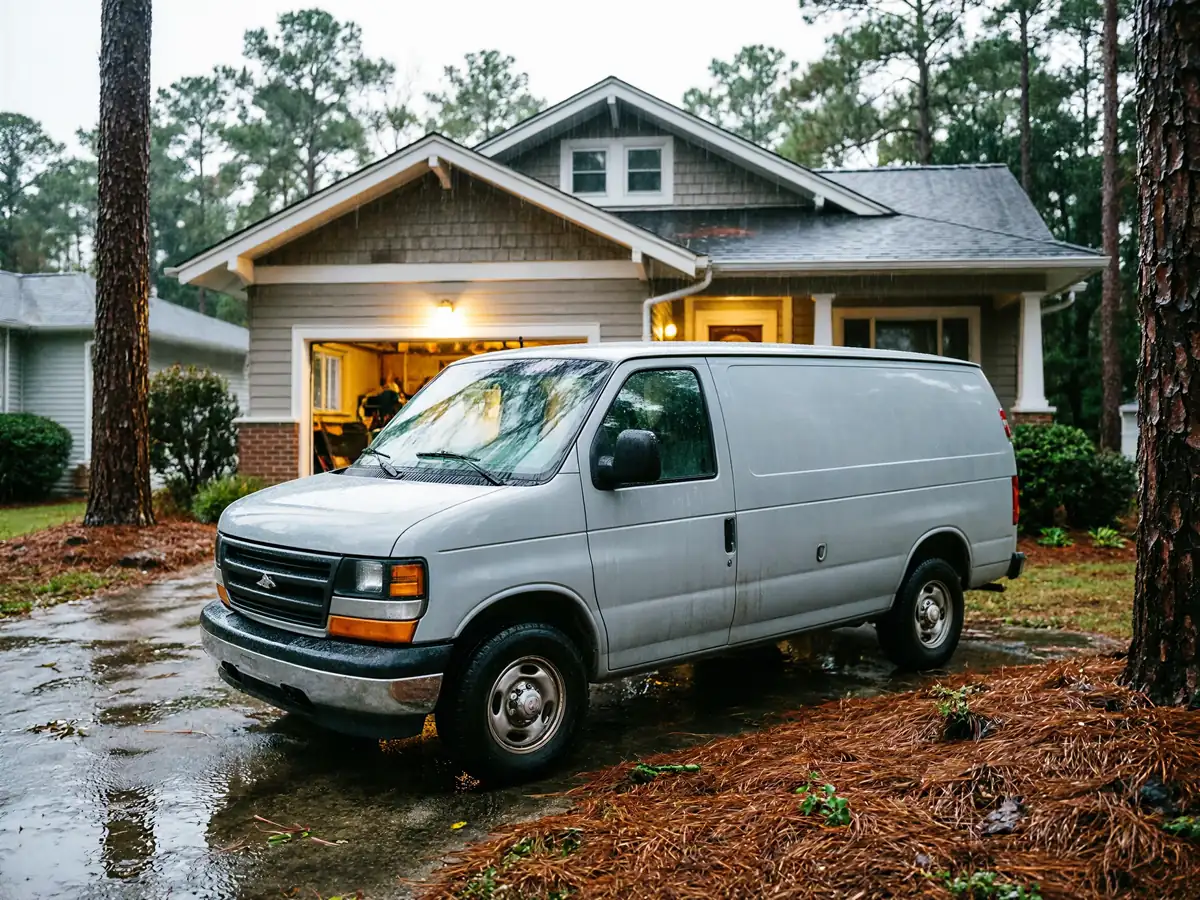
We keep the openers and parts that fail most often on trucks: drive gears, sensor pairs, circuit boards for the common belt and chain-drive brands, remotes, and wall consoles. Most Wakefield calls fall into that bucket.
What we don't carry rolling stock of is anything built for a screw-drive or older mechanical opener that predates the current electronics - if your house still has one of those from an early replacement decades back, we may need to order the part rather than fix it same-visit. That's the honest limit: we're coming from Fairfax, about 4 miles out, with what's on the truck that morning, not a parts counter down the street. If we show up and the fix needs something we don't have on hand, we'll tell you the lead time instead of guessing.
Why It Happens Here
Wakefield sits in a cold-winter climate band
And openers feel that more than most homeowners expect. Gear grease inside an older unit stiffens in freezing mornings, which strains the motor on every cold start and shortens the life of a drive gear that's already worn. Capacitors in older opener models are especially prone to failing on the first hard freeze of the season, not in the heat of summer.
Layer that onto houses built mostly around 1968
And you get openers that have already been through one or two replacement cycles, wired into garages that weren't built with today's opener loads or smart-home add-ons in mind. It's a pattern we see across this part of the service area - not a Wakefield-only quirk, but one that shows up here because of when these houses went up and what's been bolted onto them since.