What You Pay
Wakefield's houses mostly went up around 1968
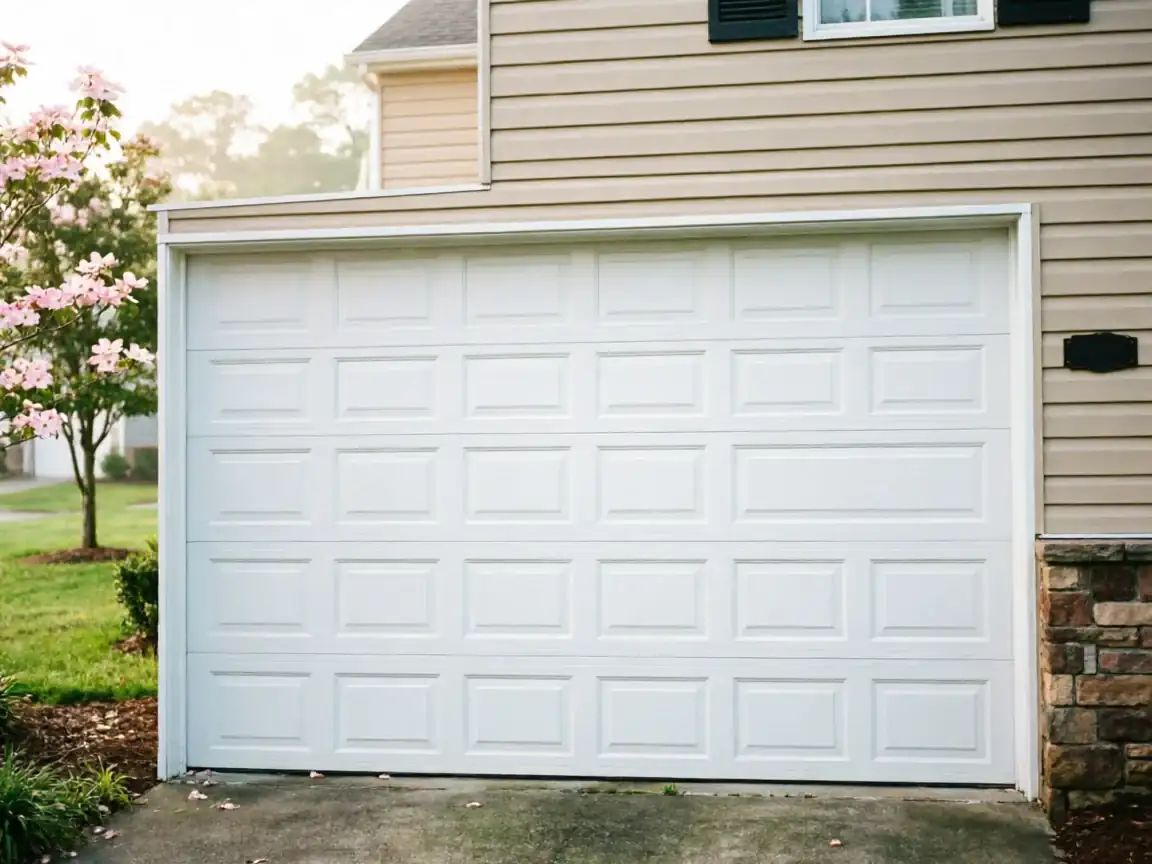
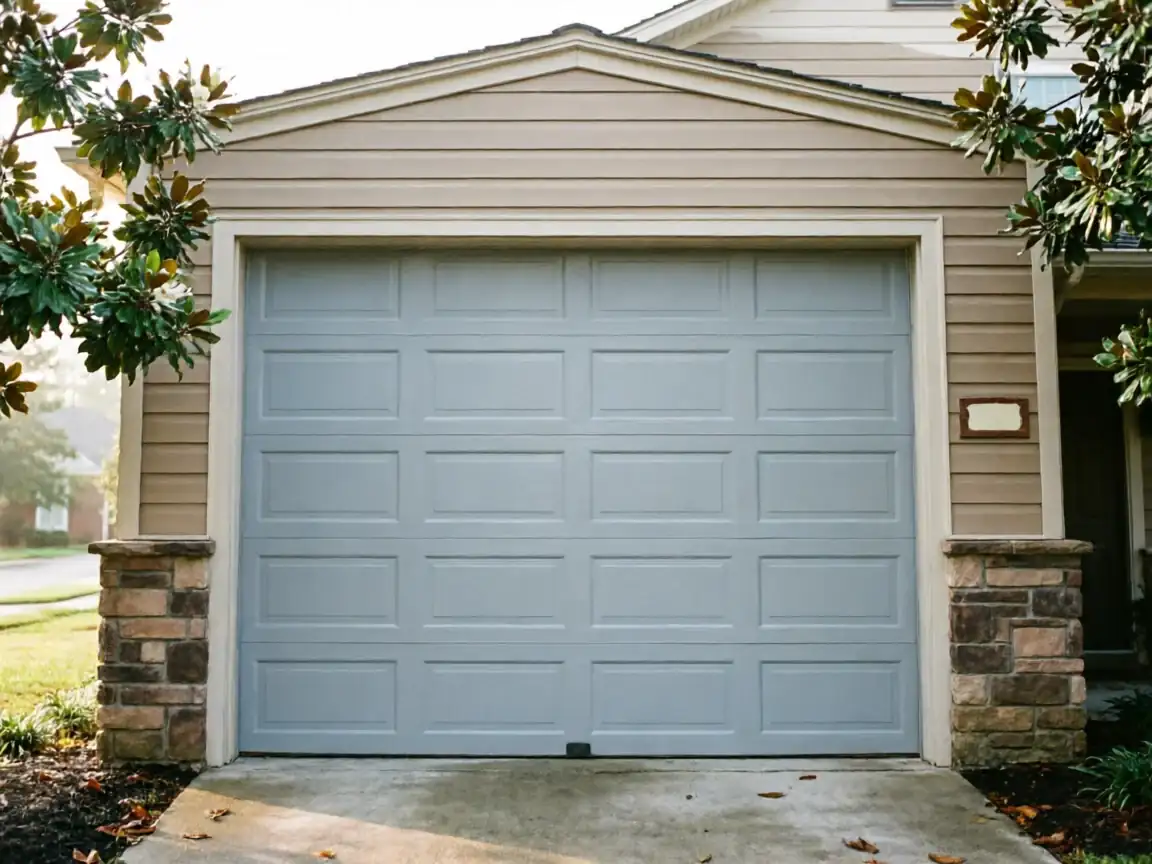
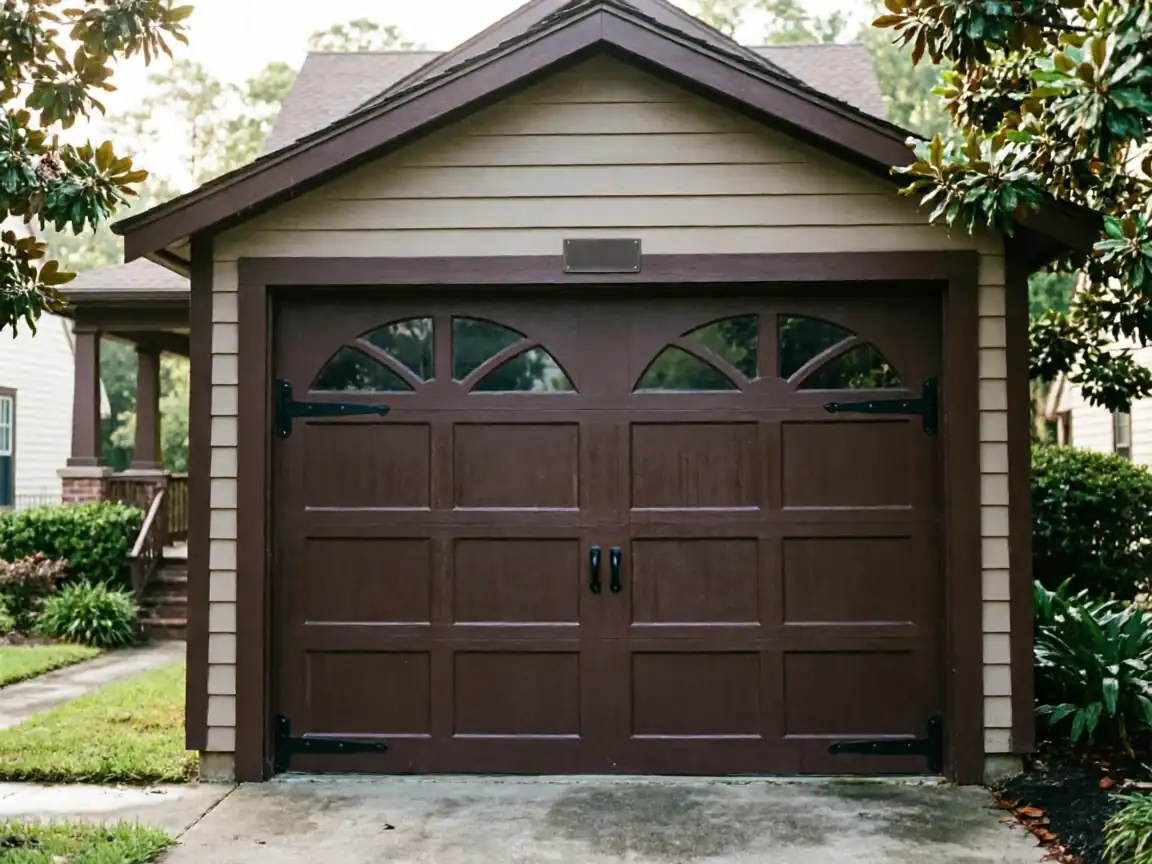
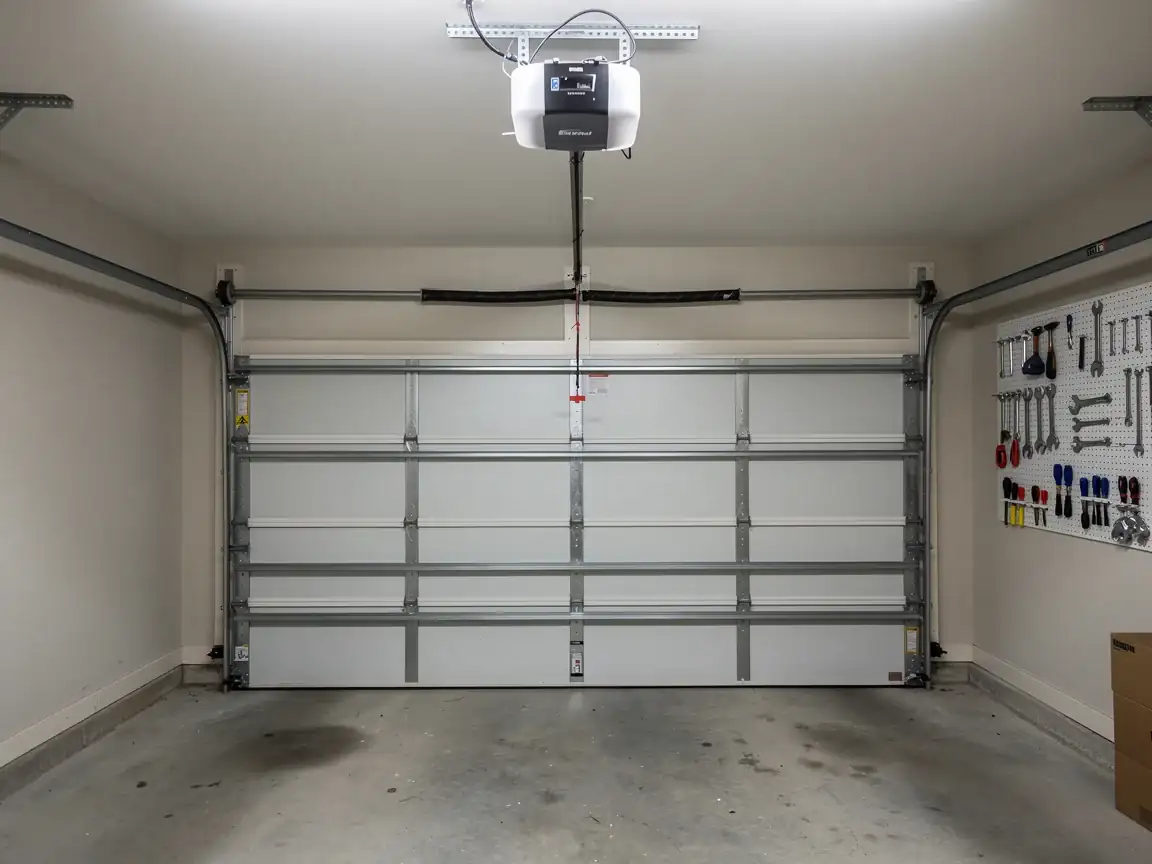
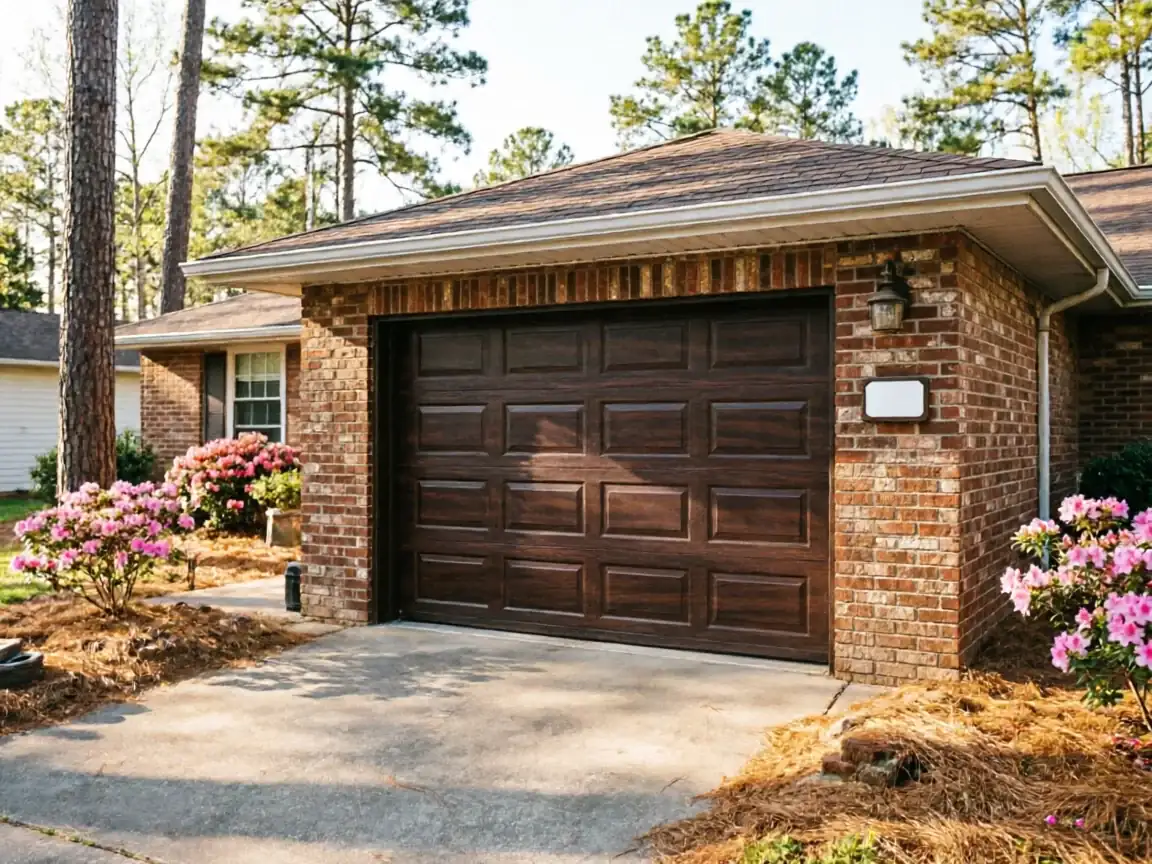
And the garage doors that came with them are a specific animal: single-layer steel or wood panels, usually a 16x7 double or an 8x7 single, hung on hardware sized for a lighter motor than what you'd put in today. Before we talk price, that matters, because the opener has to match what's already on the track, not the other way around.
What you pay depends on three things
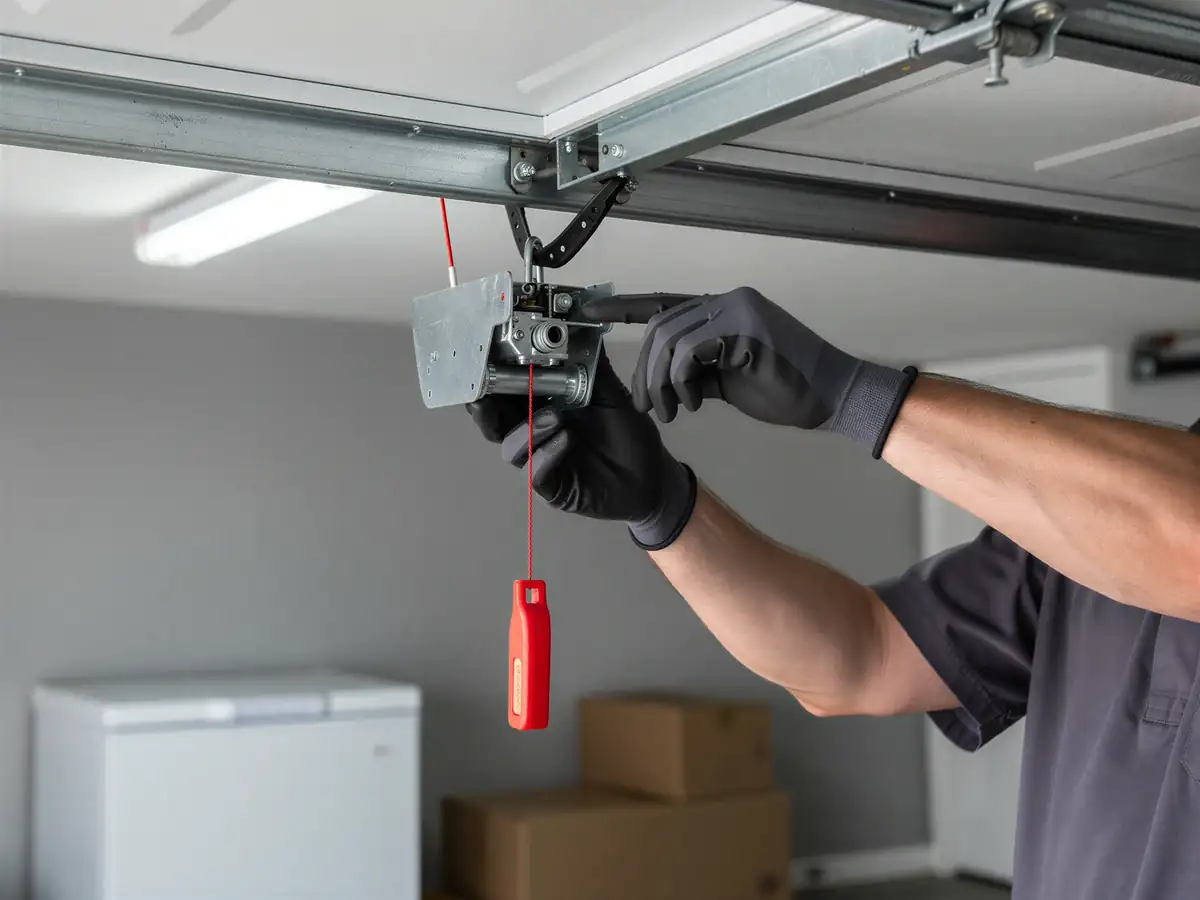
The horsepower the door actually needs (a heavier original-era door often needs more than a builder-grade new one), whether the existing rail and header clearance will take a standard unit or need an low-headroom kit, and whether we're installing fresh or replacing a dead unit on hardware that's still sound. We don't have a flat number to quote you here - it depends on what's on your wall when we get there - but we'll give you one number before anything gets bolted up, not a range that grows once the truck's in the driveway.
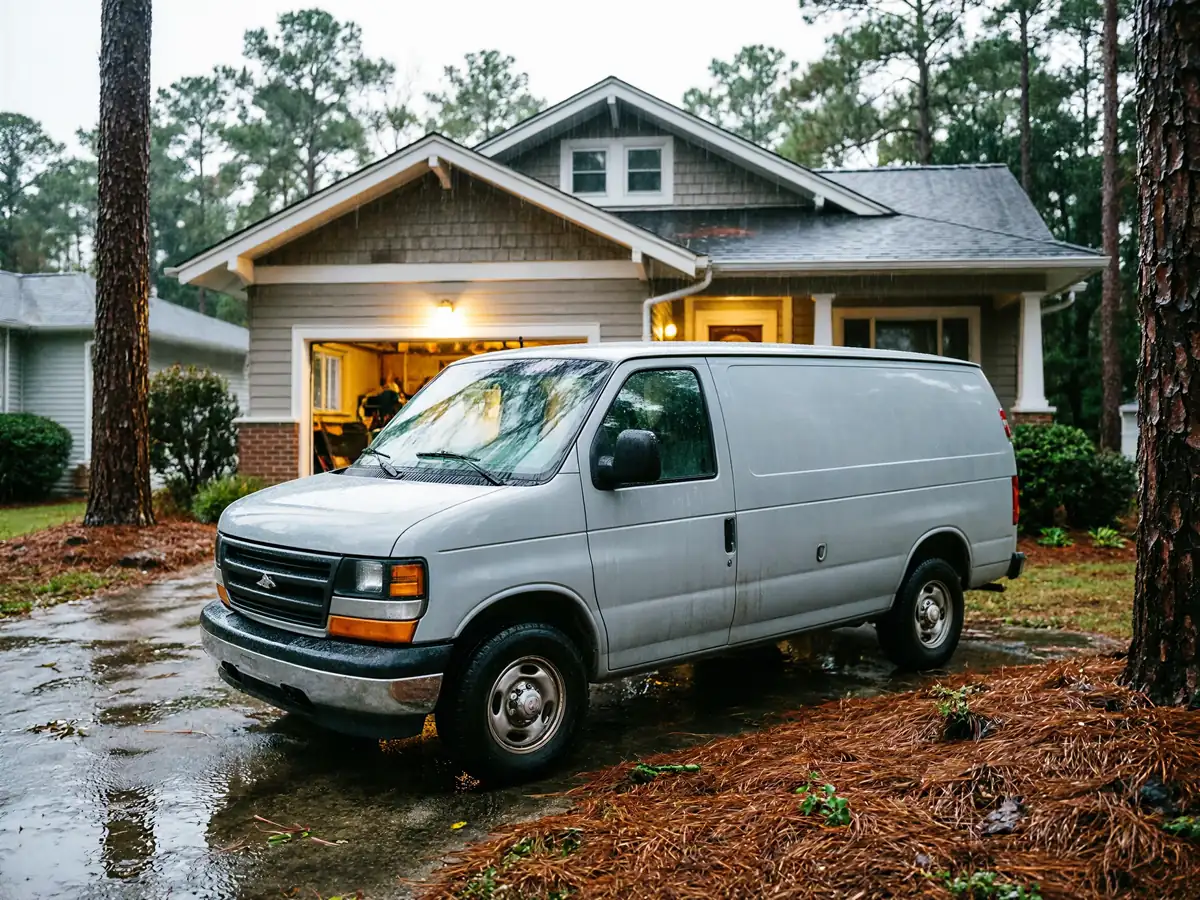
We travel to Wakefield from Fairfax, about 4 miles
So there's no separate trip charge folded into the estimate for distance alone.
- 4 miles
Can You Do This Yourself
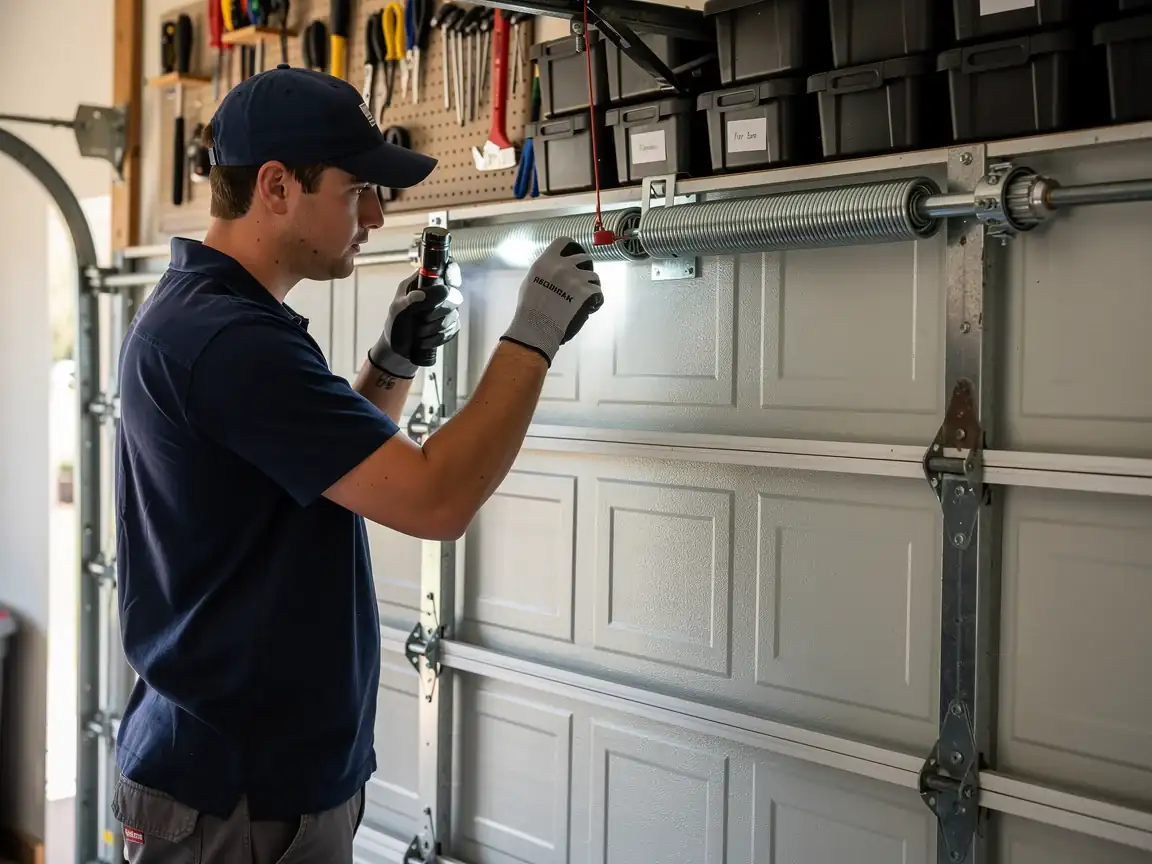
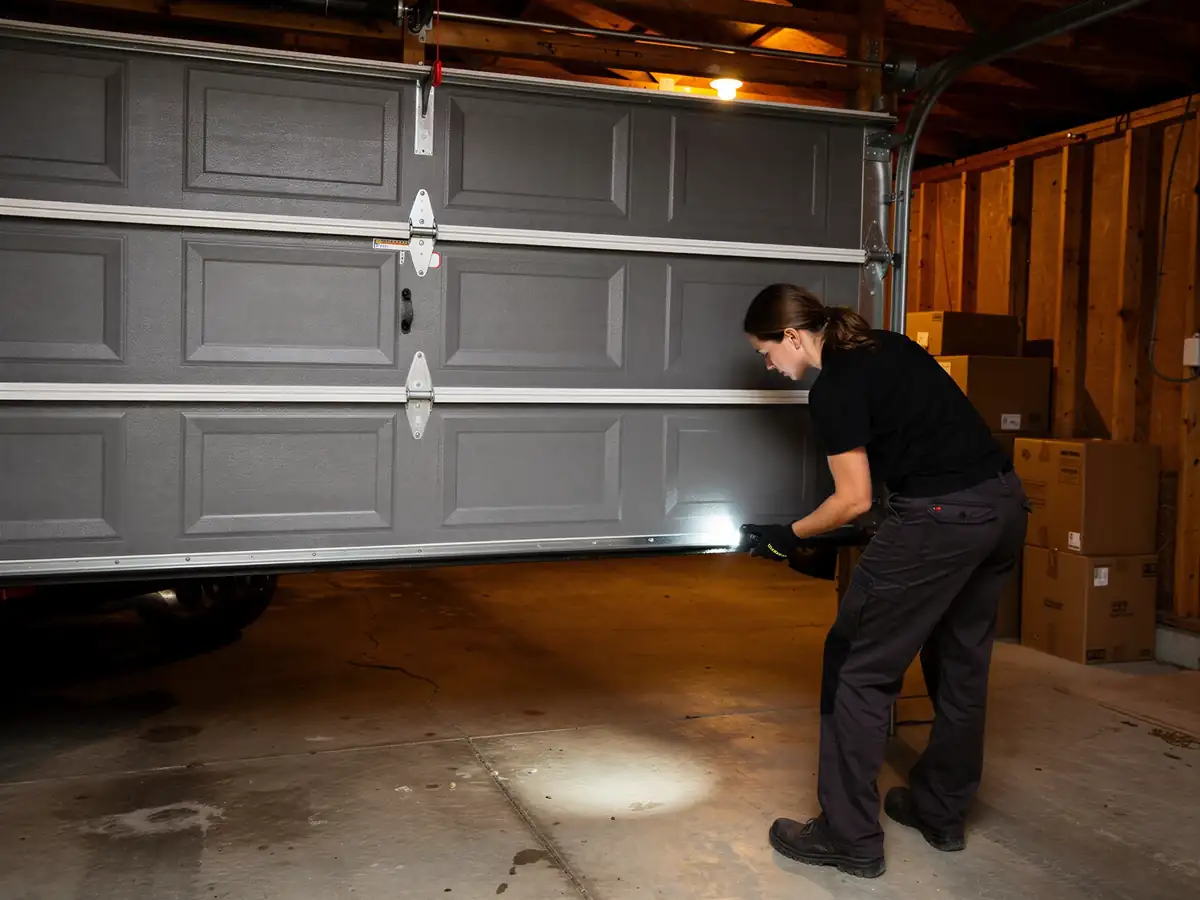
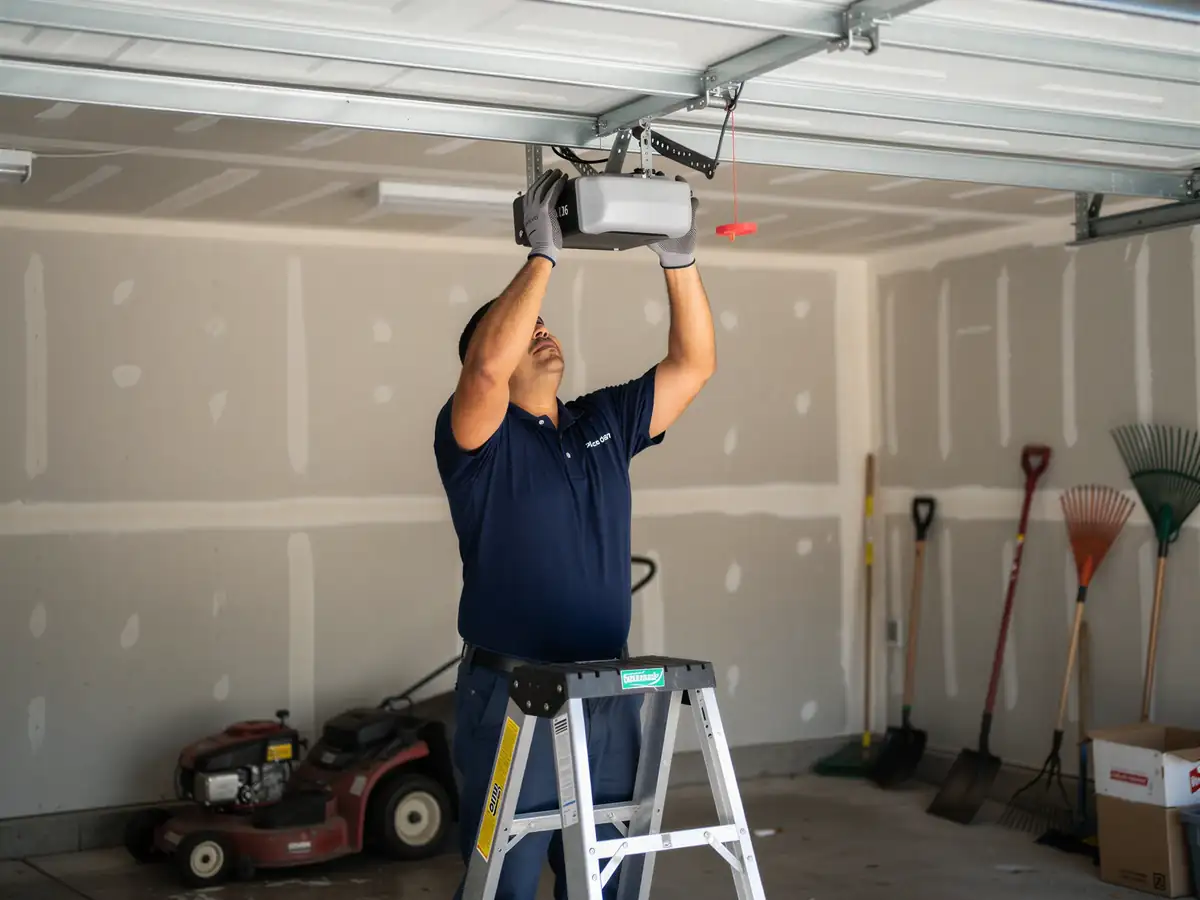
Swapping an opener on a door this age isn't the same job as the install video shows on a new builder door. A 1968 door is heavier than code calls for on today's lighter steel panels, and the travel limits, the safety reversal, and the header bracket all have to be set for that extra weight - guess wrong and the door either won't reverse on a resistance test or it slams the floor.
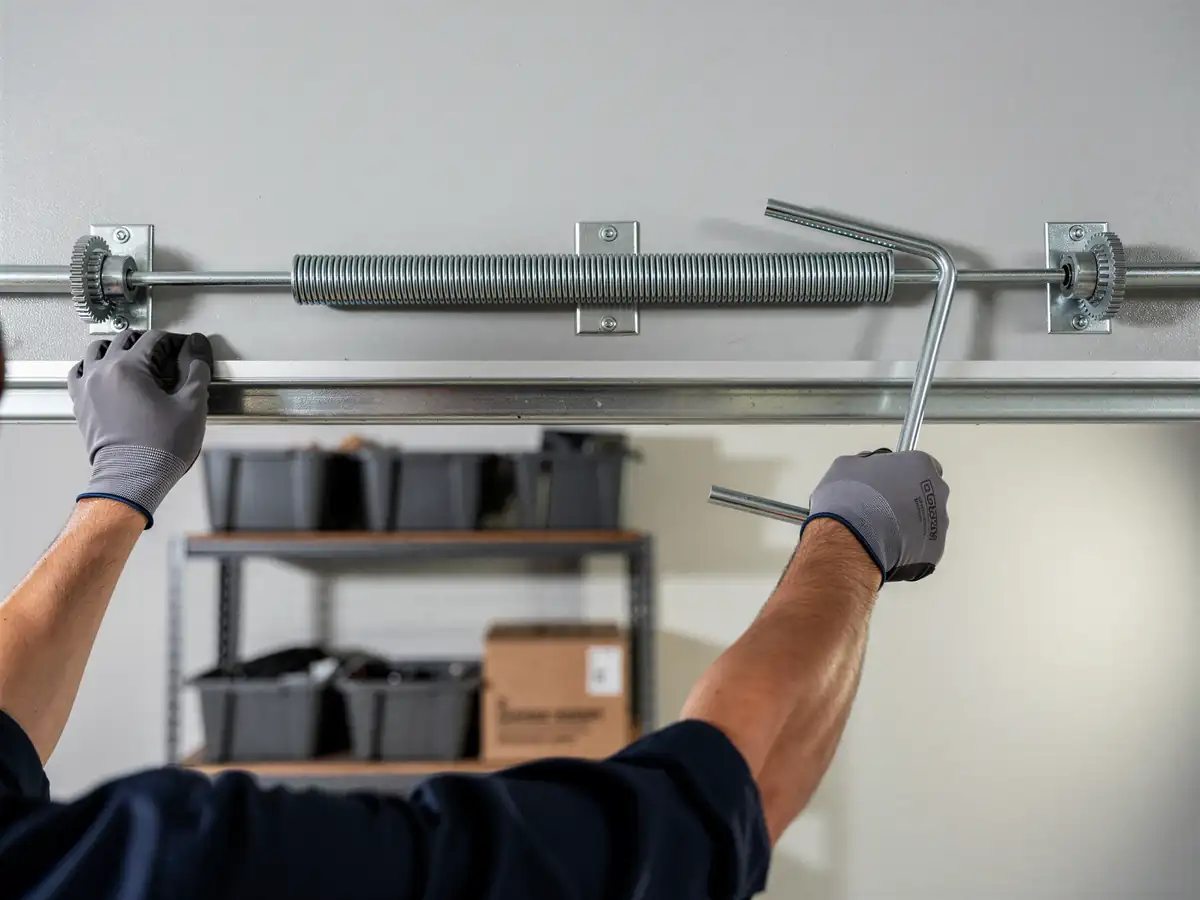
If you're comfortable with electrical work and have done this before, a straightforward swap on sound existing track is within reach for a handy homeowner. What we don't recommend doing yourself: anything involving the torsion spring, anything where the existing rail shows rust or pitting from age, or any install where the door itself predates modern reversal standards. That's not us being precious about the work - a door that doesn't reverse on contact is a real hazard in a house with kids or pets, and it's the one part of this job we won't shortcut.
Parts We Carry
Wakefield sits in a climate band that gets genuinely cold and sees hard freeze-thaw cycles, which is rough on opener gearing and on the plastic drive components that cheaper units use. We carry chain-drive units for the heavier original-weight doors still common in Wakefield's older stock, belt-drive for owners who've already upgraded to a lighter insulated door, and the cold-rated lubricant and gear sets that hold up through a real winter here rather than gumming up at the first hard freeze.
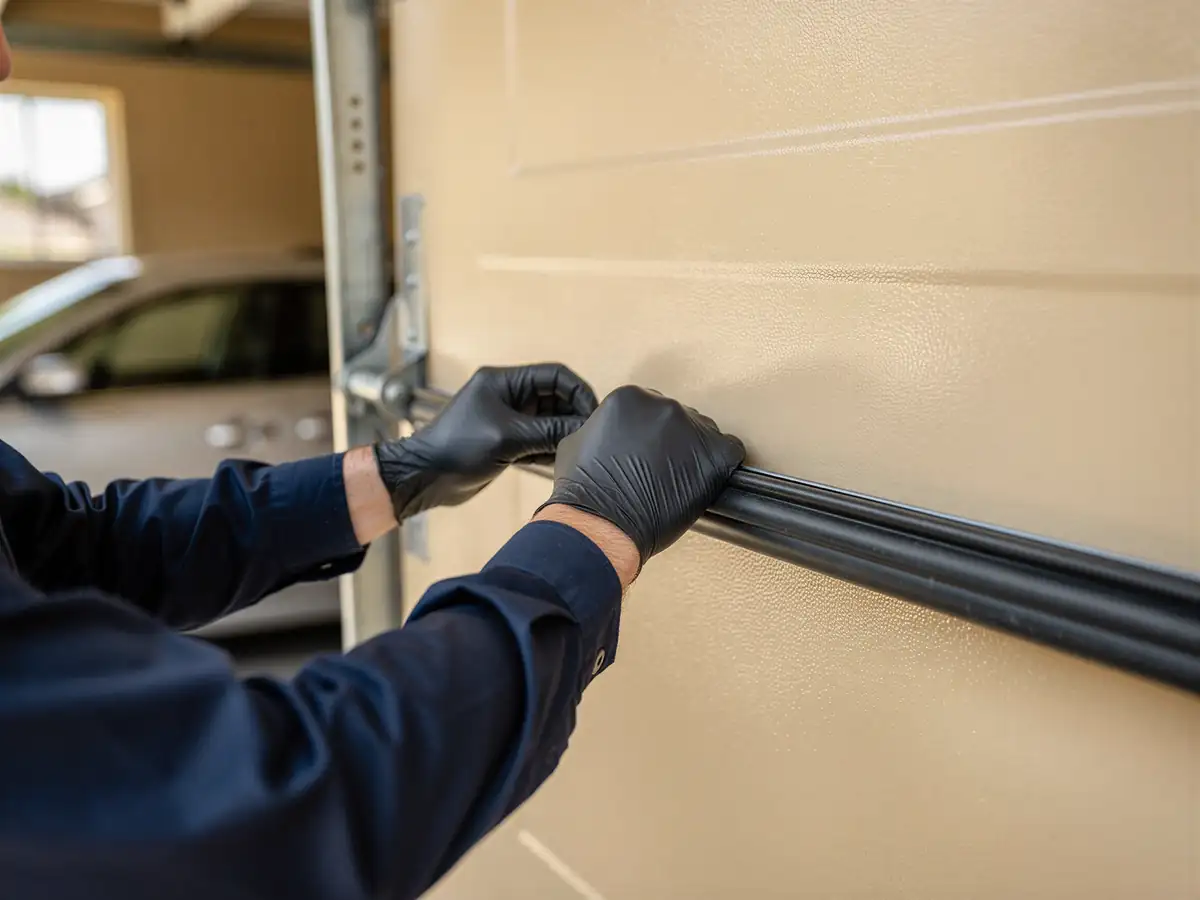
We also stock header brackets and low-headroom hardware for garages where the ceiling clearance doesn't leave room for a standard rail - not unusual on houses from this era where the garage was an afterthought to the original floor plan. What we don't stock on the truck: proprietary smart-home bridges tied to one brand's app ecosystem. If you want that, tell us ahead of time and we'll order it in rather than improvise with what's on hand.
Why It Happens Here
Opener failures in Wakefield skew toward one pattern
The motor is original or close to it, sized for a door built around 1968, and it's been asked to lift that same heavy panel through decades of cold-season expansion and contraction. The gear strips, the capacitor goes, or the chain stretches past what the tensioner can take up - all symptoms of a unit that's simply outlived the door it was matched to.
Wakefield's roughly 3,765 households sit well above the income level typical of the surrounding Fairfax service area
Median household income here runs near $221,793 - and we see that show up less in the age of the openers than in the choice homeowners make once one fails: more of them replace with a quieter, stronger unit instead of patching the old one. Either path is fine. We just want you choosing it because you know what's actually on your garage, not because a flyer told you the door needed anything.
- 3,765 households