Why It Happens Here
Fort Hunt is a small place as these things go
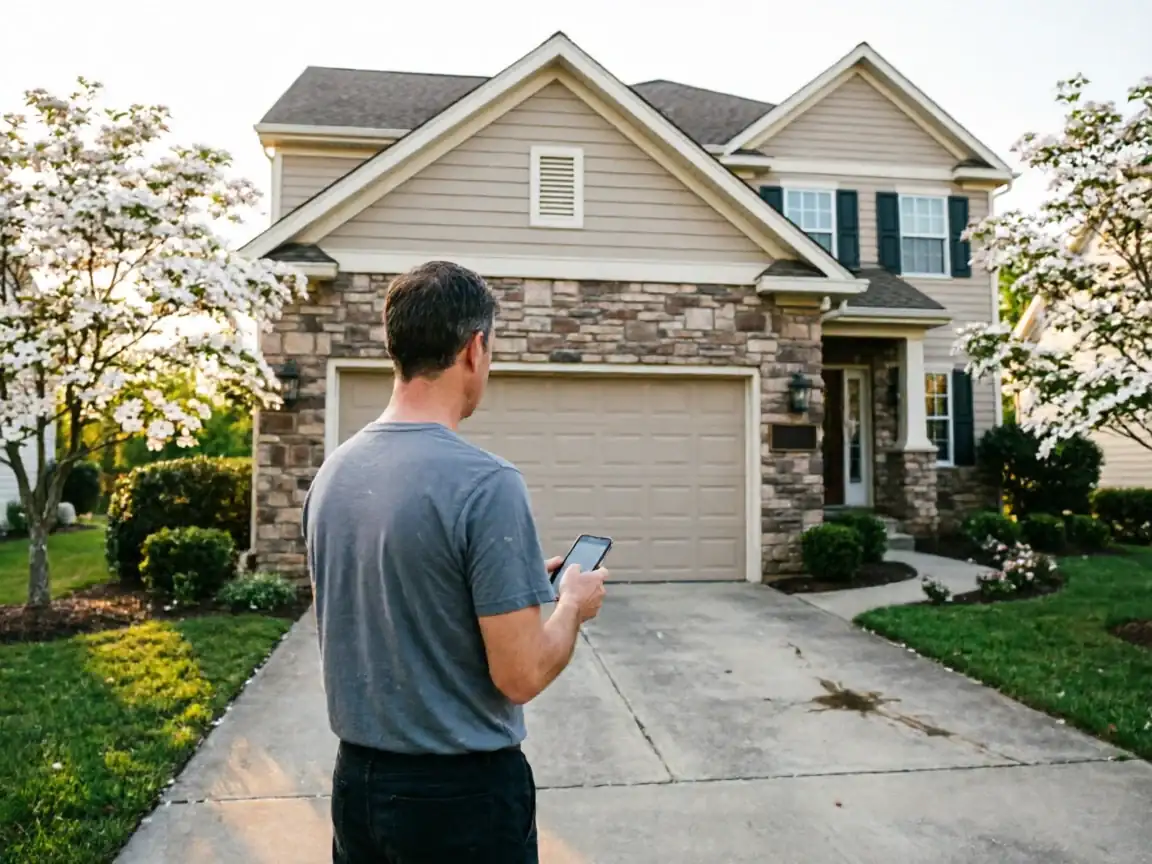
About 5,974 households, not a sprawling grid of new subdivisions. That matters for the kind of calls we get: a tight, established neighborhood built out mostly in one era means the doors failing this month are, more often than not, the same doors failing next month a few streets over.
- 5,974 households
The median year built here is 1963
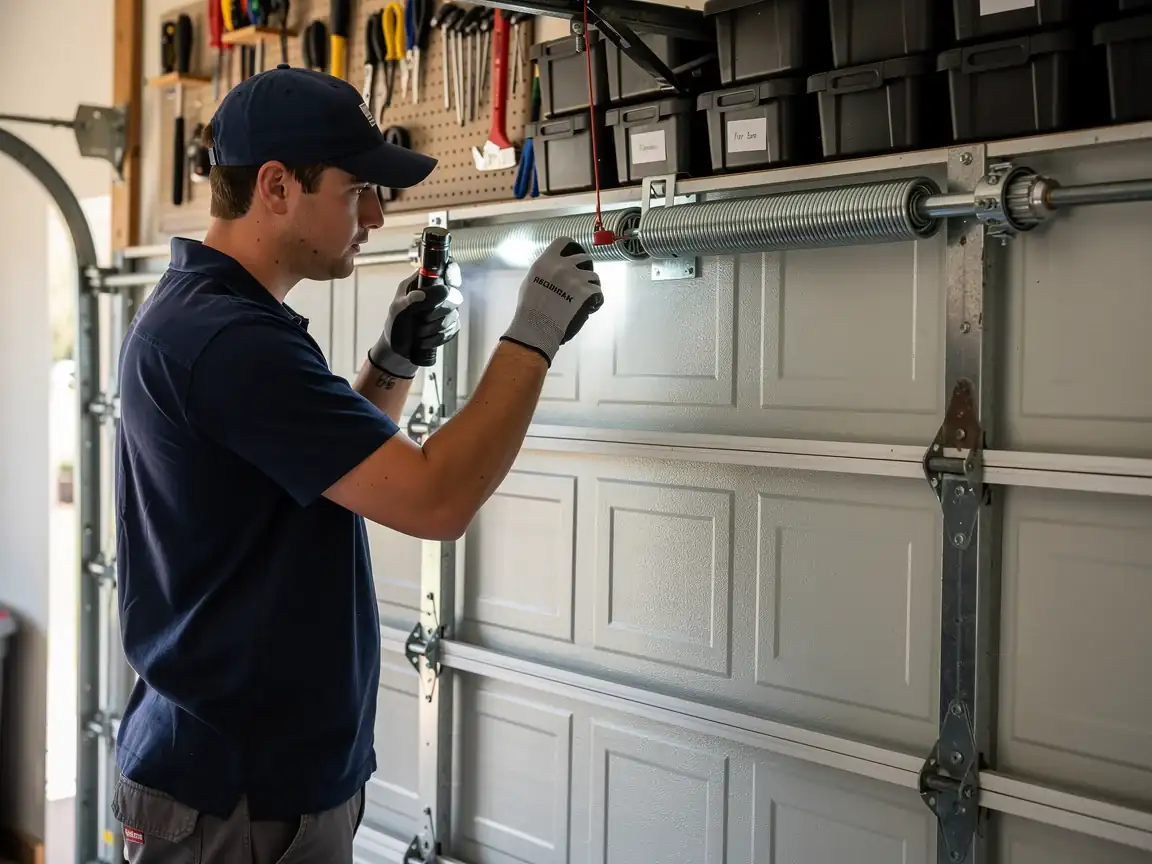
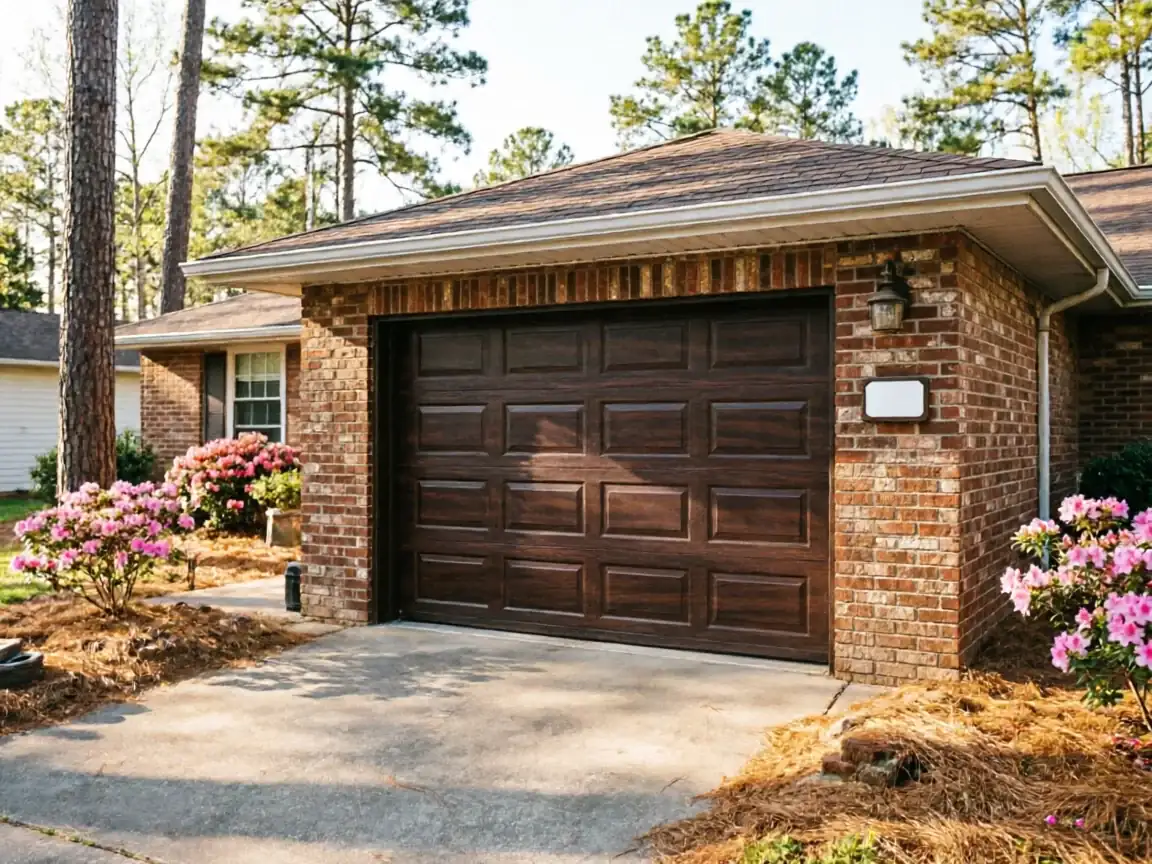
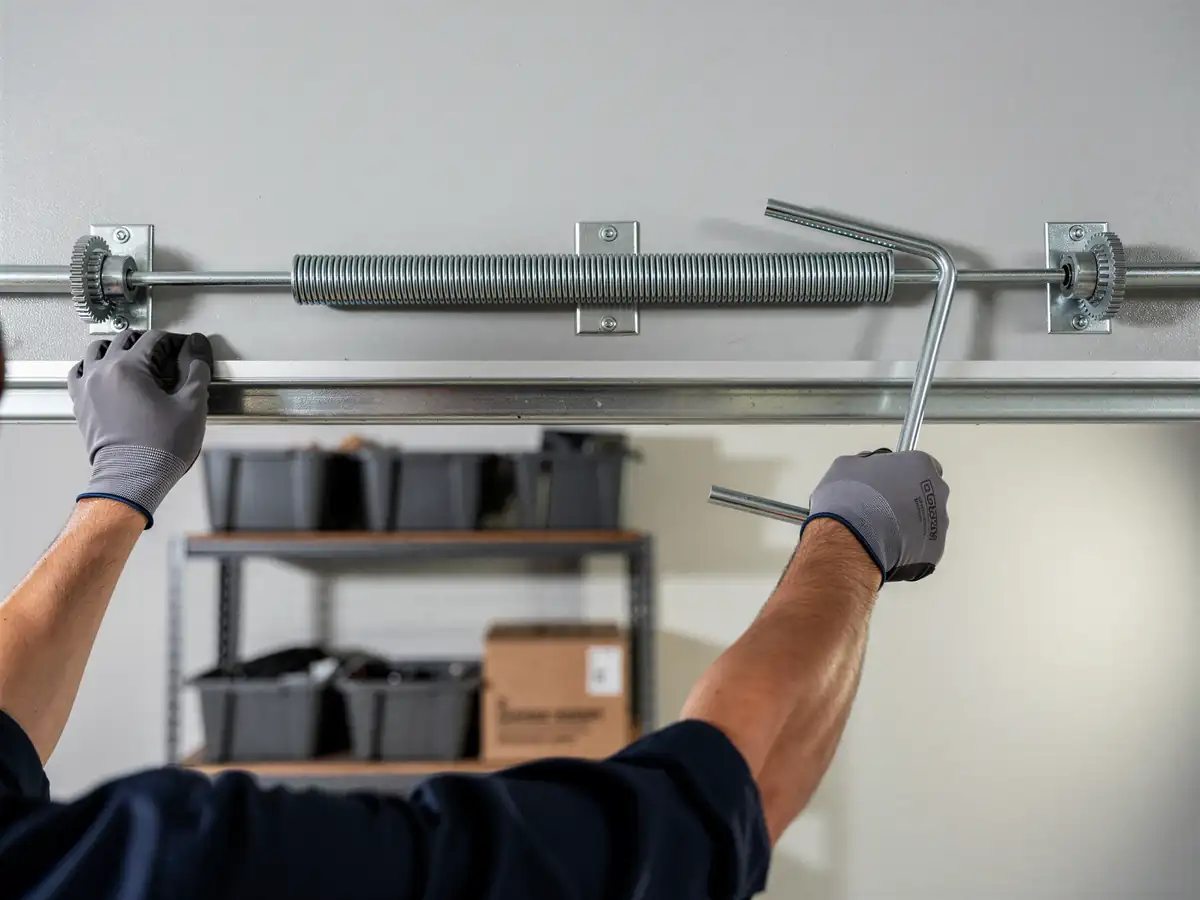
Which puts most garages on original torsion spring setups that have long since outlived any reasonable service life. Steel fatigues. A spring rated for a few thousand cycles doesn't care that it's lasted sixty years of mild winters - it cares about cycle count, and it's well past due.
The region sits in a cold-weather climate band with real seasonal swings
And that's hard on galvanized torsion springs and the grease in old rollers. Cold snaps tighten metal and thicken old lubricant right when a homeowner is leaning on the opener the most - heading out early, coming home late, door going up and down more in winter than anyone plans for. That combination, old spring plus cold stress, is the single most common reason a Fort Hunt door locks up without warning.
How We Fix It
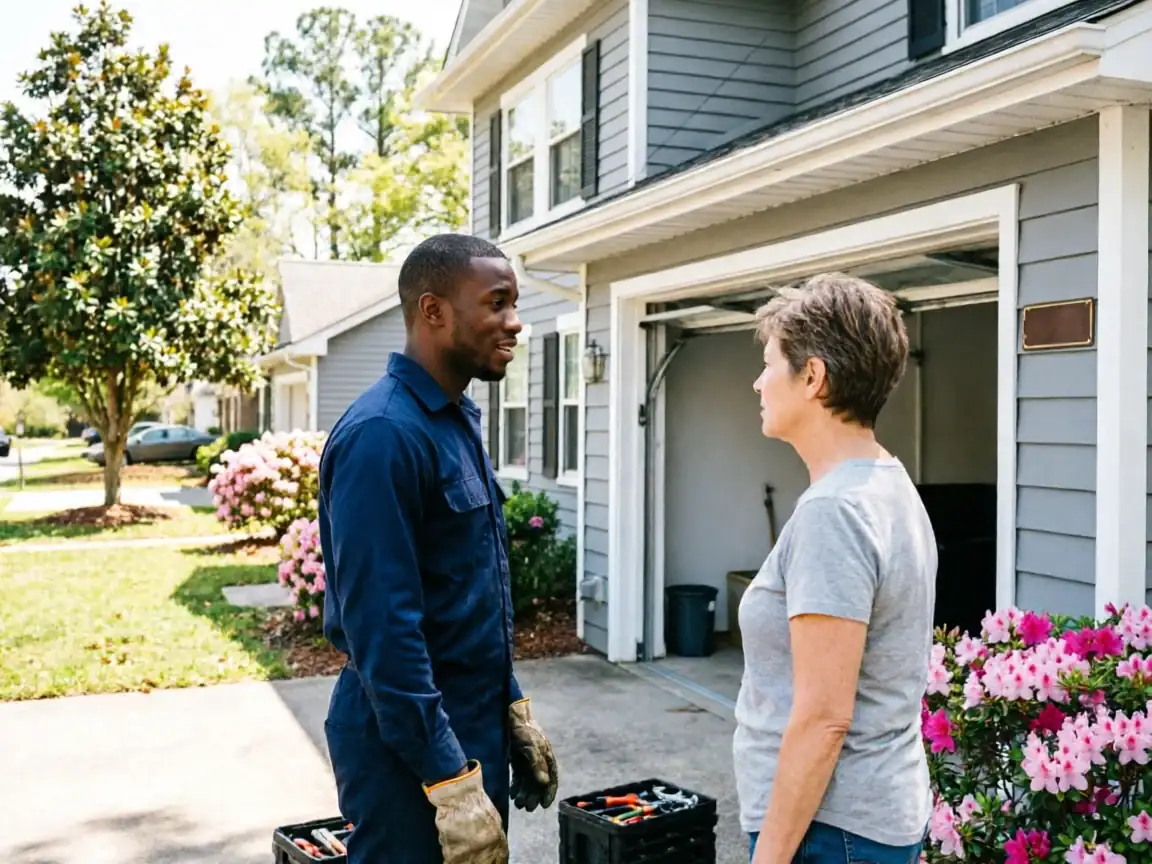
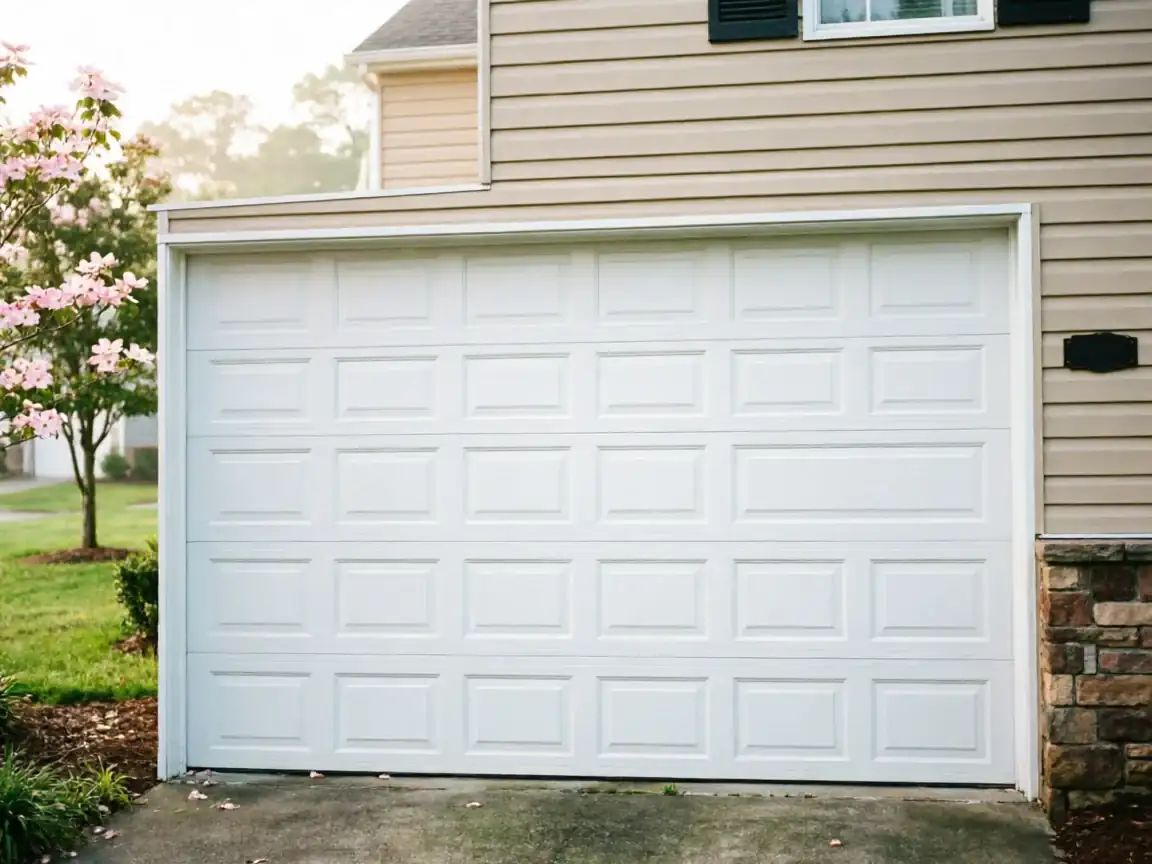
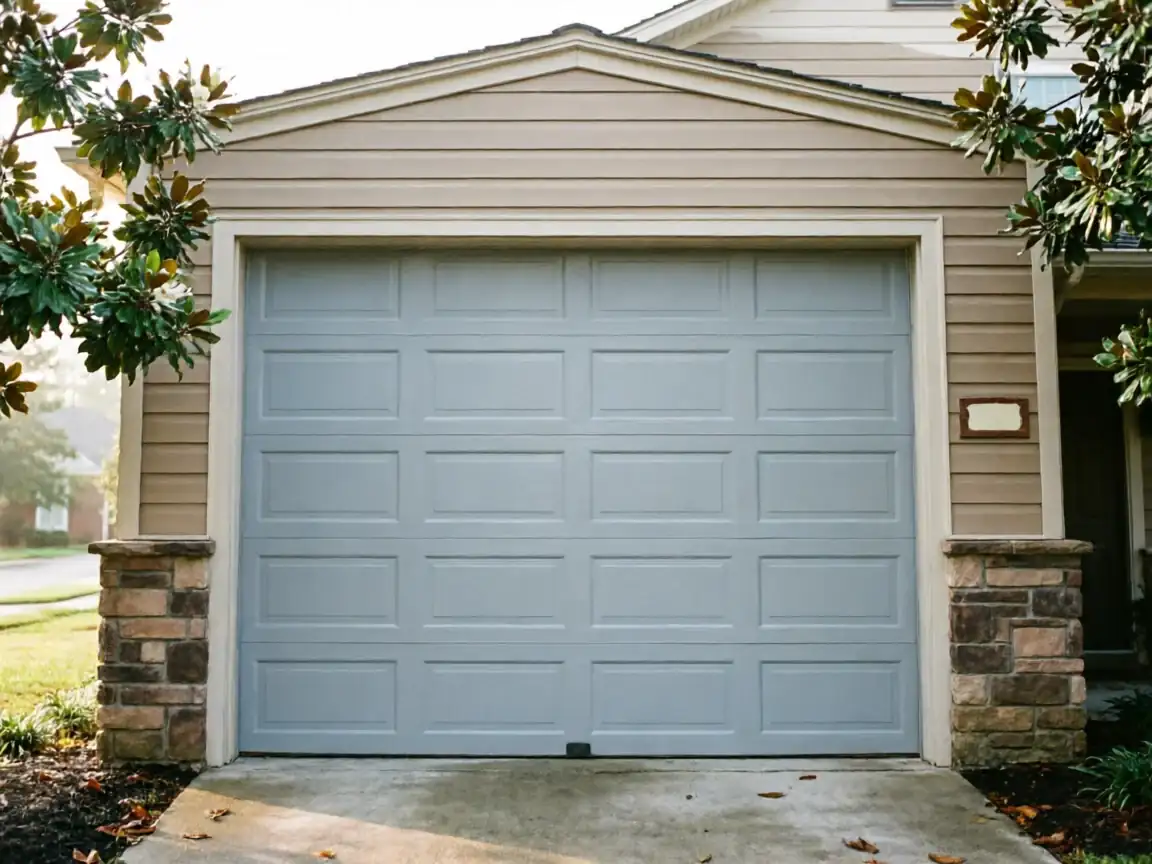
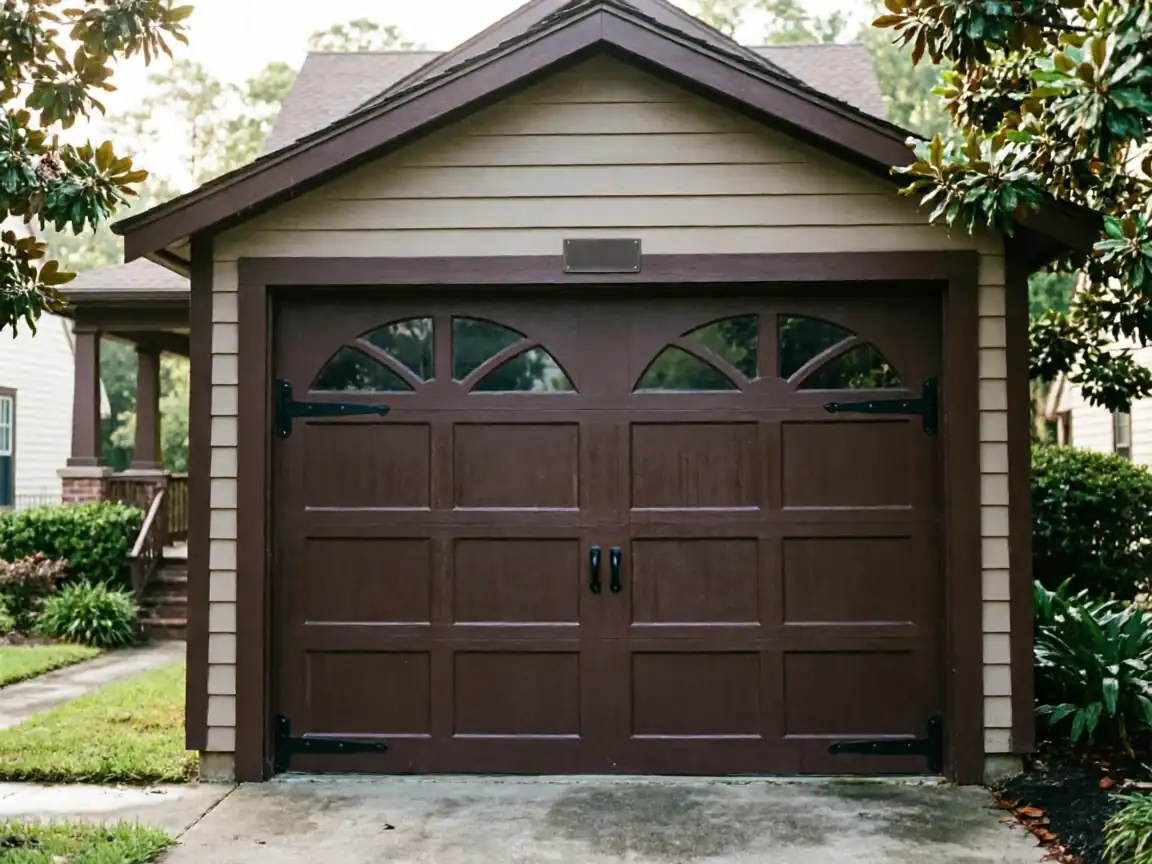
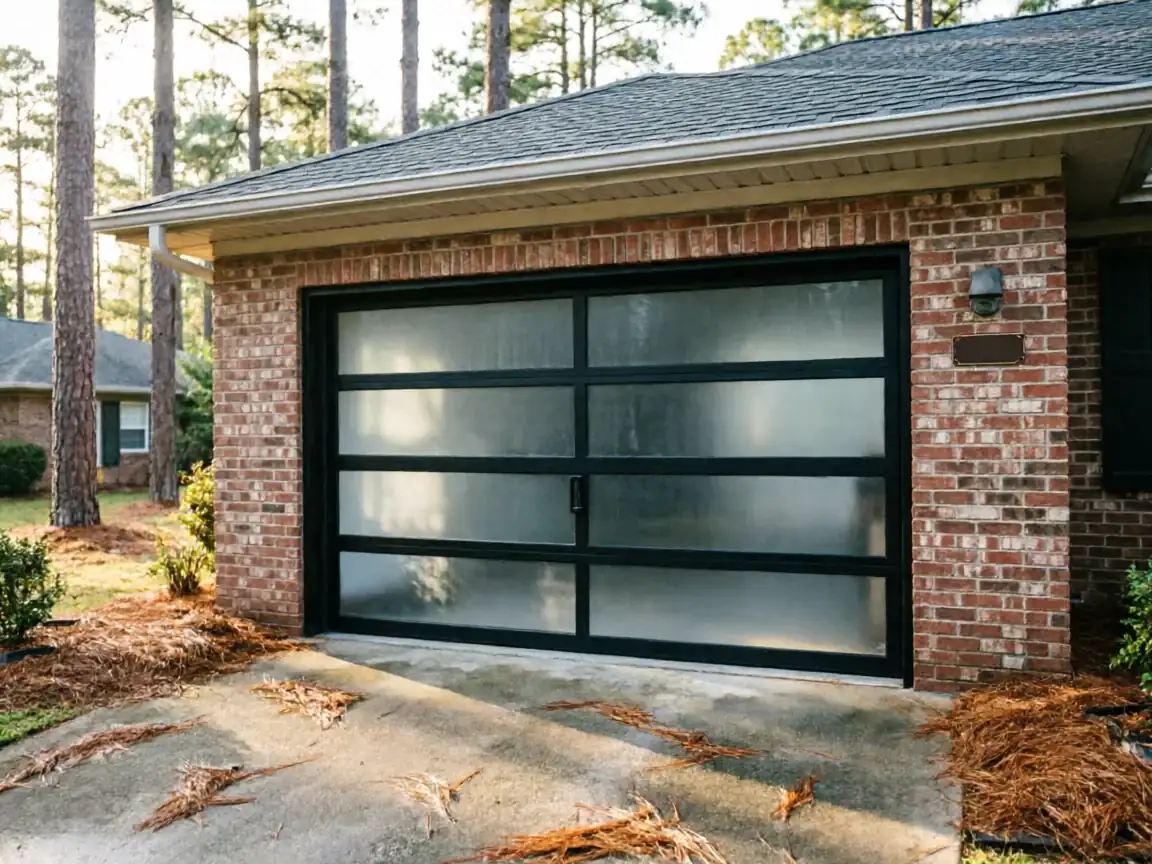
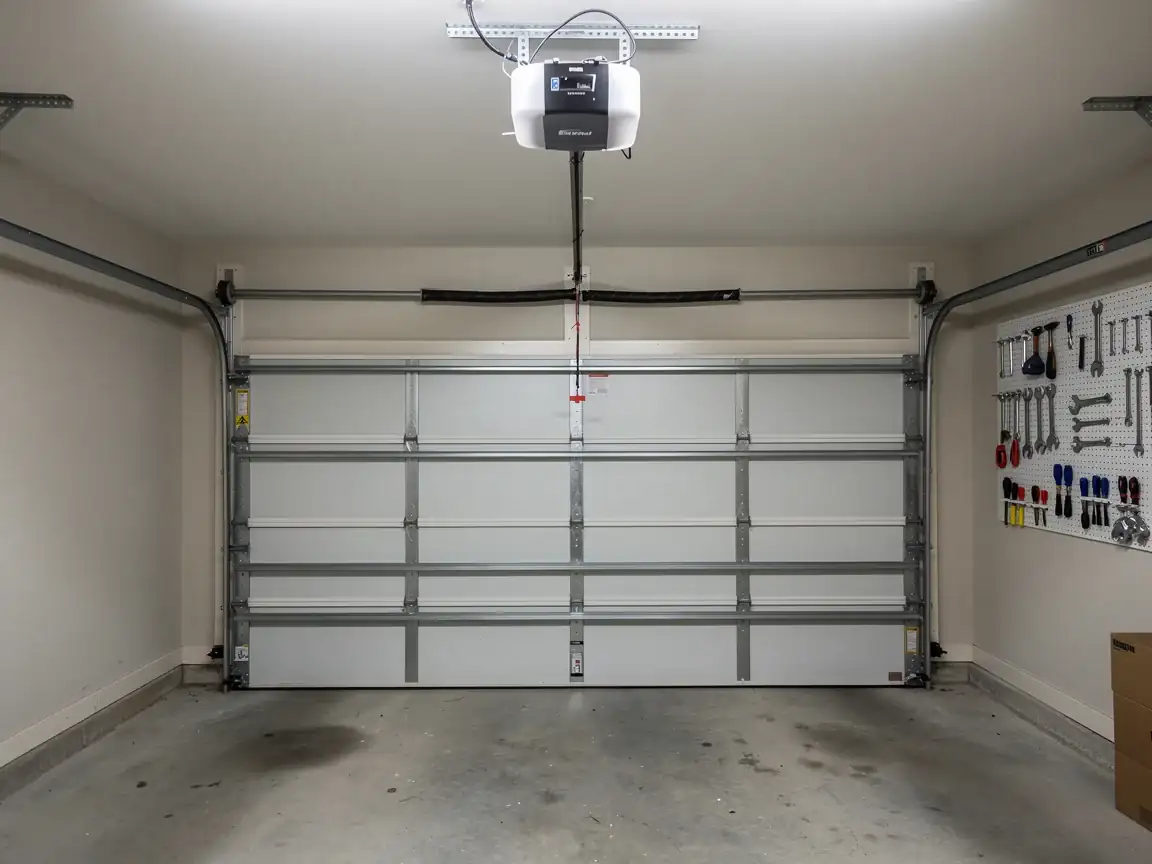
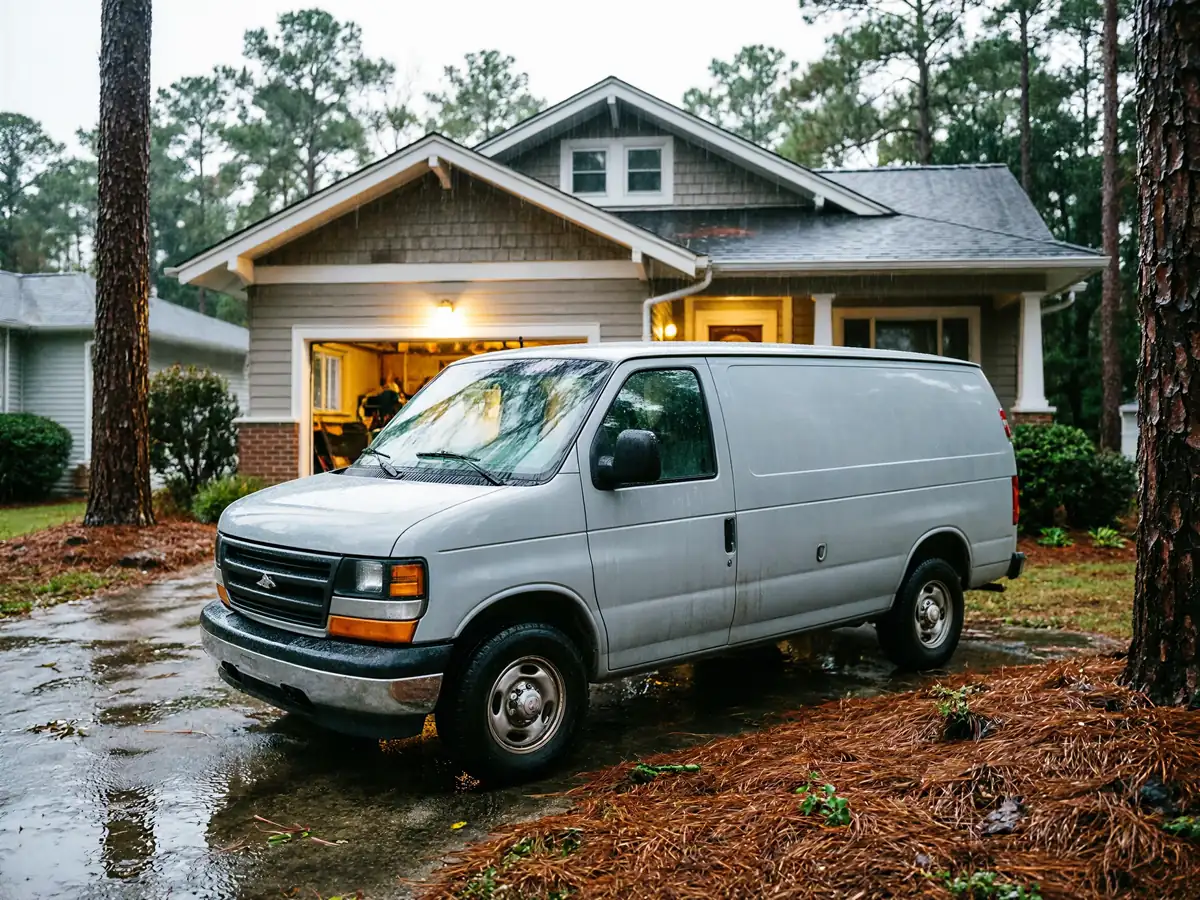
We don't carry a Fort Hunt address - the truck comes from Fairfax, about 15 miles out, so when you call we're routing out to you, not around the corner. What we bring is matched to what the neighborhood actually has: torsion spring sets sized for the 7-foot and 8-foot sectional doors common to houses from the 1960s era, plus the shorter-travel openers that go with them.
On a broken spring call, we replace both springs on a matched pair even if only one snapped, because the other is on the same clock and a mismatched set stresses the opener. If the track or rollers show the wear you'd expect on original hardware this old, we say so before we quote, not after.
We don't stock every obsolete panel or opener board on the truck. If a part is specific to a door model that's been out of production for decades, we tell you that on the spot - sometimes the honest fix is a new operator rather than hunting down a board nobody makes any more.
Time on the Job
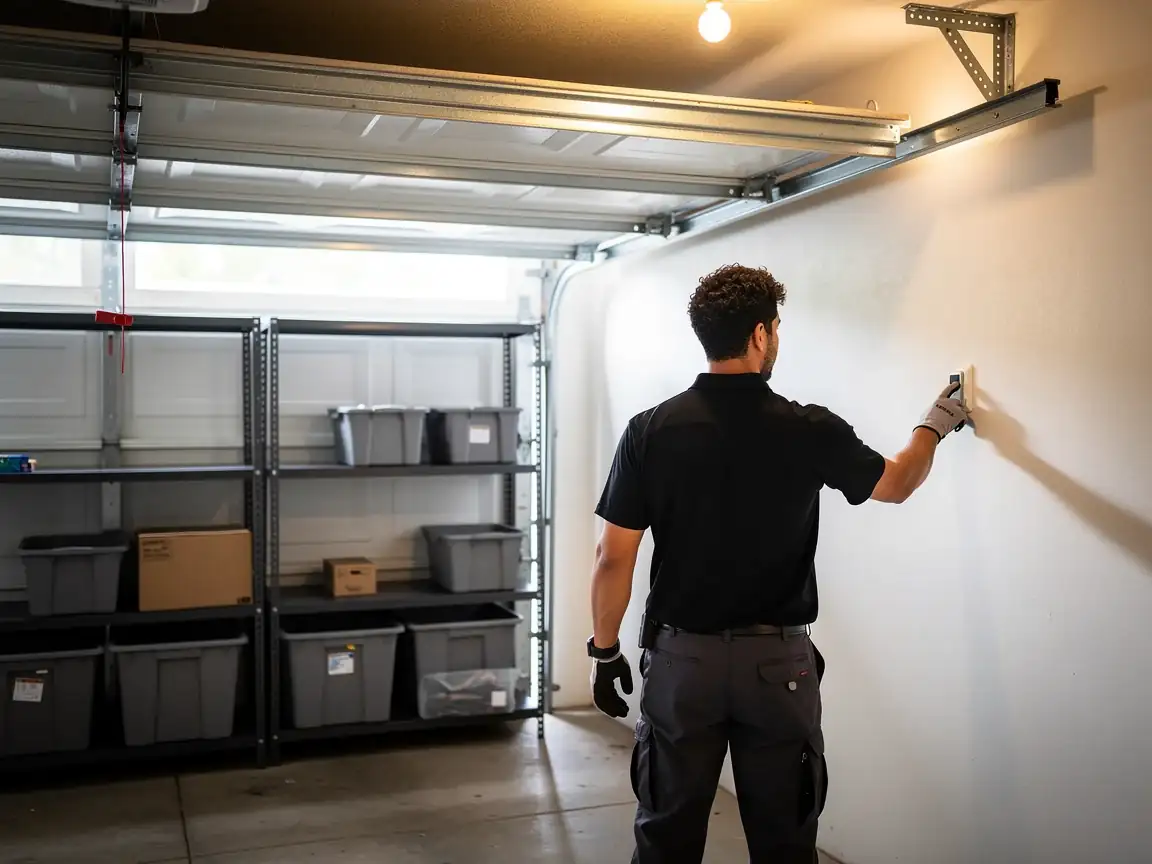
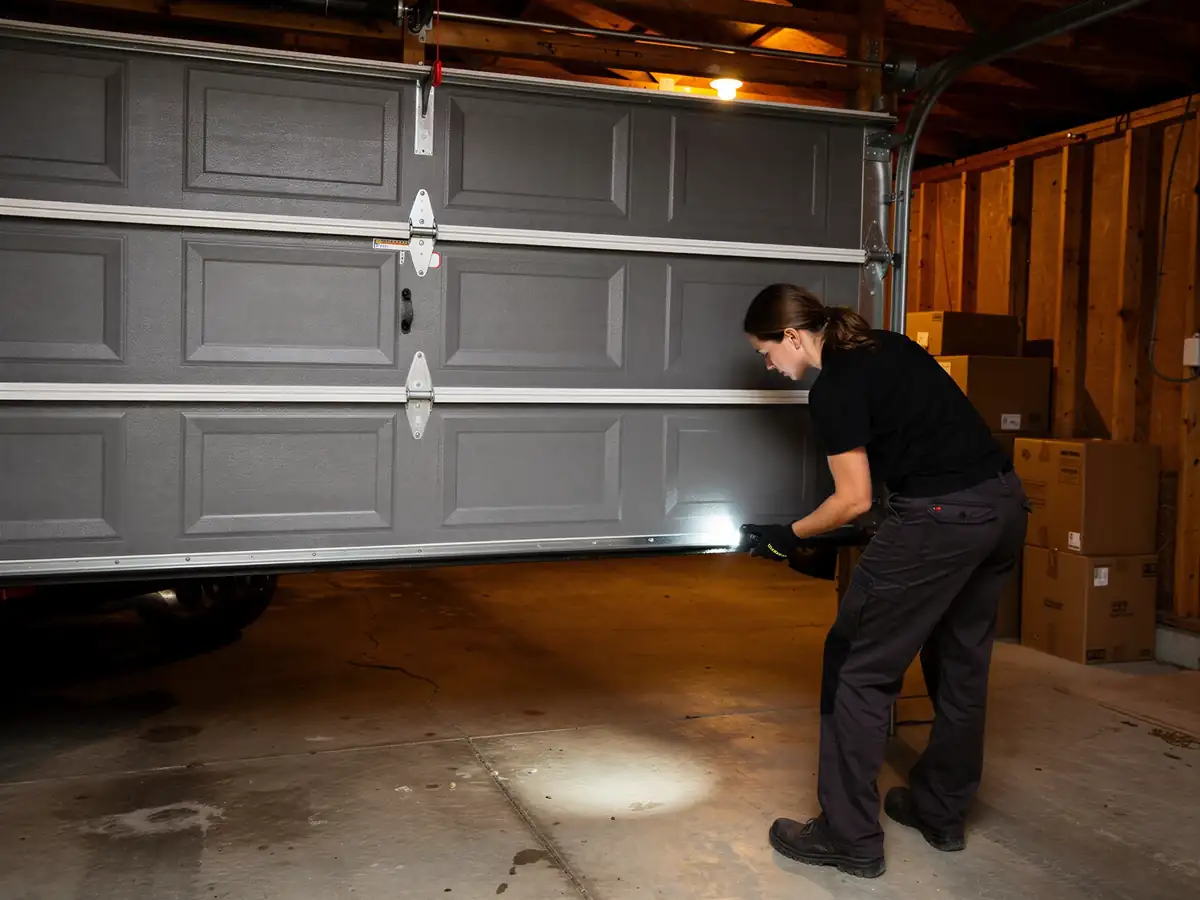
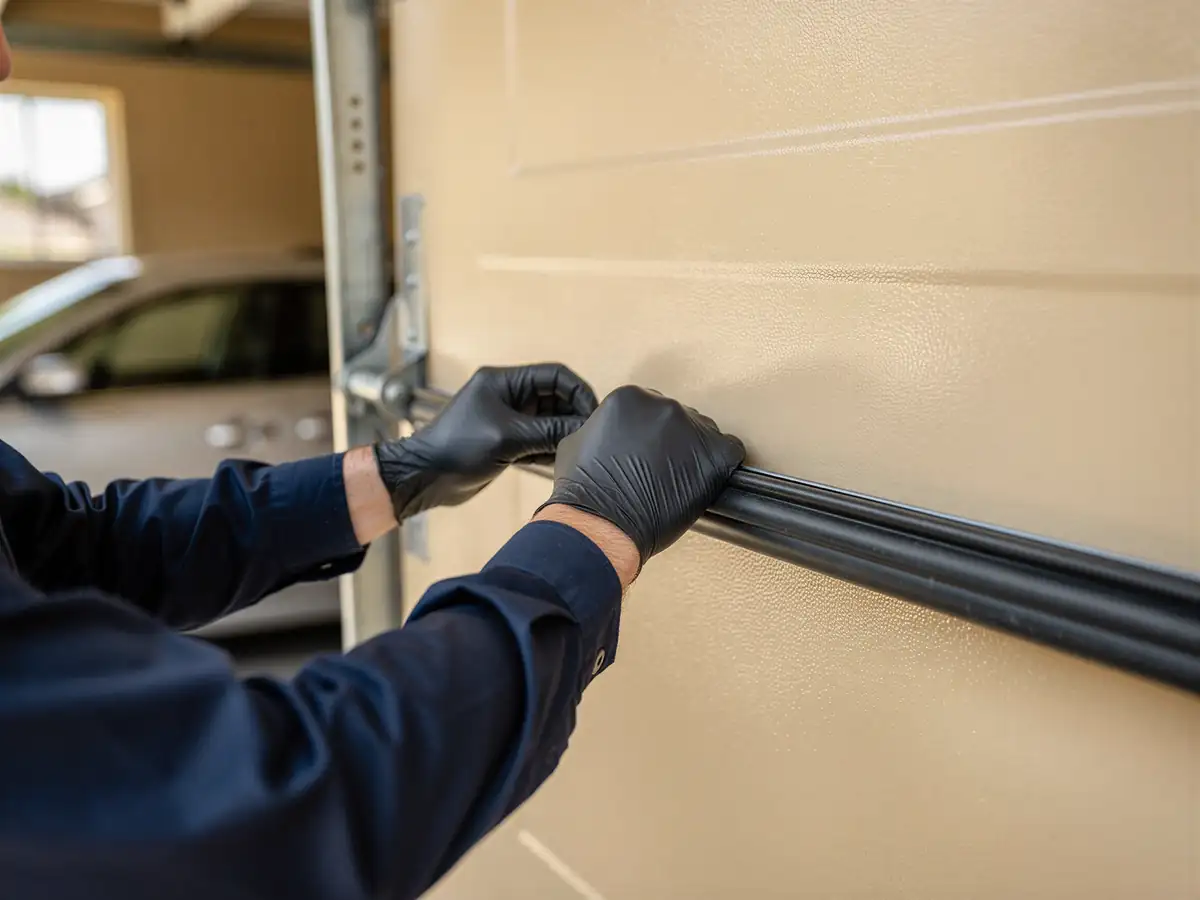
A torsion spring swap on a standard double door, done right, is a focused job - cables checked, drum alignment checked, the opener's travel limits reset after the spring tension changes. We don't rush that last step. A door that closes hard because the limits weren't reset after a spring job is a worse call than the one you started with.
Houses from the early-1960s wave often have a second wrinkle: a cable or roller that's never been touched since the original install. When that shows up mid-job, we deal with it then rather than leaving it half-fixed and booking a second visit. That adds time on site, but it means one trip instead of two.
Can You Do This Yourself
Don't touch a wound torsion spring
It's holding enough stored energy to break a wrist or worse, and that's true whether the door is five years old or sixty. That's not a Fort Hunt thing - it's physics, and it's the one line we won't let a homeowner cross on the phone.
What you can reasonably check yourself
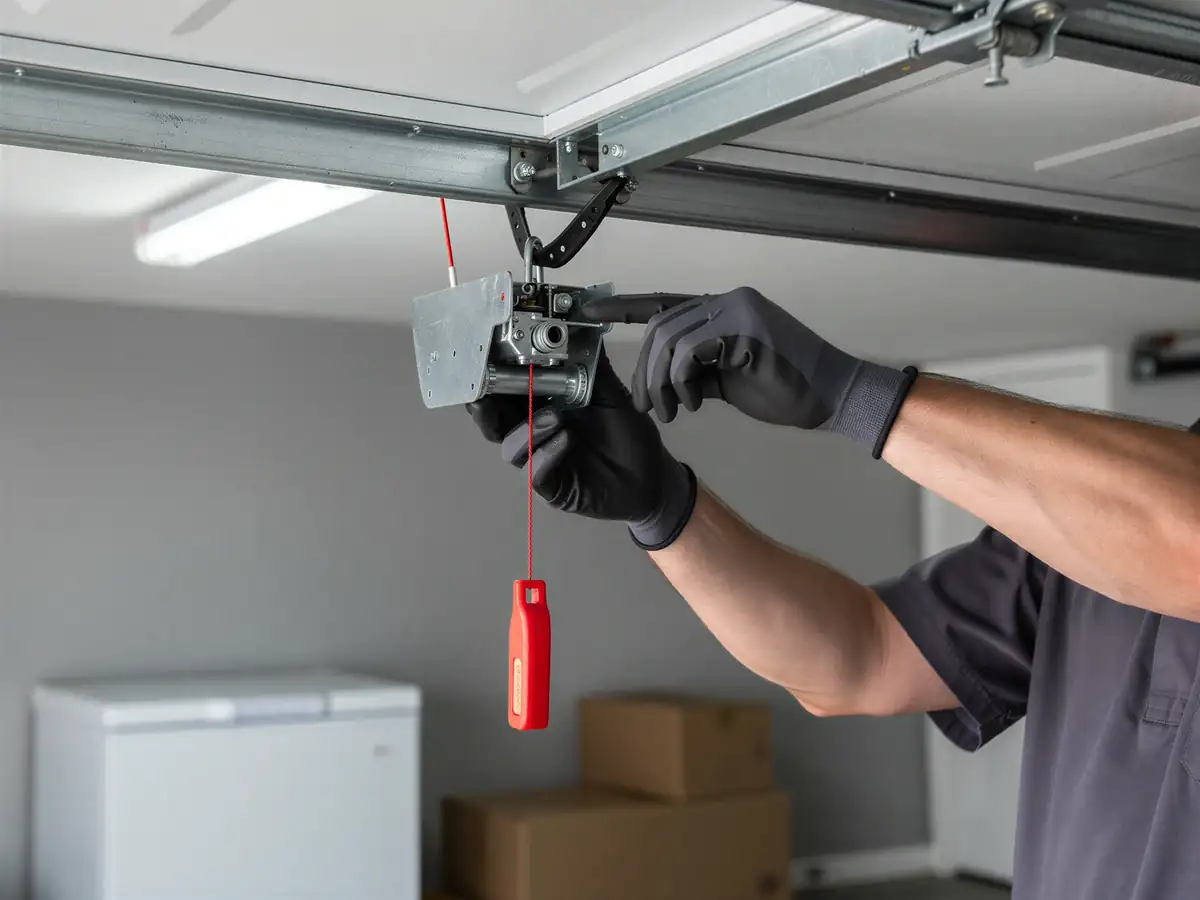
The photo-eye sensors near the floor (wipe them off, make sure nothing's blocking the beam), the manual release cord if the opener's dead, and whether the track bolts have worked loose, which happens on older installs. None of that requires a spring wound or unwound.
If your garage is original to a house built around 1963
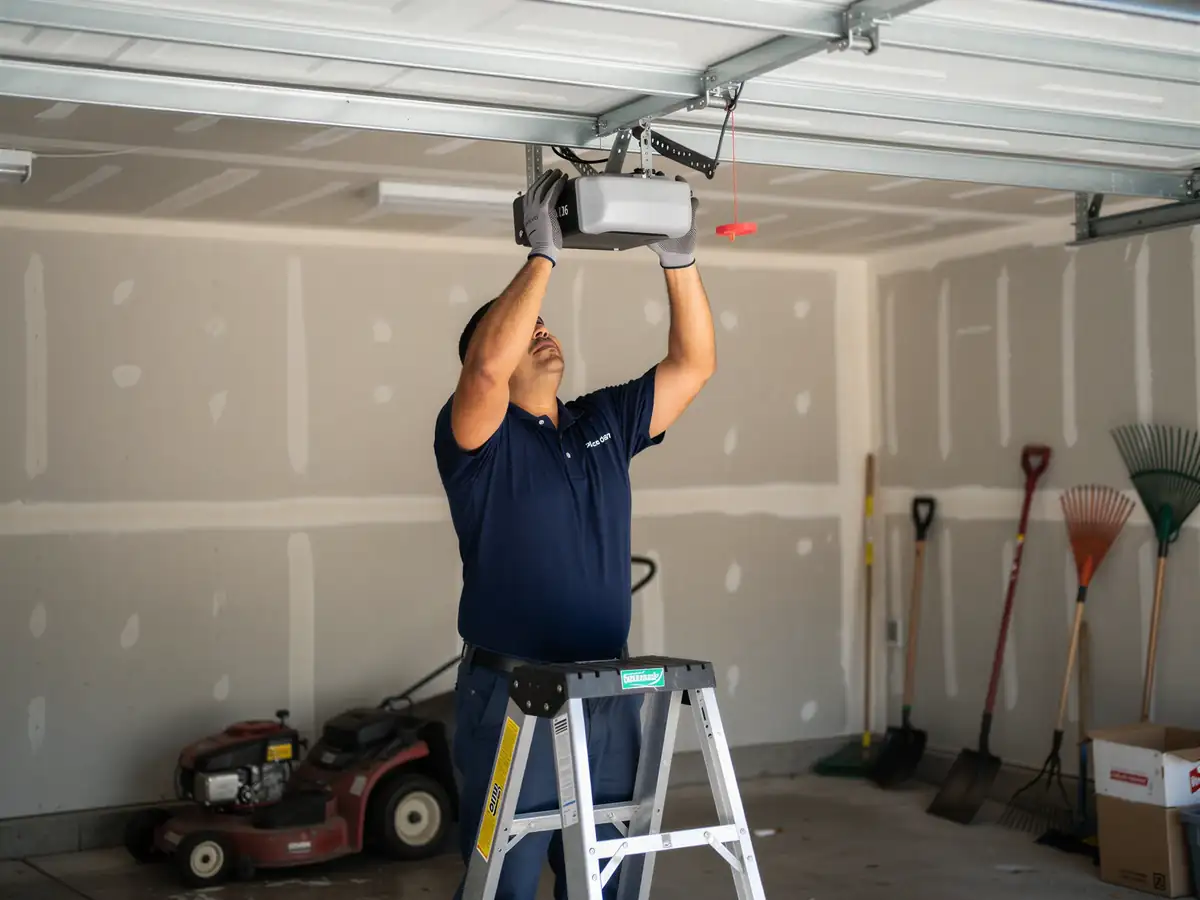
The opener motor itself may also be near the end of its run even if the door looks fine. Worth mentioning to whoever comes out, since a spring fix on a dying opener is money spent twice.