Why It Happens Here
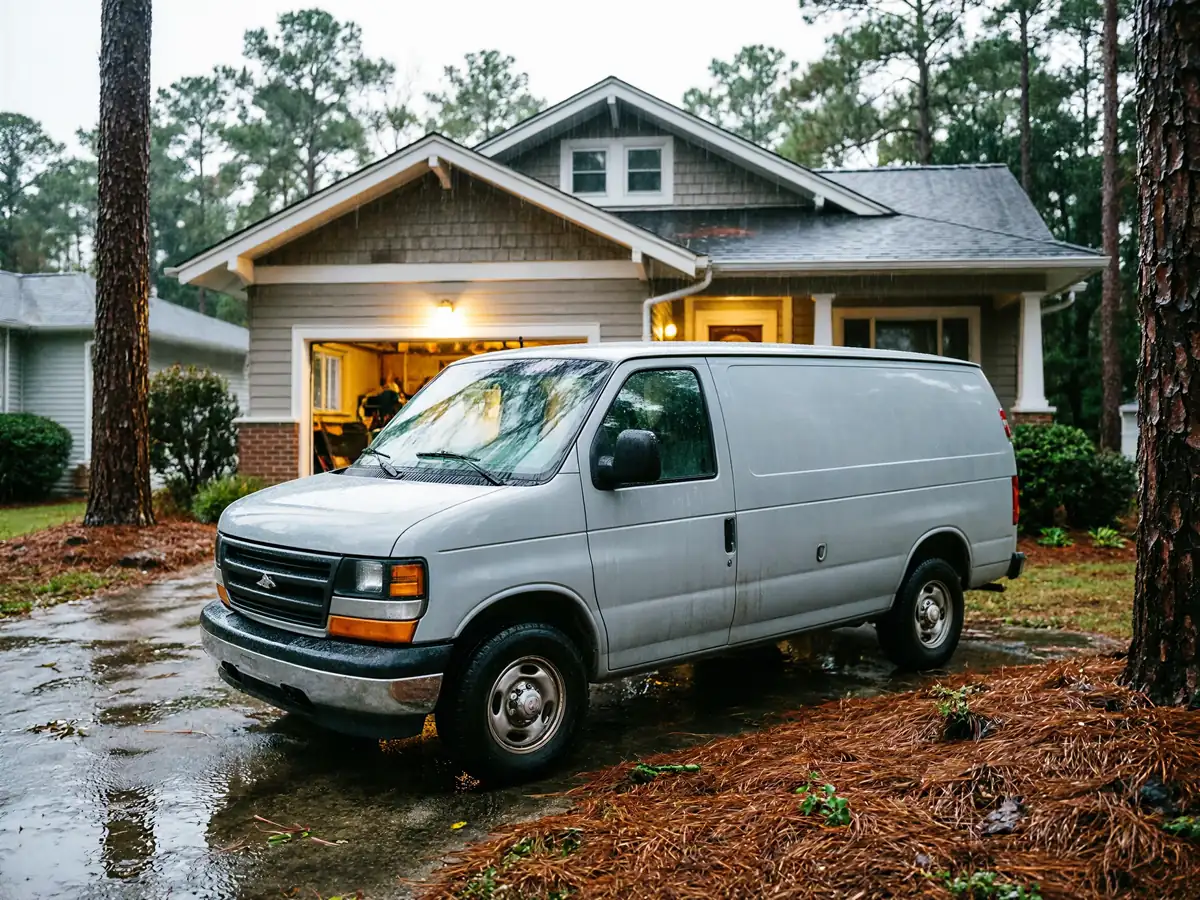
Fort Hunt sits about 15 miles from our shop in Fairfax
Which is the first thing worth knowing if you're planning a new door install: this isn't a job we can swing by for on a whim between two closer calls. We plan the trip, bring what the job needs, and do it in one visit rather than piecing it together over several.
- 15 miles
The houses out this way mostly went up around 1963
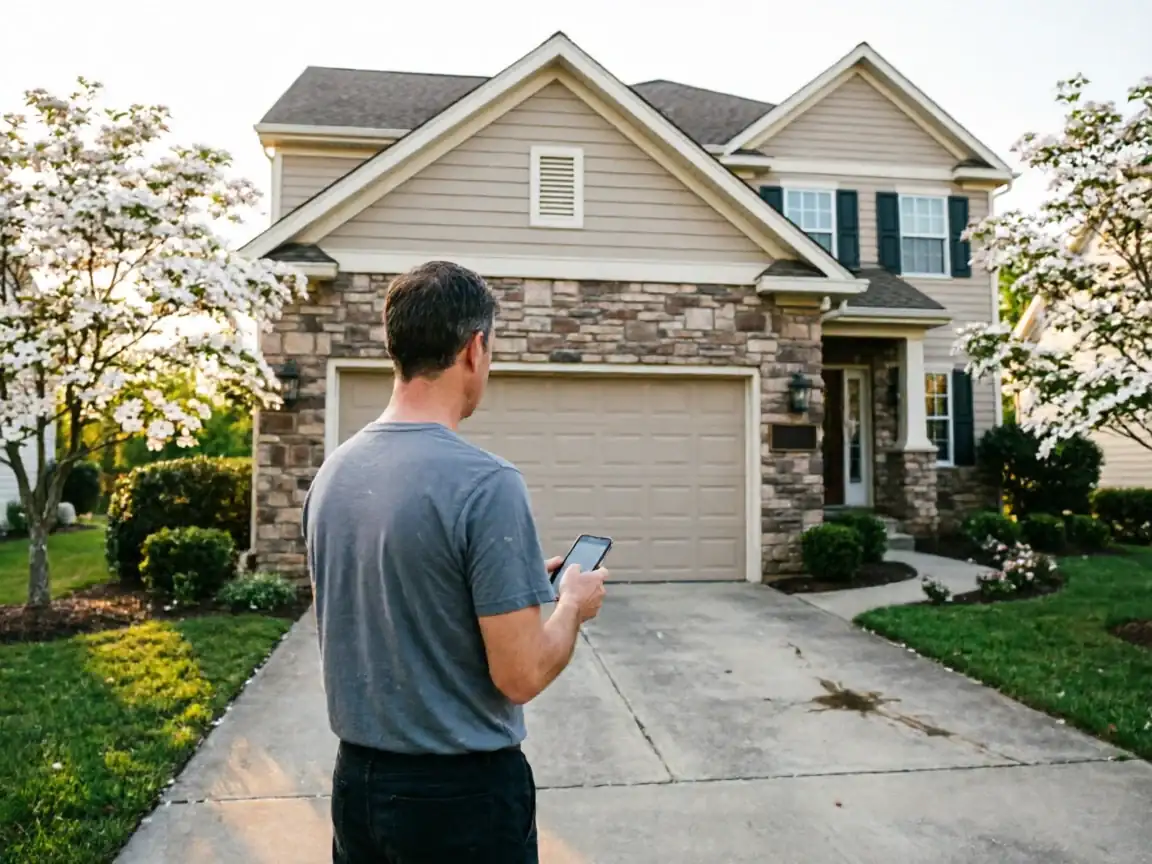
Which puts Fort Hunt squarely in the same build wave as nearby Woodlawn, Hybla Valley, and Belle Haven. Doors from that era were sized for openers and track hardware that nobody manufactures anymore, and a lot of owners are still running the original wood or early steel door on a frame that was never built for today's insulated panel weight. When that door finally gives out - usually a bottom panel rotted through, or a track bent from years of a sagging spring - replacement is almost always the better call than another patch.
Winters here are cold enough that an old, uninsulated door turns a garage into an icebox
Which matters if the garage shares a wall with living space, a common layout in houses this age.
How We Fix It
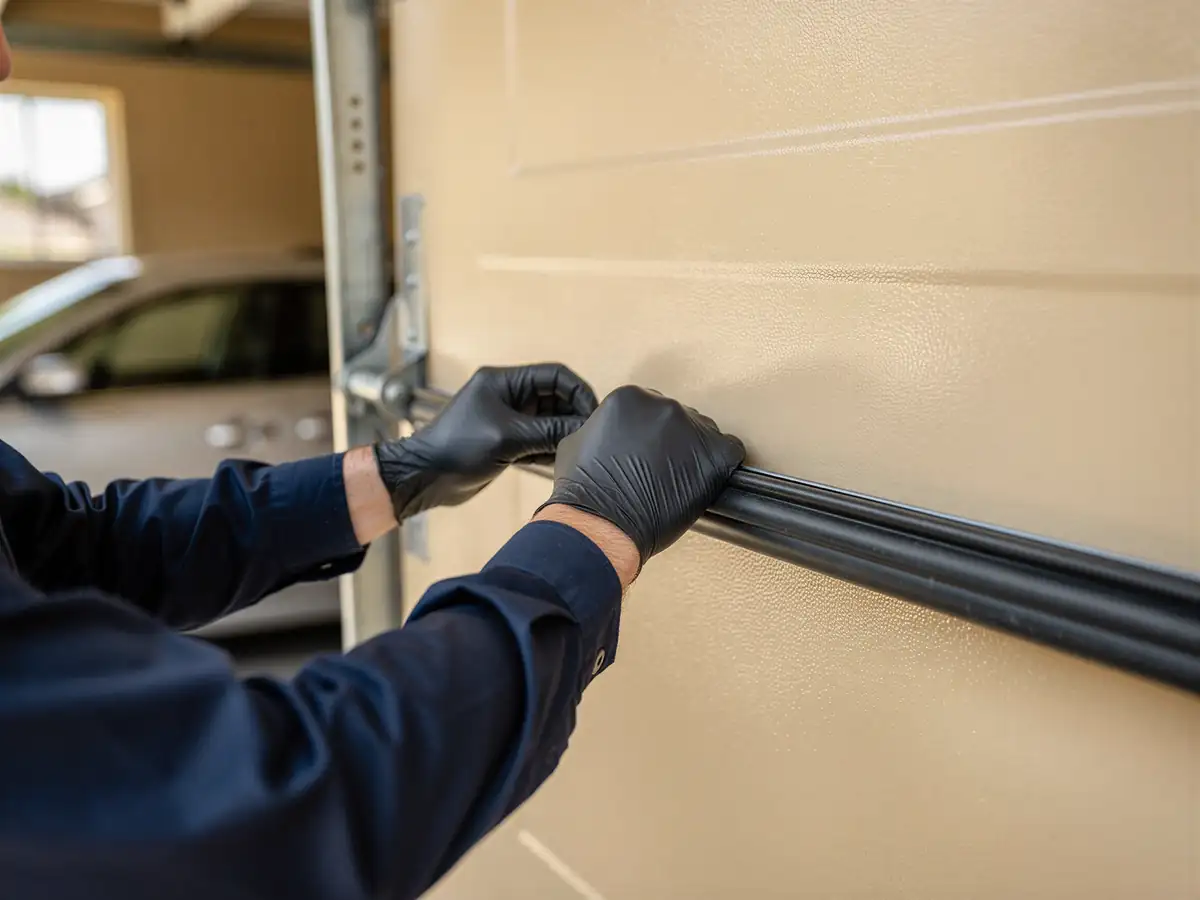
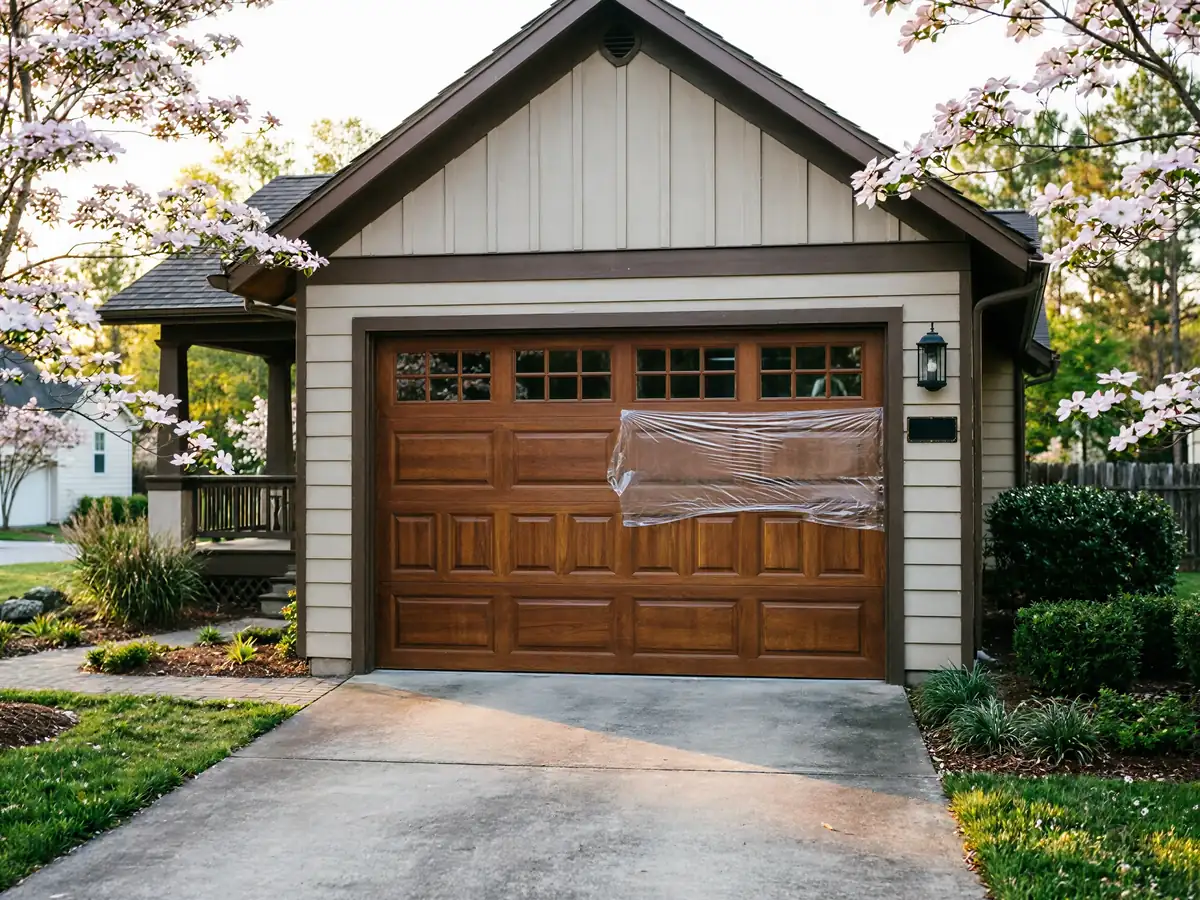
We measure the opening first, because a 1963-era frame is rarely a clean match for stock door sizes without some adjustment at the jamb or header. Then we talk through door type: insulated steel panel doors are the standard swap for this housing stock, since they handle the cold-weather swings better than the bare steel or wood doors most of these houses started with.
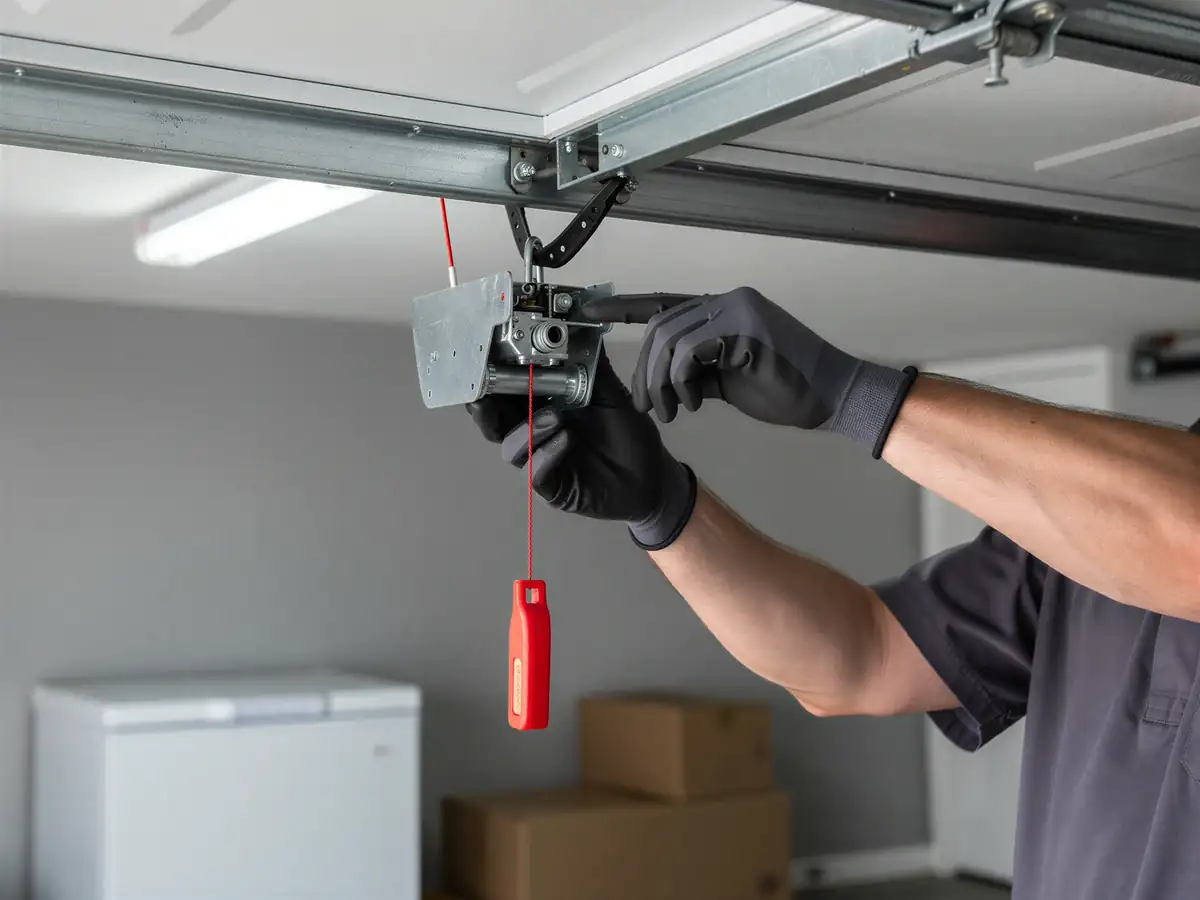
We pull the old door and track as one job, not two separate visits - on the drive we make out here, coming back a second time for the track isn't something we do. New track gets set plumb and square against a frame that's had sixty years to settle, which on some houses means shimming the jamb before the door goes in at all.
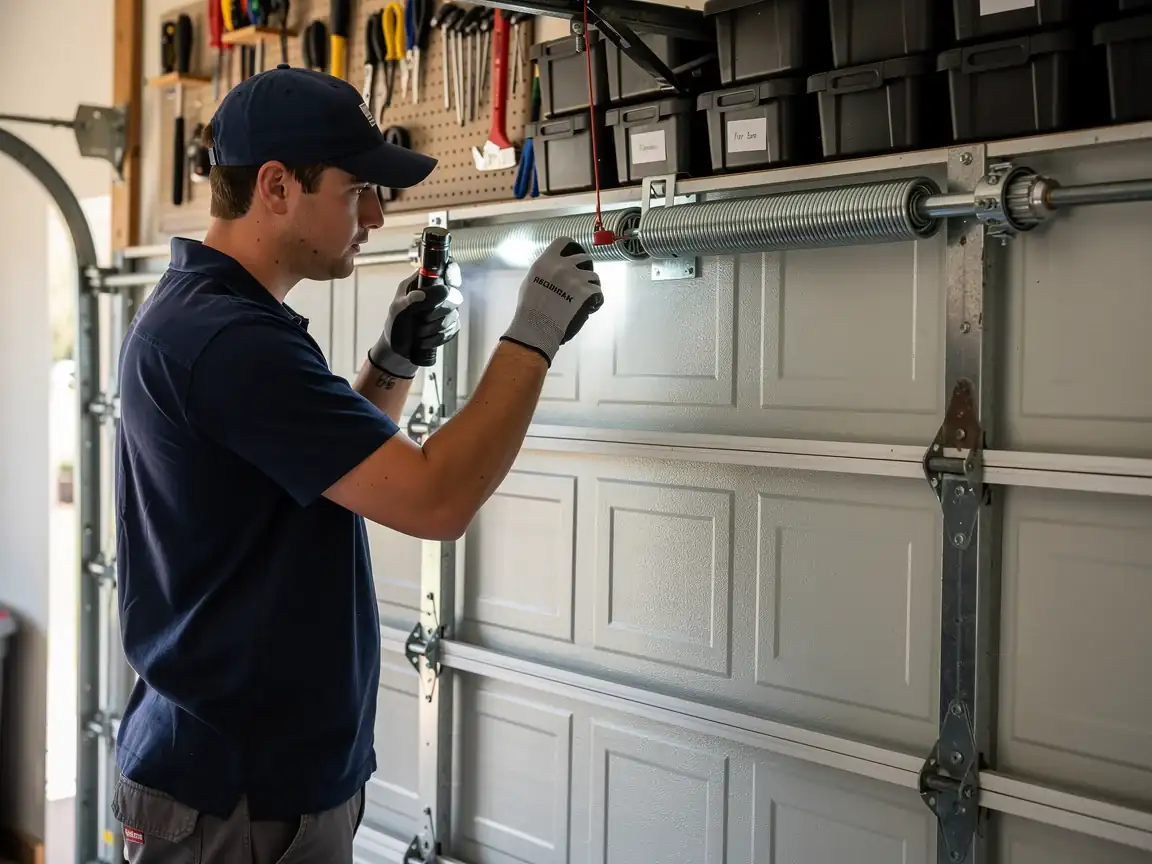
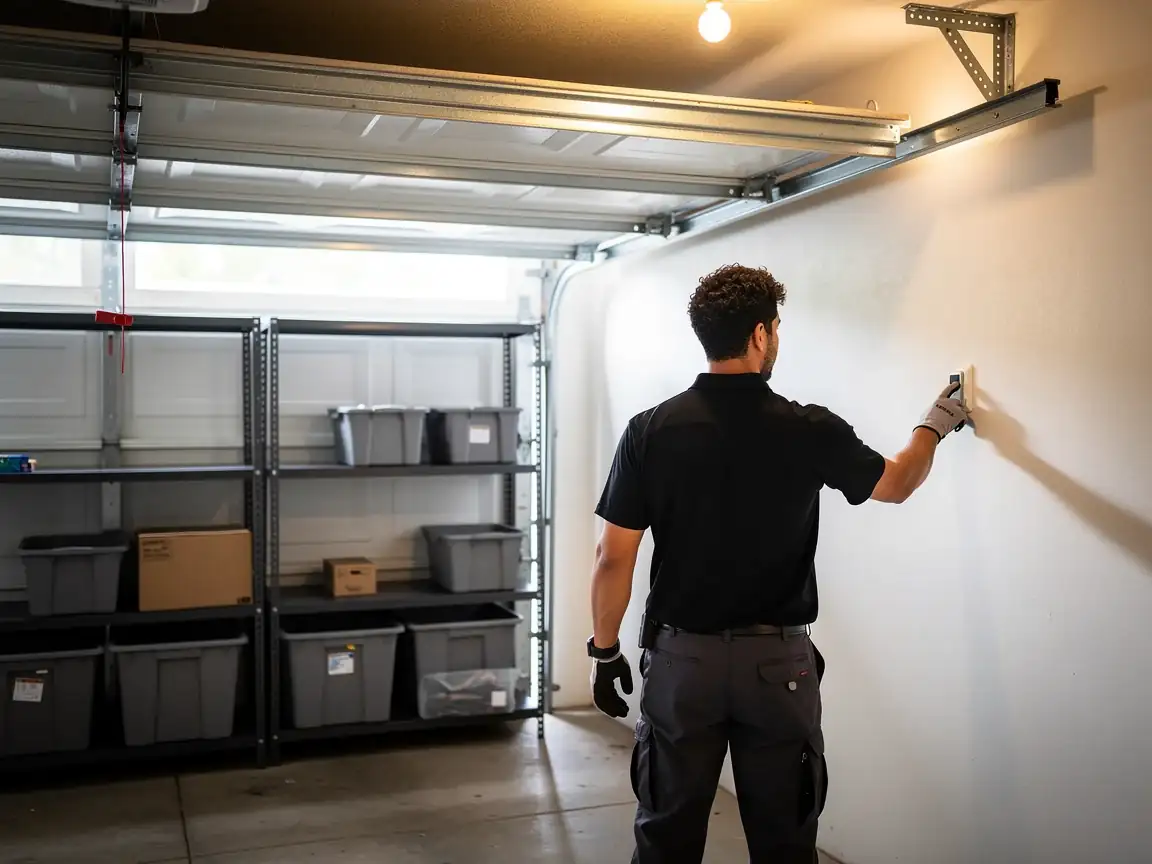
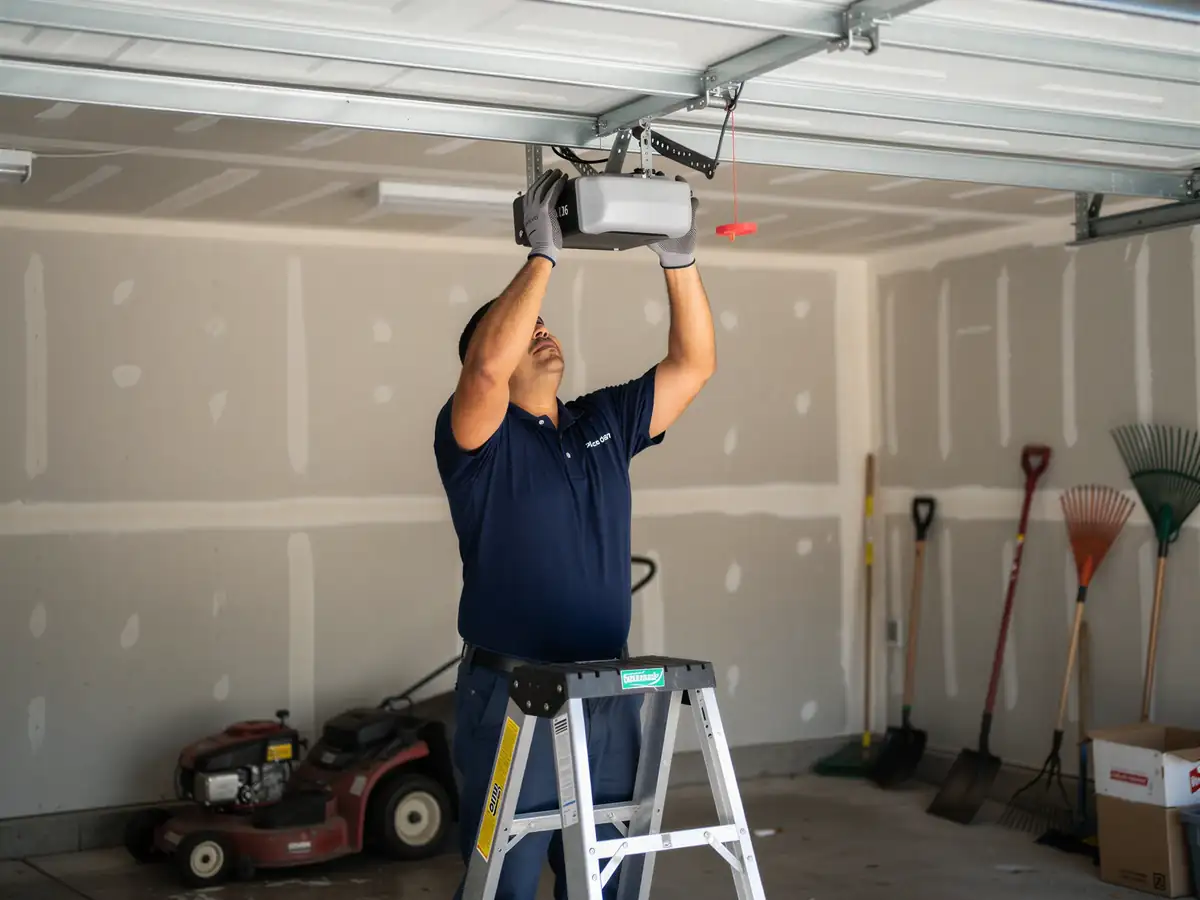
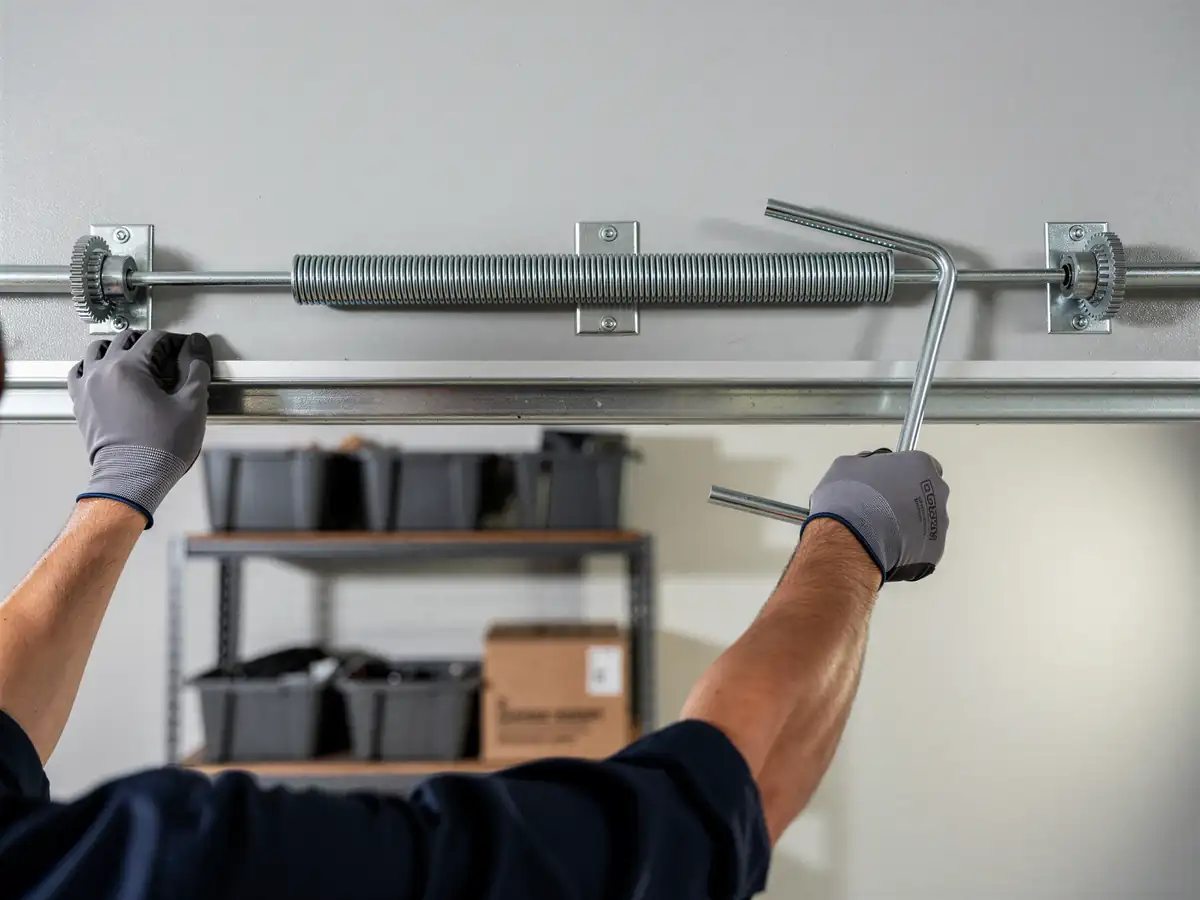
Once the new door's hung, we set spring tension to match the actual panel weight - insulated doors run heavier than what used to be in that opening, and the old spring size is almost never right for the new door. We finish by cycling the opener through a full open-close run and checking the auto-reverse, since that's a safety check we don't skip on an install trip this far out.
Time on the Job
A straight swap - same size opening, no frame repair - usually runs about half a day once we're on site. Add header or jamb work, which comes up more often than not on houses built this early, and it can run longer.
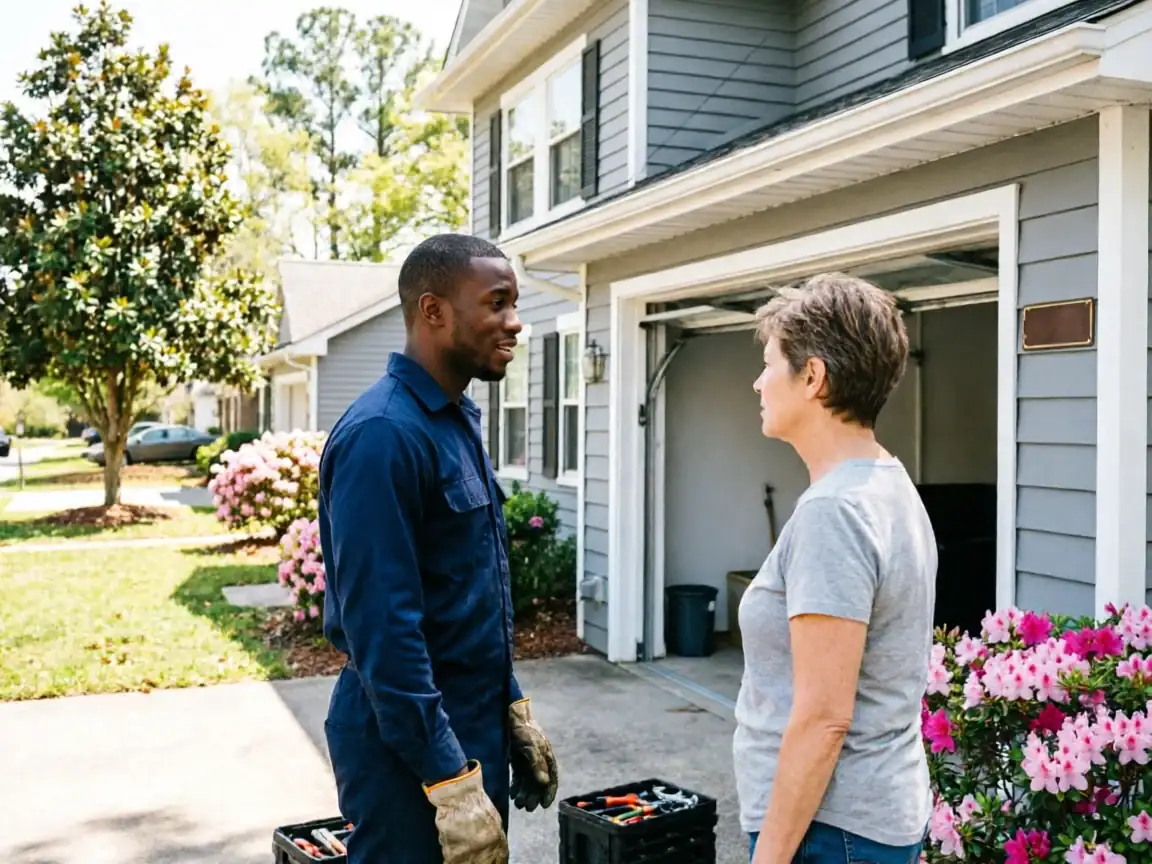
Because the trip from Fairfax is 15 miles each way, we schedule Fort Hunt installs as a full appointment rather than squeezing one in between closer jobs. That's not a complaint about the distance - it's just how we make sure the job gets done right instead of rushed to make it back for something else.
Can You Do This Yourself
A garage door panel you can replace yourself if you're handy and the frame is square
A full install with a new door, new track, and spring sizing to match is a different matter - a torsion spring under tension is genuinely dangerous, and getting the tension wrong on a heavier insulated door is how people get hurt or end up with a door that slams instead of lowering.
On houses from the early 1960s, there's also a decent chance the opening itself isn't quite square anymore after decades of settling
And that's not something you catch until the new door won't seat right. We'd rather tell you that upfront than have you find out halfway through a Saturday project with a half-hung door and no way to finish it.