Why It Happens Here
The call we get most from Fort Hunt isn't a door that won't open
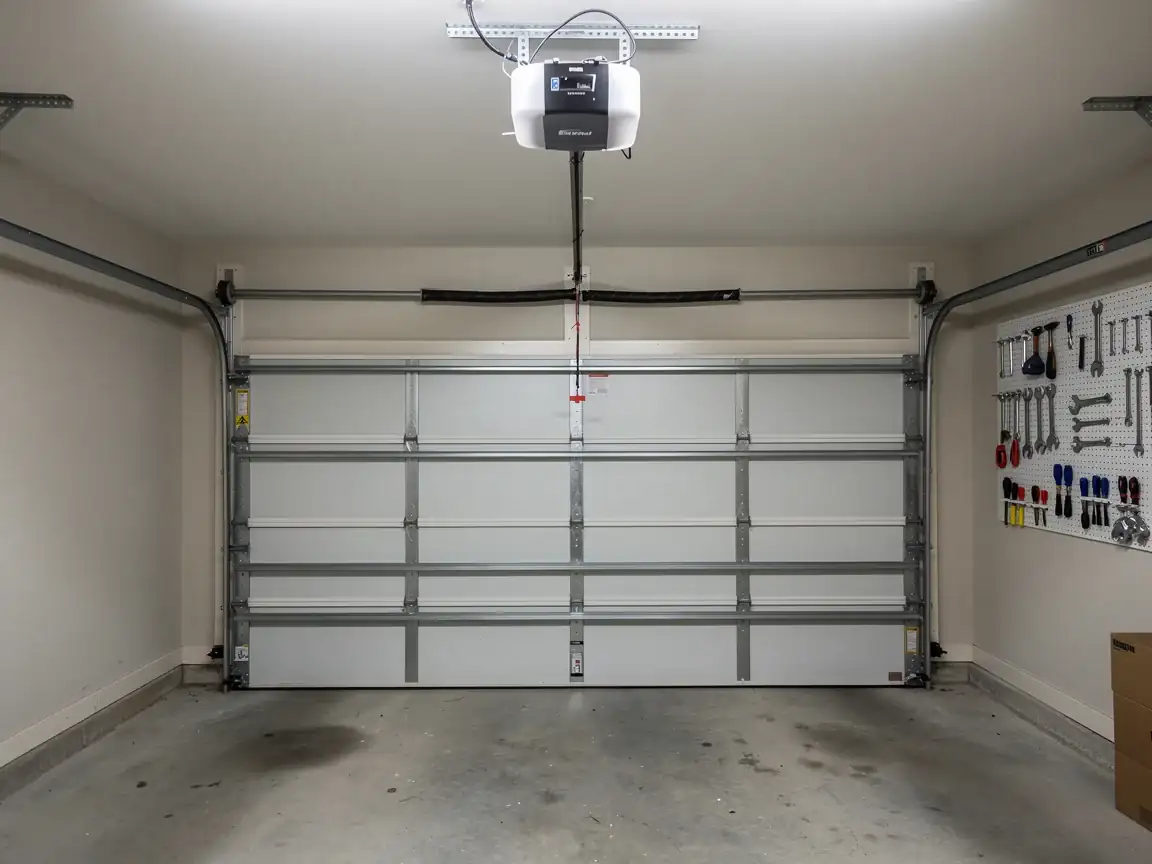
It's an opener that hums, clicks, or trips the breaker and does nothing else. That points to a dead capacitor or a logic board that's given out, not a door problem at all.
It tracks with the housing here
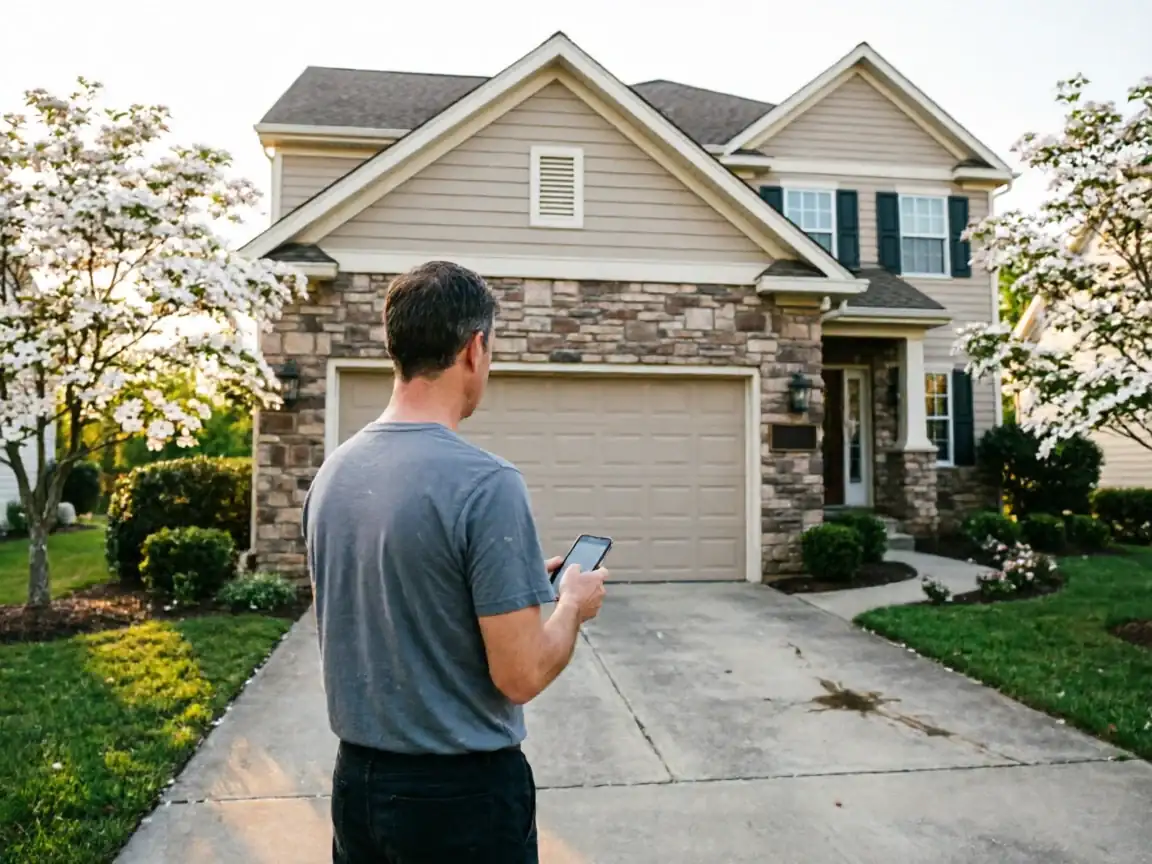
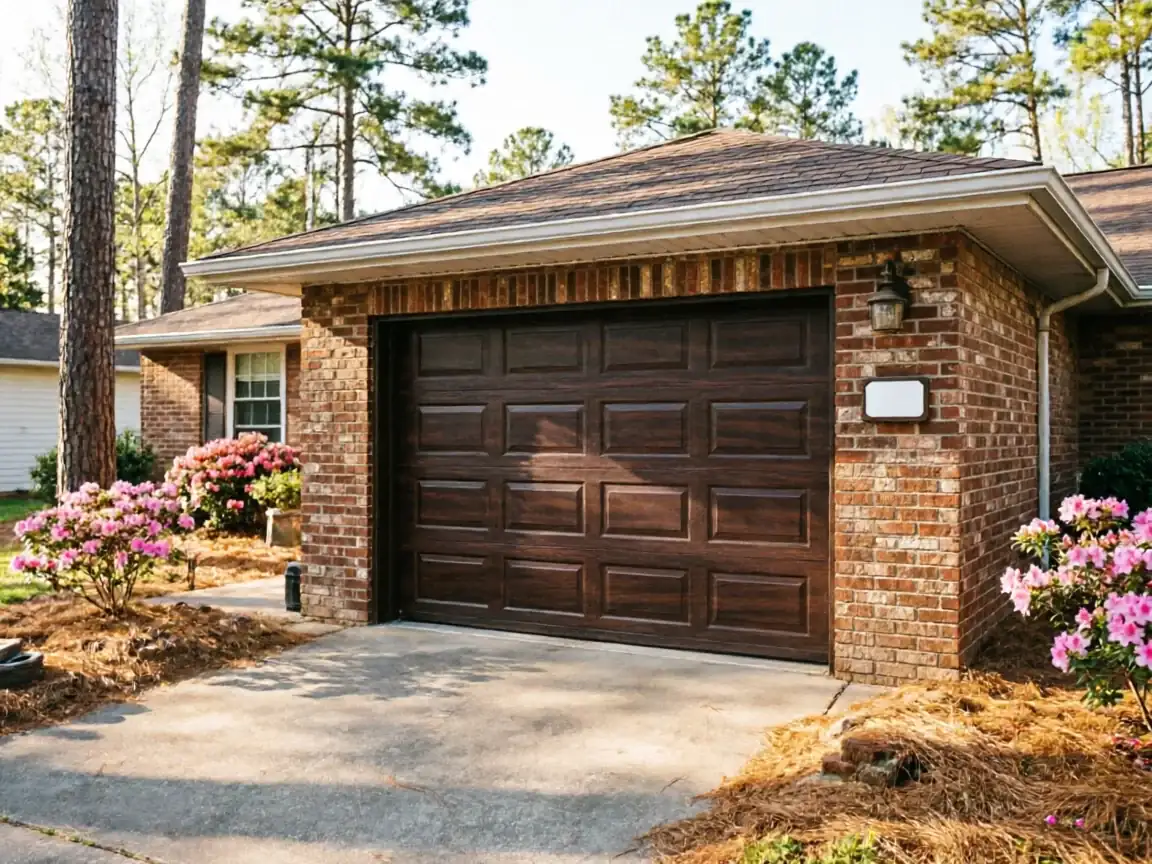
Fort Hunt's homes went up mostly around 1963, a good decade and a half before the garage door openers most people picture today became common. A lot of these houses still run original or first-replacement chain-drive units, built with mechanical relay logic rather than the circuit boards and safety reversal sensors that have been required since. Relay contacts pit, capacitors dry out, and gear sets strip - all mechanical failure modes, all expected on hardware this age.
Fort Hunt also sits in a cold-severe climate band
And cold is hard on the electrical side of an opener before it's hard on the door itself. A capacitor that's already weak from age loses what little reserve it has on a cold morning, and that's when the opener quits instead of just running slow. We see more no-start calls here in the cold months for exactly that reason.
How We Fix It
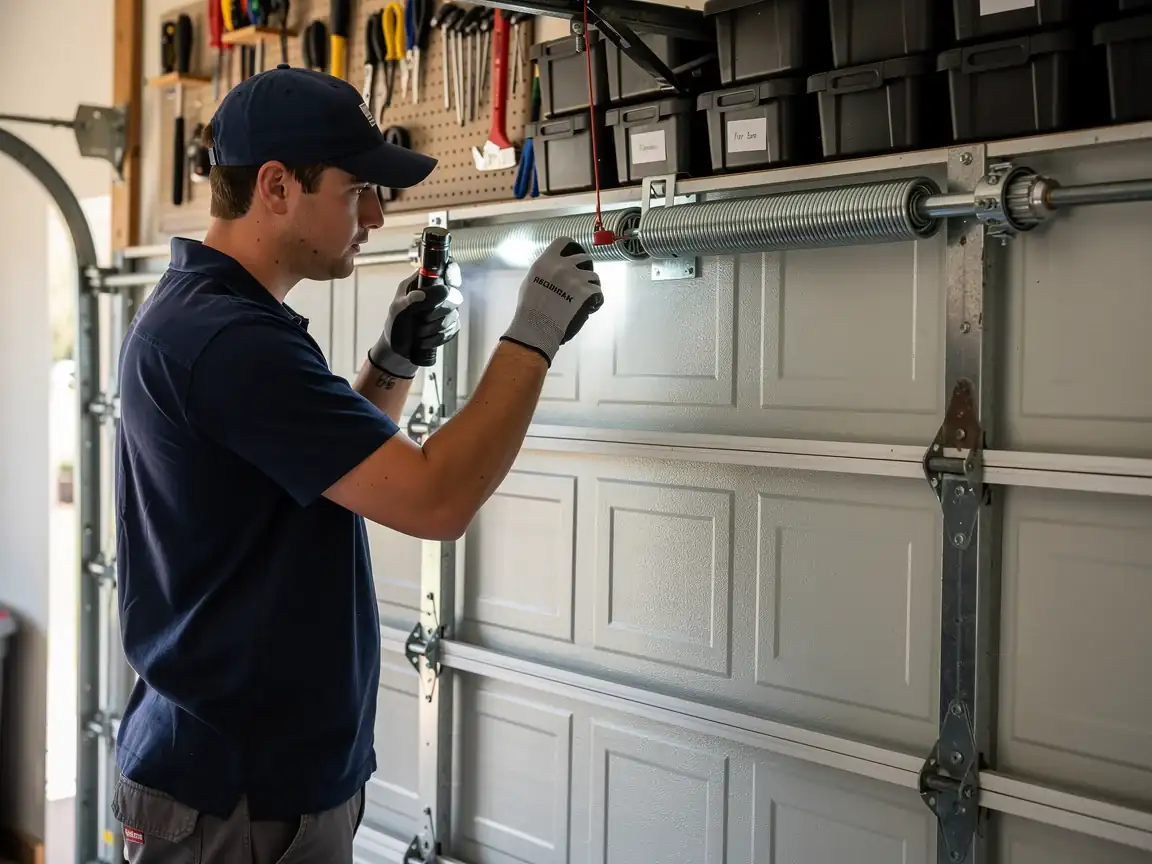
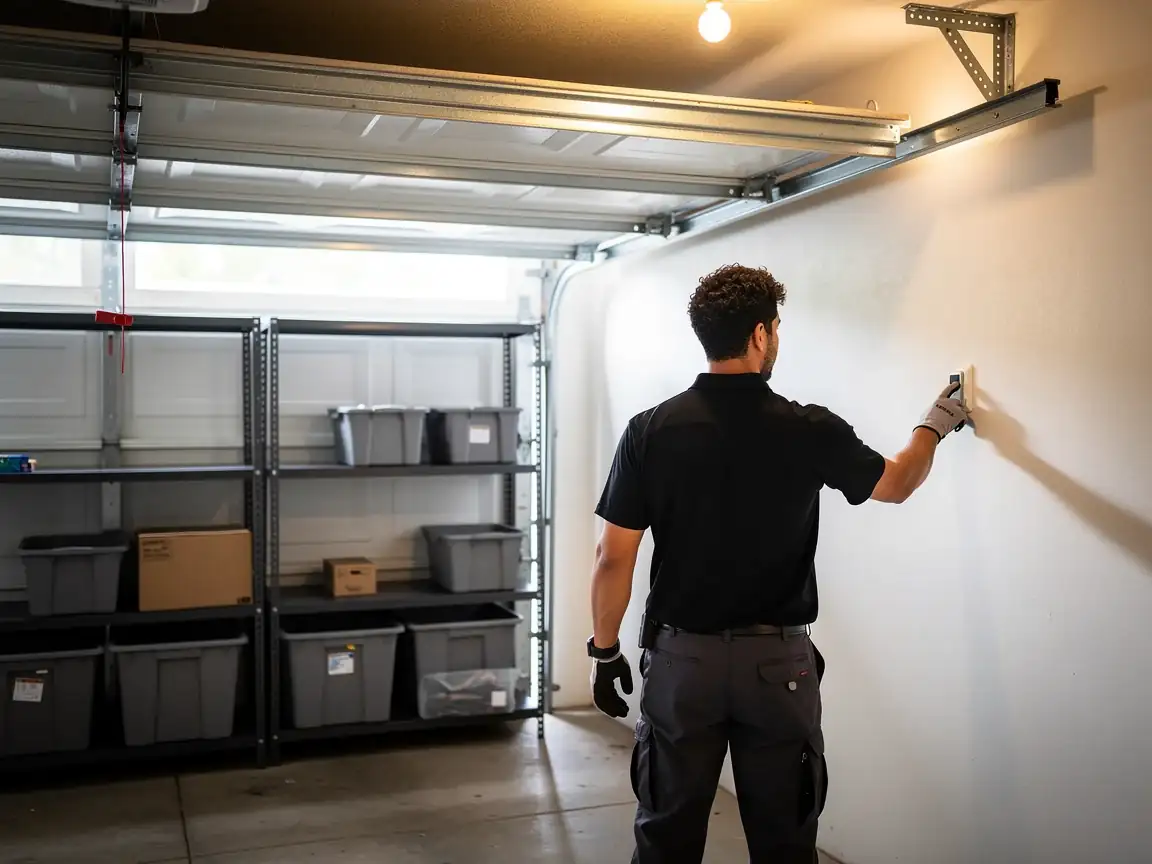
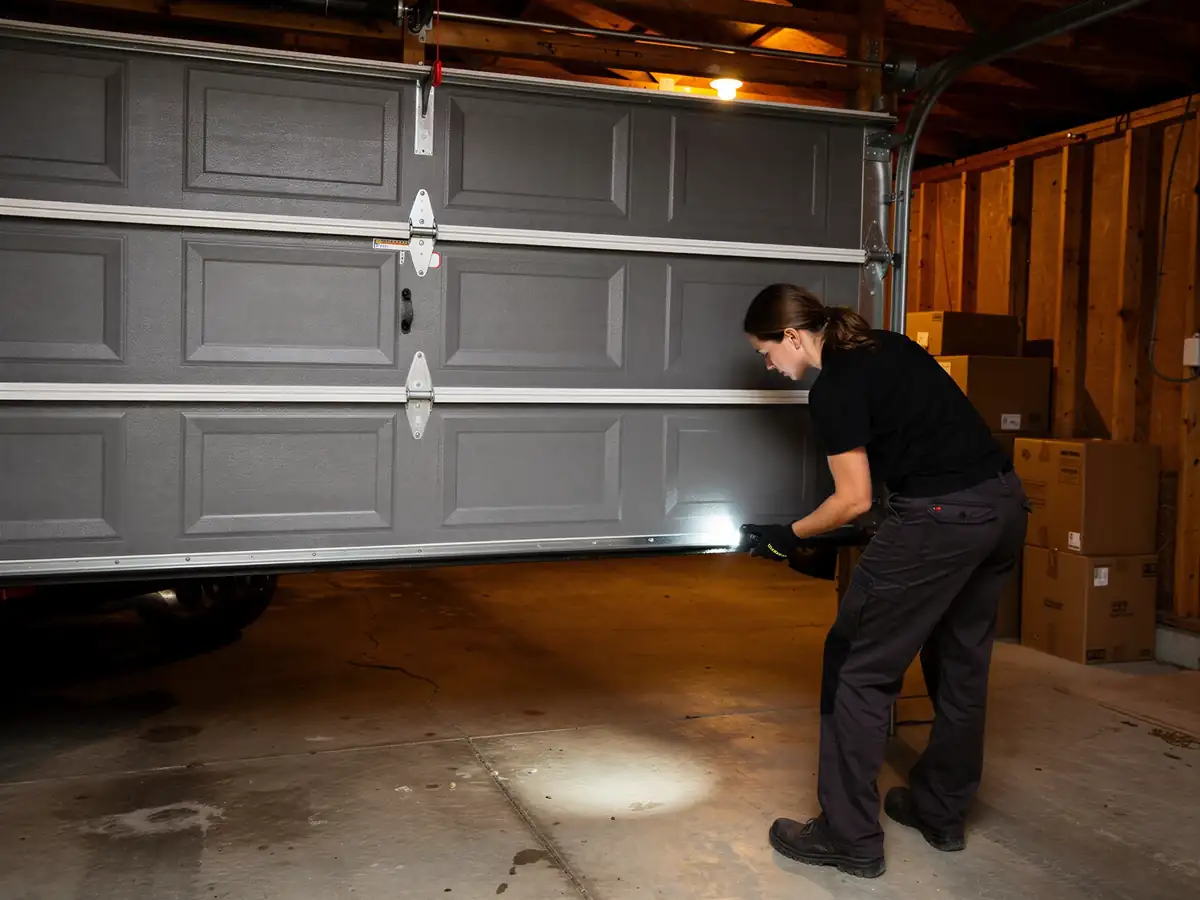
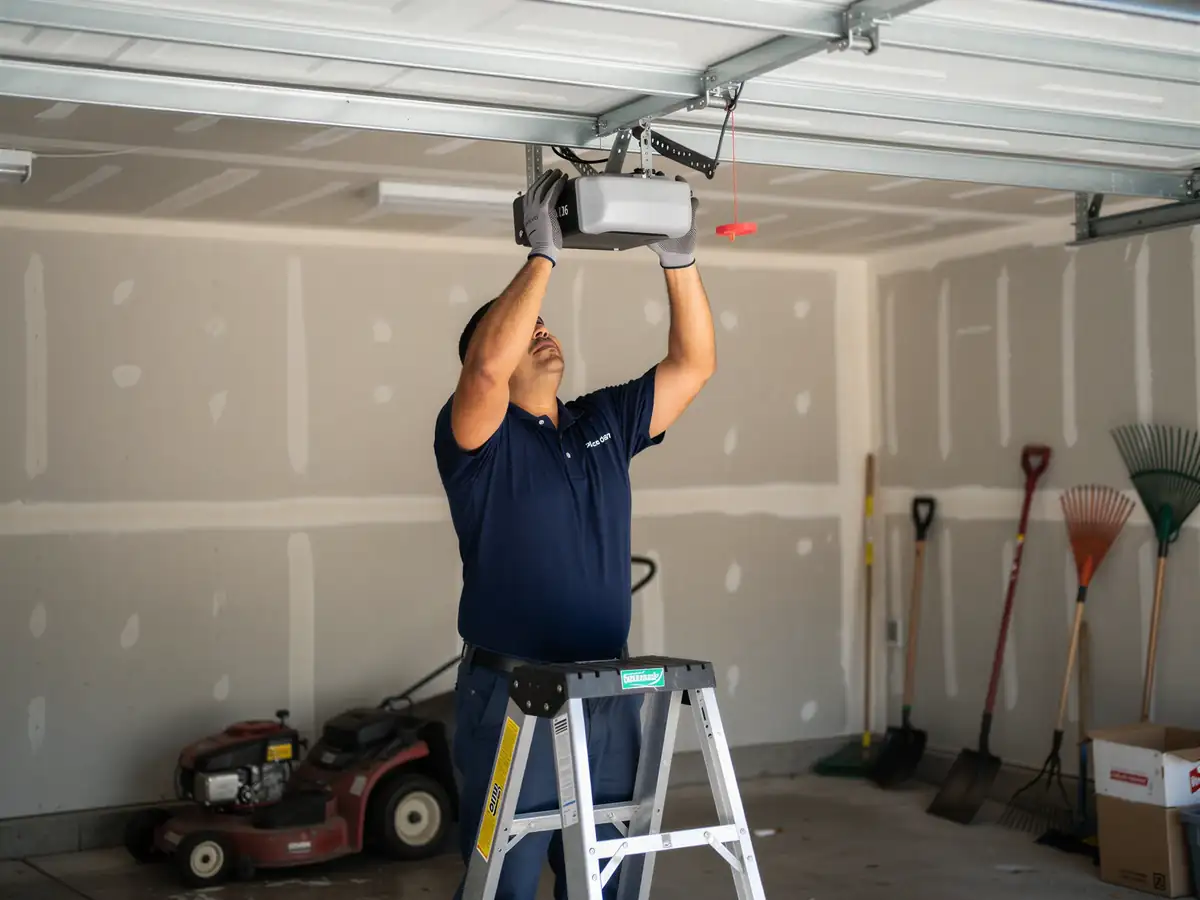
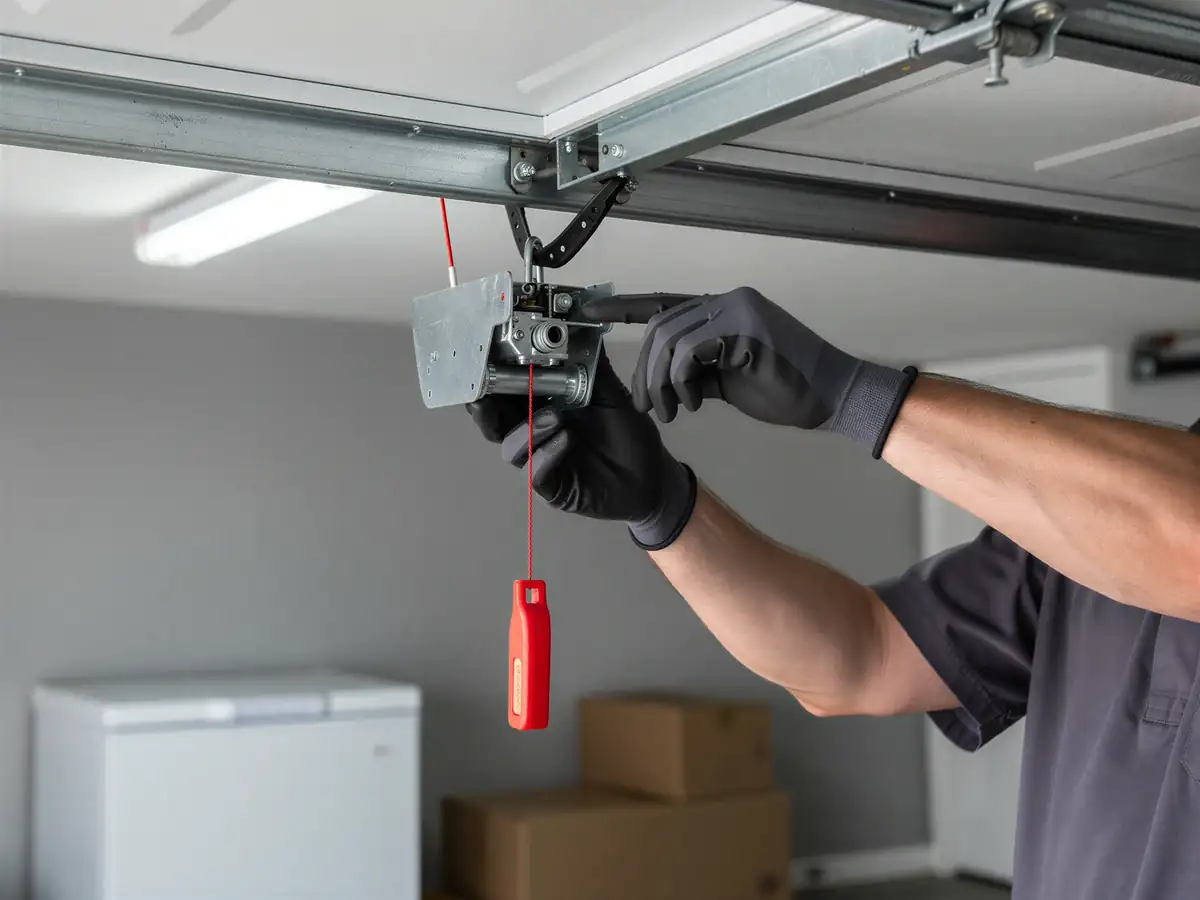
We start by testing power at the unit, not guessing at the door. A dead capacitor, a burnt relay, or a stripped gear each show up differently on a meter and under the cover, and treating all three the same way wastes a trip.
If the opener is original to a 1963-era build and the motor housing or gear set is the part that's failed, we'll usually tell you straight that replacement beats repair - parts for that generation of chain-drive unit are getting harder to source, and a new opener with a working safety reversal system costs less over time than chasing dying parts on an old one. If it's a capacitor, a logic board, or a worn drive gear on a newer unit, that's a straightforward in-and-out repair.
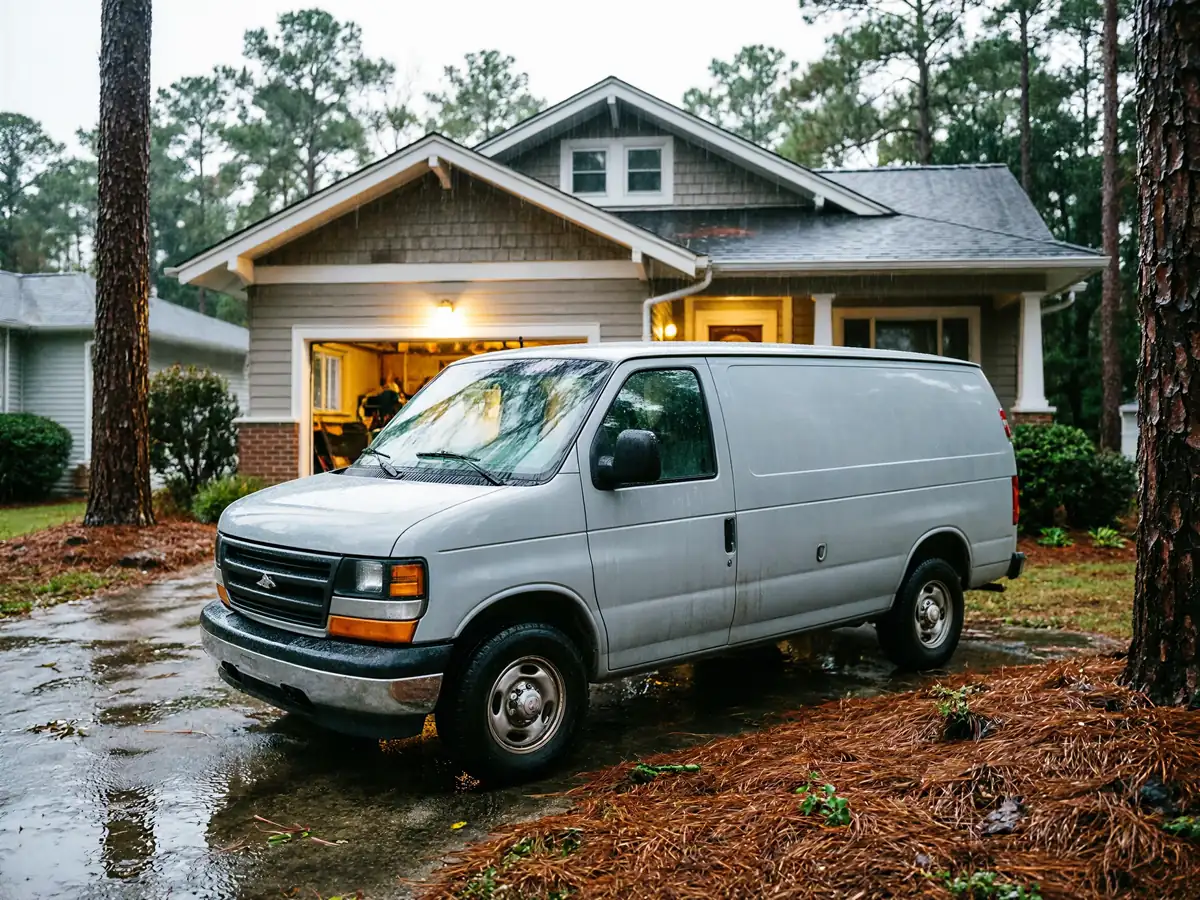
We come out from our shop in Fairfax for every opener call in Fort Hunt - there's no local branch or stocked depot here, so the truck carries the common capacitors, gear kits, and circuit boards we expect to need based on what we see in this part of the service area. See our Fort Hunt coverage page for how we handle calls in this part of town, or the full rundown of opener work on our Fairfax opener repair page.
Time on the Job
A capacitor swap or logic board replacement on a standard residential opener is usually a short job once we've confirmed the diagnosis - most of the time on site goes to testing, not turning wrenches. Full opener replacement, including re-pairing safety sensors and setting travel limits, takes longer, closer to a couple of hours depending on the mounting and whether the old bracket hardware is reusable.
We don't quote a drive time for Fort Hunt specifically - at roughly 15 miles from our Fairfax base, every call here is planned as its own trip rather than a stop folded into a nearby route. That's worth knowing if you're comparing us to a shop that's physically closer; we're not the fastest knock on the door, but we show up with the right parts for the age of opener this area tends to have.
Fort Hunt's household income runs well above the wider service area's median of $143,796 - Fort Hunt sits closer to $210,471 - and in practice that means more owners here choose full opener replacement over a patch repair once we've laid out the real lifespan of the old unit.
Can You Do This Yourself
Some of this is fair for a homeowner to check first
If the opener does nothing at all, confirm it's getting power - a tripped breaker or an unplugged cord is an embarrassingly common cause and costs nothing to rule out. If the motor hums but the door doesn't move, that's almost always a mechanical issue downstream of the opener, not the opener itself, and that part isn't a DIY fix.
What we don't recommend you touch: anything inside the opener housing itself
Capacitors hold a charge after the unit is unplugged, and logic boards on units from this era weren't built with the same safety interlocks modern ones have. There's also no real way to tell from outside the housing whether a board or a capacitor failed without testing it properly.
Our honest limitation
We don't carry parts for every opener model that might still be running in a house this old. If yours is a less common brand or a unit that's been discontinued a long time, there can be a short wait on a part, and in some of those cases replacement ends up being faster and cheaper than sourcing an obsolete board.