Why It Happens Here
Most houses in Fort Hunt went up around 1963
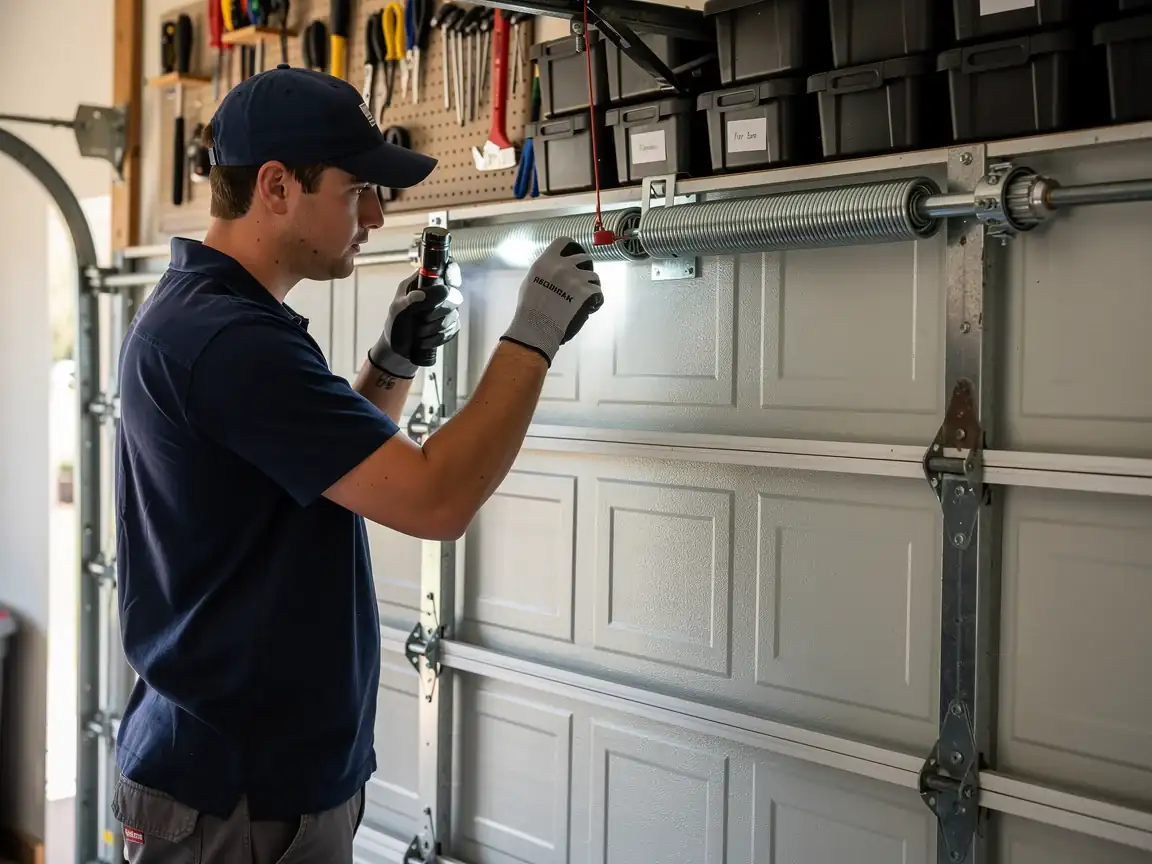
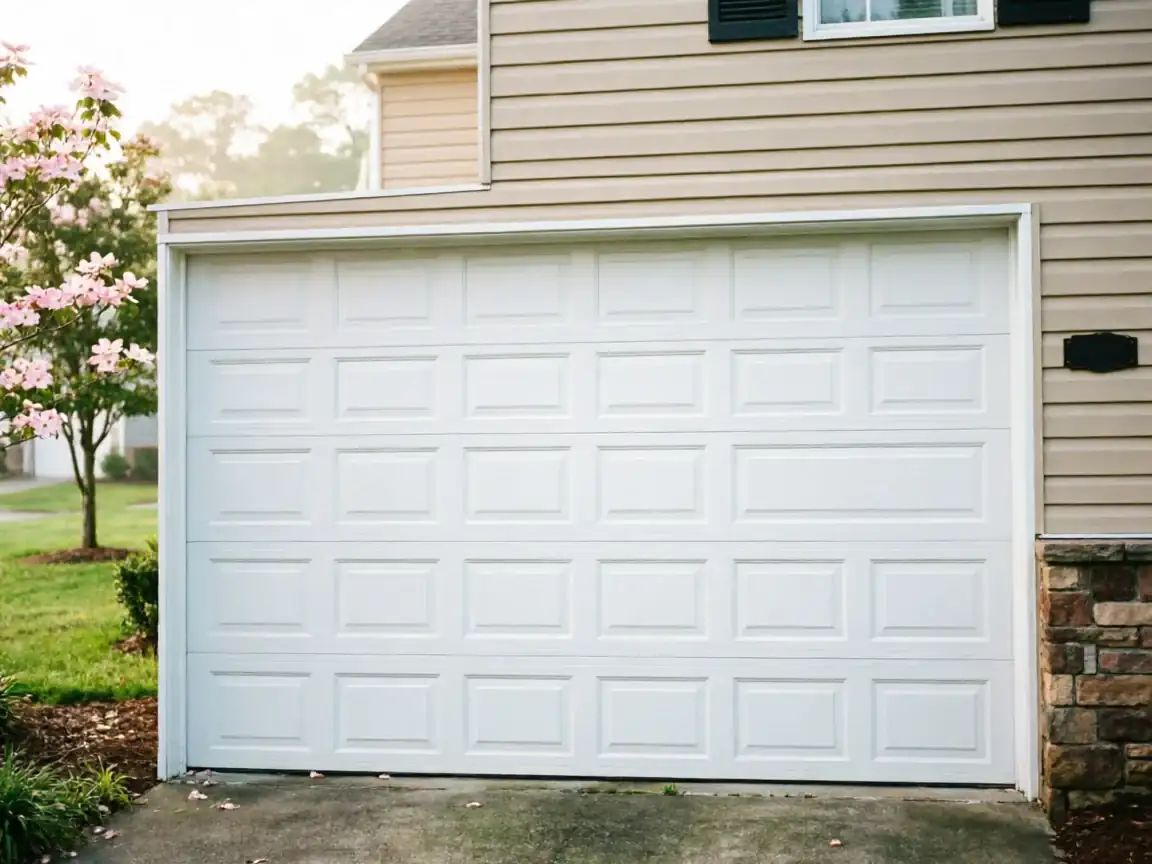
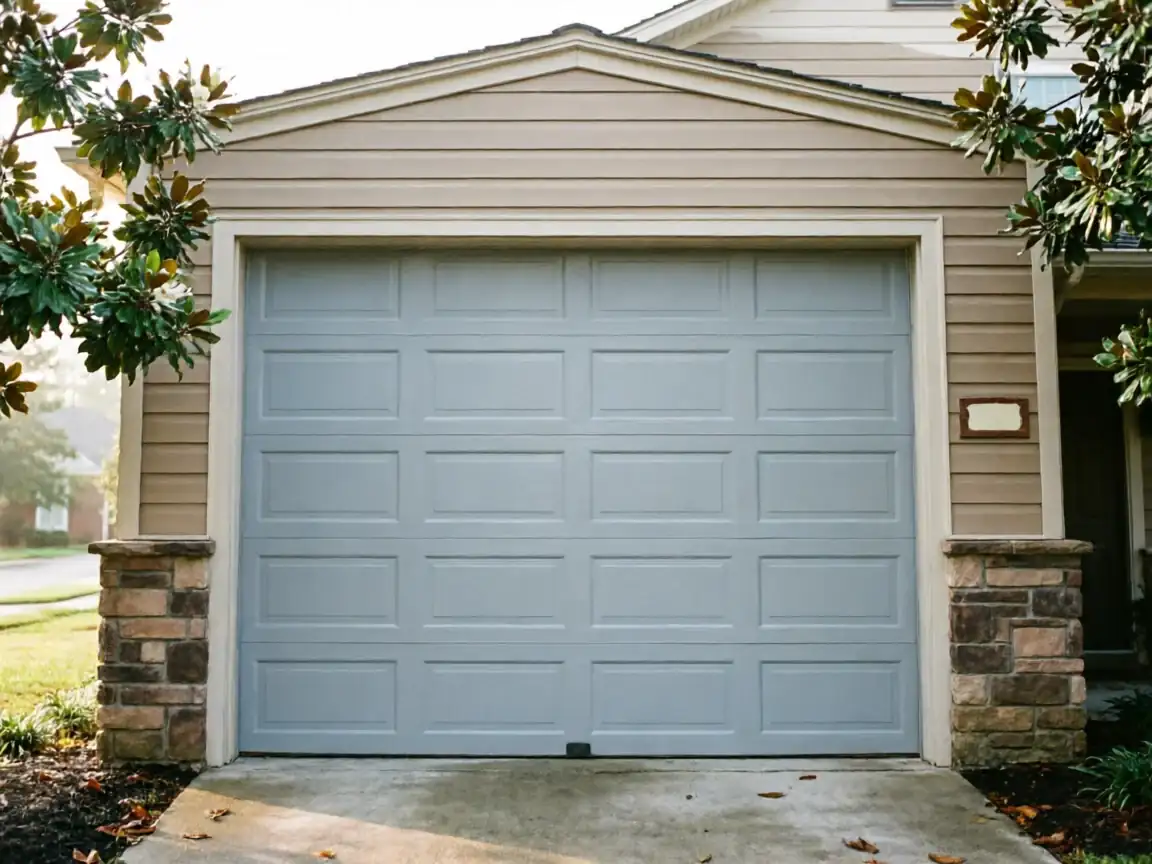
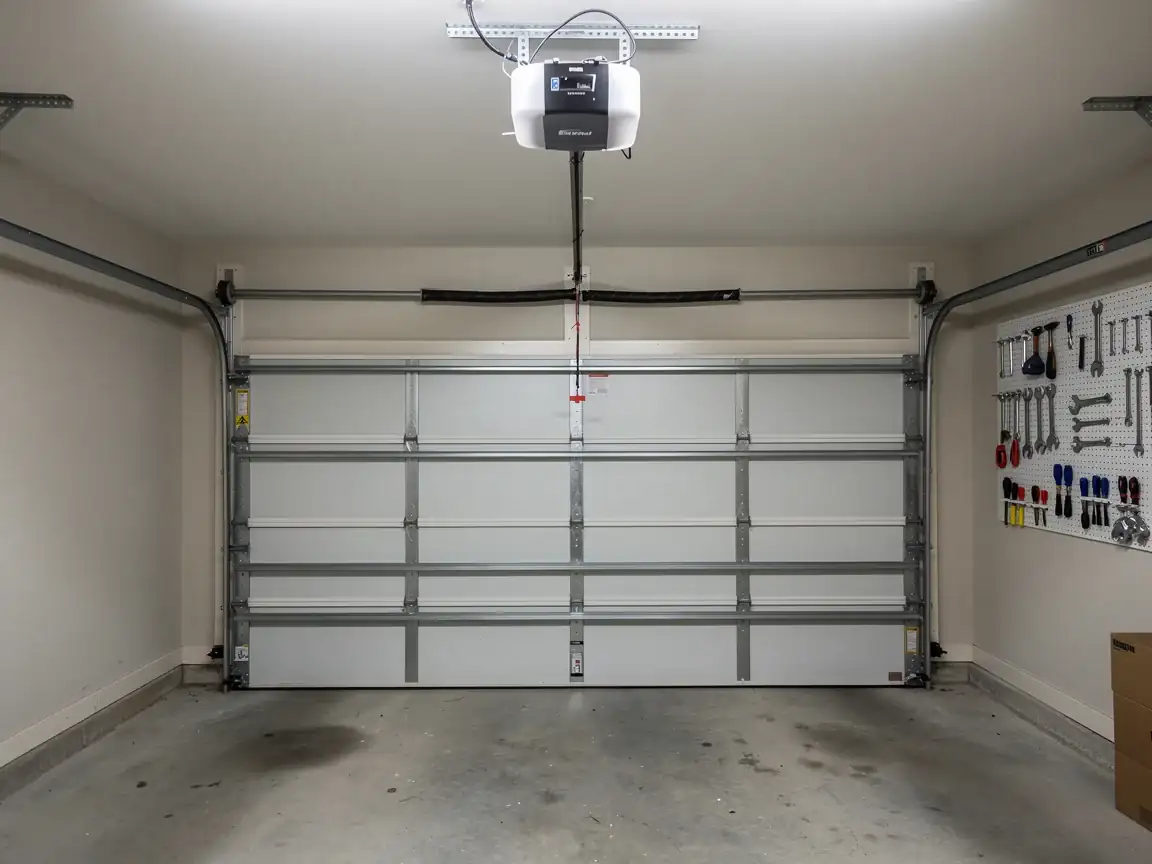
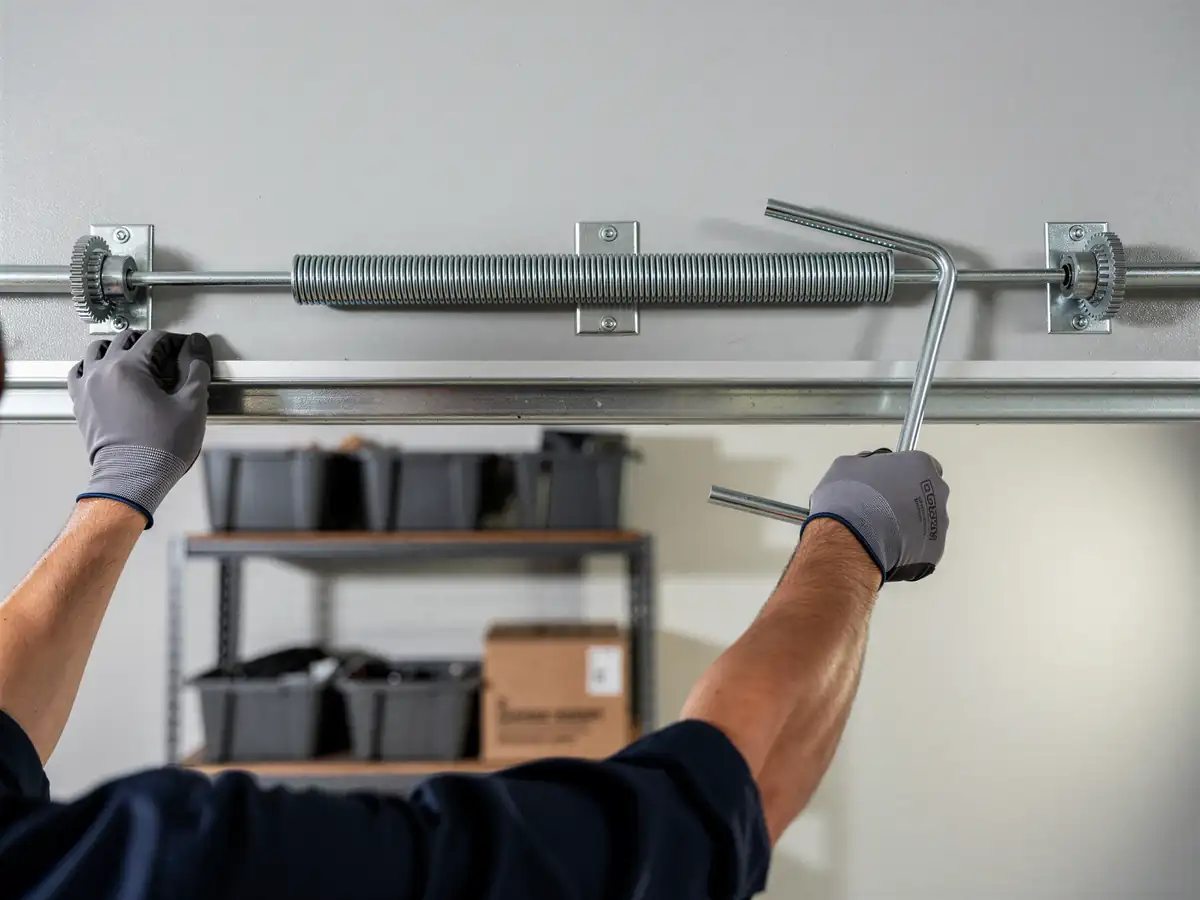
And that puts a lot of original garage doors on the street still hanging on hardware nobody manufactures the same way anymore. These are typically single-layer steel sectional doors, 16 feet wide for the two-car models, set on torsion springs sized for a door that weighs less than the insulated double-layer doors sold today. Fifty-plus years of cold-weather cycling does the same thing to every one of them: the torsion spring loses tension unevenly, the end bearings dry out, and the steel tracks that were leveled once in 1963 are no longer plumb.
- 16 feet
This matters more here than in a newer subdivision
With about 5,974 households in the area and a median income north of $210,000, a lot of these original garages have been retrofitted - insulated panels bolted in, newer openers mounted on old track - and that mismatch between old frame and new hardware is its own failure point. A door that's been patched piecemeal over sixty years doesn't fail the same way a 2005 door does. The spring tension calculations are different, the drum sizes are different, and guessing wrong on either is how a cable snaps under load.
- 5,974 households
How We Fix It
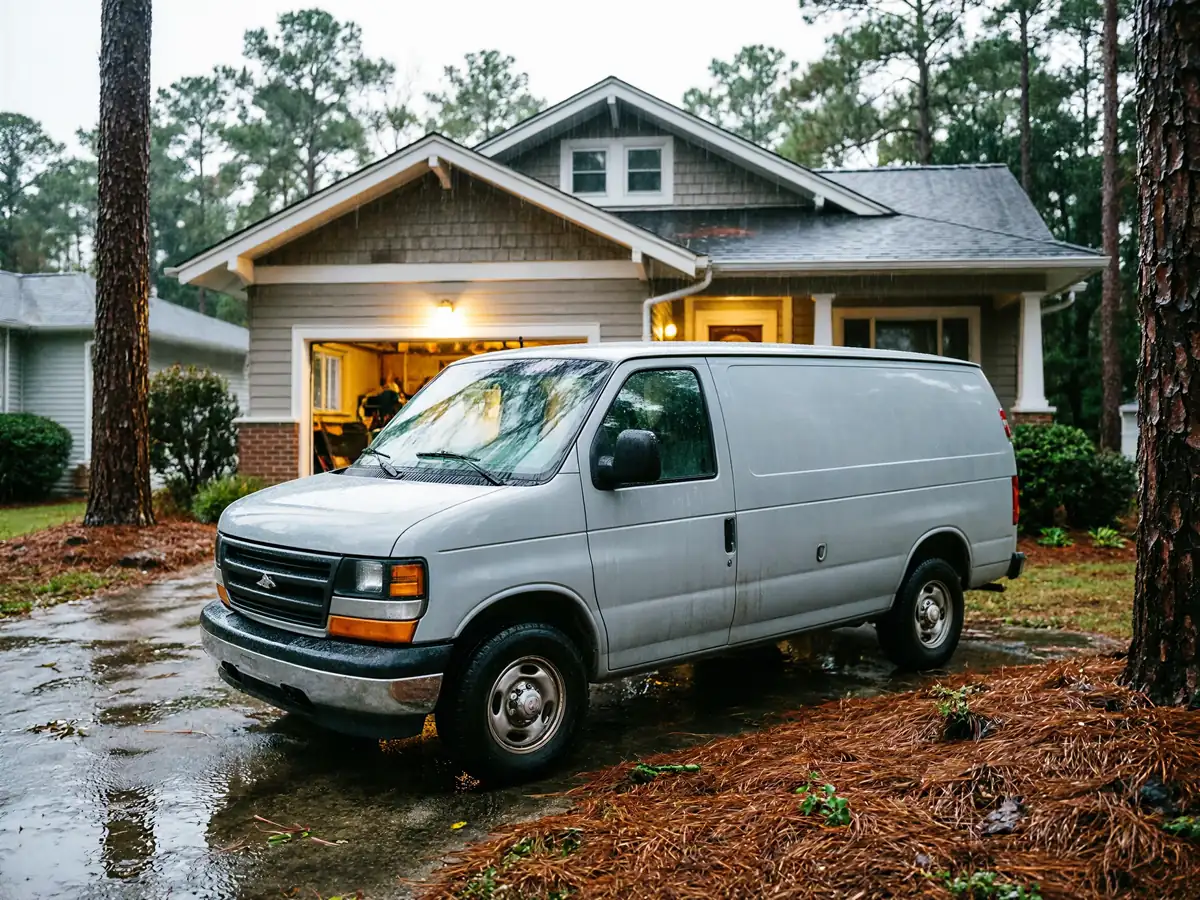
We come out from Fairfax, about 15 miles, so we bring the parts most likely to fit a 1960s door on the truck rather than ordering after we see it: torsion springs in the common sizes for that era's doors, extension spring sets for the older low-headroom setups some of these garages still have, and replacement rollers and cable that match original drum widths.
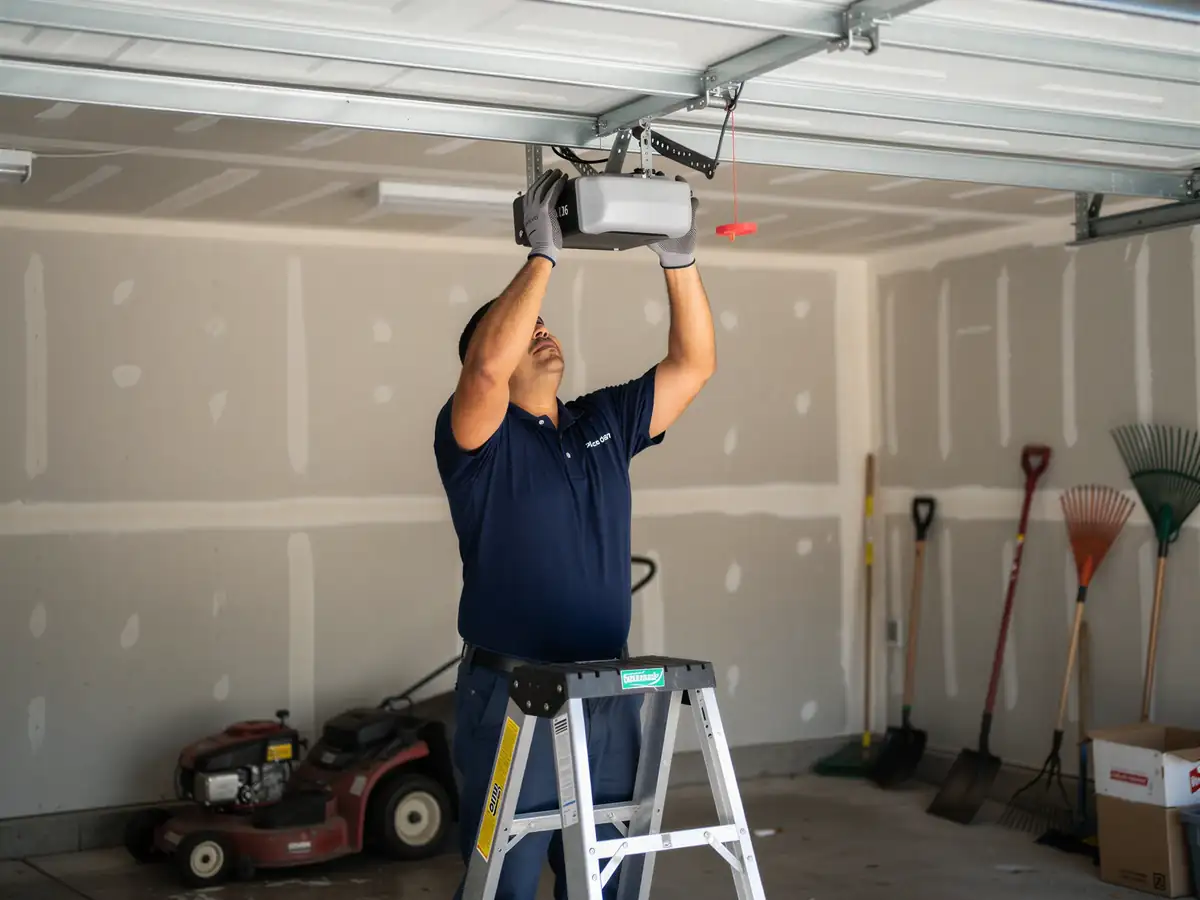
For a broken spring, we measure the wire gauge and wind before we touch anything - on a door this old, the spring that's on there now may not match what's listed for the model, because it's been swapped before. For an opener that's quit, we check whether the mounting bracket is original wood-frame construction, which changes how we secure a new unit. Cold-weather lubrication matters here too: the grease that was standard in 1963 has long since hardened, and that's often half of why the door sounds like it's grinding before anything's actually broken.
Time on the Job
A straightforward torsion spring replacement on a door this age usually runs under two hours once we're on site, parts in hand. Where it runs longer is when the track has shifted out of plumb over the decades - common in these older frames - and we have to re-level it before the new spring will hold tension evenly. That adds time but it's not optional; skip it and the new spring wears unevenly within a year.
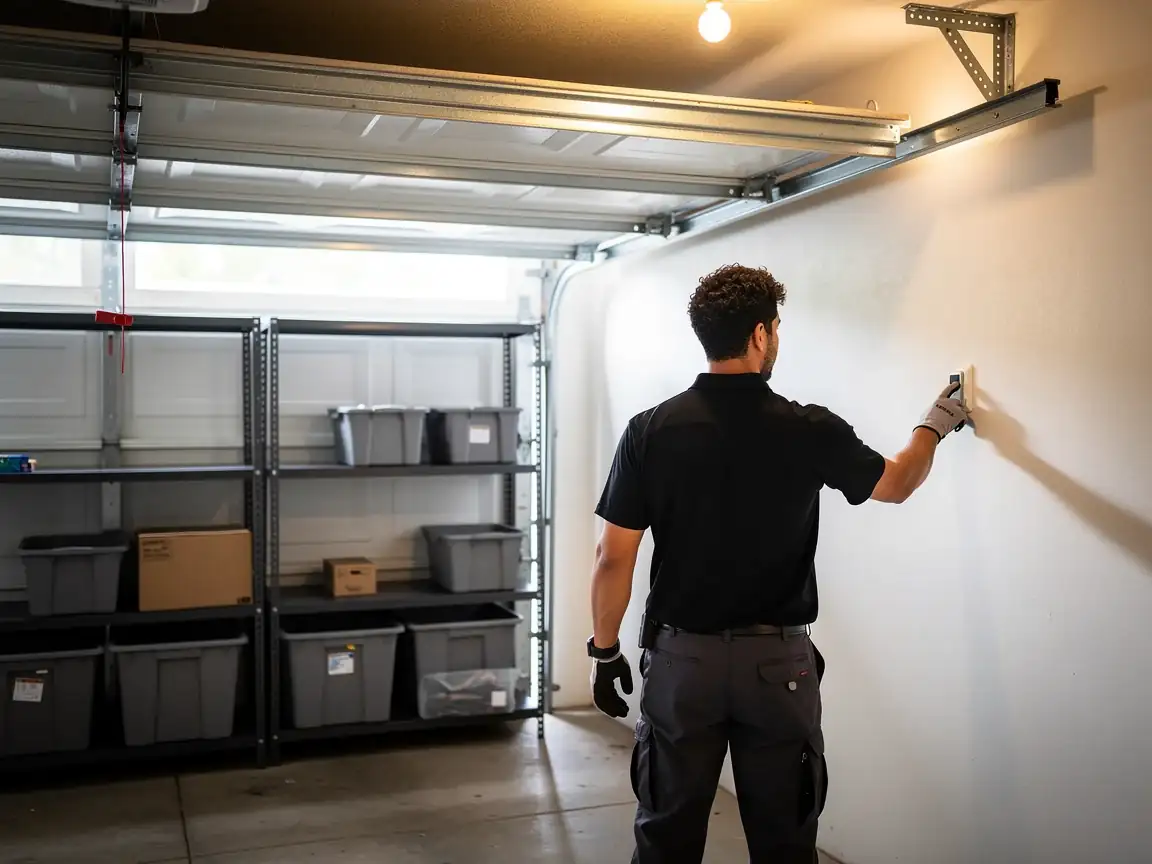
Opener swaps on original wood-frame mounts take a bit more care than a newer stud-frame garage, since we're often reinforcing the header before we hang the new unit. We won't rush that step to hit a number. The honest limit here is parts: if your door needs a panel that matched a now-discontinued 1960s profile, we can source close matches, but an exact factory match on a door this old usually isn't out there, and we'll tell you that up front rather than have you wait on a part that isn't coming.
Can You Do This Yourself
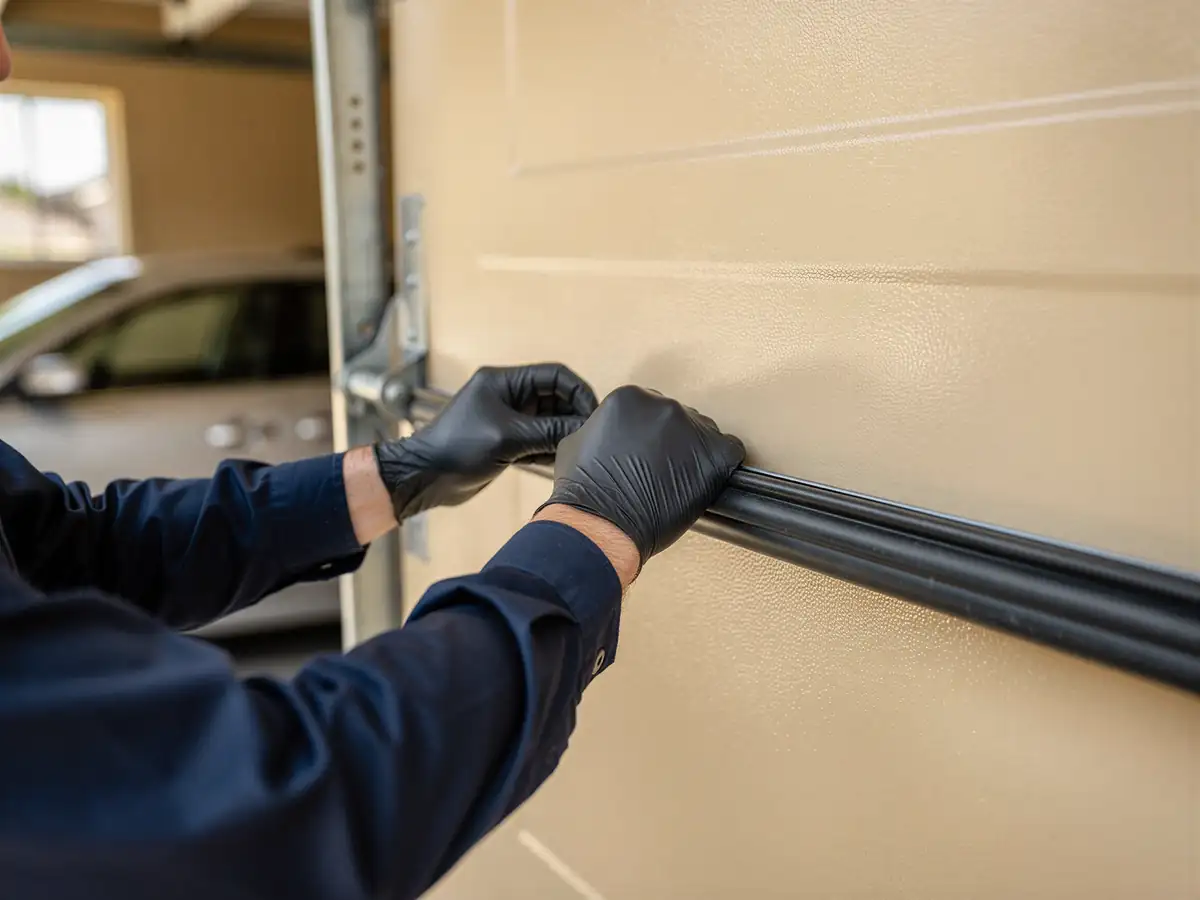
Lubricating hinges and rollers, tightening loose bolts on the track brackets
And testing the auto-reverse safety feature are all fine to do yourself, and worth doing on a door this old since so much of it has been running unmaintained for years.
Torsion spring replacement is not a do-it-yourself job, on a Fort Hunt door or anywhere else
The spring on a 1960s double door is under enough tension to break a bone if it unwinds while you're working on it, and because so many of these doors have mismatched replacement springs from past repairs, you can't trust the size stamped on the old one even if you can read it. Re-leveling a track that's drifted out of plumb over sixty years also isn't a one-person job; it's two people and a level, minimum, and getting it wrong means a door that binds every time it runs.