Opener Installation for Fort Hunt's 1960s-Era Garages
Fort Hunt's houses date mostly to the early 1960s, a decade older than the Fairfax median, which changes what opener and bracket actually fit the header.
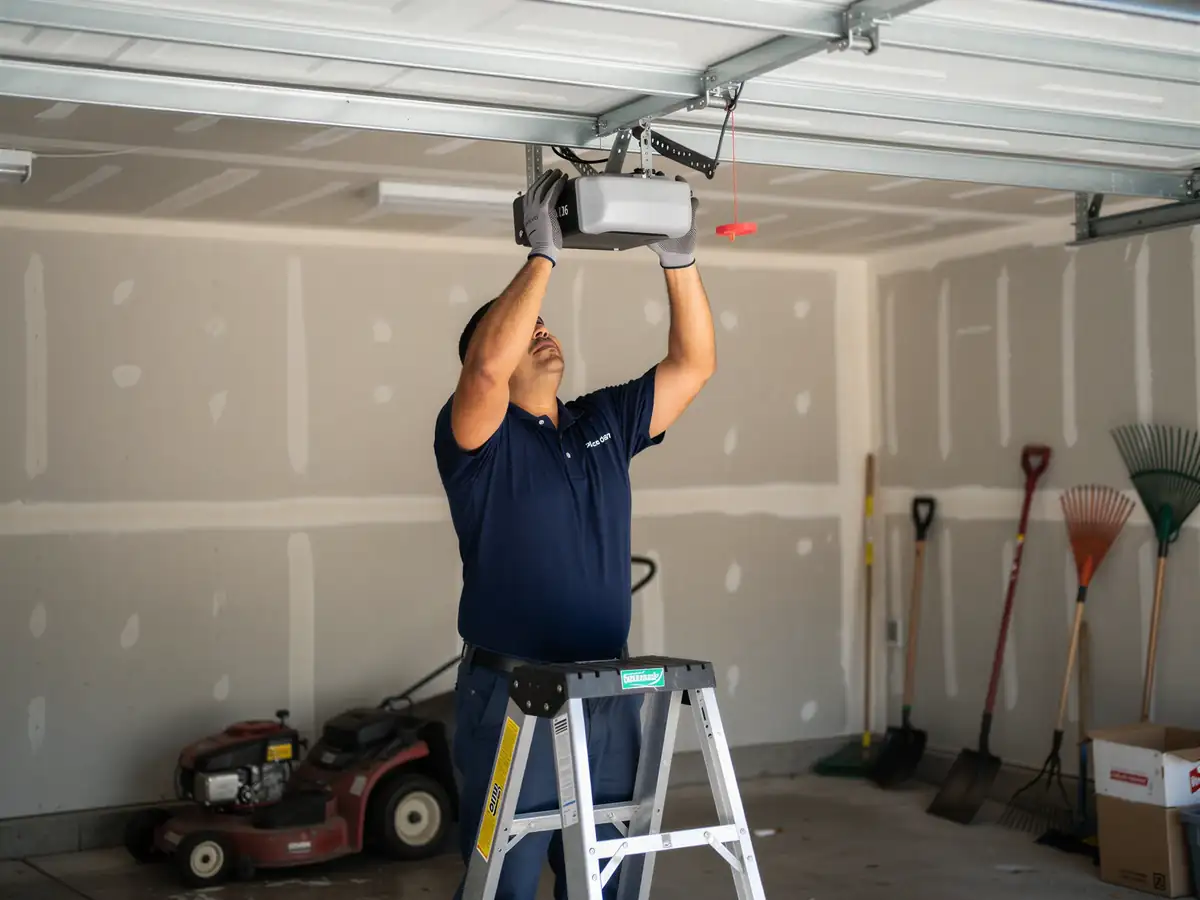
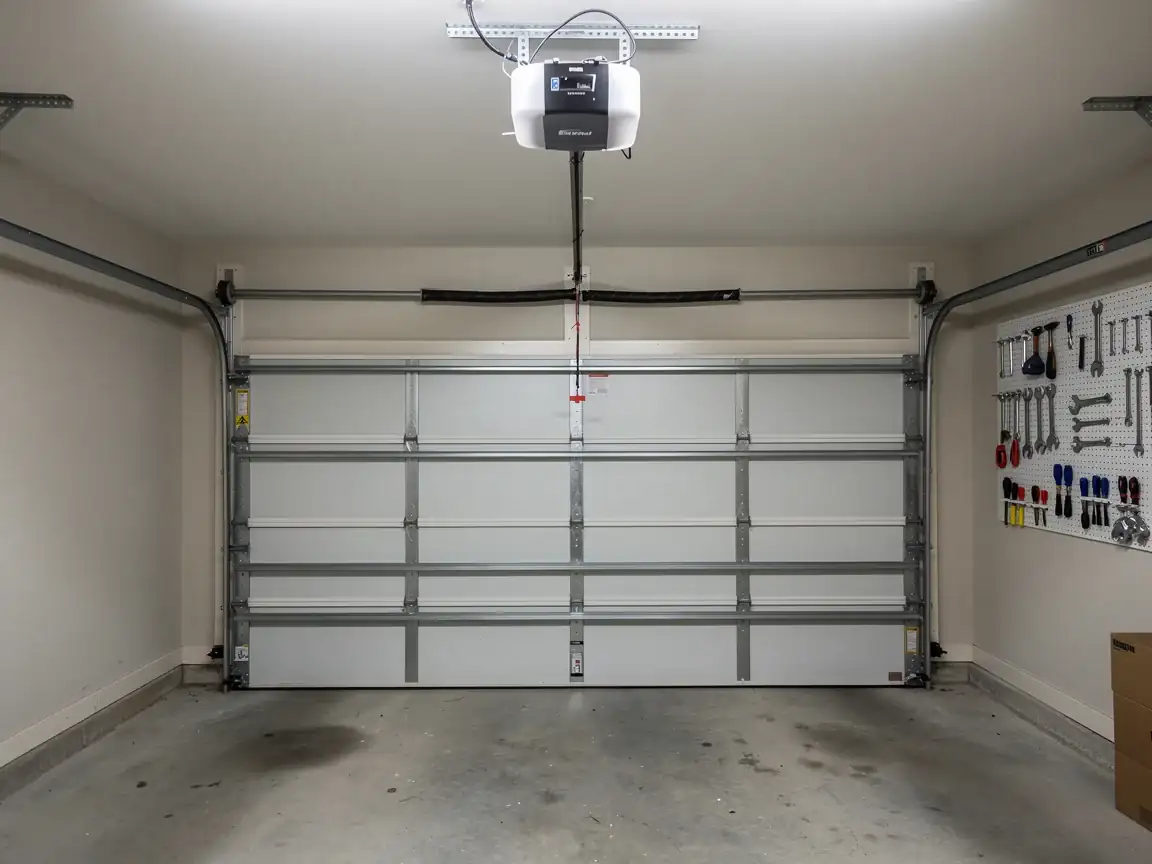
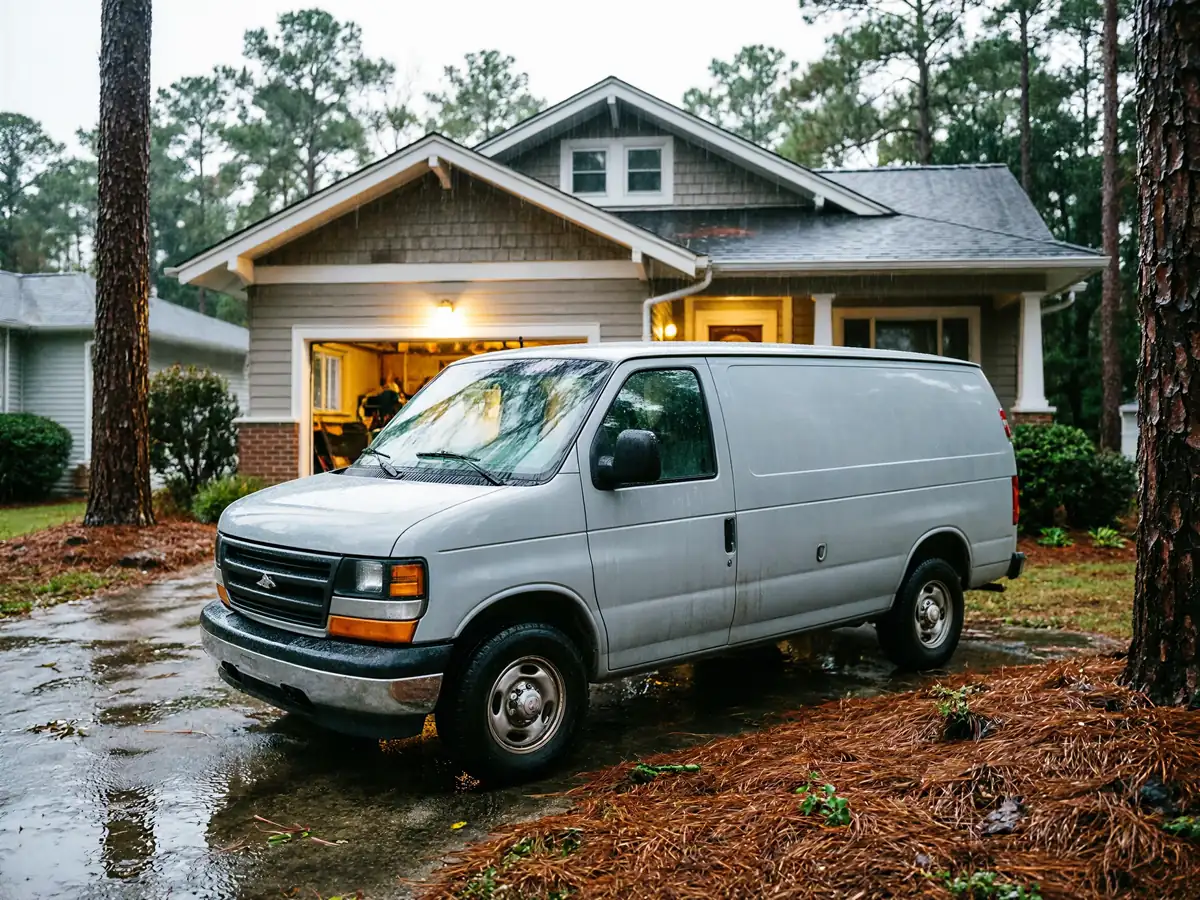
Fairfax's housing stock runs from 1940 up through 2015, with the median landing around 1978. Fort Hunt sits well on the older side of that range - its homes cluster around 1963, so when we drive the 15 miles out from Fairfax, we're usually looking at a garage built before torsion springs and modern opener brackets were standard. That matters for installation, not just repair. A lot of these garages still have the original low, shallow header above the door opening, built for a chain-drive unit half the size of what's sold today. Mounting a current opener often means adding blocking or a different bracket than the install manual shows, because the ceiling joist spacing and header depth don't match a house built in 1995. The climate band here is cold and can run severe, which also plays into the choice - cold snaps are hard on older plastic drive gears and on opener logic boards that were never built with battery backup or cold-rated lubricant. None of this is a defect in the house. It's just a 1960s garage meeting 2020s equipment, and the fix has to account for both ends of that gap.
How We Fix It
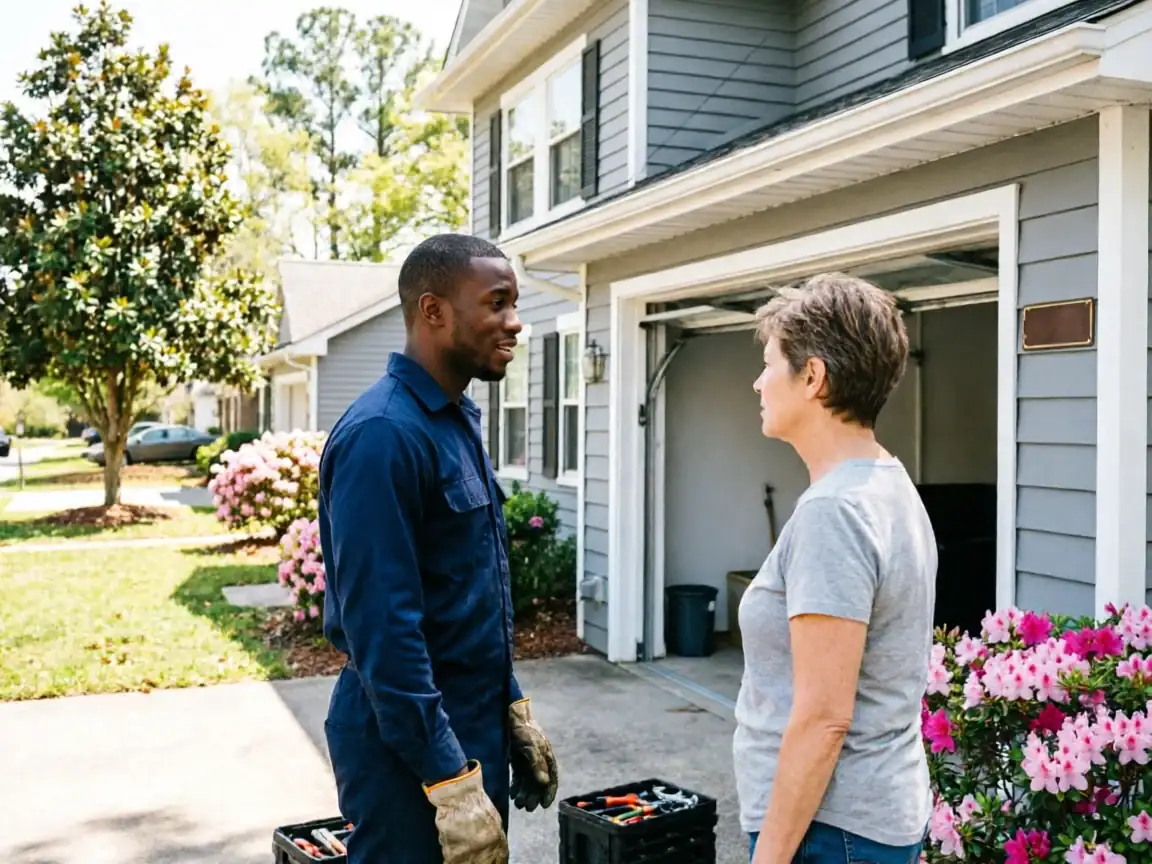
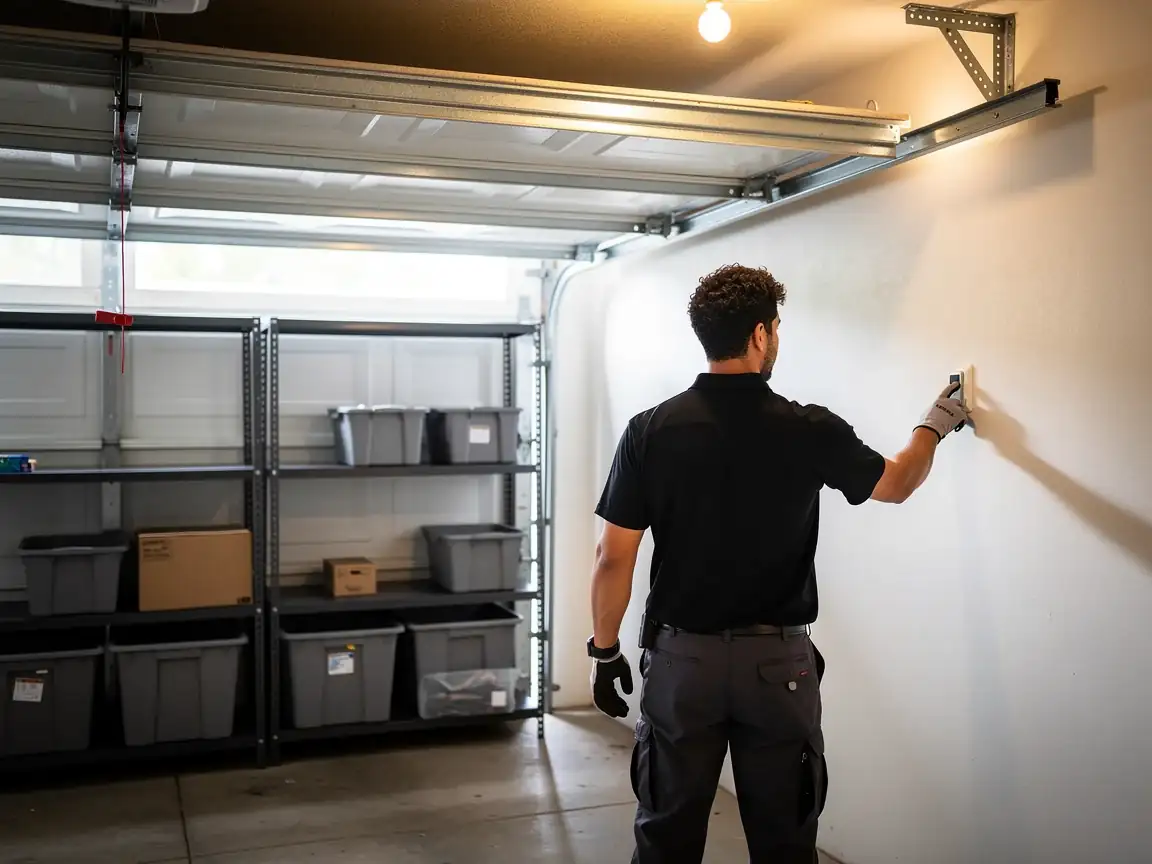
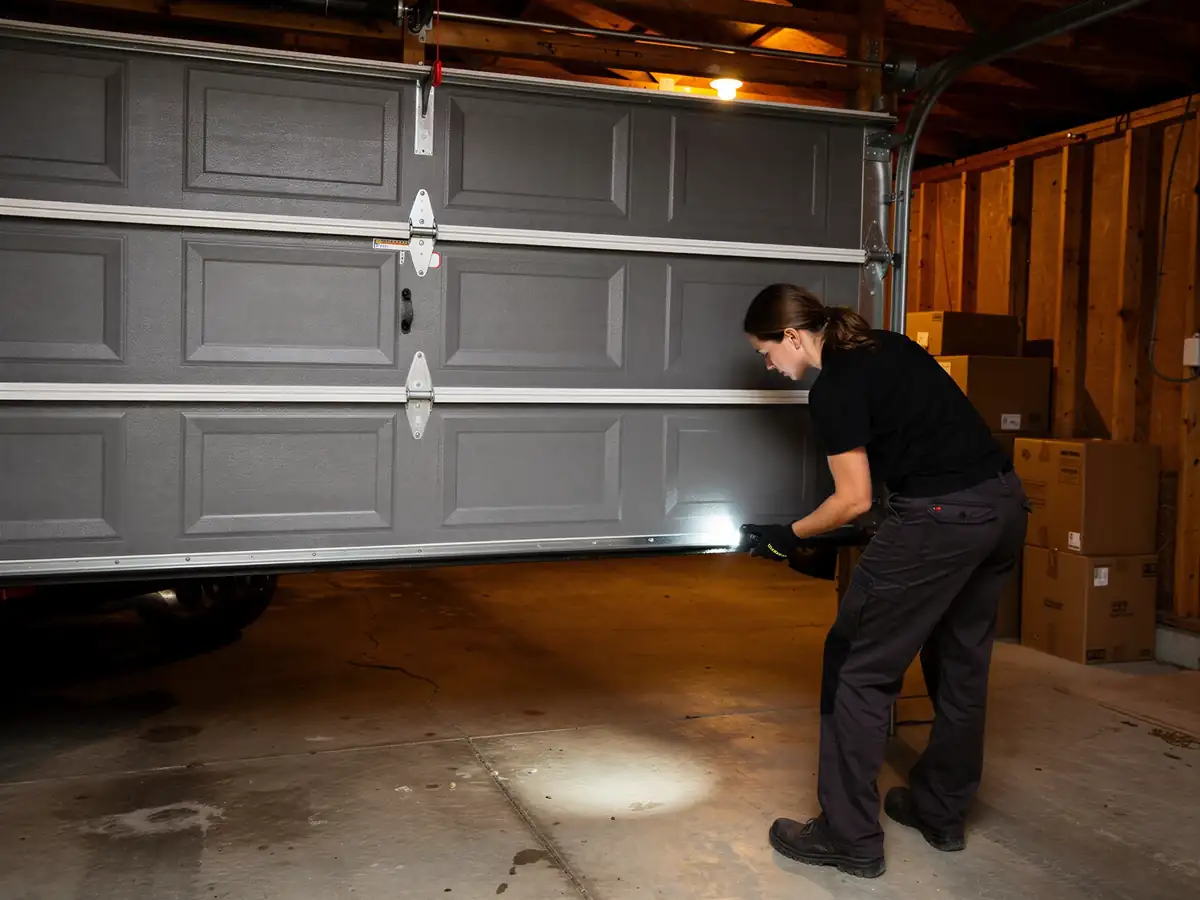
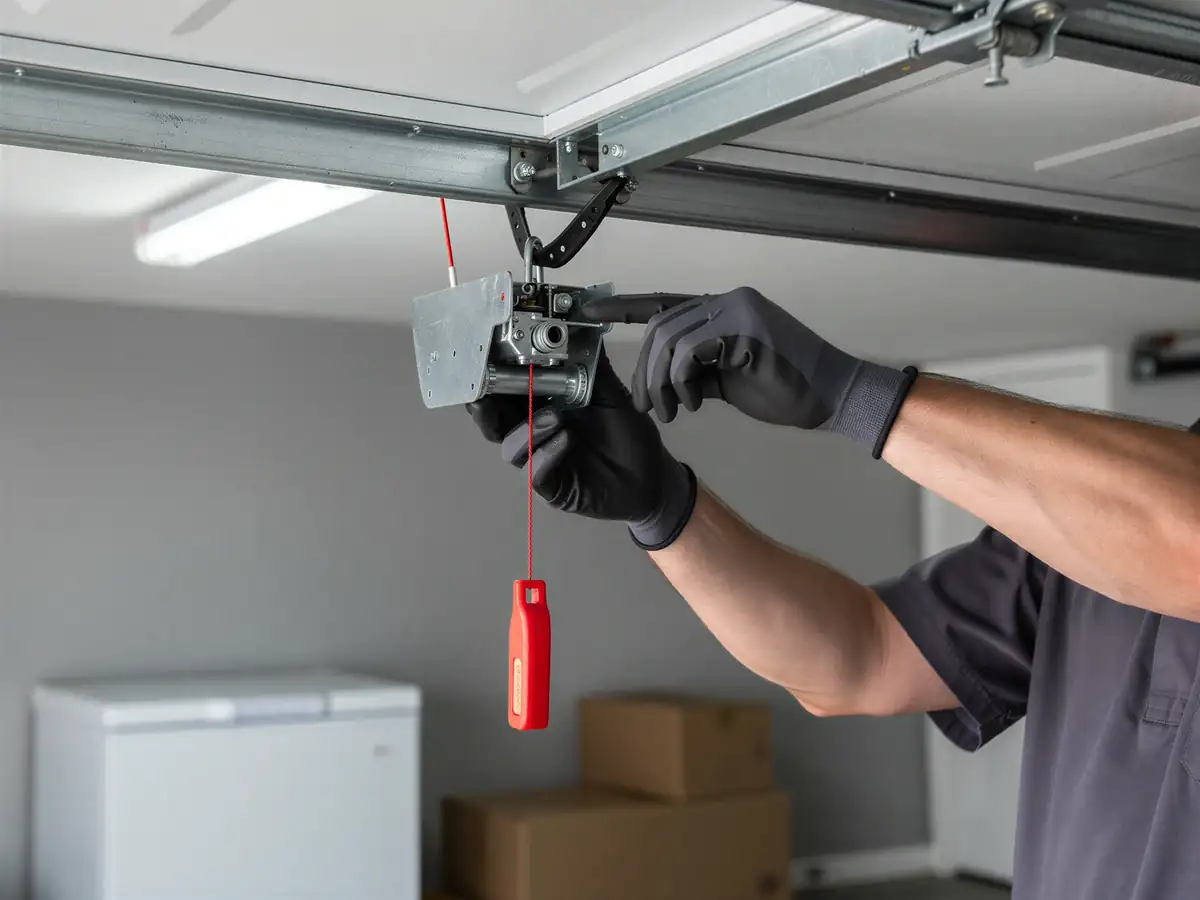
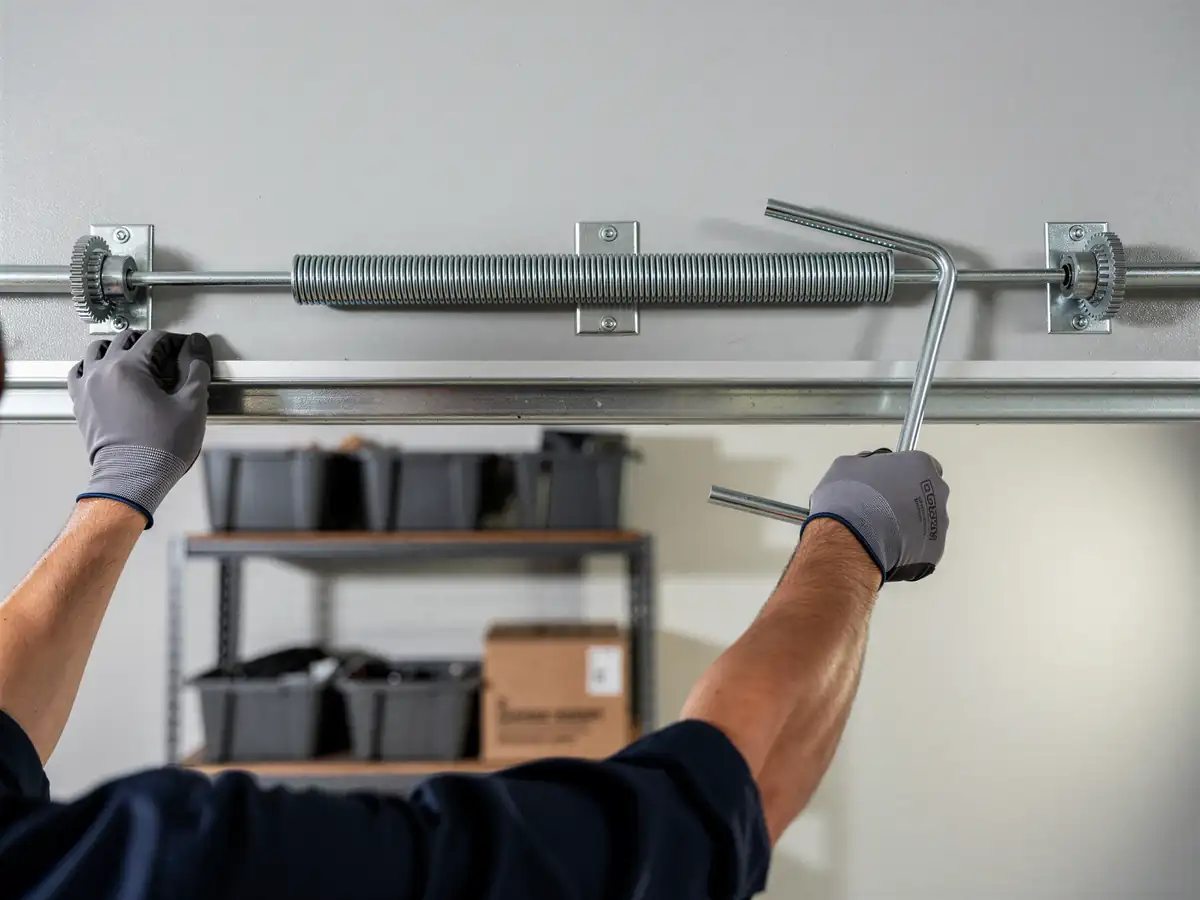
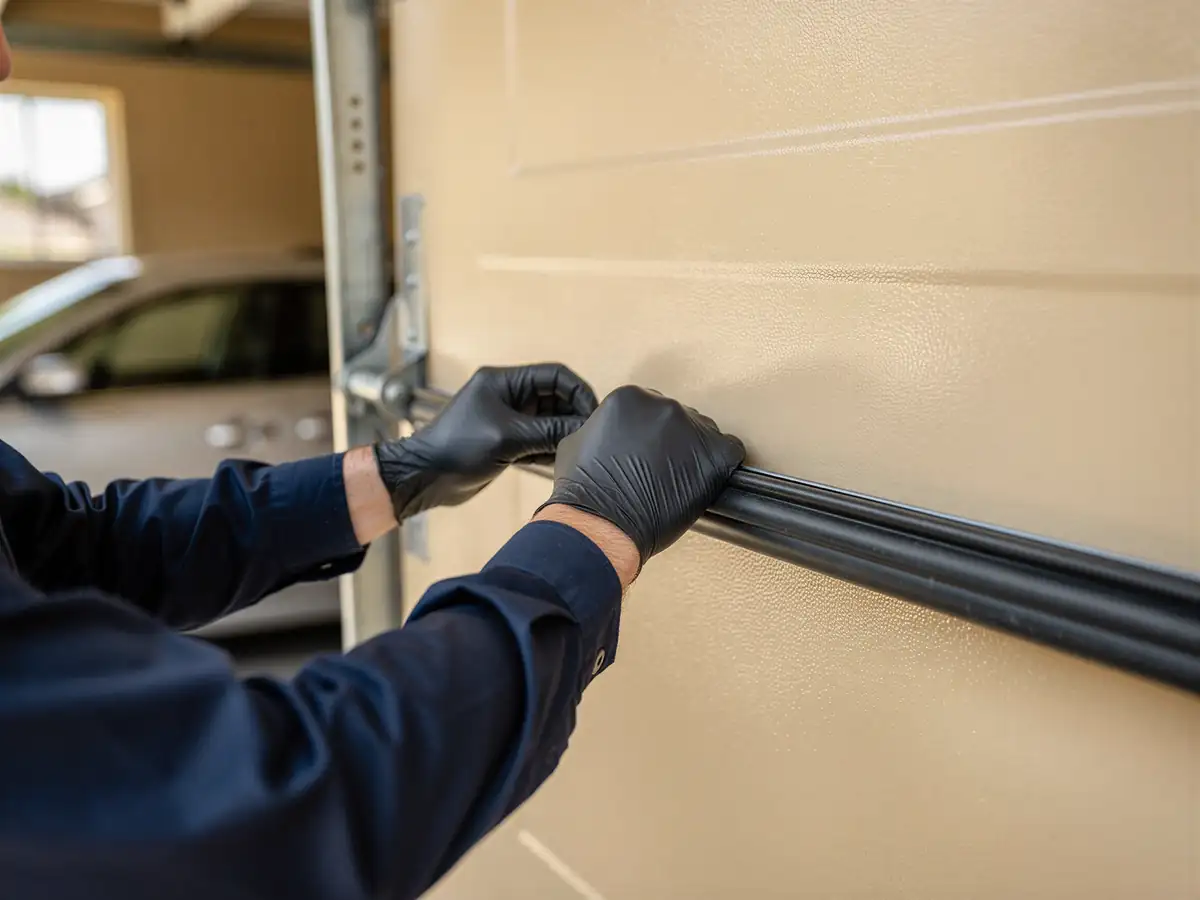
We start by checking what the header and jamb will actually carry before we quote a unit. On a lot of these Fort Hunt garages that means adding a mounting plate or running a longer rail bracket back to a joist that's actually there, instead of assuming a stock bracket will land where the manual says. Belt-drive and screw-drive units both go on, but the choice usually comes down to what's above the door and how much headroom the original frame leaves - some of these older openings are tighter than current code calls for. Given the cold band this area sits in, we also look at whether the unit has a cold-rated logic board and battery backup, since older garages here rarely have insulation in the door panel or the walls around it. We won't force a modern opener onto hardware that can't hold it; if the header's compromised, that's a header repair first, opener second. That's the one limitation worth saying plainly: we don't skip the structural check just to get a sale closed faster.
Time on the Job
A standard swap on a garage that already has sound mounting points is usually a same-visit job. Where it runs longer is exactly the Fort Hunt situation described above - a 1963-era header that needs reinforcing, or wiring that was never run for a hard-wired opener because the house predates that expectation. We won't know which until we're standing in the garage looking at the joists, so we check that before we hand over a number, not after. Fort Hunt is a smaller pocket than the areas closer in - about 5,974 households sit in this stretch, against roughly 181,054 across the wider service area - so we're not running multiple trucks through here in a day. That's fine for scheduling a visit; it just means we plan the trip rather than treat it as a drop-in.
Can You Do This Yourself
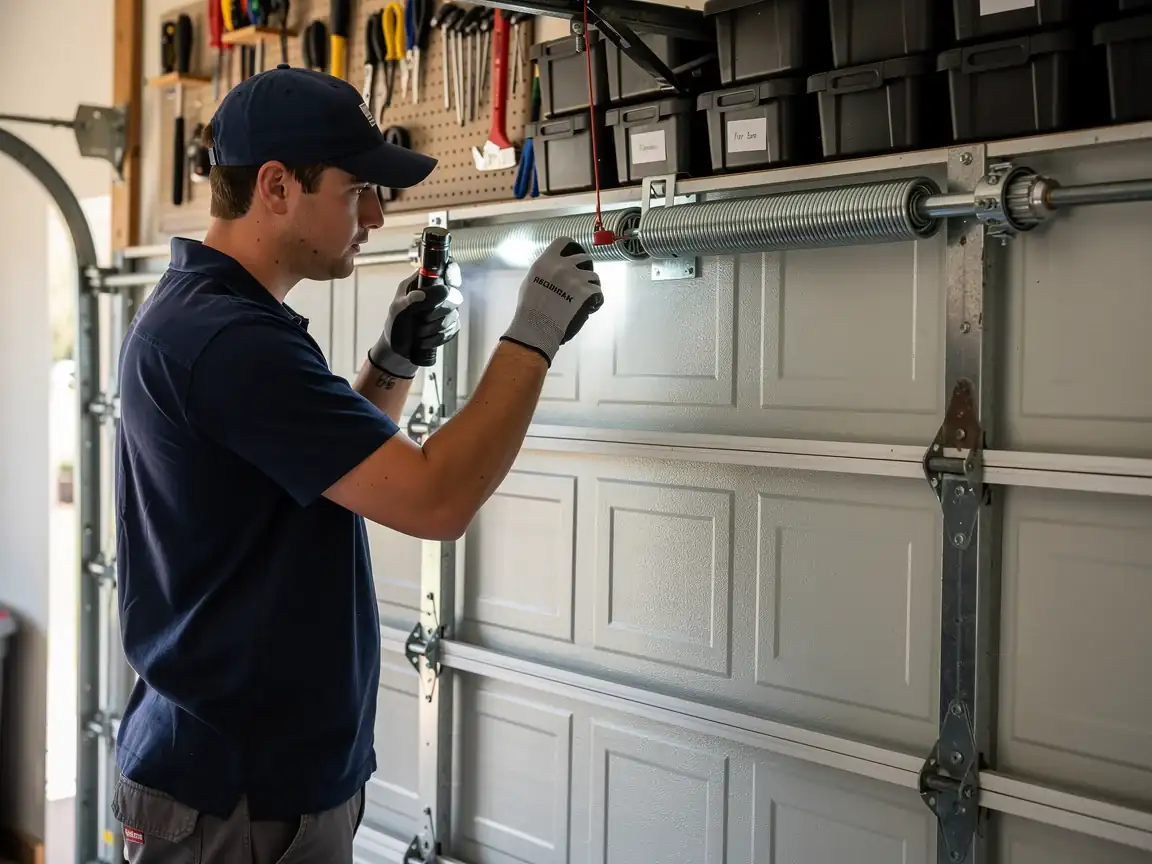
Swapping a modern opener onto a bracket and header built for one from the 1960s is not a bolt-it-on job, even for someone comfortable with tools. The spring tension, the travel limits, and the safety sensor alignment all have to be set correctly, and getting them wrong on an older door geometry is how people get hurt or crack an original panel that can't easily be replaced. With median household income in this area running around $210,471 - well above the wider Fairfax-area median of $143,796 - cost usually isn't what's driving a DIY attempt out here; it's more often just not knowing the header needs work first. If you want to replace the opener motor only, with no bracket or header changes, that's a smaller job and more reasonable to handle solo. Anything touching the mount on a house this age is worth having looked at first.
How it works
From “it’s stuck” to “it’s fixed”
01
Tell us what’s wrong
Describe the symptom - won’t open, loud bang, opener runs but the door won’t move.
02
On-site diagnosis
A technician tests the door under power and by hand and finds what actually failed.
03
Clear, up-front plan
You get the fix that’s needed and what drives the cost - before any work starts.
04
Repaired & tested
The repair is done, the door is set true and tested, and the work area left clean.
Not sure which repair your door needs in Fairfax, VA? Describe what it’s doing - every job starts with a diagnosis.
Straight answers about garage door repair in Fairfax. Still unsure? Ask us directly.
Will a new opener fit my garage without changing anything else?
Maybe. On a lot of Fort Hunt garages built around 1963, the ceiling header and bracket layout predate current opener designs, so we often need to add blocking or a different mounting plate. We check this on-site before quoting, since it changes the price.
Does the cold weather here affect which opener you'd recommend?
Yes. This area sits in a cold climate band that can run severe, and older garages here typically lack insulation. We lean toward units with cold-rated logic boards and battery backup rather than the base models, since plastic gears and basic boards wear faster in sustained cold.
How far out is Fort Hunt from your Fairfax location?
About 15 miles. We travel out for scheduled installs and repairs; there's no local branch or depot in Fort Hunt itself, just the trip from Fairfax.
Can I just replace the opener motor and leave the bracket alone?
If the existing bracket and header are sound, yes - that's a smaller job. The issue comes up on older houses where the original mount wasn't built for a heavier modern unit. We'll tell you straight if yours needs more than a motor swap.