Booking a Visit
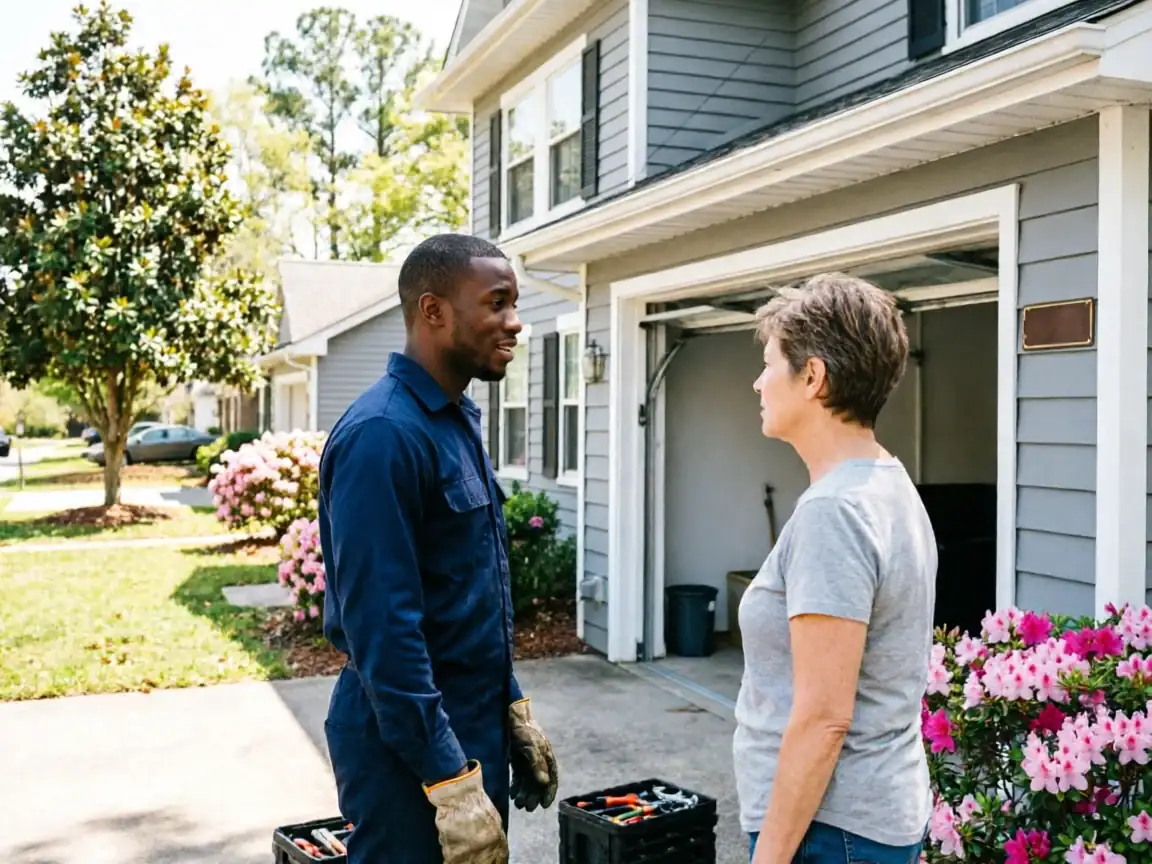
We cover Rose Hill out of Fairfax, about 11 miles up the road
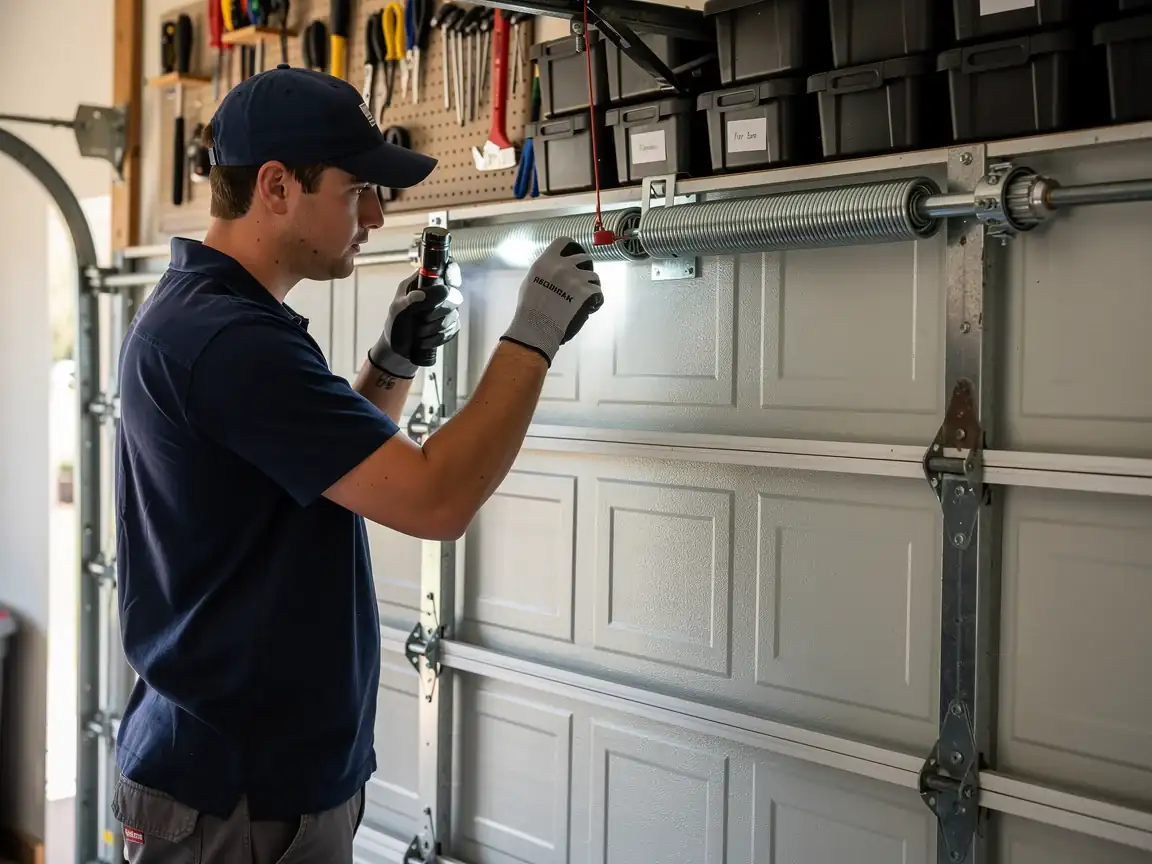
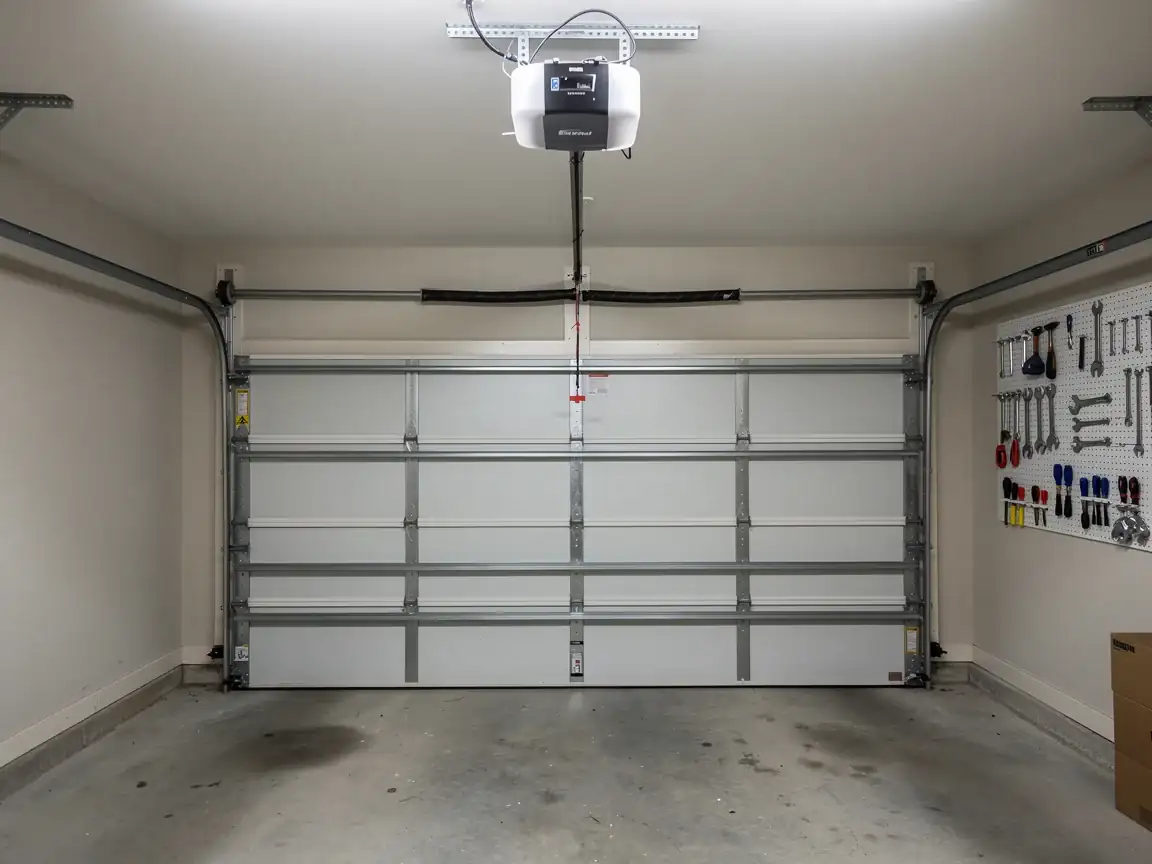
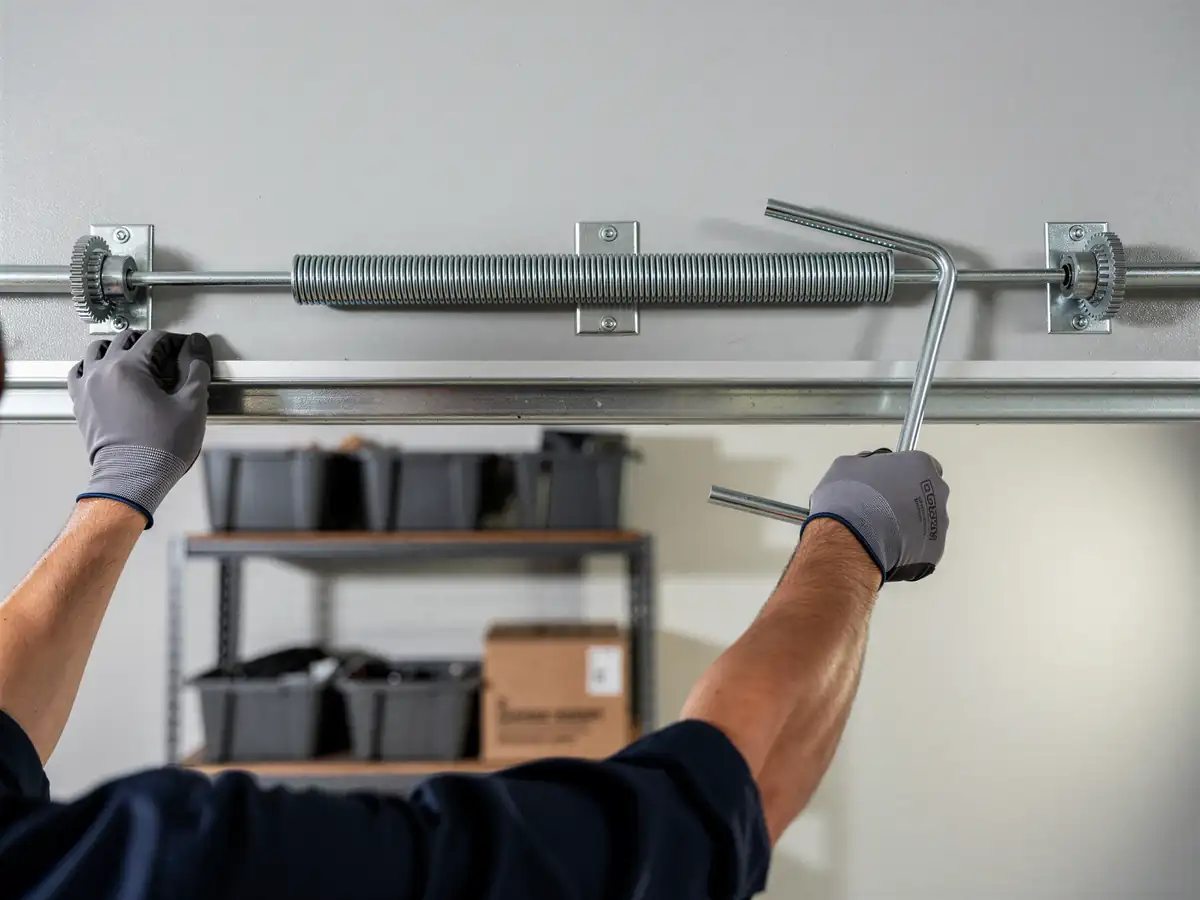
That's not a same-block response, so when you call, tell us the door's width and whether it's lifting on a torsion spring over the opening or a pair of extension springs along the tracks - most Rose Hill garages built around 1967 still run the extension-spring setup, and knowing which one you have before we load the truck means we show up with the right spring and cable instead of guessing. If you're not sure which you have, a phone photo of the inside of the door works fine. You can also check coverage for Rose Hill before you call.
- 11 miles
We don't keep a depot in Rose Hill itself
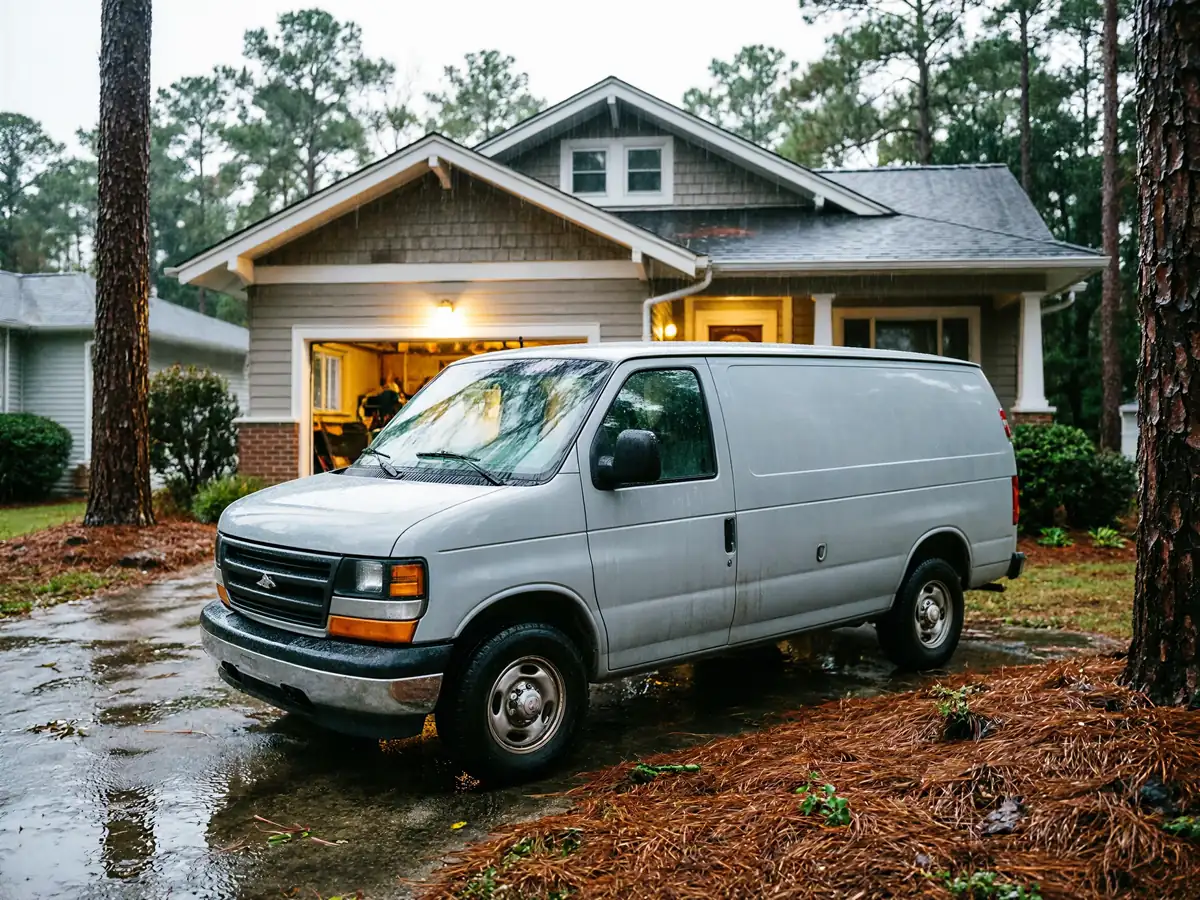
Everything comes from Fairfax, so if you call first thing in the morning, we're scheduling around the drive, not promising a same-hour window. For the full list of what we handle day to day, see our Fairfax repair page.
Why It Happens Here
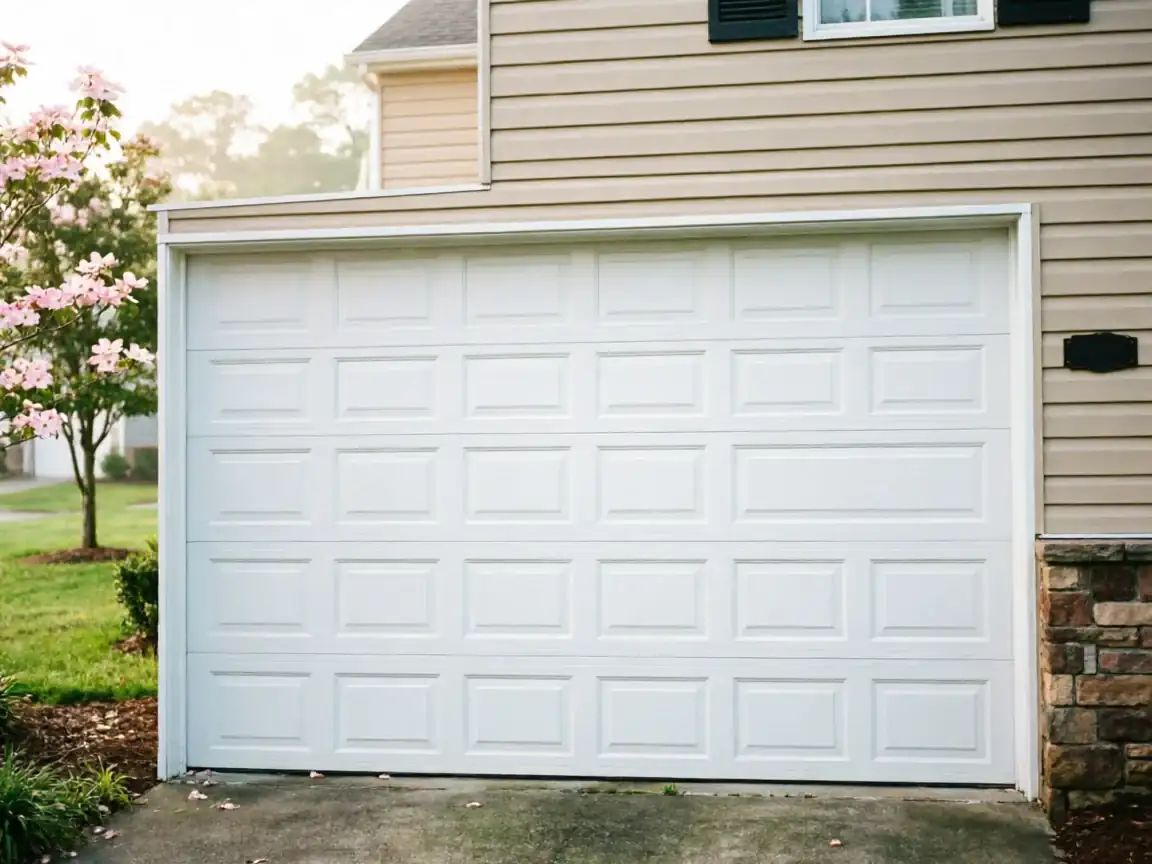
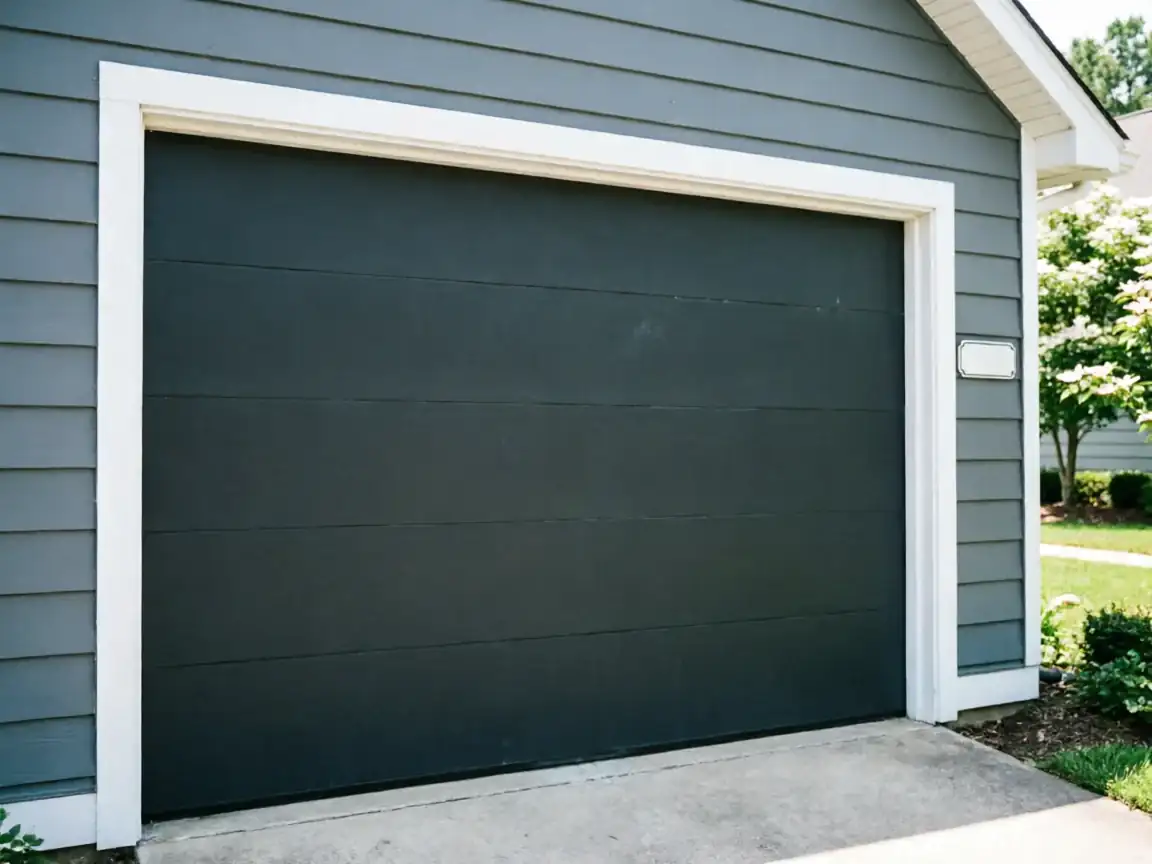
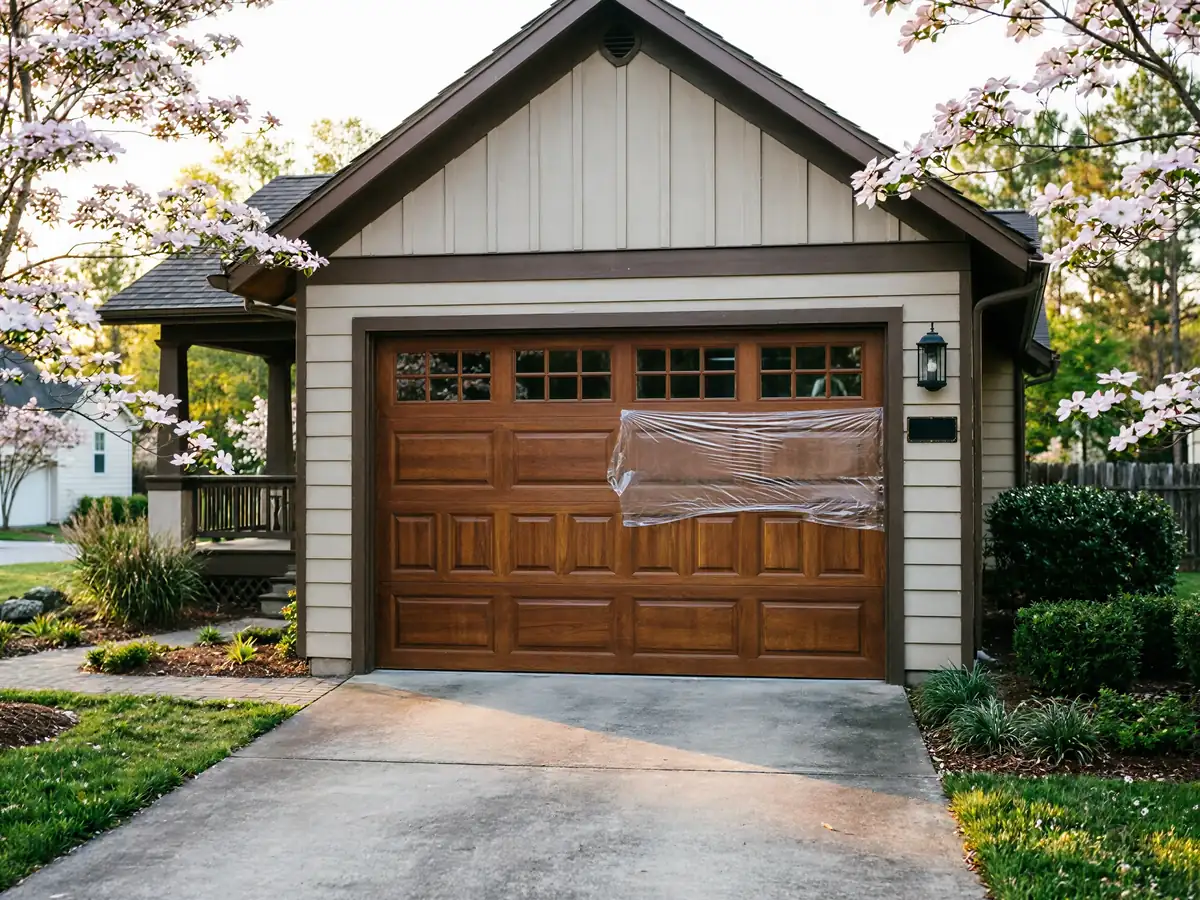
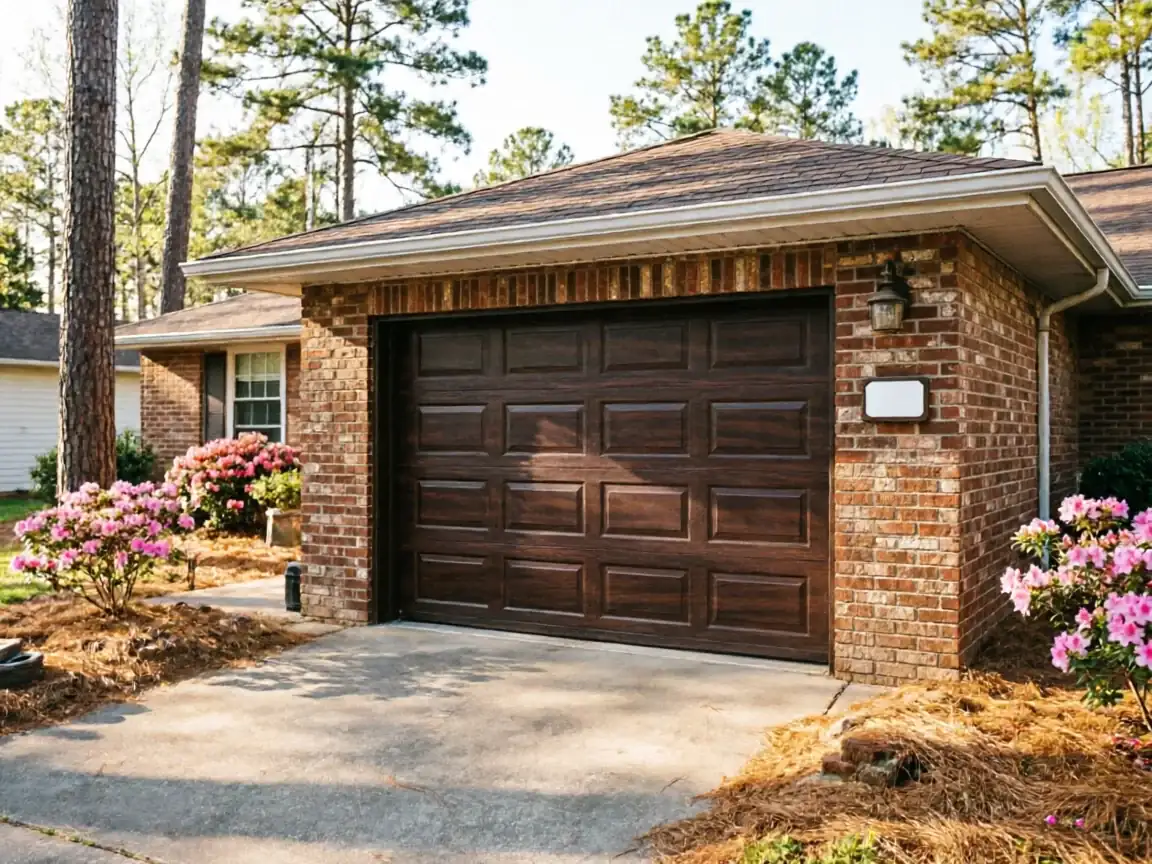
Rose Hill's housing stock centers on 1967, which puts most of these garages right in the era when builders were switching from wood doors to lightweight steel sectional panels, usually 16x7 for two-car garages, hung on extension springs rather than the torsion bar you'd find on anything built after the mid-80s. Extension springs stretch along the horizontal track on either side of the door, and after close to sixty winters of expansion and contraction, the steel fatigues at a predictable rate - it's not a defect, it's just the design doing what it was built to do for a shorter service life than torsion hardware.
The region sits in a cold-severe climate band, and that matters more for these older doors than newer ones. Cold steel gets brittle, and a spring that's already near the end of its cycle count is far more likely to let go on a January morning than a June afternoon. We see the same failure pattern across the older pockets near Fort Belvoir and Franconia, both close enough to Rose Hill to share the same building-era hardware.
Can You Do This Yourself
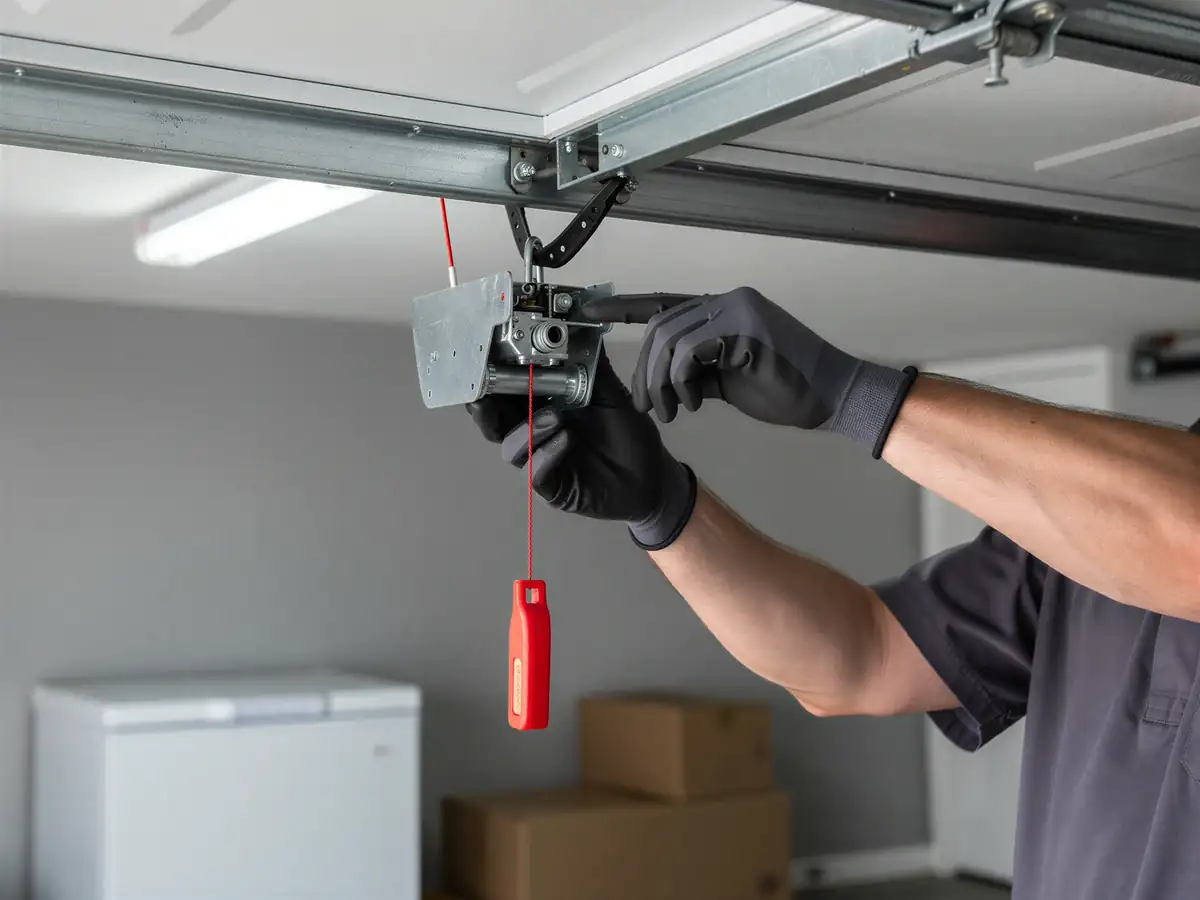
Replacing an extension spring looks simple compared to torsion work - there's no winding bar, no spring under the kind of load that can take a finger off - but the safety cables that are supposed to catch a broken extension spring are often missing or rusted through on a door this age, and that's the part that actually gets people hurt. If yours doesn't have a safety cable running through the spring, don't touch it yourself.
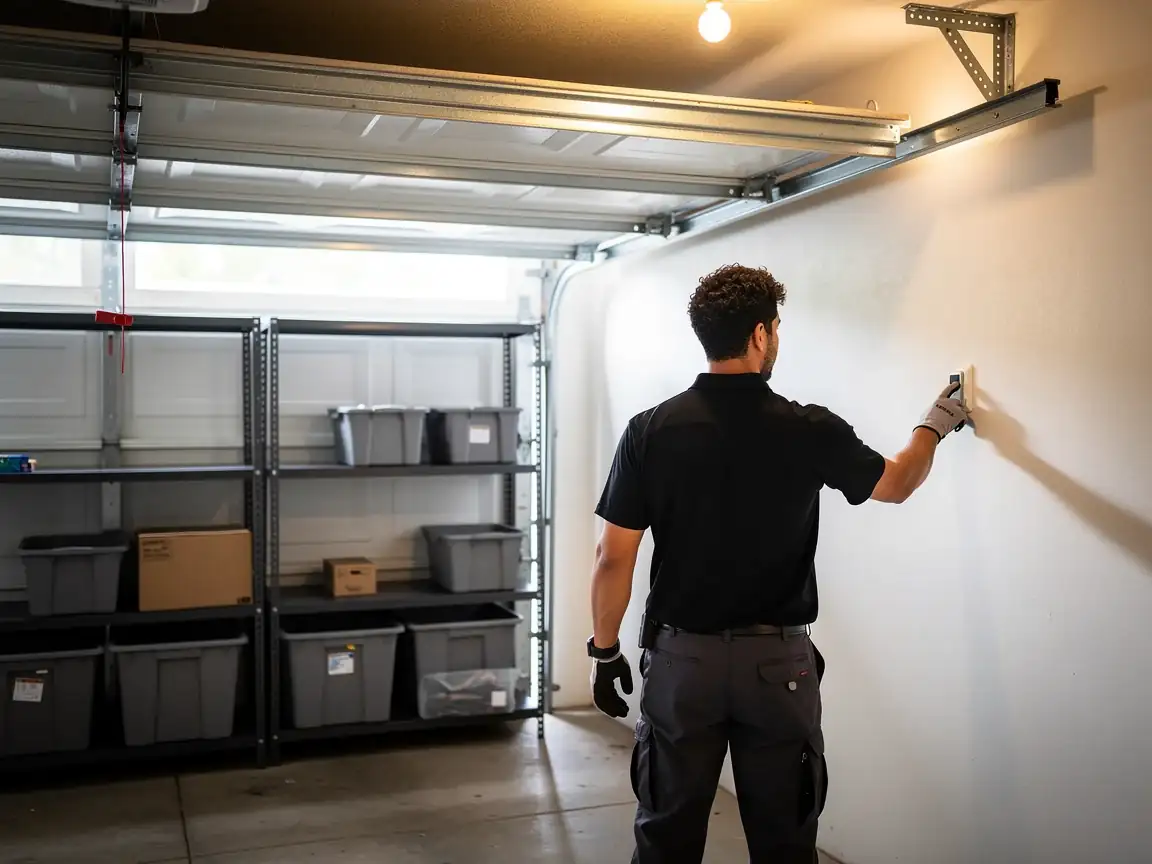
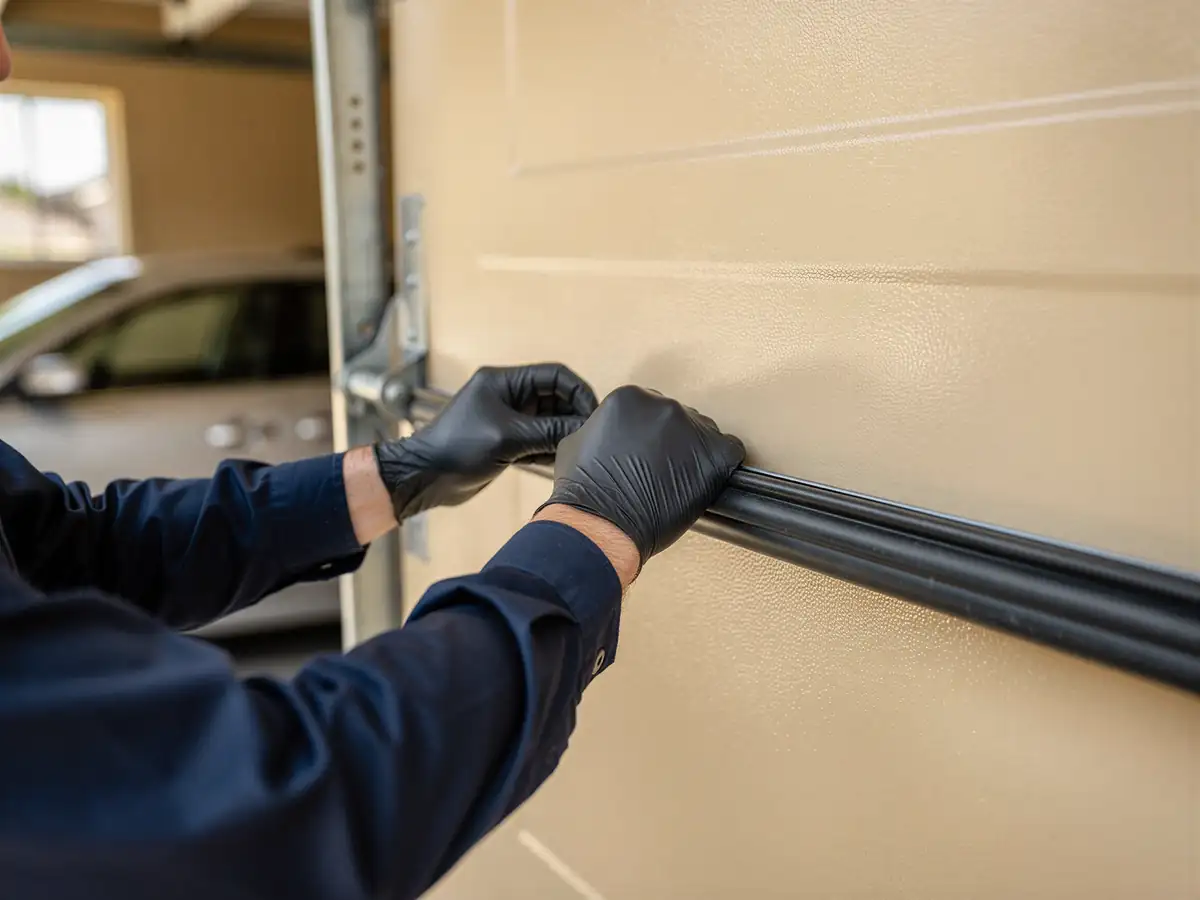
Tightening loose hinges, lubricating rollers, and replacing a cracked bottom seal are reasonable weekend jobs on a door this age and don't require touching the spring system at all. Anything involving the spring, the cable, or the drum at the end of the track is where we'd tell you to call instead - the parts are inexpensive, but the stored tension isn't forgiving if you haven't done it before.
How We Fix It
On a 1967-era door, the extension springs usually need replacing in pairs even if only one has broken
Since the other is on the same cycle count and close behind. We also check the safety cables while we're in there, since a lot of these doors never had them retrofitted after the original installation decades ago. If the steel panels themselves have rusted through at the bottom - common where the original flashing has failed - we'll tell you honestly whether a panel swap makes sense or whether the door's age means full replacement is the better spend.
We carry extension spring sets and standard roller and cable hardware on the truck for this exact generation of door
Since it's the dominant style across this part of the service area, not just Rose Hill. What we don't stock are obsolete track brackets from specific now-discontinued manufacturers; those can mean a short wait on a special order.
What You Are Seeing
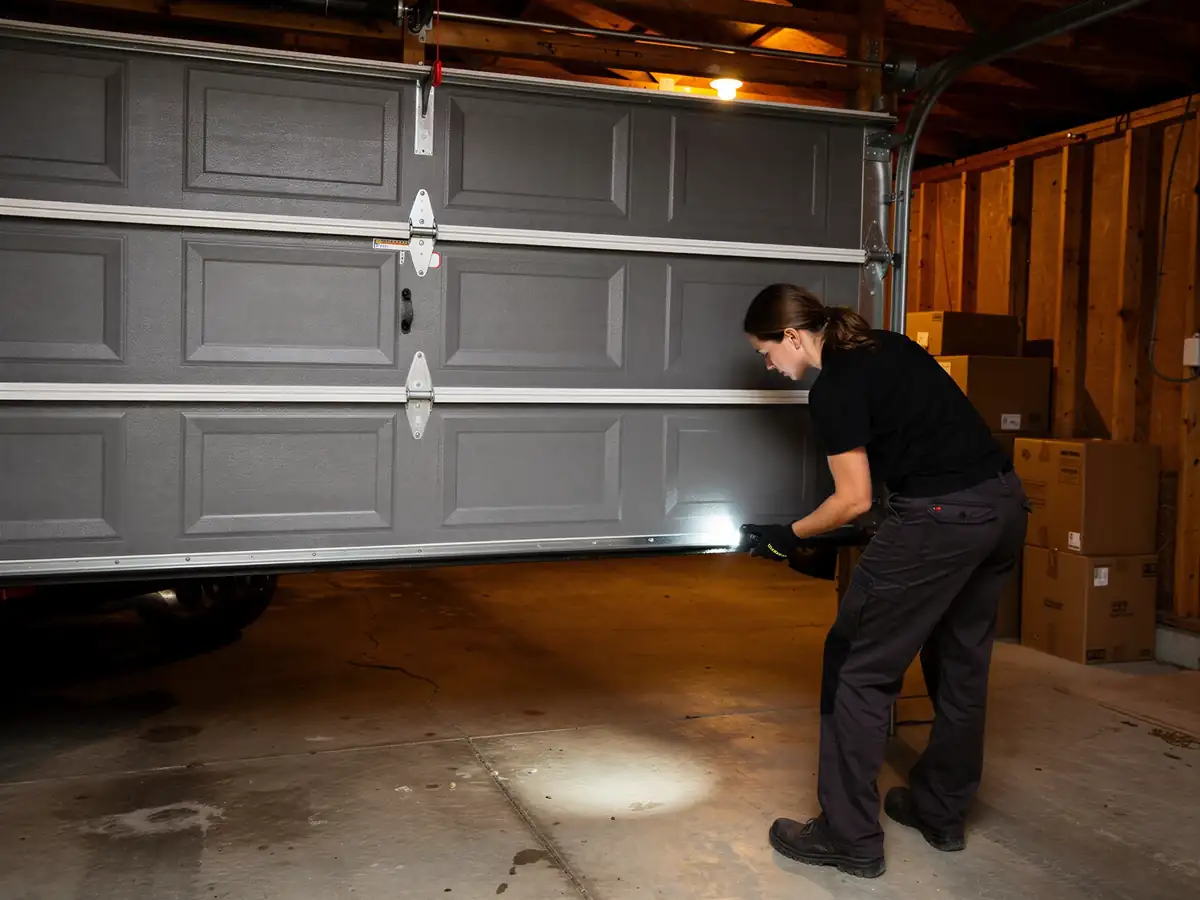
A door that slams the last foot of its travel, or drops suddenly partway down, is almost always a stretched or snapped extension spring losing its counterbalance. A door that's hard to lift by hand, feels heavier than it used to, or lifts crooked with one side higher than the other points the same direction - one spring has given out while the other is still holding.
Rust streaks running down from the spring anchor brackets are common on these older steel doors after years of exposure, and by the time you see visible rust on the spring coils themselves, it's usually close to failing. If the opener strains, reverses partway up, or trips the breaker, that's often the opener compensating for a spring that's no longer doing its share of the lifting, not an opener problem at all.