Why It Happens Here
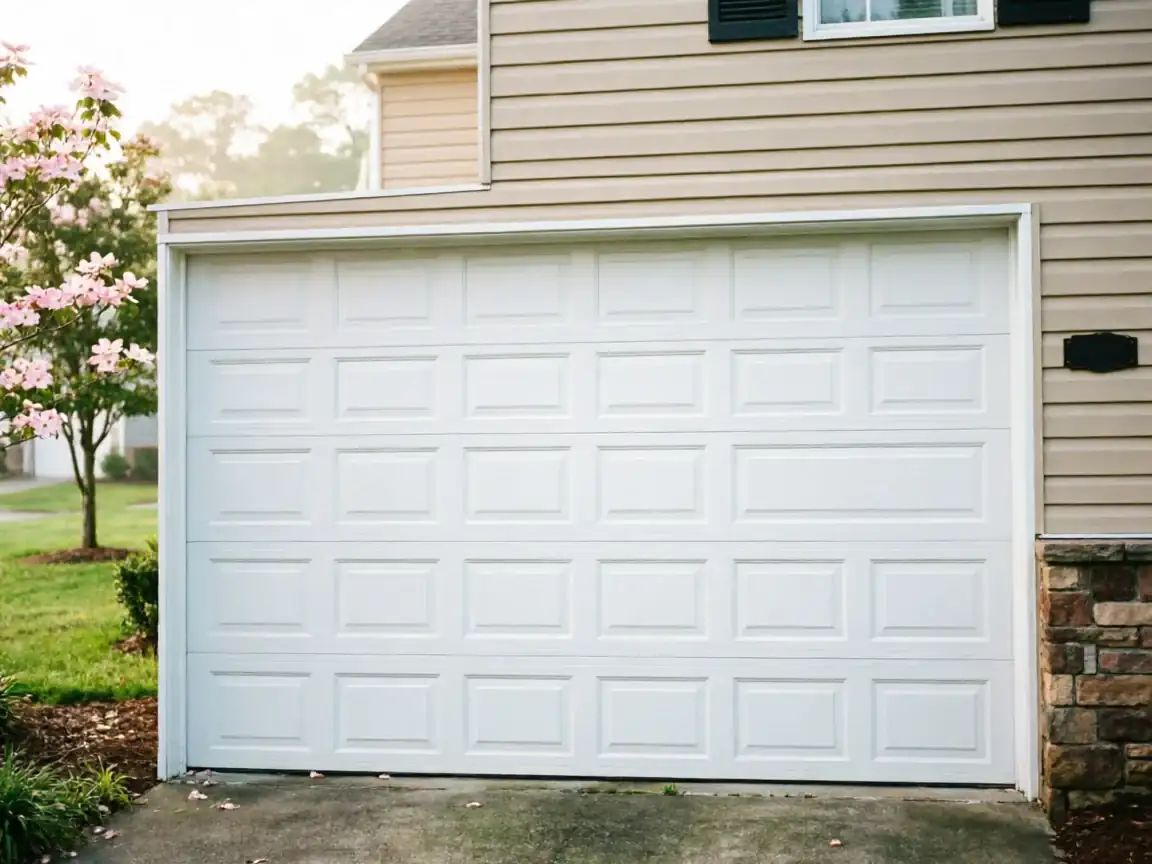
Rose Hill's housing stock centers on 1967, which puts most garage doors and their original hardware well past the point where routine wear turns into failure. A door and opener installed when a house was built in the late 1960s has had roughly five decades of seasonal temperature swings working on its springs and track alignment - and the region sits in a cold-climate band that cycles hard between summer humidity and winter freeze, which is rough on galvanized torsion springs and any track that's even slightly out of plumb. Houses in this age bracket across the area were mostly built through the 1960s and 70s, so a lot of the panels, hinges, and tension springs in Rose Hill driveways are either original or first-generation replacements. That's not a maintenance problem you can out-think with a better opener; it's a hardware-age problem, and it's the reason a yearly check pays for itself here more than it would in a newer subdivision.
Can You Do This Yourself
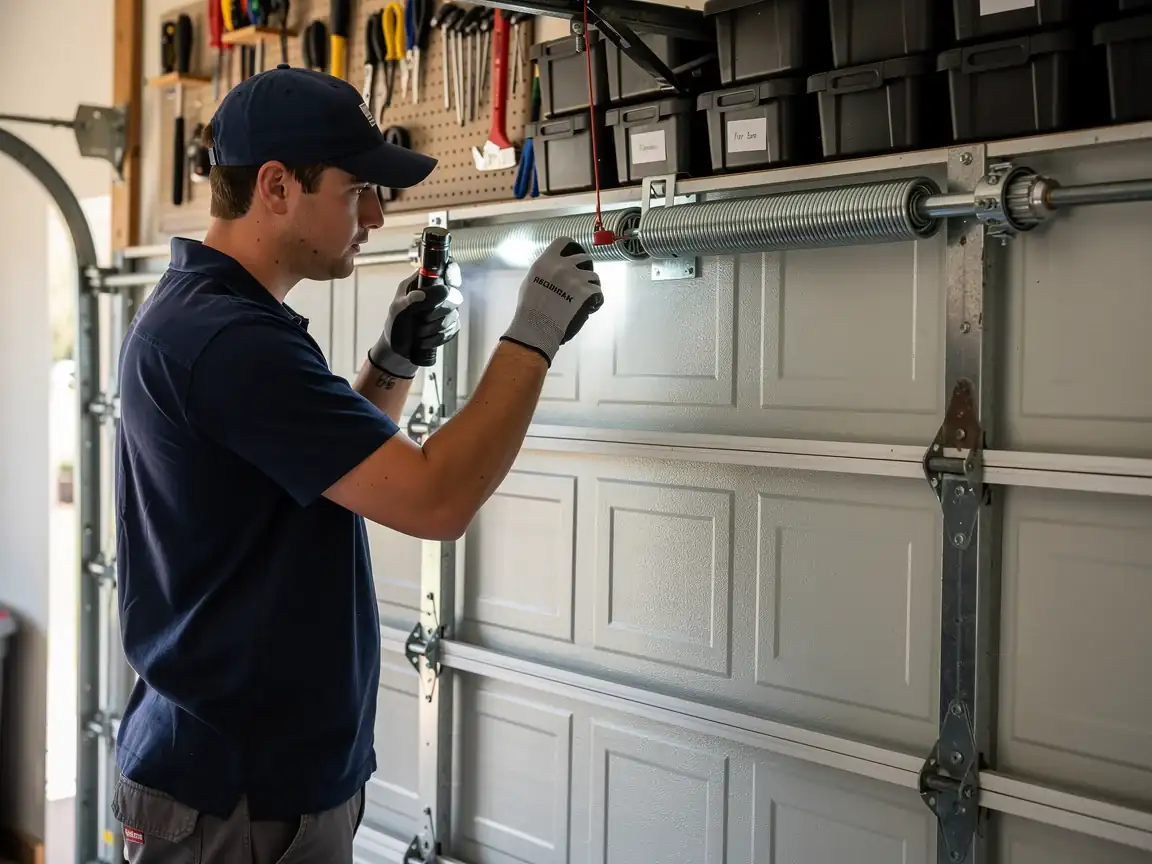
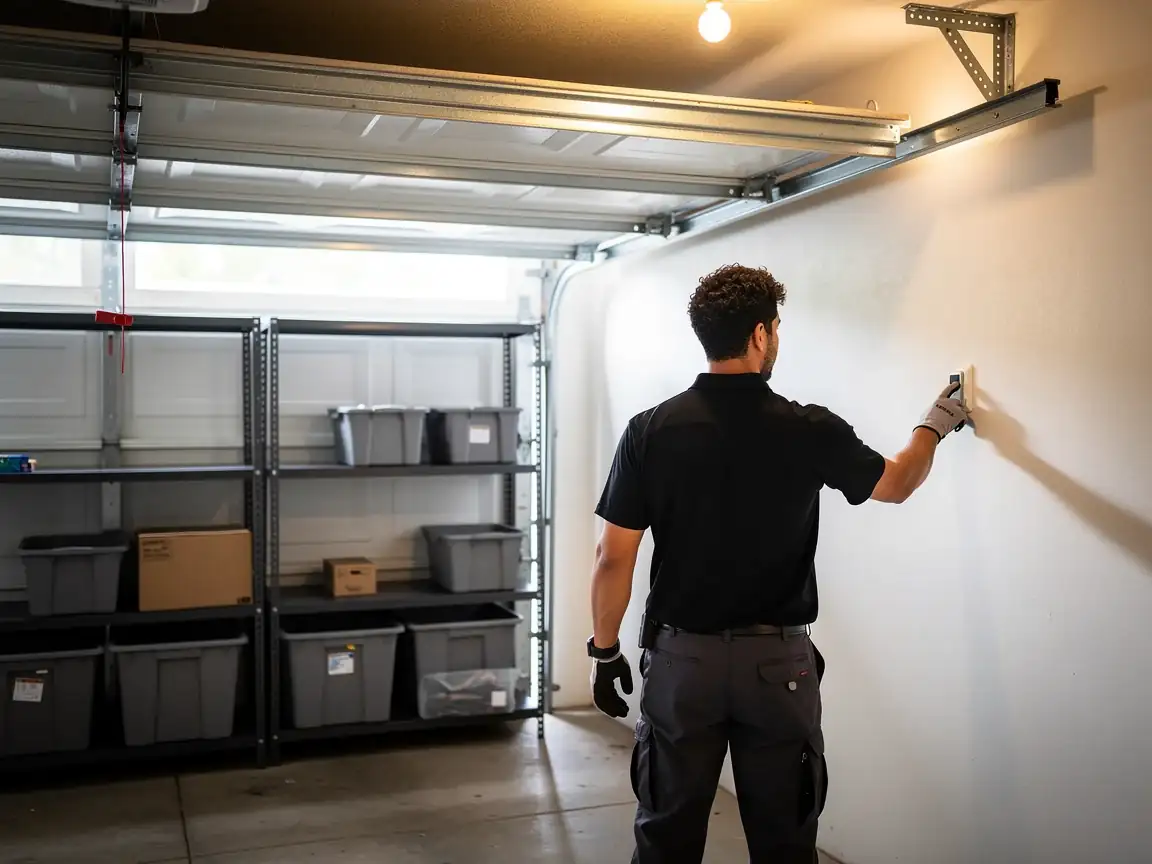
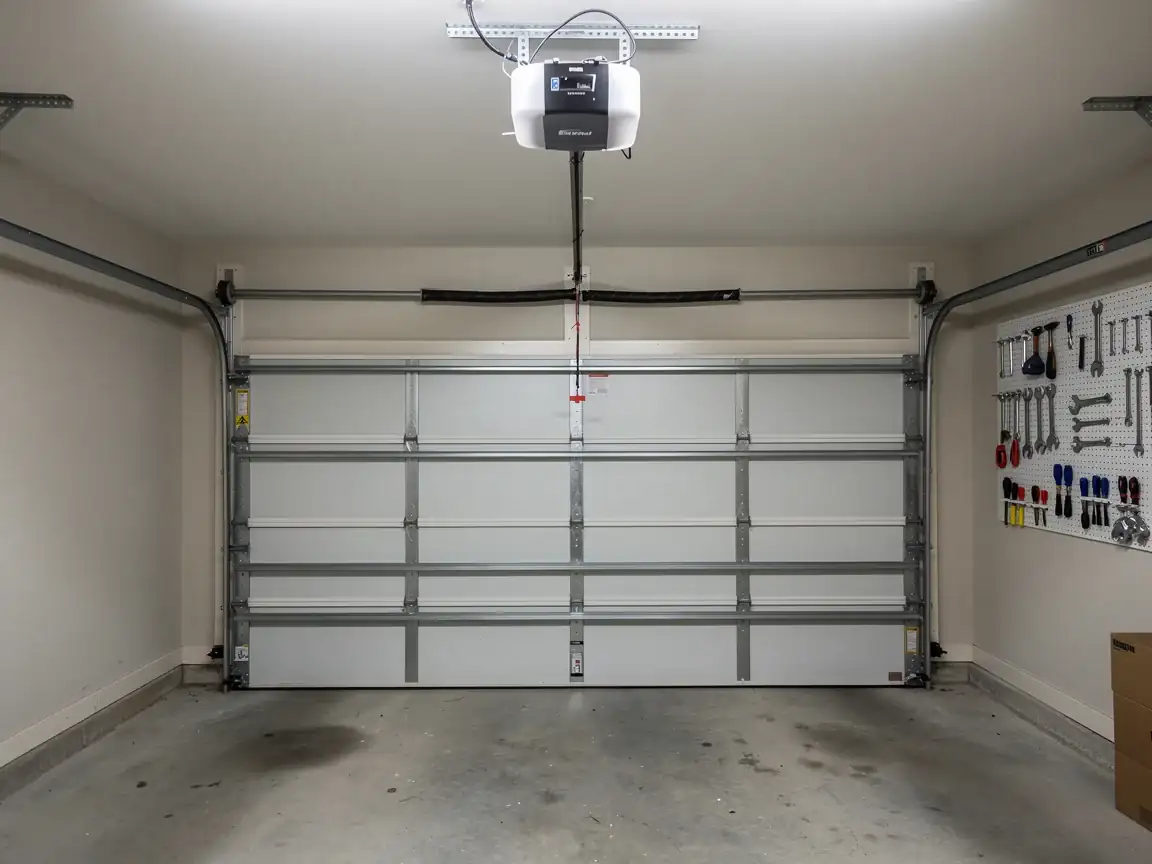
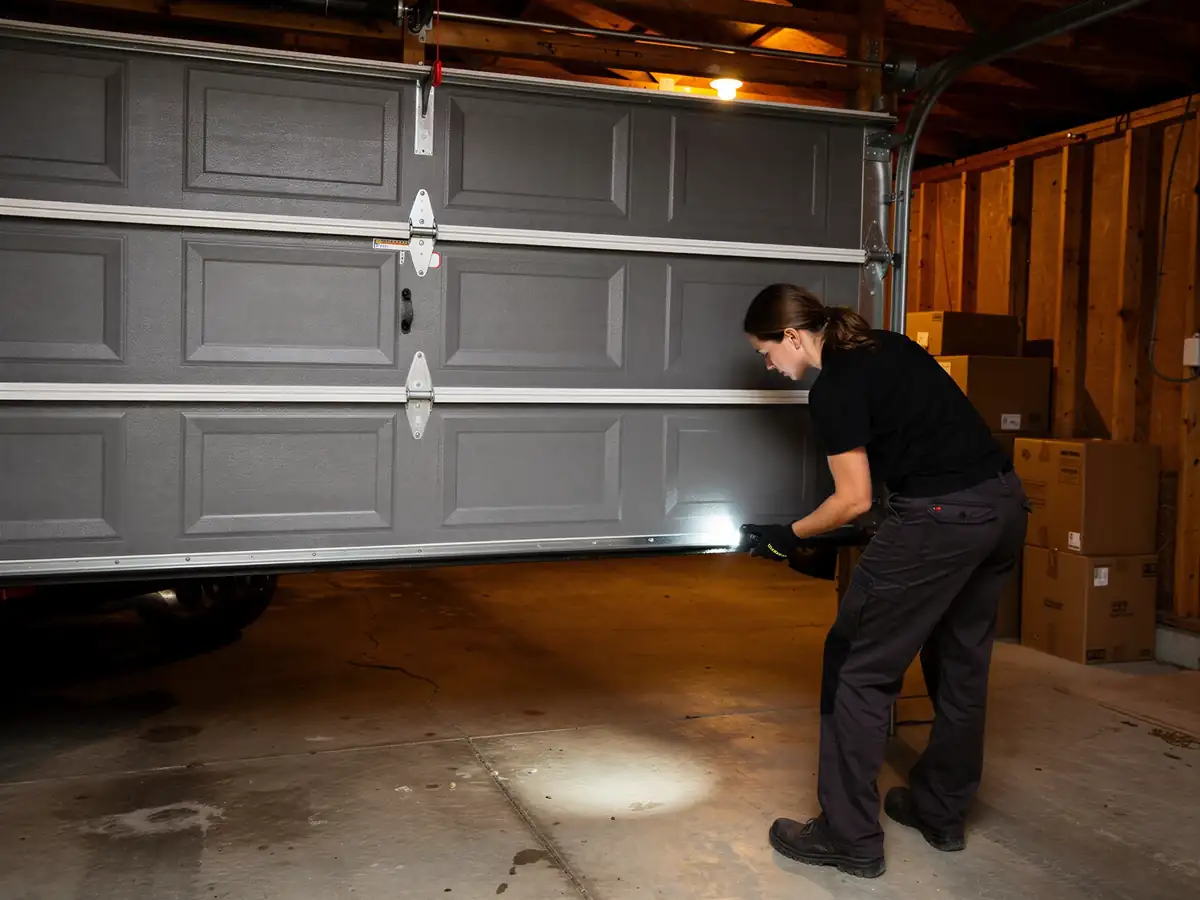
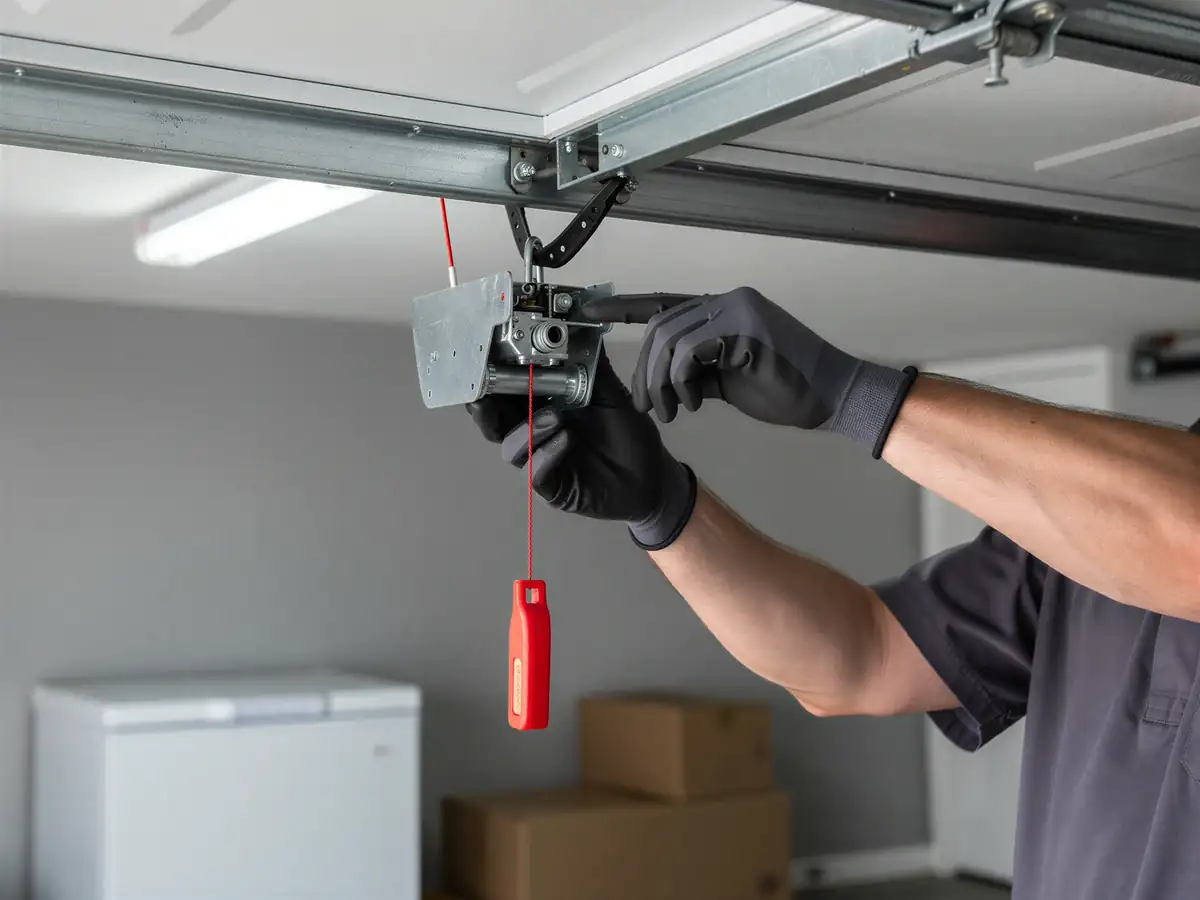
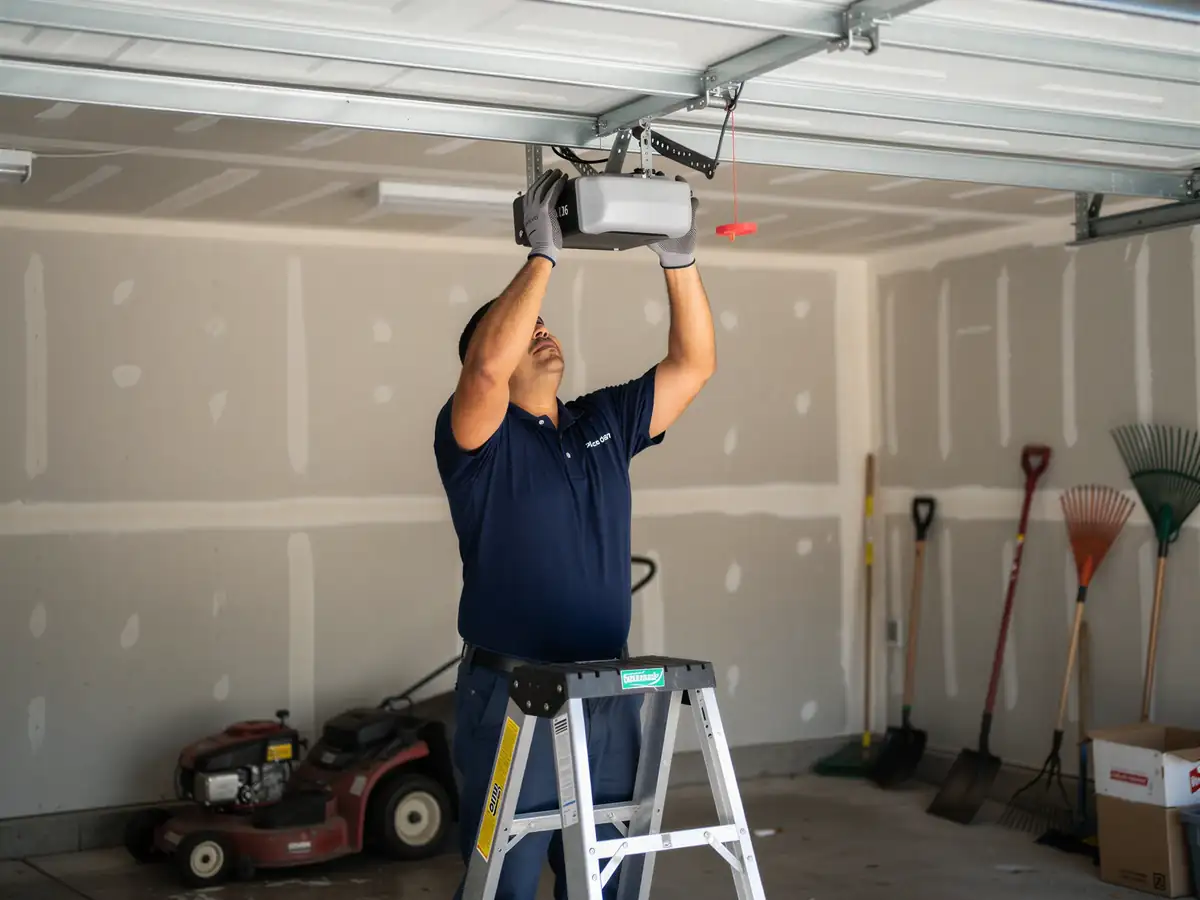
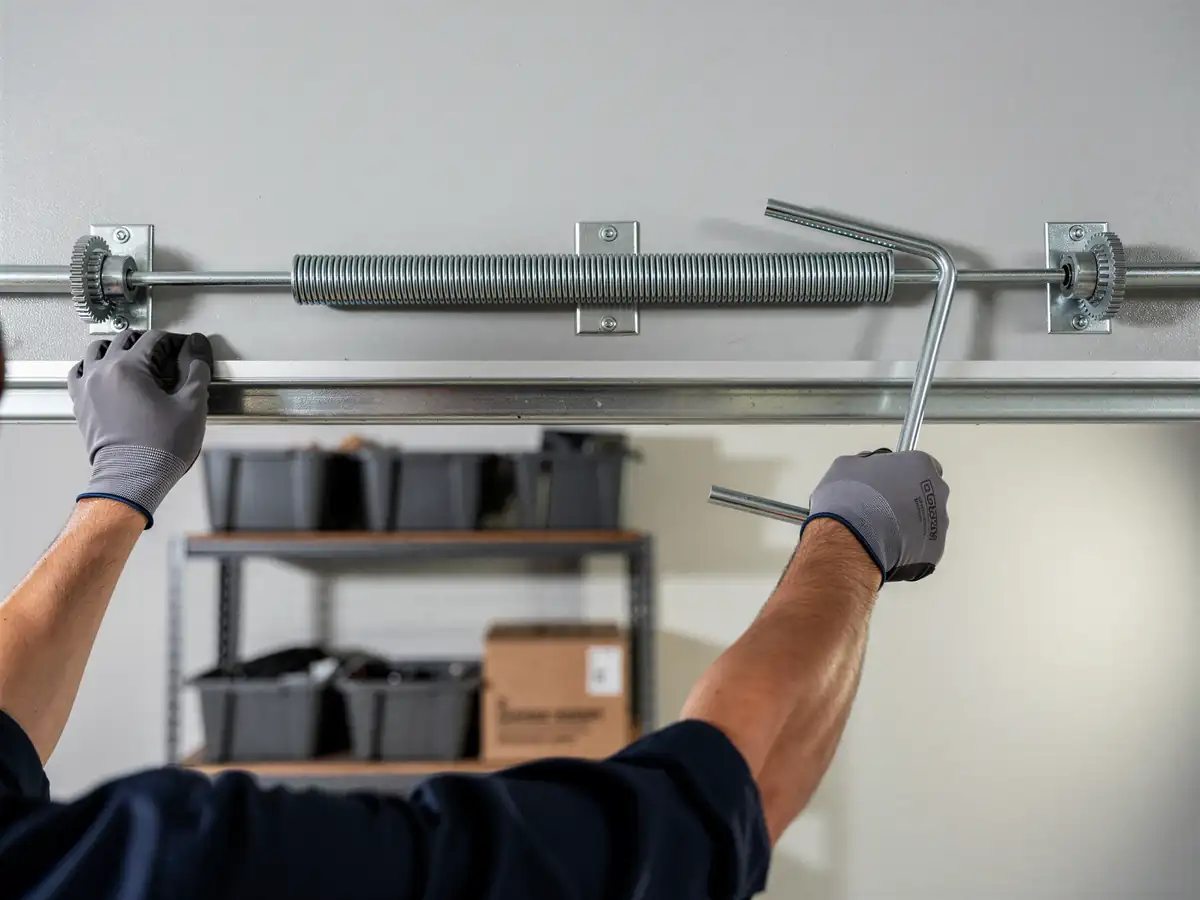
Some of it, yes. Wipe down and lubricate the rollers and hinges with a garage-door-specific lubricant (not WD-40, which washes grease out rather than adding it), and check that the photo-eye sensors near the floor are clean and aligned. Listen for grinding or popping on the way up - that's worth writing down and mentioning to whoever services the door. What you shouldn't touch: the torsion spring. It's wound under enough tension to cause a serious injury if it lets go while you're adjusting it, and on a house built in the 1960s that spring has likely never been replaced. Track alignment and cable tension are also jobs for someone who does this daily, not because you're not capable, but because the margin for a mistake is thin and the parts aren't forgiving. If in doubt, leave it for the scheduled visit.
What You Are Seeing
If your door is noticeably heavier to lift by hand than it used to be, that's spring fatigue, and it's common on doors from Rose Hill's build era. A door that shudders or jumps partway up usually means a cable or roller issue, not the opener. Rust streaking near the spring coils after a wet winter is a sign the coating has worn through - expected on 50-plus-year-old hardware in a climate that swings between humid summers and hard freezes. If the opener strains and reverses before the door fully closes, check the force setting first; it's often simpler than a motor problem. None of these mean you need a new door tomorrow, but none of them fix themselves either.