Why It Happens Here
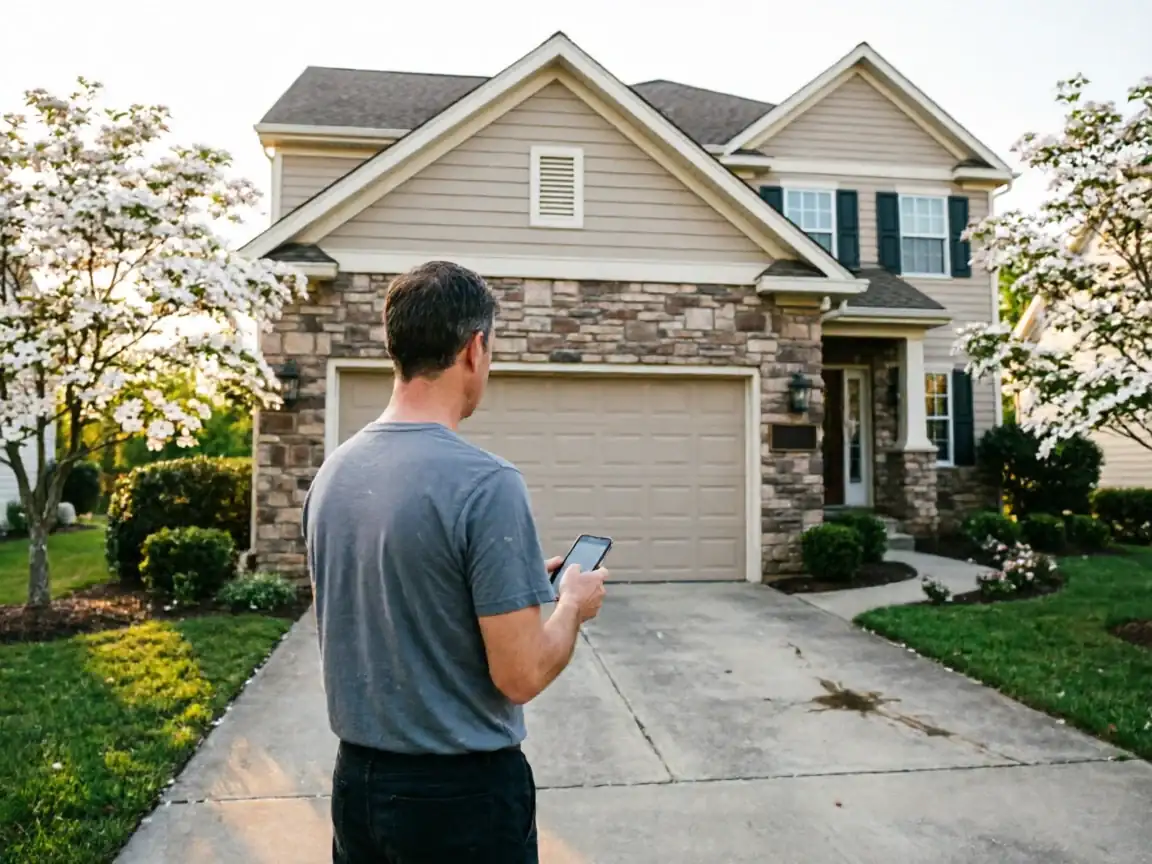
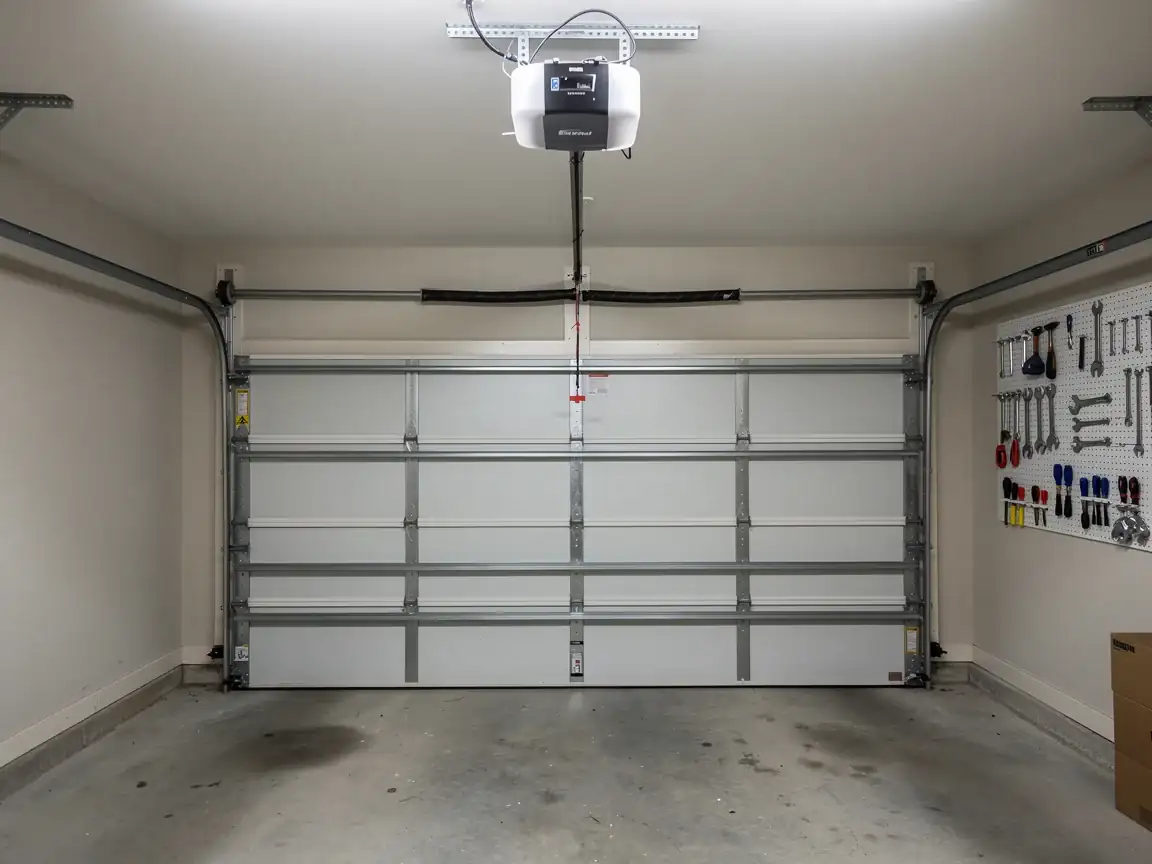
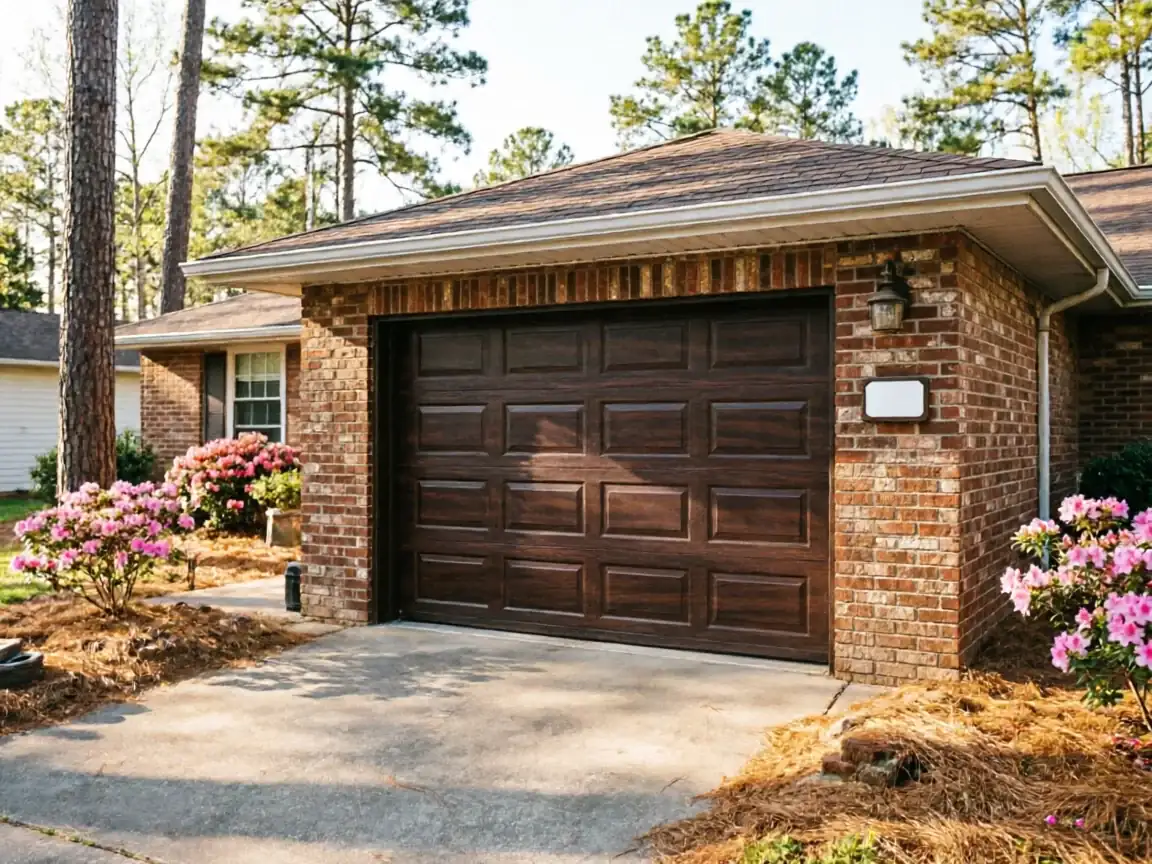
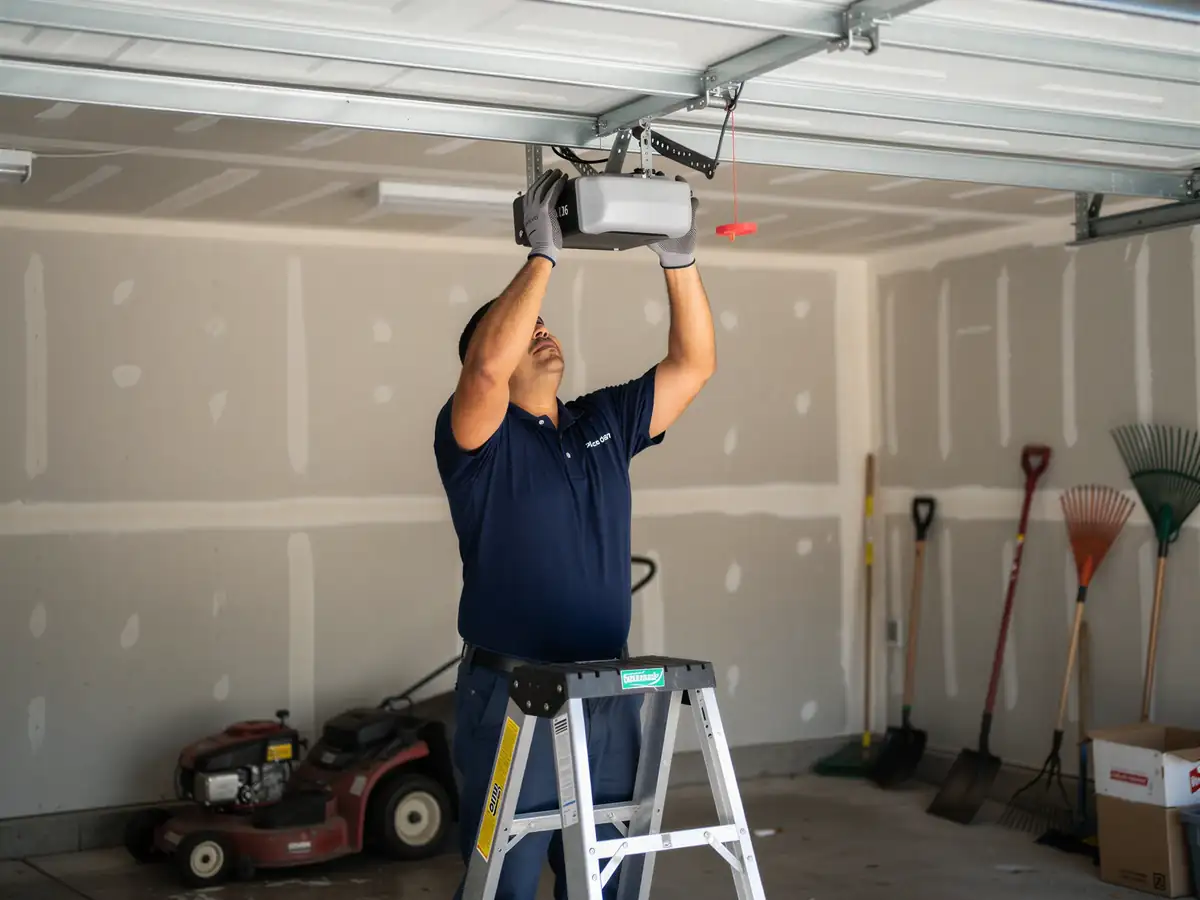
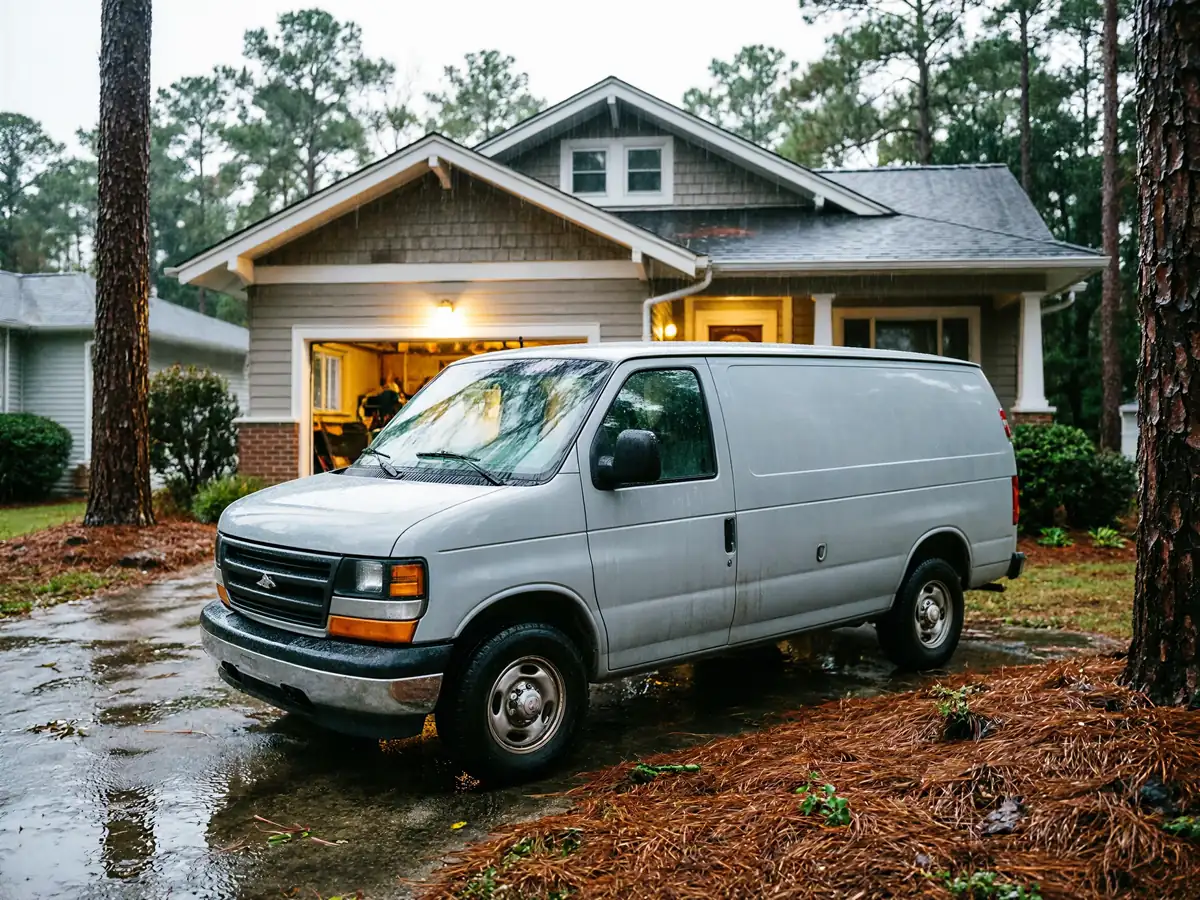
Rose Hill's housing stock centers on 1967, which puts most garages here a good decade or two newer than some of the older pockets in this part of the region but still old enough that openers have been swapped at least once, sometimes twice, since the house went up. What we see most is a mismatch: a newer chain-drive or belt unit bolted onto header framing and track brackets that are original to the 1960s build. The hardware doesn't always line up the way the opener manufacturer intended, which puts extra strain on the drive gear and the trolley. Add in the cold-climate swings this area gets - hard freezes that thicken the lubricant on the rail and stress capacitors in the opener's circuit board - and you get a predictable failure pattern: openers that work fine in October and stall out by January. Higher household income in this area, around $160,426, often means owners replace an opener outright rather than patch a worn motor, but that doesn't prevent the gear or sensor failures that come standard with cold-weather wear on a decades-old garage structure.
Can You Do This Yourself
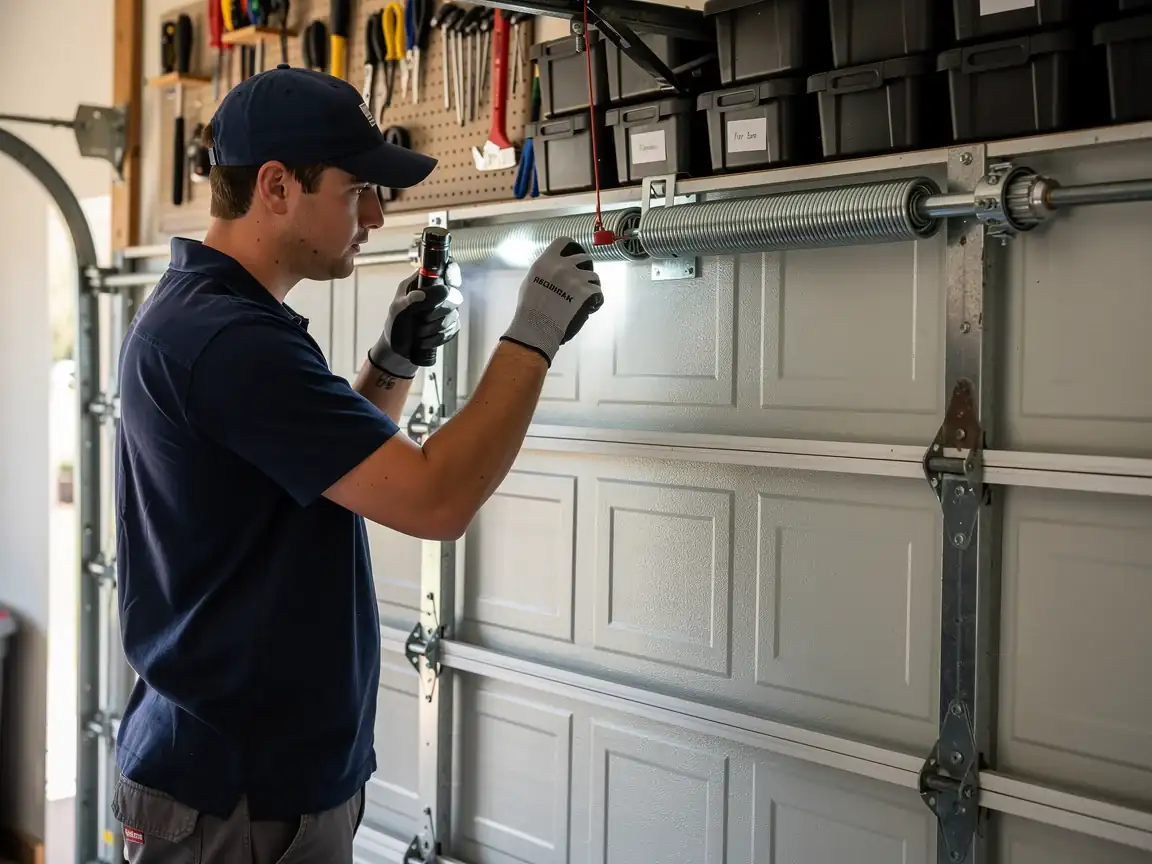
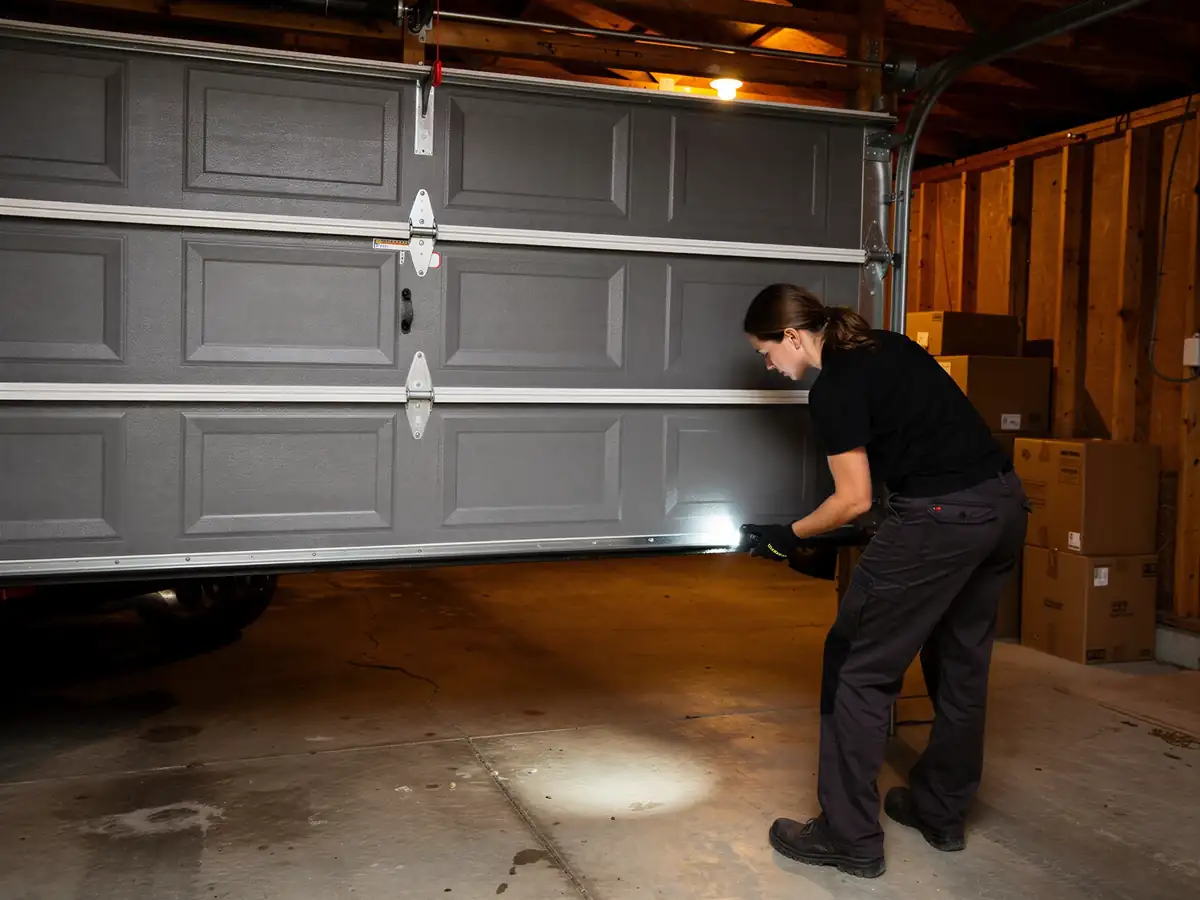
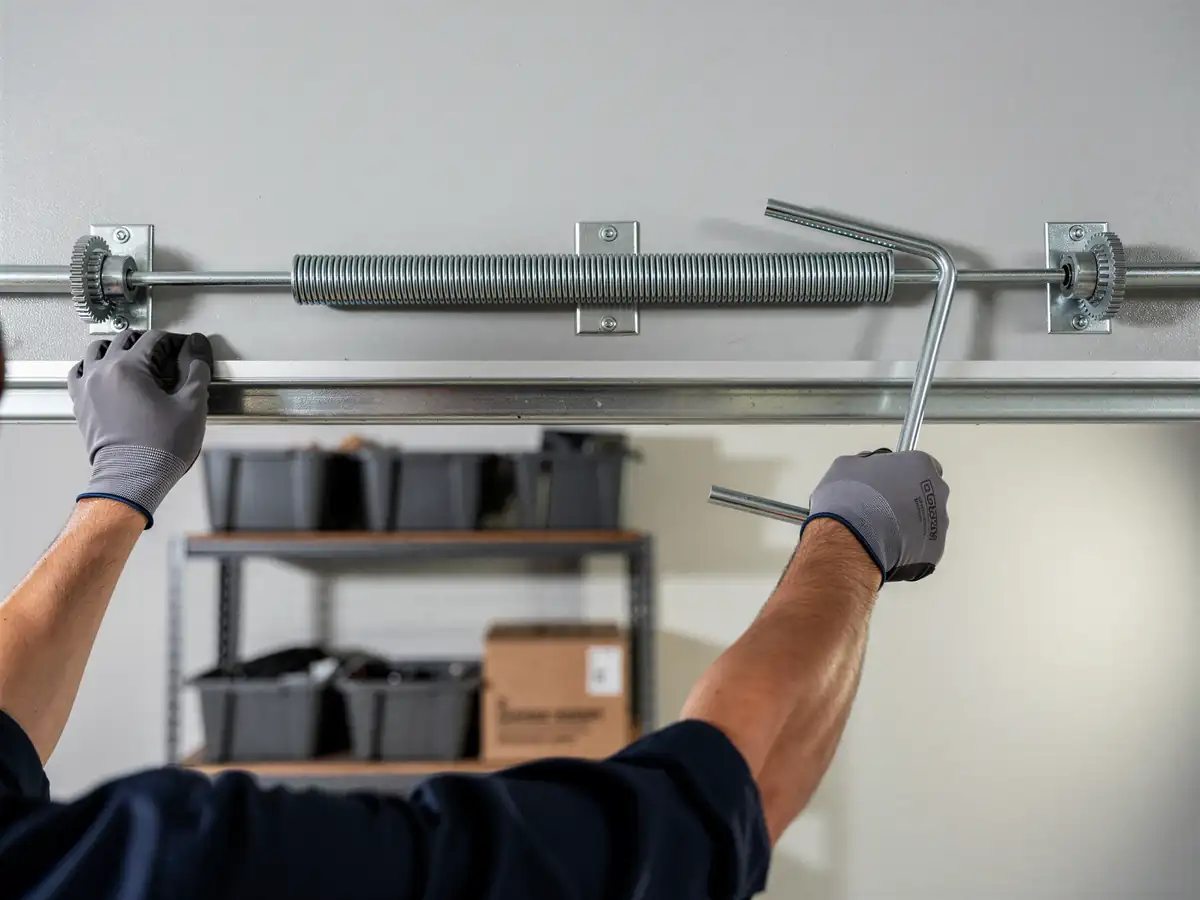
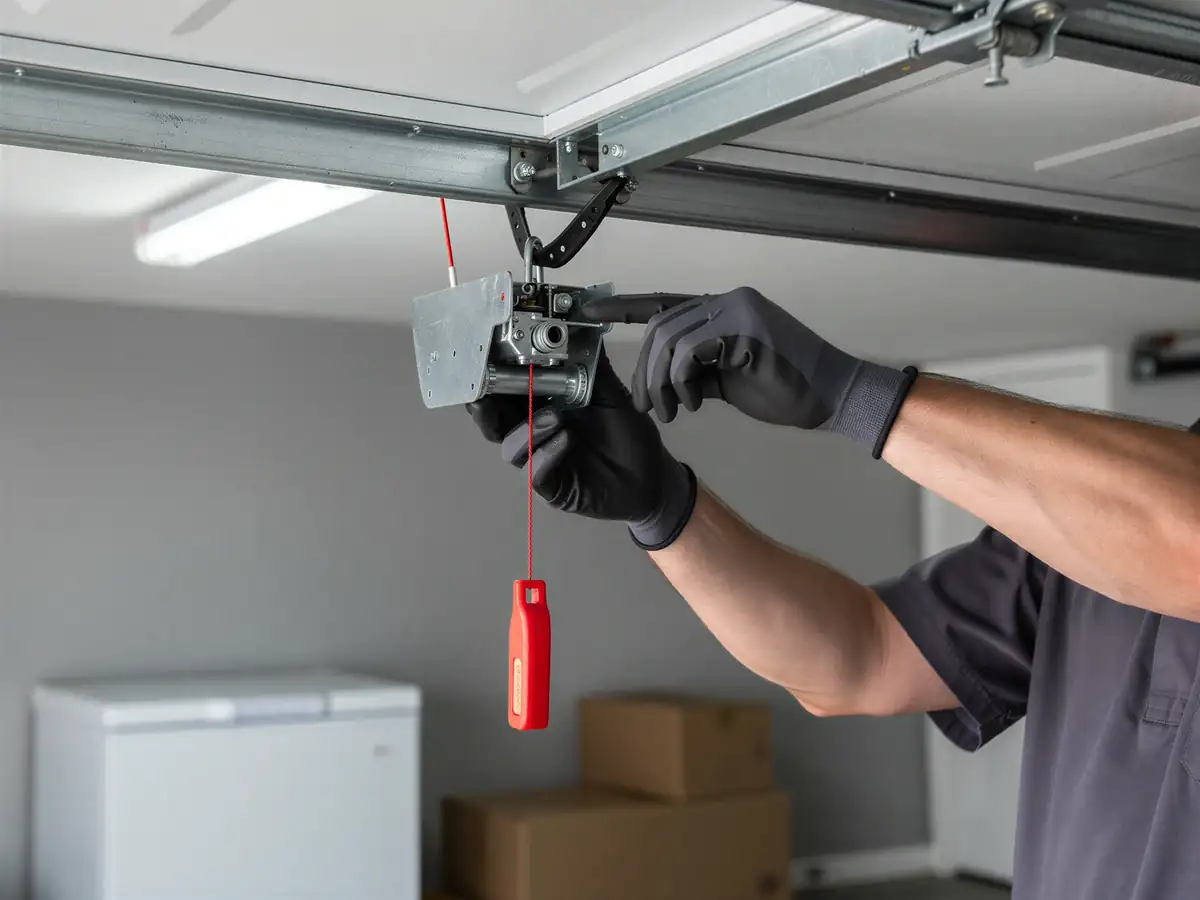
Some of this is doable. If your opener runs but the door won't close, check the photo-eye sensors near the floor - a bump or a cobweb across the lens is a common fix on garages this age, and it costs you nothing but ten minutes. Dead remote batteries, a tripped breaker, or a disconnected safety cord are all things you can rule out before calling anyone. What you shouldn't touch is the opener's logic board, the drive gear assembly, or anything involving the torsion spring the opener is lifting against - those carry enough stored force to cause a real injury, and getting a replacement board wired wrong can fry a brand-new unit. If you've reset the sensors, checked the breaker, and the opener still won't run or runs but won't lift the door, that's a service call, not a weekend project.
What You Are Seeing
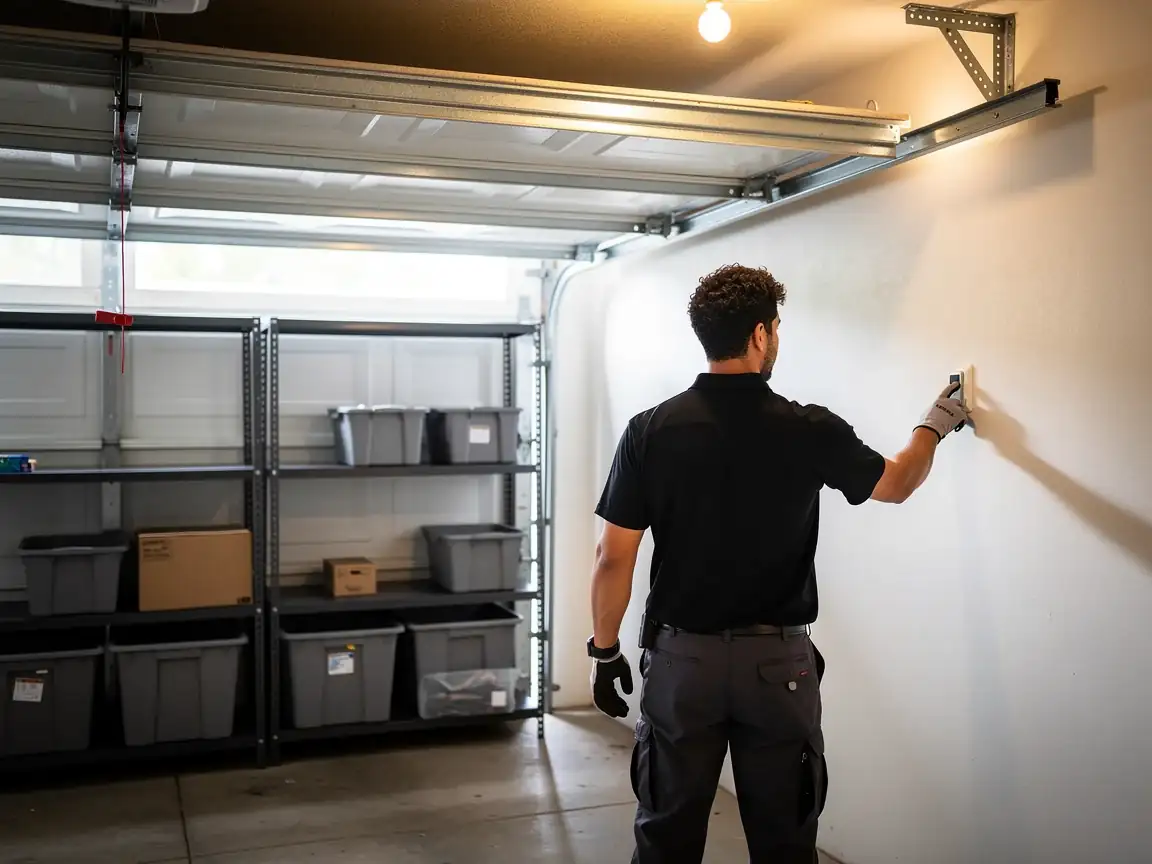
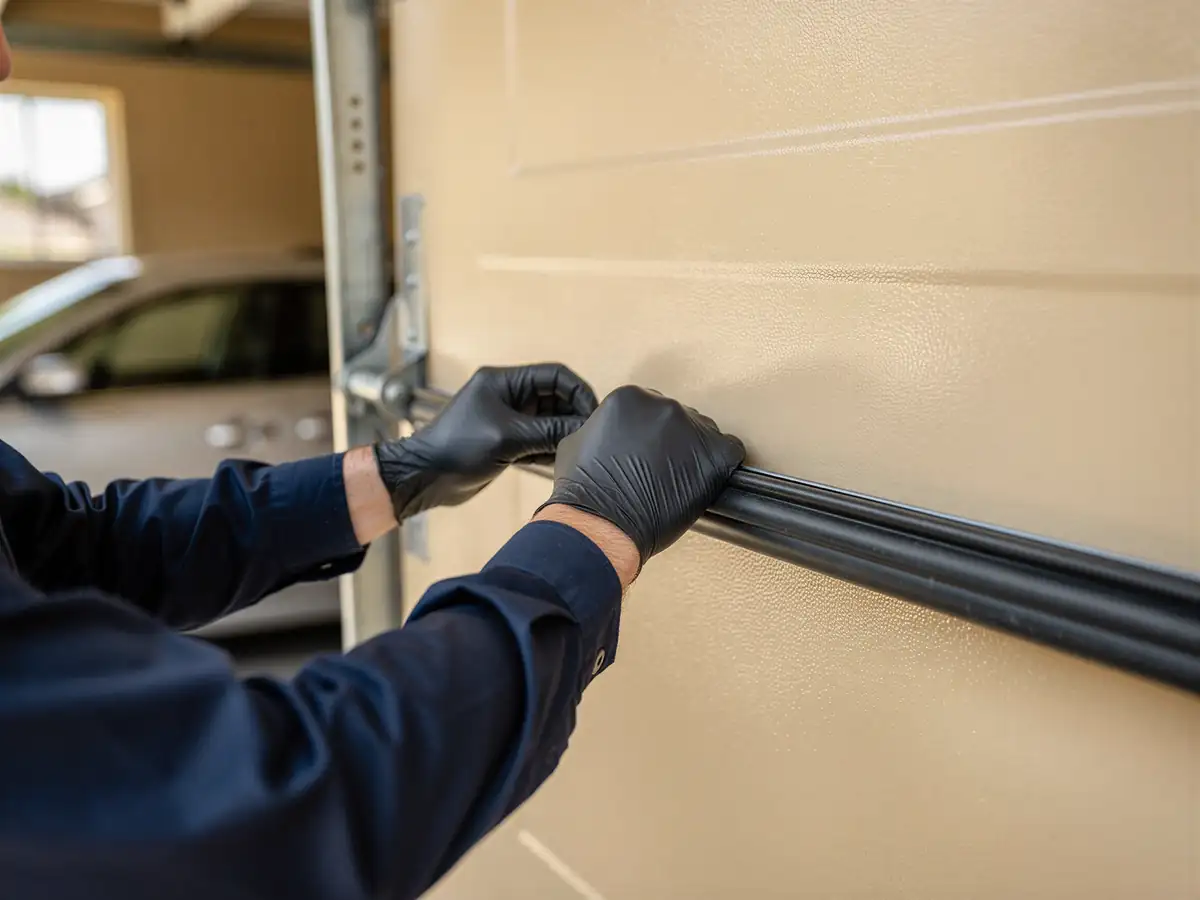
A door that opens but won't close, or closes partway and reverses, almost always traces back to the sensors or a misaligned safety beam - a common complaint in Rose Hill garages where additions or shelving have shifted something near the sensor brackets over the years. A door that doesn't move at all, with the opener light on, usually points to the drive gear or a burned-out motor. Grinding or screeching on a cycle, especially worse in cold weather, is the gear or the chain needing lubrication it hasn't gotten in a while. If the remote works but the wall button doesn't, or vice versa, that's wiring, not the motor, and it's a quicker fix than most people expect. None of these point to a specific age of opener - we've seen units installed last year fail the same way as ones that have been running since the Clinton administration - but the cold snaps this area gets make almost all of these faults show up sooner than they would in a milder climate.