Why It Happens Here
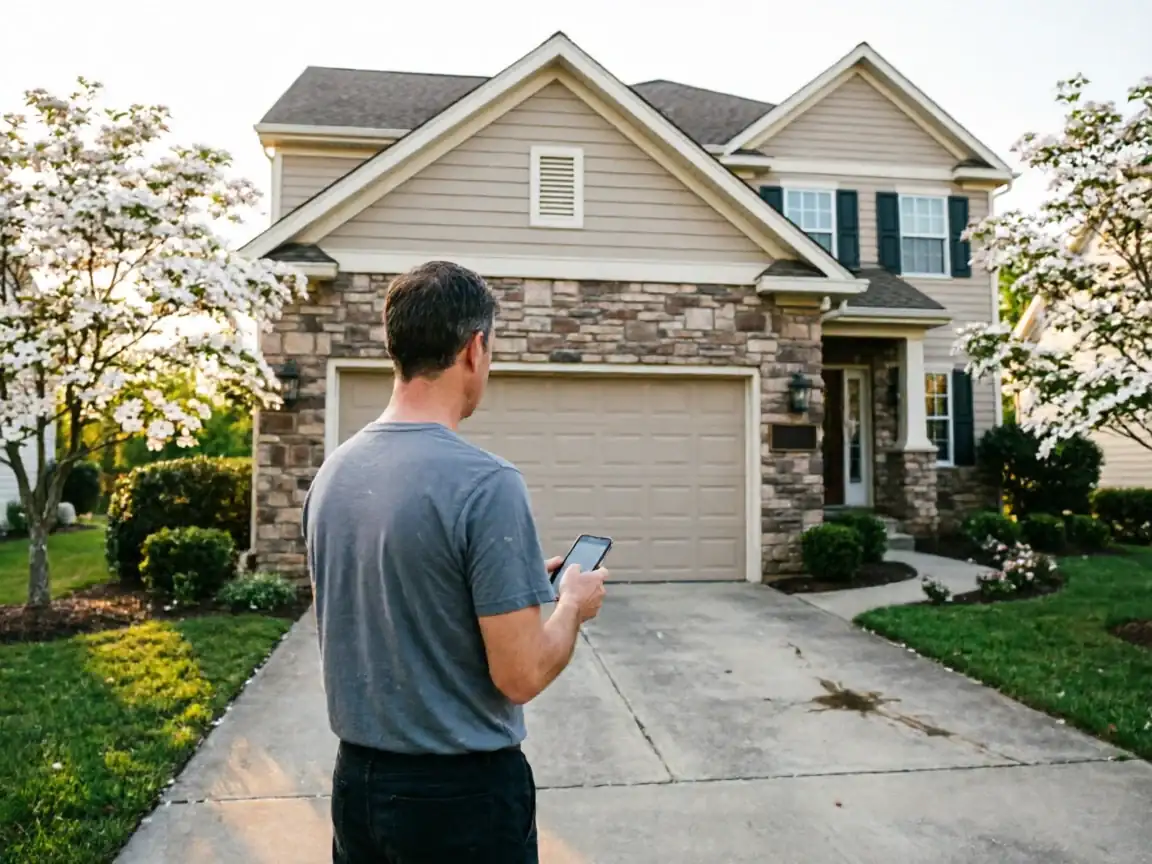
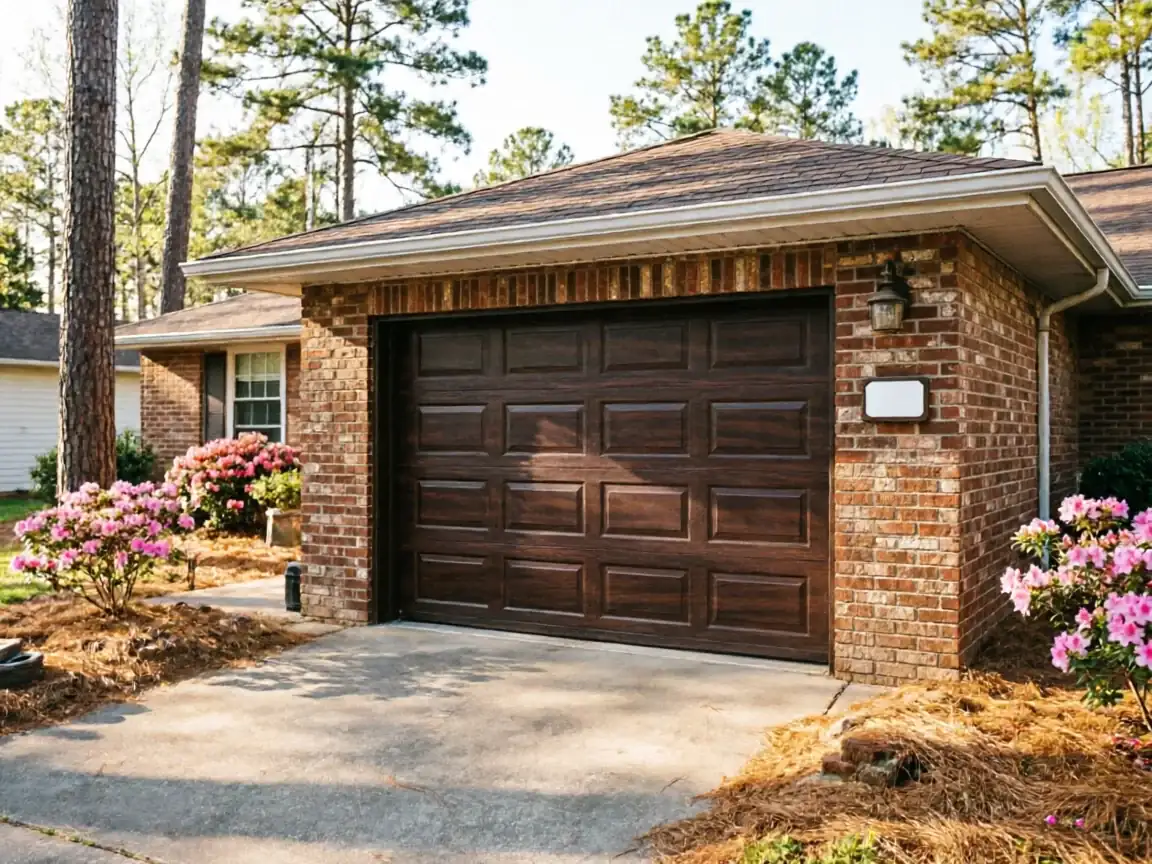
A 1967 median build year means a lot of Rose Hill's garage doors are working off hardware that's never been swapped. Torsion springs are rated for a set number of open-close cycles, and once a house passes the half-century mark, most springs installed at construction have worked well past that rating whether or not anyone noticed. On top of that, this area sits in a cold climate band with real winter swings, and steel spring wire loses some flexibility as temperatures drop - a spring that's been quietly fatiguing for decades is more likely to finally give out on a cold morning than a mild one. We see this pattern often enough in neighborhoods built around the same era: the door looks fine for years, then one cold snap is the final cycle the spring had left. It's not bad luck, it's just the math of old wire finally catching up.
Can You Do This Yourself
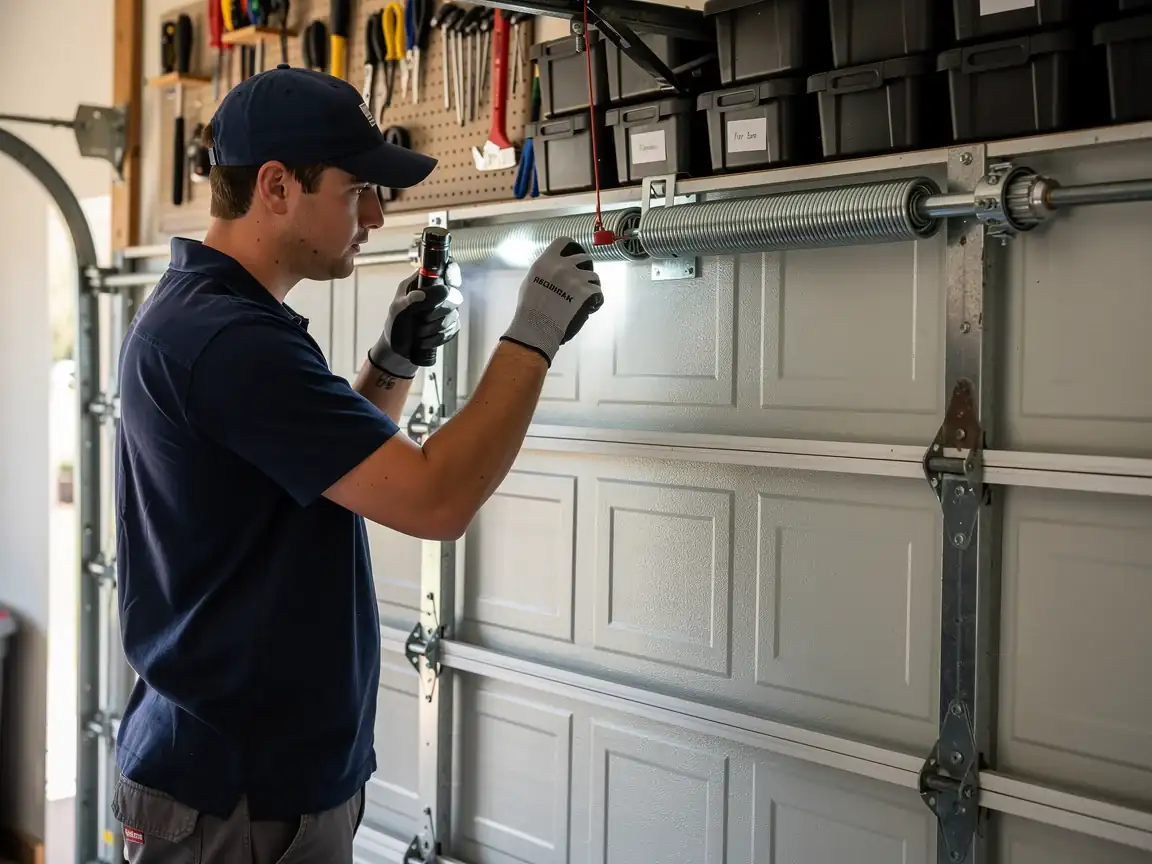
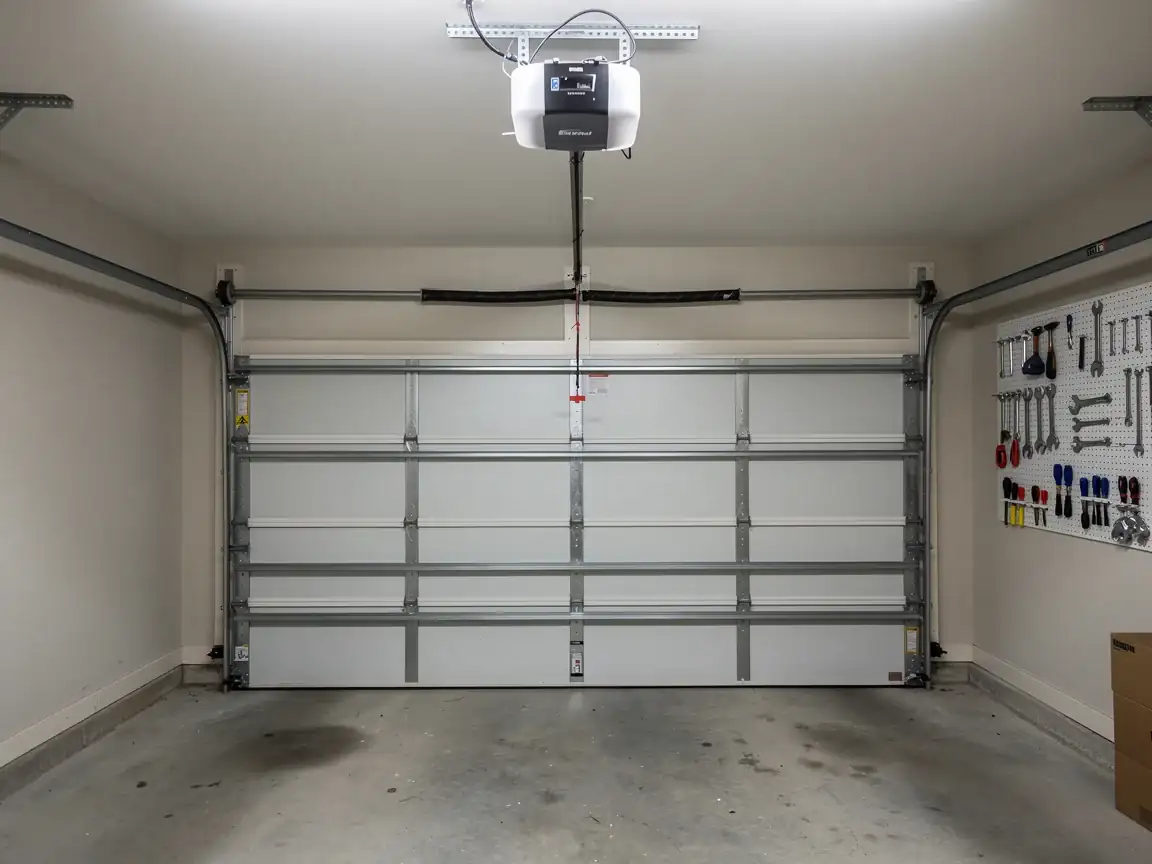
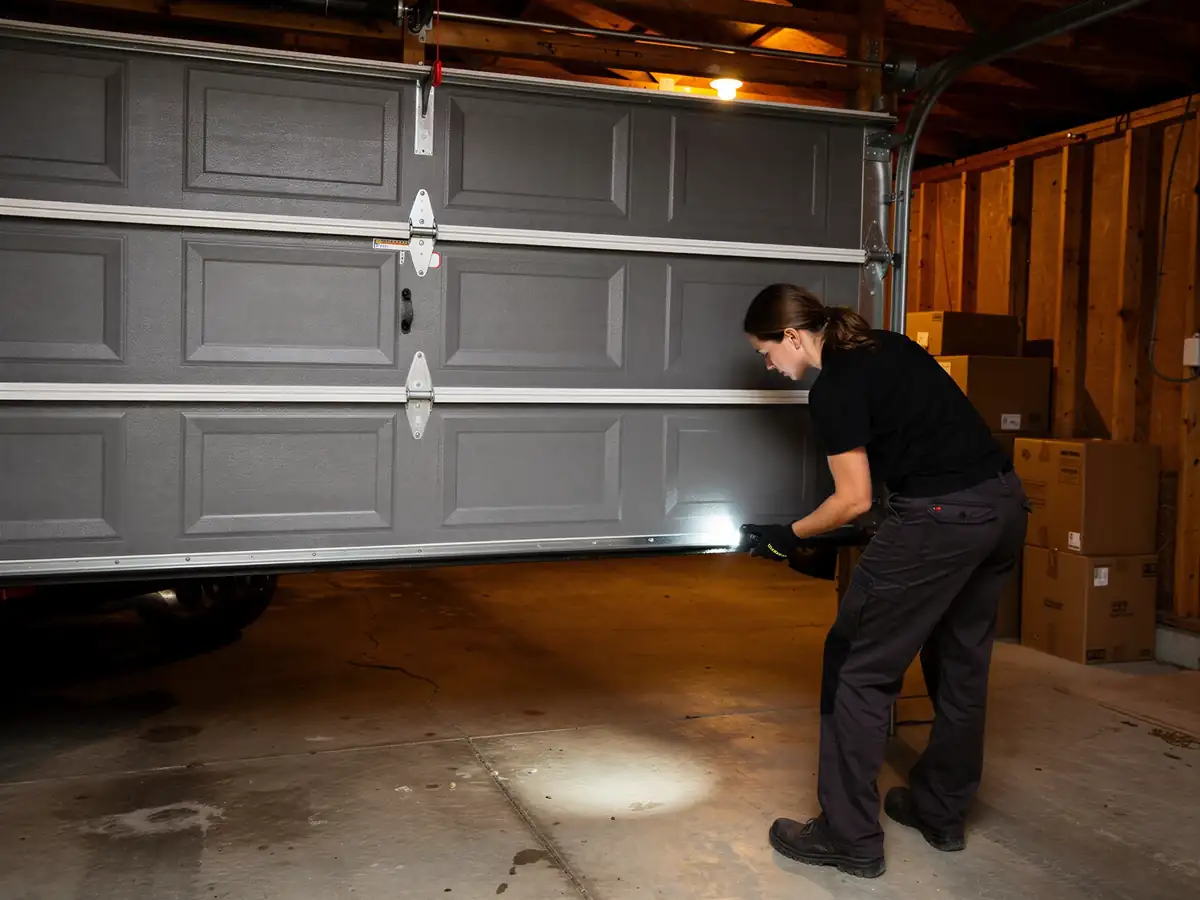
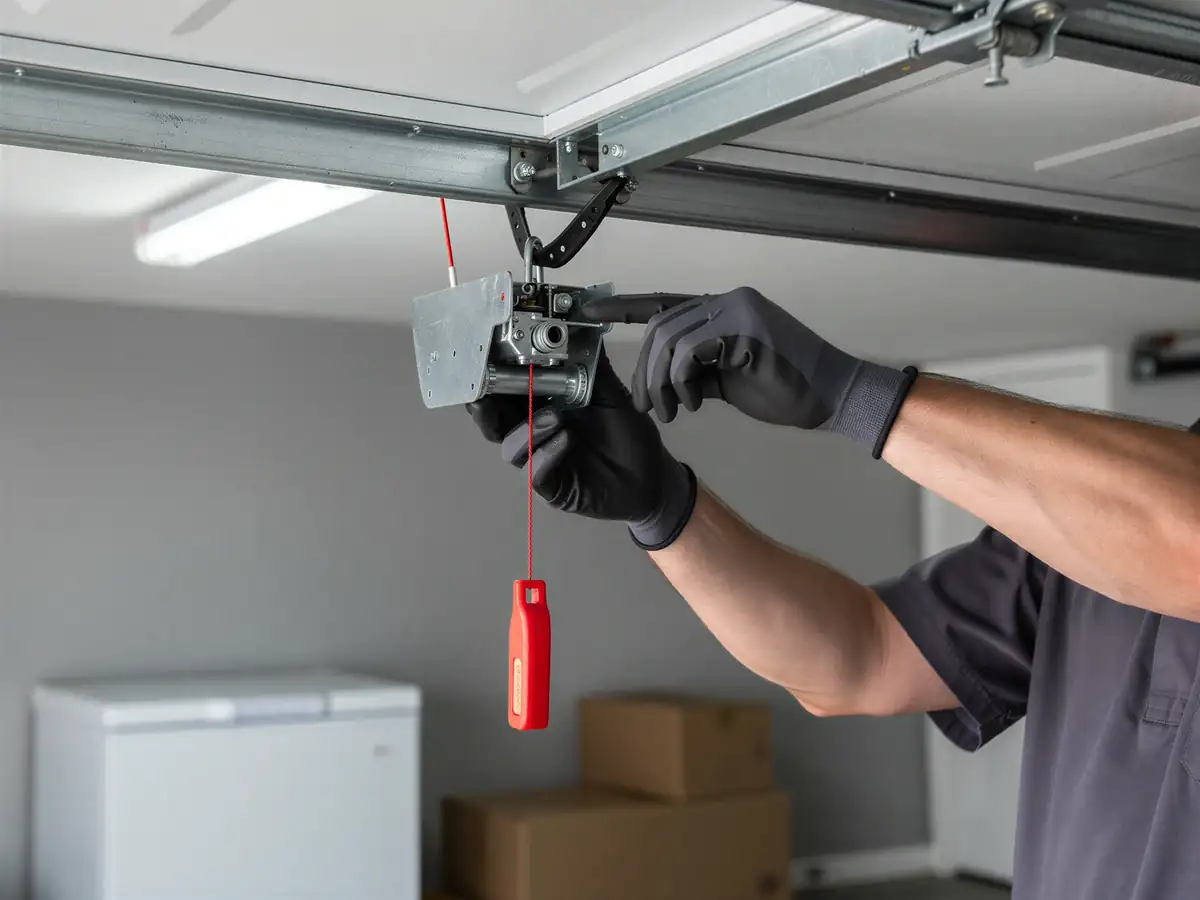
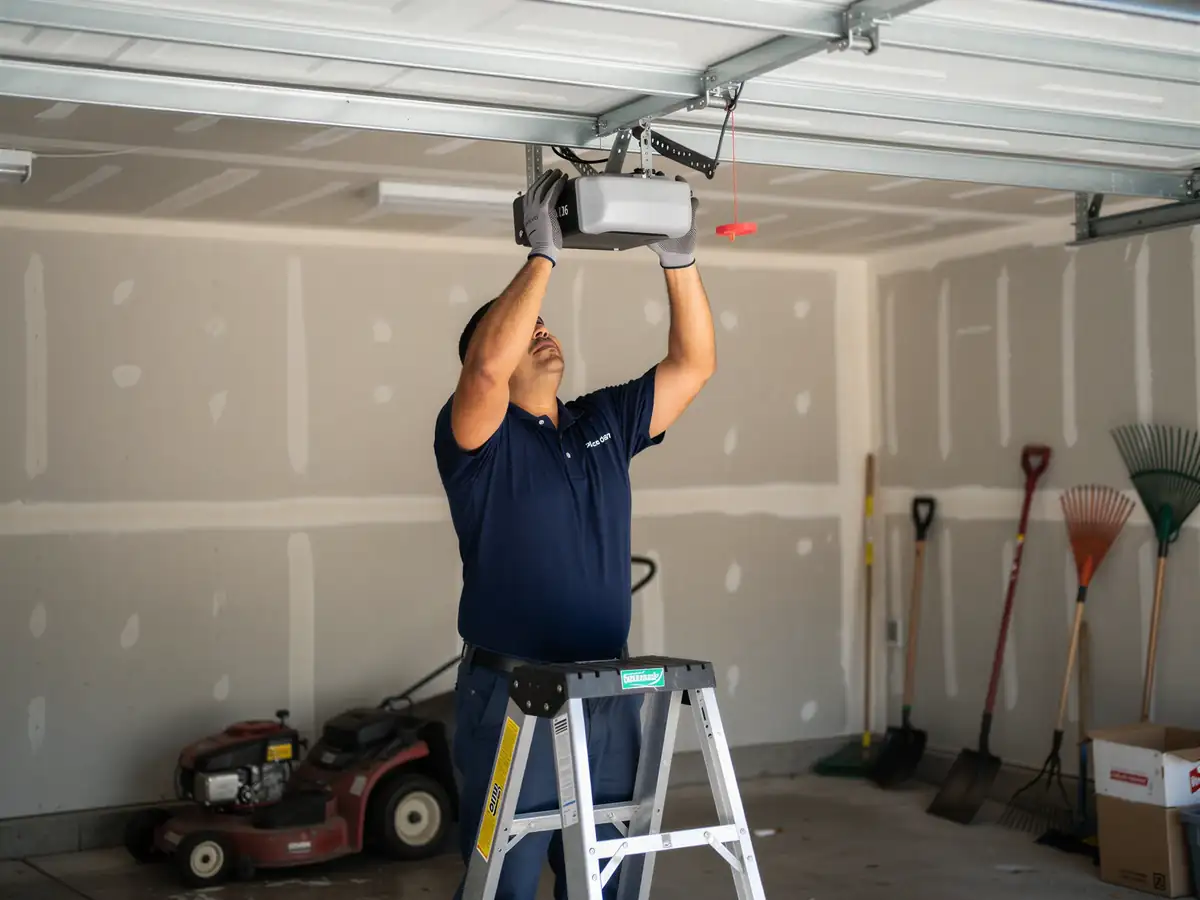
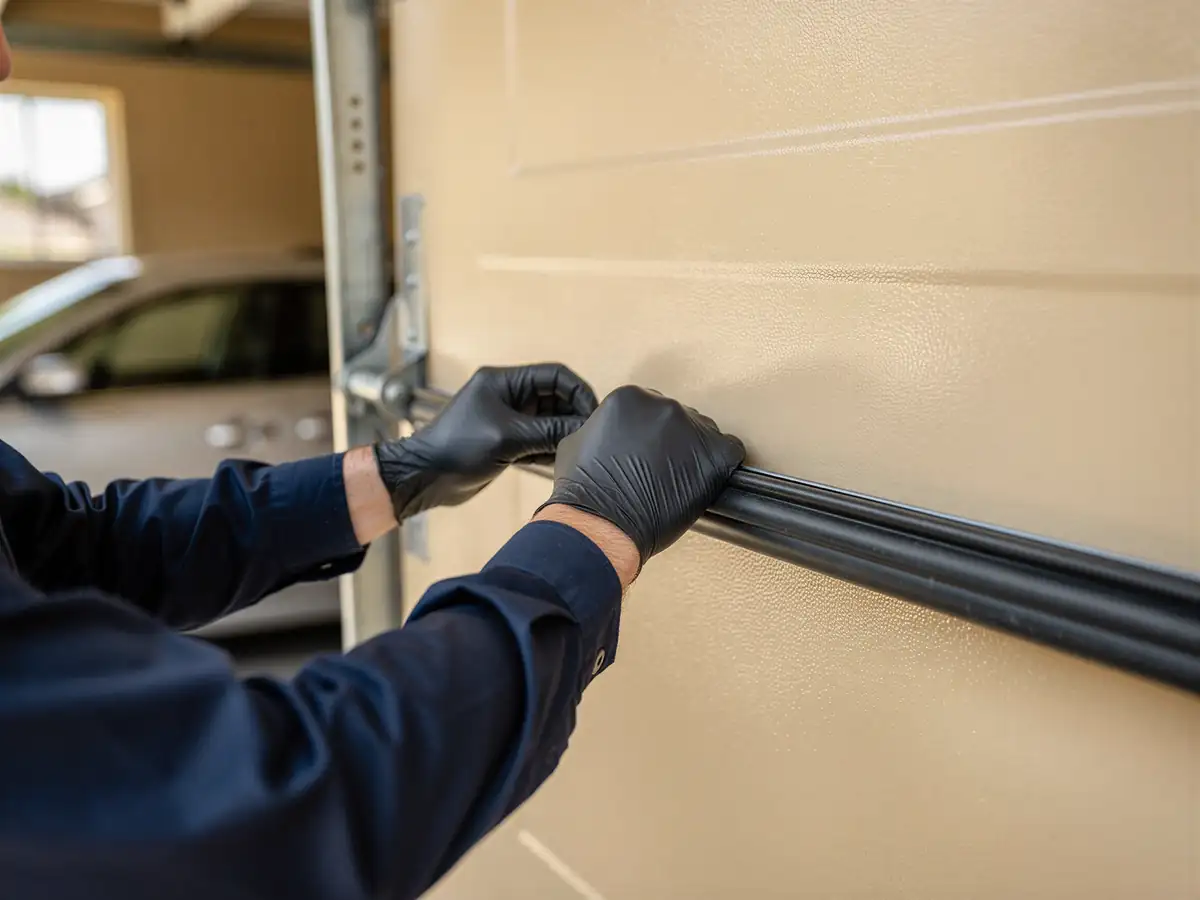
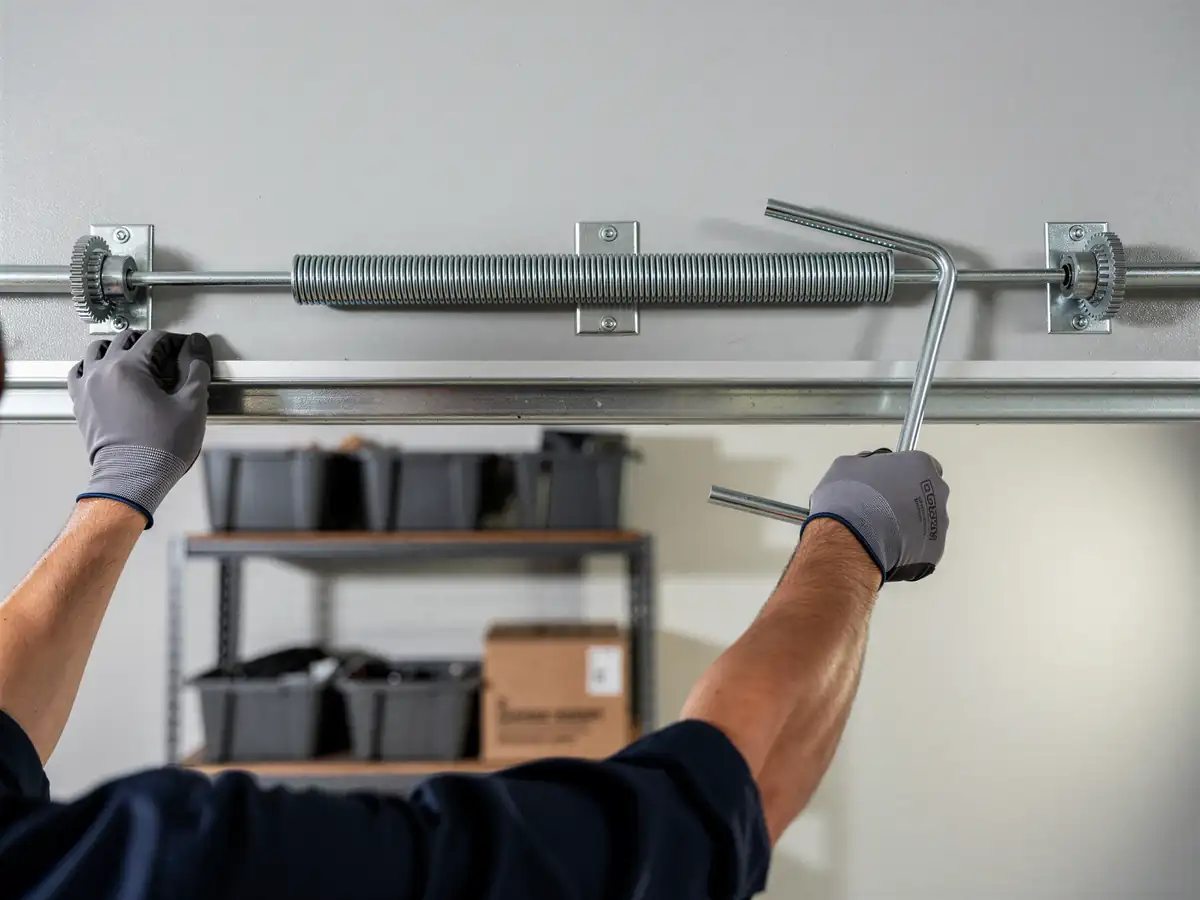
We'll say this plainly: a torsion spring on a standard double door is under enough tension to break a wrist or worse if the winding bars slip, and we don't recommend DIY on this one. Extension springs on a lighter single door are a smaller job, but even those have hurt people who didn't know to release tension in the right order. If you're comfortable popping a panel to look, fine - checking for a visibly gapped or twisted spring coil, or cables that look frayed, won't hurt anything. Beyond that, this is a job for someone with the right bars and clamps. Our honest limitation here: if your opener, track, and rollers are all original from 1967 too, a spring swap alone sometimes isn't the fix - once hardware that age starts going, it tends to go in sequence, and we'll tell you straight if replacement makes more sense than patching one part.
What You Are Seeing
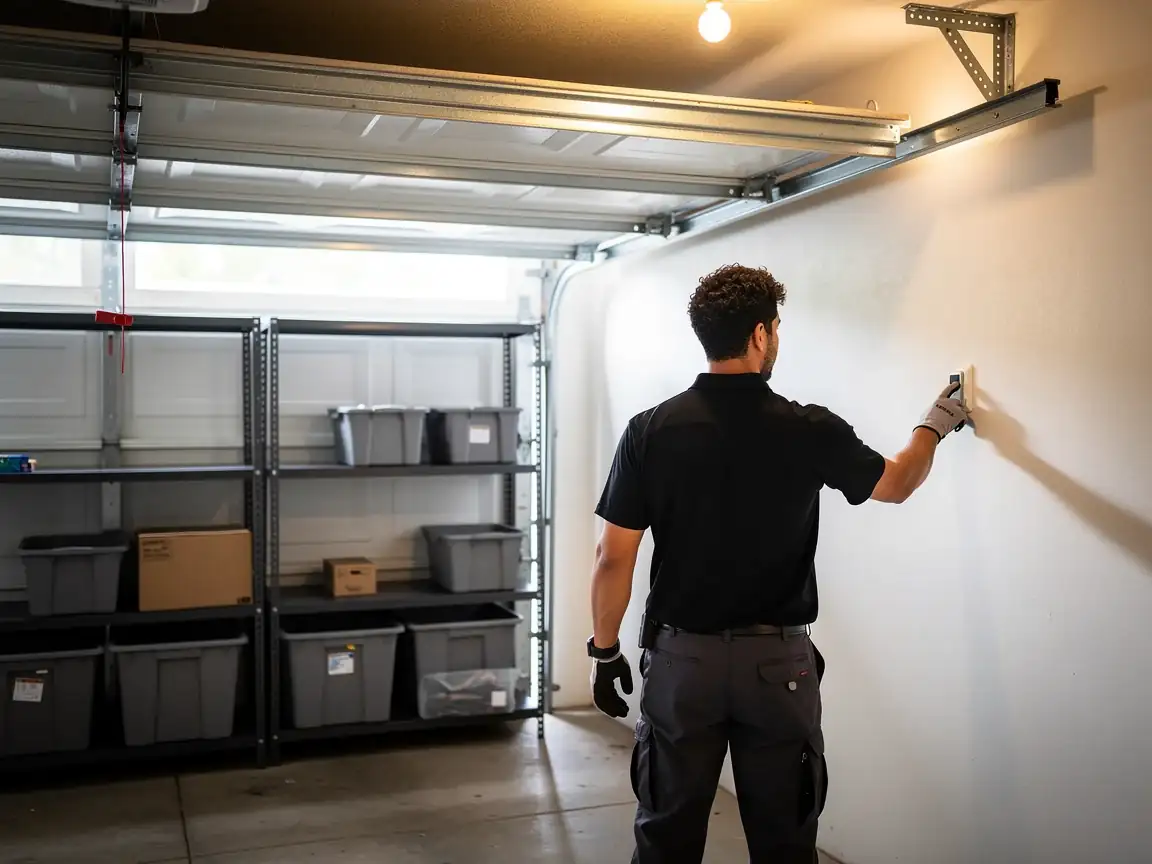
The clearest sign is a door that feels heavy all at once, or won't lift past a foot or two, because the spring has stopped carrying its share of the weight. A loud bang from the garage, often mistaken for something falling, is usually the spring itself snapping. Cables that look slack or a door that hangs crooked on one side point to a broken spring on just one side of a double-spring setup. If the opener strains, reverses, or trips its safety sensor on the way up, that's the motor trying to do a spring's job, which burns it out faster. None of these are reasons to force the door open by hand - once a spring's gone, the door has no counterbalance left and the weight has to go somewhere.