Why It Happens Here
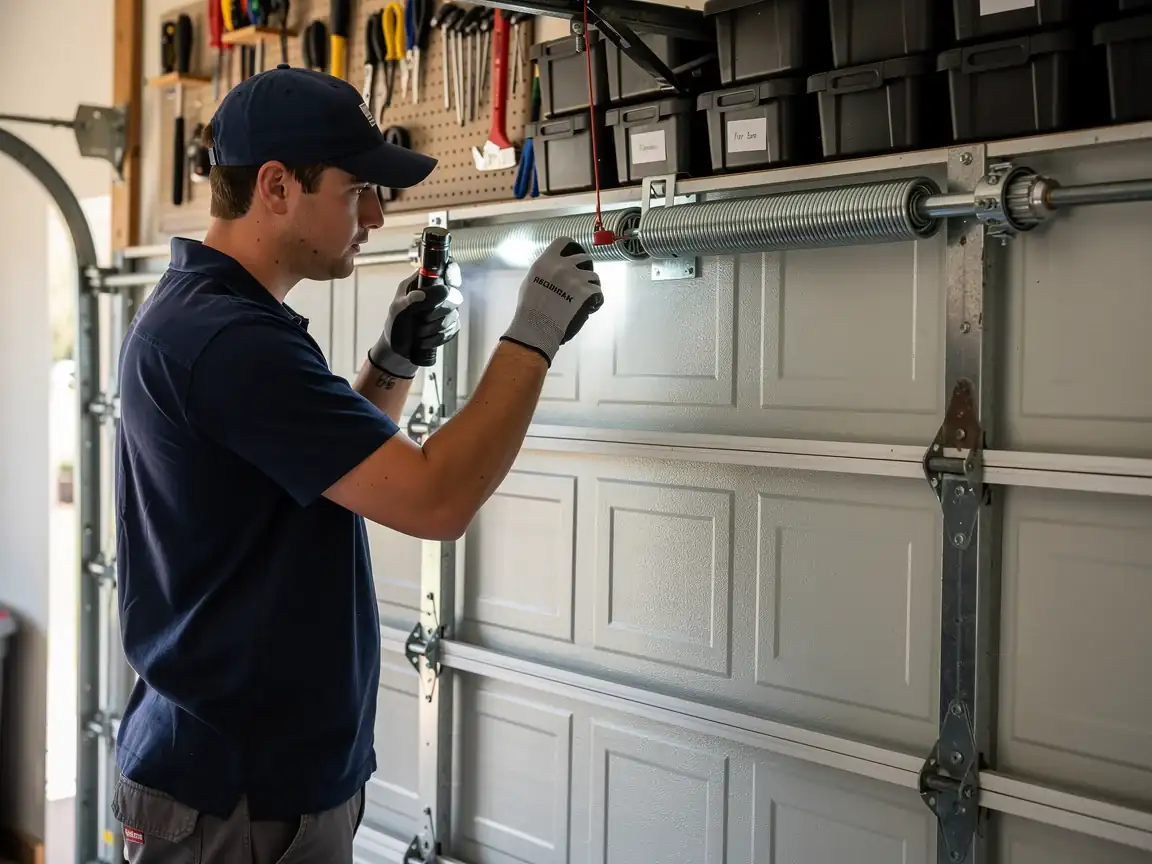
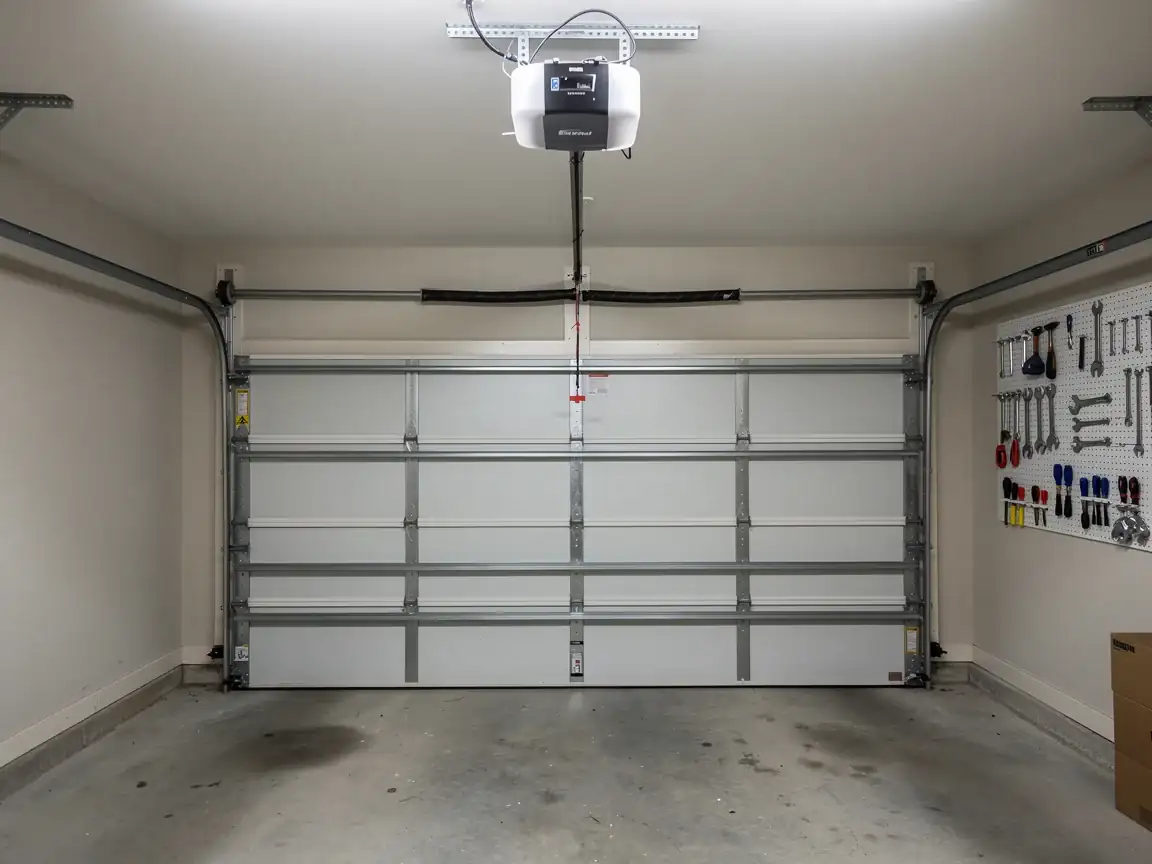
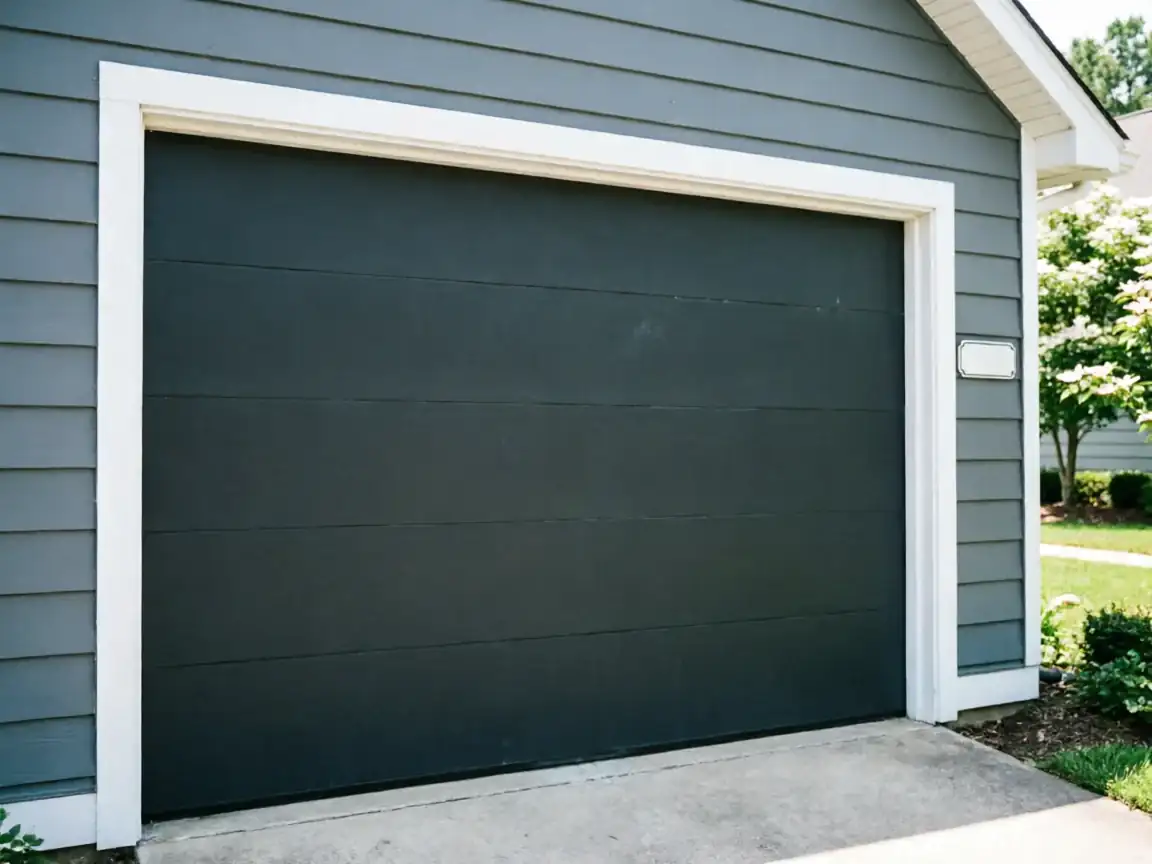
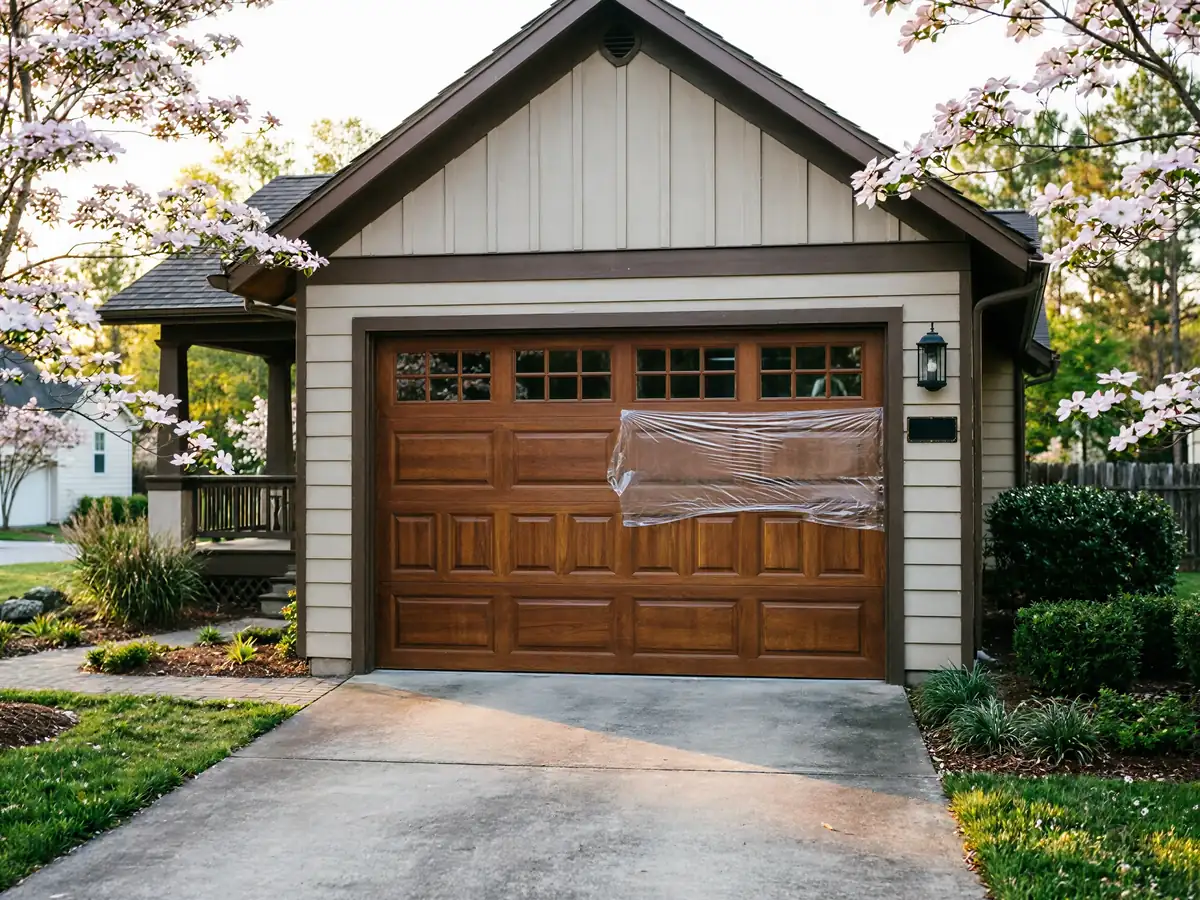
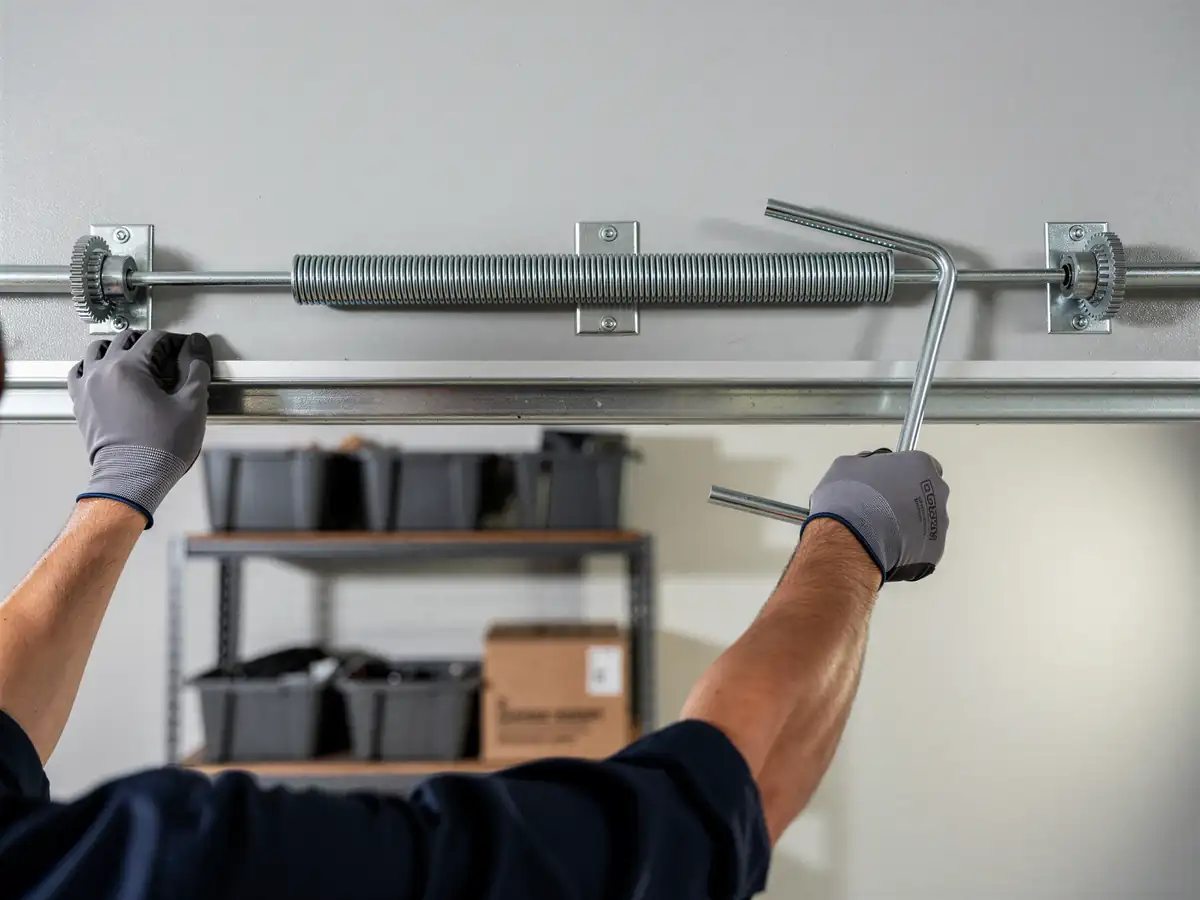
Rose Hill's median home dates to about 1967, square with the 1960s-70s stock that makes up most of the broader service area. Doors from that era were typically steel panel or fiberglass-over-wood, hung on extension springs rather than the torsion-and-center-shaft setup that became standard later. Extension springs run along the horizontal tracks on either side of the door, and after fifty-plus years of winter cycling, the galvanized coating wears thin and the coils fatigue unevenly. The service area sits in a cold-and-severe climate band, which matters more for a 1967 door than a newer one: metal contracts in hard freezes, and a spring that's already lost tension snaps on the first cold snap of the season, not gradually. Add in original rollers - often nylon without bearings, if they haven't been swapped - and you get the grinding, catching motion a lot of Rose Hill owners describe as 'it's been doing this for months.' It has, because the hardware installed when these houses were built was never meant to run this long.
Can You Do This Yourself
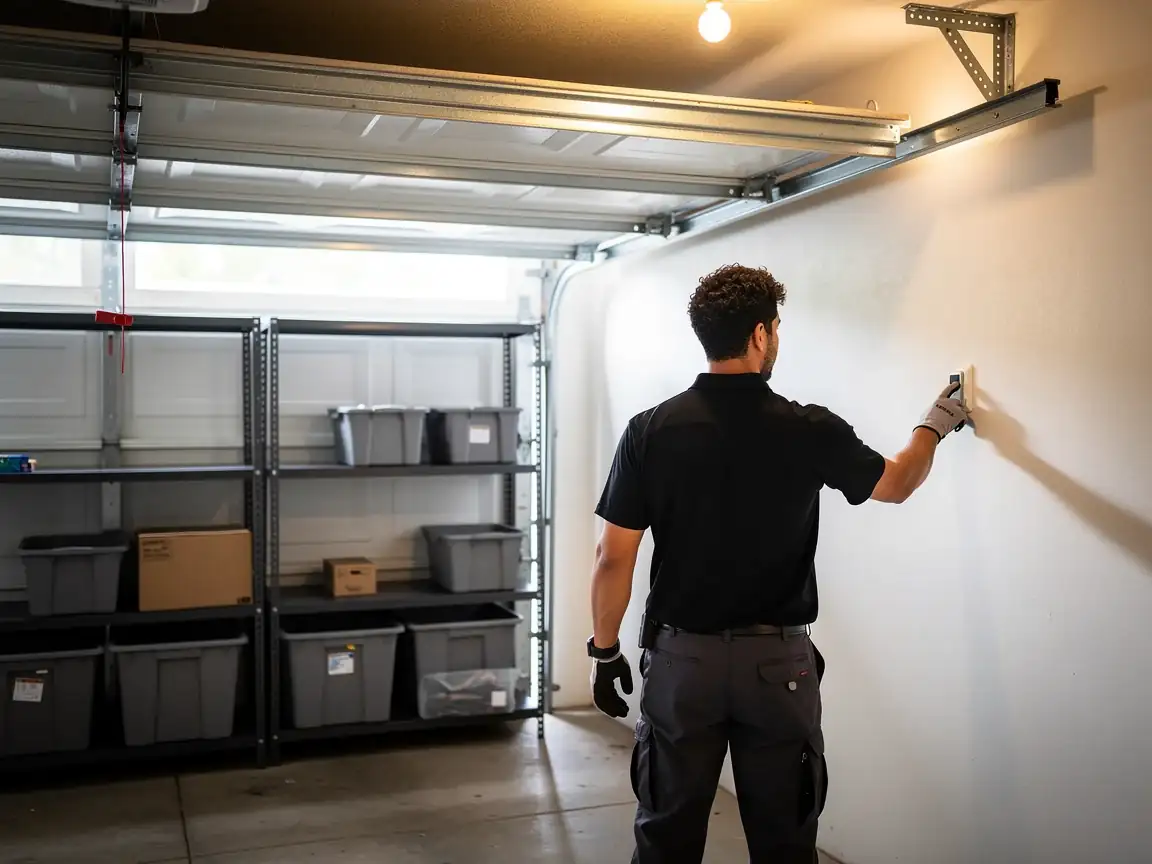
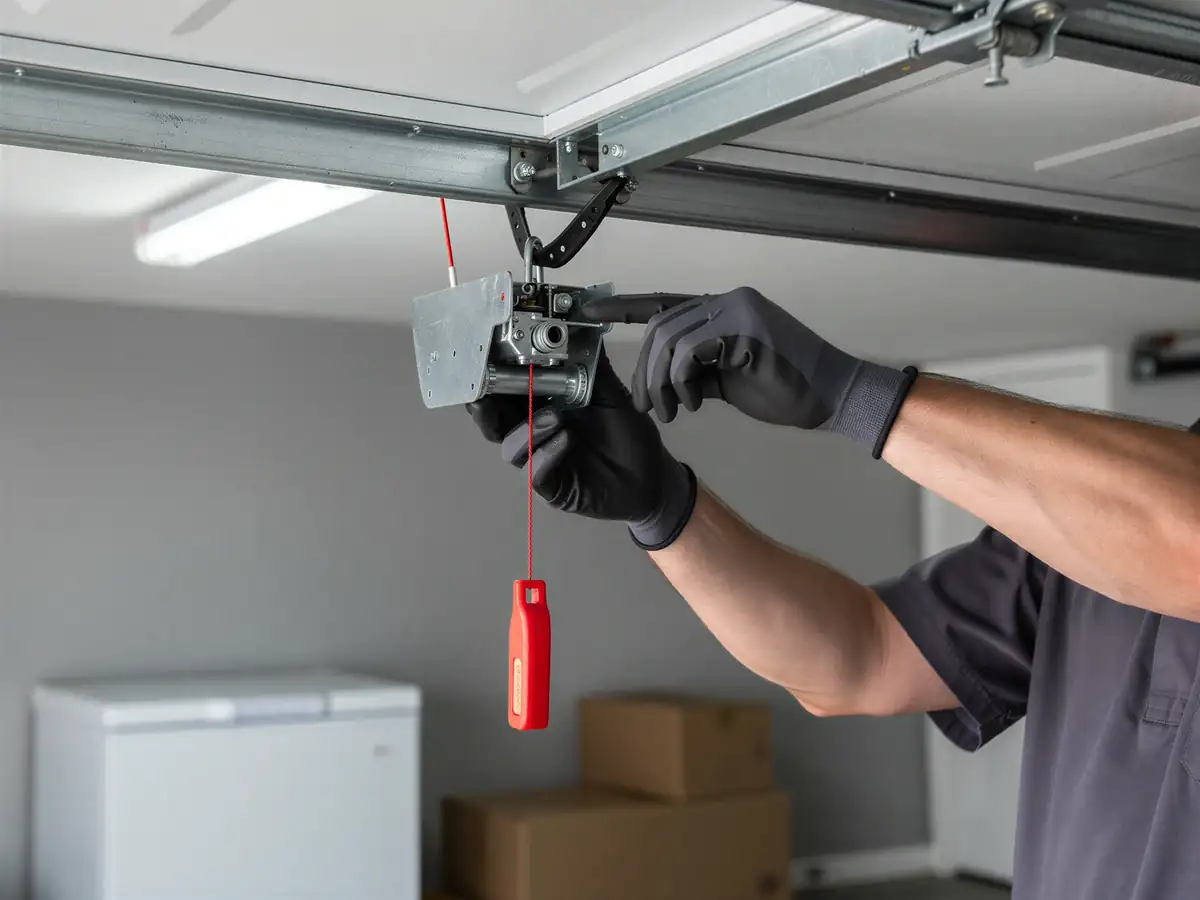
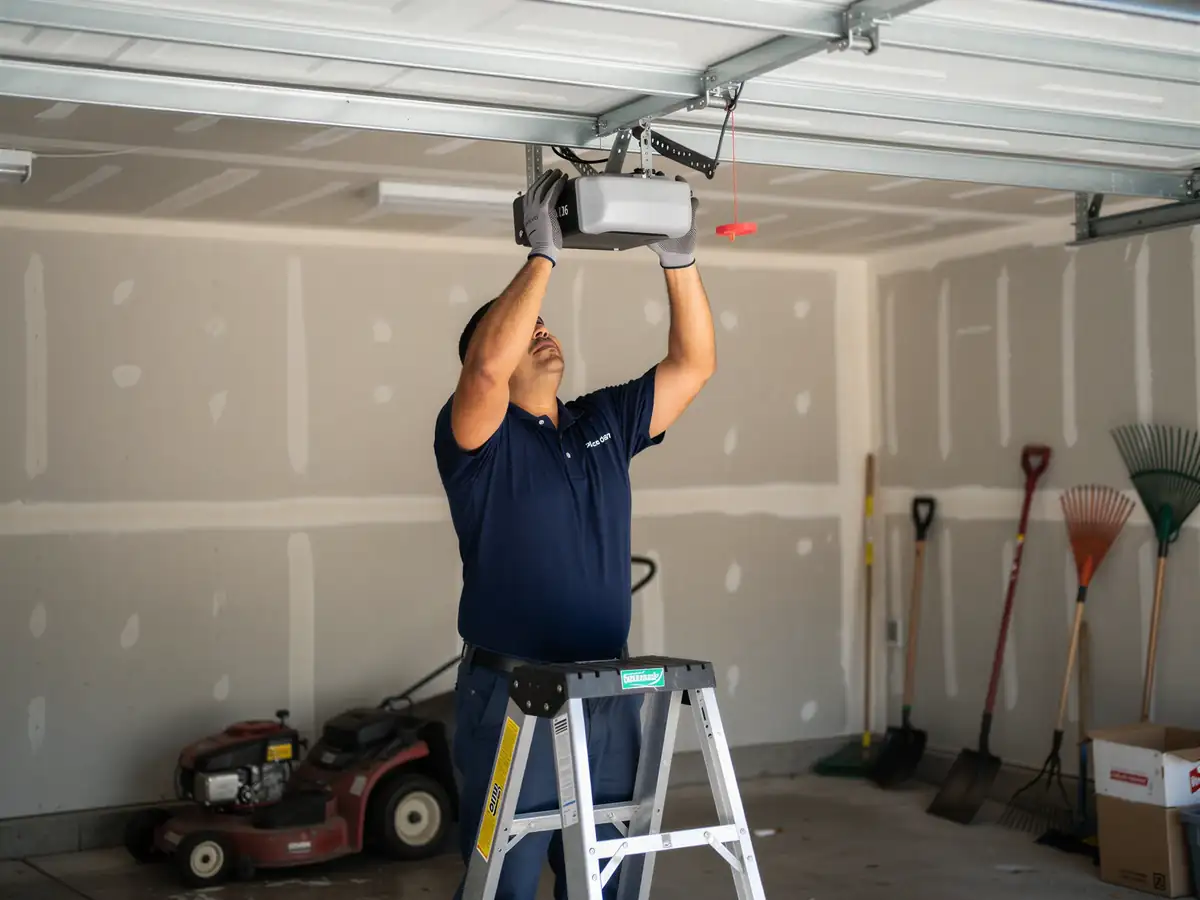
Some of this is fine to handle yourself. Lubricating hinges and rollers, tightening loose bolts on the track brackets, checking the auto-reverse sensors for alignment - none of that needs a truck. Replacing an extension spring is a different matter, and it's the one job we'll tell you flatly not to attempt on a door this old. Extension springs store enough force to break a finger or worse when they let go, and on a house from 1967 you often can't tell by looking whether the cable or the pulley is also near failure. If the door is original to the house, there's a decent chance more than one part needs attention at the same time, and pulling the wrong one first can drop the door on your hand. We also won't pretend every door is worth repairing - if the panels are rusted through or the track is bent beyond adjustment, a patch job costs you twice.
What You Are Seeing
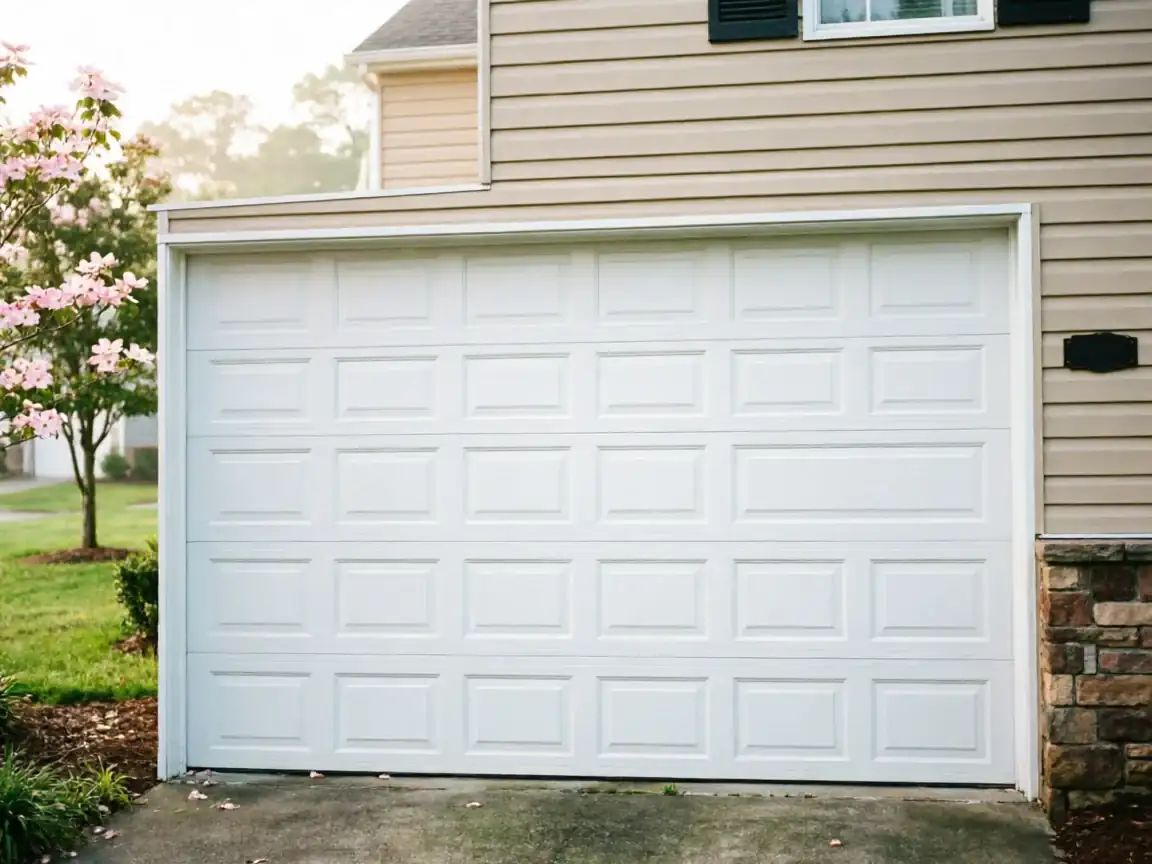
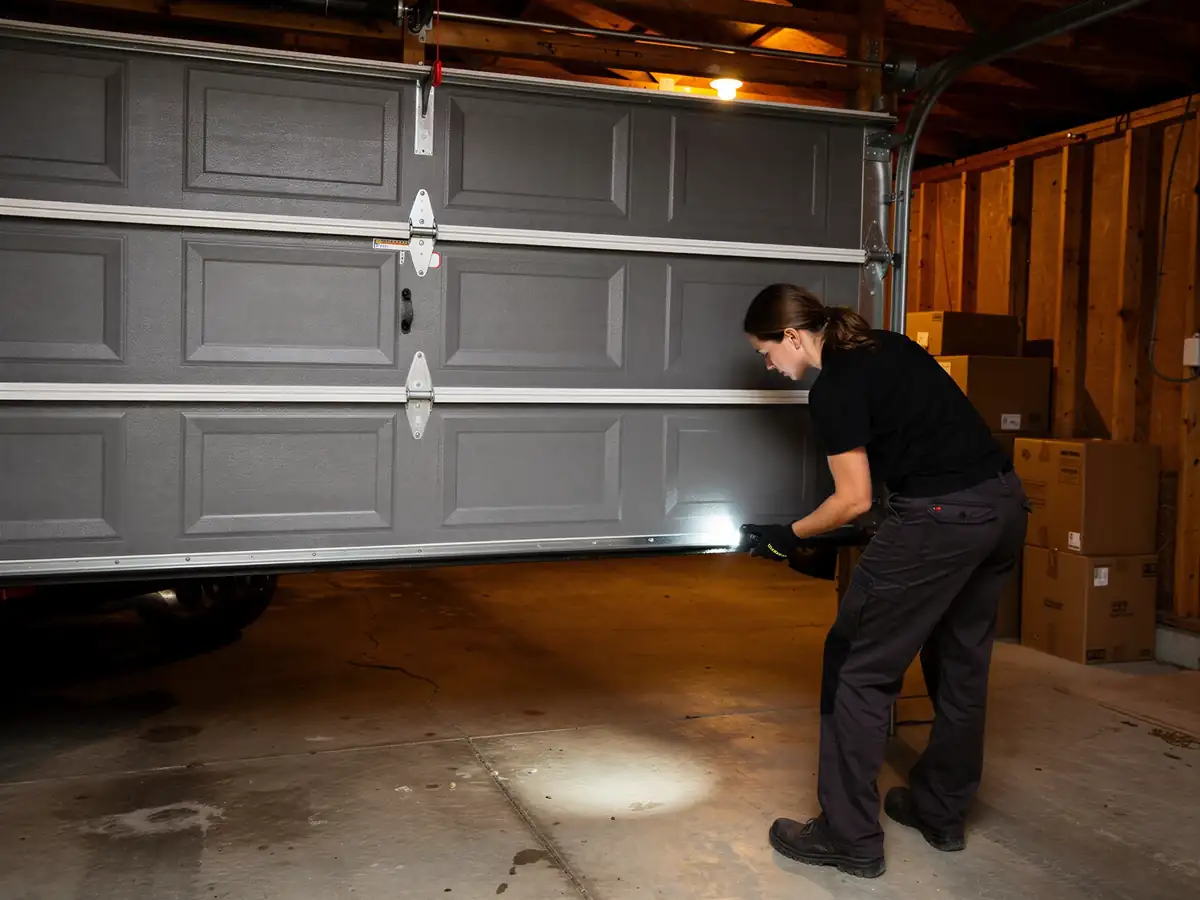
If your door is loud going up and down, catches partway, or has started reversing on its own, that's usually the rollers or the track alignment, not the opener itself - common on houses from this era where the track brackets have loosened over decades. A door that won't budge, or that one person can lift by hand when it shouldn't move at all, points to a broken or badly weakened extension spring. Watch for visible gaps or stretched coils in the spring along the track - on a house built around 1967, that spring has likely outlived two or three openers already. A door that slams the last foot instead of settling usually means the spring has lost most of its tension gradually, which is common after a long cold stretch. None of these are emergencies you have to self-diagnose precisely before calling; just tell us what you're seeing and we bring the parts most likely to match a door this age.