Why It Happens Here
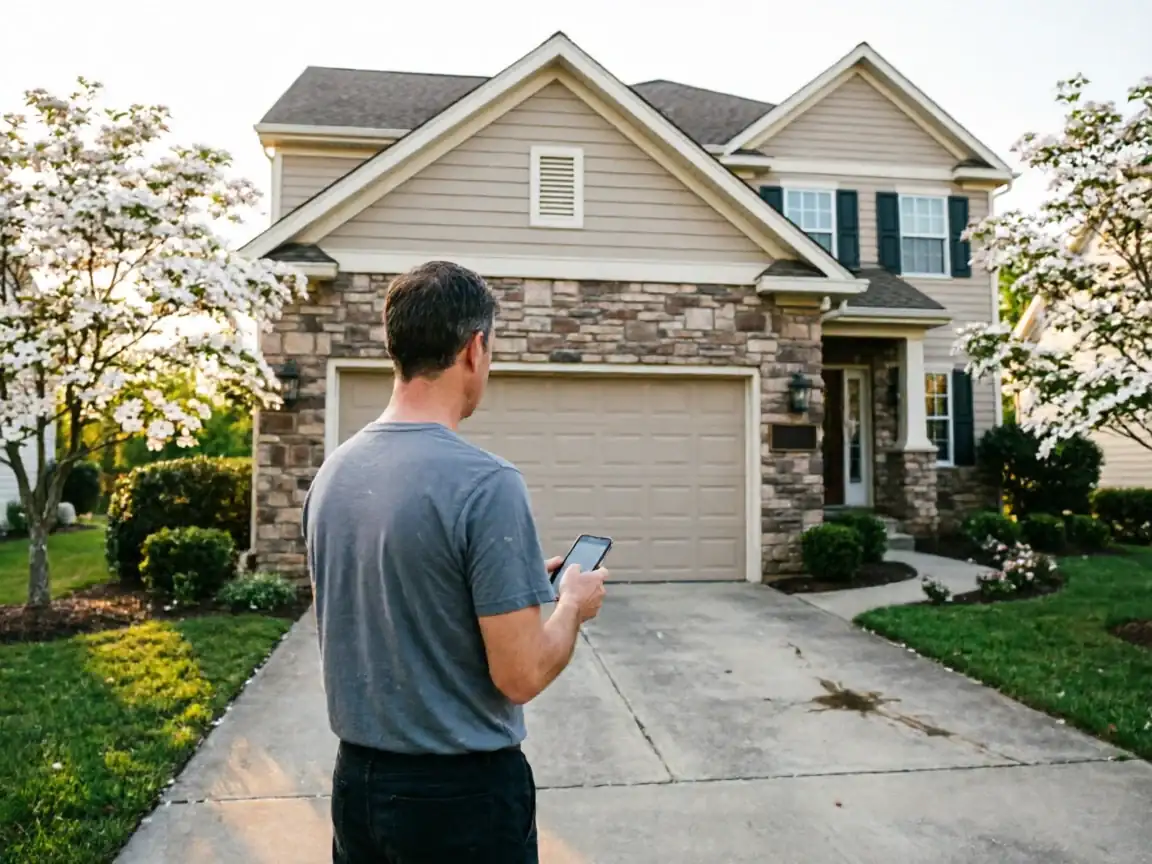
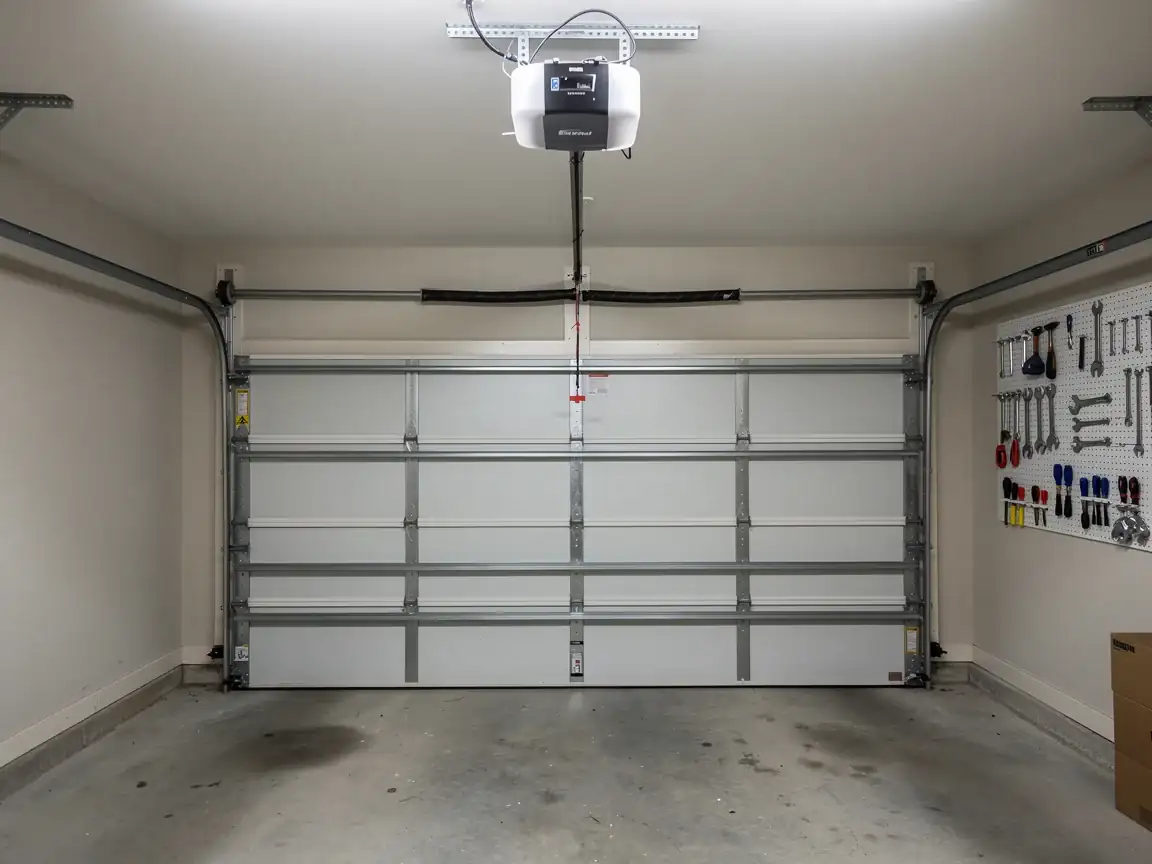
Fairfax's housing stock across the service area runs on a median build year of 1978. Rose Hill sits noticeably older, with a median closer to 1967. That decade matters for openers: houses from that era were framed for lighter wood doors on simple chain-drive units, often with headroom that modern belt-drive openers weren't designed around. A lot of those original chain-drive motors have been swapped once already, sometimes twice, and the bracket work and wiring underneath show it. On top of the age, this region sits in a climate band classified as cold and severe, which means grease inside an aging chain-drive opener stiffens hard enough by midwinter to trip the motor's overload protection or strip a drive gear outright. Rose Hill's median household income, at $160,426, runs well above the $143,796 median for the wider service area - which tracks with what we see on site, more owners choosing to replace a tired chain-drive unit with a quieter belt-drive opener and battery backup instead of nursing the old one through another winter.
Can You Do This Yourself
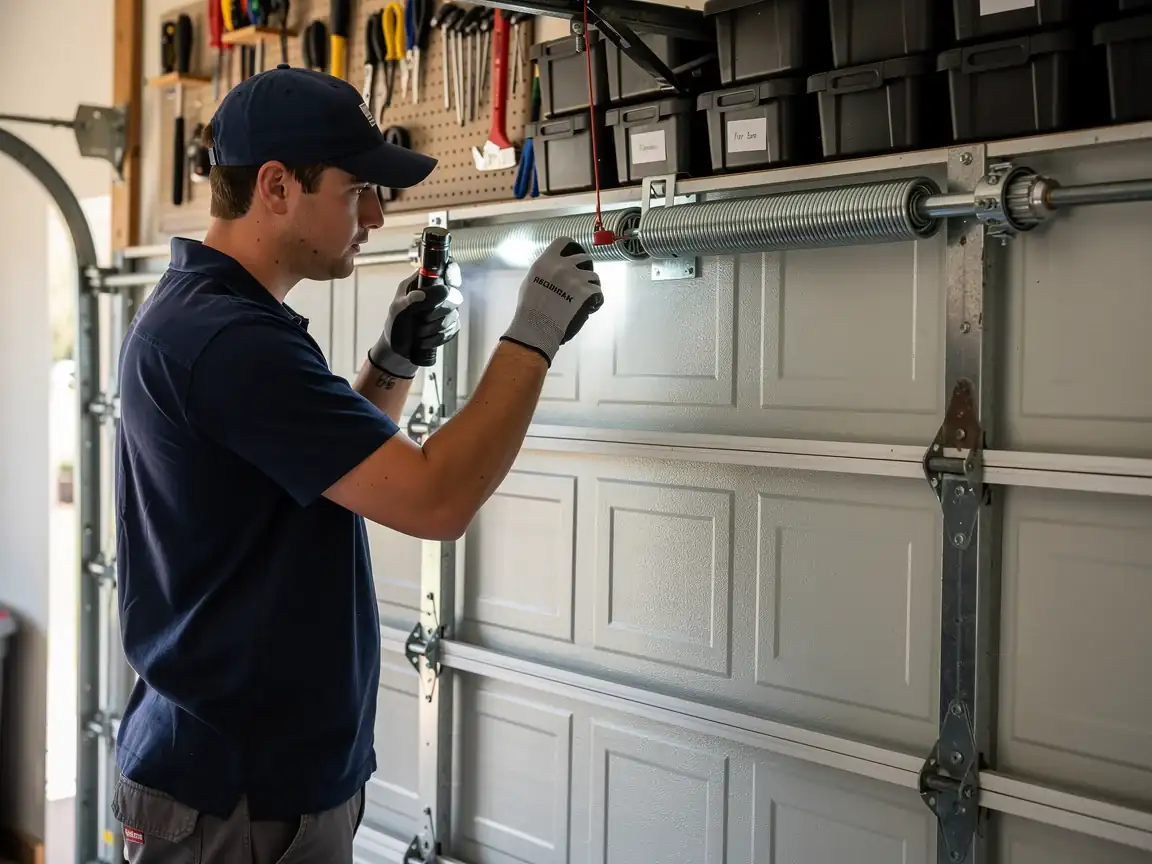
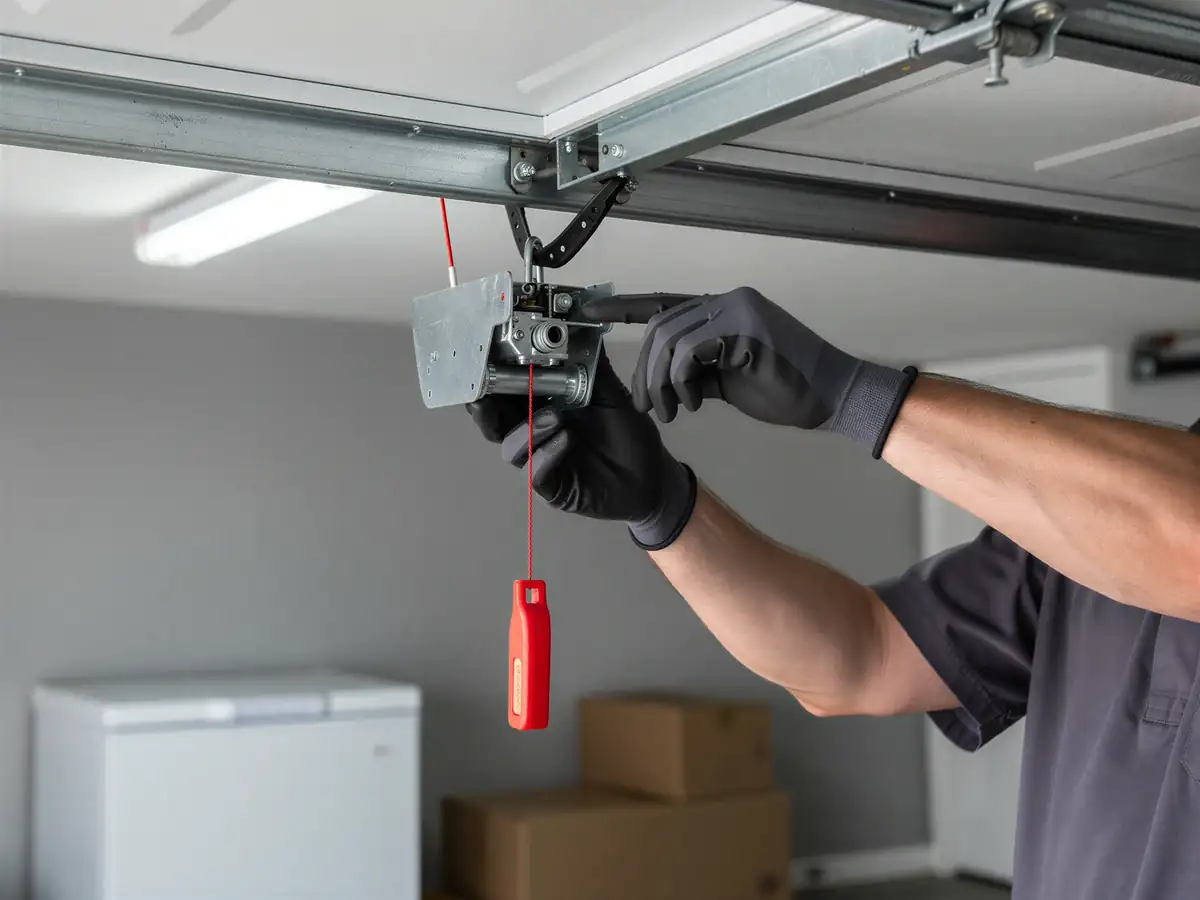
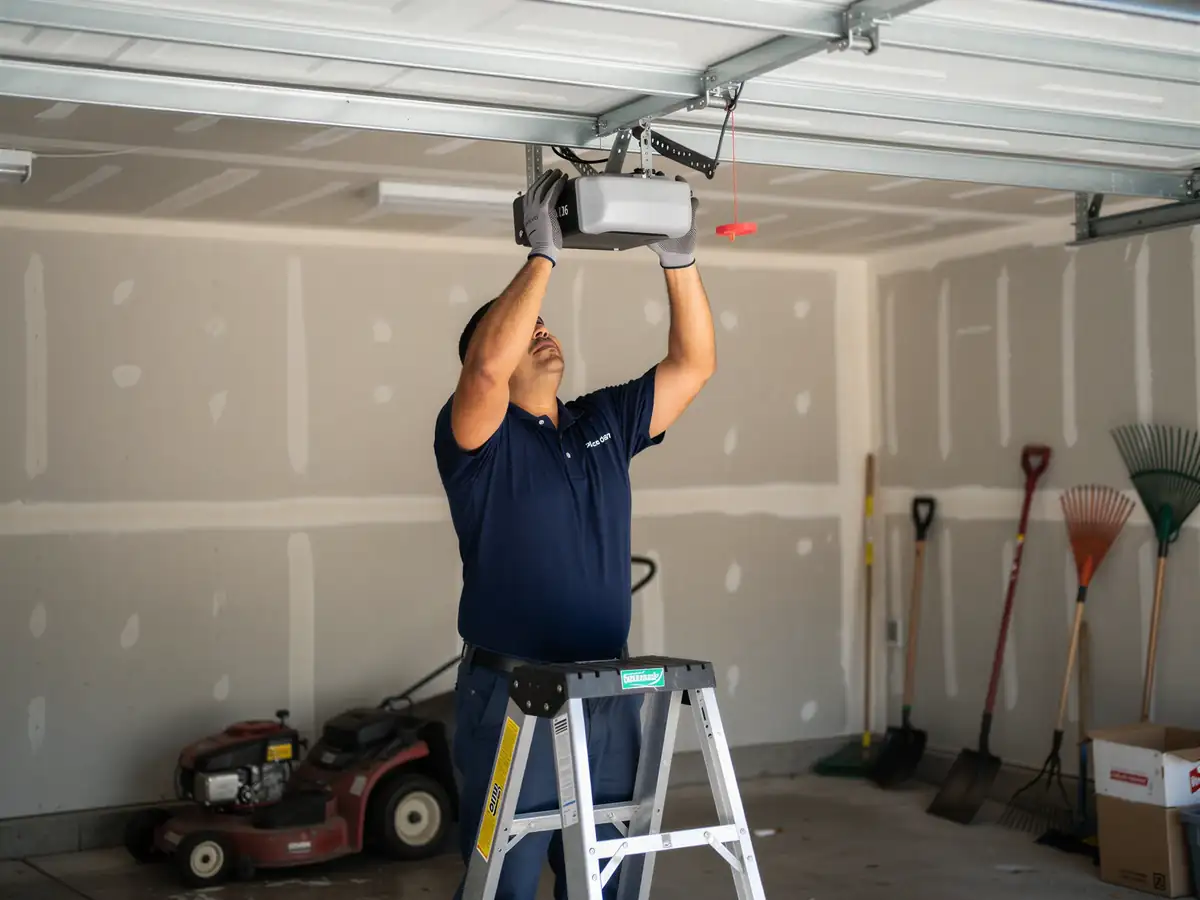
A straight opener swap - same mounting rail, same door, similar size motor - is within reach for a patient homeowner with the right tools and two sets of hands. Where it stops being a DIY job is exactly the situation common in Rose Hill's older housing: a chain-drive unit on a door and track that predate the opener you're buying, where the rail length, bracket spacing, or header clearance doesn't match out of the box. Get that wrong and you're either forcing a mount that puts uneven strain on the door or discovering mid-install that the header isn't where the new bracket needs it. We also won't talk you through wiring a new opener into an old spring system that's already fatigued - that's a separate repair, and skipping it just moves the failure point from the motor to the spring. If your rail and bracket points are modern and standard, a self-install is reasonable. If the house is original to its 1960s construction, it usually isn't.
What You Are Seeing
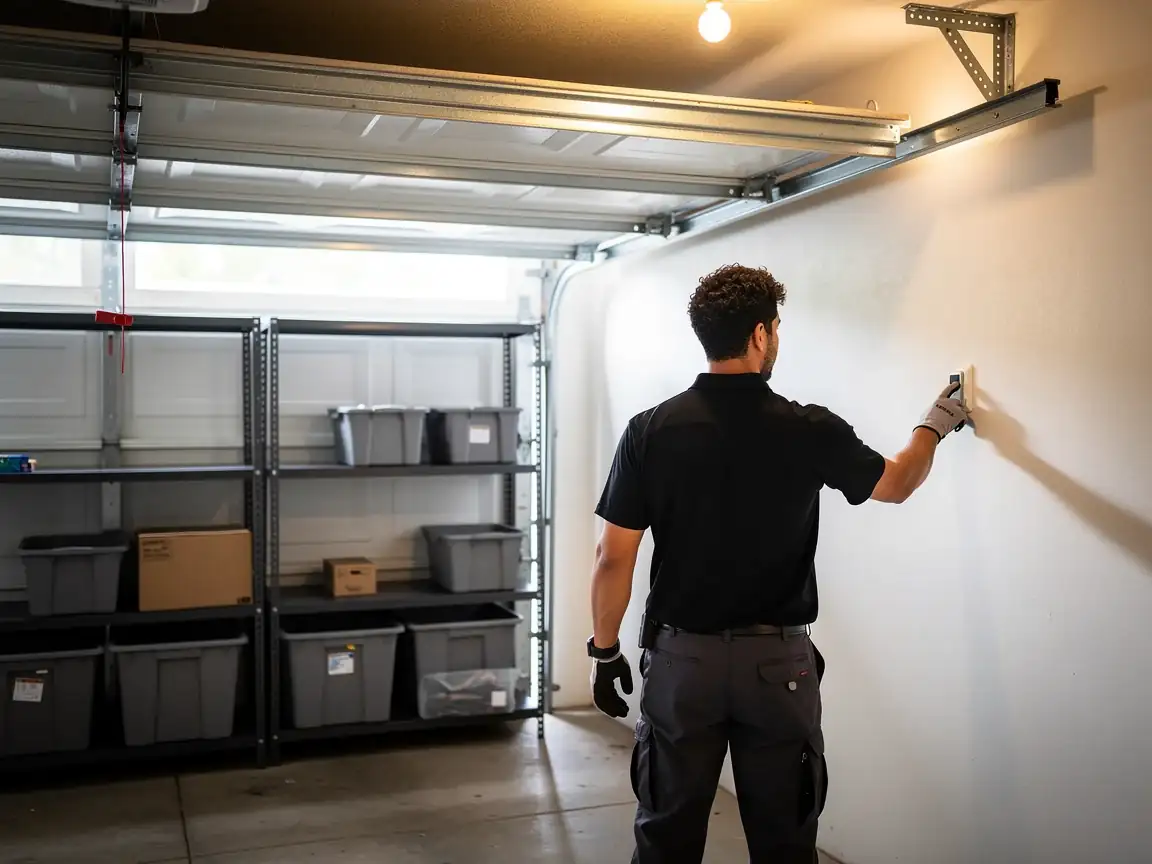
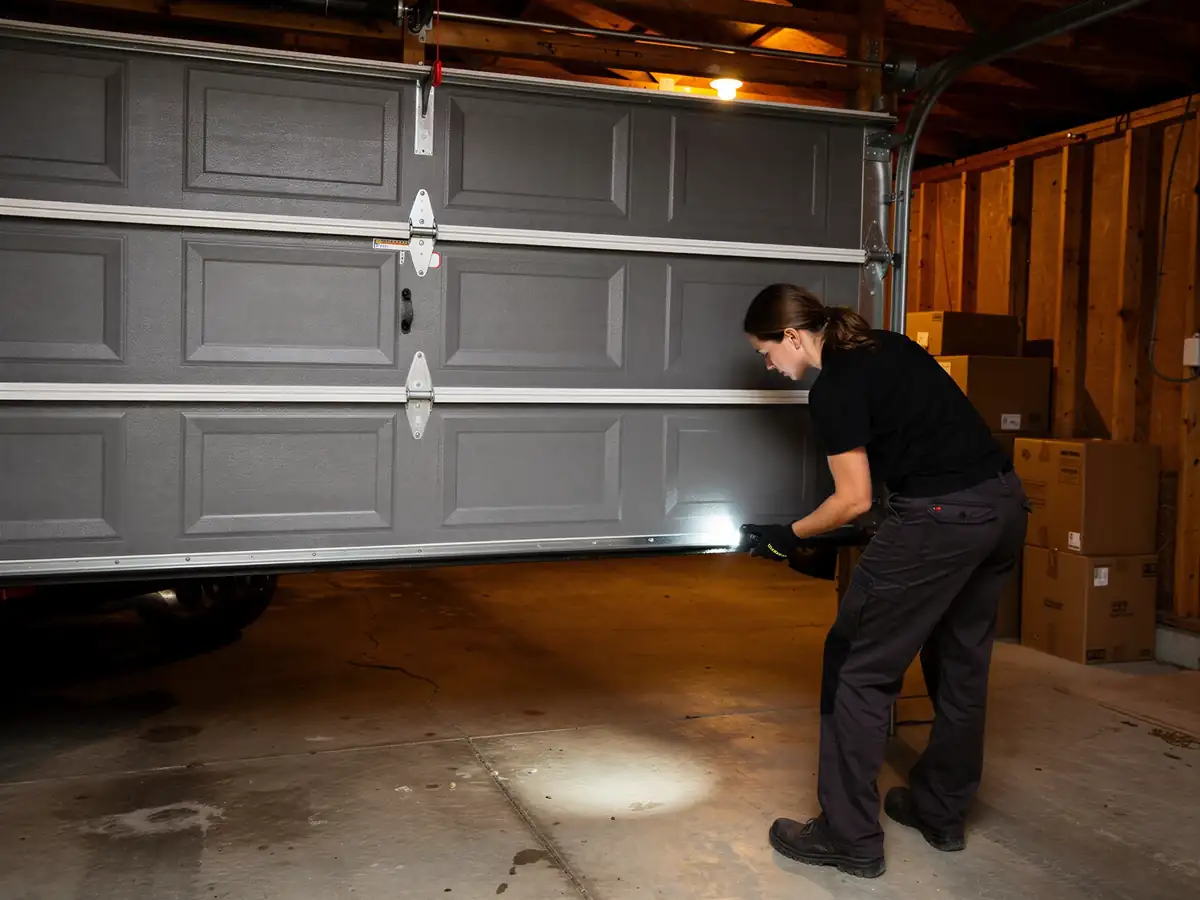
The usual signs we get called out for in Rose Hill: a chain-drive opener that grinds or stutters on cold mornings before smoothing out once the garage warms up, a motor that runs but the door doesn't move because the drive gear has stripped, or a remote that works some days and not others because the logic board is original to a decades-old install. Sometimes it's simpler - the opener runs fine but reverses on contact with the floor, which usually means the travel limits were never reset after a door panel was replaced. None of these point to a bad door on their own; they point to an opener that's outlived its gearing and wasn't built for the load or the cold it's been running in. If your opener is original to a house built in the 1960s, age alone is often reason enough to replace rather than keep repairing it piece by piece.